10 Low-Impact Postpartum Workouts to Boost Energy in 2025
In fact, studies show that moderate postpartum exercise can enhance mood, increase stamina, and reduce the risk of postpartum depression. Whether you’re navigating sleepless nights or simply eager to feel like yourself again, incorporating the right exercises can make a huge difference. This article will walk you through 10 carefully selected low-impact postpartum workouts designed specifically to help you regain your strength and boost your energy in a safe, nurturing way.Let’s dive in and explore these energizing exercises that will help you feel more vibrant and ready to embrace motherhood fully.
1. Pelvic Floor Exercises (Kegels)
One of the most crucial areas to focus on after childbirth is your pelvic floor. The pelvic floor muscles support your bladder, uterus, and bowel, and pregnancy plus delivery can weaken them significantly. That’s where Kegel exercises come in — they are a simple yet powerful way to rebuild strength and stability.Performing Kegels correctly involves squeezing and lifting the pelvic muscles as if you’re trying to stop the flow of urine. Start with a few repetitions a day, holding each contraction for about 5 seconds, and gradually increase the duration as your muscles regain strength. The beauty of Kegels is that you can do them anywhere, anytime — no equipment needed!Besides improving bladder control and pelvic stability, strengthening your pelvic floor can reduce the risk of prolapse and enhance sexual health. Consistency is key here, and with daily practice, you’ll notice improvements in comfort and confidence that positively impact your overall wellbeing.

2. Gentle Walking
Walking is one of the simplest yet most effective postpartum workouts to boost energy. It requires no special gear, can be done outdoors or indoors, and has a natural way of lifting your mood while gradually increasing your cardiovascular fitness. Starting with short, slow-paced walks around your home or neighborhood can help improve circulation and reduce stiffness after delivery.For new moms, it’s important to listen to your body — start with 5 to 10 minutes and build up gradually to longer walks as your strength and stamina improve. Bringing your baby along in a stroller can turn your walk into quality bonding time, too. Plus, exposure to fresh air and natural light helps regulate your sleep cycle, which is often disrupted postpartum.Regular walking sessions can boost energy levels by enhancing blood flow and releasing endorphins — nature’s mood elevators. Remember, even gentle movement counts, and incorporating walking into your daily routine is a budget-friendly, accessible way to feel revitalized without strain.

3. Modified Bridge Pose
The bridge pose is a gentle yoga-inspired exercise that targets your core, glutes, and lower back — areas often weakened after childbirth. When modified for postpartum recovery, it helps strengthen these muscles without placing undue pressure on your abdomen or pelvic floor.To perform a modified bridge pose, lie on your back with knees bent and feet flat on the floor, hip-width apart. Slowly lift your hips toward the ceiling, engaging your glutes and core, then lower back down with control. Keep movements slow and mindful, focusing on form rather than reps.This exercise promotes better posture, helps alleviate lower back pain, and activates key muscle groups essential for regaining stability and balance. It’s particularly beneficial for moms who experience diastasis recti (abdominal separation) because it encourages core activation without excessive strain.

4. Seated Upper Body Strengthening
After childbirth, your upper body can often feel weak or stiff, especially from the demands of lifting and carrying your baby. Seated upper body exercises provide a low-impact way to build strength in your arms, shoulders, and upper back while supporting good posture.Simple movements like seated bicep curls, shoulder presses, or rows using light weights or resistance bands can be done comfortably at home. These exercises help improve muscle tone, reduce tension from nursing or holding your baby, and prepare you for the physical demands of motherhood.Begin with 1-2 sets of 10-15 repetitions, focusing on slow, controlled movements. Using household items like water bottles as weights keeps this routine budget-friendly and easy to integrate into your day.

5. Cat-Cow Stretch
One of the most soothing and effective stretches for postpartum recovery is the Cat-Cow pose. It gently mobilizes your spine, improves flexibility, and relieves tension in your back and neck — areas that often bear the brunt of new mom posture challenges.To perform, start on all fours with your wrists under shoulders and knees under hips. Inhale as you arch your back (Cow), lifting your head and tailbone. Exhale as you round your spine (Cat), tucking your chin and pelvis. Flow slowly between these positions, syncing breath with movement.The Cat-Cow stretch increases spinal mobility and promotes relaxation. It’s perfect for easing discomfort from prolonged nursing sessions and helps reduce stress by encouraging mindful breathing. Try incorporating it into your daily routine, especially after long periods of sitting.

6. Side-Lying Leg Lifts
Strengthening your hips and thighs is important for postpartum recovery, and side-lying leg lifts provide a low-impact way to target these muscle groups effectively. This exercise can help improve lower body strength without stressing your pelvic floor.Lie on one side with your body in a straight line and legs stacked. Slowly lift your top leg toward the ceiling, keeping it straight, then lower it back down with control. Perform equal reps on both sides.Side-lying leg lifts improve hip stability and muscle tone, which supports better balance and mobility as you resume daily activities. They’re gentle, easy to perform anywhere, and ideal for moms who prefer low-impact strengthening.

7. Wall Push-Ups
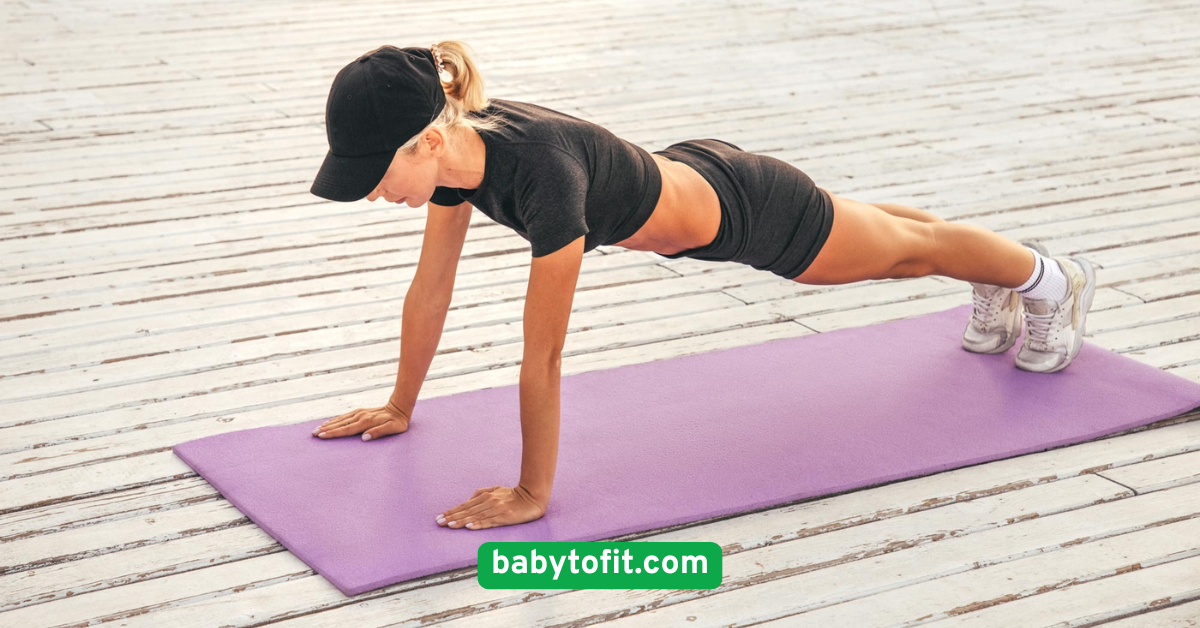
Wall push-ups are an excellent way to build upper body strength with minimal strain, making them perfect for postpartum fitness. This variation reduces pressure on your wrists and shoulders compared to traditional floor push-ups.Stand facing a wall with feet hip-width apart and arms extended to shoulder height. Slowly bend your elbows to bring your chest toward the wall, then push back to starting position. Focus on controlled movements and proper form.Regularly practicing wall push-ups helps strengthen the chest, shoulders, and arms, improving your ability to carry and lift your baby comfortably. It also promotes better posture by engaging muscles responsible for shoulder stability.
8. Diaphragmatic Breathing Exercises
Breathwork is often overlooked in postpartum fitness, yet it plays a vital role in recovery and energy management. Diaphragmatic breathing encourages deep, mindful breaths that activate your parasympathetic nervous system, helping reduce stress and improve oxygen flow.To practice, sit or lie comfortably, placing one hand on your chest and the other on your abdomen. Breathe deeply through your nose, allowing your abdomen to rise while keeping your chest still. Exhale slowly through pursed lips.This technique can aid in healing your core muscles, improving circulation, and enhancing relaxation. Incorporating diaphragmatic breathing into your routine can provide an immediate boost to energy and calmness, making it a powerful postpartum tool.

9. Seated Marching
Seated marching is a gentle cardiovascular exercise that can be performed indoors, making it especially useful for new moms limited by mobility or space. It helps elevate your heart rate safely and strengthens your hip flexors and thighs.Sit on a sturdy chair with your feet flat on the floor. Lift one knee toward your chest, then lower it and lift the other in a marching rhythm. Keep your core engaged and maintain good posture throughout.This exercise improves circulation, coordination, and endurance. It’s easy to fit into your day during baby’s nap time or while watching TV, providing a quick energy boost with minimal effort.

10. Child’s Pose with Side Stretch
The Child’s Pose is a restorative yoga posture that gently stretches your back, hips, and thighs while encouraging relaxation. Adding a side stretch variation helps release tension in your sides and shoulders — common trouble spots for postpartum moms.Start kneeling with your big toes touching and knees wide apart. Reach your arms forward, lowering your chest toward the floor. To add the side stretch, walk your hands to one side and hold for several breaths, then switch sides.This pose calms the nervous system, relieves muscle tightness, and promotes restful breathing. Practicing Child’s Pose regularly supports your body’s healing and helps manage postpartum stress effectively.

Conclusion
Recovering from childbirth takes time, patience, and kindness toward your body. These 10 low-impact postpartum workouts offer safe, gentle ways to rebuild your strength, increase your energy, and nurture your wellbeing during this transformative phase. Remember, every new mom’s journey is unique—listen to your body, move at your own pace, and celebrate every small victory.
Consistency with these exercises can enhance your postpartum recovery and help you feel more vibrant and energized. Ready to get started? Take a deep breath, choose the workout that feels right for today, and embrace this exciting path to renewed strength and vitality!


