10 Soothing Postpartum Workouts for Busy Moms
Becoming a new mom is an incredible journey — full of joy, sleepless nights, and endless learning. But let’s be honest: it’s exhausting! Between feedings, diaper changes, and trying to steal a moment of peace, fitting in time for yourself can feel impossible. Yet, healing your body and mind after childbirth is essential. Luckily, you don’t need long, intense gym sessions to support postpartum recovery. In fact, gentle, soothing postpartum workouts can be your secret weapon to restore strength, reduce stress, and enhance overall well-being. Studies show that even short bursts of mindful movement can uplift your mood and gently rebuild your core. So whether you have 5 minutes or 15, this guide introduces 10 simple, effective exercises designed just for busy moms like you — helping you feel stronger, calmer, and more balanced without overwhelming your day.
1. Diaphragmatic Breathing
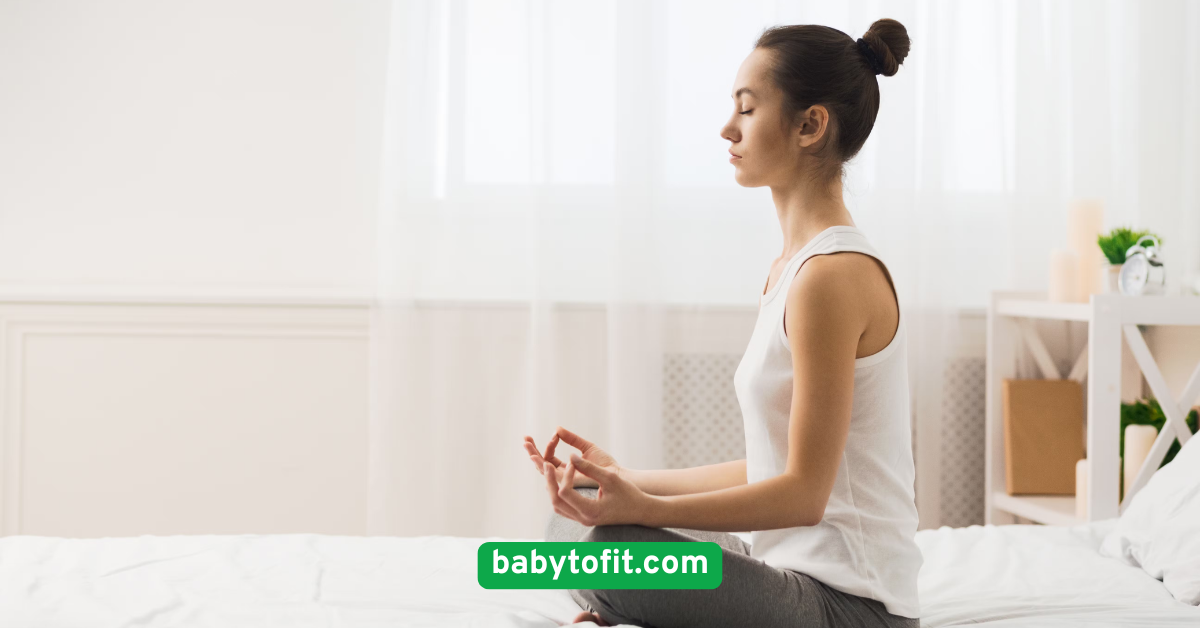
Diaphragmatic breathing is one of the most foundational postpartum exercises. It reconnects you to your core and helps calm the nervous system—a vital aspect often overlooked in postpartum recovery. This deep belly breathing technique promotes oxygen flow, reduces anxiety, and gently engages your diaphragm and abdominal muscles, which may feel disconnected after childbirth.To perform diaphragmatic breathing, find a comfortable seated or lying position. Place one hand on your belly and the other on your chest. As you inhale deeply through your nose, focus on expanding your belly outward while keeping your chest still. Exhale slowly through your mouth, drawing your belly inward. Practice this for 5 to 10 minutes daily to reduce tension and improve core activation.Busy moms will appreciate that this exercise requires no equipment and can be done anytime—whether during a quiet moment after feeding or while rocking your baby to sleep. Not only does diaphragmatic breathing support physical recovery, but it also helps reduce the overwhelming stress that many new mothers experience. Making this practice part of your daily routine lays a calm, strong foundation for more active postpartum workouts to come.
2. Pelvic Tilts
Pelvic tilts are a gentle, effective way to engage your pelvic floor and abdominal muscles while alleviating lower back pain—a common postpartum complaint. Pregnancy and childbirth can cause pelvic instability, so these simple movements help realign and strengthen your pelvis gradually.To do a pelvic tilt, lie on your back with knees bent and feet flat on the floor. As you exhale, gently flatten your lower back toward the ground by tilting your pelvis upward. Inhale as you release to the neutral position. Aim for slow, controlled movements, performing 10 to 15 repetitions daily.Pelvic tilts improve core strength and mobility, making everyday activities like nursing, lifting, and walking more comfortable. This exercise is particularly helpful for those recovering from a vaginal birth but can be adapted for C-section moms by starting with small, pain-free motions. It’s a quiet yet powerful way to restore balance in your body, providing relief while promoting healing.
3. Cat-Cow Stretch
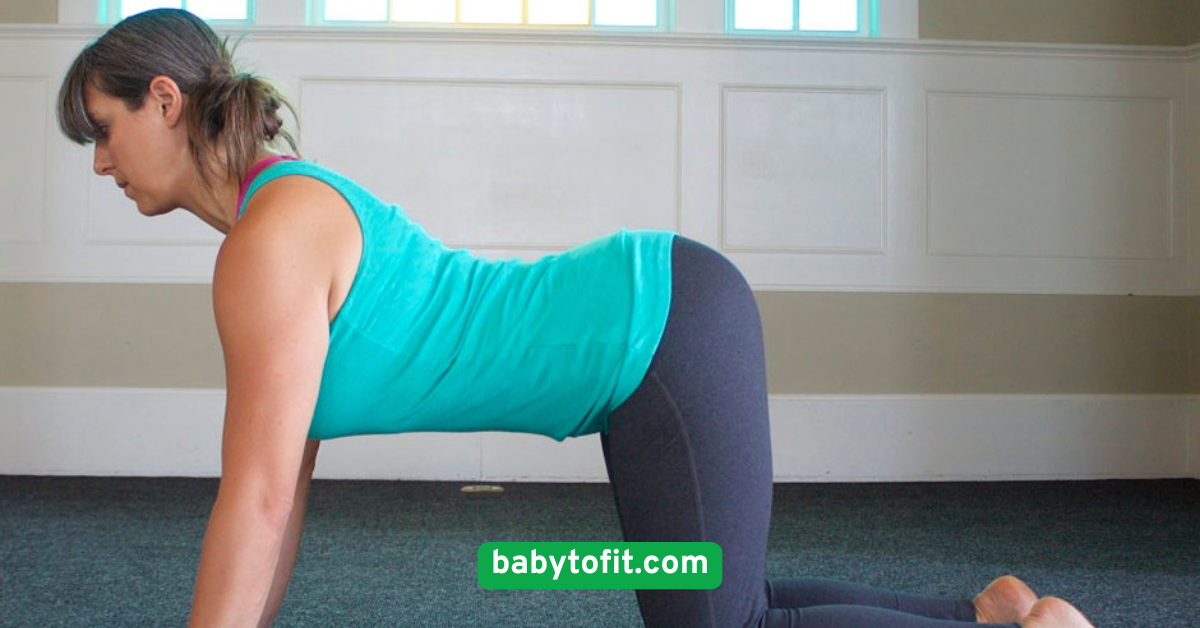
The cat-cow stretch, borrowed from yoga, enhances spinal flexibility and reduces back tension—areas that often get tight from hours spent nursing or carrying your baby. It’s a calming movement that links breath with motion, promoting mindfulness alongside physical healing.Start on all fours with your wrists under your shoulders and knees beneath your hips. As you inhale, arch your back, lift your chest, and tilt your tailbone up—the “cow” position. Exhale as you round your back, tuck your chin, and pull your belly in—the “cat” position. Repeat this flowing motion for 1 to 2 minutes.This stretch increases blood flow to the spinal muscles, reducing stiffness and improving posture. It’s especially beneficial for moms struggling with rounded shoulders or neck tension from hours spent looking down. Best of all, cat-cow is low-impact and easy to fit into your day, whether during a quiet morning or just before bed.
4. Glute Bridges
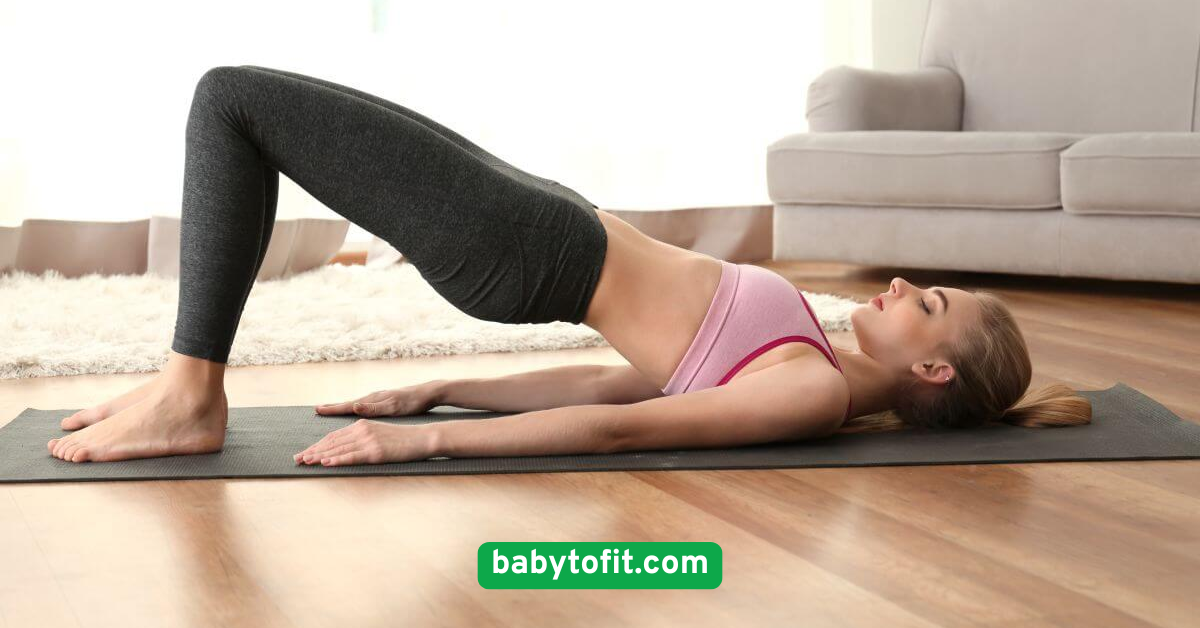
Glute bridges are a wonderful way to strengthen your hips, glutes, and lower back while providing stability for your pelvis—a key area affected by pregnancy. These lifts help counteract the muscle imbalances caused by prolonged sitting and heavy lifting, common in motherhood.Lie on your back with knees bent and feet hip-width apart. Press into your heels to lift your hips toward the ceiling, squeezing your glutes at the top. Hold for a few seconds before slowly lowering down. Repeat for 10 to 15 reps.Adding glute bridges into your routine helps improve posture, ease lower back pain, and supports pelvic floor recovery. It’s also a convenient workout you can do lying down, making it easier to fit in while your baby naps. As you gain strength, you can increase repetitions or add a resistance band for an added challenge.
5. Kegel Exercises
Kegel exercises are essential postpartum workouts focused on strengthening the pelvic floor muscles that support the bladder, uterus, and bowels. Pregnancy and delivery often weaken these muscles, leading to issues like incontinence or pelvic discomfort.To do a Kegel, imagine trying to stop the flow of urine and squeeze those muscles for five seconds, then release. Repeat 10 to 15 times per session, aiming for three sessions daily. These exercises can be discreetly done anywhere—whether you’re waiting in line, nursing, or relaxing.Consistent Kegels improve core stability, help heal pelvic floor damage, and enhance overall postpartum wellness. If you’re unsure whether you’re doing them correctly, consider consulting a pelvic floor specialist. The key is regularity; over time, you’ll notice better control and less discomfort.
6. Seated Marches
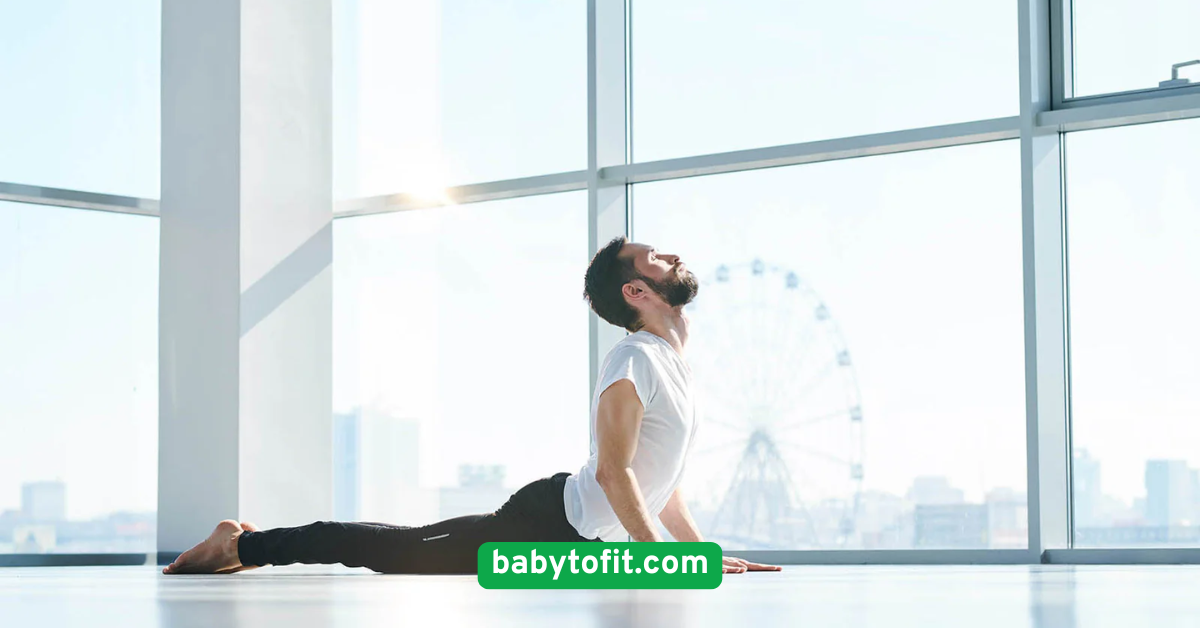
Seated marches are a gentle, low-impact way to activate your core and hip flexors while sitting—a perfect option for busy moms who spend a lot of time seated with their baby. This movement stimulates circulation and builds endurance without stress.Sit upright in a sturdy chair with feet flat. Engage your core and lift one knee toward your chest, lower it, then alternate sides in a marching rhythm. Aim for 1 to 2 minutes of continuous movement.Seated marches can be done while feeding or playing with your baby, turning otherwise sedentary moments into gentle workouts. They’re great for improving hip mobility, reducing stiffness, and increasing energy levels throughout the day. Plus, they require no equipment and can be done anywhere.
7. Standing Wall Push-Ups
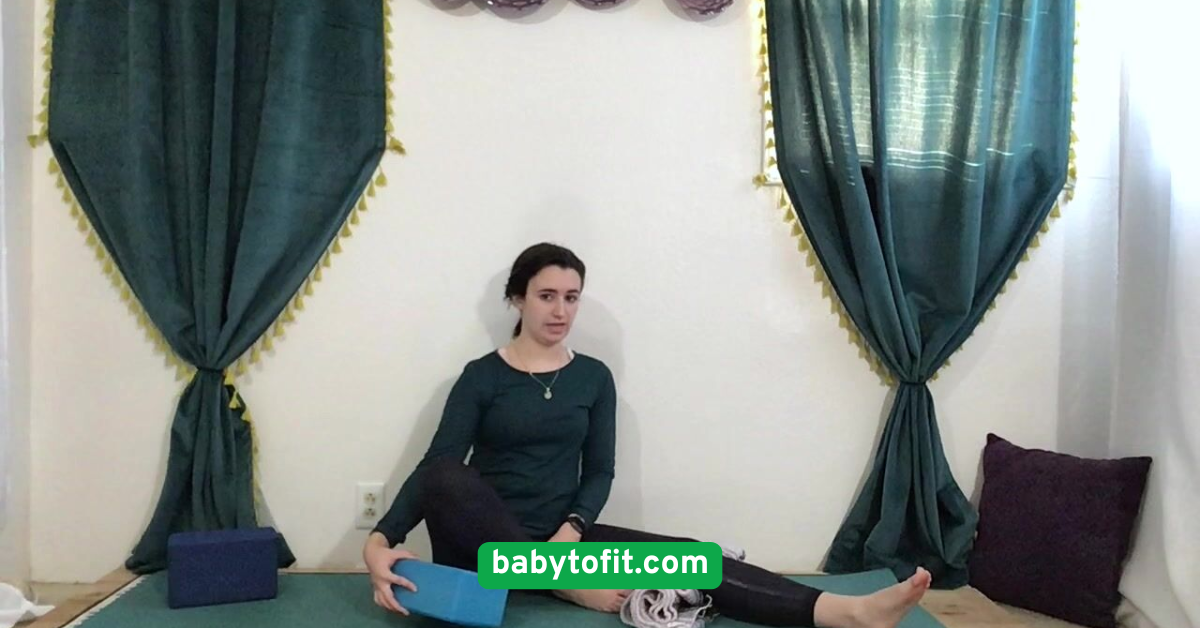
Standing wall push-ups are a modified, low-impact version of traditional push-ups that help rebuild upper body strength without overtaxing your core. This exercise targets the chest, shoulders, and arms—muscles often strained by lifting and carrying your little one.Stand facing a wall, feet hip-width apart, arms extended at shoulder height. Bend your elbows and slowly lean toward the wall, keeping your body in a straight line. Push back to start. Aim for 10 to 15 reps.Wall push-ups improve muscular endurance and posture, which can suffer postpartum from frequent breastfeeding and baby holding. They’re easy to fit in throughout your day—try doing a few sets while waiting for the kettle to boil or during playtime breaks.
8. Side-Lying Leg Lifts
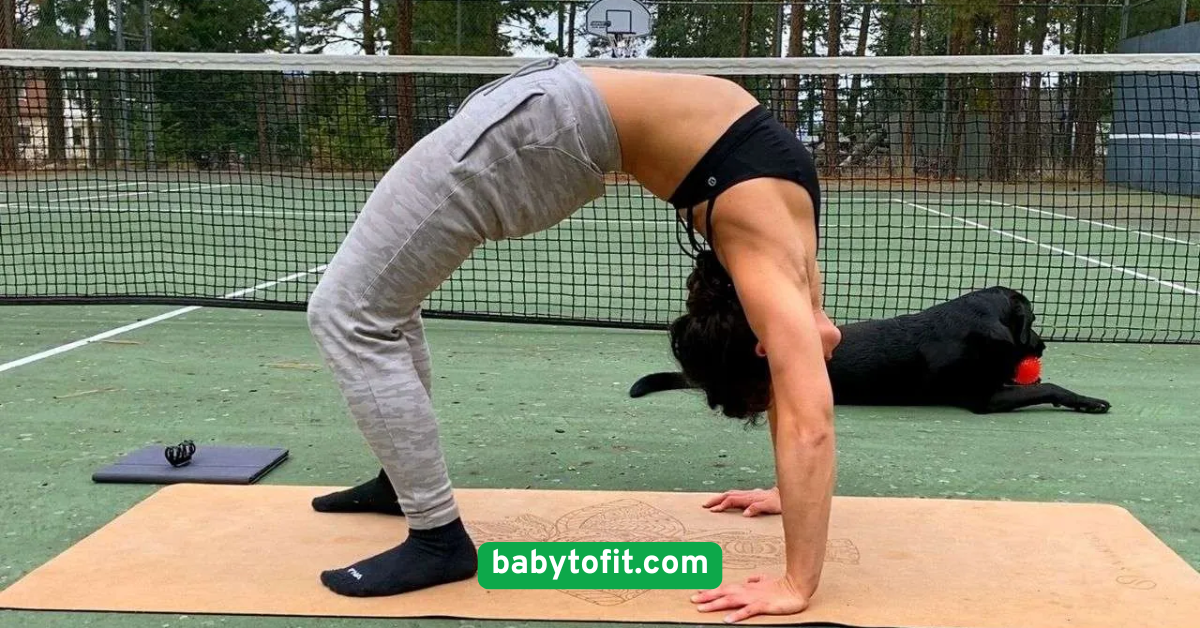
Side-lying leg lifts target your outer thighs and hip abductors, which support pelvic stability—a vital component of postpartum recovery. Strengthening these muscles helps improve balance and reduces the risk of injury as you move through daily activities.Lie on one side with legs stacked and straight. Engage your core, then slowly lift the top leg upward, hold for a moment, and lower it back down with control. Repeat 10 to 15 times per side.This exercise is perfect to do while your baby naps nearby or even during feeding breaks. It’s gentle enough for early postpartum weeks and effective for gradually rebuilding hip strength and mobility.
9. Walking
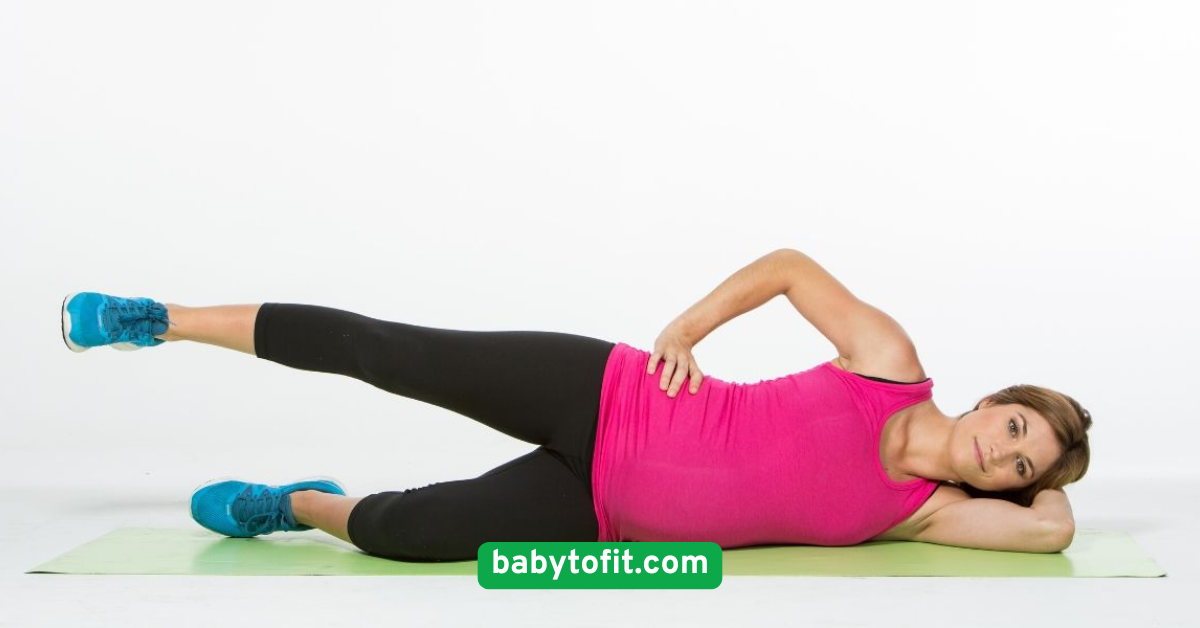
Walking is one of the simplest, most effective postpartum workouts for busy moms. It promotes cardiovascular health, improves mood, and increases energy—all while being low impact and adaptable.Start with short, gentle walks around your home or neighborhood, gradually increasing your pace and distance as your body allows. Walking with your baby in a stroller or carrier can make it a bonding experience too.This accessible exercise boosts circulation, encourages core activation, and helps with mental clarity, making it a great way to relieve stress and reconnect with your body after childbirth.
10. Child’s Pose Stretch
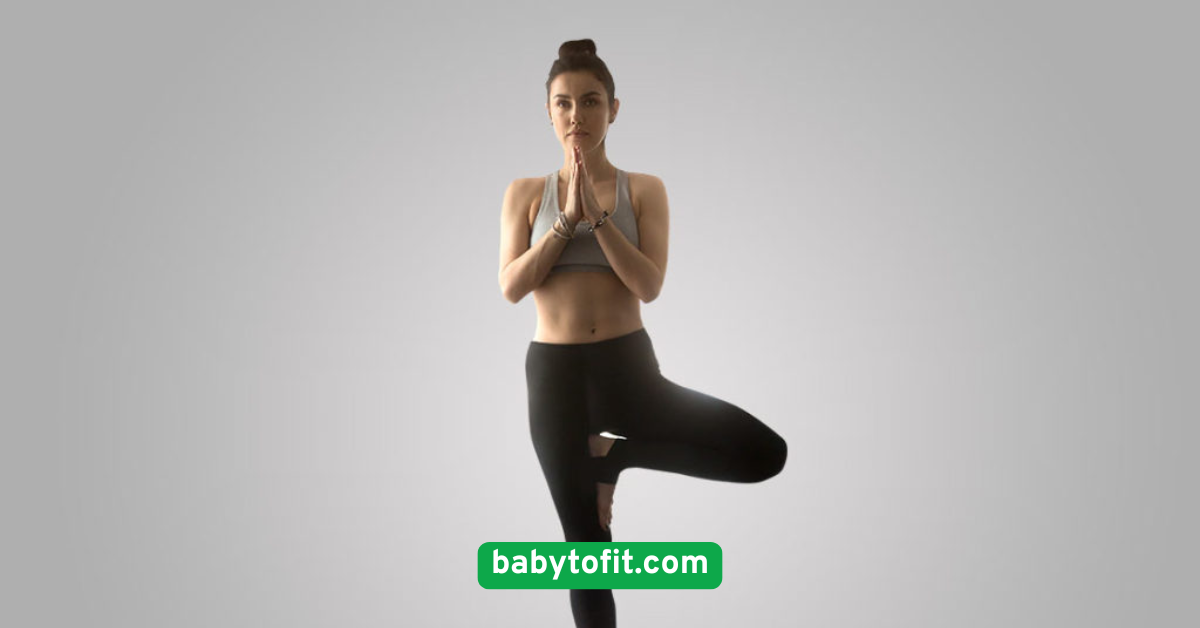
Child’s pose is a restorative yoga posture that provides deep relaxation and gentle stretching for your hips, back, and shoulders. It also calms the nervous system—an essential benefit for overwhelmed new moms.Kneel on the floor, bring your big toes together, and sit back on your heels. Stretch your arms forward and rest your forehead on the ground or a cushion. Breathe deeply and hold for 30 seconds to a few minutes.This stretch releases tension from prolonged sitting or breastfeeding postures and offers a peaceful moment to check in with your body and mind. Incorporate child’s pose at the end of your workouts or whenever you need a gentle reset.
Conclusion
Navigating postpartum recovery while juggling the demands of motherhood can feel daunting. But with these 10 soothing postpartum workouts, you can reclaim your strength, boost your mood, and nurture your healing body—without needing hours at the gym or complicated routines. Each exercise is designed to be gentle, effective, and easy to integrate into your busy life. Remember, every movement counts, and consistency matters more than intensity. So take it one step at a time, honor your body’s pace, and celebrate your journey. You’re doing an incredible job, mama—keep moving forward with kindness and grace!


