12 Effective Postpartum Workouts for New Moms in 2025
1. Deep Breathing and Diaphragmatic Exercises
Postpartum recovery starts with reconnecting to your breath. Deep breathing, especially diaphragmatic breathing, helps calm your nervous system and engages your core muscles gently. This simple yet powerful exercise is a great foundation before diving into other workouts.To practice, sit or lie comfortably. Inhale deeply through your nose, allowing your belly to expand fully. Exhale slowly through your mouth, feeling your abdomen contract. Repeat this for 5-10 minutes daily. Not only does this reduce stress, but it also aids in strengthening your abdominal muscles weakened by pregnancy.Integrating deep breathing into your routine helps you manage postpartum fatigue and anxiety. It’s a gentle reminder to slow down, breathe fully, and honor your body’s healing process. Even a few minutes a day can make a noticeable difference in your energy levels.

2. Pelvic Floor Strengthening (Kegels)
The pelvic floor muscles take a significant strain during pregnancy and delivery. Strengthening them is crucial for preventing issues like incontinence and improving overall core stability. Kegel exercises are an easy way to target these muscles.To do Kegels, squeeze the muscles you would use to stop urine flow, hold for 5 seconds, then release for 5 seconds. Aim for 3 sets of 10 repetitions throughout the day. Start slowly and increase hold time as your strength improves.Consistent pelvic floor exercises help new moms regain control, reduce discomfort, and prepare the body for more intense workouts. Plus, they enhance circulation in the pelvic area, speeding recovery. Make Kegels a regular part of your self-care.
3. Cat-Cow Stretch for Spinal Mobility
Pregnancy and motherhood can leave your back feeling stiff and sore. The Cat-Cow stretch is a gentle way to improve spinal flexibility and relieve tension. This yoga-inspired movement encourages healthy posture, which is especially helpful for moms who spend hours nursing or carrying their baby.Begin on your hands and knees. Inhale as you arch your back, lifting your head and tailbone (Cow Pose). Exhale as you round your spine, tucking your chin and pelvis (Cat Pose). Flow between these positions slowly for 1-2 minutes.Regular practice enhances your spinal alignment, reduces back pain, and boosts circulation. It also promotes mindful breathing, helping you feel grounded and calm during busy days. This stretch is an excellent addition to your postpartum routine.

4. Gentle Walking for Cardiovascular Health
Walking is one of the simplest and most effective postpartum workouts. It’s low-impact, requires no equipment, and can be done anywhere — even while pushing your stroller! Starting with short, slow walks allows your body to gradually rebuild cardiovascular fitness without strain.Begin with 10-15 minutes daily at a comfortable pace, and increase duration as your endurance grows. Walking outdoors not only supports physical health but also lifts your mood through fresh air and natural light.Beyond calorie burning, walking improves circulation, reduces swelling, and helps combat postpartum fatigue. Plus, it’s a perfect opportunity for some “me time” or quality moments with your little one. Embrace this gentle yet powerful workout.

5. Modified Bridge Pose
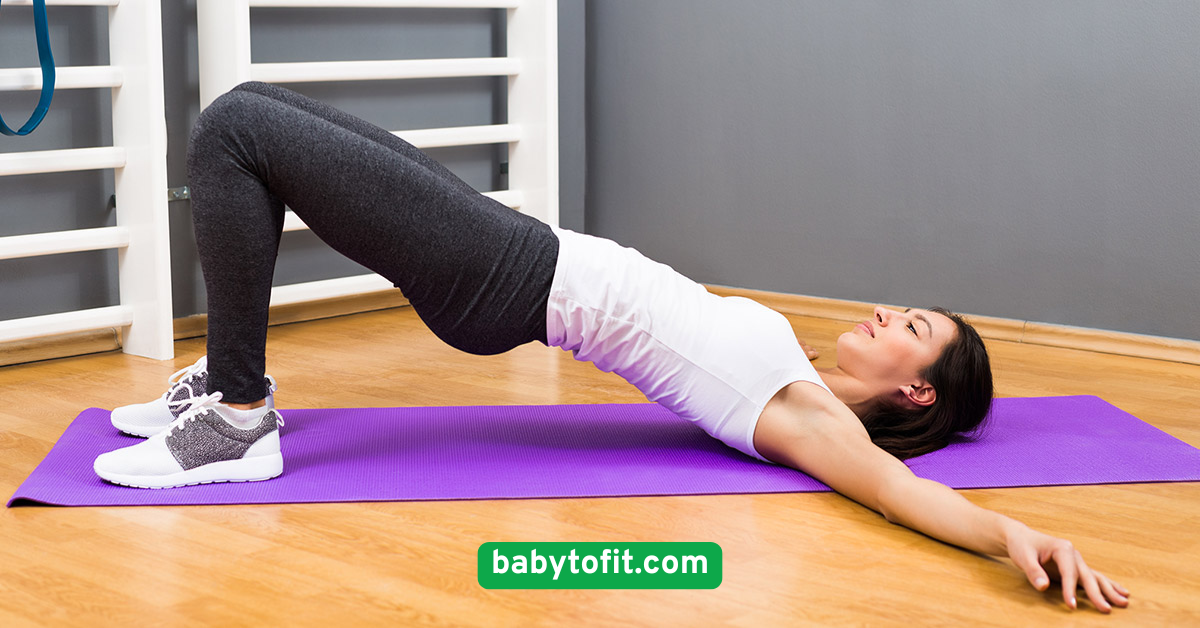
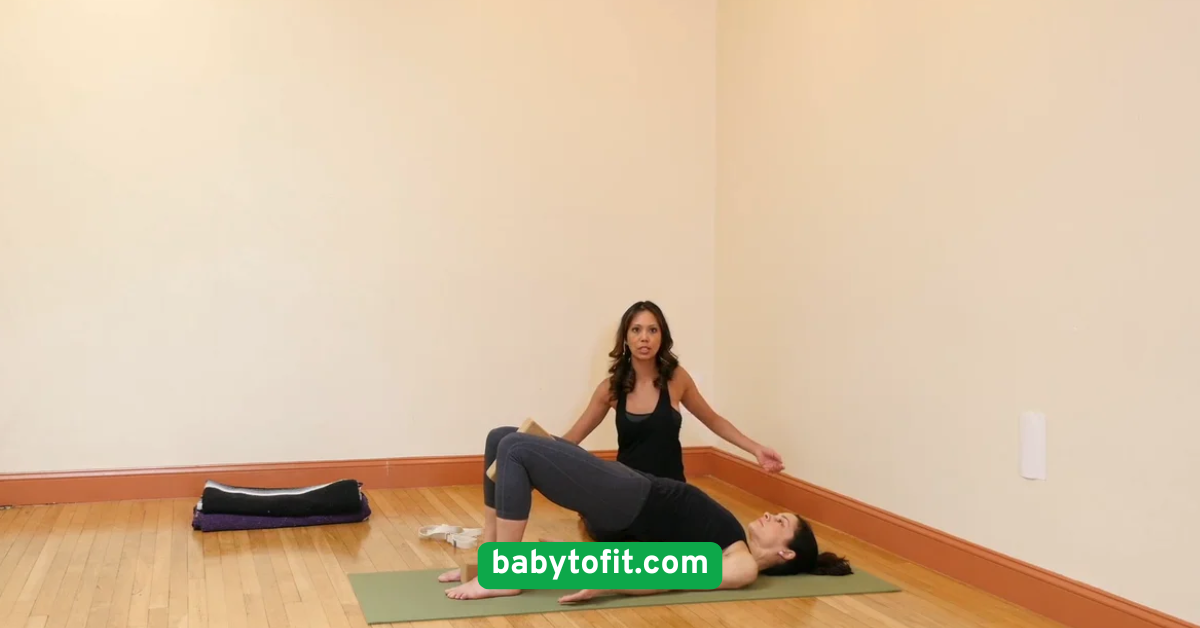
Strengthening your glutes and lower back is essential postpartum, and the Modified Bridge Pose fits the bill. This exercise helps stabilize your pelvis and supports better posture, reducing the risk of back pain.Lie on your back with knees bent and feet flat on the floor hip-width apart. Press through your heels to lift your hips slowly toward the ceiling. Hold for a few seconds, then lower down with control. Repeat 10-15 times.You can modify by lifting only slightly or supporting your hips with a pillow. This pose also gently activates your core and improves blood flow, aiding recovery. Incorporate it into your routine for stronger, pain-free hips and lower back.
6. Seated Forward Bend
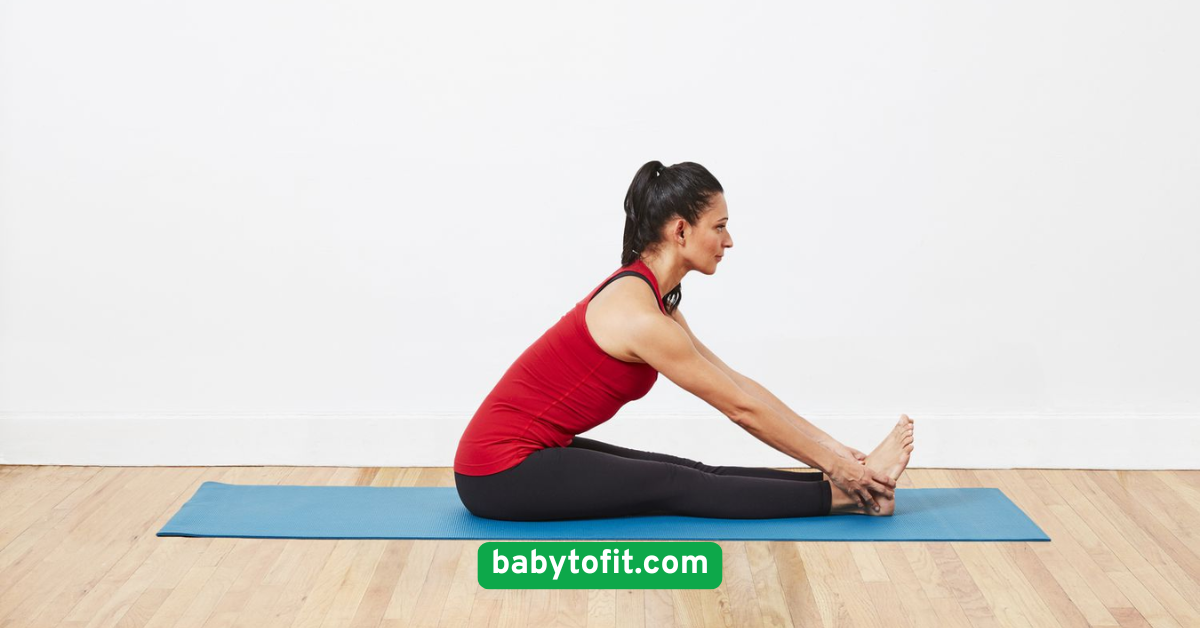
After carrying extra weight during pregnancy, stretching your hamstrings and lower back is important. The Seated Forward Bend offers a soothing stretch that also encourages relaxation.Sit on the floor with your legs extended. Inhale, lengthen your spine, and as you exhale, gently reach toward your toes without forcing. Hold for 20-30 seconds, breathing deeply.This stretch increases flexibility and reduces tension caused by postpartum posture habits. It also promotes better circulation in your legs, which is beneficial if you experience swelling. Be gentle and listen to your body’s limits.
7. Wall Angels for Shoulder Mobility
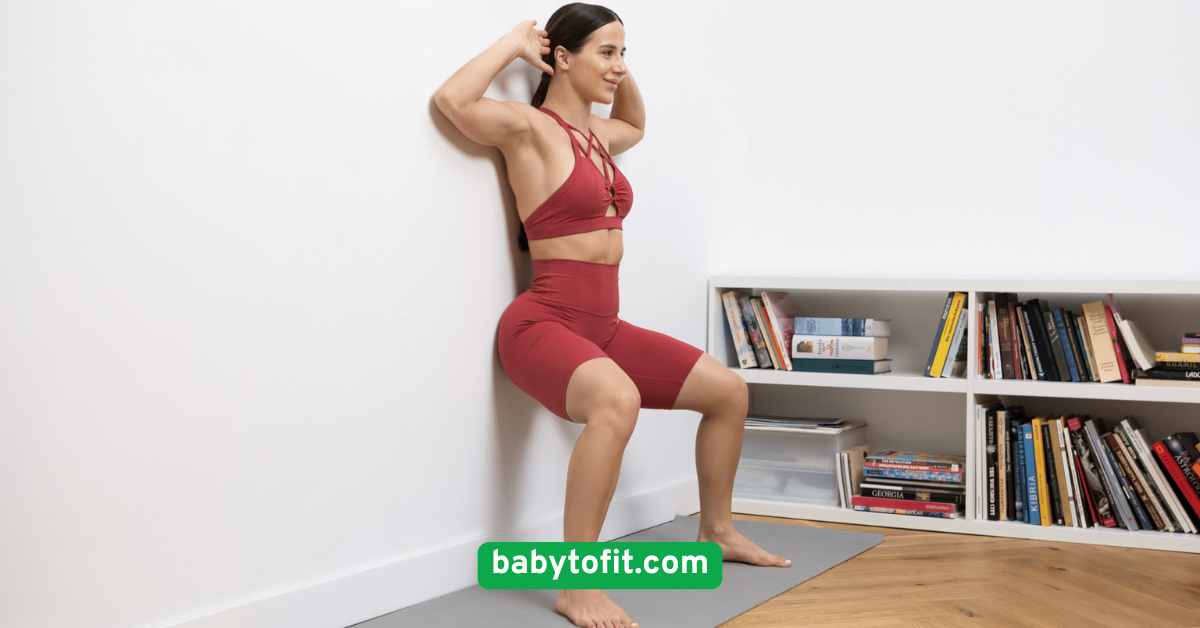
New moms often develop tight shoulders from carrying and nursing their baby. Wall Angels are a simple exercise to improve shoulder flexibility and counteract poor posture.Stand with your back against a wall, feet a few inches away. Keep your arms against the wall in a “goalpost” shape. Slowly slide your arms up and down while maintaining contact with the wall.This movement strengthens your upper back muscles and opens the chest, helping to relieve tension. Regular practice prevents stiffness and improves your overall comfort during daily activities. Try to do 10-15 reps a day.
8. Side-Lying Leg Lifts
Side-lying leg lifts target your hips and outer thighs, which are vital for pelvic stability. They are gentle enough for postpartum beginners but effective for muscle toning.Lie on one side, legs straight and stacked. Slowly lift the top leg to hip height, then lower it back down. Repeat 10-15 times on each side.These lifts help restore balance to muscles weakened during pregnancy and childbirth. They can be easily incorporated into your day while watching TV or resting. Keep movements slow and controlled for maximum benefit.

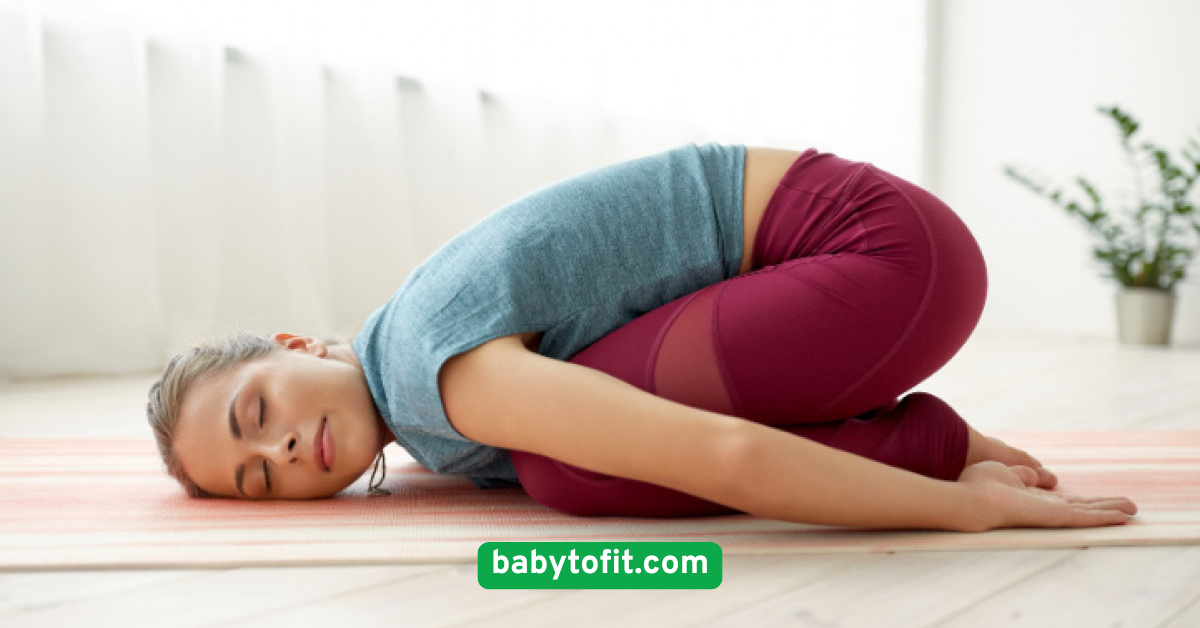
9. Child’s Pose for Relaxation
Motherhood is rewarding but can be overwhelming. Child’s Pose is a restorative yoga pose that offers deep relaxation and tension release, calming both body and mind.Kneel on the floor, sit back onto your heels, and extend your arms forward while lowering your chest to the floor. Hold for 1-3 minutes, breathing deeply.This pose stretches the back and hips gently, relieving soreness. It also activates the parasympathetic nervous system, helping to reduce stress and anxiety. Use props like cushions if you need extra support.
10. Ankle Pumps to Reduce Swelling
Swelling in feet and ankles is common postpartum. Ankle pumps are a simple exercise to promote circulation and reduce fluid retention.While sitting or lying down, flex your feet up and down slowly. Repeat for 1-2 minutes several times a day.These pumps help prevent varicose veins and improve blood flow in the lower limbs. They’re easy to do while nursing or resting, making them a practical part of your recovery routine.

11. Standing Side Stretches
Lengthening your side body improves breathing capacity and posture, which is essential as your body adjusts after childbirth.Stand with feet shoulder-width apart. Raise one arm overhead and gently bend to the opposite side, feeling the stretch along your ribs. Hold for 20-30 seconds and switch sides.This stretch opens up tight muscles from pregnancy and breastfeeding positions. It encourages better oxygen flow and eases tension in the torso, helping you feel refreshed and energized.

12. Arm Raises with Light Resistance
Strengthening your arms and shoulders supports everyday activities like lifting and carrying your baby. Using light resistance — even household items like water bottles — can help.Stand or sit with arms at your sides. Slowly raise them to shoulder height, then lower them back down. Aim for 2 sets of 10-15 reps.This exercise improves muscle tone and posture without overexertion. It’s a great way to rebuild strength gently and prepare your body for more active phases.

Conclusion
Recovering after childbirth is a beautiful, unique journey. Incorporating these 12 effective postpartum workouts into your routine will help you rebuild strength, improve posture, and boost energy in a safe and supportive way. Remember, every mom’s path is different—listen to your body, be patient, and celebrate every small victory along the way! By nurturing your physical and mental well-being, you’ll feel empowered to enjoy motherhood to the fullest. Ready to start? Your journey to wellness begins with one gentle step.


