12 Healing Postpartum Workouts for Core Recovery
1. Pelvic Tilts
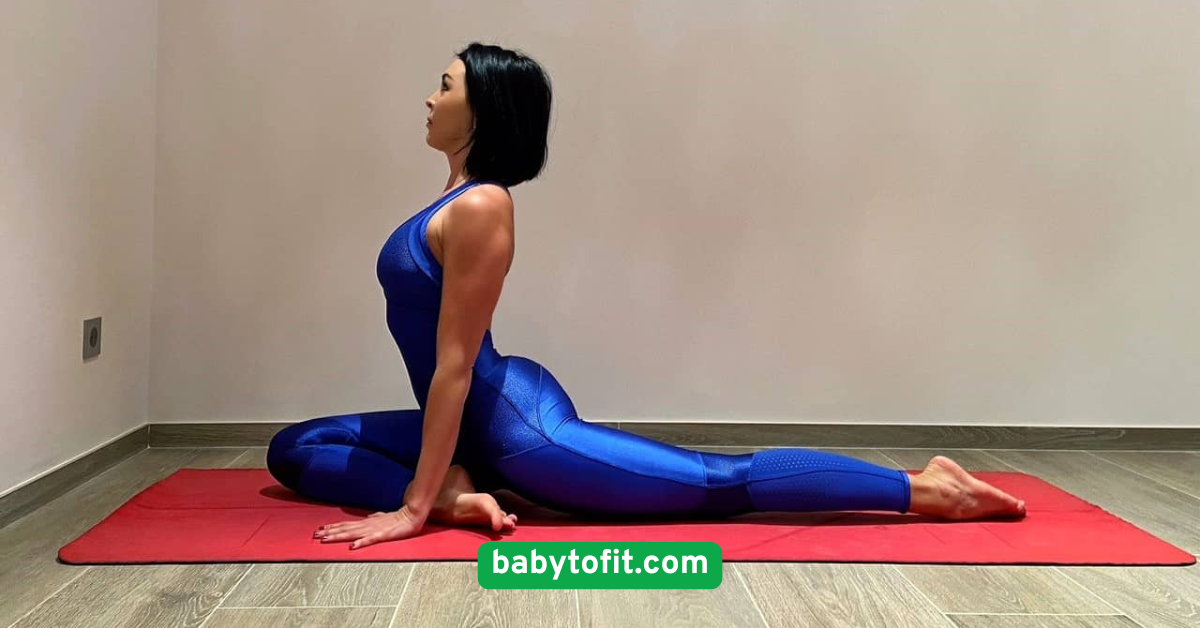
Pelvic tilts are a foundational postpartum exercise that gently activates the abdominal muscles without adding strain. By lying on your back with knees bent and feet flat, you can slowly tilt your pelvis upward, flattening your lower back against the floor. This movement helps reconnect with your deep core muscles, which are essential for postpartum healing.The beauty of pelvic tilts lies in their simplicity and effectiveness. Not only do they strengthen the lower abdominal area, but they also relieve lower back tension, which many new moms experience due to the changes in posture during pregnancy and breastfeeding. Regular practice can ease discomfort and promote alignment, setting the stage for more advanced core exercises later on.Since pelvic tilts involve controlled movement and breath awareness, they also encourage mindful recovery. Remember to breathe deeply during each tilt and avoid holding your breath. This gentle activation lays a solid foundation for rebuilding strength gradually and safely.
2. Transverse Abdominal Breathing
Deep breathing techniques focusing on the transverse abdominis—the deepest layer of abdominal muscles—play a crucial role in postpartum core recovery. Transverse abdominal breathing involves inhaling deeply through your nose and exhaling fully while pulling your belly button gently towards your spine. This activates the core stabilizers that support your back and pelvis.Beyond strengthening, this breathing method promotes relaxation and helps ease the overwhelming stress many new mothers face. It encourages the body to heal by increasing oxygen flow and reducing tension in the abdominal region. The connection between breath and core engagement is powerful—it not only tones muscles but fosters a positive mind-body relationship.Practicing transverse abdominal breathing several times a day, especially while sitting or lying down, can create lasting benefits. It prepares your core for more challenging movements and improves posture, helping you feel stronger and more balanced throughout the day.
3. Modified Dead Bug
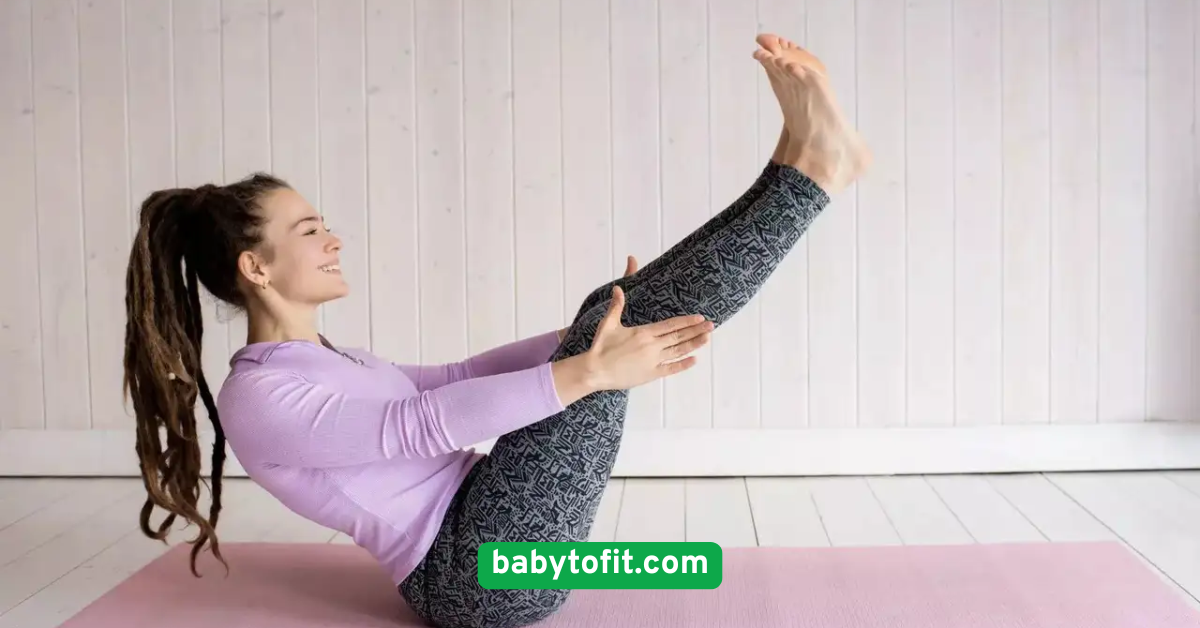
The modified dead bug is a low-impact exercise targeting the deep core muscles while minimizing pressure on the abdominal wall. Lying on your back with knees bent, slowly extend one leg at a time while keeping your core engaged and your lower back pressed to the floor. This controlled movement enhances coordination and core strength.This exercise is especially beneficial for moms recovering from diastasis recti (abdominal separation), as it avoids excessive abdominal bulging and supports gradual muscle reconnection. The key is slow, deliberate motion combined with steady breathing, which helps activate the transverse abdominis safely.Modified dead bugs also improve overall body awareness and stability, which are essential for everyday movements like lifting and carrying your baby. Adding this exercise to your routine can promote long-term core resilience without risking injury.
4. Bridge Pose
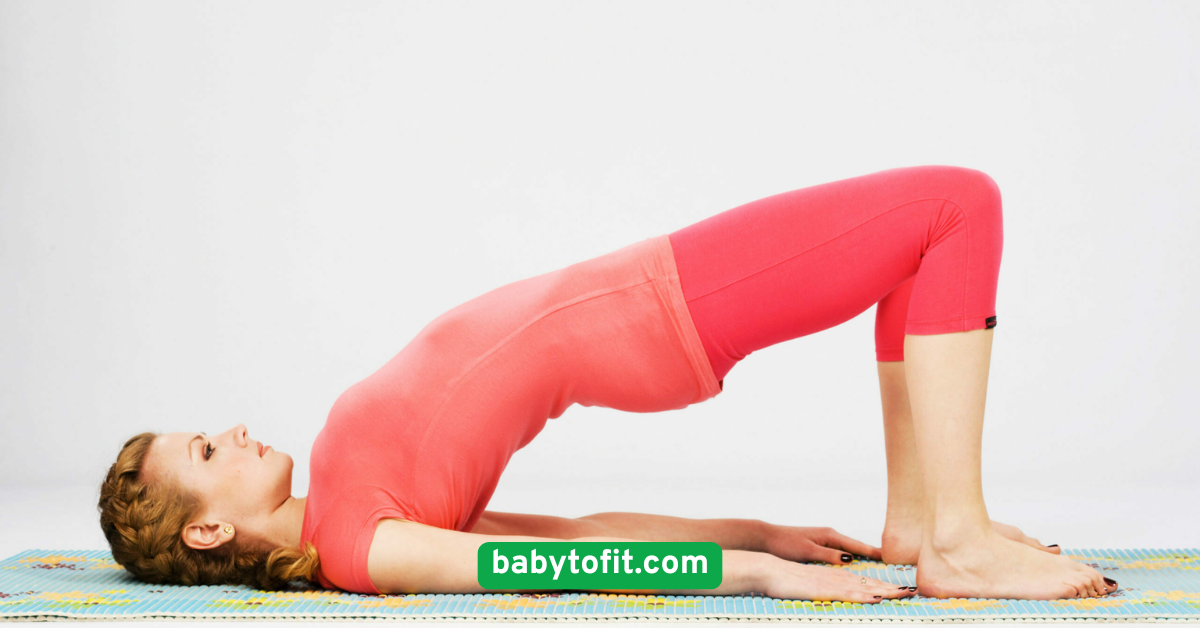
Bridge pose is a classic move that strengthens the glutes, lower back, and core muscles—areas that often weaken during pregnancy. To perform this exercise, lie on your back with your feet hip-width apart and lift your hips toward the ceiling, engaging your core and glutes. Hold briefly, then lower gently.This pose not only tones key muscles for posture and pelvic stability but also supports healing of the pelvic floor by encouraging proper alignment. It helps reduce the risk of lower back pain and can improve circulation in the hips and thighs, which is beneficial postpartum.One of the best aspects of the bridge pose is its adaptability. You can modify the intensity by holding the position longer or adding gentle pulses. Including it in your postpartum routine helps build strength while offering a moment of calm focus on your body’s recovery journey.
5. Heel Slides
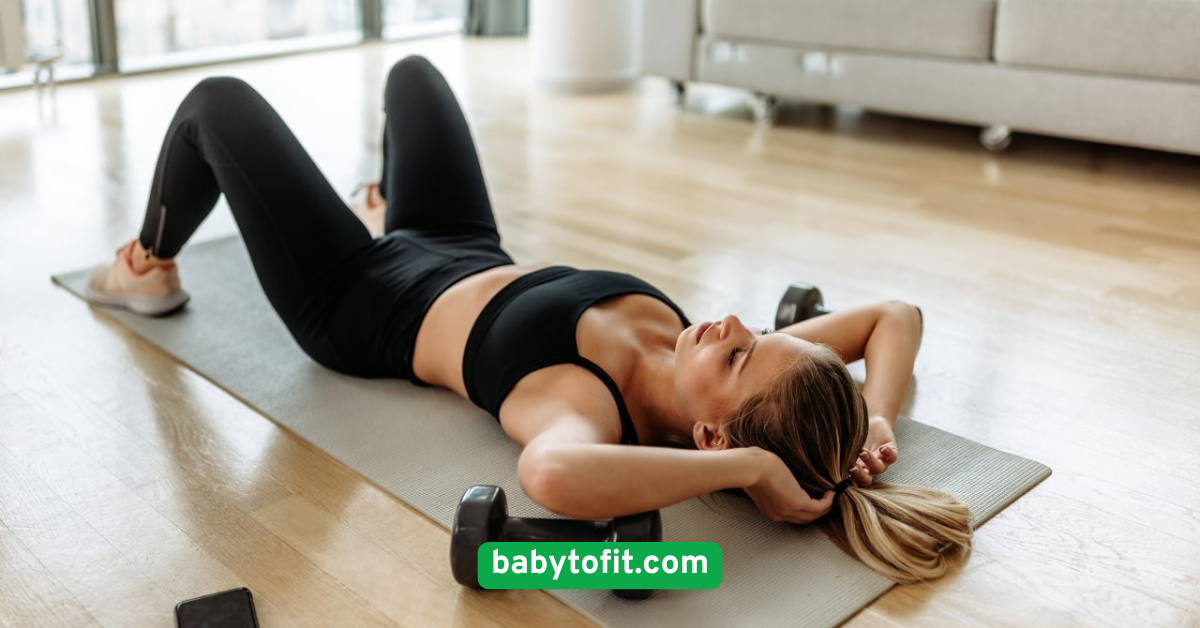
Heel slides are a gentle exercise to activate the lower abdominal muscles and hip flexors. Lying on your back with knees bent, slowly slide one heel away from your body, then slide it back to the starting position. This movement encourages pelvic control and core engagement.This exercise is perfect for early postpartum stages when your body is still fragile and needs low-impact movements to prevent overstretching. Heel slides help rebuild muscle connection around the hips and lower belly, improving mobility and stability.Besides physical benefits, heel slides are simple enough to be done while resting, making them ideal for busy moms who want to incorporate healing workouts into their day without feeling overwhelmed.
6. Seated Ball Squeeze
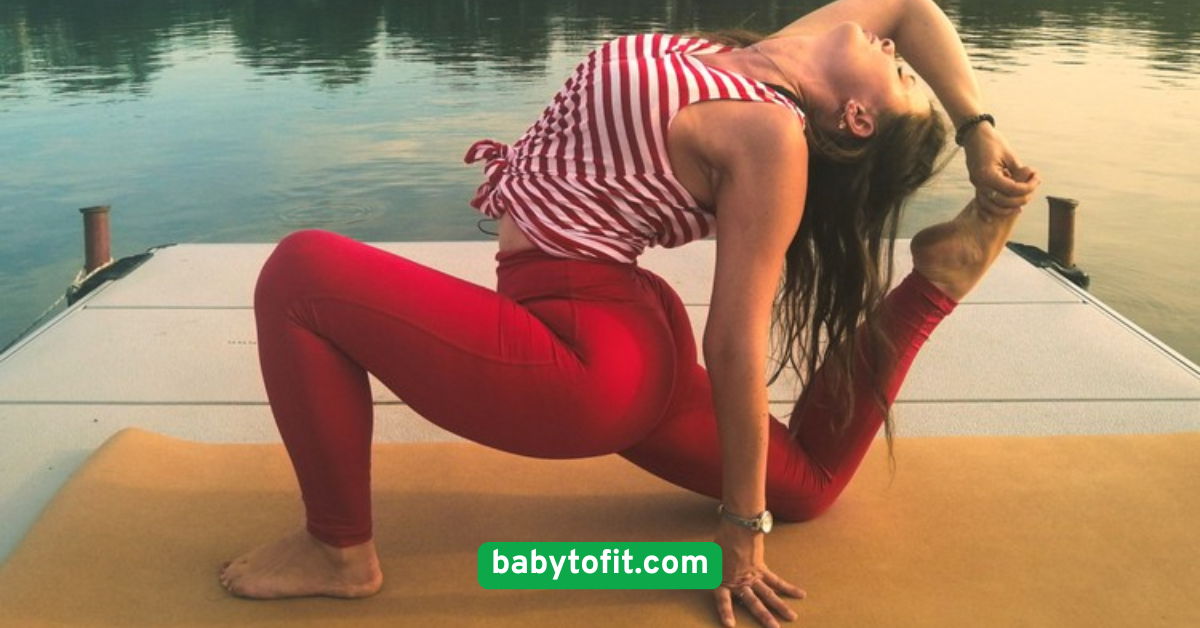
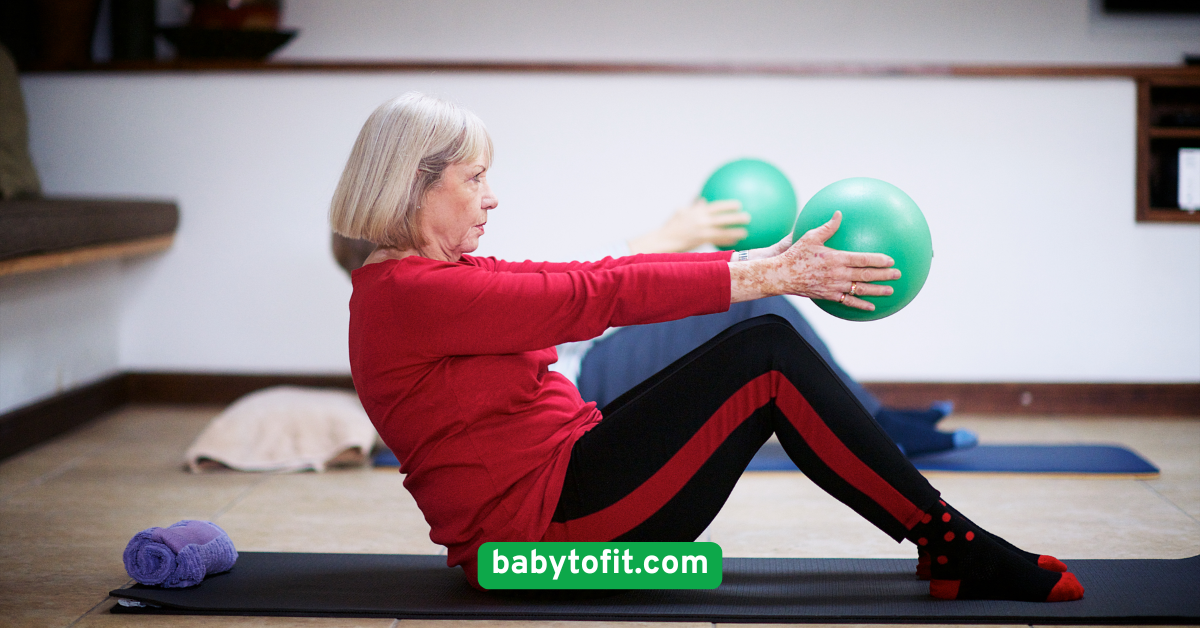
Using a soft ball or pillow placed between your knees while seated can activate the inner thighs and pelvic muscles simultaneously. Squeezing the ball gently helps tone muscles that support the core and pelvic floor, enhancing overall strength and endurance.This exercise is particularly useful for postpartum moms aiming to tighten muscles loosened during childbirth. Paired with deep breathing, the seated ball squeeze can improve circulation and reduce pelvic discomfort.It’s an accessible workout that doesn’t require much space or equipment, perfect for moms multitasking with baby duties while focusing on recovery.
7. Cat-Cow Stretch
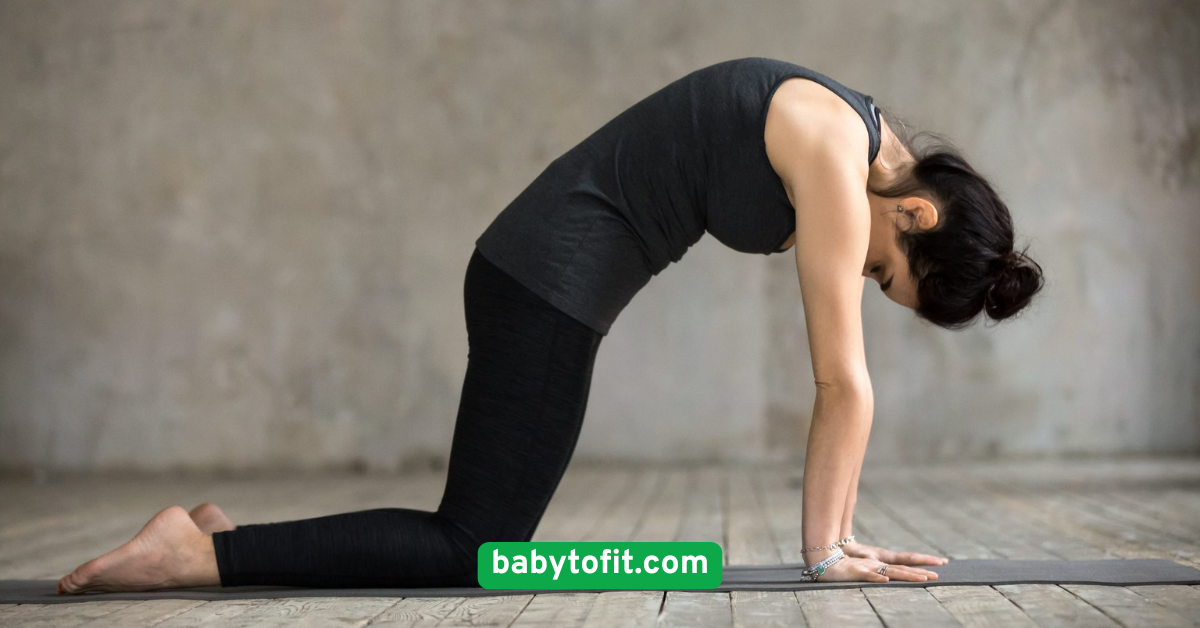
The cat-cow stretch, borrowed from yoga, enhances spinal flexibility and encourages gentle core engagement. Begin on your hands and knees; arch your back upward (cat pose) and then dip it downward while lifting your chest (cow pose). Moving slowly between these positions helps stretch and relax your back and abdominal muscles.This stretch counters the common postpartum posture of rounded shoulders and back tightness. It increases blood flow to the spine and abdominal area, supporting muscle healing and reducing tension.Incorporating cat-cow stretches into your routine provides a soothing way to maintain mobility and calm your nervous system amid the busy demands of new motherhood.
8. Side-Lying Leg Lifts
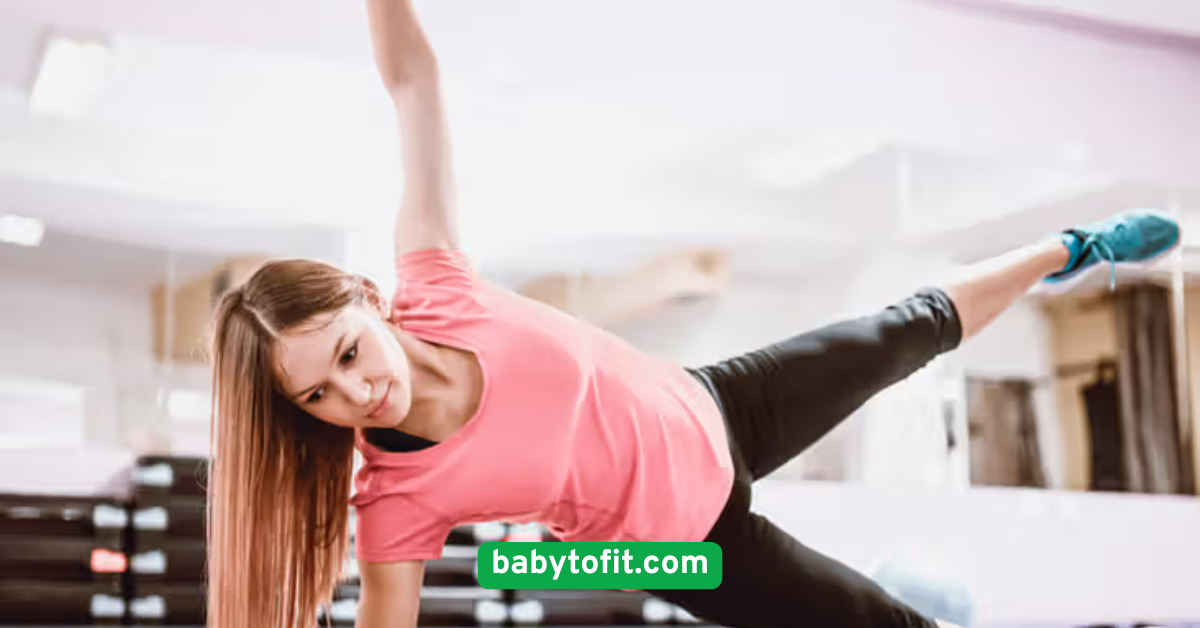
Side-lying leg lifts focus on strengthening the obliques and hip stabilizers, which are important for core balance and pelvic control. Lie on one side, lift the top leg slowly, and lower it with control. This exercise helps rebuild muscular balance after pregnancy, which often causes asymmetry due to changes in posture and movement.Gentle and low-impact, side-lying leg lifts are great for postpartum recovery since they target muscles that support the core from the sides, aiding in a holistic core rebuild. They can be done while watching TV or spending quiet time with your baby.By gradually increasing reps, moms can regain strength without overtaxing their bodies, making this exercise an essential part of postpartum fitness.
9. Wall Push-Ups
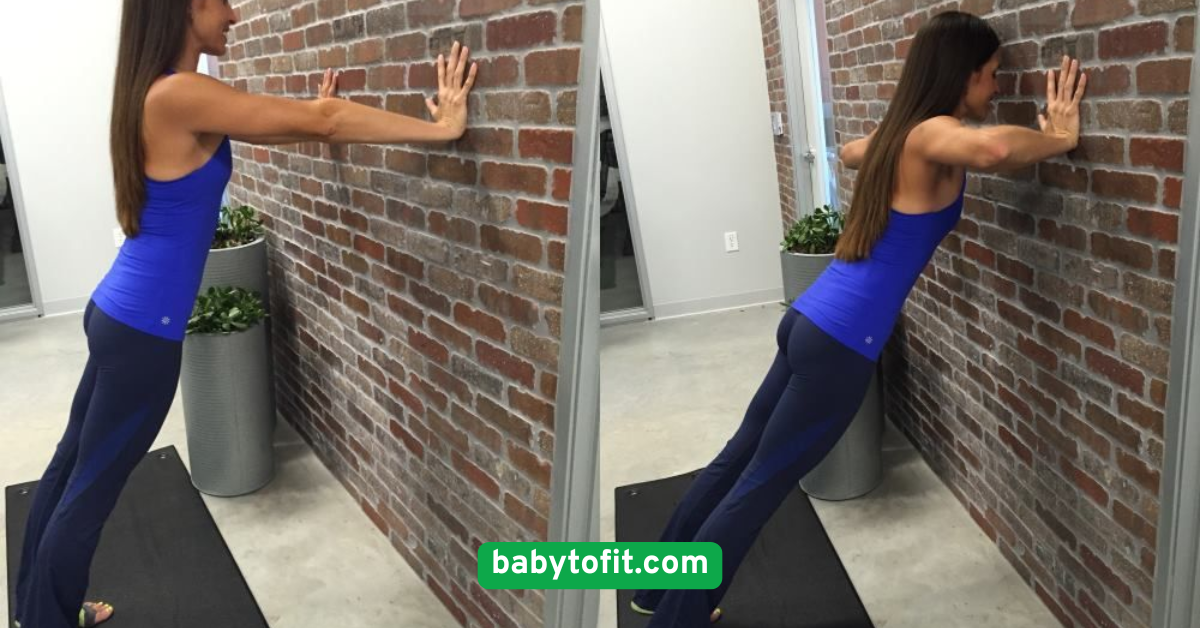
Wall push-ups are an effective way to strengthen the upper body and core with minimal strain. Standing arm’s length from a wall, place your hands shoulder-width apart and bend your elbows to lean in, then push back out. This controlled movement engages the chest, shoulders, and core muscles.For postpartum moms, wall push-ups build upper body strength necessary for lifting and carrying a baby. They help improve posture, which often suffers after pregnancy due to weakened muscles and forward head posture.This exercise is highly adaptable—you can adjust your distance from the wall to change the difficulty. It’s a great way to regain strength without risking injury.
10. Standing Marches
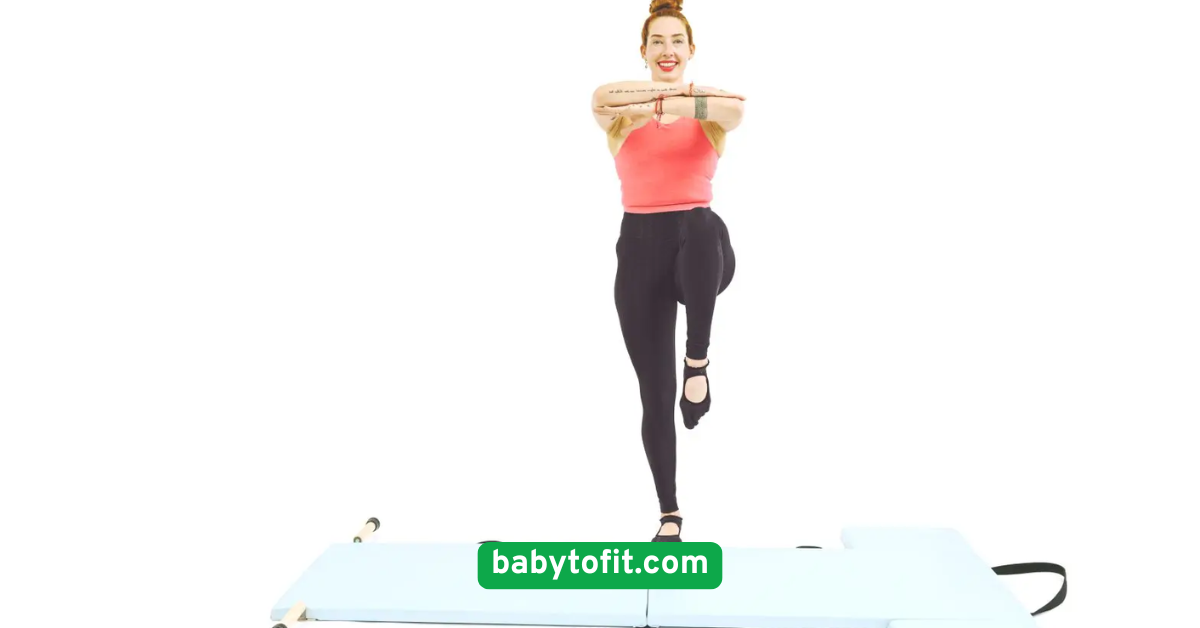
Standing marches are simple yet effective for light cardio and core engagement. March in place, lifting your knees and engaging your abdominal muscles with each step. This movement improves circulation and gently challenges core stability.Ideal for moms easing back into exercise, standing marches promote endurance and coordination. They can be done while holding your baby or doing household tasks, making them a practical addition to postpartum recovery.The rhythm and movement also boost energy and mood, which is crucial for mental well-being during the postpartum period.
11. Pelvic Floor Engagement (Kegels)
Kegel exercises are the cornerstone of postpartum recovery. These involve contracting and relaxing the pelvic floor muscles to restore strength and function after childbirth. They help prevent urinary incontinence and support pelvic stability.Kegels are discreet and can be done anytime—while feeding, sitting, or walking. Consistent practice enhances muscle tone, aids in core recovery, and improves sexual health.Educating yourself on proper technique is key. Engage the right muscles without tightening the abdomen or buttocks. Adding Kegels to your daily routine offers lifelong benefits.
12. Child’s Pose with Core Focus
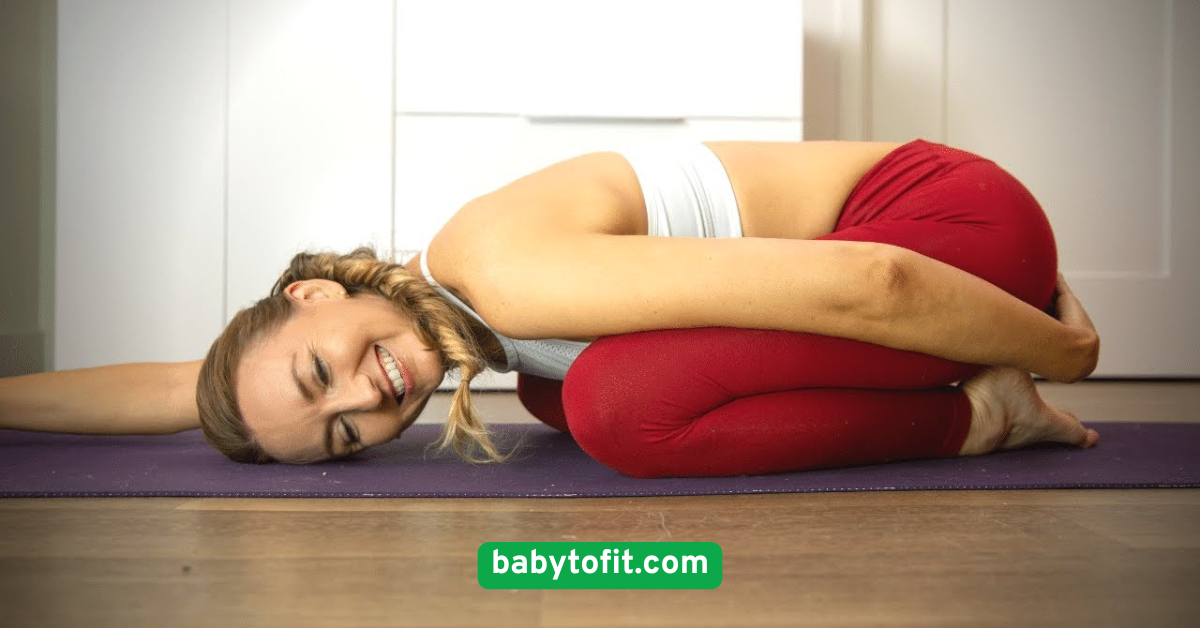
Child’s pose is a restorative yoga position that promotes core relaxation and gentle stretching. Kneel on the floor, sit back on your heels, and stretch your arms forward while lowering your chest. This pose helps release tension in the lower back and abdomen.Focusing on core relaxation during child’s pose allows the muscles to recover while maintaining mobility. It also calms the nervous system, reducing stress and enhancing overall well-being.Including this pose after workout sessions or at the end of your day provides balance, promoting healing from both physical and emotional perspectives.

Conclusion
Recovering core strength after childbirth is a vital step toward feeling like yourself again. These 12 healing postpartum workouts offer a safe, effective way to regain muscle tone, improve posture, and boost confidence—all while respecting your body’s need for gentle care. Remember, every mother’s journey is unique; listen to your body and progress at your own pace.
Incorporate these exercises regularly, combine them with healthy nutrition and adequate rest, and you’ll soon notice your core becoming stronger and more resilient. If you’re ever unsure about your workout routine or experience pain, consult a healthcare professional.
You deserve to feel empowered in your postpartum recovery—take these small steps today to nurture your core and your well-being for a healthier, happier tomorrow!


