12 Quick Postpartum Workouts to Support Healing
Did you know that gentle postpartum exercises can improve mood, enhance sleep quality, and even reduce common aches? It’s true! The key is to listen to your body and choose movements that support healing safely. Ready to move with confidence? Let’s explore these effective workouts that will fit into even the busiest schedule.
1. Pelvic Tilts
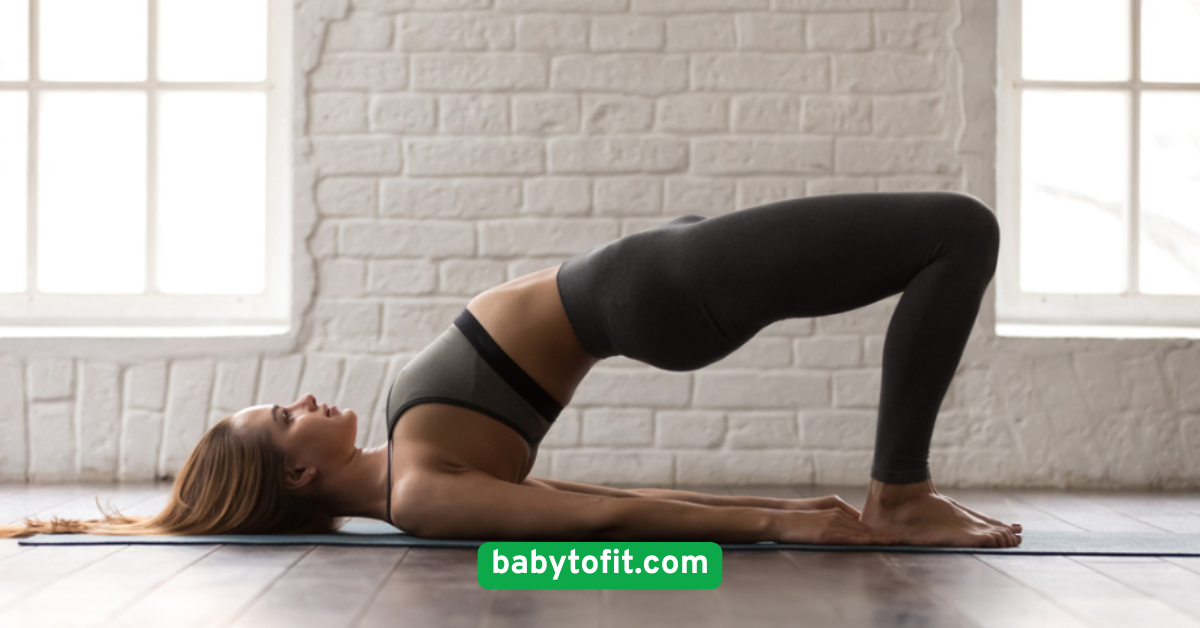
Pelvic tilts are a simple yet powerful exercise to help you reconnect with your pelvic floor and core muscles. After childbirth, these muscles often feel weak or overstretched, and pelvic tilts provide a gentle way to reactivate them while also easing lower back tension.To perform pelvic tilts, lie on your back with your knees bent and feet flat on the floor. Take a deep breath, then as you exhale, slowly tuck your pelvis under by flattening your lower back against the floor. Hold for a few seconds before releasing. Repeat this movement 10 to 15 times, moving slowly and mindfully.This exercise not only strengthens your core but also encourages proper spinal alignment. Many postpartum moms report a reduction in back discomfort when regularly practicing pelvic tilts. Plus, these can be done anywhere — perfect for nursing breaks or quiet moments with your baby.
2. Knee Push-Ups
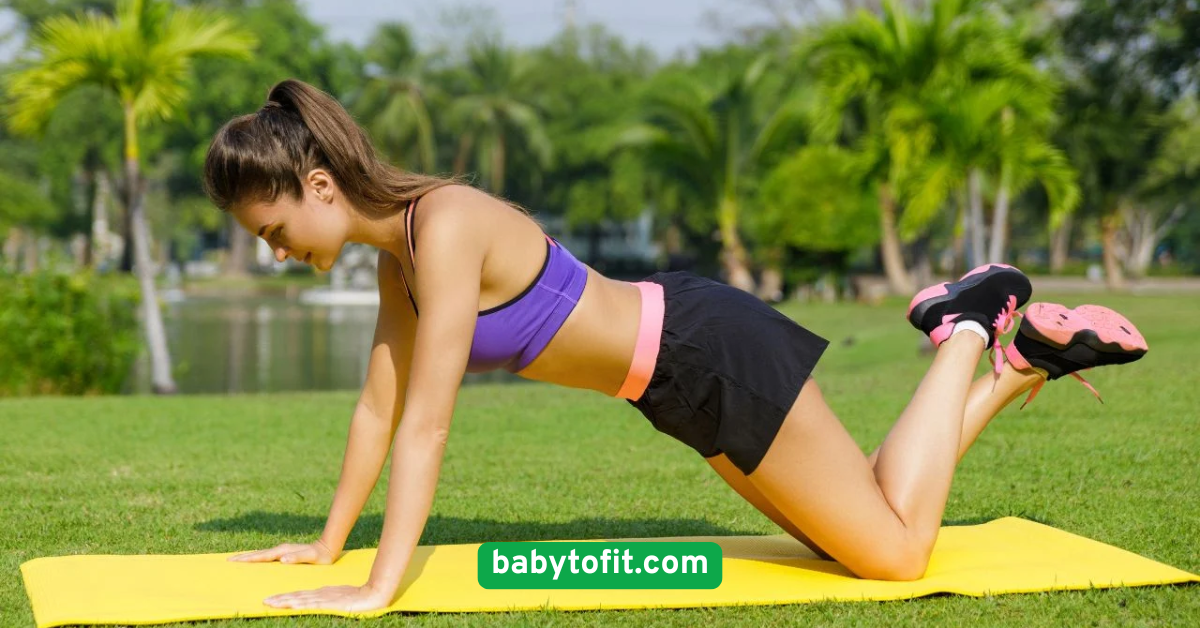
Regaining upper body strength postpartum is crucial, especially since carrying your baby and managing household tasks require strong arms and shoulders. Knee push-ups offer a low-impact modification that makes building strength accessible and safe.Begin in a modified plank position with your knees on the floor and hands placed shoulder-width apart. Keep your body in a straight line from your head to your knees. Slowly bend your elbows to lower your chest toward the floor, then push back up to the starting position. Aim for 8 to 12 repetitions.This exercise strengthens the chest, shoulders, and triceps without overloading your recovering core. It also improves posture, which can become compromised from hours spent nursing or holding your little one. With practice, you can gradually increase repetitions and intensity.
3. Supine Marches
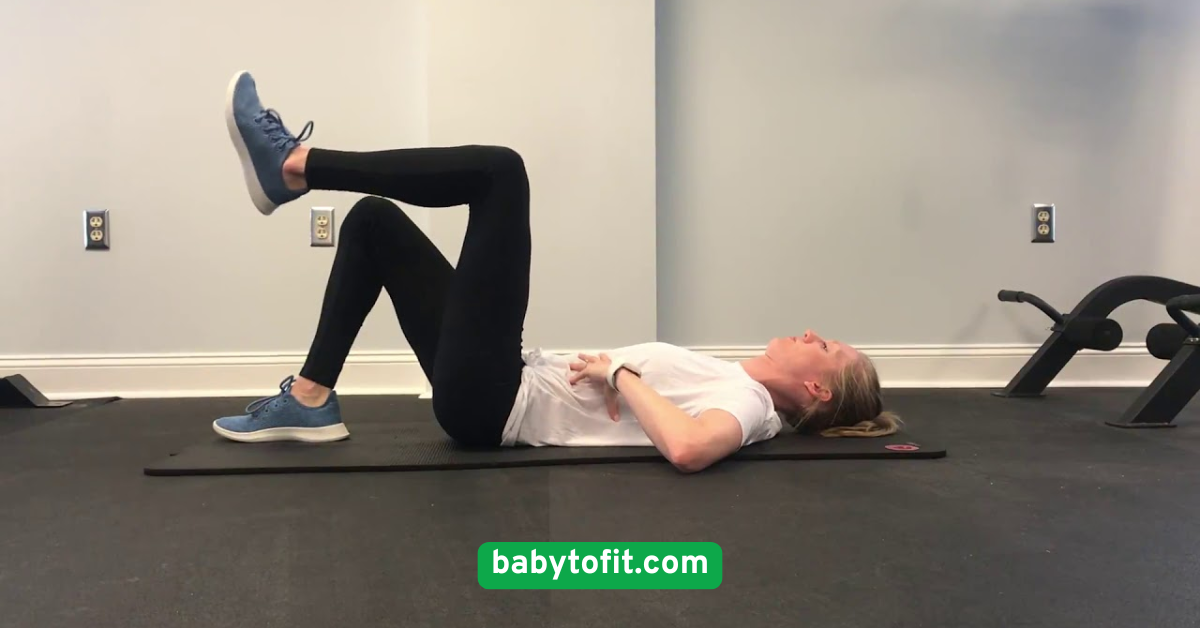
The deep core muscles, including the transverse abdominis, play a vital role in postpartum recovery, offering support to your back and pelvis. Supine marches are a gentle way to reactivate these muscles safely.Lie on your back with knees bent and feet flat on the ground. Engage your abdominal muscles by gently pulling your belly button toward your spine. Slowly lift one foot off the floor, bringing the knee toward your chest, then lower it back down. Alternate legs in a marching rhythm, completing 10 to 15 reps per side.Supine marches improve core endurance and promote better blood circulation — an important factor in healing and reducing postpartum swelling. Many moms appreciate how this exercise integrates breath with movement, helping reduce stress while building strength.
4. Clamshells
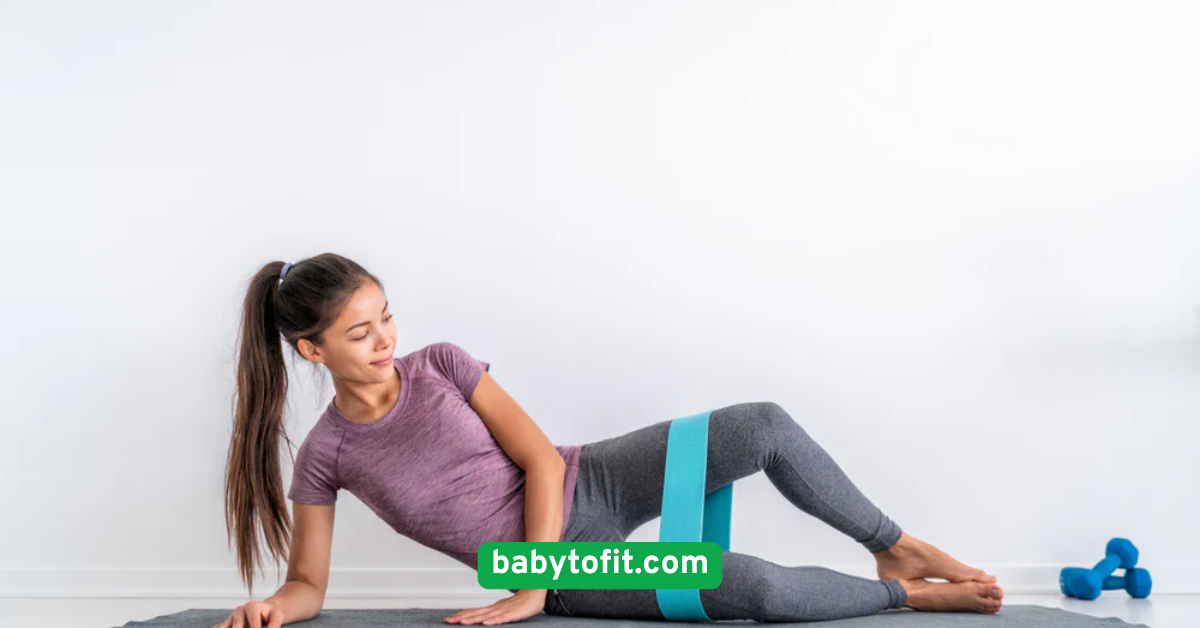
Strengthening the hips and glutes postpartum is key for pelvic stability and overall body alignment. Clamshells target these areas effectively without putting pressure on your healing abdomen.Lie on your side with knees bent at a 90-degree angle and feet touching. Keeping your feet together, gently lift your top knee as high as comfortable, then slowly lower it back down. Perform 12 to 15 repetitions on each side.This exercise helps correct muscle imbalances that can develop during pregnancy and childbirth. Strong hips reduce the risk of back pain and improve your balance — critical when navigating life with a newborn. Plus, clamshells are easy to do during your baby’s nap time.
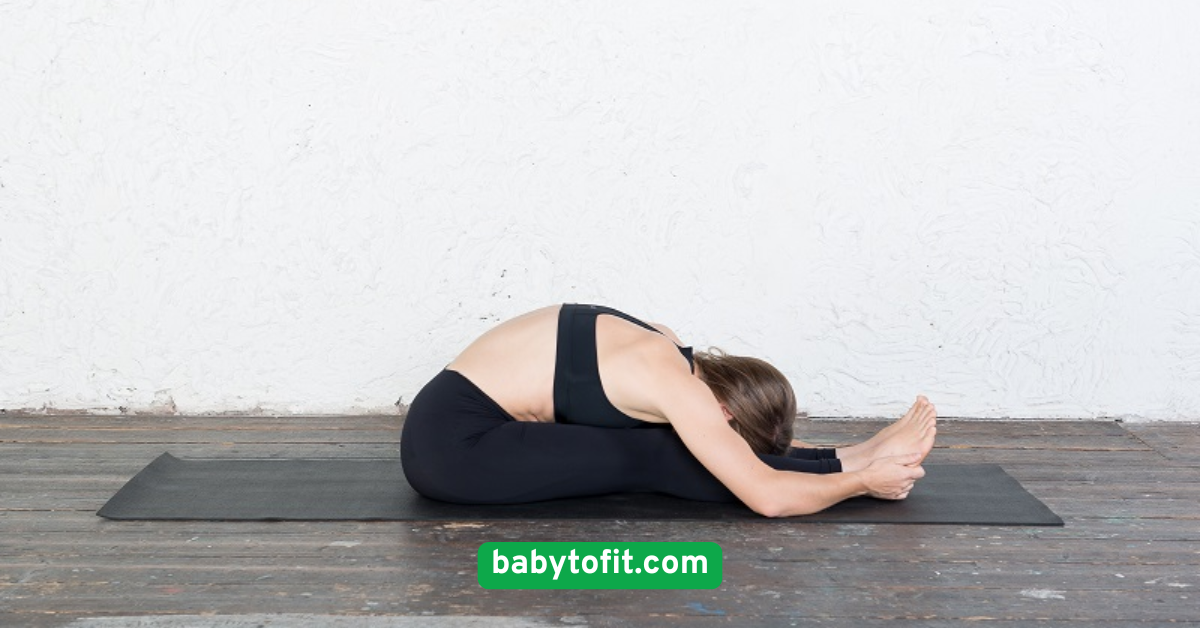
5. Seated Forward Fold
Stretching helps release tension and improve flexibility, which is especially needed after pregnancy’s physical demands. The seated forward fold is a gentle stretch focusing on the lower back, hamstrings, and hips.Sit with your legs extended in front of you. Inhale deeply, then as you exhale, hinge at your hips and reach toward your toes while keeping your spine straight. Hold this stretch for 20 to 30 seconds, breathing deeply.This pose soothes tight muscles, eases back pain from prolonged baby-holding, and encourages relaxation. For added comfort, bend your knees slightly or use a strap around your feet. Stretching regularly can help moms feel more limber and energized throughout the day.
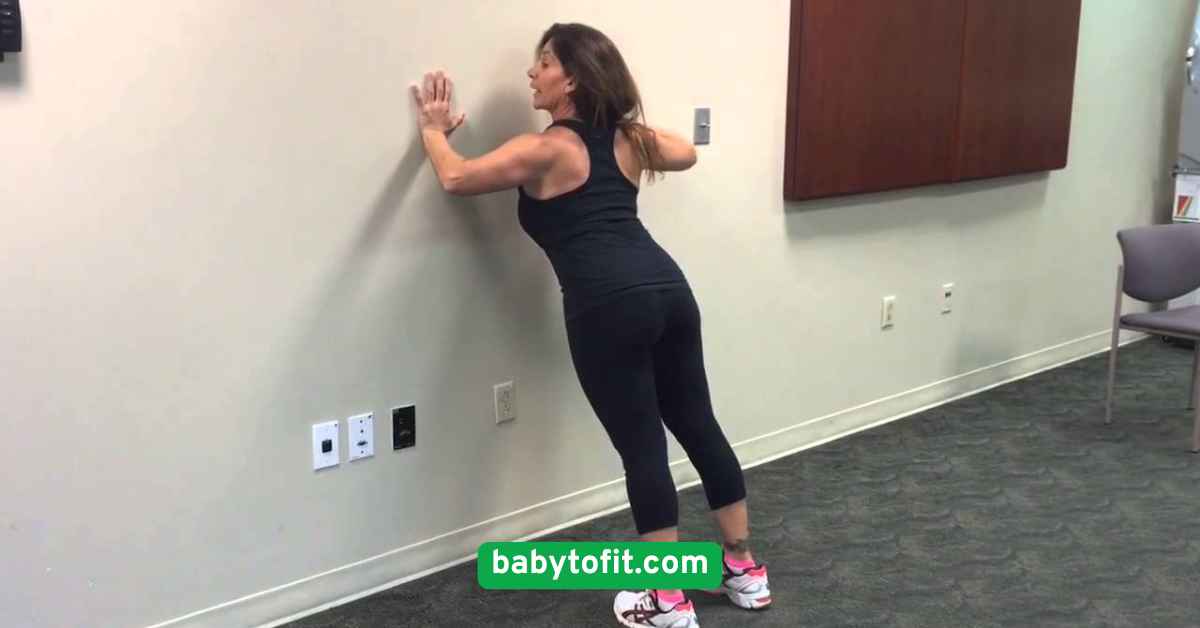
6. Wall Push-Ups
If floor push-ups feel too challenging, wall push-ups offer an excellent alternative to build upper body strength with less intensity.Stand facing a wall, placing your hands flat at shoulder height and shoulder-width apart. Step your feet back so your body is at an angle. Slowly bend your elbows to bring your chest closer to the wall, then push back to the starting position. Aim for 10 to 15 repetitions.Wall push-ups strengthen your chest, shoulders, and arms, helping improve posture and reduce muscle tension. These are easy to fit into small pockets of time and require no equipment — ideal for multitasking moms.
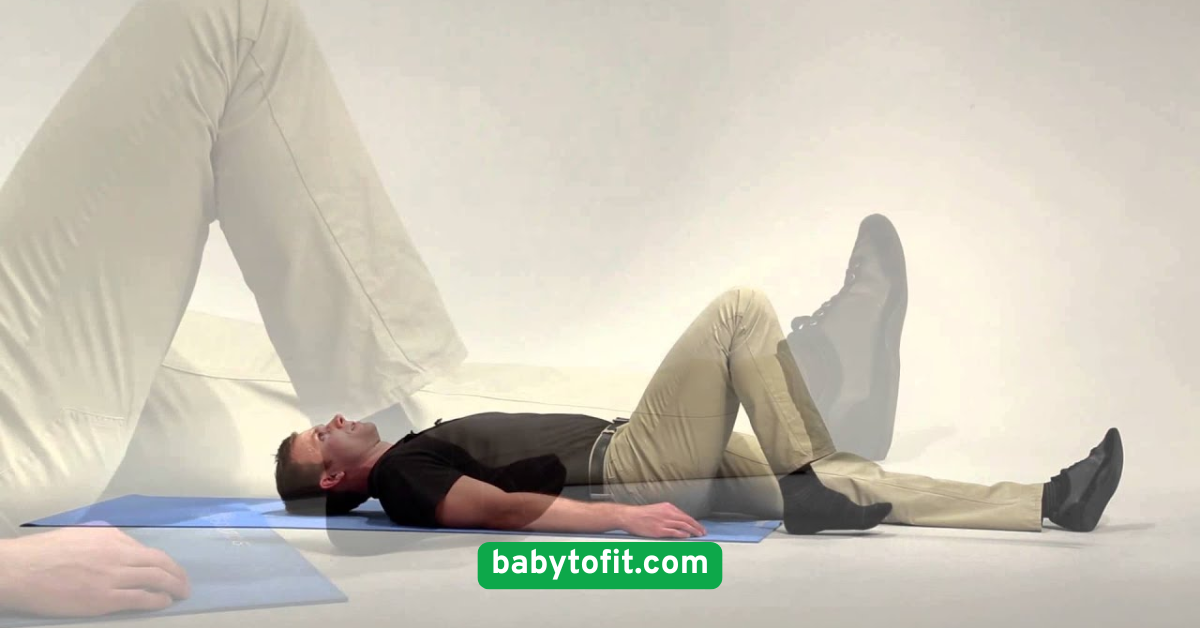
7. Heel Slides
Heel slides promote hip mobility and core engagement, both vital for postpartum recovery.Lie on your back with knees bent. Slowly slide one heel along the floor, straightening your leg, then slide it back to the starting position. Repeat with the other leg. Perform 10 to 15 repetitions per side.This gentle movement improves hip flexibility and encourages pelvic floor activation. It’s safe, low-impact, and perfect for easing your body back into activity.
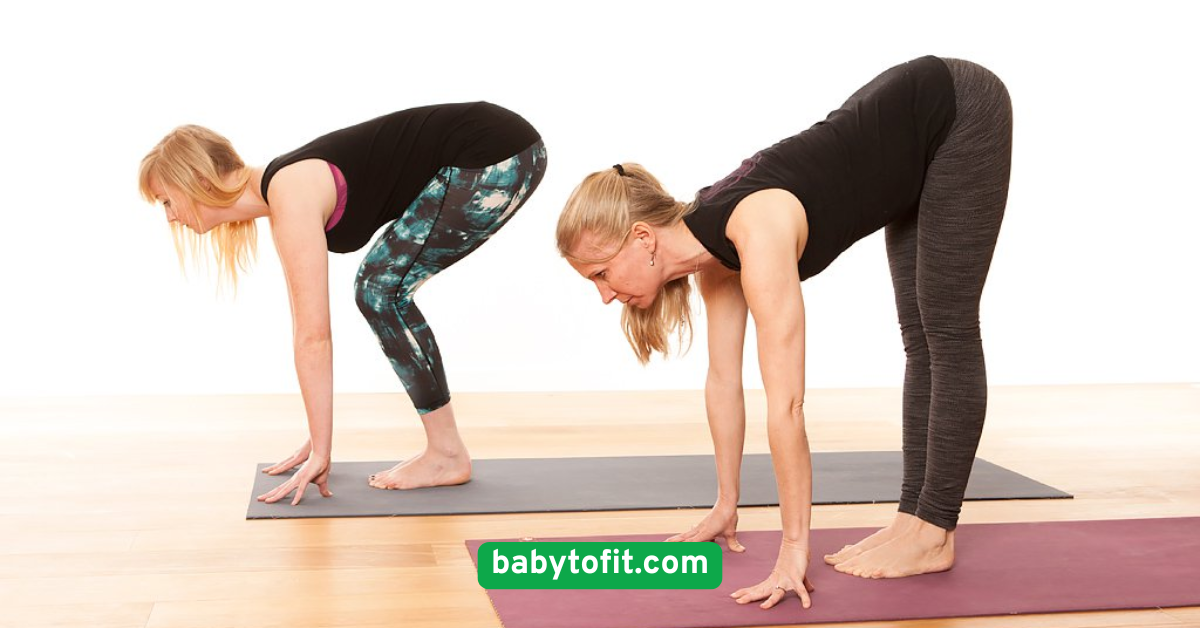
8. Modified Sun Salutation
Yoga-based flows like the modified sun salutation provide a gentle full-body workout that enhances flexibility, strength, and relaxation.Starting standing, inhale to reach your arms overhead. Exhale as you hinge forward at the hips, folding toward your toes. Inhale to lift halfway, then step back to a plank or knees-down plank position. Hold briefly, then step forward and rise up.This sequence can be adapted for comfort and healing needs, offering mindful movement that reconnects breath with motion. It’s great for improving circulation, posture, and mental clarity.
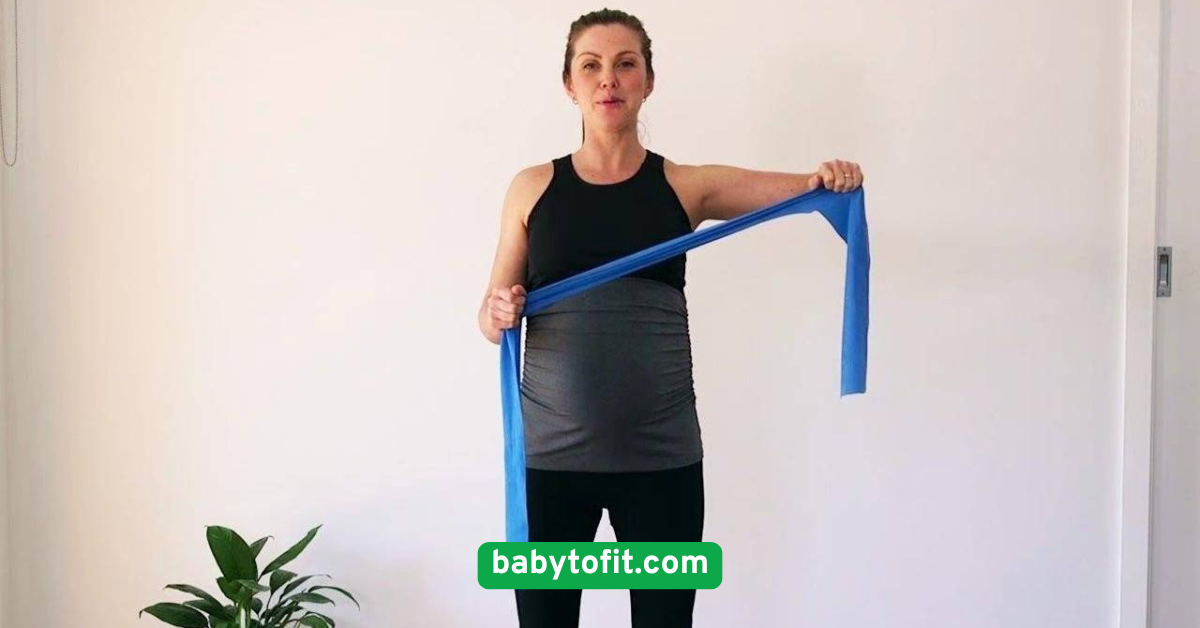
9. Resistance Band Rows
Using resistance bands is a convenient way to strengthen your upper back and shoulders postpartum.Sit or stand holding a resistance band with both hands, arms extended. Pull the band toward your chest, squeezing your shoulder blades together, then slowly release. Complete 12 to 15 reps.This exercise counteracts the forward-leaning posture common in new moms and improves upper body strength for daily tasks.
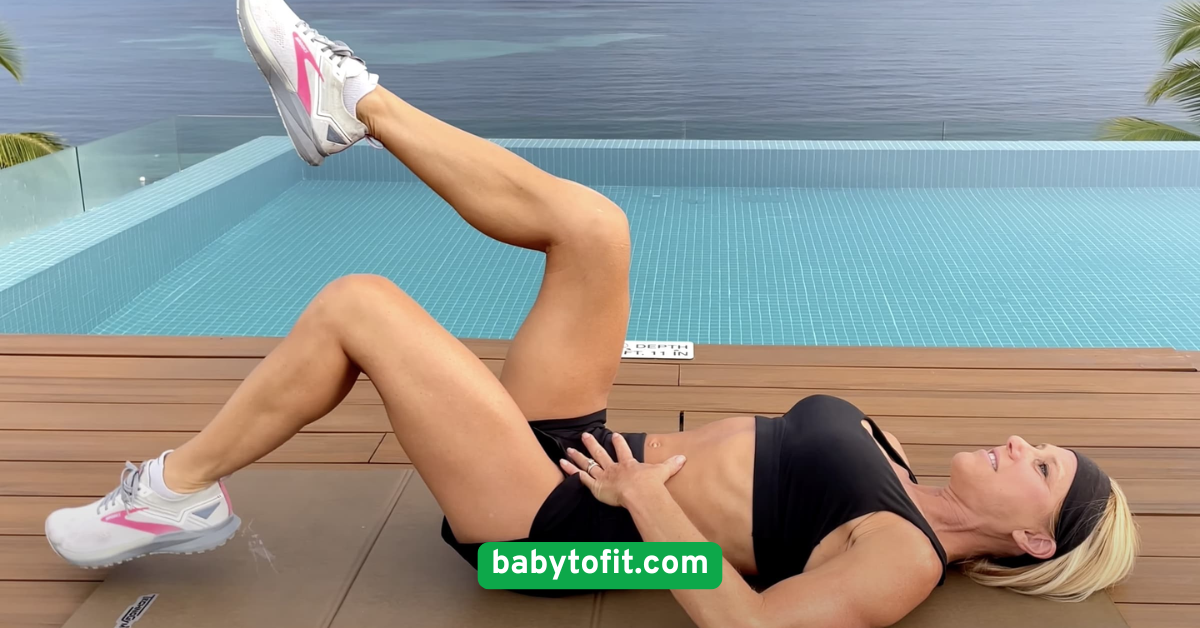
10. Toe Taps
Toe taps engage the lower abdominal muscles while being gentle enough for postpartum bodies.Lie on your back with knees bent at 90 degrees above your hips. Slowly lower one foot to tap the floor, then lift it back up. Alternate legs for 10 to 15 repetitions.This low-impact exercise helps rebuild core strength and stability while improving coordination.
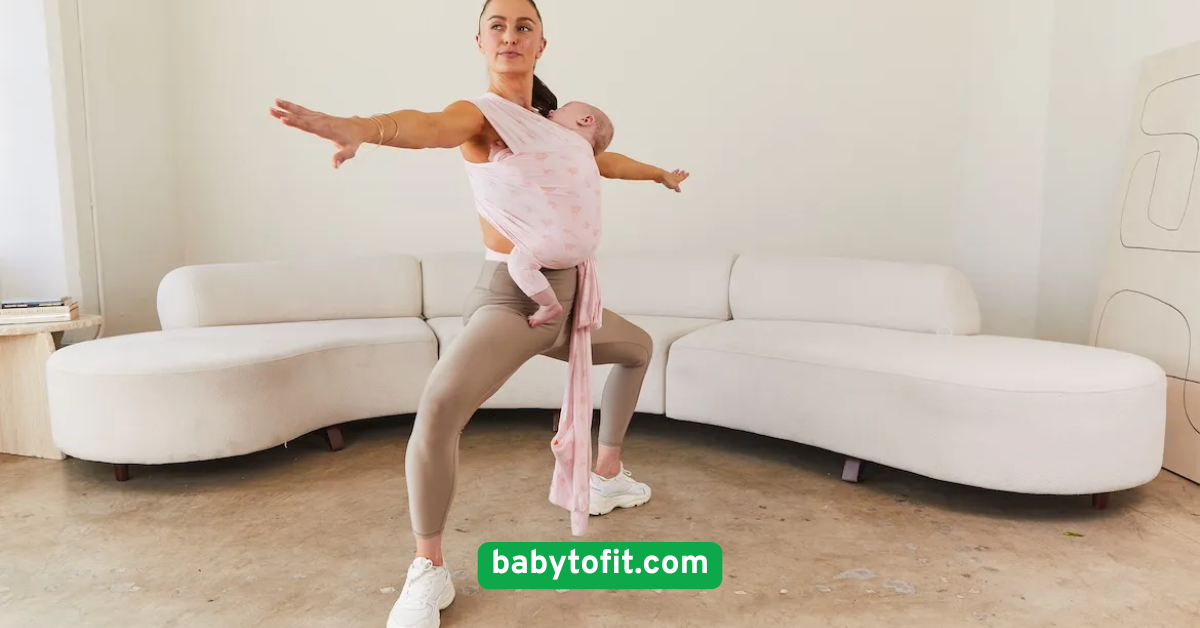
11. Babywearing Dance Walk
Incorporating your baby into your workouts can be joyful and effective. Babywearing dance walks combine light cardio with bonding.Secure your baby safely in a carrier. Walk rhythmically or gently sway side to side while moving your feet. Keep movements smooth and comfortable.This activity boosts your heart rate, lifts your mood, and strengthens leg muscles — all while keeping your baby close.
12. Cool Down Breathwork
Ending your workouts with mindful breathwork helps reduce stress and promotes healing.Sit or lie comfortably. Inhale slowly through your nose, filling your lungs. Exhale fully through your mouth, releasing tension. Repeat for 5 minutes.Deep breathing supports relaxation, lowers cortisol levels, and enhances mental well-being, crucial for postpartum recovery.

Conclusion
Healing after childbirth is a journey that deserves gentle, consistent care. These 12 quick postpartum workouts are designed to support your body’s recovery, build strength, and boost energy — all while respecting your busy schedule. Remember, your body knows best. Listen closely, move mindfully, and celebrate each small victory along the way.
By making time for these healing exercises, you’re not only nurturing your physical health but also enhancing your overall well-being. Your strength as a new mom grows with every movement. So why wait? Start these postpartum workouts today and embrace a healthier, happier you!


