15 Effective Postpartum Workouts to Regain Strength
1. Pelvic Floor Exercises (Kegels)
Pelvic floor muscles undergo significant stress during pregnancy and delivery, and strengthening them is crucial for postpartum recovery. Kegel exercises specifically target these muscles, helping prevent urinary incontinence, improve bladder control, and restore pelvic stability. To do a Kegel, imagine trying to stop the flow of urine midstream. Hold this contraction for about 5 seconds, then relax for 5 seconds. Repeat 10 to 15 times, gradually increasing duration as you build strength.These exercises can be done anywhere, making them perfect for busy moms. Regular practice not only aids physical recovery but can also enhance sexual health and support your posture as you carry and nurse your baby. Start gently, and listen to your body—overdoing it too soon may cause discomfort.
2. Diaphragmatic Breathing
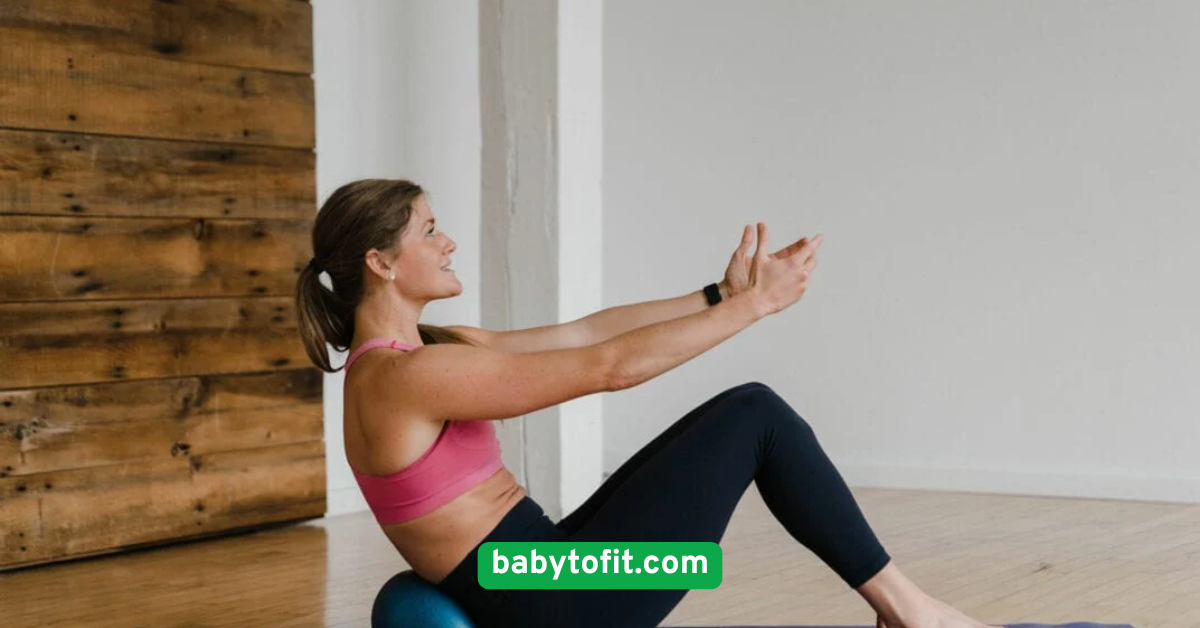
Deep breathing may seem simple, but diaphragmatic breathing is a powerful tool for postpartum core activation and relaxation. After childbirth, the connection between your diaphragm, pelvic floor, and abdominal muscles can become weakened. Focusing on slow, deep breaths helps re-engage these muscle groups and reduces tension.To practice, sit or lie comfortably, placing one hand on your chest and the other on your abdomen. Breathe in deeply through your nose, ensuring your belly rises rather than your chest. Exhale slowly through pursed lips. This exercise not only activates core muscles but also calms the nervous system, helping relieve stress and improve oxygen flow—perfect for busy new moms seeking moments of calm.

3. Bridge Pose (Glute Bridge)
The Bridge Pose is excellent for strengthening the glutes, lower back, and core, all of which often weaken during pregnancy. Lie on your back with knees bent and feet flat on the floor, hip-width apart. Press your feet into the ground and lift your hips toward the ceiling, squeezing your glutes at the top. Hold for a few seconds and gently lower back down.This move improves pelvic alignment and counters the lower back pain common postpartum. It also supports pelvic floor recovery, as the glutes help stabilize the pelvis. Start with 10 repetitions, and as you feel stronger, try holding the position longer or adding gentle pulses at the peak.

4. Cat-Cow Stretch
Flexibility and spinal mobility often take a hit during pregnancy, especially with the extra weight and changes in posture. The Cat-Cow stretch gently mobilizes the spine, stretches the back muscles, and improves circulation. Begin on hands and knees, with wrists under shoulders and knees under hips. On an inhale, arch your back, lifting your head and tailbone (Cow). On the exhale, round your spine, tucking your chin and pelvis (Cat).This stretch relieves tension and improves posture, helping ease discomfort from long hours of holding or nursing your baby. It’s a soothing way to wake up your spine daily, setting a gentle rhythm for your body.

5. Modified Plank
Core strength is essential for postpartum recovery, but traditional planks can be too intense initially. The modified plank offers a safer way to engage the core without risking strain. Begin on your hands and knees, then extend your legs back to bring your body into a straight line from shoulders to knees.Hold this position while keeping your abdominal muscles gently pulled in. Start with 10-15 seconds, building up gradually. This exercise strengthens the core, shoulders, and back, improving posture and reducing the risk of injury. Avoid letting your hips sag and keep breathing steadily throughout.

6. Heel Slides
Heel slides are gentle and effective for reactivating the lower abdominal muscles and hip mobility. Lie on your back with knees bent and feet flat. Slowly slide one heel away from your body, extending the leg, then bring it back to the starting position.This controlled movement helps strengthen deep core muscles involved in stabilizing the pelvis and lower back. It’s especially helpful for moms dealing with diastasis recti, as it encourages proper muscle engagement without excessive strain. Aim for 10 repetitions on each leg, maintaining slow and mindful movements.

7. Wall Push-Ups
Upper body strength supports many daily activities for new moms, like carrying the baby and household tasks. Wall push-ups are a gentle way to build arm, shoulder, and chest strength. Stand facing a wall, place your hands shoulder-width apart on it, and step back so your body forms a straight line.Bend your elbows to lean toward the wall, then push back to the starting position. Keep your core engaged and avoid letting your hips sag. Start with 10 repetitions and increase as you build strength. This exercise can be done anytime, anywhere, making it perfect for busy days.

8. Side-Lying Leg Lifts
Strengthening the hips and thighs is vital for postpartum pelvic stability. Side-lying leg lifts target the outer thigh muscles (hip abductors) which help support proper pelvic alignment. Lie on your side with legs straight, head resting on your arm. Lift the top leg slowly, hold briefly, and lower it down with control.This exercise reduces the risk of pelvic pain and improves balance. Start with 10-12 lifts on each side. Remember to keep your hips stacked and avoid leaning forward or backward to maximize effectiveness.

9. Seated Rows with Resistance Band
Resistance bands are affordable and versatile tools for postpartum strength training. Seated rows target the upper back muscles, which often weaken due to poor posture from nursing and carrying. Sit with legs extended, loop a resistance band around your feet, and hold the ends.Pull the band toward your torso, squeezing shoulder blades together, then release slowly. This exercise improves posture, alleviates upper back tension, and enhances shoulder stability. Start with light resistance and 10-15 repetitions.

10. Bird-Dog Exercise
The bird-dog is a fantastic workout for core stability and balance. Start on hands and knees, engage your core, and extend one arm forward while simultaneously extending the opposite leg backward. Hold for a few seconds, then switch sides.This movement encourages coordination, strengthens the lower back, and supports pelvic alignment. It’s gentle enough for postpartum bodies and helps build the muscular control necessary for everyday movements. Try 8-10 repetitions per side, focusing on smooth, controlled motions.

11. Wall Squats
Wall squats gently strengthen the legs and glutes while providing support for balance. Stand with your back against a wall, feet shoulder-width apart. Slowly slide down the wall by bending your knees to a 45-degree angle, hold briefly, then slide back up.This exercise improves muscle endurance and can be adjusted by changing the squat depth. It’s particularly beneficial for moms who experience weak legs or want to improve mobility. Begin with 10 repetitions and increase as you get stronger.

12. Leg Circles
Leg circles promote hip mobility and coordination. Lie on your back with one leg extended upward. Make slow, controlled circles with your leg in both clockwise and counterclockwise directions.This exercise helps loosen hip joints and activate stabilizing muscles without strain. Perform 5-8 circles in each direction on each leg, keeping your core engaged to protect your lower back.

13. Standing Marches
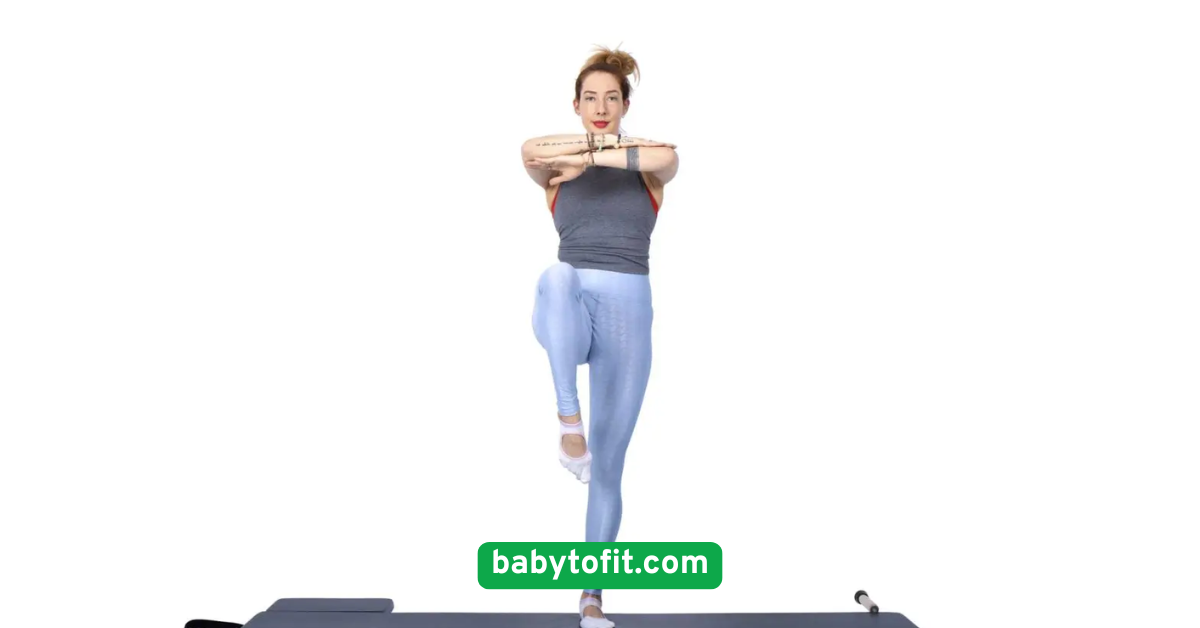
If you’re ready to add a gentle cardiovascular component, standing marches are an excellent choice. Simply march in place, lifting your knees to a comfortable height and swinging your arms naturally.This low-impact exercise boosts circulation, warms up muscles, and engages your core. It’s easy to fit in throughout the day, even while watching your little one or waiting for dinner to cook. Aim for 1-2 minutes per set, increasing duration as your stamina improves.
14. Heel Raises
Heel raises strengthen the calf muscles and improve lower leg circulation, which is important postpartum. Stand with feet hip-width apart and slowly lift your heels off the ground, rising onto your toes.Hold for a moment, then slowly lower your heels back down. Repeat 10-15 times. This simple exercise also helps reduce swelling in the feet and ankles, a common postpartum complaint, and can be done while multitasking around the house.

15. Child’s Pose Stretch
The Child’s Pose is a restorative stretch that calms the nervous system while gently lengthening the lower back and hips. Kneel on the floor with knees wide and big toes touching. Sit back on your heels and stretch your arms forward, lowering your forehead to the ground.Hold the position and focus on deep breathing. This pose relieves tension from postpartum muscle fatigue, encourages mindfulness, and provides a calming break. It’s the perfect way to end your workout or take a pause anytime you need some relaxation.

Conclusion
Regaining strength after childbirth is a gradual, empowering journey. These 15 effective postpartum workouts are designed to gently restore your body’s core, pelvic floor, and overall muscle tone while respecting the unique demands of new motherhood. Remember to listen closely to your body, progress at your own pace, and celebrate every small step toward wellness. Integrating these exercises into your daily routine can boost your energy, improve posture, and help you feel strong and confident as you navigate this beautiful new chapter.
Embrace your body’s resilience, and enjoy these moments of self-care—they’re as essential as the care you give your little one!


