15 Gentle Postpartum Workouts to Regain Strength
Gentle postpartum workouts are a safe way to reconnect with your body, rebuild your core, and boost circulation, all while respecting the delicate changes your body is undergoing. Whether you had a vaginal delivery or a C-section, these 15 gentle exercises are designed to support healing, improve posture, and gradually restore your strength. Best of all, they fit perfectly into the busy life of a new mom, requiring just a few minutes and minimal equipment.So grab a water bottle, find a comfy spot, and let’s explore these effective yet gentle workouts that will help you regain strength and feel empowered in your postpartum journey.
1. Pelvic Tilts
Pelvic tilts are a foundational exercise for postpartum recovery. This simple movement gently activates the deep abdominal muscles and pelvic floor, which are often weakened during pregnancy and childbirth. To perform a pelvic tilt, lie on your back with your knees bent and feet flat on the floor. Take a deep breath in, then exhale while gently tilting your pelvis upward, pressing your lower back into the floor. Hold for a few seconds before releasing.
Pelvic tilts improve spinal alignment and can relieve lower back discomfort—common postpartum complaints due to the physical demands of caring for a newborn. Regular practice helps rebuild core strength and increases awareness of your body’s positioning. Aim for 10 to 15 slow, controlled reps daily. Over time, you’ll notice improved posture and less back strain, essential for those long hours of feeding and holding your baby.
2. Kegel Exercises
Strengthening the pelvic floor is critical after childbirth, and Kegel exercises are the go-to workout for this area. These exercises help restore bladder control and support internal organs, which can shift during pregnancy. To do a Kegel, squeeze the muscles you would use to stop urinating. Hold the contraction for 3 to 5 seconds, then release for an equal amount of time.The beauty of Kegels is their convenience—you can do them anytime, anywhere: while breastfeeding, watching TV, or even during diaper changes. Starting with three sets of 10 repetitions daily is effective, and as your muscles strengthen, you can increase duration and reps. A strong pelvic floor can prevent urinary leakage, improve sexual health, and enhance overall core stability.
3. Diaphragmatic Breathing
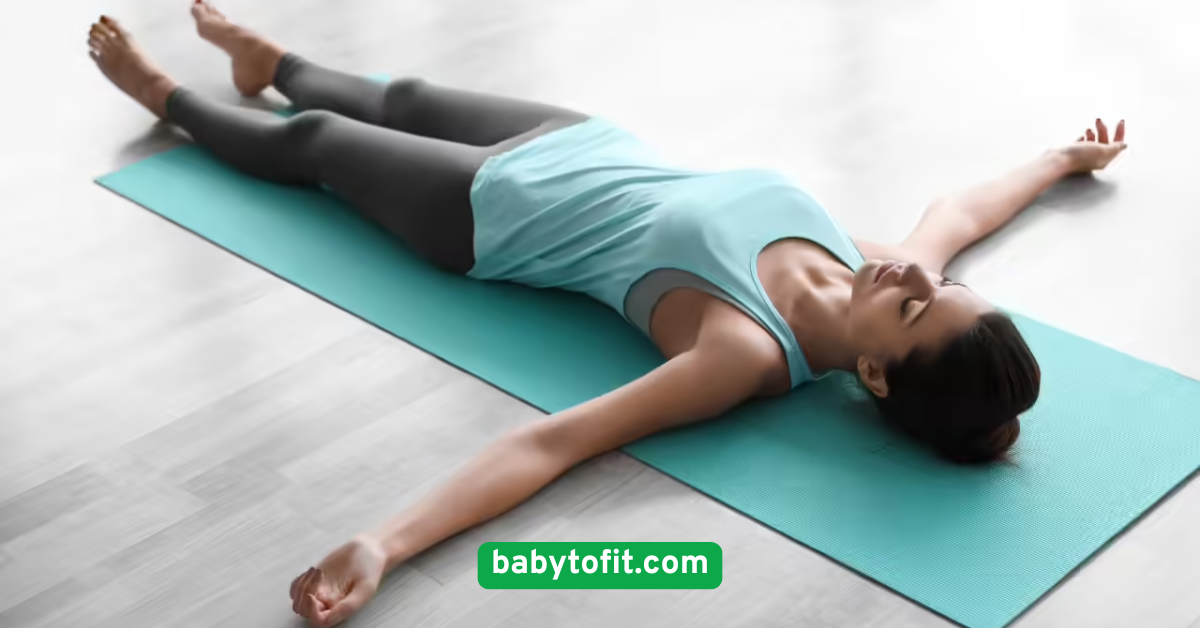
Postpartum recovery isn’t just physical—it’s deeply connected to how you breathe. Diaphragmatic breathing, also called belly breathing, helps engage your core muscles while calming your nervous system. Sit or lie comfortably, place one hand on your chest and the other on your belly. Inhale slowly through your nose, allowing your belly to expand as you fill your lungs. Exhale through your mouth, feeling your belly contract.
This gentle breathing exercise promotes oxygen flow, reduces stress, and improves posture—key for mothers navigating sleepless nights and constant movement. Adding diaphragmatic breathing into your daily routine prepares your body for more active workouts and supports overall healing.
4. Heel Slides
Heel slides are a gentle movement to awaken the lower abdominal muscles and improve hip mobility. Lie on your back with knees bent and feet flat on the floor. Engage your core and slowly slide one heel away from your body until your leg is almost straight, then slide it back. Alternate sides for 10 to 12 repetitions each.This exercise is ideal for rebuilding coordination and strength without strain. It also helps enhance pelvic stability, which is important for preventing injury as you gradually return to more dynamic movements.
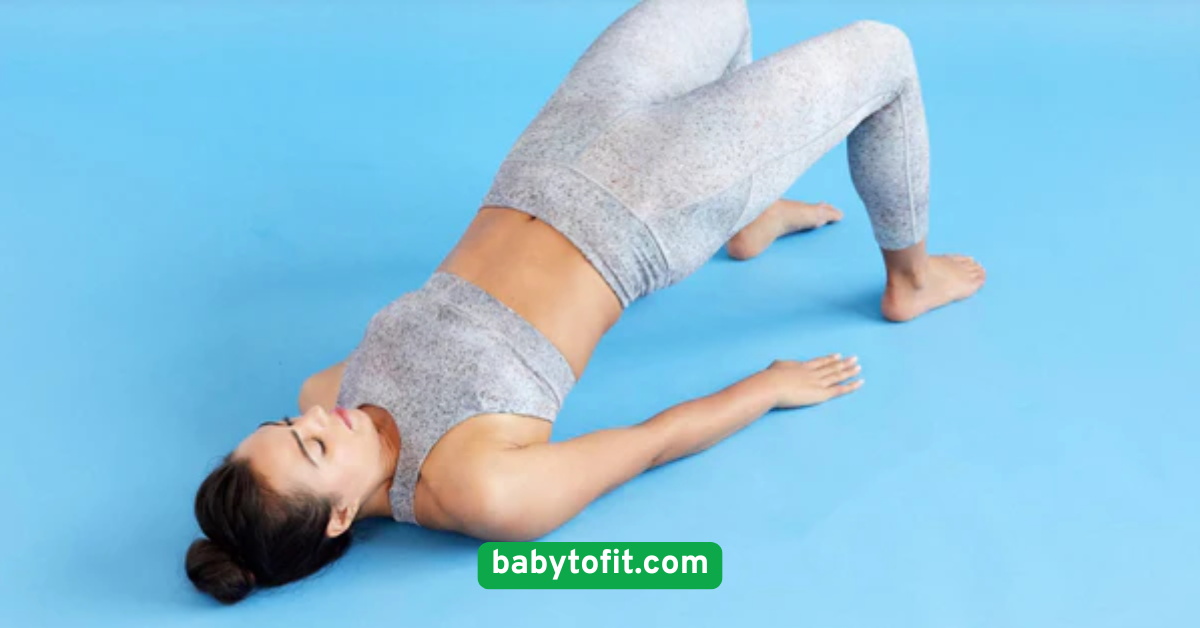
5. Glute Bridges
Glute bridges are a postpartum favorite, targeting the glute muscles, lower back, and pelvic floor. Lie on your back with knees bent and feet hip-width apart. Press through your heels, lifting your hips toward the ceiling. Hold the position for a few seconds, then slowly lower your hips back down.This exercise strengthens muscles essential for supporting your spine and pelvis, which can become weak due to pregnancy-related postural changes. Glute bridges also help counteract the effects of prolonged sitting, a reality for many new moms. For an added challenge, place a soft ball or pillow between your knees to engage inner thighs and further activate the pelvic floor.
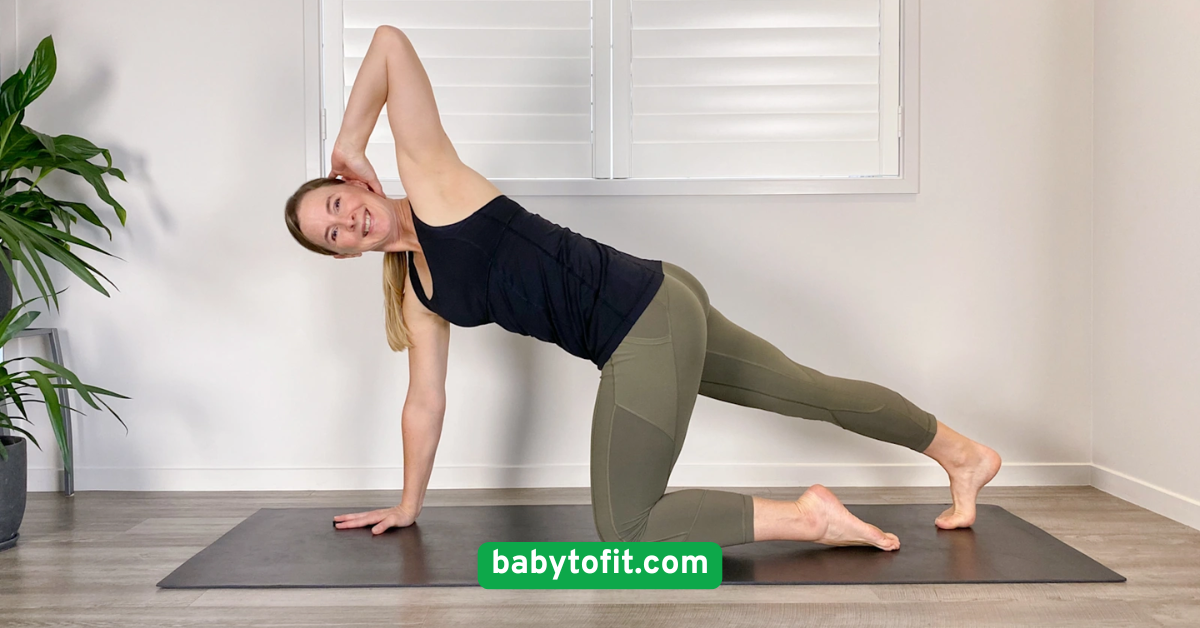
6. Bird Dog
The bird dog is a fantastic full-body stability exercise. Start on all fours with your hands directly under your shoulders and knees under your hips. Extend your right arm forward and your left leg backward, keeping hips and shoulders level. Hold for a few seconds, then return to starting position and switch sides.This move improves balance, core strength, and spinal alignment. Bird dogs help combat postpartum back pain by strengthening muscles that support your spine. Begin with 8 to 10 reps per side and increase hold time as you feel stronger.
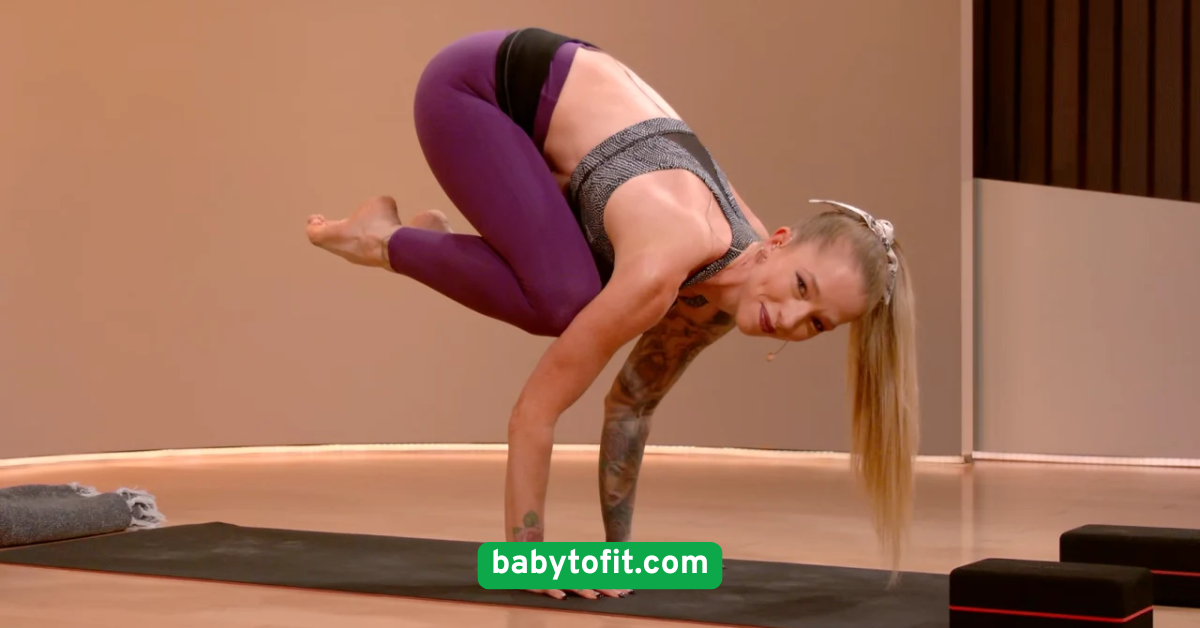
7. Cat-Cow Stretch
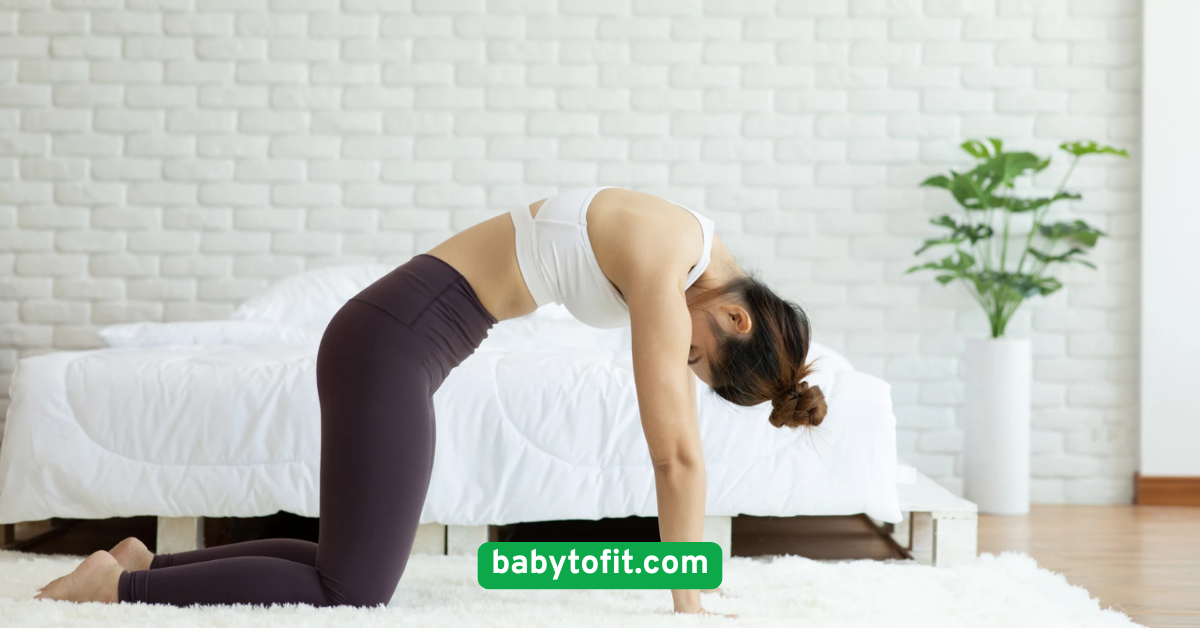
A gentle yoga-inspired movement, the cat-cow stretch enhances spinal flexibility and core awareness. Begin on all fours. Inhale as you arch your back, lifting your tailbone and chest (cow pose). Exhale as you round your back, tucking your pelvis and chin (cat pose).Moving between these poses massages your spine, improves circulation, and gently engages abdominal muscles. It’s especially soothing for postpartum moms experiencing back stiffness and helps ease tension built up from nursing and baby-carrying.
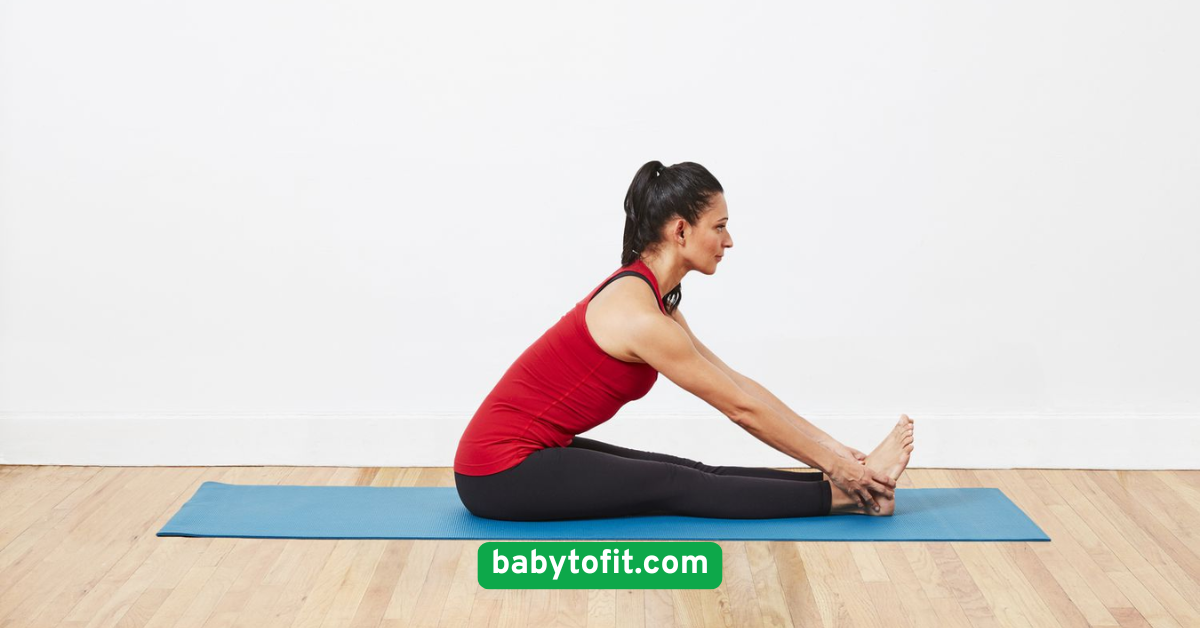
8. Seated Forward Fold
Seated forward folds stretch tight hamstrings and the lower back, common trouble spots after pregnancy. Sit with legs extended and feet flexed. Inhale to lengthen your spine, then exhale as you gently hinge forward from your hips, reaching toward your toes.Even if you can’t reach your feet, the stretch releases tension and calms the nervous system. This posture also encourages better circulation, which supports healing tissues.
9. Standing Wall Push-Ups
Modified push-ups against a wall safely rebuild upper body strength, critical for lifting and carrying your little one. Stand an arm’s length from a wall with hands placed shoulder-width apart. Slowly bend elbows, lowering your chest toward the wall, then push back to starting position.This exercise strengthens arms, shoulders, and chest without stressing healing muscles. Start with 2 to 3 sets of 10 reps, increasing as strength improves.

10. Step Touches
Step touches are a gentle cardio movement that raises your heart rate while being easy on joints. Step to the right, bringing your left foot to meet it, and swing your arms rhythmically. Repeat to the left.This move can be done with your baby in a carrier, making it both practical and effective. Step touches help improve circulation, boost energy, and gradually rebuild endurance.
11. Seated Leg Lifts
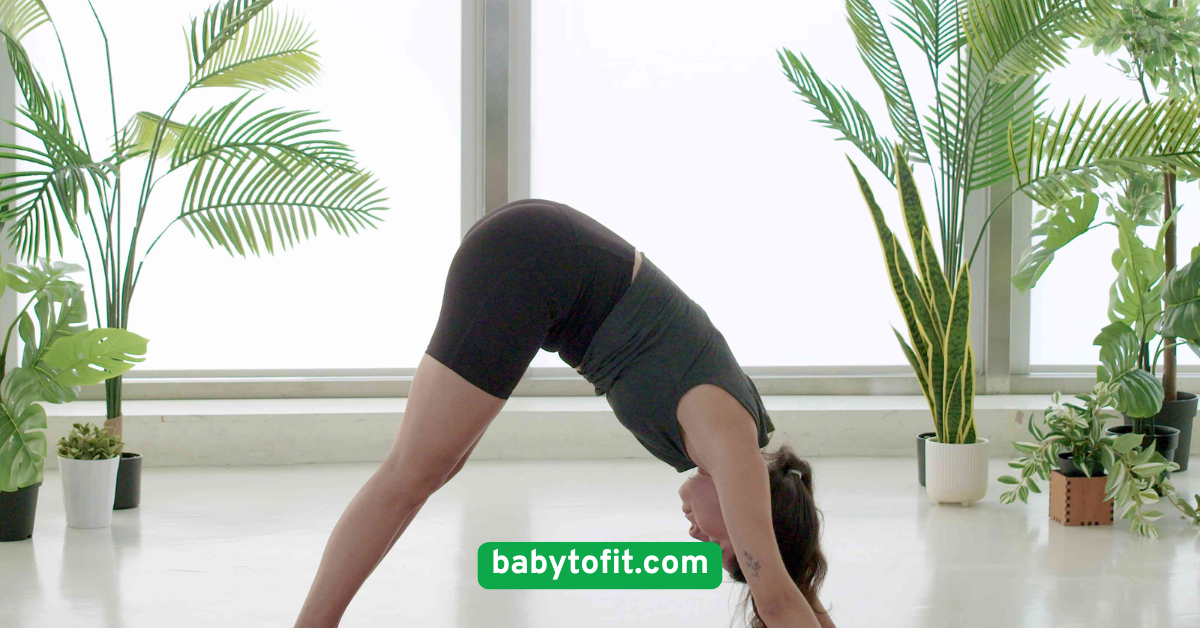
Seated leg lifts strengthen the quadriceps and improve hip mobility. Sit upright in a sturdy chair with feet flat. Slowly lift one leg until it’s straight and parallel to the floor, hold briefly, then lower it back down. Alternate legs for 10 to 12 reps each.This exercise builds lower body strength without putting pressure on the pelvic floor. It’s ideal for moms easing back into movement and can be done anywhere.
12. Standing Calf Raises
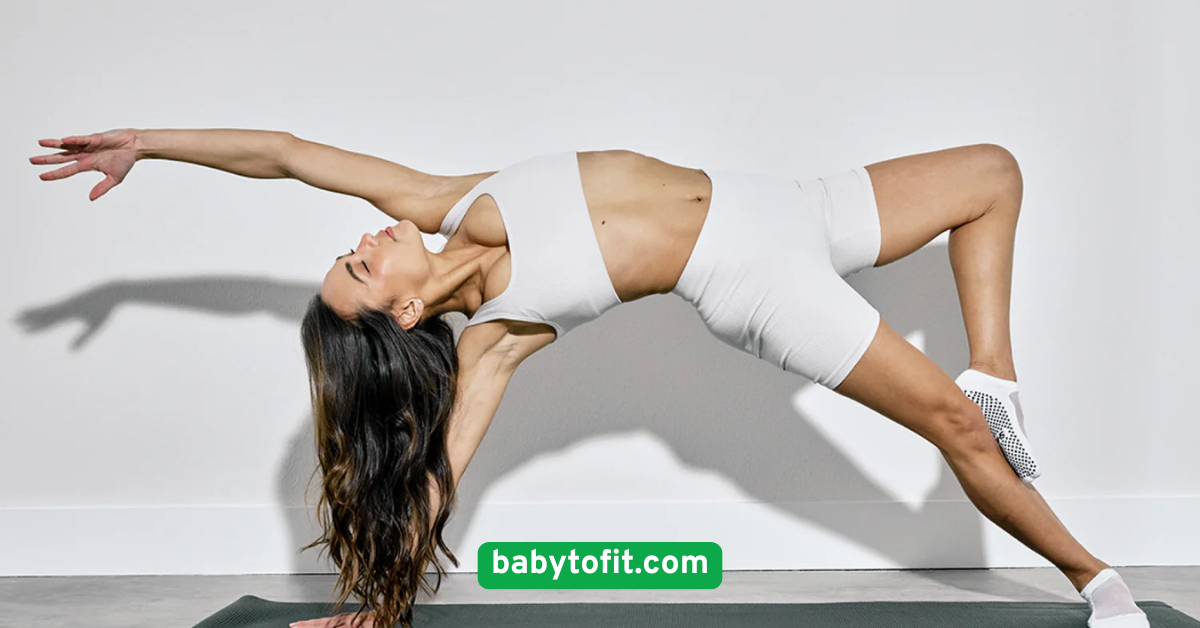
Calf raises strengthen lower leg muscles and improve balance. Stand with feet hip-width apart near a wall or chair for support. Rise onto your toes as high as possible, hold for a moment, then slowly lower back down.These help counteract swelling and fatigue common in postpartum legs. Doing 2 to 3 sets of 15 reps daily can enhance circulation and reduce discomfort.
13. Leg Extensions on Chair
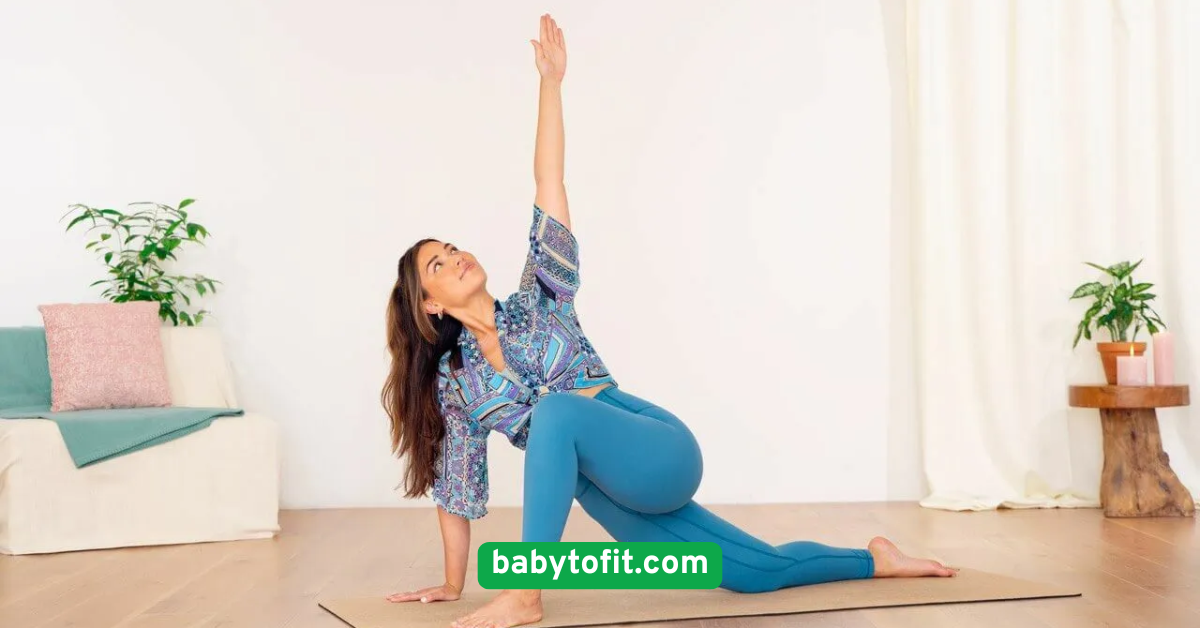
Leg extensions target thigh muscles and help restore joint mobility. Sitting on a chair, extend one leg straight out in front of you, hold for a few seconds, then lower it slowly. Repeat on the other leg.This low-impact movement supports gradual strengthening while being safe for postpartum bodies. It’s great for busy moms as it requires minimal space and no equipment.
14. Arm Raises with Light Weights
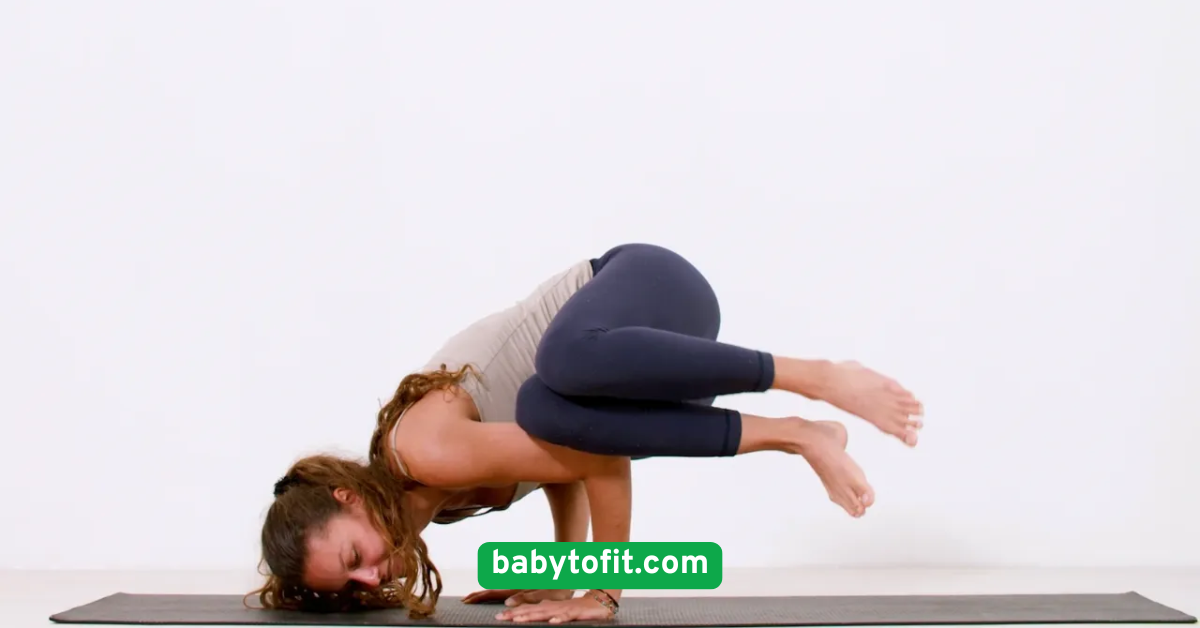
Using light dumbbells or household items like water bottles, arm raises build shoulder and upper back strength. Stand or sit with weights in hand, raise arms to shoulder height, hold briefly, then lower slowly.Strengthening these muscles helps with posture and eases the strain of carrying a baby. Start with low weights and 2 sets of 10 to 12 reps, increasing as you feel comfortable.
15. Supine Marches
Supine marches activate deep core muscles safely. Lie on your back with knees bent, feet flat. Engage your core and slowly lift one foot off the floor, bringing your knee toward your chest, then lower it back down. Alternate legs for 10 to 12 reps each.This exercise rebuilds core stability and coordination without strain. It’s an excellent bridge toward more dynamic postpartum workouts.
Conclusion
Recovering your strength after childbirth is a journey that deserves kindness and patience. These 15 gentle postpartum workouts provide a safe, effective way to rebuild core stability, enhance muscle tone, and improve overall well-being. Incorporating these movements into your daily routine—even just for a few minutes—can make a remarkable difference in how you feel physically and emotionally.
Remember, every mother’s recovery timeline is unique. Listen to your body, progress gradually, and celebrate each small victory. With consistent, mindful practice, you’ll regain your strength and confidence, ready to embrace motherhood with vitality and joy.
escription and title tags! Just say the word.


