15 Gentle Postpartum Workouts to Support Healing
Did you know that starting postpartum exercise safely can not only speed up your physical recovery but also enhance your mood and mental wellbeing? That’s why incorporating gentle, targeted movements is essential for any new mom looking to feel strong, balanced, and energized. Let’s dive into 15 effective workouts that support healing and empower you on your postpartum journey!
1. Pelvic Floor Activation
The pelvic floor muscles form the foundation of your core and play a crucial role in supporting your bladder, uterus, and bowel. Pregnancy and childbirth put a lot of strain on these muscles, often leading to weakness or dysfunction. This can cause issues like urinary incontinence or pelvic organ prolapse if not addressed. Pelvic floor activation exercises, commonly known as Kegels, are designed to strengthen these muscles and encourage healing.To perform pelvic floor activation, imagine gently stopping the flow of urine midstream. Contract these muscles by squeezing and lifting them upward without tensing your abdomen, buttocks, or thighs. Hold the contraction for about 5 seconds, then release slowly. Repeat 10 to 15 times, three times a day. Consistency is key to regaining strength and support.By regularly engaging your pelvic floor, you improve muscle tone and coordination, which helps reduce postpartum discomfort and enhances overall core stability. This simple exercise also plays a vital role in restoring proper posture and pelvic alignment, making everyday activities like lifting your baby or walking more comfortable and safe.
2. Diaphragmatic Breathing
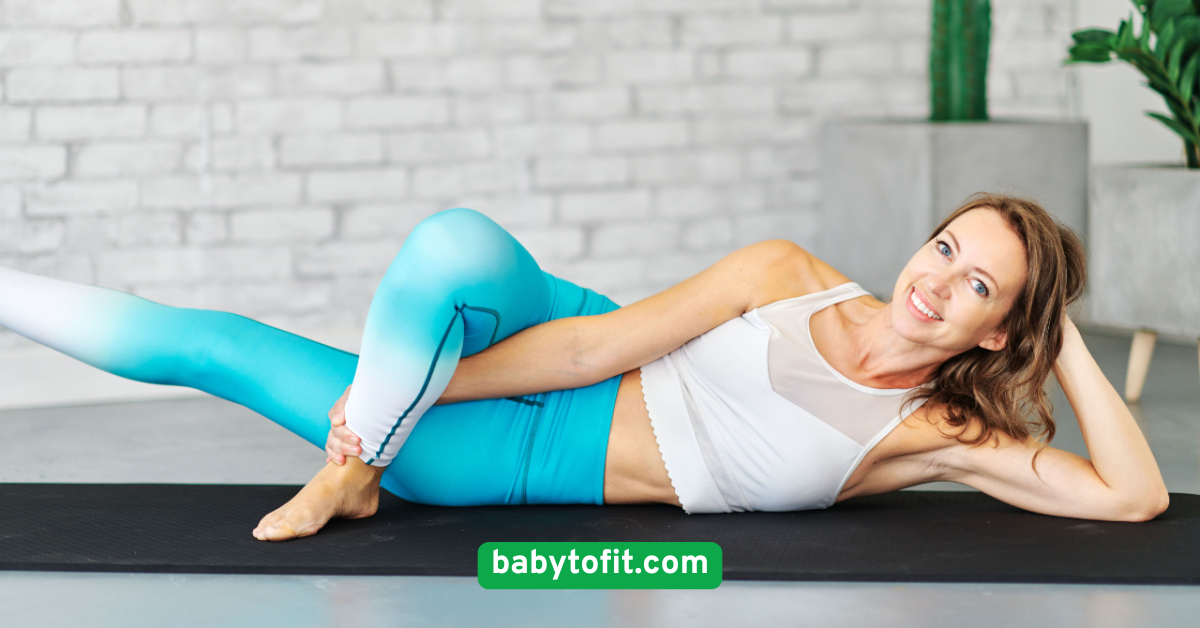
Diaphragmatic breathing, or deep belly breathing, is a foundational exercise for postpartum recovery. It strengthens your deep core muscles — especially the transverse abdominis — which acts like an internal corset, supporting your abdomen and lower back. After childbirth, these muscles may be stretched or weakened, so retraining your breath helps re-engage and tone them.To practice, sit or lie down comfortably. Place one hand on your chest and the other on your belly. As you inhale deeply through your nose, focus on expanding your belly outward while keeping your chest still. Exhale slowly through pursed lips, gently drawing your belly in toward your spine. Repeat this cycle for several minutes, focusing on smooth, relaxed breaths.Integrating diaphragmatic breathing into your daily routine not only supports core activation but also calms your nervous system. This can reduce postpartum stress and anxiety, improve oxygen flow, and aid in healing abdominal separation (diastasis recti). Plus, it’s a perfect exercise to practice anytime — even while nursing or resting.
3. Cat-Cow Stretch
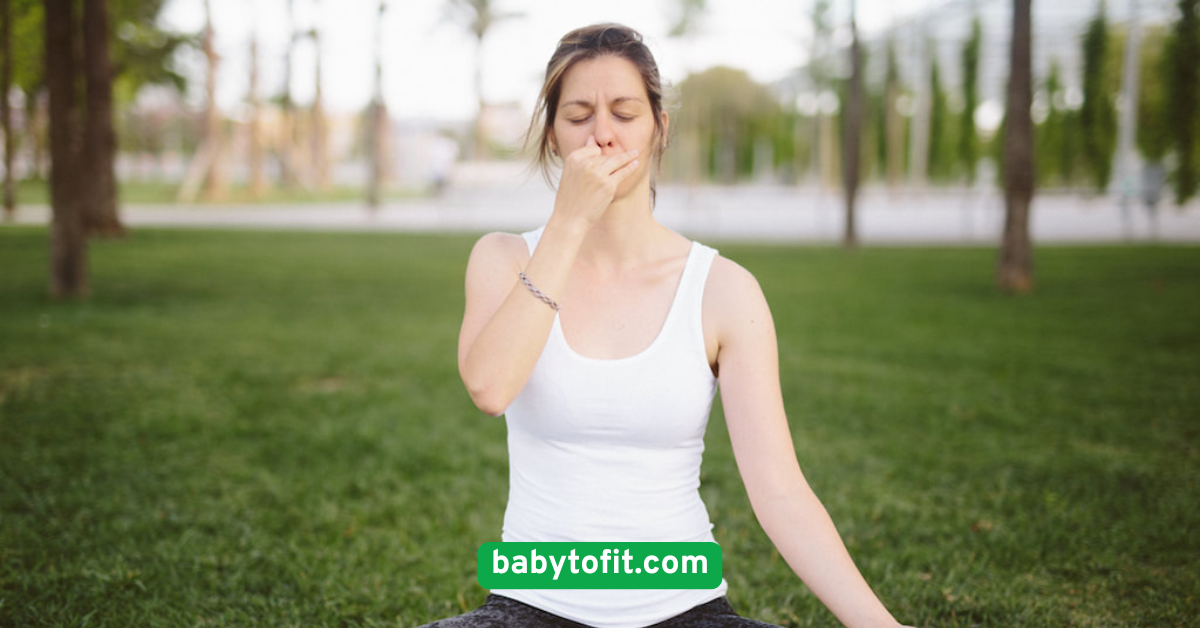
The Cat-Cow stretch is a gentle, flowing movement from yoga that offers many benefits for postpartum moms. This exercise helps increase spinal flexibility and ease the common back tension caused by pregnancy and prolonged nursing or carrying your baby. It also encourages mindful breathing and connection with your body.Start on all fours with your wrists under your shoulders and knees under your hips. As you inhale, arch your back, lifting your tailbone and head toward the ceiling (Cow pose). Exhale while rounding your spine upward and tucking your chin and pelvis (Cat pose). Move slowly and fluidly, syncing breath with motion.Regular practice improves spinal mobility, releases muscle tightness, and can reduce pain in your lower back and shoulders. The gentle nature of this stretch makes it accessible even in the early weeks postpartum, allowing you to reconnect with your body and support healing.
4. Heel Slides
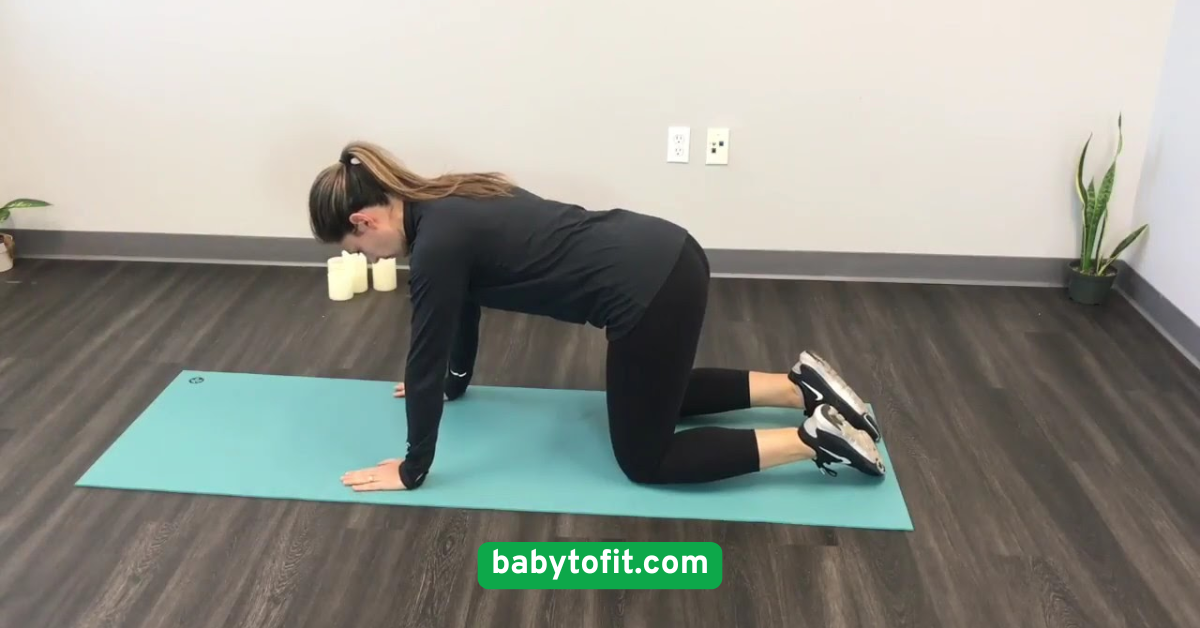
Heel slides are a gentle, controlled movement that targets your lower abdominal muscles, which often weaken during pregnancy and childbirth. This exercise is especially beneficial for moms recovering from cesarean sections or those with diastasis recti, as it engages the core without putting strain on the pelvis or back.Lie on your back with knees bent and feet flat on the floor. Slowly slide one heel away from your body until your leg is straight, keeping your lower back pressed gently into the floor. Then slide the heel back to the starting position. Alternate legs and repeat 10 to 12 times per side, moving with intention and control.Heel slides help retrain your deep core muscles, improve neuromuscular control, and restore coordination between your hips and abdomen. This slow, mindful movement lays the foundation for more advanced postpartum exercises and supports your body’s gradual return to strength.
5. Glute Bridges
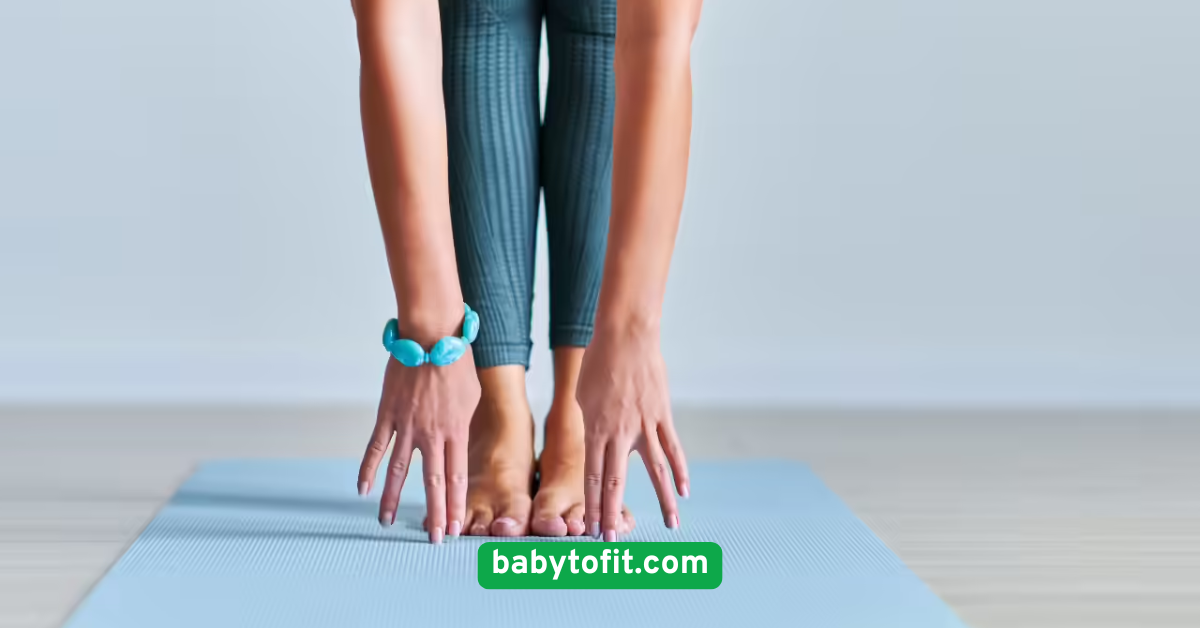
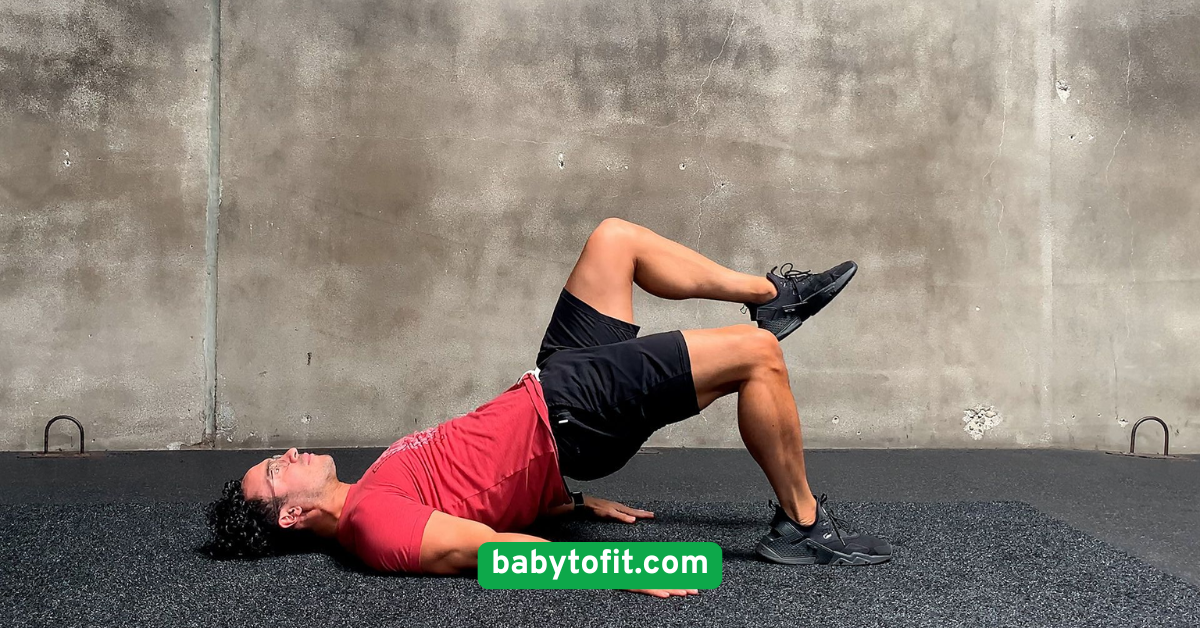
The glute bridge is a powerful exercise to rebuild strength in your hips, glutes, and lower back, all critical for pelvic stability postpartum. Pregnancy shifts your center of gravity and weakens these muscles, so strengthening them reduces strain and improves posture.Lie on your back with knees bent and feet hip-width apart, flat on the floor. Press through your heels, engage your glutes, and lift your hips toward the ceiling until your body forms a straight line from shoulders to knees. Hold for a few seconds before lowering back down slowly.For added challenge, lift one leg while maintaining the bridge position. Perform 10 to 15 repetitions, focusing on squeezing your glutes at the top. This exercise helps reduce lower back pain, supports pelvic alignment, and builds endurance for daily activities like holding and carrying your baby.
6. Modified Wall Push-Ups
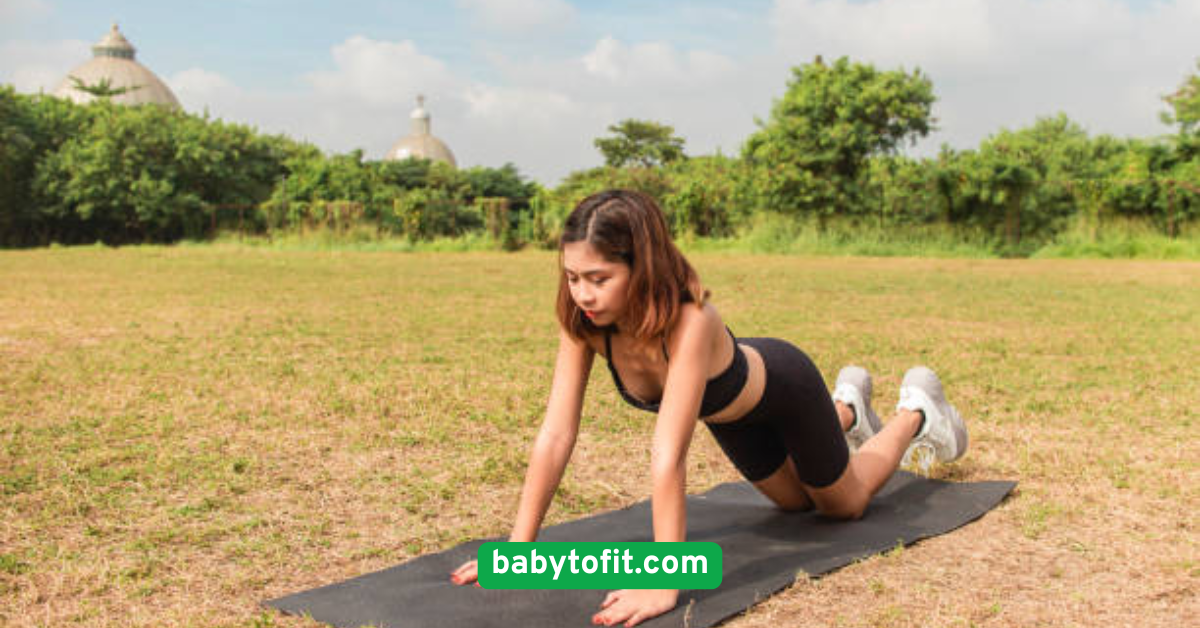
Upper body strength is often overlooked but is vital for new moms who spend much of their day carrying, lifting, and soothing their babies. Modified wall push-ups are a gentle way to strengthen your arms, shoulders, and chest without stressing your recovering core.Stand facing a wall with your feet hip-width apart. Place your palms flat against the wall at shoulder height, slightly wider than shoulder-width. Slowly bend your elbows, bringing your chest closer to the wall, then push back to the starting position. Keep your spine neutral and core engaged.Perform 2 to 3 sets of 10 to 15 reps. This exercise improves upper body endurance, helps correct postpartum posture, and reduces shoulder tension — all essential for handling daily parenting demands safely.
7. Seated Marching
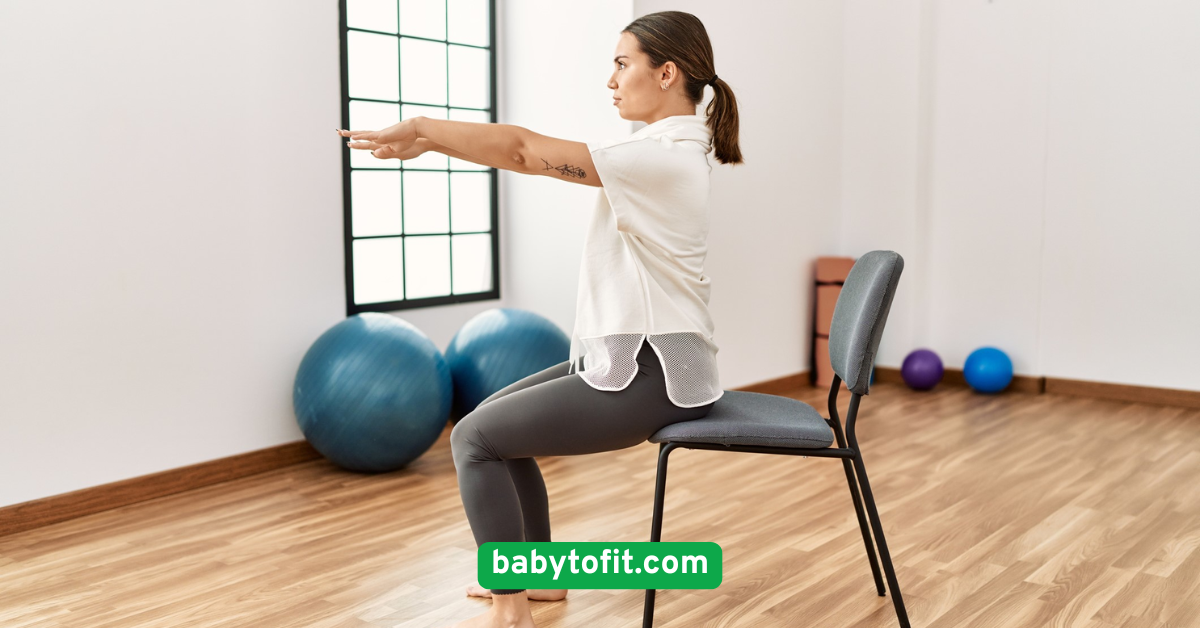
Seated marching combines gentle cardio with core engagement, making it a perfect low-impact workout for busy postpartum moms. This exercise can boost your energy levels and improve circulation without requiring you to stand or strain your recovering body.Sit tall on a sturdy chair with feet flat on the floor. Engage your abdominal muscles and lift one knee toward your chest, then lower it back down. Alternate legs in a steady, controlled rhythm, mimicking marching.Aim for 1 to 2 minutes per session and repeat throughout the day. Seated marching increases blood flow, supports core activation, and can be done even during brief breaks, making it easy to fit into your busy routine.
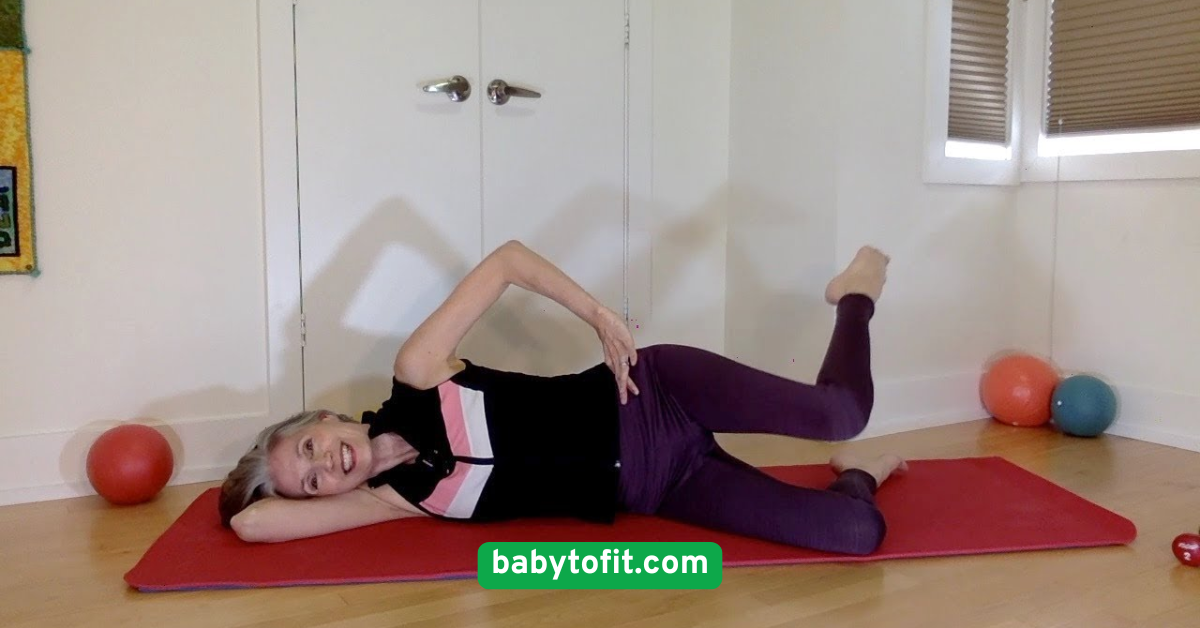
8. Side-Lying Leg Lifts
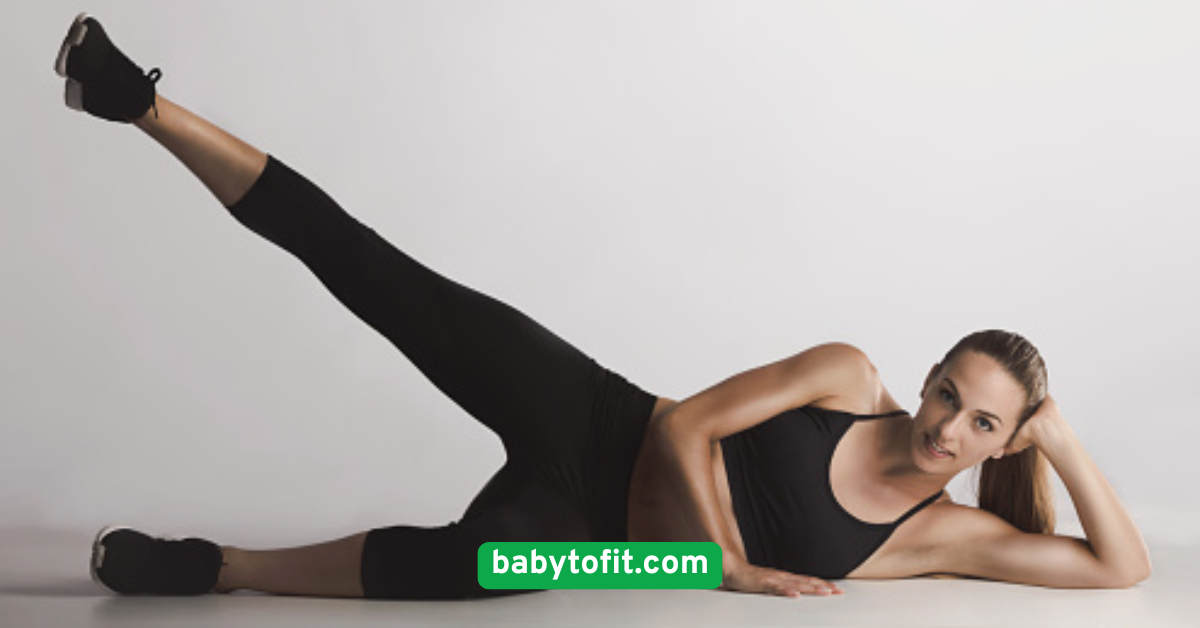
Side-lying leg lifts strengthen your outer hips and thighs, muscles that play an essential role in pelvic stability and walking mechanics postpartum. Weakness in these areas can contribute to pelvic misalignment and lower back pain.Lie on your side with your legs stacked and extended. Slowly lift your top leg about 45 degrees, hold for a moment, then lower it back down with control. Keep your hips stacked to ensure proper alignment.Start with 10 to 15 repetitions per side, increasing gradually as you regain strength. This exercise helps improve hip muscle endurance and promotes better pelvic support for everyday movements.
9. Standing Side Bends
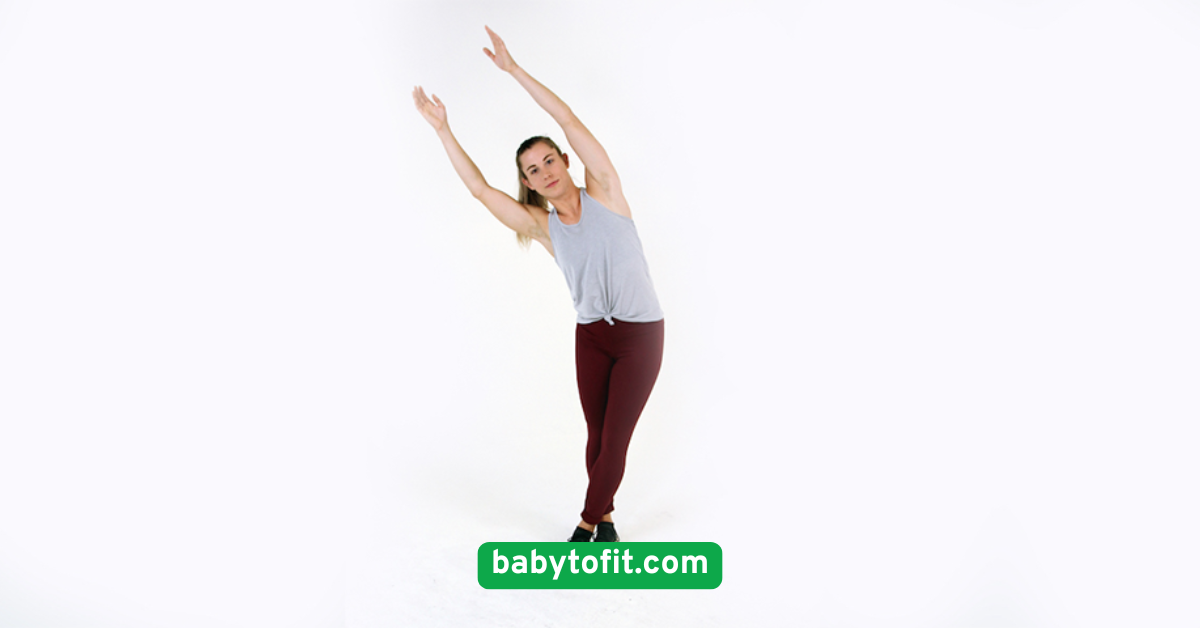
Standing side bends are a simple yet effective way to stretch and strengthen your oblique muscles, which support lateral core stability. This movement improves flexibility, tones the sides of your torso, and complements other core exercises.Stand with feet hip-width apart, arms relaxed at your sides. Slowly slide your right hand down your right thigh, bending gently to the side while keeping your body upright. Return to center and repeat on the left side.Perform 8 to 10 bends on each side. This exercise helps restore balanced core strength and encourages fluid movement, which is especially helpful as you resume normal daily activities.
10. Bird-Dog Exercise
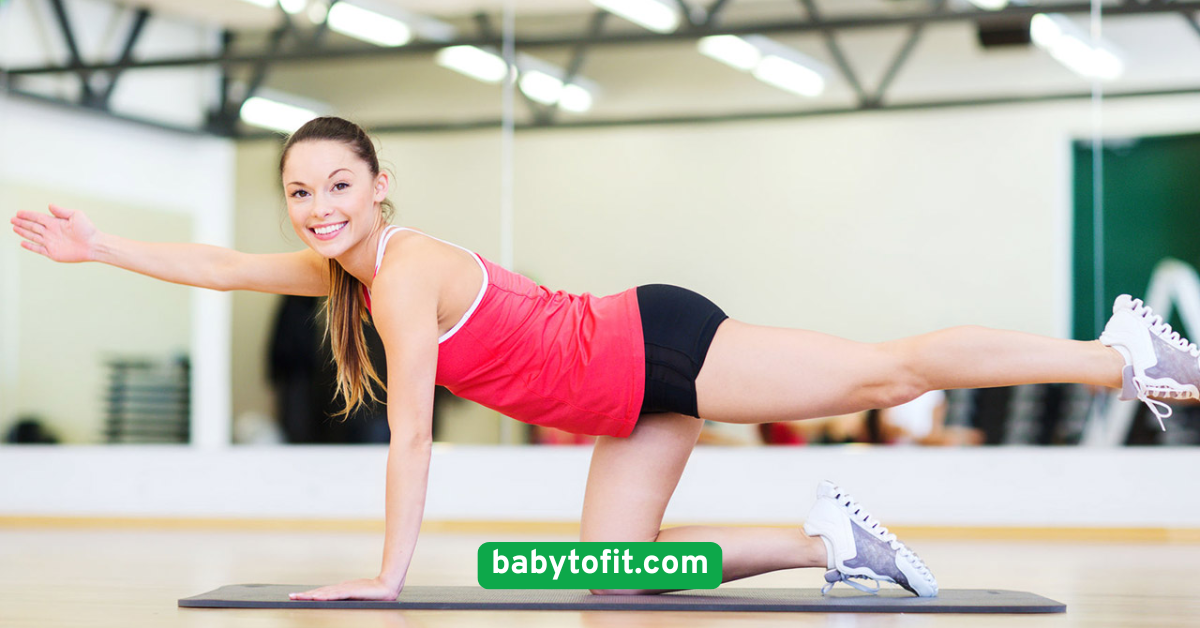
The bird-dog exercise is a fantastic full-body movement that challenges spinal stability, balance, and core engagement, all essential after childbirth.Begin on all fours with wrists under shoulders and knees under hips. Slowly extend your right arm forward and left leg backward, keeping your hips level and your spine neutral. Hold for a few seconds, then return to start and switch sides.Aim for 8 to 10 repetitions per side, moving with slow, deliberate control. This exercise strengthens deep core muscles, improves coordination, and helps correct posture — all important for postpartum wellness.
11. Toe Taps
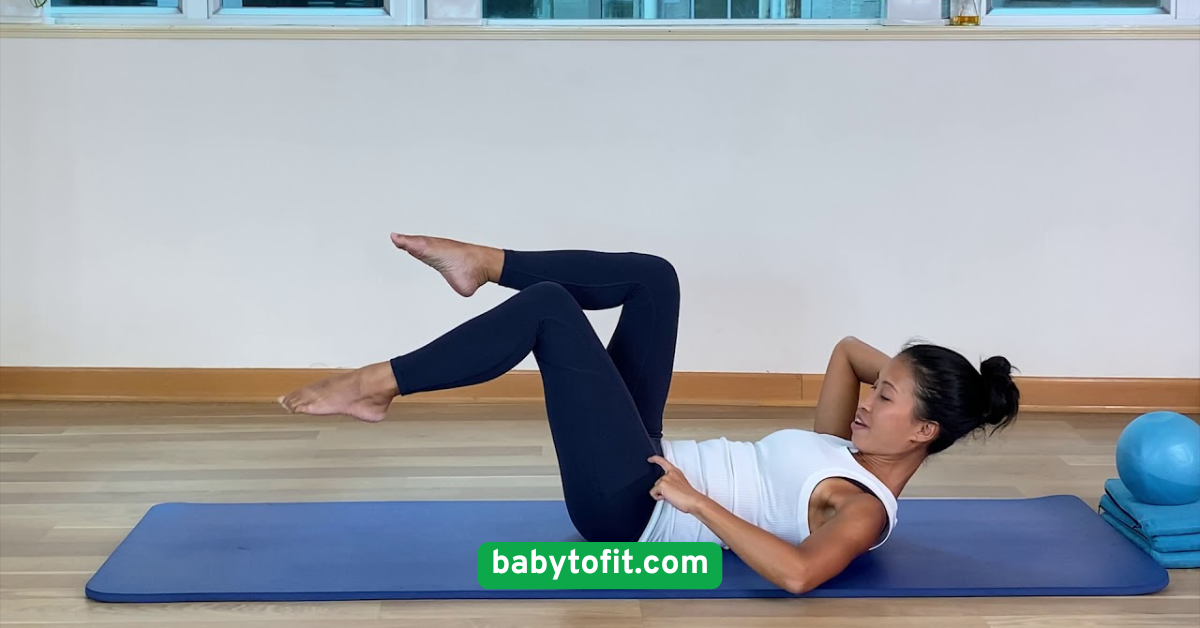
Toe taps focus on strengthening the lower abdominal muscles while minimizing pelvic pressure, making them suitable for early postpartum core work.Lie on your back with knees bent at 90 degrees and feet lifted off the floor. Slowly lower your right foot to tap the floor, then lift it back up. Alternate legs in a controlled, rhythmic manner.Perform 10 to 15 taps per leg. This gentle exercise builds core endurance and coordination, supporting gradual recovery without risking strain.
12. Wall Squats
Wall squats are an excellent way to build lower body strength and engage your core safely after childbirth.Stand with your back against a wall, feet shoulder-width apart and a few inches away from the wall. Slowly slide down until your knees are bent at about 90 degrees, keeping your knees aligned over your ankles.Hold for a few seconds and push back up slowly. Start with 10 to 12 repetitions, focusing on proper form. Wall squats strengthen your legs, hips, and core, helping you manage daily activities with more ease and stability.
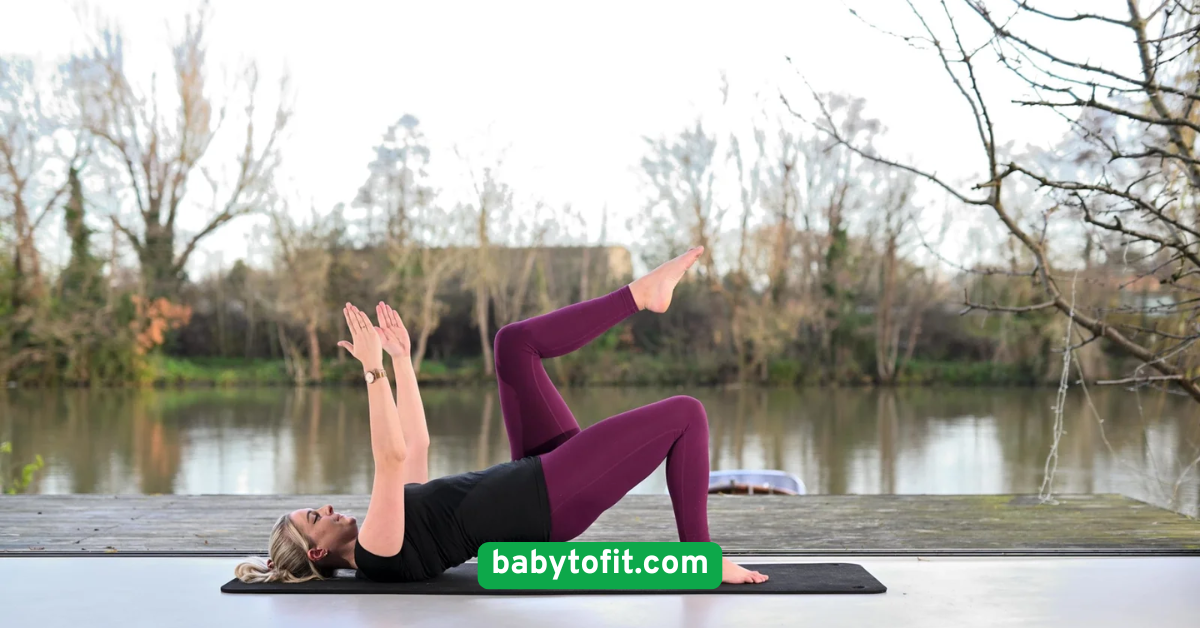
13. Bridge with March
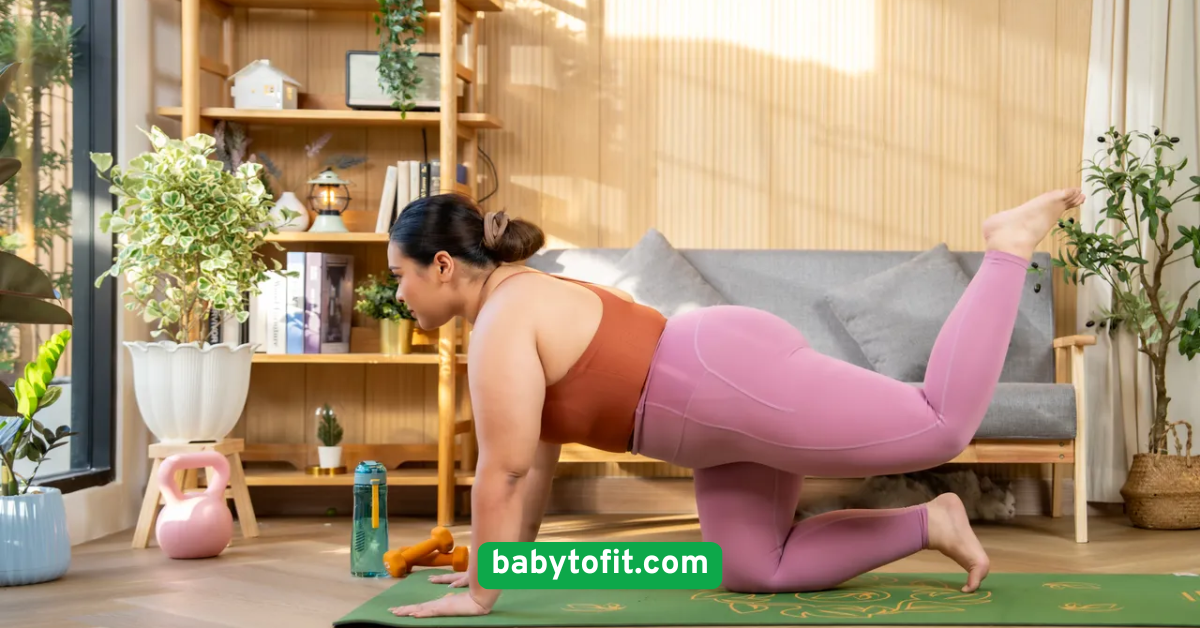
This bridge variation increases the challenge by combining glute and core strength with coordination.Lie on your back with knees bent and feet flat. Lift your hips into a bridge position, then slowly lift one knee toward your chest while keeping your hips stable. Lower the leg and repeat with the other side.Complete 8 to 10 reps per leg. This exercise enhances pelvic stability and muscle coordination, preparing you for more dynamic movements as you progress.
14. Clamshell Exercise
The clamshell targets your hip abductors, essential muscles for pelvic floor support and proper walking mechanics.Lie on your side with knees bent at 90 degrees and feet together. Keeping your feet touching, lift your top knee as high as you comfortably can, then lower it back down.Perform 10 to 15 repetitions on each side. The clamshell strengthens hips, reduces pelvic strain, and improves overall stability, which is crucial during postpartum recovery.
15. Pelvic Tilts
Pelvic tilts are a gentle way to mobilize your lower back and pelvis, helping relieve tension and improve flexibility postpartum.Lie on your back with knees bent and feet flat. Slowly flatten your lower back against the floor by tilting your pelvis upward, then release back to a neutral position.Repeat 10 to 15 times in a slow, controlled manner. This exercise reduces lower back discomfort, improves pelvic mobility, and supports the healing process.
Conclusion
Recovering your strength and vitality after childbirth takes time, patience, and gentle care. These 15 postpartum workouts provide a safe and effective way to support healing, rebuild core and pelvic strength, and boost your energy. Remember, every mom’s recovery journey is unique — listen to your body, move at your own pace, and celebrate each step forward.
Consistency is key. Incorporate these exercises into your daily routine and watch your body regain its resilience and confidence. Your health and wellbeing matter, so prioritize self-care and stay connected to your progress.
If you’re looking for personalized guidance or additional tips on postpartum fitness and wellness, don’t hesitate to reach out. Your journey to strength and healing is just beginning — and you’re doing amazing!


