20 Low-Impact Postpartum Workouts to Support Healing
No, you don’t need fancy equipment or long hours at the gym. These low-impact postpartum workouts are designed to heal—not hurt. Whether you’re six weeks postpartum or easing back in slowly, this guide offers 20 safe, mom-friendly workouts to support your recovery. Let’s get moving in a way that honors your body and fits your new lifestyle.
1. Pelvic Tilts
Pelvic tilts are foundational for postpartum recovery. This gentle movement helps reactivate the core and pelvic floor muscles that may have weakened during pregnancy and delivery.To do them, lie on your back with your knees bent and feet flat on the floor. As you exhale, gently tilt your pelvis upward by flattening your lower back against the ground. Hold for a second or two, then release.These tiny movements pack a big punch in rebuilding core stability. Best of all, they can be done lying in bed or on a soft mat.

2. Diaphragmatic Breathing
Breathing seems simple, right? But diaphragmatic breathing is a powerful postpartum tool. It not only calms your nervous system but also supports deep core healing.Sit or lie down comfortably. Place one hand on your chest and one on your belly. Breathe in deeply through your nose, expanding your diaphragm rather than your chest. Exhale slowly through your mouth.Practicing for 5–10 minutes daily can restore core connection and reduce stress, making it a win-win.

3. Glute Bridges
Rebuilding the glutes is vital postpartum, especially if you’ve spent hours sitting while feeding or soothing baby.Lie on your back with knees bent and feet hip-width apart. Press into your heels to lift your hips off the floor, squeezing your glutes at the top.This move strengthens the posterior chain—glutes, hamstrings, and lower back—without placing pressure on the abdomen or pelvic floor.

4. Cat-Cow Stretch
This yoga-inspired stretch improves spinal mobility, relieves back tension, and reconnects you with your breath.Start on hands and knees. Inhale as you arch your back (cow pose), lifting your head and tailbone. Exhale as you round your spine (cat pose), drawing belly to spine.Repeat slowly and with intention. This movement is a soothing way to warm up or cool down your body.

5. Seated Marches
Seated marches are a wonderful low-intensity cardio option for postpartum moms who want to start moving again.Sit in a sturdy chair with feet flat. March your legs up and down one at a time while engaging your core.This movement increases blood flow, strengthens hips, and is gentle enough for those recovering from c-sections.

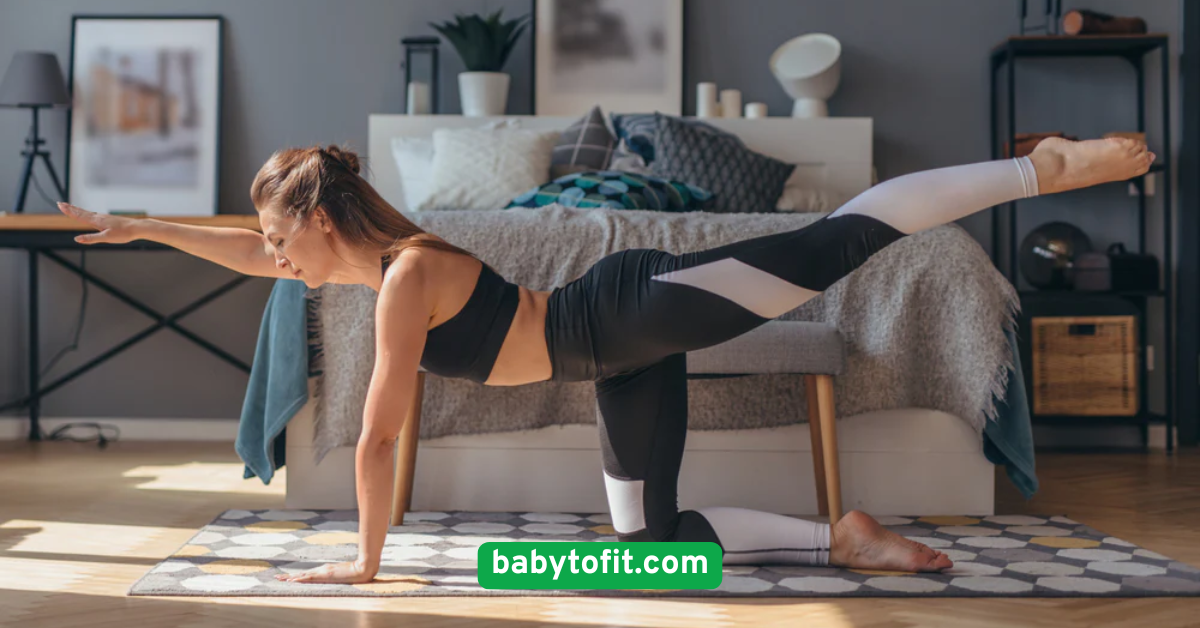
6. Bird-Dog Exercise
The bird-dog is a balancing move that targets both core and back muscles.Start in a tabletop position. Extend one arm and the opposite leg, keeping your hips square. Hold, then return to center and switch sides.Focus on slow, controlled movement. This is great for core stabilization, especially if you’re healing from diastasis recti.
7. Side-Lying Leg Lifts
Lying on your side, raise and lower your top leg in a slow, controlled motion. This move targets the outer thighs and glutes.It’s low-pressure on the core and joints, and can be done while your baby naps beside you. Add a resistance band for a bit more challenge later on.

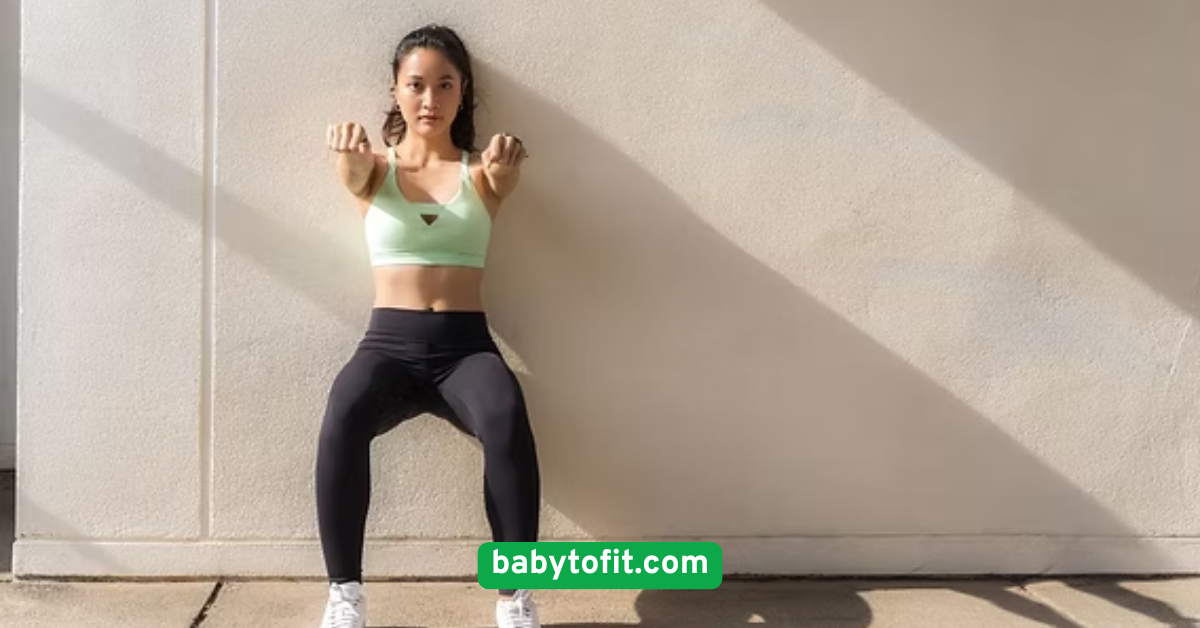
8. Wall Sits
Wall sits build leg strength and stability without high impact.Lean against a wall and slide down until your thighs are parallel to the floor. Hold for 10–30 seconds.This is a safe way to improve lower body endurance and posture, especially helpful if you’re lifting and carrying your baby often.
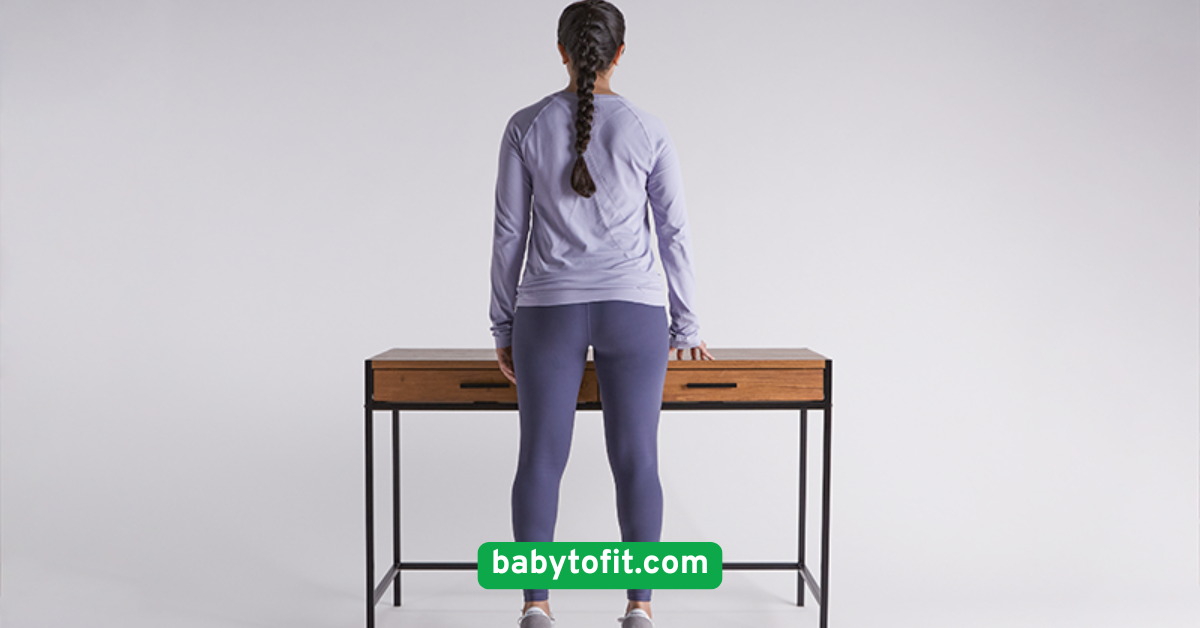
9. Standing Calf Raises
These are easy to fit into your daily routine and boost circulation in tired legs.Stand tall, hold a chair for balance if needed, and rise onto your toes. Lower slowly.This movement improves balance, coordination, and blood flow—key for reducing postpartum swelling.
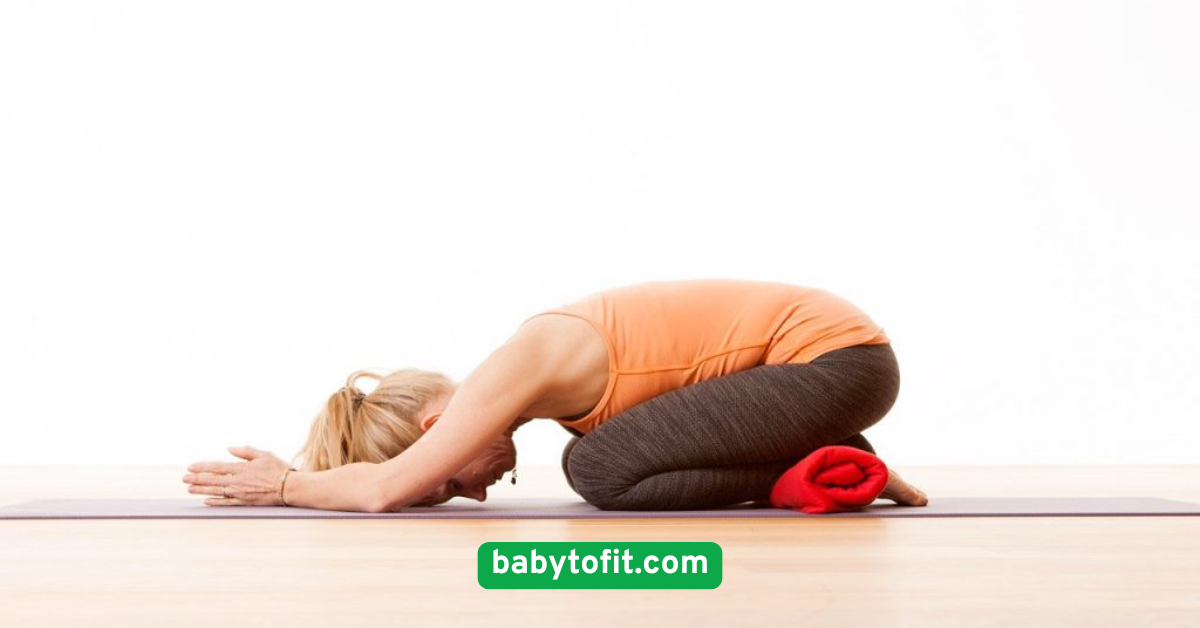
10. Modified Child’s Pose
Modified child’s pose is a relaxing, restorative stretch that’s safe and soothing.Kneel on a soft surface, widen your knees slightly, and fold forward with arms extended. Rest your forehead on the floor.This helps stretch hips, lower back, and shoulders—areas that hold a lot of tension post-birth.
11. Walking (Stroller Walks)
Walking is an underrated hero of postpartum fitness. It’s accessible, effective, and allows you to bring baby along.Start slow and build up to longer distances. Walking supports cardiovascular health, improves mood, and aids digestion.Plus, it gets you out of the house, which can be a huge mental boost in those early weeks.

12. Wall Push-Ups
Wall push-ups are a gentle way to rebuild upper body strength without straining the abdomen.Stand an arm’s length away from a wall, place hands at shoulder height, and lower your body towards the wall, then press back.Modify the intensity by adjusting your stance. It’s a great precursor to floor push-ups later on.

13. Heel Slides
Heel slides are excellent for lower core activation and safe for most postpartum stages.Lie on your back with knees bent. Slowly slide one heel out along the floor, keeping your pelvis stable, then return.This helps reintroduce movement to the abs without putting pressure on the healing midsection.
14. Tabletop Hip Lifts
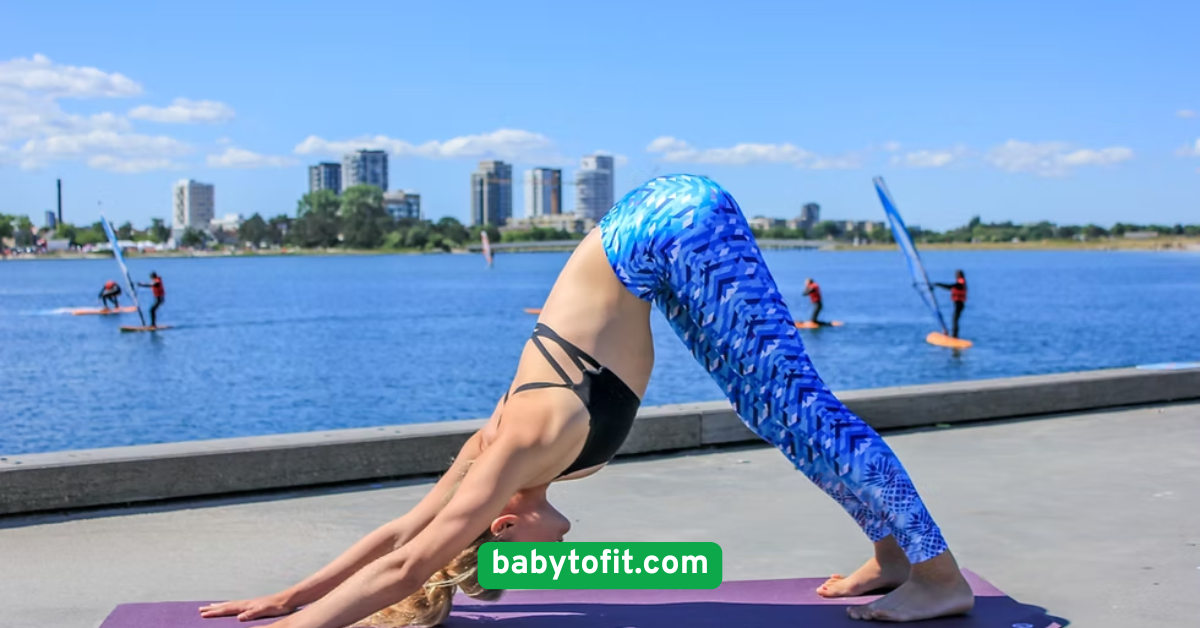
In a tabletop position, lift one leg behind you while keeping the knee bent. Lower and repeat.This glute-focused move strengthens hips and hamstrings without stressing the pelvic floor.It’s an excellent addition to any beginner postpartum strength routine.

15. Seated Arm Circles
Sit upright with arms extended to the sides. Make small circles forward, then reverse.This tones shoulders and upper arms, helps improve mobility, and is easy to do while breastfeeding or bottle feeding.Use light hand weights or water bottles for a gentle challenge.

16. Standing Side Bends
Stand tall with feet shoulder-width apart. Reach one arm overhead and lean gently to the opposite side. Return to center and switch.Side bends improve spinal flexibility, open the torso, and gently engage the obliques.They’re energizing, posture-friendly, and easy to do in short bursts.
17. Gentle Yoga Flow
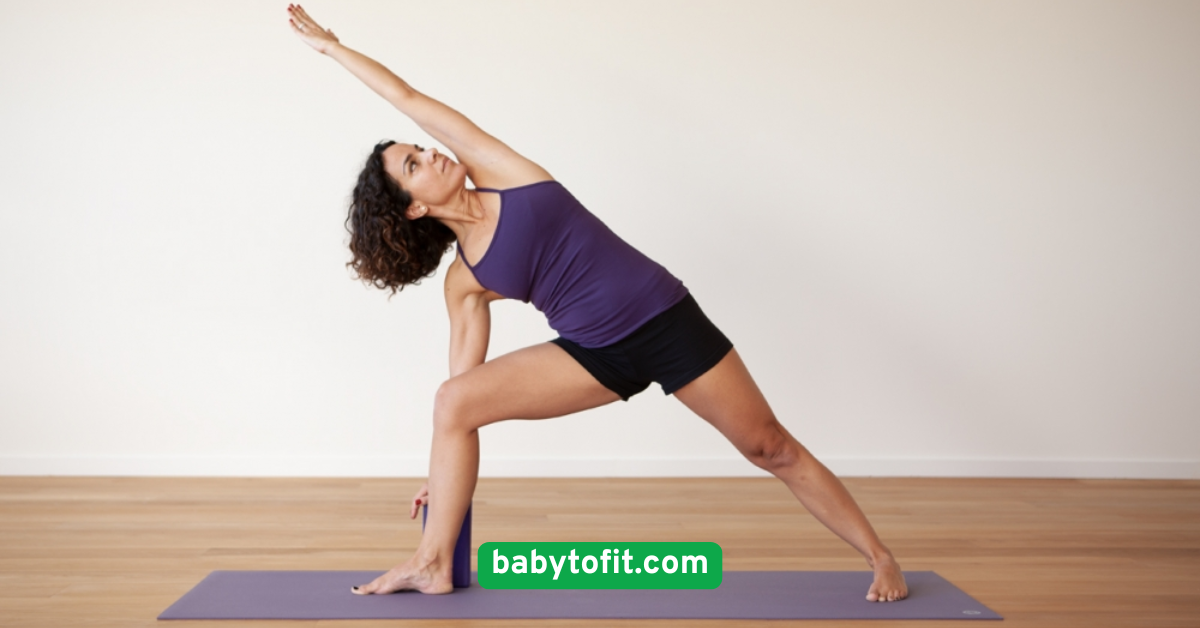
Combine several yoga poses (like child’s pose, cat-cow, and seated twists) into a 10–15 minute flow.This improves flexibility, calms the nervous system, and reconnects you with your body.Yoga can also help relieve anxiety and enhance emotional well-being—a big plus in the postpartum period.

18. Low-Impact Dance Workout
Dancing is fun, freeing, and surprisingly effective as a form of low-impact cardio.Put on your favorite playlist and move in a way that feels good. No rules, no routines—just joy.It’s a great way to boost endorphins and bond with your baby while getting your heart rate up.

19. Stationary Cycling (Low Resistance)
If you have access to a stationary bike, cycling is a joint-friendly cardio option.Start with short sessions at low resistance. Focus on posture and breathing.It’s an ideal way to raise your heart rate safely while rebuilding endurance.

20. Swimming or Water Aerobics
Water offers buoyancy, support, and resistance—all of which are fantastic for healing.Swimming helps relieve joint pain, reduces swelling, and supports the body in a way few land-based workouts can.If you have access to a pool, swimming is an excellent full-body, low-impact exercise that feels refreshing and energizing.

Conclusion
Postpartum recovery is a marathon, not a sprint. The good news? You don’t need to do it all at once. These 20 low-impact postpartum workouts are designed to help you rebuild strength gently, regain confidence, and nurture your body with compassion.
Every stretch, breath, and movement you make is a step toward healing. Don’t compare your journey—embrace it. Take breaks, rest often, and always consult with your healthcare provider before starting any new exercise routine.
You’re not just healing a body—you’re creating a new way of being. Be kind to yourself. You’ve got this, mama.


