25 Effective Postpartum Workouts for Core Recovery in 2025
Did you know that research shows engaging in specific postpartum exercises can dramatically improve diastasis recti healing and boost your overall energy? It’s true! Taking a mindful and gradual approach to your recovery allows your body to heal without stress or injury. In this article, I’ll walk you through 25 effective postpartum workouts specifically designed to strengthen your core, support your pelvic floor, and help you feel stronger every day. Let’s dive in!
1. Pelvic Tilts
Pelvic tilts are an excellent starting point for postpartum core recovery because they engage the deep muscles that support your spine and pelvis. After pregnancy, many women experience loosened ligaments and muscle separation, especially around the lower back and abdomen. Pelvic tilts help gently activate and strengthen these core muscles without putting undue pressure on healing tissues.To perform this exercise, lie on your back with knees bent and feet flat on the floor. Slowly tilt your pelvis upward by pressing your lower back into the floor, then relax back to neutral. The key is to move slowly and with control, focusing on the muscles contracting beneath your hands or awareness. This subtle movement works wonders in helping to realign your pelvis and activate your transverse abdominis, which acts like a natural corset around your midsection.Not only do pelvic tilts support core activation, but they also help alleviate common postpartum discomforts such as lower back pain and pelvic instability. Consistent practice, even just 10 to 15 repetitions a day, builds a strong foundation for more advanced core exercises as your recovery progresses.

2. Transverse Abdominal Breathing
Breathing is often overlooked but is a crucial element in postpartum core recovery. The transverse abdominis, the deepest abdominal muscle, plays a significant role in stabilizing your spine and supporting your internal organs. Learning to engage this muscle through proper breathing techniques can speed healing and strengthen your core gently.Transverse abdominal breathing involves deep diaphragmatic inhalation and controlled exhalation. You can practice this anywhere—sitting quietly or lying down. Inhale deeply through your nose, feeling your belly expand outward. Then, exhale slowly through pursed lips while drawing your belly button inward toward your spine. This action activates the transverse abdominis without straining the abdominal wall or pelvic floor.Regular practice of this breathing technique not only enhances core strength but also reduces tension and stress, which are common challenges for new moms. It’s a simple, mindful way to reconnect with your body and provide oxygen-rich energy to your recovering muscles. Over time, this will improve posture, reduce diastasis recti, and promote relaxation.

3. Heel Slides
Heel slides are a gentle and effective postpartum exercise that targets the lower abdominal muscles. This exercise helps rebuild coordination between your core and lower body while being low-impact enough for early recovery stages.To perform heel slides, lie flat on your back with knees bent and feet flat on the floor. Slowly slide one heel away from your body until the leg is almost straight, keeping your abdominal muscles engaged and your back pressed gently against the floor. Bring the heel back and repeat on the opposite side. The movement should be slow and controlled, avoiding any arching of the lower back.This exercise strengthens the muscles responsible for pelvic stability and helps improve neuromuscular control, which is essential for daily activities like walking, bending, and lifting your baby. Starting with 10 to 12 repetitions per leg can boost confidence in your movements and pave the way for more challenging postpartum workouts.

4. Modified Side Plank
Side planks are a fantastic way to strengthen your oblique muscles and enhance overall core stability, but postpartum bodies often need a gentler approach. The modified side plank reduces strain while still targeting the side abdominal muscles critical for core balance.Begin lying on your side with your forearm on the floor, knees bent, and hips lifted to form a straight line from your shoulders to your knees. Engage your core and hold this position for 10 to 20 seconds. As your strength improves, gradually increase the hold time or straighten your legs to progress the difficulty.This exercise not only tones the obliques but also contributes to better posture and pelvic alignment. Be attentive to your body—stop if you feel any discomfort in the abdominal separation area. With time, this move will help rebuild lateral core strength, improving your stability and reducing back pain.

5. Cat-Cow Stretch
The Cat-Cow stretch is a gentle yoga-inspired movement that enhances spinal flexibility and promotes core awareness, both of which are essential for postpartum recovery. It helps counteract the muscle stiffness caused by hours of nursing or carrying your baby.Start on your hands and knees with wrists aligned under shoulders. As you inhale, arch your back and lift your head and tailbone toward the ceiling (Cow pose). On your exhale, round your spine upward, tucking your chin and pelvis (Cat pose). Flow between these positions slowly, coordinating your breath with your movements.Besides loosening tight muscles in your back and neck, this stretch encourages mindful breathing and gentle engagement of the core muscles. Regularly performing 8 to 10 rounds can help restore mobility, relieve tension, and create a foundation for deeper core strengthening exercises.

6. Bridge Pose
Bridge pose is excellent for activating your glutes, lower back, and core muscles, which often weaken during pregnancy. This movement not only supports pelvic stability but also alleviates lower back discomfort common in postpartum women.Lie on your back with your knees bent, feet hip-width apart and flat on the floor. Engage your abdominal muscles and squeeze your glutes to lift your hips off the ground until your body forms a straight line from your shoulders to your knees. Hold for a moment, then lower slowly.Focusing on controlled movement helps strengthen your posterior chain and pelvic floor, which supports healthy posture and movement patterns. Aim for 10 to 12 repetitions, gradually increasing as your strength returns. Bridge pose can also improve circulation and reduce swelling, another postpartum benefit.

7. Dead Bug Exercise
The dead bug exercise is a controlled movement designed to strengthen deep core muscles while improving coordination and spinal stability. It’s particularly useful postpartum because it minimizes pressure on the abdominal wall and pelvic floor.Lie on your back with arms extended toward the ceiling and knees bent at 90 degrees. Slowly lower your right arm behind your head while straightening your left leg toward the floor, keeping your core engaged and back pressed into the ground. Return to start and repeat with the opposite limbs.This slow, mindful exercise trains your core to stabilize your spine during movement, which translates into better control during daily activities. Begin with 6 to 8 reps on each side, and gradually increase as you regain strength and confidence.

8. Seated Marching
Seated marching is an accessible, low-impact exercise that activates your core and hip flexors while improving circulation. It’s a perfect starting point for new moms who need gentle movement without standing or bearing full body weight.Sit upright on a sturdy chair with feet flat on the floor. Engage your core and lift one knee toward your chest, then lower it back down before switching to the other side. Maintain a straight spine and steady pace.Besides engaging your abdominal muscles, seated marching increases blood flow and promotes endurance. Try 1 to 2-minute sessions multiple times daily to build stamina and coordination, especially if you’re still adjusting to postpartum energy levels.

9. Standing Side Bends
Standing side bends are a simple yet effective way to stretch and strengthen the oblique muscles, improving flexibility and lateral core strength postpartum.Stand tall with feet hip-width apart and arms relaxed by your sides. Slowly slide your right hand down your right thigh while bending your torso gently to the right, feeling a stretch along your left side. Return to the center and repeat on the opposite side.Adding light weights, such as water bottles, can enhance resistance once you’re comfortable. Aim for 8 to 10 bends on each side to improve muscle tone, encourage mobility, and help realign your core.

10. Wall Push-Ups
Wall push-ups are a beginner-friendly exercise to build upper body and core strength without putting too much pressure on your wrists or shoulders. This makes them ideal for postpartum recovery.Stand facing a wall with feet hip-width apart. Place your palms on the wall at shoulder height and width. Slowly bend your elbows to bring your chest closer to the wall, then push back to the starting position. Keep your core engaged throughout the movement.Performing 2 to 3 sets of 10 to 15 reps will strengthen your arms, shoulders, and chest, which supports the posture needed when holding and carrying your baby. As your strength grows, you can transition to modified floor push-ups.

11. Bird-Dog Exercise
The bird-dog exercise is excellent for enhancing balance, core stability, and spinal alignment. It strengthens the muscles that support posture and movement, which are crucial postpartum.Begin on all fours with wrists under shoulders and knees under hips. Extend your right arm forward and left leg back simultaneously, keeping hips level and core tight. Hold briefly, then return to start and switch sides.This exercise improves coordination and strengthens your back and abdominal muscles gently. Aim for 8 to 10 reps per side, moving with control and focus to avoid any strain.

12. Seated Russian Twists (Modified)
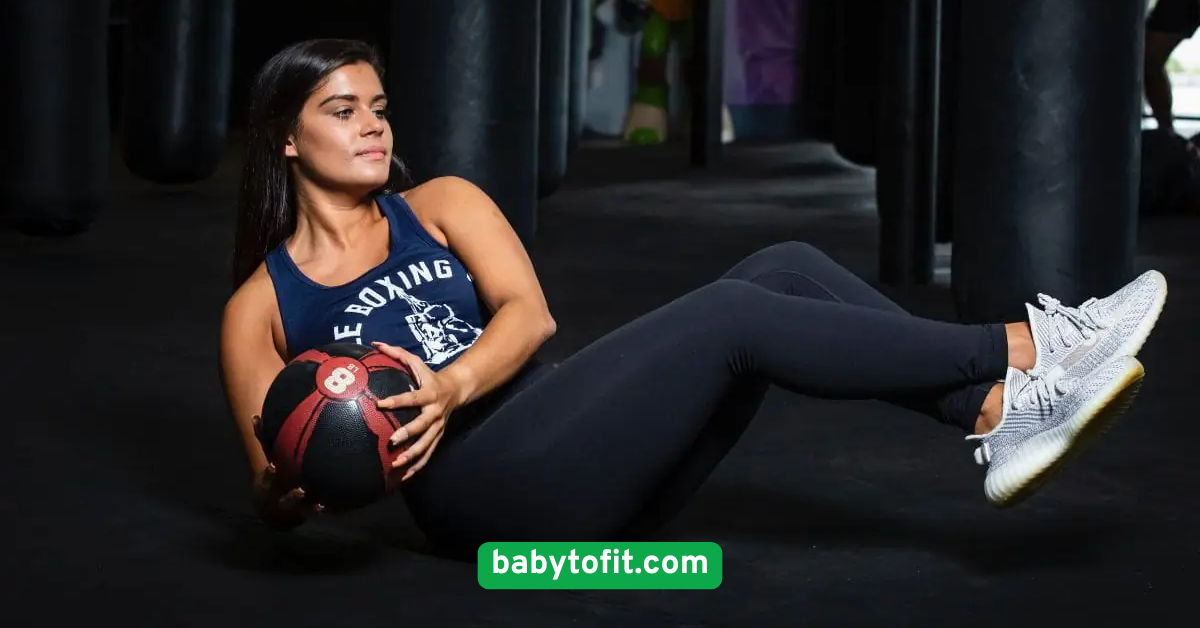
Russian twists work your obliques, helping to tone and strengthen your side abdominal muscles. Postpartum, it’s important to modify this exercise to avoid excessive twisting that might stress your healing abdomen.zit on the floor with knees bent and feet flat. Lean back slightly, keeping your back straight. Slowly twist your torso from side to side, engaging your core throughout. Avoid rapid or deep twists.Perform 10 to 12 slow, controlled twists per side. This exercise helps improve rotational core strength and stability, essential for everyday movements like reaching or twisting while caring for your baby.
13. Side-Lying Leg Lifts
Side-lying leg lifts target the hip abductors and core muscles that support pelvic stability, which is important postpartum.Lie on your side with legs stacked and straight. Slowly lift the top leg toward the ceiling, hold briefly, then lower with control. Repeat on the other side.This movement strengthens your hips and core, improving balance and mobility. Start with 10 to 15 repetitions per side and focus on smooth, deliberate motions.

14. Child’s Pose with Core Engagement
Child’s Pose is a restorative yoga position that promotes relaxation and gentle core activation—perfect after a long day of motherhood duties.Kneel on the floor with knees wide and big toes touching. Extend your arms forward and lower your chest toward the floor. While holding, gently draw your belly button toward your spine to activate your core muscles.This pose releases tension in your back and shoulders while fostering mindful breathing and core engagement. Hold for 30 seconds to one minute, focusing on calm, steady breaths.

15. Wall Squats
Wall squats build strength in your lower body and core without putting strain on joints or the pelvic floor, making them excellent for postpartum women.Stand with your back against a wall, feet shoulder-width apart and a few inches away from the wall. Slide down into a squat until your knees are bent at about 90 degrees. Hold briefly, then slowly return to standing.Maintaining a neutral spine and engaging your core throughout ensures safety and effectiveness. Start with 10 to 12 repetitions, gradually increasing hold time as you grow stronger.

16. Pelvic Floor Kegels
Pelvic floor health is a cornerstone of postpartum core recovery, and Kegel exercises are vital for strengthening these important muscles.To do Kegels, contract your pelvic floor muscles as if you are stopping urine flow. Hold the contraction for 5 seconds, then release for 5 seconds. Repeat multiple times throughout the day.Strong pelvic floor muscles help prevent incontinence, support your core, and improve sexual health. The best part? You can do Kegels anytime, anywhere, making them perfect for busy moms.

17. Toe Taps
Toe taps gently target the lower abdominal muscles without placing strain on your pelvic floor or back, ideal for the early postpartum phase.Lie on your back with knees bent at 90 degrees and feet lifted off the floor. Slowly lower one foot to tap the floor, then lift it back. Alternate legs in a controlled manner.This movement builds endurance in your lower abs and helps reestablish neuromuscular control. Aim for 10 to 15 reps per leg, focusing on slow, precise movements.

18. Glute Bridges with Marching
Adding marching to the traditional bridge pose increases the challenge to your core and glutes, enhancing stability and strength.Start lying on your back with knees bent and feet flat. Lift your hips into a bridge. While holding, lift one foot off the floor, then alternate legs, keeping hips level.This exercise strengthens the glutes, core, and pelvic floor simultaneously. Begin with 6 to 8 marches per side, focusing on keeping your core tight and hips steady.

19. Wall Angels
Wall angels are great for improving shoulder mobility and encouraging proper posture, which supports core alignment postpartum.Stand with your back, head, and arms against a wall. Slowly raise your arms overhead, keeping contact with the wall, then lower them back.This controlled movement activates upper back muscles and helps correct forward-leaning posture common after months of breastfeeding or carrying your baby. Perform 10 to 15 reps daily for best results.

20. Clamshells
Clamshells strengthen the hip abductors and external rotators, essential muscles for pelvic stability and gait mechanics postpartum.Lie on your side with knees bent and feet together. Keeping feet touching, lift the top knee as high as comfortable, then lower.This low-impact exercise helps restore proper hip alignment and prevents injury. Perform 10 to 15 reps per side with slow, deliberate control.

21. Supine Arm Reaches
Supine arm reaches engage your core while improving upper body mobility and coordination, supporting your posture and strength.Lie on your back with knees bent and feet flat. Reach both arms overhead slowly while engaging your abdominal muscles. Lower your arms back down.This movement enhances core engagement and promotes neuromuscular control. Try 10 repetitions, focusing on breathing and control.

22. Standing Hip Circles
Hip circles increase pelvic mobility and core control, preparing your body for more dynamic movement.Stand tall with hands on hips. Slowly circle your hips clockwise, then counterclockwise, moving within a comfortable range.This gentle exercise warms up the core and pelvic muscles, improves flexibility, and encourages body awareness. Perform 10 circles in each direction.

23. Leg Slides with Arm Reach
This compound movement coordinates core, arm, and leg muscles for overall strength and stability.Lie on your back with knees bent. Slide one leg out straight while simultaneously reaching your opposite arm overhead. Return and switch sides.This promotes balance and neuromuscular coordination, building a strong, integrated core. Begin with 8 to 10 reps per side.

24. Quadruped Arm and Leg Raises
The quadruped exercise develops dynamic core strength and improves spinal alignment and balance.Start on all fours. Extend your right arm forward and left leg back simultaneously. Hold for a few seconds, then switch sides.This strengthens the posterior chain and core muscles, essential for posture and functional movement. Aim for 8 to 10 repetitions per side.

25. Deep Squats to Chair
Squats are fundamental for strengthening your lower body and core while encouraging functional movement.Stand with feet shoulder-width apart. Slowly lower yourself until you gently sit on a chair, then stand back up, keeping your core engaged and spine neutral.Focus on control and proper alignment, avoiding knee or back strain. Perform 10 to 12 reps, gradually increasing depth and speed as comfortable.

Conclusion
Recovering your core strength after childbirth is a journey that requires patience, consistency, and kindness toward your body. These 25 postpartum workouts are designed to support you safely and effectively in regaining strength, improving stability, and enhancing your overall well-being. Remember: healing doesn’t happen overnight. Celebrate every small step and listen to your body’s signals.
With dedication and self-care, you will rebuild your core, reduce discomfort, and boost your energy—empowering you to fully embrace motherhood with confidence. Ready to begin? Start with these gentle exercises and watch your strength grow day by day. You’ve got this!


