“25 Gentle Postpartum Workouts for Core Recovery.”
1. Pelvic Tilts
Pelvic tilts are a gentle and effective way to reconnect with your abdominal muscles after childbirth. This exercise primarily targets the transverse abdominis, a deep core muscle that plays a critical role in stabilizing the spine and pelvis. To perform pelvic tilts, lie on your back with knees bent and feet flat on the floor. Slowly flatten your lower back against the surface by tilting your pelvis upward, hold for a few seconds, then relax. This controlled movement encourages awareness of your core muscles and can reduce the lower back pain many new moms experience. It’s an excellent starting point for postpartum recovery because it is safe, simple, and helps restore mobility without overexertion.

2. Transverse Abdominal Breathing
Breathing deeply and intentionally engages the core more than many people realize, especially after pregnancy. Transverse abdominal breathing focuses on expanding the belly on the inhale and gently pulling it inward on the exhale, activating the deep abdominal muscles. This technique not only strengthens your core but also supports pelvic floor function and aids relaxation. Practicing this mindful breathing regularly can help you reconnect with your core muscles that may have been stretched or weakened during pregnancy. It’s also a great way to manage postpartum stress and fatigue, helping new moms feel more centered and grounded.

3. Heel Slides
Heel slides are a gentle, low-impact exercise that targets the lower abdominal muscles, helping to rebuild strength and stability. While lying on your back with knees bent, slowly slide one heel away from your body until the leg straightens, then slide it back to the starting position. Alternating legs allows you to focus on controlled movements, minimizing strain on the abdominal wall. Heel slides also improve hip mobility and promote better coordination between the core and lower limbs. This makes them an essential step for postpartum moms easing back into fitness while respecting the body’s healing process.

4. Kegel Exercises
Kegel exercises are fundamental for postpartum recovery, strengthening the pelvic floor muscles that support the bladder, uterus, and bowel. These muscles are often weakened by pregnancy and delivery, which can lead to incontinence or pelvic organ prolapse. To perform a Kegel, imagine stopping the flow of urine midstream—contract those muscles, hold for several seconds, then relax. Regular Kegel exercises improve core stability and can enhance sexual health, bladder control, and overall pelvic strength. The best part? You can do Kegels anytime—while nursing, sitting, or even walking—making them a convenient addition to your daily routine.

5. Modified Planks
Planks are fantastic for core strengthening but can be intense immediately after childbirth. Modified planks, performed on the knees instead of the toes, reduce pressure on your abdominal muscles while still engaging the core, shoulders, and back. Begin in a kneeling position, hands shoulder-width apart, and walk your hands slightly forward, lowering your torso so your back remains straight. Hold for 10 to 20 seconds, increasing duration gradually as your strength improves. This exercise promotes overall core stability, helping improve posture and prepare your body for more advanced movements without risking injury or strain.

6. Bridge Pose
Bridge pose is an accessible and restorative exercise that strengthens the gluteal muscles, lower back, and core. Lie on your back with knees bent and feet flat on the floor, hip-width apart. Engage your core and slowly lift your hips toward the ceiling, squeezing your glutes while keeping your shoulders relaxed. Hold for 15 to 30 seconds before lowering back down with control. This pose improves pelvic alignment and reduces lower back tension, a common complaint among postpartum women. Additionally, the bridge pose stimulates blood flow to the pelvic area, aiding healing and relaxation after delivery.

7. Leg Slides
Leg slides are similar to heel slides but focus more on coordination and core engagement. While lying on your back, slowly slide one leg straight out along the floor, keeping the other knee bent, then slide the leg back to the starting position. Alternating legs helps strengthen the lower abs and improves hip mobility without adding stress. Controlled movements during leg slides help retrain the neuromuscular connection between the core and legs, fostering smoother movement patterns and safer functional activities as your strength returns.

8. Seated Marching
Seated marching is a practical exercise that can be done almost anywhere, even while multitasking as a new mom. Sitting on a sturdy chair with good posture, lift one knee toward your chest, lower it, and alternate with the other leg. This movement gently activates the lower abdominal muscles and hip flexors, improving pelvic stability and circulation. Seated marching can also boost energy levels by encouraging blood flow without putting excessive strain on recovering tissues, making it ideal for early postpartum days when energy is limited.

9. Cat-Cow Stretch
The cat-cow stretch is a gentle yoga flow that enhances spinal mobility and core engagement. Start on your hands and knees, inhaling as you arch your back (cow pose), lifting your chest and tailbone. Exhale as you round your spine (cat pose), tucking your chin and pelvis. This rhythmic movement relieves tension in the back, stretches abdominal muscles, and encourages mindful breathing—critical for postpartum stress relief. Incorporating cat-cow into your routine promotes spinal health and prepares your core for strengthening exercises to come.

10. Wall Push-Ups
Wall push-ups are an excellent upper body and core strengthening exercise that’s easy on the joints. Standing arm’s length from a wall, place your hands at shoulder height and slowly bend your elbows to lean in, then push back to standing. This movement requires you to engage your core to stabilize your body, helping improve posture and upper body strength without excessive strain. Wall push-ups are versatile and can be done multiple times a day, helping new moms regain strength for everyday activities like holding and carrying their baby.

11. Bird-Dog Pose
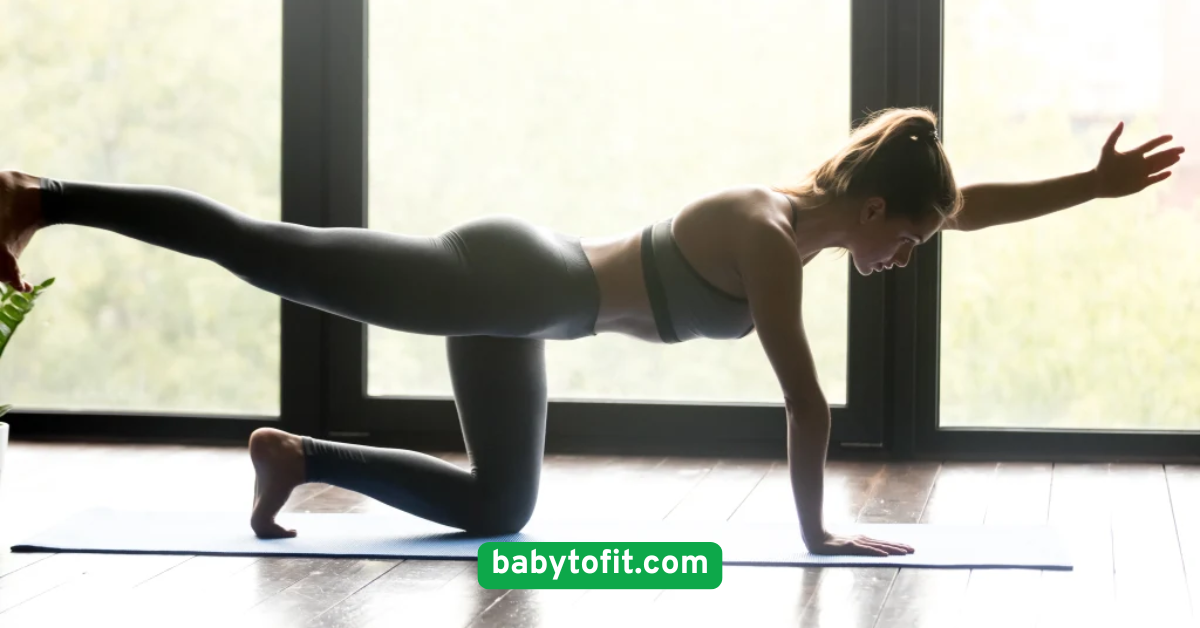
The bird-dog exercise promotes balance, coordination, and core stability by engaging both the abdominal and back muscles. From a hands-and-knees position, extend your right arm forward and your left leg backward, keeping your hips level. Hold for a few seconds, then return and switch sides. This controlled movement strengthens the muscles around your spine and pelvis, improving posture and reducing the risk of injury. Bird-dogs also help rebuild neuromuscular control, an important component for regaining functional strength postpartum.
12. Side-Lying Leg Lifts
Side-lying leg lifts strengthen the hip abductors, which are important for pelvic stability and balance. Lie on your side with your body in a straight line, then slowly lift your top leg upward and lower it with control. This exercise supports the muscles that stabilize the pelvis, aiding in proper alignment and reducing discomfort during movement. Strengthening the hips complements core recovery by providing a solid base for more dynamic activities, helping new moms move with confidence and ease.

13. Toe Taps
Toe taps target the lower abdominal muscles with a focus on controlled movement and stability. Lying on your back, raise your knees to a 90-degree angle with feet lifted. Slowly lower one foot to tap the floor, then lift it back up and alternate. It’s important to keep your lower back pressed into the floor to avoid overextension and neck strain. Toe taps rebuild lower core strength gently, improving muscle tone and coordination necessary for everyday postural support and mobility.

14. Clamshell Exercise
The clamshell exercise targets the gluteus medius and other hip external rotators, key muscles that help stabilize the pelvis and lower back. Lie on your side with knees bent and feet together, then lift your top knee while keeping feet touching. Lower with control and repeat. This movement is especially helpful postpartum because it addresses muscular imbalances that often occur due to pregnancy and delivery. Strengthening these muscles enhances overall core support and helps prevent common postpartum issues like pelvic instability.

15. Dead Bug Exercise
The dead bug is a controlled core exercise that improves coordination and strengthens the deep abdominal muscles. Lying on your back with arms extended toward the ceiling and knees bent at 90 degrees, slowly lower your right arm and left leg toward the floor, then return to start and switch sides. This alternating movement challenges your core to stabilize your pelvis and spine while minimizing strain on the abdominal wall. The dead bug is perfect for postpartum moms wanting to safely regain core function with precise, mindful movement.

16. Hip Circles
Hip circles are a gentle mobility exercise that increases flexibility in the pelvis and engages core muscles. On hands and knees, slowly move your hips in a circular motion, first clockwise, then counterclockwise. This helps release tension in the lower back and pelvic area while encouraging blood flow and muscle activation. Hip circles can ease stiffness common postpartum and support gentle reconditioning of core muscles as you prepare for more demanding exercises.

17. Gentle Squats
Squats are a functional exercise that strengthens the legs, glutes, and core muscles simultaneously. Starting with feet hip-width apart, slowly bend your knees and lower your hips as if sitting in a chair, then rise back up with control. Performing gentle squats helps improve balance and supports daily activities like lifting and carrying your baby. For postpartum moms, focusing on proper form and slow movements ensures safety and effectiveness, building strength without overwhelming the body.

18. Standing Side Bends
Standing side bends engage and stretch the oblique muscles along your sides, promoting lateral flexibility and core strength. Stand tall with feet shoulder-width apart, slowly lean your upper body to one side, reaching your arm overhead, then return to center and switch sides. This movement helps elongate tight muscles and gently activates the core, improving overall posture and reducing tension that can accumulate from breastfeeding and carrying a baby.

19. Modified Side Plank
The modified side plank strengthens the obliques and core while minimizing stress on the abdominal wall. Lie on your side, supporting your upper body on your forearm and knees rather than feet. Lift your hips off the ground, forming a straight line from shoulder to knees. Hold for a few seconds and lower slowly. This exercise builds endurance and stability in your core muscles safely, helping postpartum moms improve balance and posture progressively.

20. Child’s Pose Stretch
Child’s pose is a calming yoga stretch that gently opens the hips, lengthens the spine, and relaxes the core muscles. Kneel on the floor, sit back onto your heels, and extend your arms forward, lowering your torso toward the floor. This pose helps alleviate back tension and encourages deep, restorative breathing, essential for postpartum relaxation. Incorporating child’s pose into your routine supports flexibility and provides a moment of peaceful mindfulness amid the busy days of new motherhood.

21. Arm Raises
Arm raises, whether seated or standing, engage the shoulders, upper back, and core, helping improve posture and muscle balance. Slowly lift your arms overhead and lower them with control, maintaining an upright torso. This simple movement counters the forward hunch that often develops from nursing and carrying your baby. Strengthening these muscles encourages better spinal alignment and core engagement, promoting comfort and reducing strain during daily activities.
22. Pelvic Floor Lifts
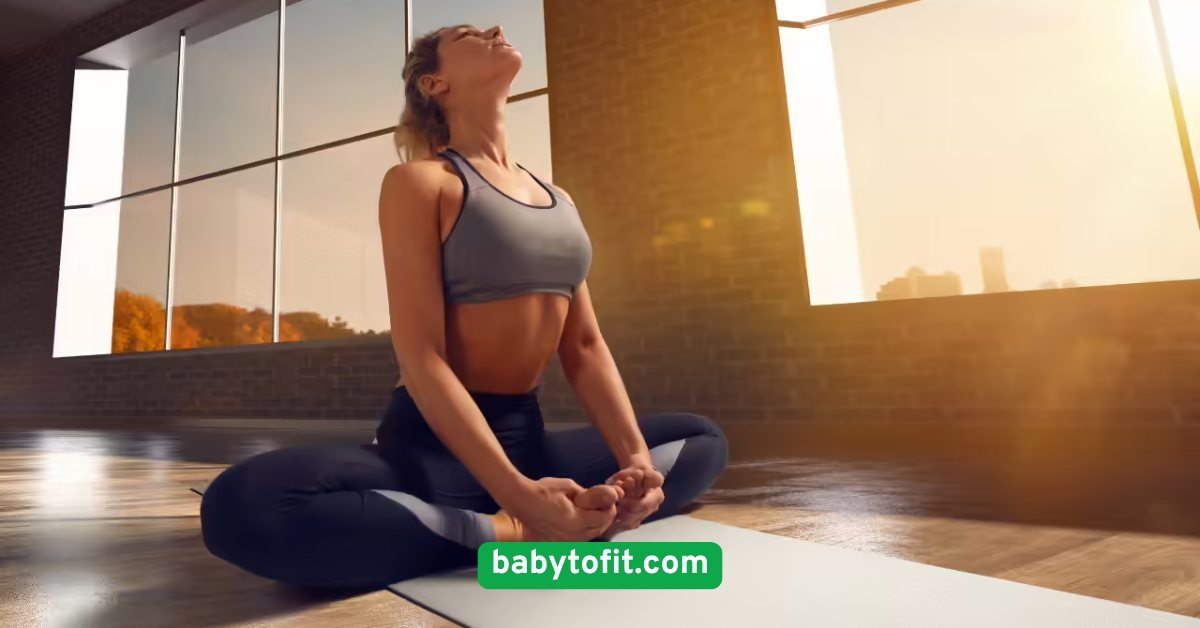
Pelvic floor lifts focus on controlled contractions and releases of the pelvic muscles, similar to Kegels but with added emphasis on slow, mindful movement. Breathe deeply as you lift the pelvic floor muscles, hold for a few seconds, then release slowly. This exercise enhances bladder control, pelvic stability, and core strength, all vital for postpartum recovery. Regular practice can prevent issues like incontinence and improve overall comfort.

23. Seated Forward Bend
The seated forward bend stretches the lower back and hamstrings, areas that often feel tight after pregnancy and delivery. Sit with your legs extended straight in front of you and hinge at the hips to reach toward your toes, keeping your back long and avoiding strain. This gentle stretch promotes flexibility, reduces muscle tension, and encourages mindfulness, helping ease the physical and emotional stresses of the postpartum period.

24. Heel Drops
Heel drops activate the lower abdominal muscles with minimal pressure on the abdominal wall. Lie on your back with knees bent and feet flat on the floor. Slowly lift one heel a few inches off the floor, then lower it back down, alternating legs. This controlled movement helps rebuild core strength safely and improves coordination between your abdominal muscles and lower body, supporting a gradual return to more active exercise.

25. Gentle Walking
Walking may seem simple, but it’s one of the best exercises for postpartum recovery. It promotes circulation, boosts mood, aids digestion, and gradually rebuilds cardiovascular fitness and endurance. Starting with short, gentle strolls and increasing distance as tolerated helps your body adjust to physical activity safely. Plus, walking with your baby in a stroller offers quality bonding time while keeping you active, making it a budget-friendly and accessible postpartum workout.

Conclusion
Recovering your core strength after childbirth is a journey that requires kindness, patience, and the right exercises. These 25 gentle postpartum workouts are designed to support your healing while respecting your body’s needs. Remember, every new mom’s pace is unique, so listen to your body and progress slowly.
Before starting any postpartum exercise program, consult your healthcare provider to ensure safety. With consistent practice, these gentle movements can restore your core strength, reduce discomfort, and boost your confidence as you embrace motherhood.
You’ve got this, mama!


