30 Effective Postpartum Workouts for Busy Moms
These 30 effective postpartum workouts focus on healing, strengthening, and mobility — all vital components of postpartum recovery. Whether you had a natural delivery or a C-section, these exercises are gentle, approachable, and tailored to busy schedules. Let’s dive in!
Absolutely! Here is a detailed paragraph for each of the 30 postpartum workouts you requested, following the warm, engaging, and SEO-friendly style:
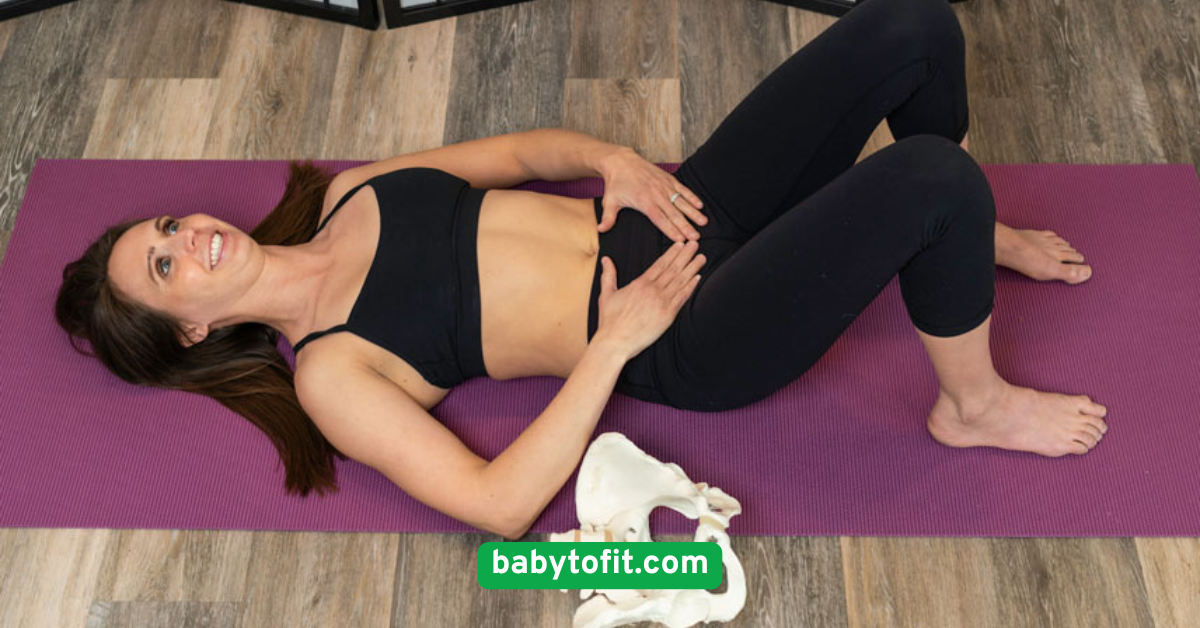
1. Pelvic Floor Kegels
Pelvic floor Kegels are the foundation of postpartum recovery. During pregnancy and childbirth, these muscles stretch and weaken, often leading to issues like incontinence or pelvic discomfort. Performing Kegel exercises strengthens these muscles, improving bladder control and supporting pelvic organs. To do Kegels correctly, focus on squeezing the muscles you use to stop urine flow, hold for about five seconds, then relax. Aim for 10-15 repetitions throughout the day, which can easily be done discreetly while feeding or resting. Strengthening your pelvic floor not only aids physical recovery but also enhances sexual health and overall confidence, making it a must for every new mom.
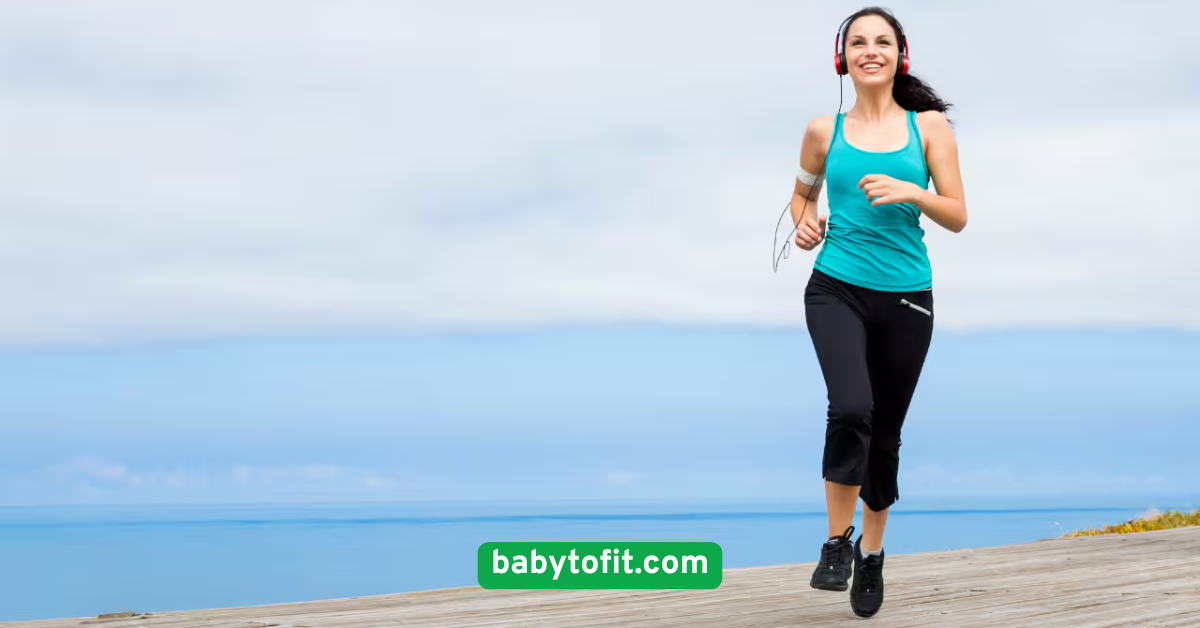
2. Walking Intervals
Walking is one of the most accessible and effective postpartum workouts, especially for busy moms balancing countless responsibilities. Incorporating walking intervals—alternating between brisk walking and a comfortable pace—helps gradually improve cardiovascular health without overexerting your recovering body. It boosts blood circulation, promotes weight loss, and releases endorphins that elevate your mood. Plus, it’s a perfect way to enjoy fresh air and bond with your baby if you take them along in a stroller. Just 10 to 20 minutes a day can make a noticeable difference, gently reigniting your stamina and energy levels.
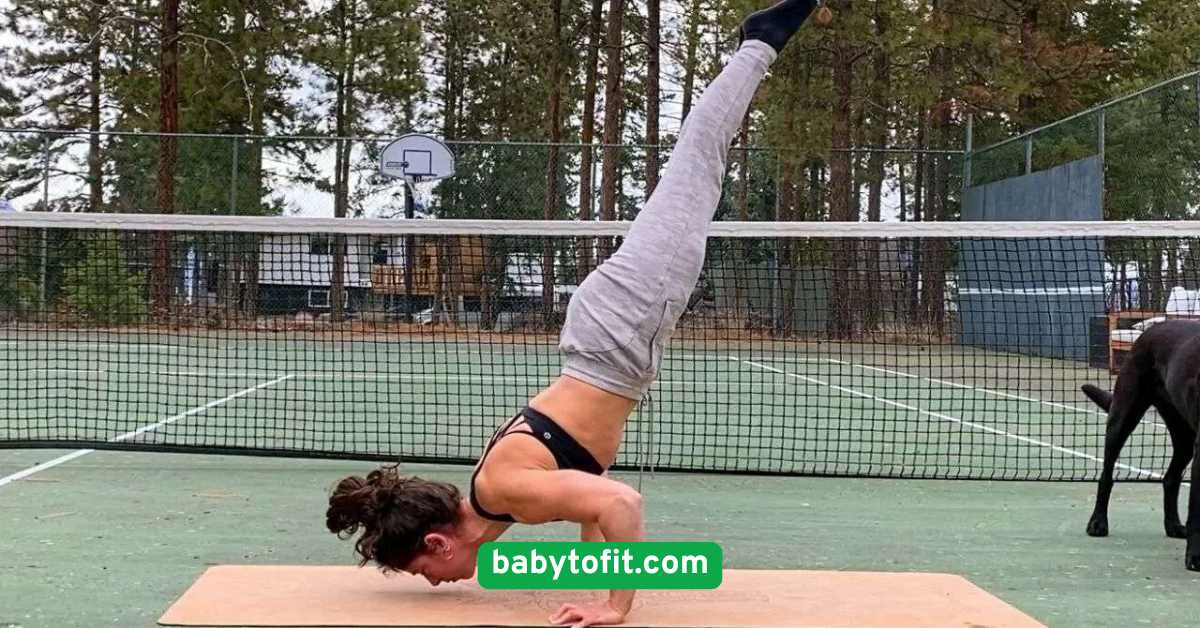
3. Wall Push-Ups
Wall push-ups offer a gentle yet effective way to rebuild upper body strength while protecting your core. By using a wall for support, you reduce pressure on your abdominal muscles, making this exercise safe during the postpartum phase. Stand a few feet from a wall, place your hands shoulder-width apart, and slowly bend your elbows, bringing your chest toward the wall before pushing back. This movement strengthens the chest, shoulders, and arms—muscle groups heavily used when carrying your baby and performing daily tasks. Over time, you can increase the difficulty by moving farther from the wall or transitioning to floor push-ups.
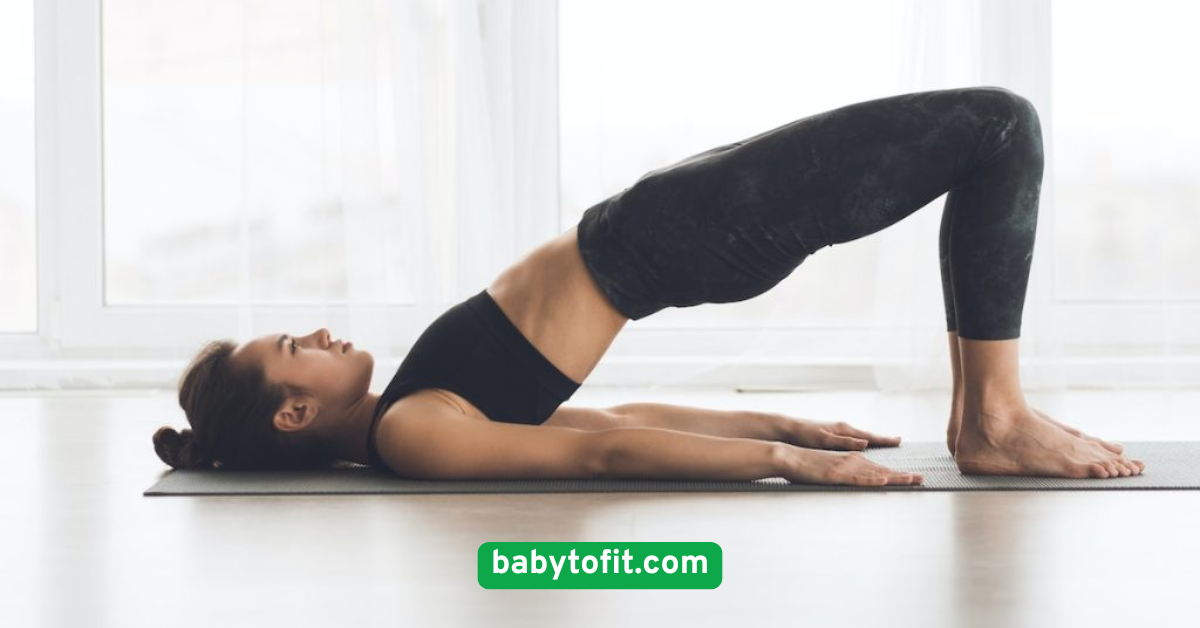
4. Glute Bridges
Glute bridges are fantastic for strengthening your hips, glutes, and lower back—all areas that often weaken after pregnancy. Lie on your back with your knees bent and feet flat on the floor. Engage your core and lift your hips toward the ceiling by squeezing your glutes, then lower slowly. This exercise improves posture, helps stabilize the pelvis, and alleviates lower back pain common after childbirth. Adding a pillow or resistance band between your knees can intensify the challenge. Regularly practicing glute bridges supports your body’s alignment and builds the strength needed for everyday activities like lifting and bending.
5. Seated Leg Lifts
Seated leg lifts are an ideal exercise when floor work feels uncomfortable or inaccessible. Sitting upright on a sturdy chair, extend one leg straight in front of you, hold for a moment, and slowly lower it without letting your foot touch the ground. Repeat this motion 10 to 15 times per leg. This movement gently activates your quadriceps and hip flexors, improving muscle tone and joint mobility. Seated leg lifts can be done while nursing, working, or watching your little one, making it a practical and effective option for busy postpartum moms wanting to rebuild leg strength.
6. Modified Plank Holds
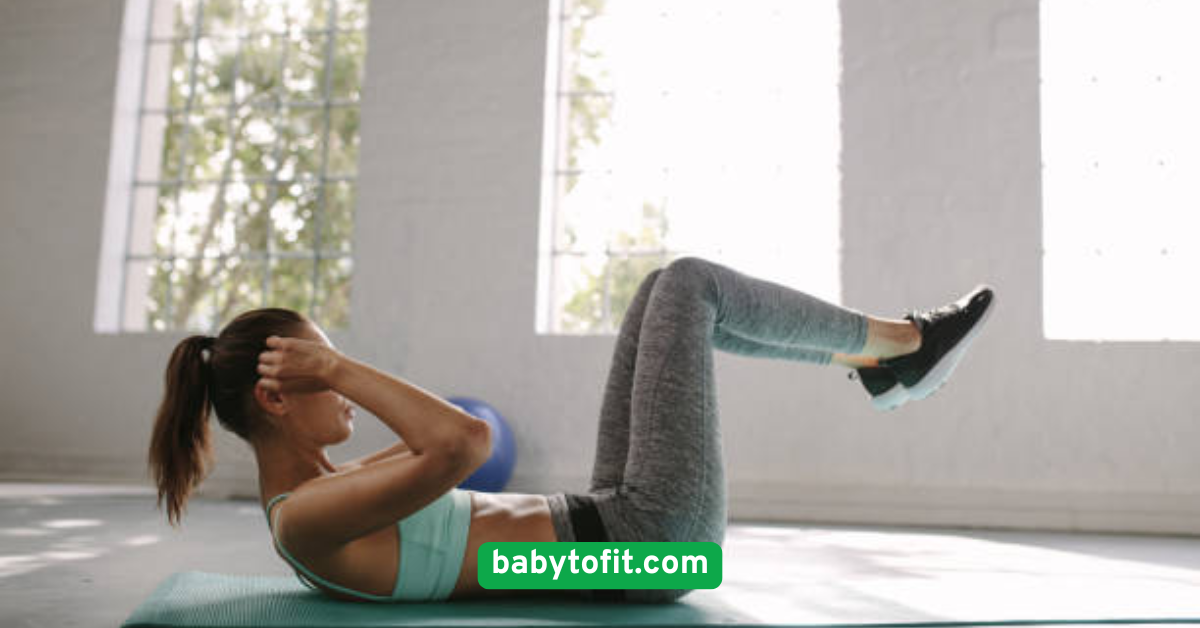
Planks are well-known for core strengthening, but postpartum moms should begin with modified versions to protect healing abdominal muscles and avoid diastasis recti worsening. The modified plank is performed on forearms and knees rather than toes. Keep your back flat and engage your core, holding the position for 10-20 seconds. This exercise enhances overall core stability, supporting your back and improving posture. As your strength grows, you can gradually increase hold times or transition to a full plank. The modified plank is a safe, efficient way to rebuild deep abdominal muscles essential for your body’s recovery.
7. Cat-Cow Stretch
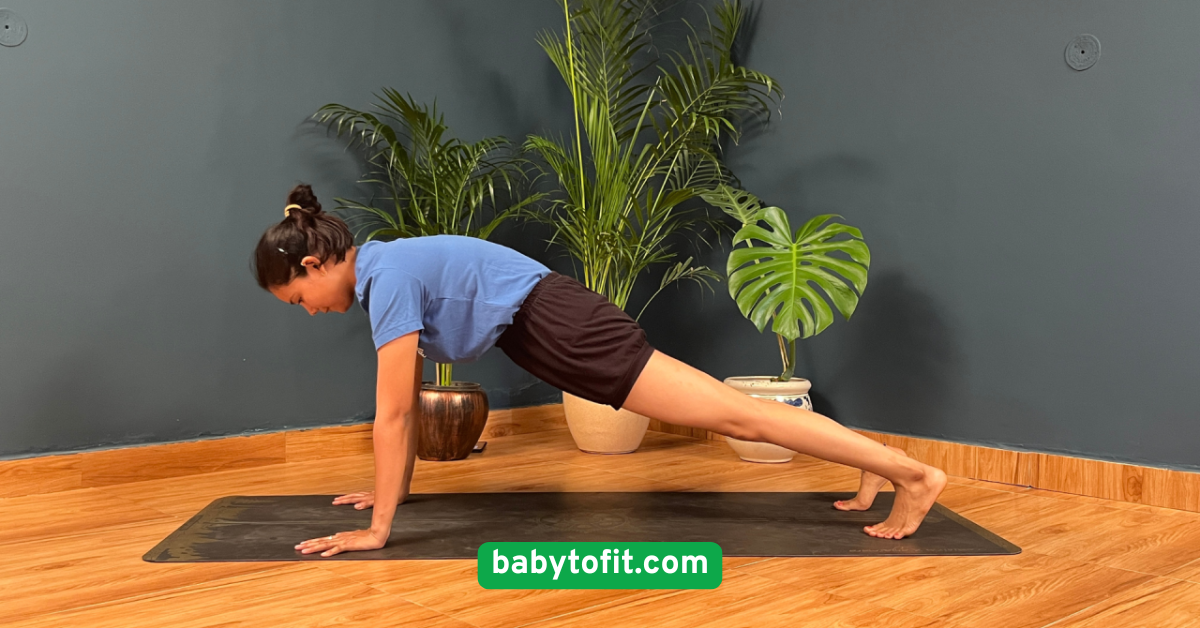
The cat-cow stretch is a gentle yoga-inspired movement that soothes tension in your spine and promotes flexibility. Begin on hands and knees, inhale as you arch your back and lift your head and tailbone (cow pose), then exhale as you round your spine, tucking your chin and pelvis (cat pose). This flowing stretch helps relieve lower back stiffness and encourages mindful breathing, which can calm postpartum anxiety. It also supports spinal alignment, which is often compromised from prolonged breastfeeding or carrying your baby.
8. Standing Hip Circles
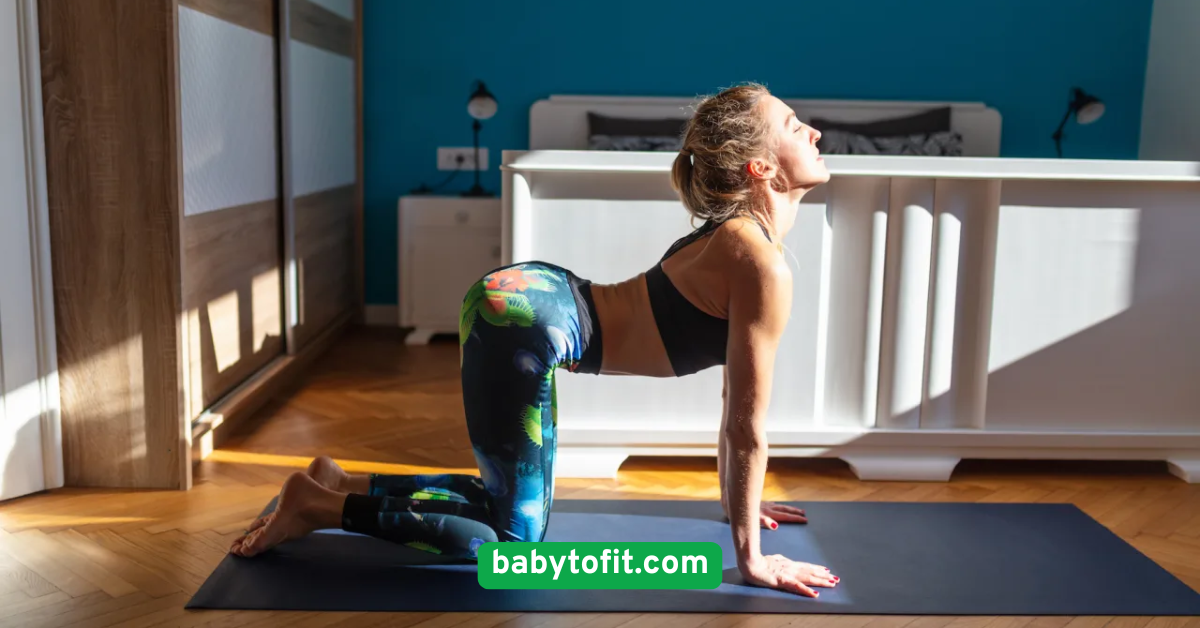
Standing hip circles are a simple yet effective exercise that increases pelvic mobility and loosens tight hip joints after childbirth. Stand with your feet shoulder-width apart, hands on hips, and slowly rotate your hips in a circular motion—10 times clockwise, then 10 times counterclockwise. This movement enhances blood flow, reduces pelvic stiffness, and supports the natural healing process. It also improves balance and prepares your hips for more intense postpartum workouts, making it a great warm-up exercise.

9. Side-Lying Leg Lifts
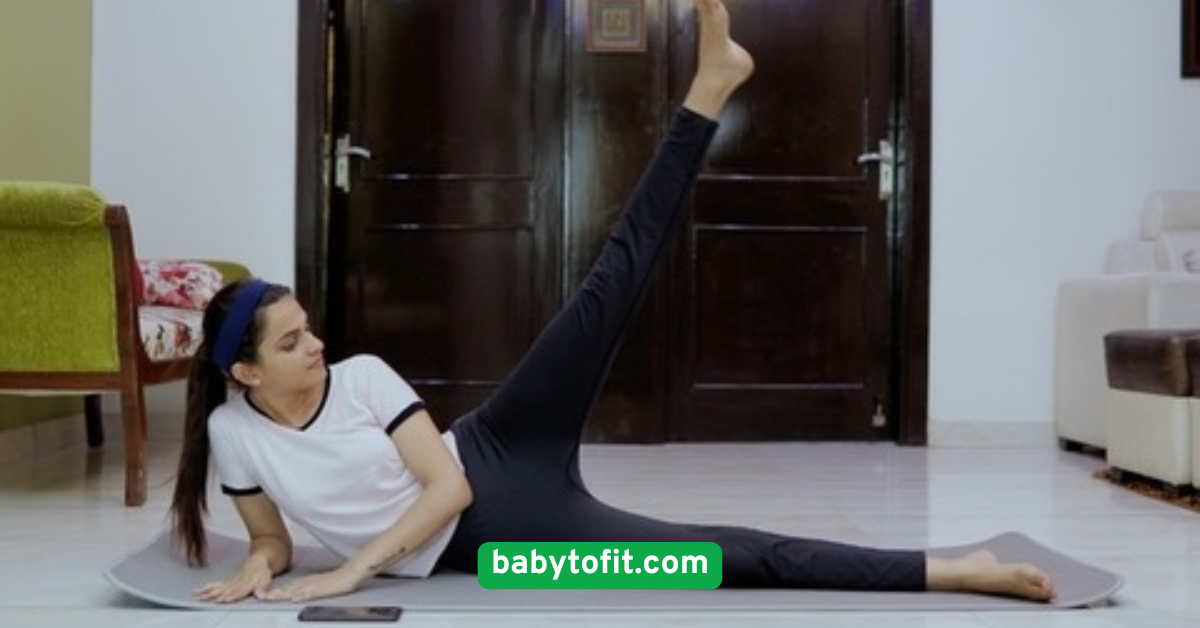
Side-lying leg lifts target the outer thighs and hips, areas that can become weak or imbalanced after pregnancy. Lie on your side with legs extended, lift the top leg slowly toward the ceiling, hold for a moment, then lower with control. Performing 10-15 repetitions per side strengthens hip abductors, stabilizing the pelvis and improving walking posture. This exercise is gentle on the core while effectively targeting muscles critical for pelvic stability and balance during postpartum recovery.
10. Arm Circles with Light Weights
Arm circles with light weights or household items like water bottles are excellent for rebuilding shoulder endurance and arm strength. Extend your arms straight out to the sides and make small, controlled circles—first forward for 20-30 seconds, then backward. This exercise tones your deltoids and increases shoulder mobility, helping counteract the stiffness caused by repetitive baby-holding and nursing positions. The light resistance ensures muscles are engaged without overexertion, perfect for postpartum moms easing back into fitness.
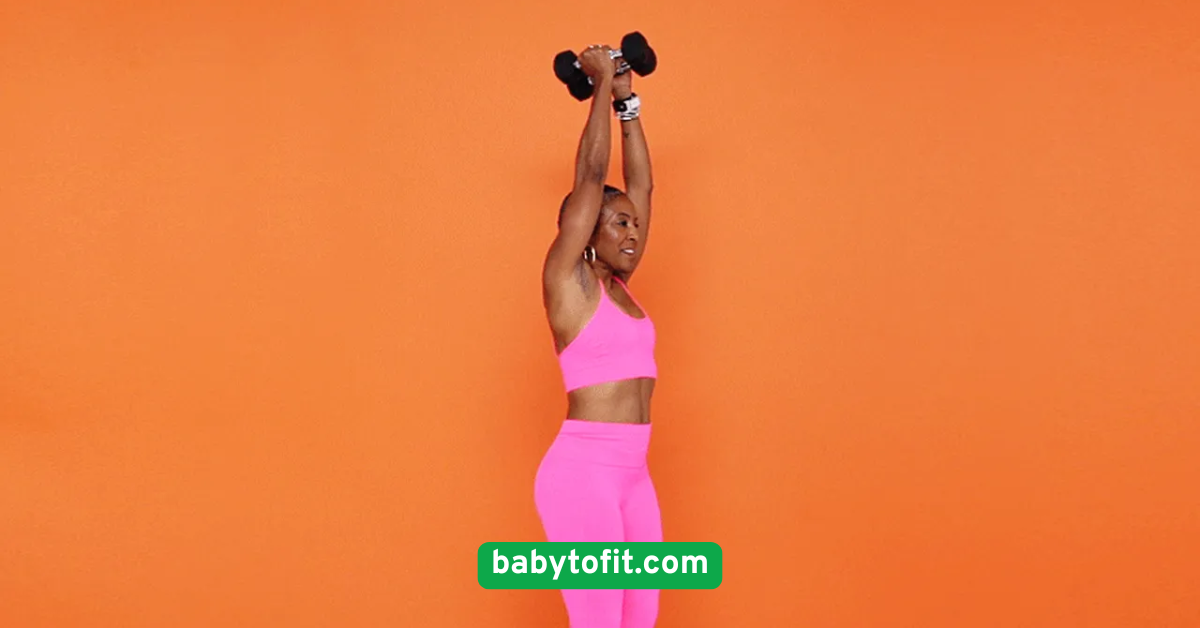
11. Wall-Assisted Dead Bug
The wall-assisted dead bug exercise strengthens deep core muscles essential for postpartum recovery. Lie on your back with your feet touching a wall, engage your core, and slowly lower one leg at a time toward the floor without arching your back. This controlled motion enhances coordination and core stability while protecting the healing abdominal wall. It’s an effective way to rebuild your core gradually and safely, especially if you’re dealing with diastasis recti or lower back pain.
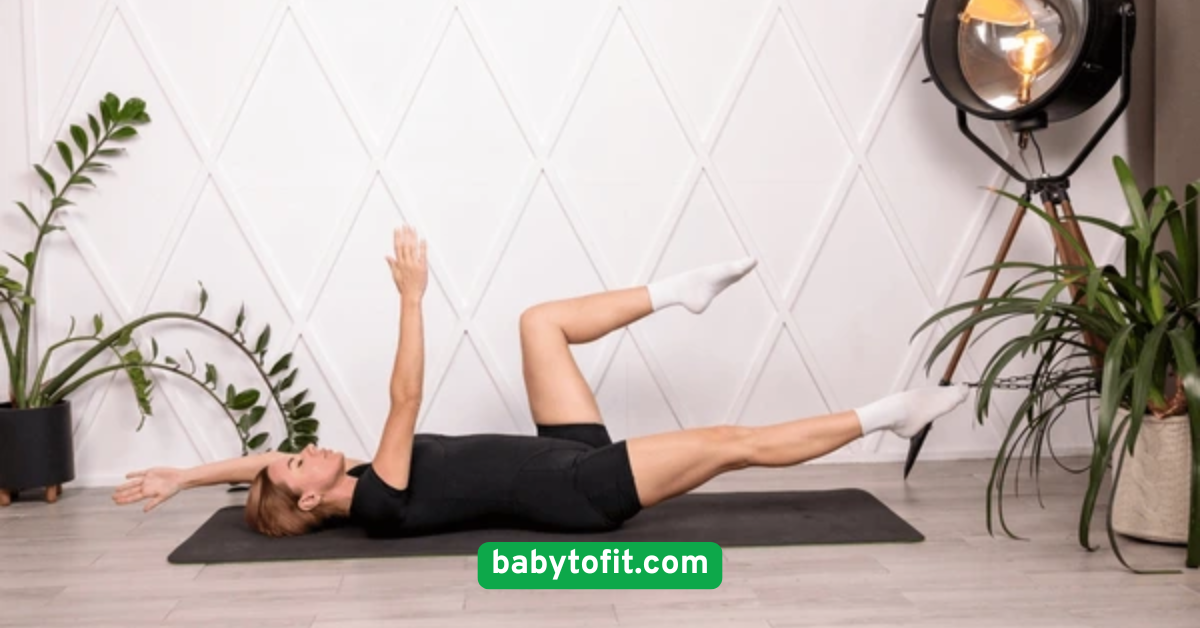
12. Modified Forearm Plank
The modified forearm plank is a gentle core strengthening exercise done on your forearms and knees instead of toes, reducing pressure on your abdomen. Keep your body aligned, engage your core muscles, and hold the position for 15-30 seconds, gradually increasing as strength improves. This plank variation supports your posture, strengthens abdominal muscles, and stabilizes the back without risking injury. It’s an ideal progression for postpartum moms rebuilding core strength while prioritizing safety.
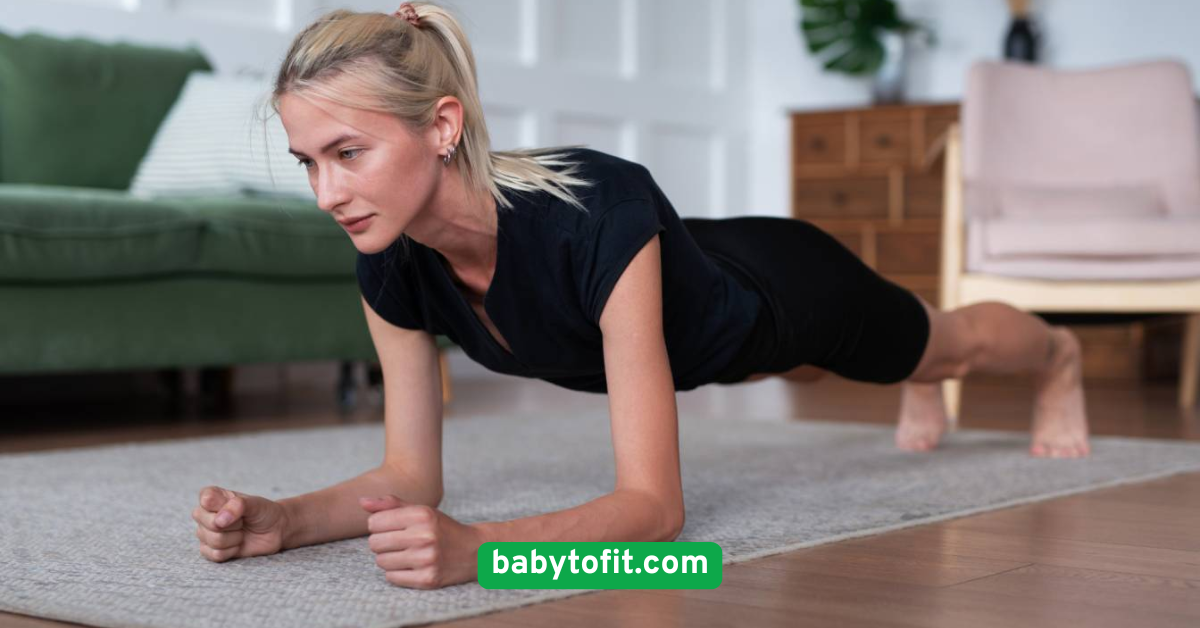
13. Seated Cat-Cow Stretch
This seated version of the cat-cow stretch is perfect for moments when getting on the floor isn’t possible. Sitting tall in a chair, inhale as you arch your back, lifting your chest, then exhale as you round forward, tucking your chin and pelvis. This movement gently stretches and mobilizes your spine, easing tension accumulated from breastfeeding or carrying your baby. Paired with mindful breathing, it also calms the mind and improves posture.
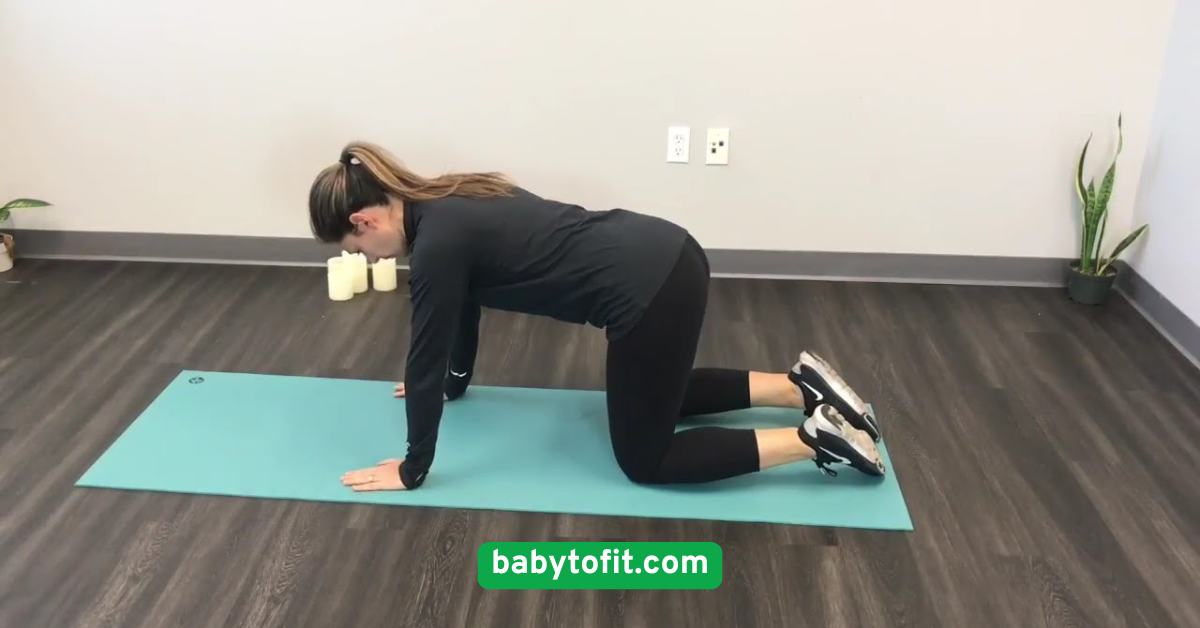
14. Standing Calf Raises
Standing calf raises strengthen the calves and improve circulation in your lower legs, which can often feel tired or swollen postpartum. Stand tall, slowly raise your heels off the floor, and balance on your toes before lowering back down. Perform 15-20 repetitions to build endurance and promote blood flow. This simple exercise can be done anywhere—even while cooking or feeding your baby—and helps reduce leg fatigue and cramps.

15. Wrist and Finger Stretching
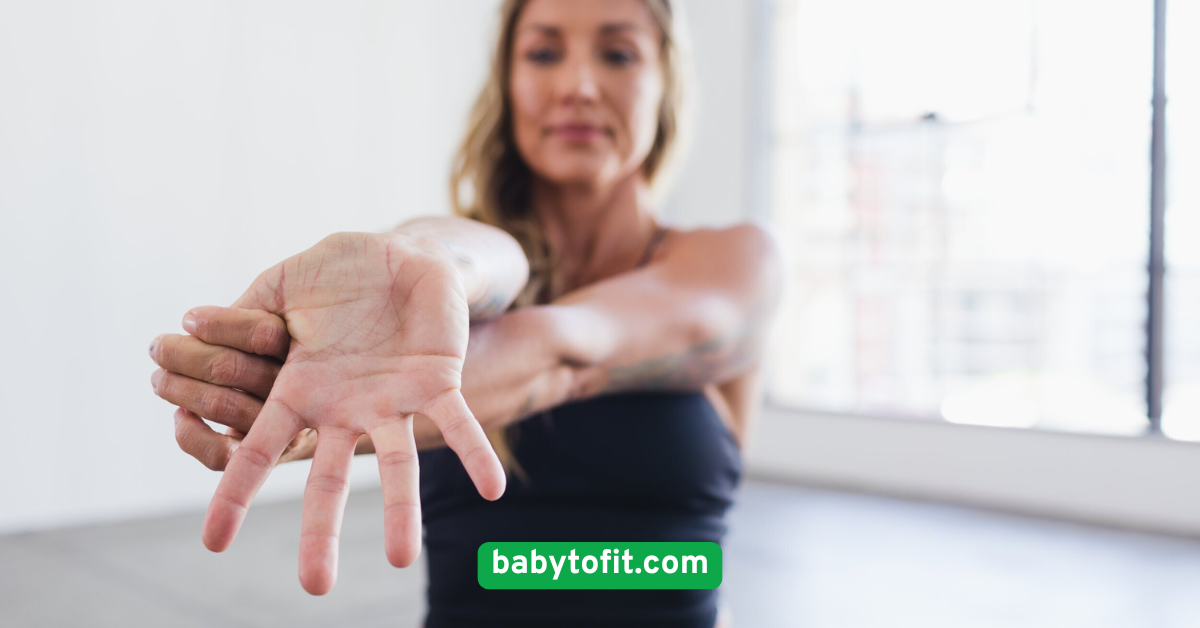
New moms often experience wrist and finger tightness from repetitive motions like holding, lifting, and breastfeeding. Gentle wrist and finger stretches relieve tension and improve flexibility. Rotate your wrists in slow circles, stretch each finger individually by gently pulling or flexing, and hold each stretch for 15-20 seconds. Regular wrist and finger mobility work reduces discomfort and supports hand strength for daily caregiving tasks.
16. Gentle Hip Circles (Seated or Standing)
Whether seated or standing, gentle hip circles promote pelvic flexibility and reduce tightness from pregnancy. Slowly move your hips in wide circles, completing 10 rotations in each direction. This movement encourages proper alignment and opens the hips, helping to alleviate lower back and pelvic discomfort. It’s a calming exercise that prepares your body for more intensive workouts while supporting healing.
17. Restorative Yoga Breathing
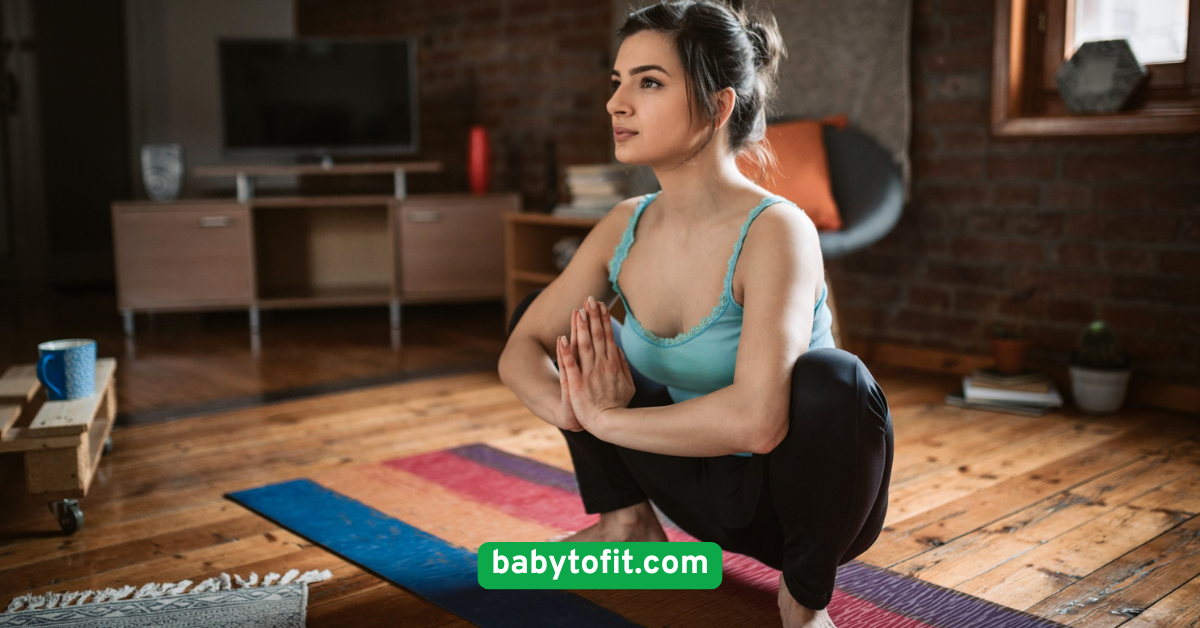
Restorative yoga breathing, or deep diaphragmatic breathing, is a powerful tool for postpartum recovery. Find a quiet place, inhale deeply through your nose, filling your belly with air, and exhale slowly through your mouth. This practice lowers stress hormones, calms the nervous system, and enhances oxygen flow to muscles, speeding healing. Paired with gentle stretches, it promotes relaxation, eases tension, and boosts mental clarity amidst the challenges of new motherhood.
18. Lying Knee-to-Chest Stretch
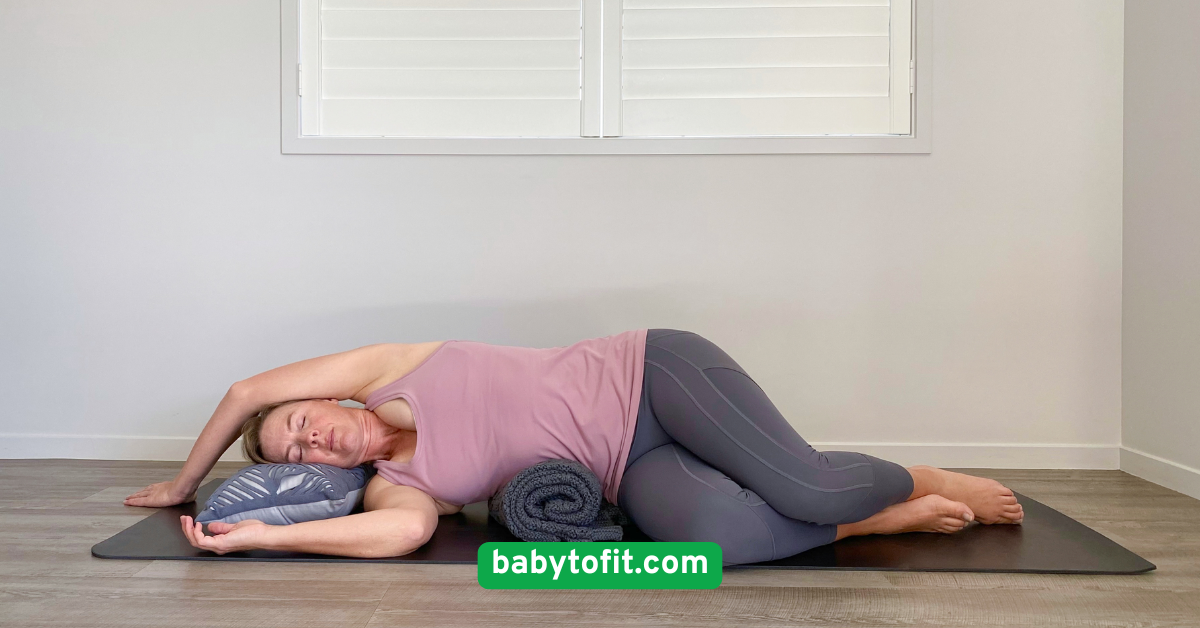
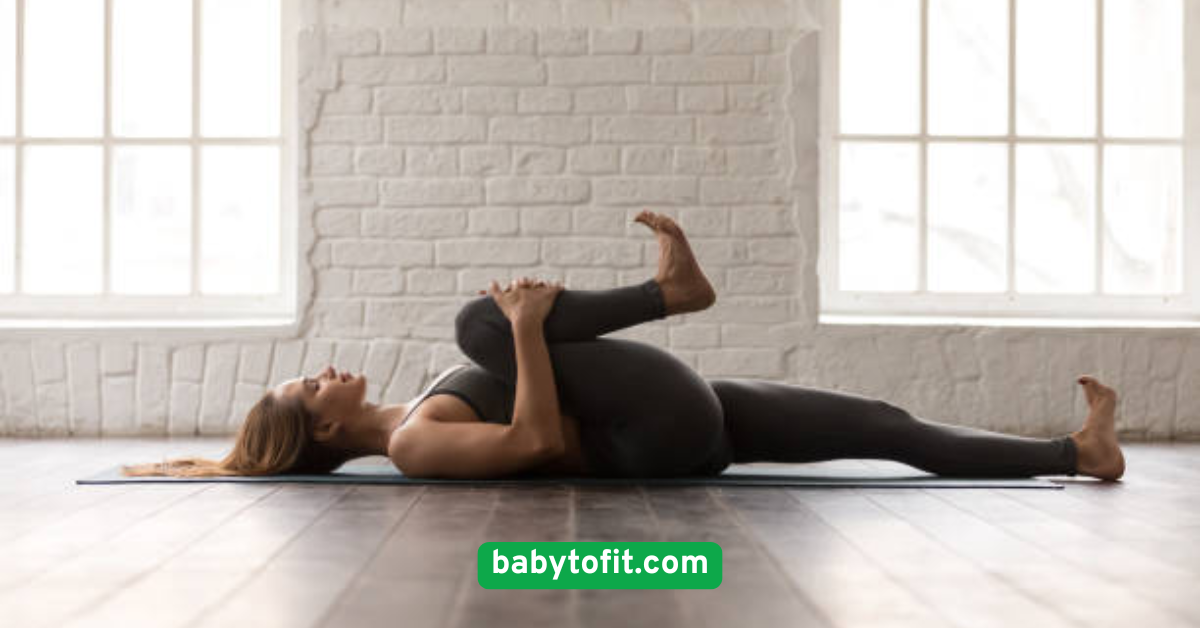
The lying knee-to-chest stretch releases tension in the lower back and hips, areas prone to tightness postpartum. Lie on your back, pull one knee gently toward your chest, and hold for 20-30 seconds, then switch legs. This stretch lengthens the lumbar spine and hips, improving flexibility and reducing discomfort caused by pregnancy-related posture changes. It’s a gentle, soothing movement perfect for ending your day.
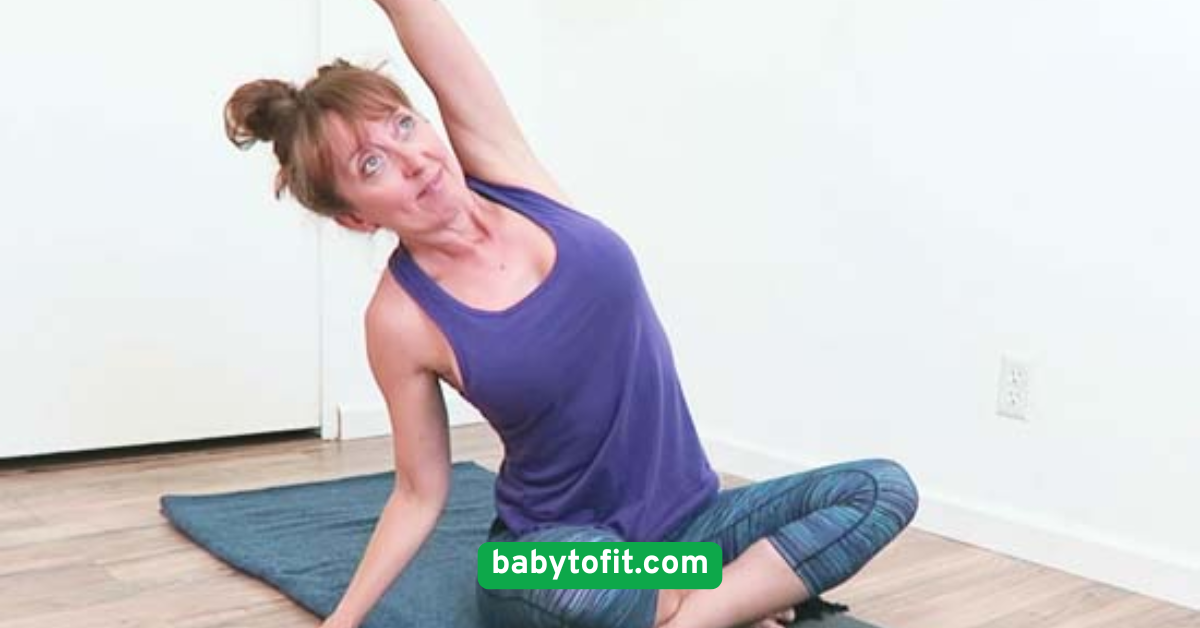
19. Seated Spinal Twist
The seated spinal twist increases spinal mobility and alleviates back stiffness. Sit tall with one leg crossed over the other, twist your torso toward the crossed leg, and hold for 20-30 seconds before switching sides. This stretch helps counteract the forward-leaning posture many new moms develop during breastfeeding and babywearing. It promotes better posture and eases tension in the spine, supporting overall back health.
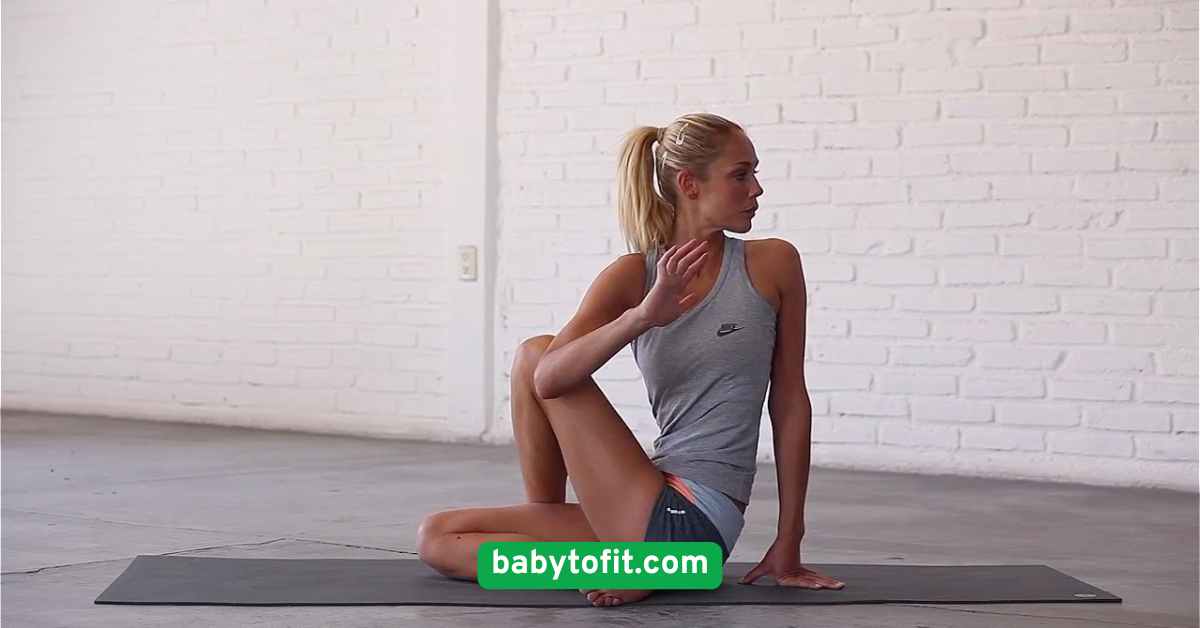
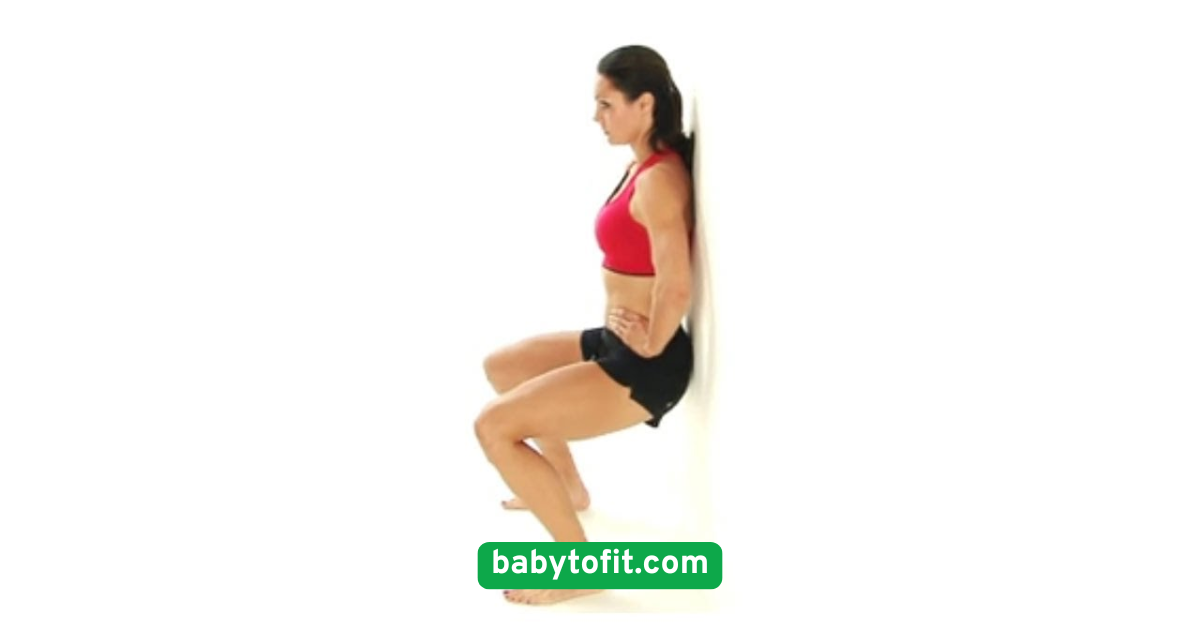
20. Wall Squats
Wall squats strengthen your legs, glutes, and core while offering support to protect your healing body. Stand with your back against a wall and feet shoulder-width apart, slide down into a squat position keeping your knees behind your toes, and hold for 15-30 seconds. This exercise builds lower body endurance essential for daily activities like lifting and walking with your baby. Gradually increase squat depth and duration as you regain strength.
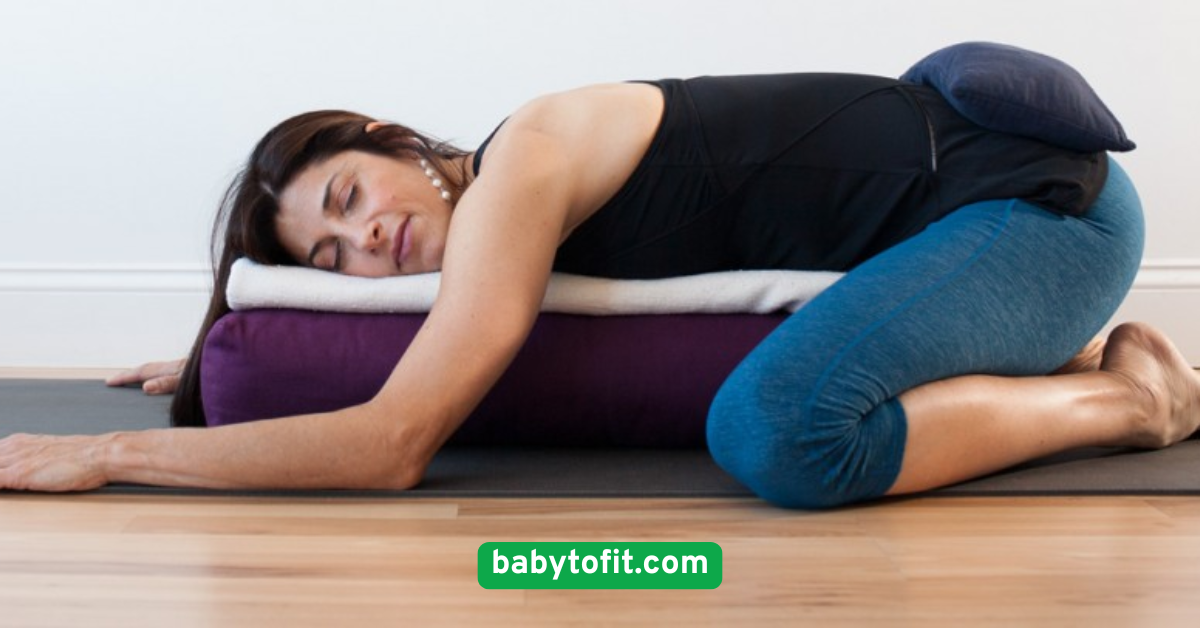
21. Supported Child’s Pose
The supported child’s pose is a restorative yoga posture that gently stretches your back, hips, and thighs. Kneel on the floor, stretch your arms forward, and lower your chest to the floor or a yoga block for support. This calming pose relieves tension, promotes relaxation, and encourages mindful breathing—an excellent way to recharge your body and mind after a busy day of caring for your newborn.
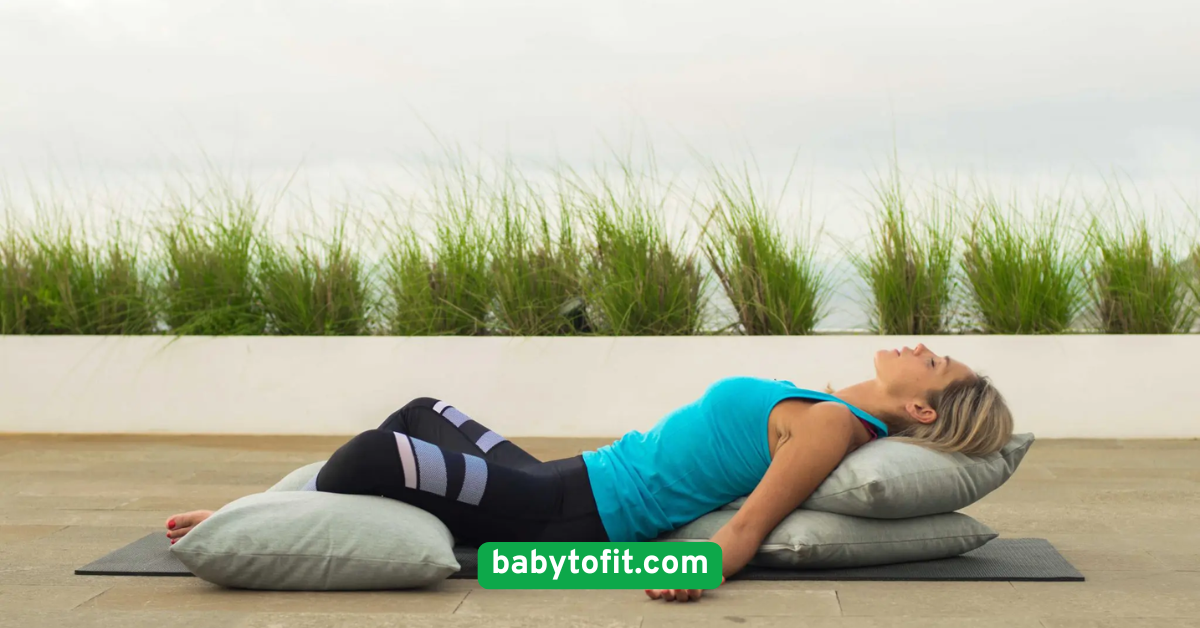
22. Reclining Butterfly Pose
In the reclining butterfly pose, lie on your back with the soles of your feet touching and knees falling open to the sides. Support your knees with pillows or blocks if needed. This gentle hip opener relaxes pelvic muscles and increases flexibility. It’s perfect for unwinding postpartum, helping to release tightness in the hips and groin, and creating a soothing, restorative moment in your day.
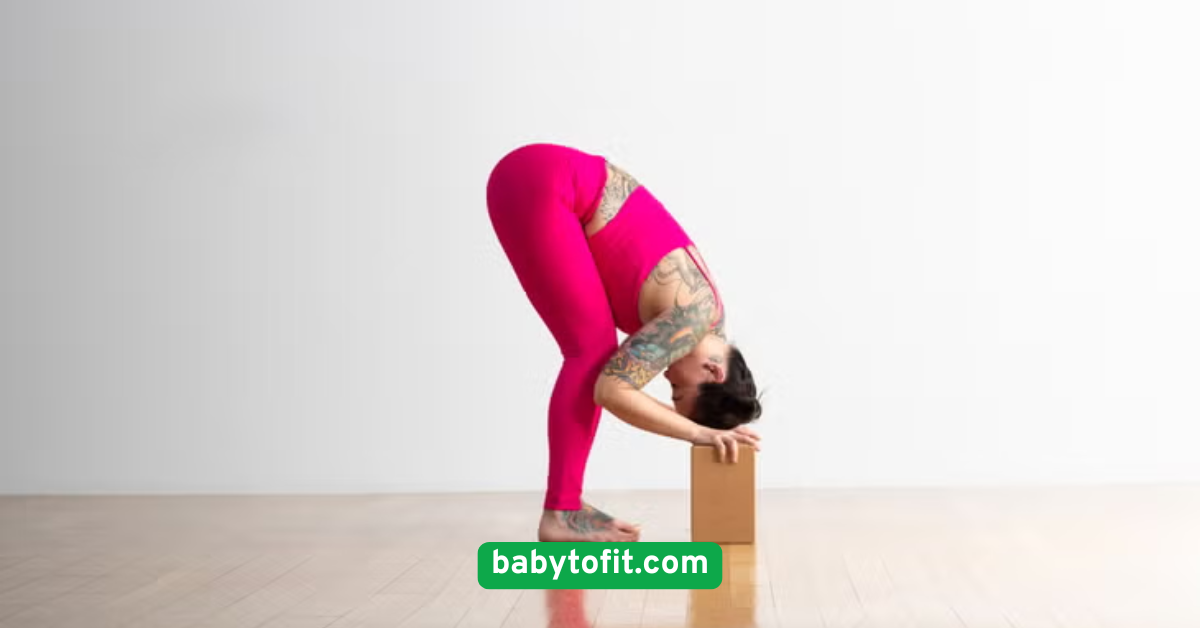
23. Standing Forward Bend
The standing forward bend stretches your hamstrings, calves, and lower back while promoting relaxation. Stand with feet hip-width apart, hinge at your hips, and slowly bend forward, letting your head and arms hang heavy. Avoid forcing the stretch; let gravity gently lengthen your spine. This exercise releases tension accumulated from carrying your baby and helps reduce stress.
24. Tabletop Arm & Leg Reach
Start on hands and knees in a tabletop position. Extend your right arm forward and left leg backward simultaneously, keeping your core engaged and back flat. Hold for a few seconds, then return to the starting position and switch sides. This movement improves core strength, balance, and coordination—key components for regaining full-body stability postpartum.
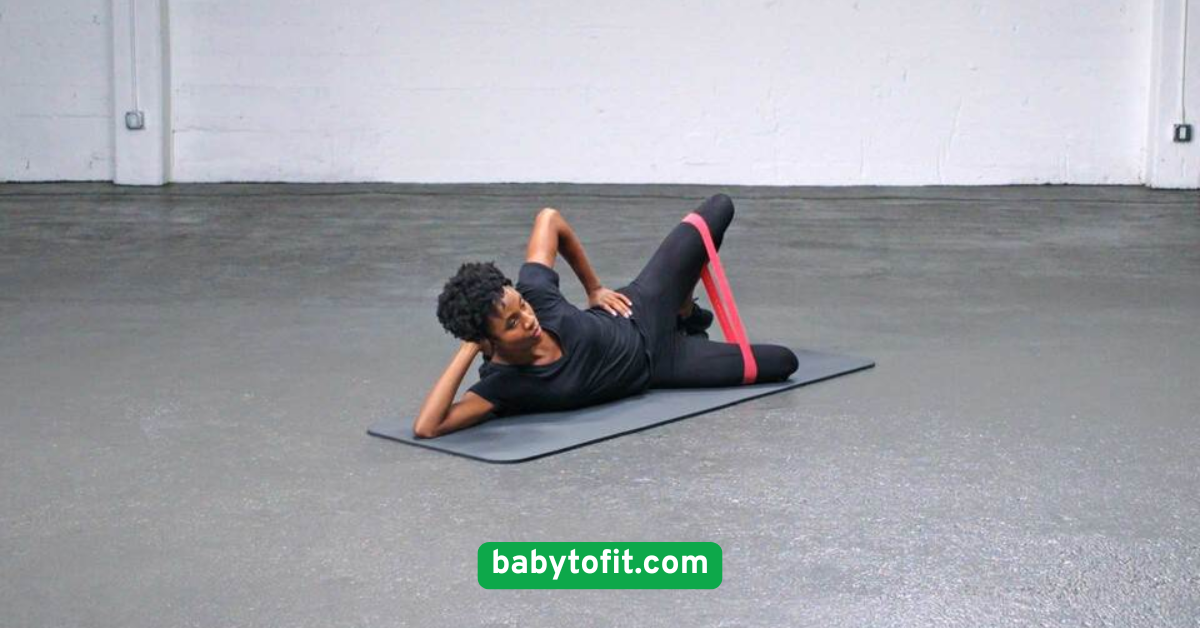
25. Side-Lying Clamshells
Side-lying clamshells target your hip abductors, which play a crucial role in pelvic stability. Lie on your side with knees bent at 90 degrees, keeping feet together as you lift the top knee away from the bottom one. Perform 10-15 repetitions per side. Strengthening these muscles helps correct imbalances from pregnancy and supports proper posture and gait.
26. Sphinx Pose Stretch
The sphinx pose is a gentle backbend that strengthens spinal muscles and opens the chest. Lie on your belly and prop yourself up on your forearms with elbows beneath your shoulders. Lift your chest while keeping your pelvis grounded, breathing deeply. This posture counters the forward rounding of shoulders from baby care and breastfeeding, improving posture and reducing upper back pain.

27. Gentle Walking (5–10 minutes)
Incorporating short, gentle walks into your daily routine helps improve circulation, promotes mental clarity, and eases postpartum recovery. Even a 5 to 10-minute stroll around your home or neighborhood can boost your energy and reduce stress. Walking is a low-impact exercise that fits seamlessly into busy schedules, making it an excellent starting point for new moms easing back into fitness.
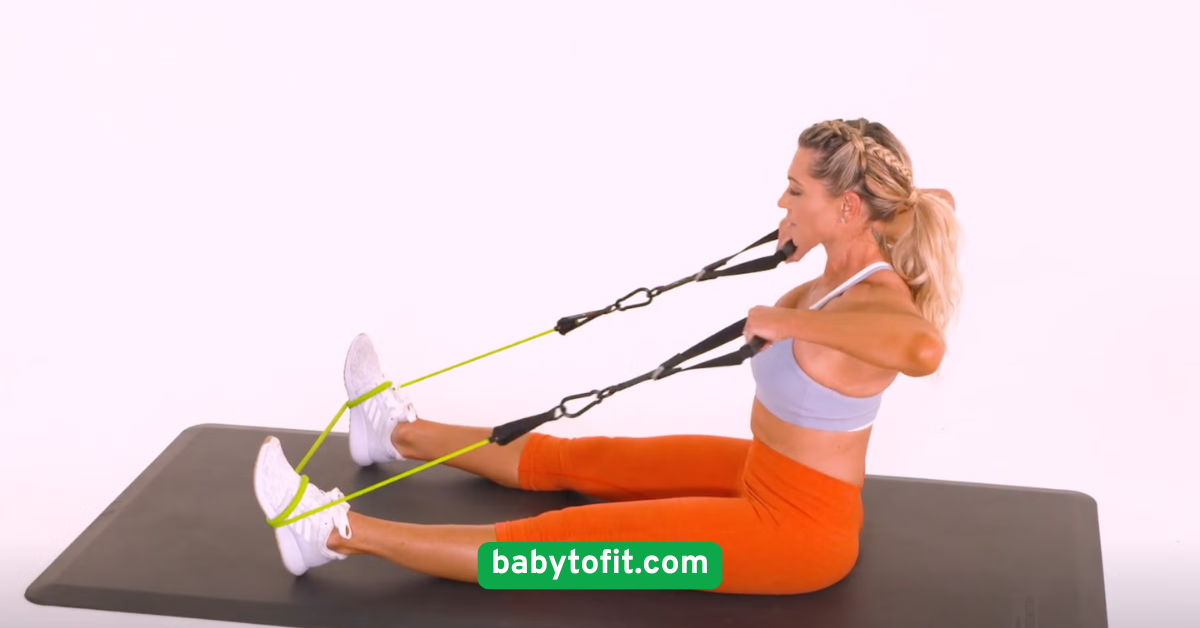
28. Resistance Band Rows
Using a resistance band, hold the handles with both hands and pull them toward your torso, squeezing your shoulder blades together. This exercise strengthens your upper back muscles, crucial for maintaining good posture while carrying and nursing your baby. Resistance band rows help alleviate shoulder and neck tension, which are common complaints postpartum.
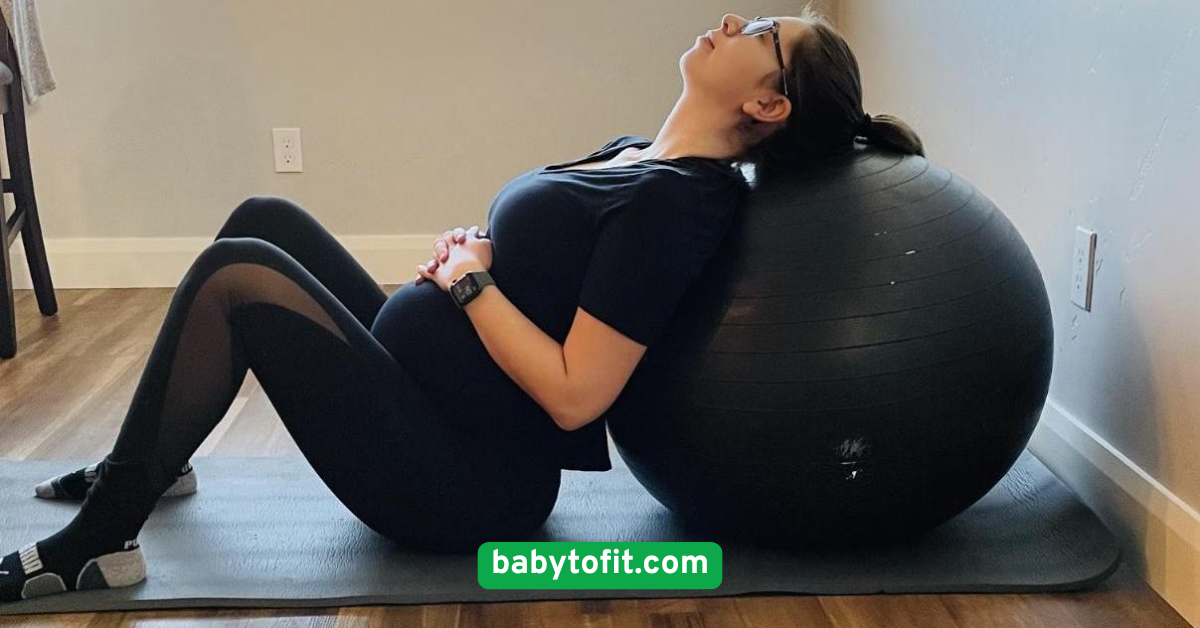
29. Stability Ball Pelvic Rocks
Sit on a stability ball and gently rock your pelvis forward and backward in a slow, controlled motion. This movement encourages pelvic mobility, enhances core engagement, and soothes lower back discomfort. It also improves balance and posture, making it a useful exercise for strengthening the muscles that support everyday movements.
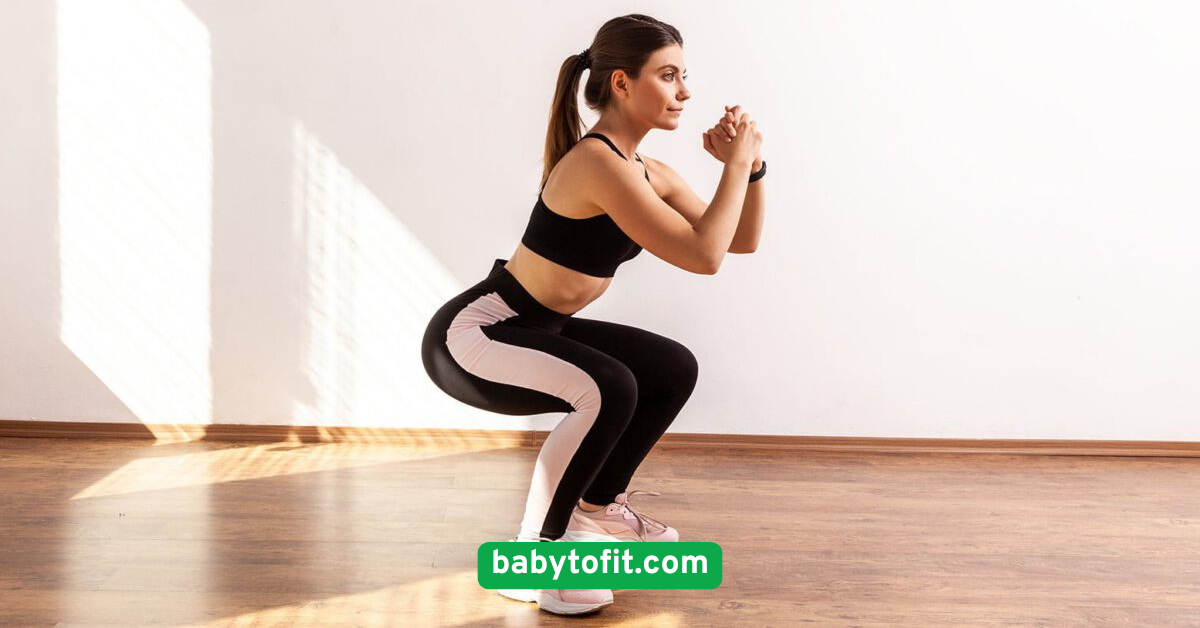
30. Supported Deep Squats
Supported deep squats involve holding onto a sturdy surface for balance as you lower yourself into a deep squat, keeping your heels on the floor. This position opens the hips and strengthens the lower body, improving flexibility and stability. Supported deep squats prepare your body for lifting and carrying your baby, making daily activities easier and safer postpartum.
Conclusion
Postpartum recovery is a unique and personal journey. These 30 effective postpartum workouts offer a balanced approach to regaining your strength, enhancing mobility, and nurturing your body while managing the busy demands of motherhood. Remember, consistency beats intensity — listen to your body, celebrate every small victory, and allow yourself grace along the way.
Incorporating these exercises into your daily routine will help you feel stronger, more energized, and ready to embrace motherhood with confidence. Here’s to your health and happiness!


