30 Gentle Postpartum Workouts to Regain Strength (2025)
The answer lies in gentle, low-impact postpartum workouts designed with healing in mind. These exercises focus on restoring your core, reconnecting with your pelvic floor, and slowly building stamina. Whether you gave birth vaginally or via C-section, these movements are safe (once cleared by your healthcare provider) and supportive of your body’s recovery journey.So take a breath, mama. You don’t need to “bounce back.” You just need a little space, movement, and self-kindness. Let’s dive into 30 effective yet gentle postpartum exercises that will help you feel strong, supported, and confident again—at your own pace.
1. Diaphragmatic Breathing
Deep breathing may seem too simple to be effective, but it’s one of the most powerful tools for postpartum recovery. Known as diaphragmatic breathing, this technique activates your transverse abdominis—the deep core muscle that’s essential for stabilizing your trunk and healing diastasis recti.To start, lie down on your back or sit upright. Place one hand on your belly and the other on your chest. Inhale through your nose and allow your belly to rise; exhale slowly, pulling your belly button toward your spine. This action gently engages the core and promotes circulation throughout your healing body.Practicing this for just 5–10 minutes daily improves oxygen flow, calms your nervous system, and lays the foundation for more active exercises down the road. It’s a mindful way to reconnect with your body after the intense experience of childbirth.And best of all? You can do it anytime—even while rocking your baby or lying in bed.

2. Kegel Exercises
Kegels are a cornerstone of postpartum recovery. These simple contractions help rebuild the pelvic floor muscles that often become weakened or stretched during pregnancy and delivery.To perform a Kegel, imagine you’re stopping the flow of urine midstream. That gentle tightening? That’s your pelvic floor activating. Hold the contraction for 3–5 seconds, then release. Repeat 10–15 times, several times per day.Not only do Kegels prevent urinary leakage, but they also support your bladder, uterus, and bowels. Strong pelvic floor muscles are essential for future fitness, core stability, and long-term health.Try pairing them with your breathing exercises for even more effectiveness. Over time, this small habit will yield big results.
3. Supine Pelvic Tilts
After pregnancy, your lower back and pelvis need some TLC. Pelvic tilts help realign your spine, improve posture, and gently activate the abdominal muscles without putting pressure on your healing midsection.Lie on your back with knees bent and feet flat. As you exhale, press your lower back into the floor and tilt your pelvis upward slightly. Hold for a moment, then return to neutral.These subtle movements increase spinal mobility, relieve tension in the lower back, and encourage re-engagement of your deep core. Incorporate them early in your postpartum recovery to reduce stiffness and promote stability.Aim for 10–15 reps, working up to a few sets per session. It’s gentle, restorative, and easily doable even when you’re short on energy.

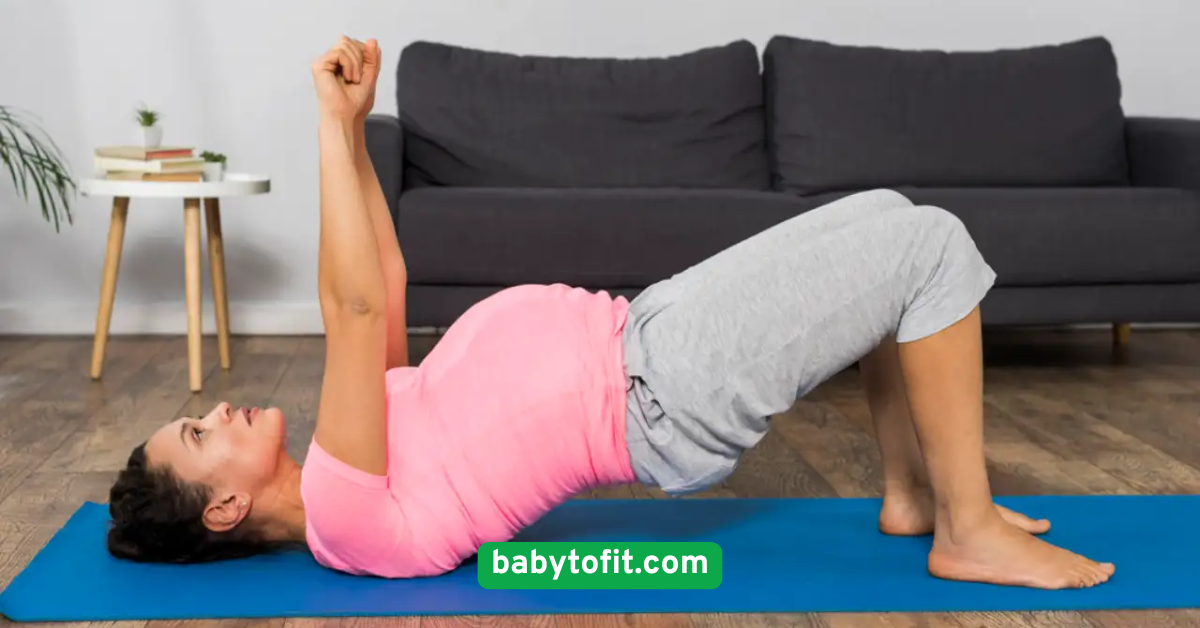
4. Glute Bridges
Your glutes play a huge role in posture, movement, and core function—yet they’re often weakened during pregnancy. Glute bridges are a safe, low-impact way to bring them back online.Lie on your back, knees bent, feet hip-width apart. Press through your heels to lift your hips until your body forms a straight line from knees to shoulders. Squeeze your glutes at the top, then slowly lower.This exercise strengthens not only your glutes but also your hamstrings and lower back. It supports pelvic stability and prepares your body for more functional movement down the road.Try 10–12 reps to start, progressing to 2–3 sets. You can even do this with your baby lying on your stomach—turning fitness into bonding time!
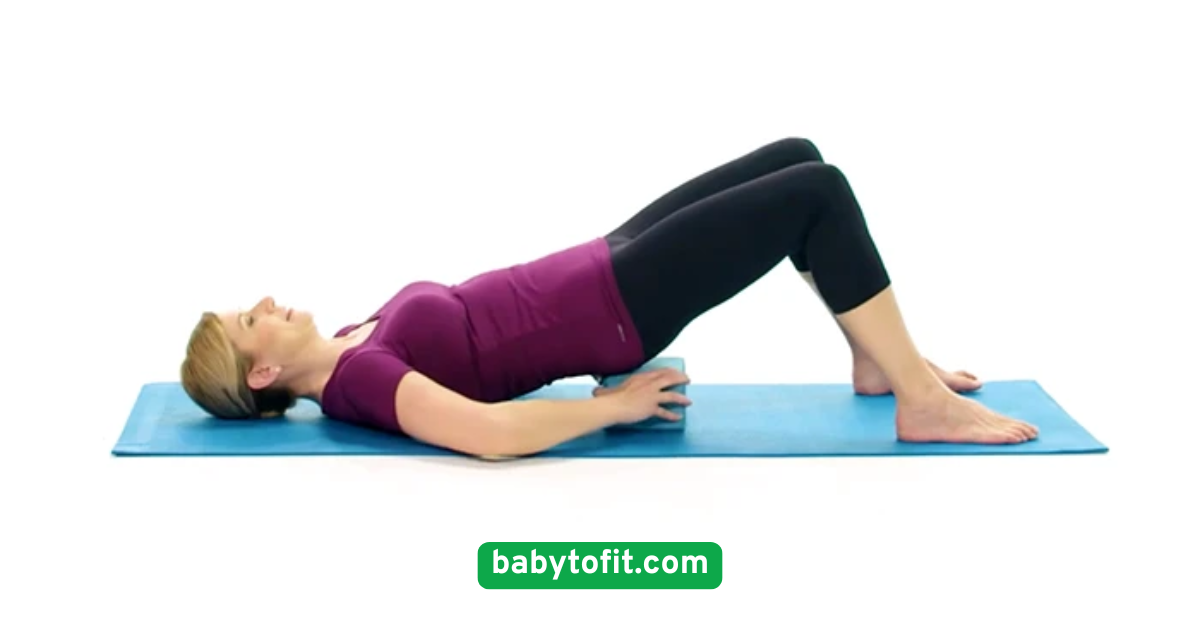
5. Heel Slides
Postpartum core work should be subtle yet effective. Heel slides are a perfect choice, especially for moms with diastasis recti or tender incisions from a C-section.Lie on your back with knees bent. Slowly slide one heel away from your body, keeping your core gently engaged and your pelvis stable. Slide it back, and repeat with the other leg.This movement works your transverse abdominis while protecting the integrity of your healing abdominal wall. It’s also a great way to regain body awareness and restore coordination.Keep the movement slow and controlled, focusing on your breath. It’s about quality, not speed.
6. Seated Marching
For those early weeks when lying down isn’t comfortable, seated marching is a great alternative. It boosts circulation, warms up your body, and gently engages the hips and core.Sit tall in a sturdy chair. Keep your back straight and abs gently pulled in. Lift one knee at a time as if you’re marching. Swing your arms for added movement.This is a great mini cardio workout that also challenges your balance and coordination. Start with 30 seconds and build up as your endurance improves.Plus, you can do it while your baby is in your lap—multitasking for the win!
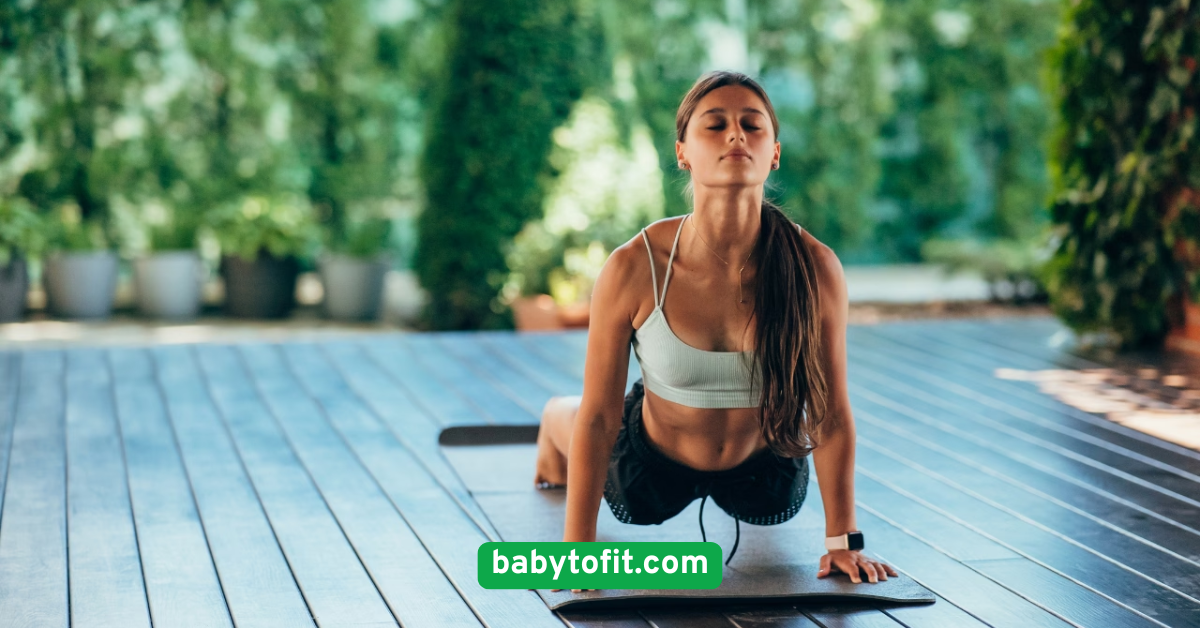
7. Wall Push-Ups
Your upper body deserves love too—especially since feeding, lifting, and rocking your baby puts so much demand on it. Wall push-ups strengthen your arms, shoulders, and chest without the strain of floor push-ups.Stand facing a wall, arms extended, hands flat at shoulder height. Bend your elbows to bring your chest toward the wall, then push back.Do 10–15 reps, focusing on slow, controlled motion. This exercise is not only safe, but also excellent for postural alignment and regaining upper body strength.

8. Cat-Cow Stretch
After weeks (or months) of sleeping in weird positions, hunching over a baby, and carrying loads, your spine needs mobility. Enter: Cat-Cow, a classic yoga move that soothes the back and improves flexibility.Start on hands and knees. Inhale as you arch your back (cow), lifting your head and tailbone. Exhale as you round your spine (cat), drawing your chin to your chest.This flowing movement relieves spinal tension, improves breath awareness, and gently activates the core. It’s incredibly grounding and calming, especially during the emotional ups and downs of postpartum life.Try it for 1–2 minutes a day—you’ll feel a difference almost immediately.
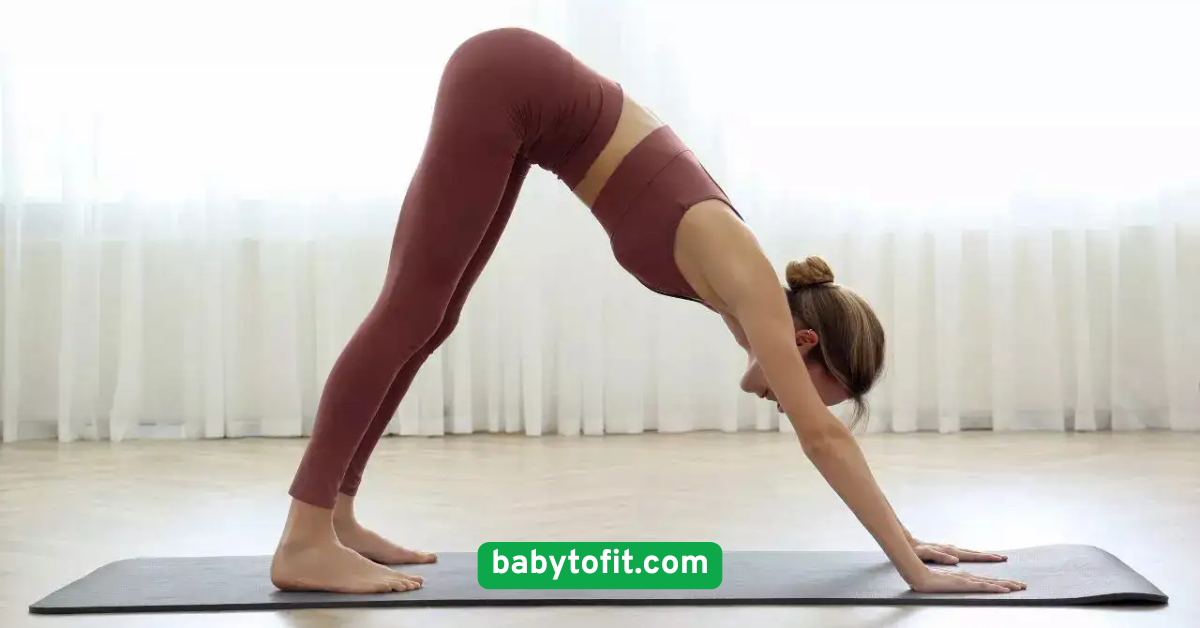
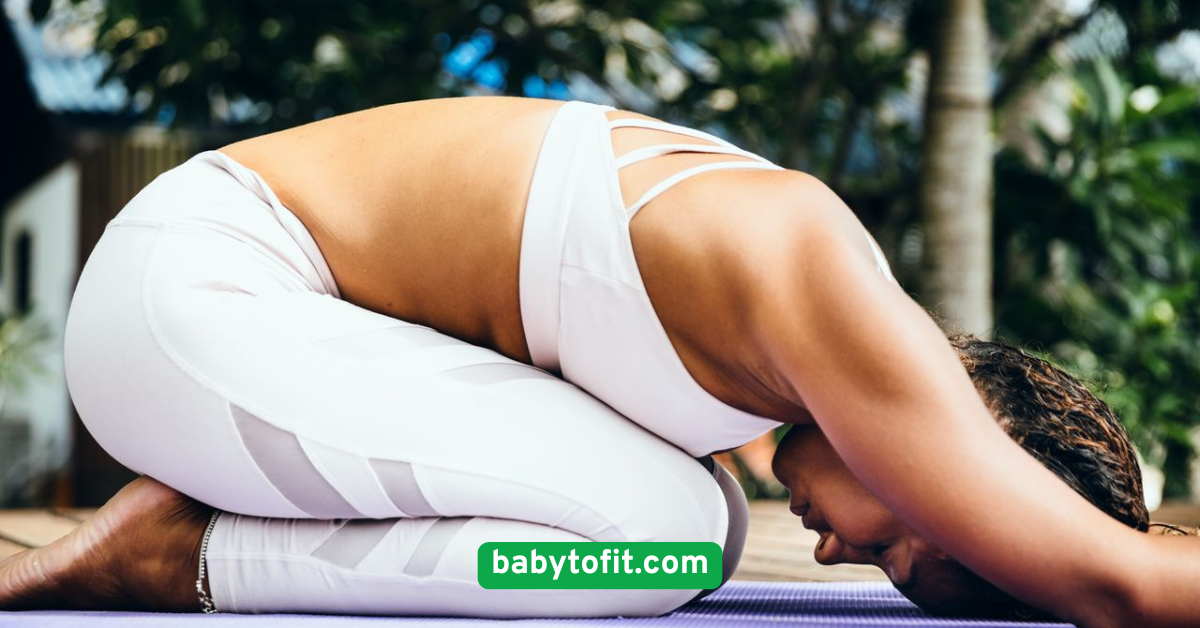
9. Child’s Pose
Sometimes, rest is the workout. Child’s pose is a deeply restorative stretch that opens your hips, stretches your back, and calms the nervous system.From a kneeling position, sit your hips back toward your heels, reaching your arms forward and lowering your forehead to the mat.Breathe deeply here. Let your shoulders relax. Stay for 30 seconds to a few minutes.This pose is especially helpful during fussy baby moments—it provides a moment of calm and centers you emotionally.
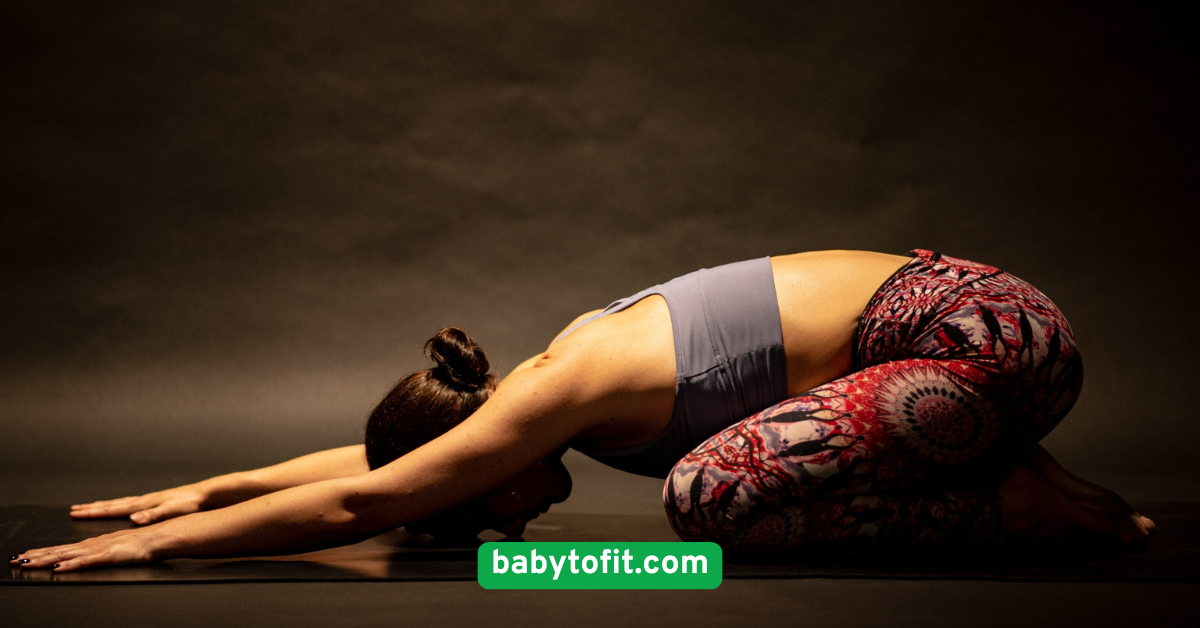
10. Supported Deep Squats
Squatting is one of the most natural movements our bodies can do—and it’s also incredibly functional. Supported deep squats help you regain strength in your legs and pelvic floor while maintaining safety and control.Hold onto a sturdy surface (like a couch or doorframe) and slowly lower into a squat, keeping your heels grounded. Don’t worry about depth; focus on comfort and alignment.This move strengthens your quads, glutes, and pelvic muscles, making everyday tasks like lifting your baby feel easier. Start with 5–10 slow reps and build up gradually.

11. Modified Side Plank
Lie on your side with your knees bent and your elbow under your shoulder. Lift your hips off the ground into a modified side plank. Keep your body aligned from knees to head.This pose strengthens your obliques and pelvic stabilizers while protecting the abdominal wall. Hold for 15–30 seconds, then switch sides. Avoid if you still have significant diastasis recti.Incorporate controlled breathing to enhance stability and core connection.
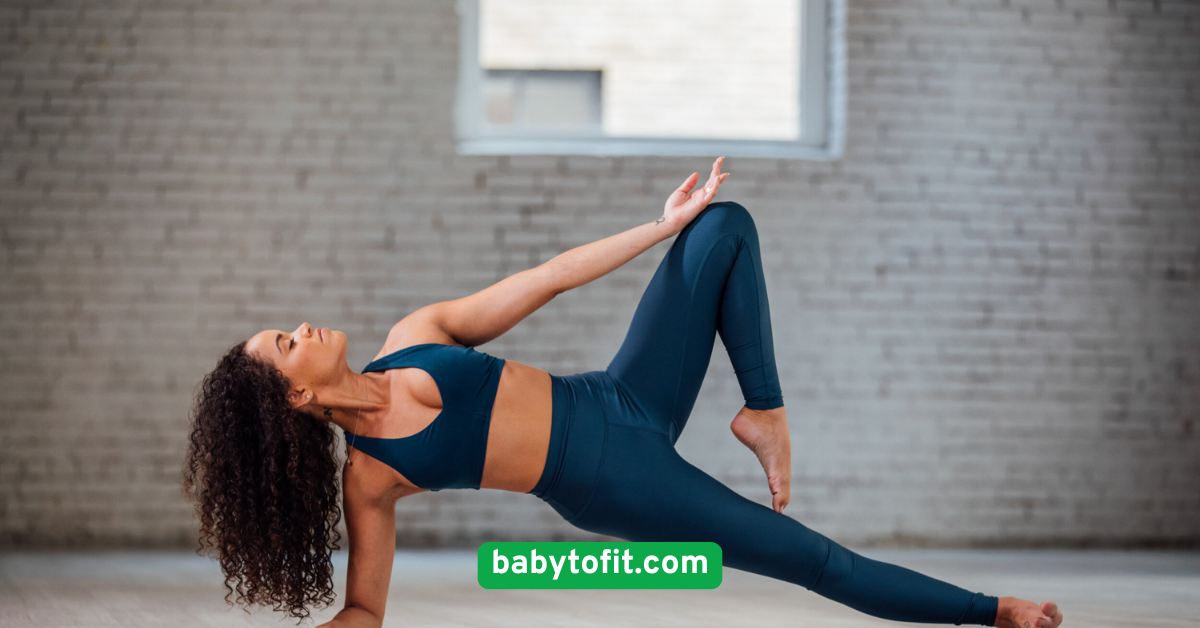
12. Clamshells
Lie on your side with knees bent and feet together. Keeping your feet touching, lift your top knee while keeping your hips stacked.Clamshells activate the gluteus medius, improving pelvic alignment and hip strength. These muscles are often weak post-birth due to pelvic changes.Start with 10–12 reps per side, building to 2–3 sets. Add a resistance band as strength improves.
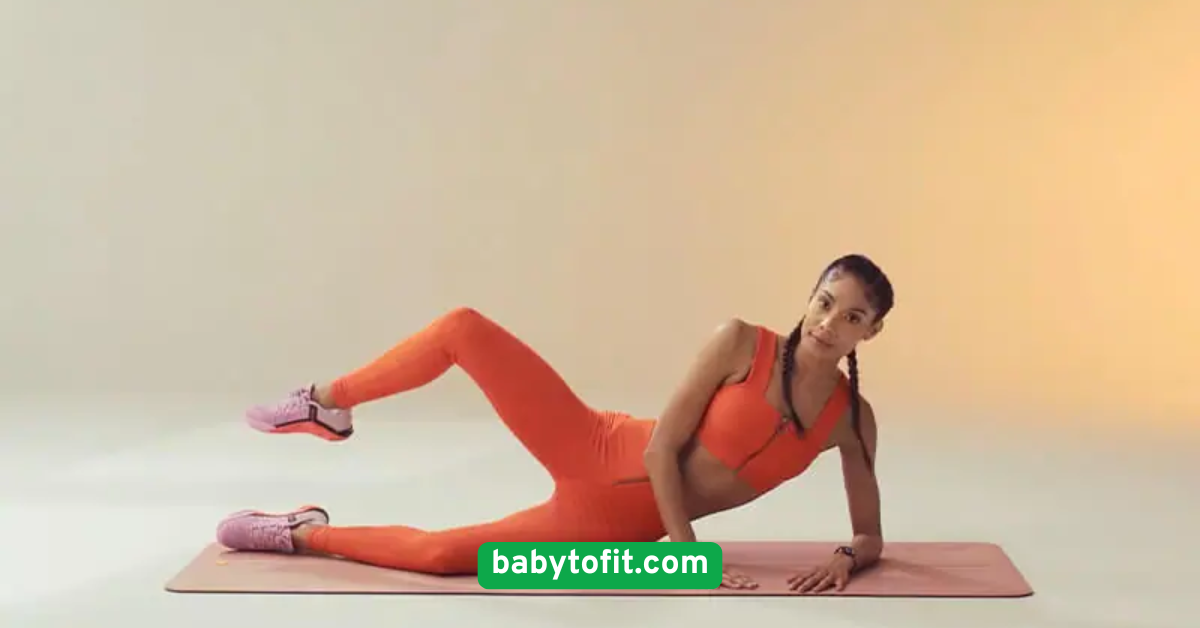
13. Side-Lying Leg Lifts
This gentle leg movement targets your outer thighs and hips. Lie on your side with legs straight. Lift your top leg to hip height, pause, and lower slowly.These lifts promote pelvic and spinal stability and are safe for early recovery. Focus on controlled motion and avoid swinging.Do 10–15 reps on each side, 2–3 rounds.

14. Toe Taps
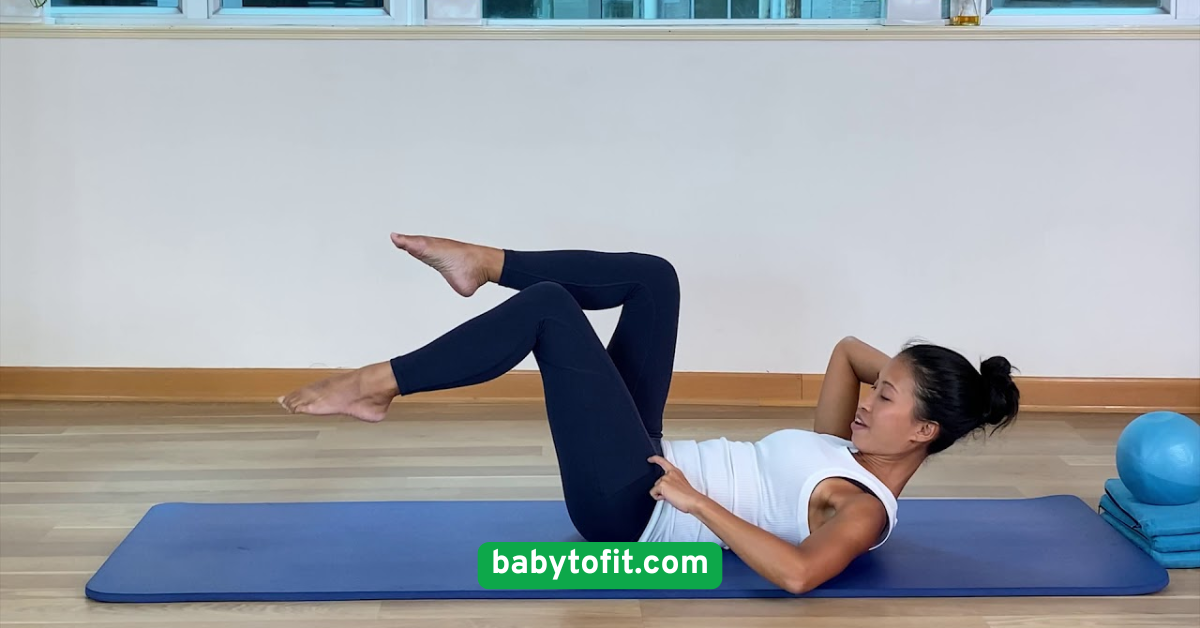
Lie on your back with knees bent in tabletop position. Tap one foot to the ground, then bring it back up. Alternate sides.Toe taps are a core-safe way to engage the lower abdominals and practice pelvic control. Ideal for postpartum moms healing from abdominal separation.Keep the movement slow and exhale with each tap.
15. Babywearing Walks
Strap your baby into a front carrier and head out for a walk. Start with short distances, gradually increasing duration and pace.This light cardio boosts your mood, encourages bonding, and gently rebuilds endurance. Be mindful of posture and supportive footwear.It’s functional, therapeutic, and gets both of you some fresh air.

16. Arm Circles
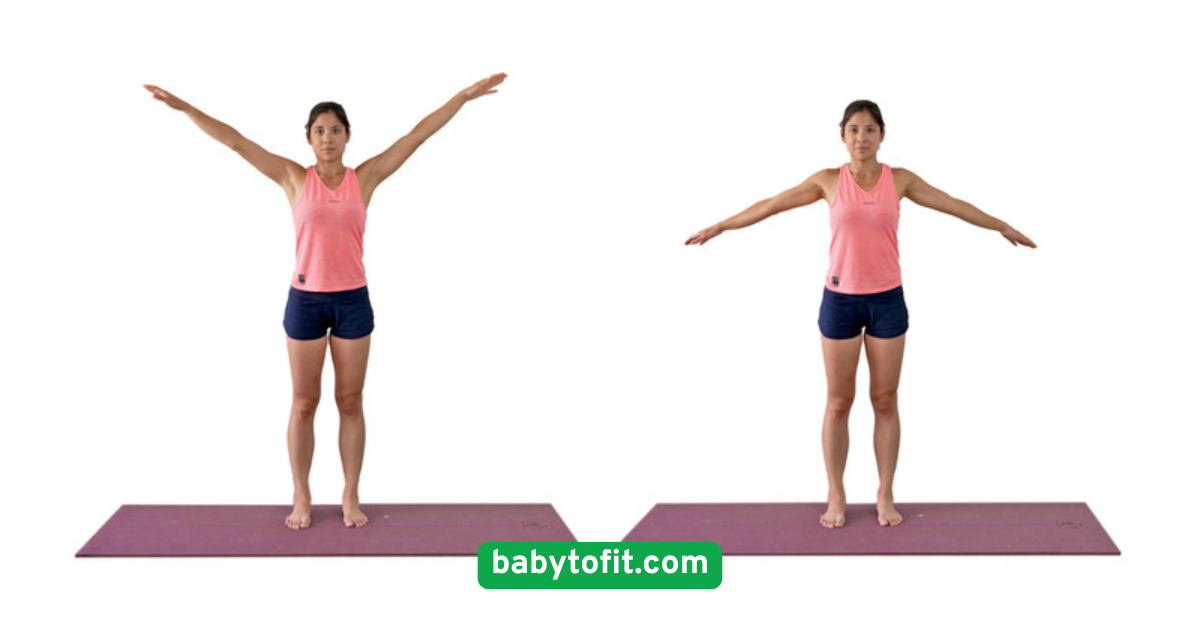
Stand or sit tall. Extend arms to the sides and make small forward and backward circles.This simple move enhances shoulder mobility and helps relieve nursing-related tightness. Combine with gentle stretches for upper body relief.Start with 20–30 seconds in each direction. Keep movements controlled and pain-free.
17. Seated Side Bends
Sit on a chair or yoga block. Extend one arm overhead and bend gently to the side. Alternate sides.This stretch opens the side body and encourages diaphragmatic breathing. It also improves spinal flexibility and can help with posture.Breathe into the stretch and move slowly.

18. Standing Wall Sits
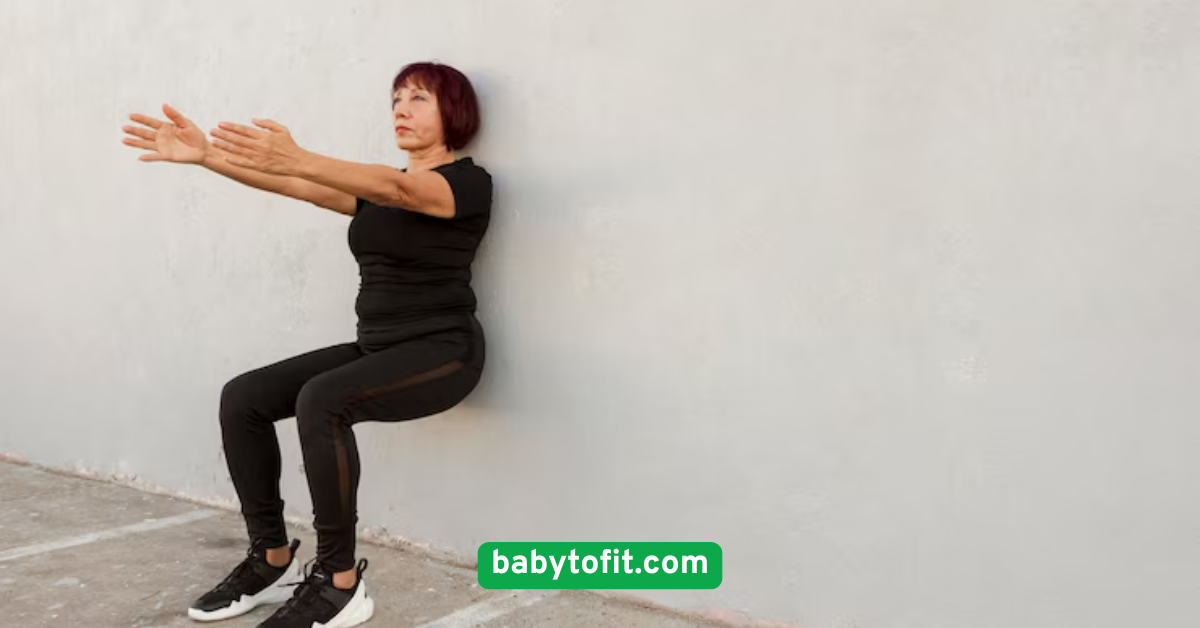
Stand with your back against a wall. Slide down into a squat, keeping knees over ankles. Hold for 10–30 seconds.Wall sits strengthen your legs, glutes, and core. They’re static, low-impact, and build endurance safely.Focus on keeping your core engaged and back flat.
19. Gentle Neck Rolls
Sit or stand comfortably. Drop your chin to your chest and gently roll your head in a half circle from shoulder to shoulder.This relieves neck tension, which is common from feeding or carrying baby. Avoid full circles to protect the cervical spine.Pair with shoulder rolls for extra release.

20. Supine Spinal Twist
Lie on your back with arms extended. Drop your knees to one side while keeping shoulders grounded. Hold, then switch sides.This gentle spinal twist decompresses the lower back, improves digestion, and relieves tension from long days.Use a pillow under your knees for support if needed.

21. Seated Forward Fold
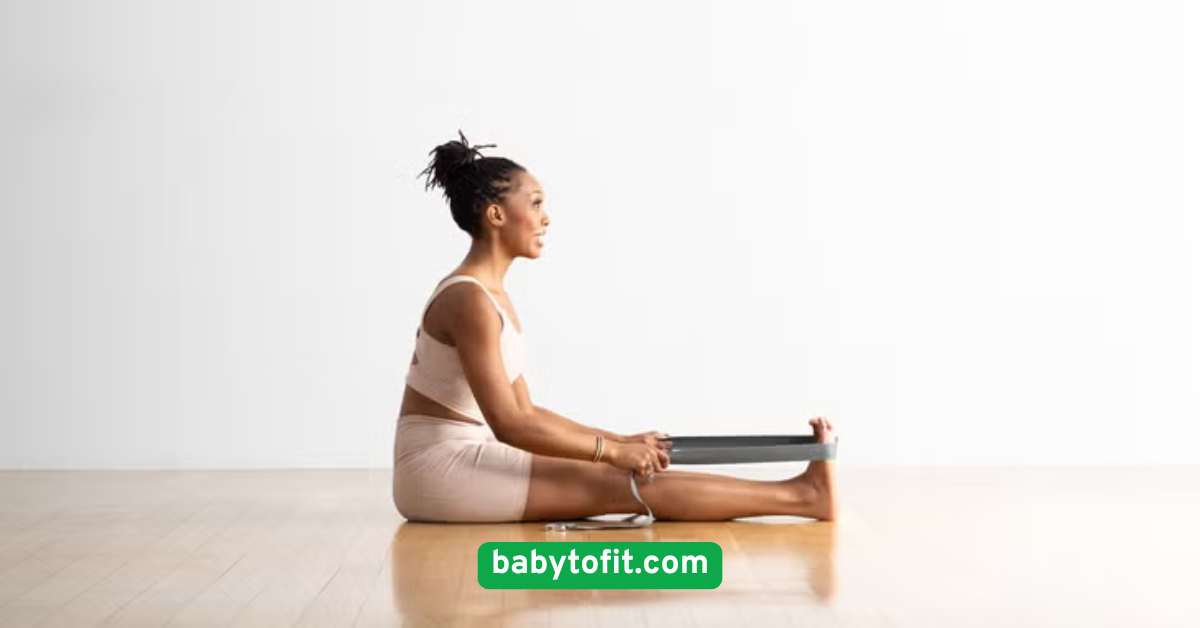
From a seated position, extend your legs and fold forward over them. Keep the back flat and bend from the hips.This stretch targets hamstrings, calves, and lower back. Breathe deeply to relax and release tension.Hold for 20–30 seconds without bouncing.
22. Inclined Push-Ups (Chair or Table)
Place hands on a sturdy surface. Step feet back to a plank position. Bend elbows to lower chest, then push back up.This upper-body move builds strength in the chest, shoulders, and triceps. Inclined push-ups are gentler than traditional floor versions.Do 8–12 reps. Maintain alignment from head to heels.

23. Tabletop Leg Extensions
From hands and knees, extend one leg straight behind you. Hold briefly, then return and switch sides.This exercise works the glutes and deep core while improving balance and coordination. Keep your back flat and avoid arching.Focus on slow, steady motion.
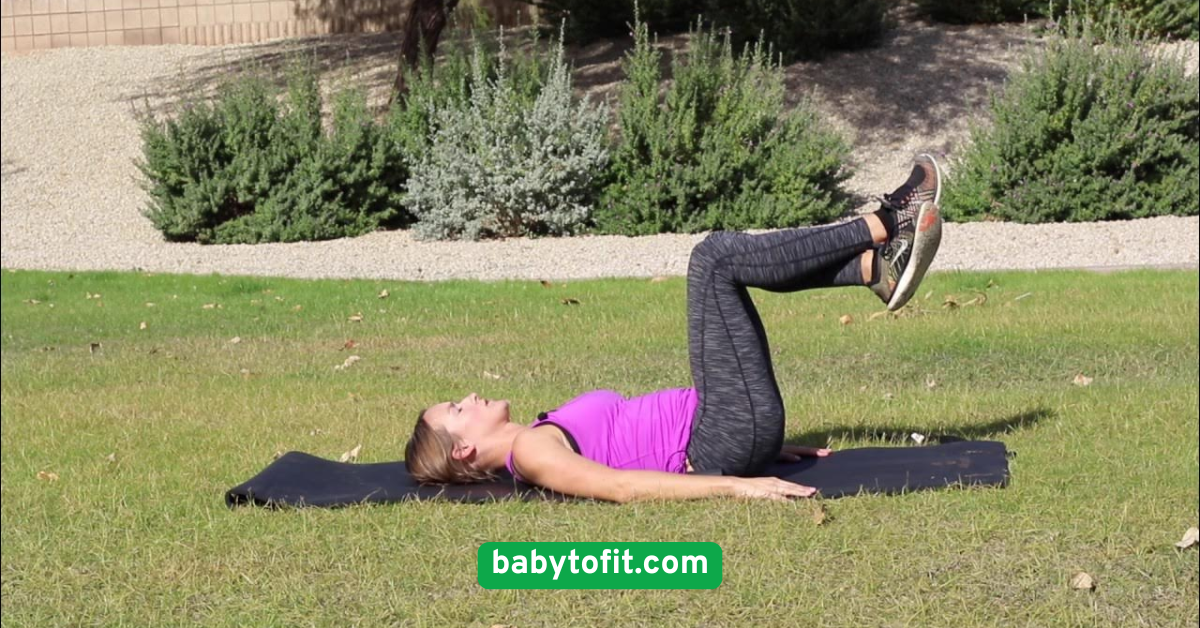
24. Bridge Marches
Start in a glute bridge position. Lift one foot off the ground, then the other, alternating slowly.This variation adds core challenge to standard bridges. It improves stability, coordination, and pelvic strength.Aim for 8 reps per side.
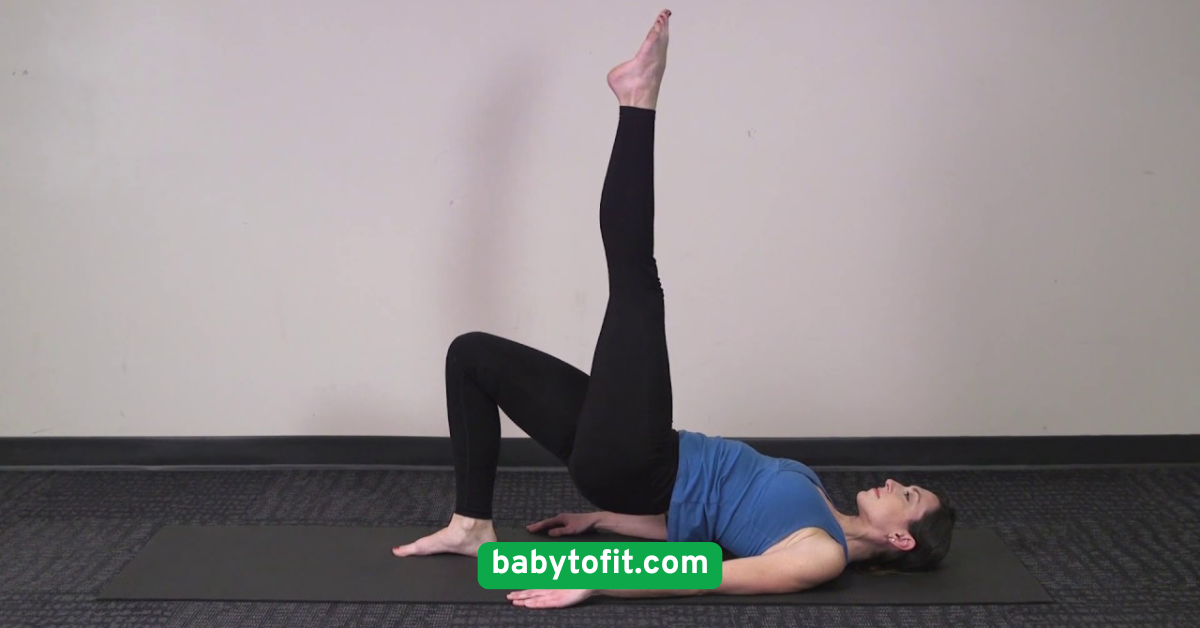
25. Standing Calf Raises
Stand tall, feet hip-width apart. Lift your heels off the ground and slowly lower.This strengthens your calves and promotes circulation, which can help reduce swelling. It also supports ankle stability.Do 15–20 reps.
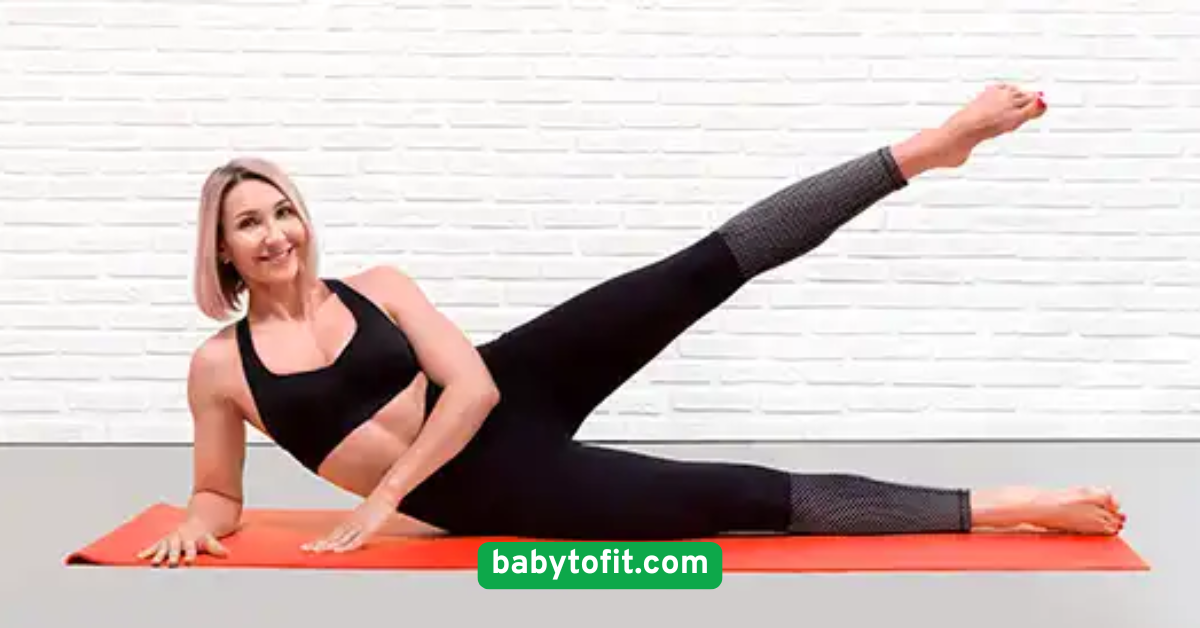
26. Butterfly Stretch
Sit with the soles of your feet together and knees bent outward. Gently press your knees toward the floor.This stretch opens the hips and groin, releasing postpartum tension in the pelvis. Breathe deeply and relax your shoulders.Hold for 20–30 seconds.
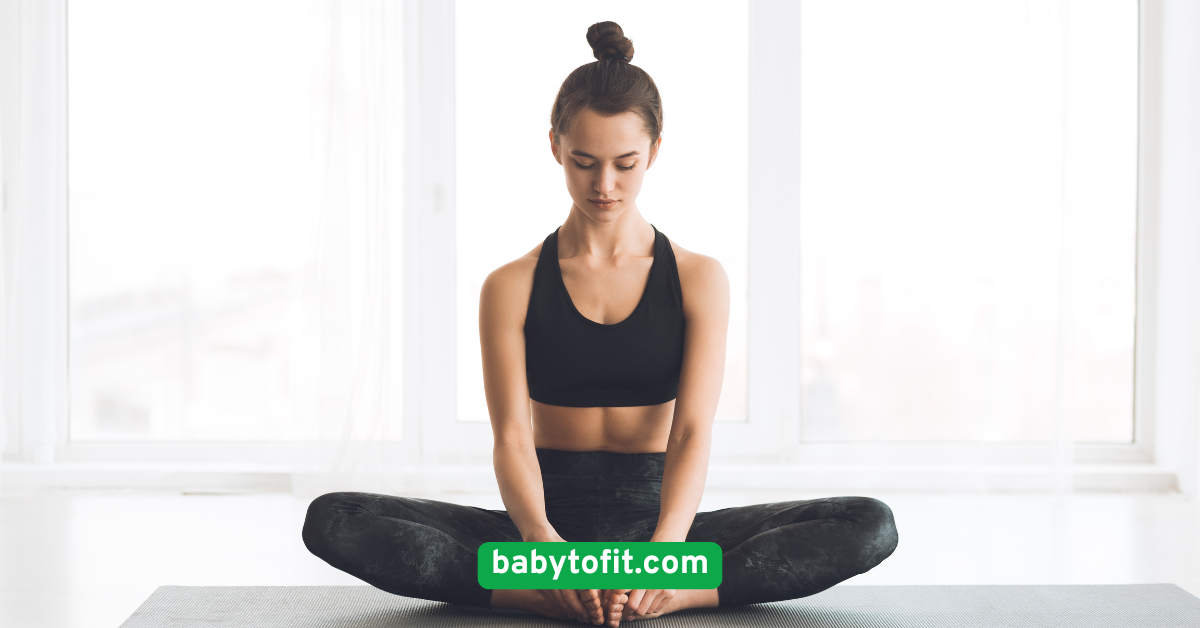
27. Happy Baby Pose
Lie on your back. Bend your knees and grab the outsides of your feet. Pull your knees gently toward your armpits.This pose decompresses the lower back and hips, reduces stress, and encourages emotional release.Rock side to side gently for added benefit.

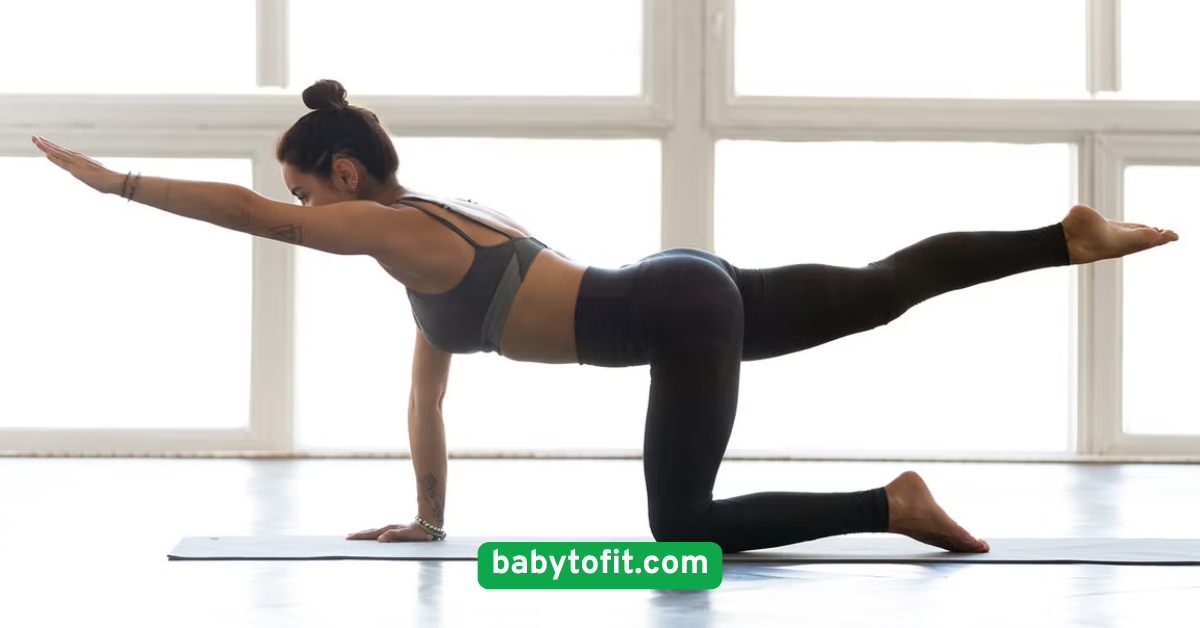
28. Bird-Dog Exercise
From hands and knees, extend one arm and the opposite leg. Hold, return, and switch sides.This movement strengthens the back, glutes, and core while enhancing coordination and posture.Perform 8–10 reps each side, focusing on control.
29. Shoulder Blade Squeezes
Sit or stand tall. Squeeze your shoulder blades together, hold, and release.This simple move restores posture and strengthens upper back muscles, counteracting forward-rounded positions from baby care.Repeat 10–15 times.

30. Supported Savasana (Relaxation Pose)
Lie on your back with knees elevated on a pillow or bolster. Let your arms rest by your sides.This pose allows complete relaxation, calms the nervous system, and supports emotional recovery.Stay here for 5–10 minutes. Use soft music or affirmations if desired.

Conclusion
Postpartum recovery is not linear—and it’s certainly not one-size-fits-all. These 30 gentle postpartum workouts aren’t about sweating it out or “snapping back.” They’re about restoring, reconnecting, and honoring your body for what it has just accomplished. Healing takes time. Progress takes patience. But with consistent, mindful movement, you will regain your strength—one breath, one rep, one walk at a time.
You’re not just rebuilding muscles. You’re rebuilding trust with your body. So whether you’re doing a two-minute breathing exercise or a full-body circuit, know this: you’re doing enough.
Be kind to yourself. Celebrate the small wins. And if you ever need to take a break and just hold your baby—that counts too.


