5 Gentle Postpartum Workouts to Regain Strength in 2025
Research shows that consistent, mindful postpartum exercise can improve muscle tone, reduce back pain, and enhance mental well-being. Plus, they offer a wonderful way to reconnect with your body during this transformational time. Whether you’re a first-time mom or adding to your family, these five gentle workouts can help you regain your strength safely and effectively. Let’s explore how you can ease into fitness and feel stronger every day!
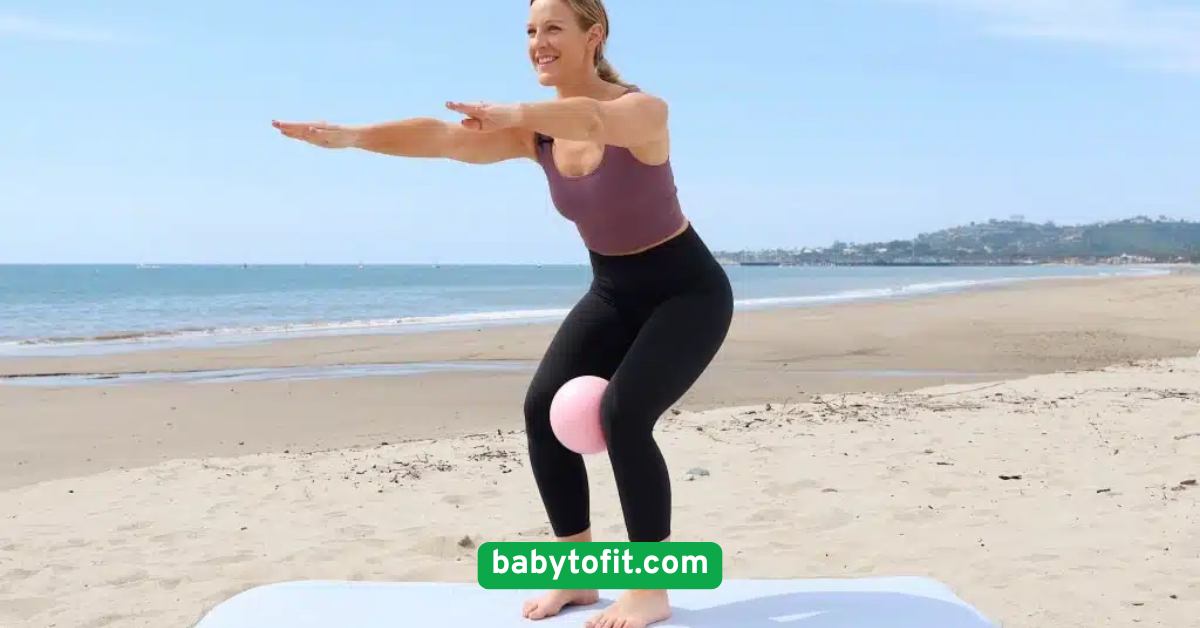
1. Pelvic Floor Exercises (Kegels)
After childbirth, your pelvic floor muscles undergo significant stress. Strengthening these muscles is crucial because they support your bladder, uterus, and bowels, and help maintain core stability. Pelvic floor exercises, commonly known as Kegels, are simple yet powerful moves to restore muscle tone and prevent issues like incontinence.To perform a Kegel, imagine trying to stop the flow of urine midstream. Contract those muscles, hold for 5 seconds, then relax for the same duration. Repeat this 10 to 15 times per session, aiming for three sessions daily. It’s essential to breathe normally and avoid tightening your abdomen or buttocks while doing Kegels to ensure you’re targeting the right muscles.The beauty of pelvic floor exercises lies in their subtlety—you can do them almost anywhere, anytime! Gradually increasing the length of holds and the number of repetitions over weeks can yield impressive results. Strengthening your pelvic floor not only aids physical recovery but also enhances your comfort and confidence in daily life.
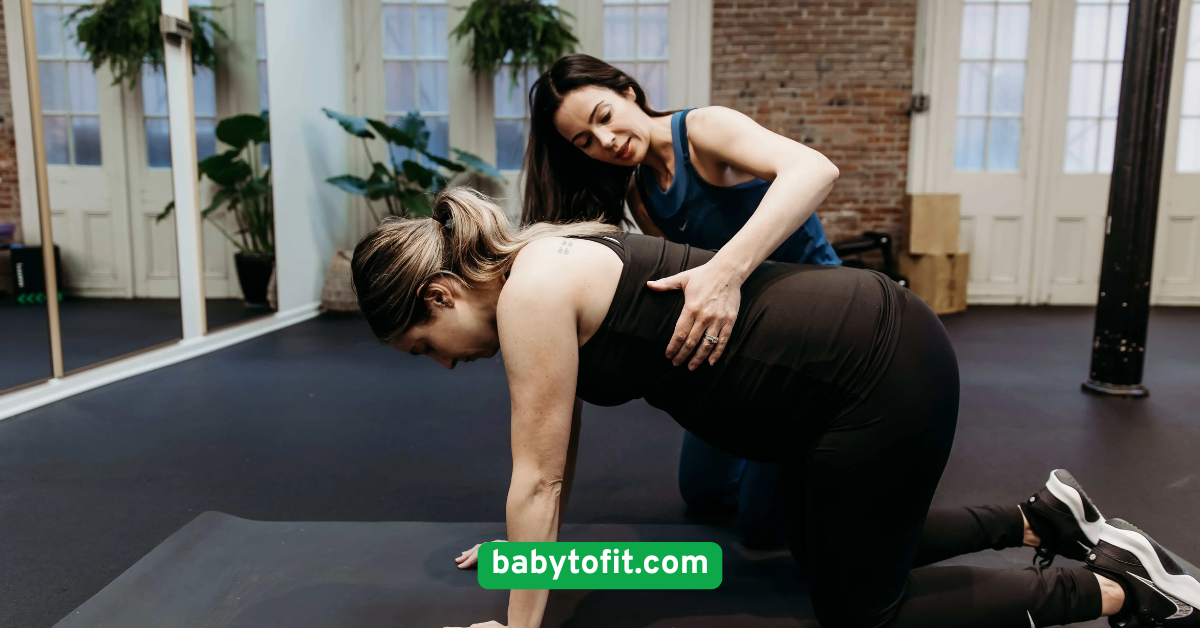
2. Diaphragmatic Breathing and Core Activation
Breathing deeply and consciously can do wonders for your postpartum core recovery. Diaphragmatic breathing, also known as belly breathing, engages your core muscles and promotes relaxation, both of which are vital for healing. This technique helps gently strengthen the transverse abdominis, a deep abdominal muscle often weakened by pregnancy.To practice diaphragmatic breathing, lie on your back or sit comfortably. Place one hand on your chest and the other on your belly. Inhale slowly through your nose, allowing your belly to rise as your diaphragm expands, while your chest remains relatively still. Exhale through your mouth, drawing your belly inward toward your spine, engaging the core.This mindful breathing supports better posture and reduces tension in your lower back—a common complaint postpartum. Incorporating this exercise into your daily routine enhances your awareness of your core muscles, setting a solid foundation for more active postpartum workouts.
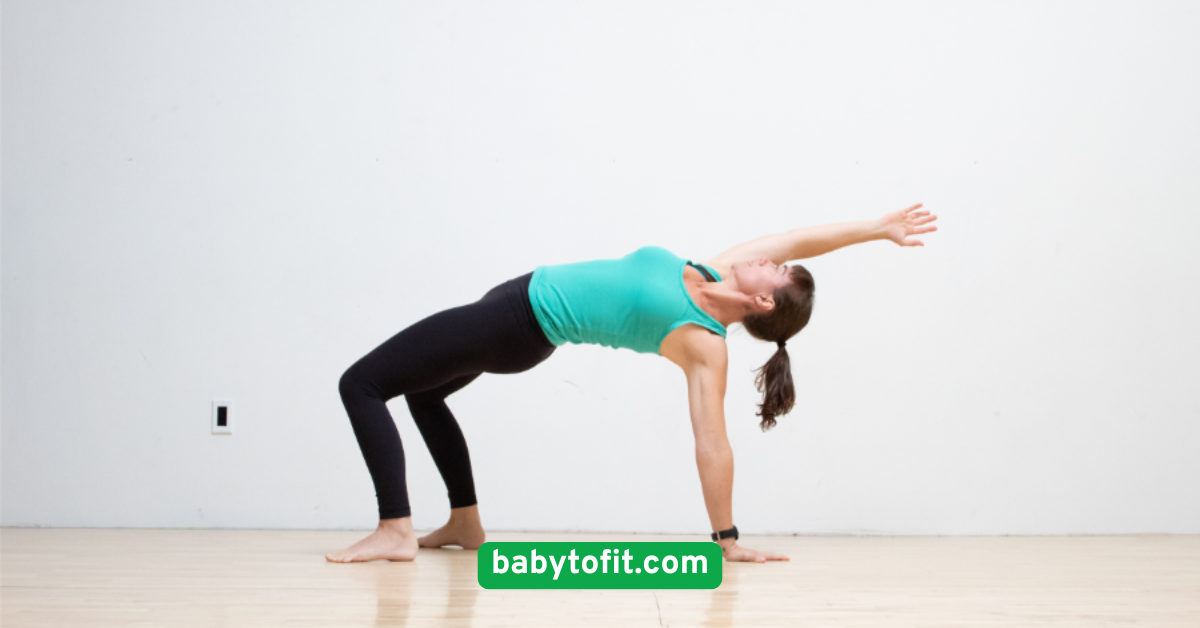
3. Modified Bridges
Bridges are excellent for strengthening your glutes, lower back, and pelvic muscles, but postpartum recovery requires a gentle, modified approach. The modified bridge helps rebuild these muscles while keeping pressure off the abdomen, making it ideal for new moms.To do a modified bridge, lie on your back with knees bent and feet flat on the floor, hip-width apart. Slowly lift your hips toward the ceiling, engaging your glutes and core, but without overarching your lower back. Hold for a few seconds, then lower down slowly. Start with 8-10 repetitions and increase as your strength improves.This exercise supports pelvic alignment and alleviates back pain by strengthening the muscles that stabilize your spine. It’s a safe, budget-friendly workout you can do at home without any special equipment. Over time, bridges can also enhance your posture, helping you carry your baby more comfortably.
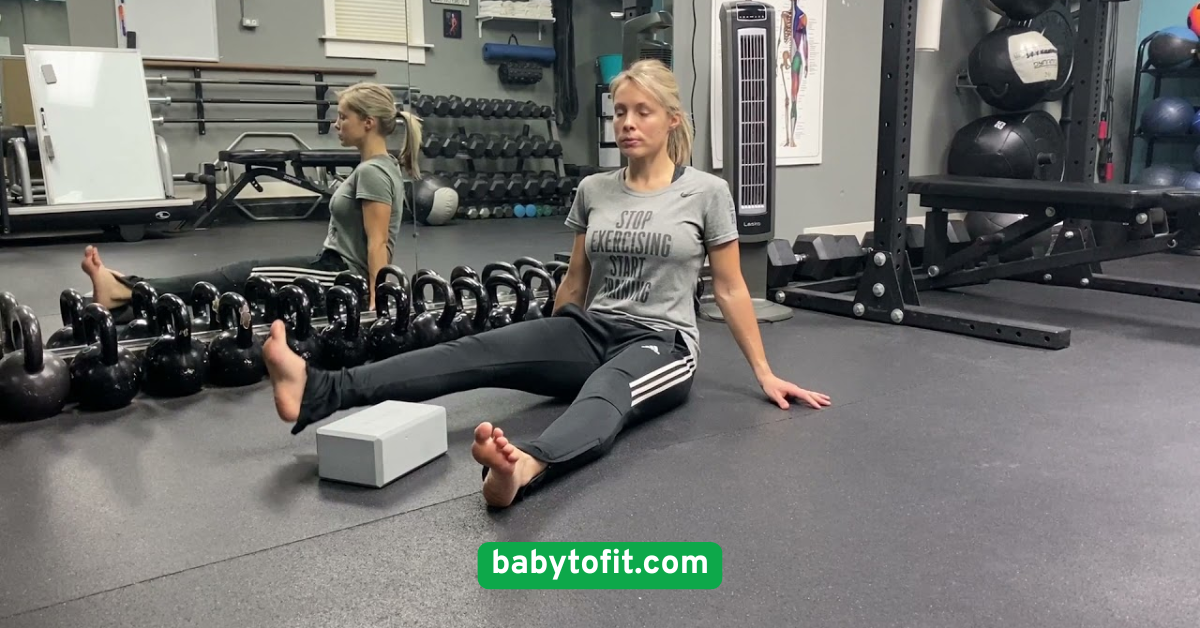
4. Seated Leg Lifts
Seated leg lifts are gentle but effective for toning the lower abs and hip flexors, which often weaken during pregnancy and childbirth. This exercise avoids straining your abdomen while promoting improved mobility and strength.Sit on a sturdy chair with your back straight and feet flat on the floor. Slowly lift one leg straight out in front of you, hold for 3 seconds, then lower it back down. Alternate legs, aiming for 10-15 repetitions on each side.Because this exercise can be done while sitting, it’s perfect for busy moms who may not have the time or energy for standing workouts. Seated leg lifts improve your ability to perform daily activities like walking, standing, and climbing stairs—helping you regain independence quickly and safely.
5. Wall Push-Ups
Upper body strength is often overlooked in postpartum recovery but is essential for lifting and carrying your baby comfortably. Wall push-ups are a safe, low-impact way to rebuild strength in your arms, shoulders, and chest without overtaxing your body.Stand an arm’s length from a wall and place your hands flat against it, shoulder-width apart. Slowly bend your elbows, bringing your chest toward the wall while keeping your body straight. Push back to the starting position. Begin with 8-12 repetitions and gradually increase over time.This workout is easy to modify by adjusting your distance from the wall, making it perfect for beginners. Wall push-ups improve muscle tone and endurance, supporting your daily tasks like holding your baby and lifting household items with greater ease.
Conclusion
Recovering from childbirth takes time, patience, and self-compassion. Incorporating these five gentle postpartum workouts—pelvic floor exercises, diaphragmatic breathing, modified bridges, seated leg lifts, and wall push-ups—can help you regain your strength safely and steadily. These exercises not only support your physical healing but also boost your confidence and energy during this precious phase of motherhood.
Remember, listen to your body, progress at your own pace, and consult your healthcare provider before starting any new exercise routine. With consistent effort and care, you’ll feel stronger and more vibrant each day. Why wait? Begin your postpartum fitness journey today and embrace the power of gentle movement!


