7 Gentle Postpartum Workouts for Busy Moms
Did you know that just a few minutes of targeted movement a day can dramatically improve your mood, reduce postpartum discomfort, and increase your stamina? It’s true! These simple exercises are designed to fit seamlessly into your busy schedule and respect your body’s healing process. Whether you’re a first-time mom or adding to your growing family, these seven gentle workouts are here to support your postpartum journey with kindness and care. Ready to feel stronger and more energized? Let’s get moving!
1. Diaphragmatic Breathing
Diaphragmatic breathing, sometimes called belly breathing, is a foundational exercise that often goes overlooked but holds immense benefits—especially in the postpartum period. This breathing technique helps calm the nervous system and reconnects you with your deep core muscles, which are essential for recovery after childbirth. Many new moms feel overwhelmed or anxious, and diaphragmatic breathing is a powerful way to reduce stress and bring focus back to your body.
To practice, find a comfortable seated or lying position. Place one hand on your chest and the other on your belly. Inhale slowly through your nose, letting your belly rise as you fill your lungs with air, while keeping your chest relatively still. Then, exhale gently through your mouth, drawing your belly inward. Repeat this for 5 to 10 minutes daily. Not only does this boost oxygen flow, but it also activates your transverse abdominis—the deep core muscle that supports your spine and pelvic floor.
Integrating diaphragmatic breathing into your daily routine can help with energy levels, reduce tension headaches, and even improve digestion. It’s an excellent way to start your workout or unwind after a long day. For busy moms, this simple practice is a nurturing moment of self-care that restores balance and builds a solid foundation for more active postpartum exercises.
2. Pelvic Tilts
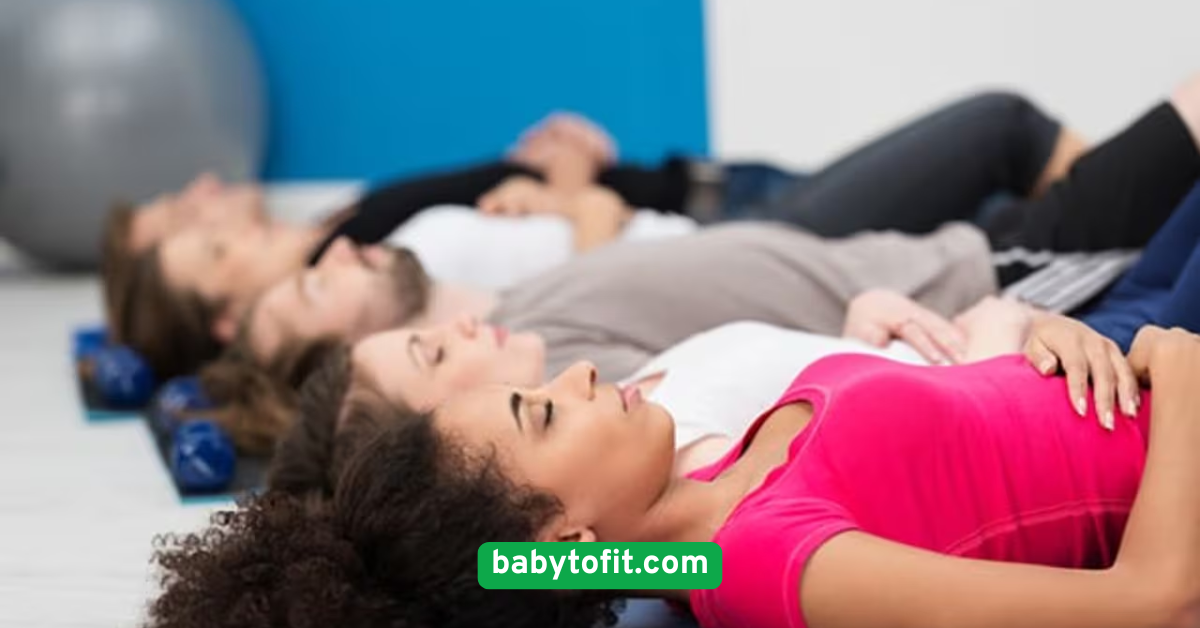
Pelvic tilts are a gentle and highly effective exercise to relieve lower back pain and strengthen the pelvic floor—two common postpartum concerns. After pregnancy, the pelvis often loses its optimal alignment due to weight changes and hormonal shifts, causing discomfort or instability. Pelvic tilts help restore proper alignment and reconnect your core muscles.
To perform pelvic tilts, lie on your back with knees bent, feet flat on the floor, and arms relaxed at your sides. Take a deep breath in, and as you exhale, gently tilt your pelvis upward by pressing your lower back into the floor and engaging your abdominal muscles. Hold the tilt for a few seconds before releasing back to the neutral position. Aim for 10 to 15 slow, controlled repetitions.
This exercise can be done multiple times a day and is particularly beneficial during the early postpartum weeks. Pelvic tilts help ease back tension, improve circulation in the pelvic region, and support bladder control by activating pelvic floor muscles. For busy moms, this exercise requires no special equipment and can even be done while watching your baby or resting, making it easy to fit into a hectic day.
3. Glute Bridges
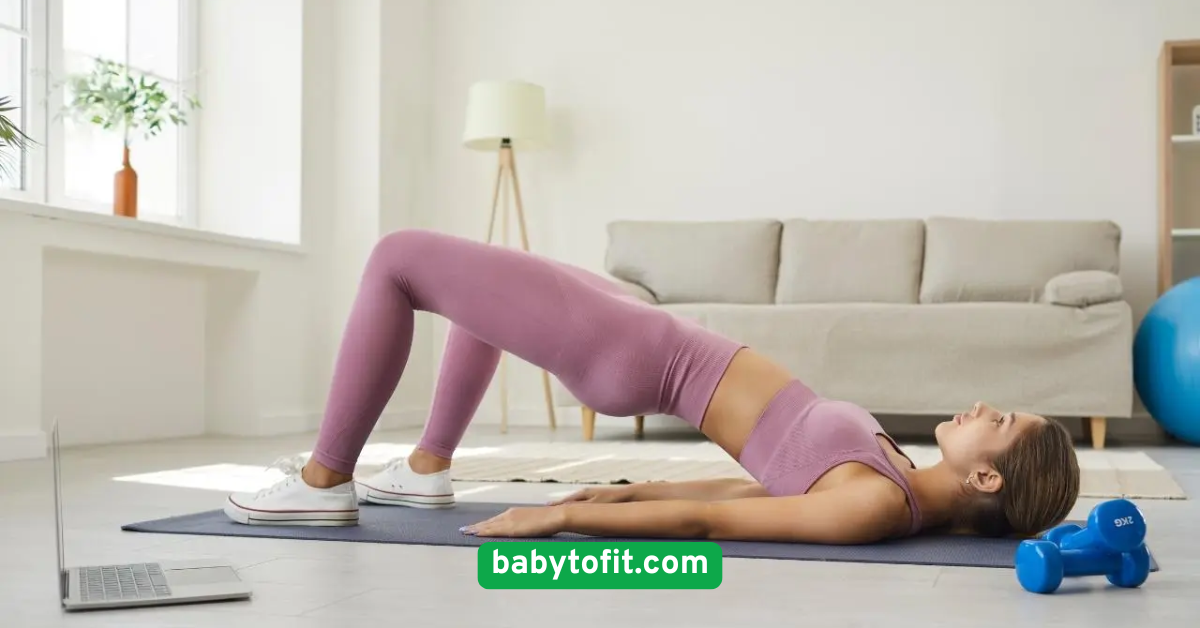
Strengthening your glutes is vital for restoring posture and reducing lower back pain postpartum, and glute bridges are a perfect exercise to achieve this. Pregnancy and delivery often leave the gluteal muscles weak, which can impact your balance and the way you carry your baby throughout the day.
To perform a glute bridge, lie on your back with your knees bent, feet flat on the floor, and arms resting beside you. Press through your heels to lift your hips off the floor, squeezing your glutes at the top. Hold this position for a few seconds before lowering your hips down slowly. Aim for 10 to 15 repetitions.
Glute bridges not only strengthen your hips but also engage your hamstrings and core, promoting better alignment and reducing the risk of injury. This exercise can be especially helpful for moms who experience discomfort while standing or walking for extended periods. Best of all, it’s a quiet, low-impact move that can be done anytime, even during nap time!
4. Seated Marches
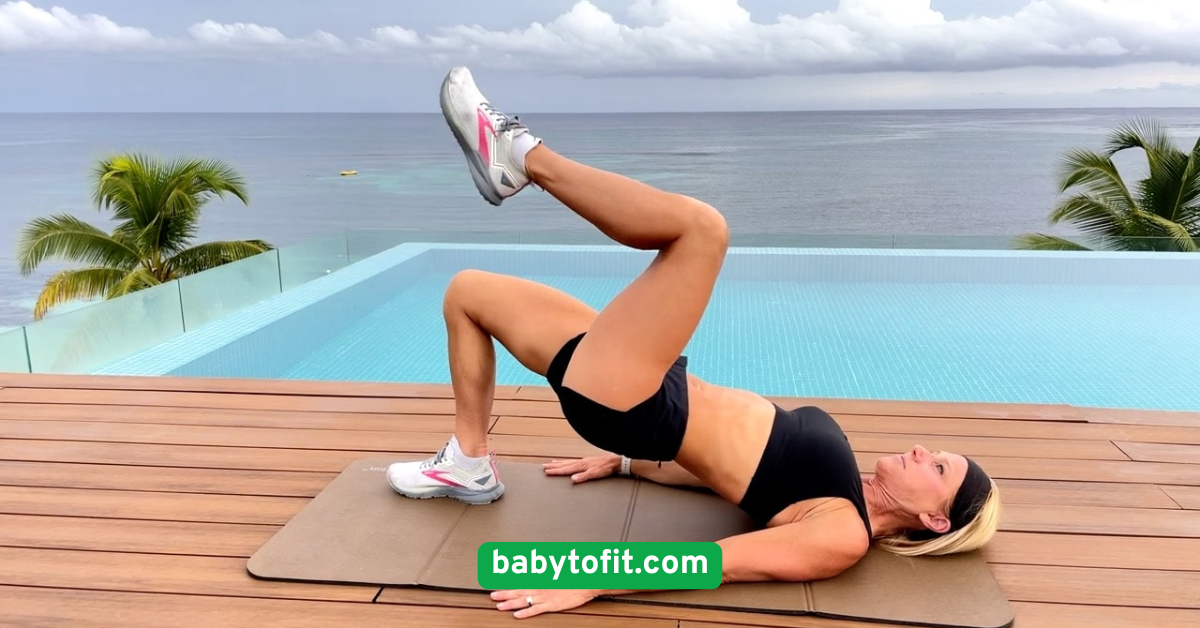
Seated marches are a low-impact, convenient way to get your heart rate up and improve circulation without the stress of standing or high-intensity cardio. For busy postpartum moms, this exercise can be done almost anywhere—whether you’re feeding your baby, sitting at your desk, or taking a short break.
To do seated marches, sit tall in a chair with your feet flat on the ground. Engage your core and lift one knee towards your chest, then lower it and lift the other leg, mimicking a marching motion. Move at a comfortable pace for 30 seconds to one minute, gradually increasing as you build stamina.
This simple movement helps activate your hip flexors and core muscles, while promoting better circulation in your legs—especially helpful if you experience swelling or fatigue. It’s an energizing exercise that can easily be woven into your day without needing extra time or space. For moms juggling endless tasks, seated marches offer a practical, effective way to stay active.
5. Wall Push-Ups
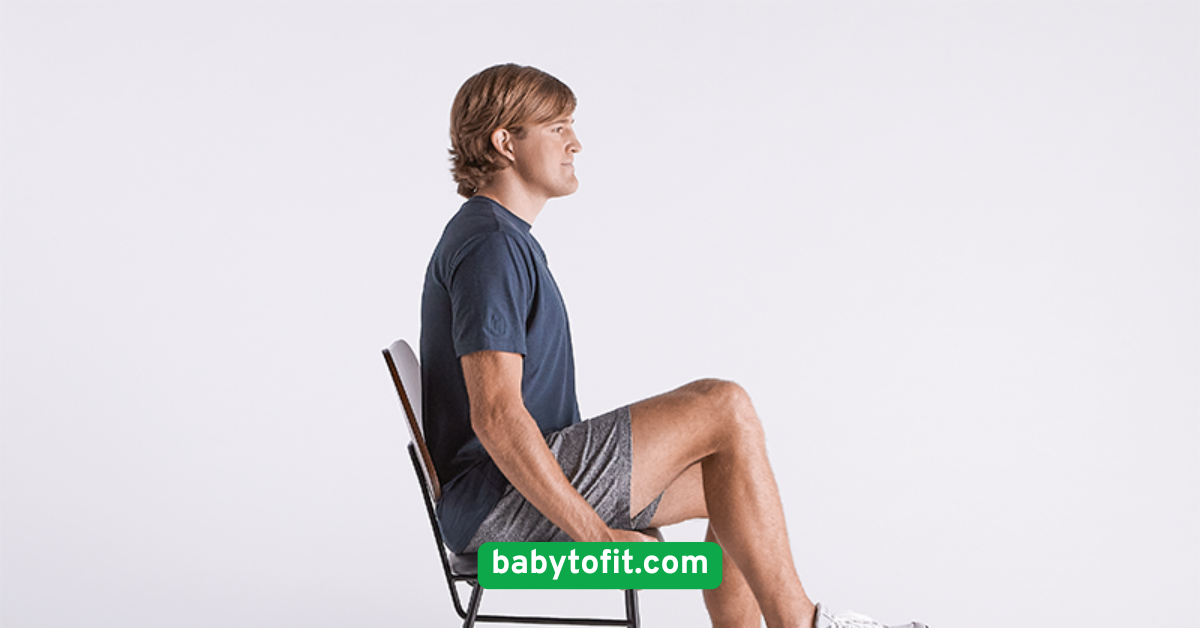
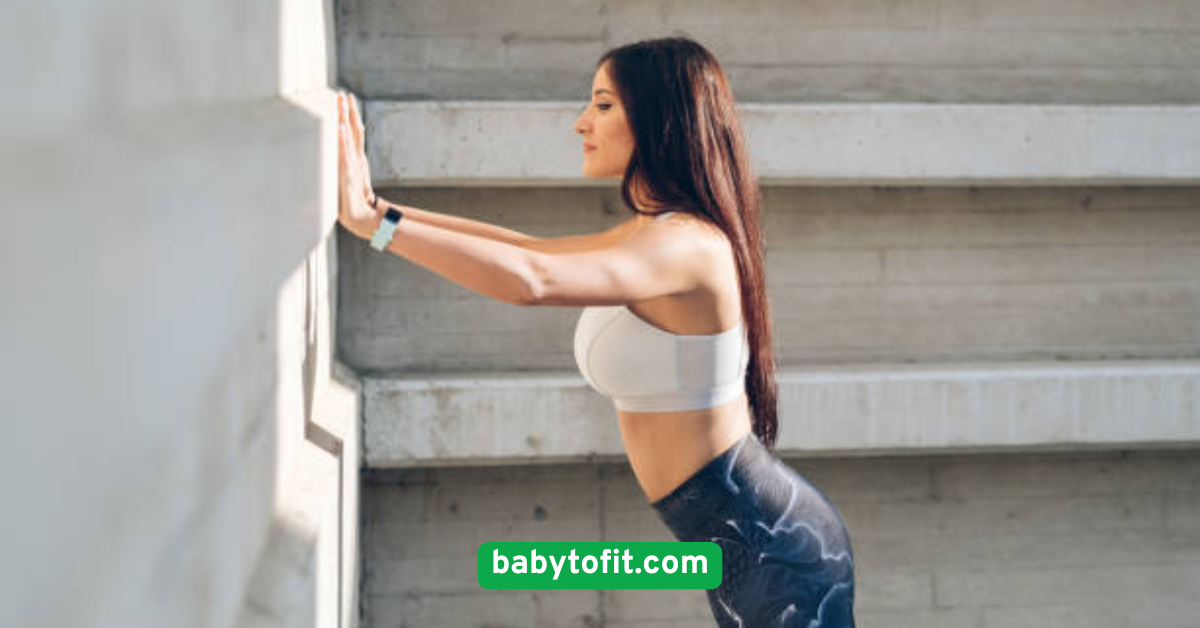
Wall push-ups provide a gentle introduction to upper body strength training, which is essential for moms who are constantly lifting, carrying, and nursing their babies. Unlike traditional push-ups, this variation reduces stress on the wrists and shoulders, making it safe for postpartum recovery.
Stand facing a wall, about an arm’s length away. Place your hands shoulder-width apart on the wall at chest level. Keep your body straight and core engaged as you slowly bend your elbows to bring your chest towards the wall. Pause briefly, then push back to the starting position. Aim for 10 to 15 controlled repetitions.
This exercise helps strengthen the chest, shoulders, and triceps while promoting better posture—key for preventing the rounded shoulders and upper back pain common in new moms. Wall push-ups can be performed in short bursts throughout the day, making them perfect for busy schedules.
6. Side-Lying Leg Lifts
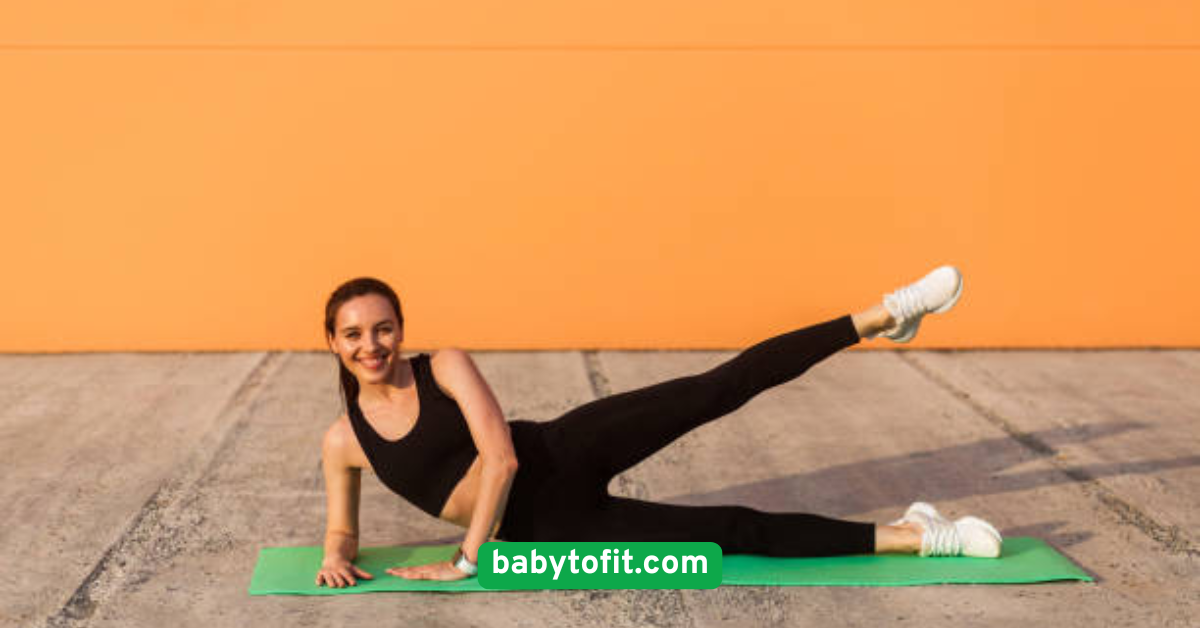
Side-lying leg lifts target the hip abductors, which support pelvic stability—a crucial aspect of postpartum recovery. Weak hip muscles can contribute to imbalance, discomfort, and lower back pain, so strengthening them helps improve functional movement and reduce injury risk.
Lie on your side with your legs stacked and knees slightly bent. Keep your hips aligned and core engaged. Slowly lift the top leg upward, pause briefly, then lower it back down with control. Perform 10 to 15 repetitions on each side.
This exercise is low impact and can be done anywhere, making it easy to fit into your daily routine. It’s especially helpful for moms returning to walking or light exercise and looking to build strength gradually. Side-lying leg lifts also support better balance, which is important as your body adapts to new demands.
7. Supine Heel Slides
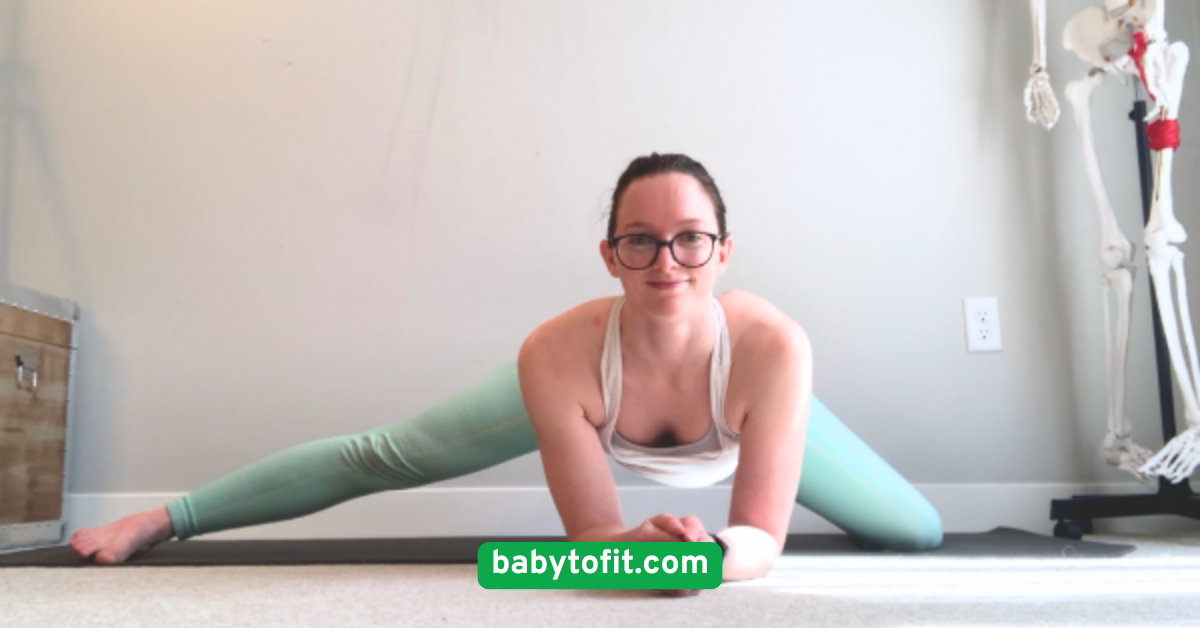
Supine heel slides are a gentle movement designed to engage your pelvic floor and deep core muscles, encouraging pelvic stability and mobility. This exercise is ideal for early postpartum stages when you want to move without strain.
Lie on your back with your knees bent and feet flat on the floor. Slowly slide one heel away from your body, extending the leg while keeping your core engaged and pelvis stable. Return your foot to the starting position and repeat with the other leg. Perform 10 to 15 repetitions per side.
Heel slides help restore strength and control to muscles affected by pregnancy and delivery. They also improve blood flow and reduce stiffness. Incorporating this exercise into your routine can help you feel more connected to your body and ready to progress to more dynamic movements.
Conclusion
Being a busy mom means your time and energy are precious. Yet, caring for your postpartum body through gentle workouts is one of the best gifts you can give yourself. These 7 gentle postpartum exercises—diaphragmatic breathing, pelvic tilts, glute bridges, seated marches, wall push-ups, side-lying leg lifts, and supine heel slides—are designed to fit your busy lifestyle while supporting your healing journey.
Remember, postpartum recovery is not a race. Listening to your body, moving mindfully, and celebrating small victories will lead to lasting strength and wellness. You don’t need hours in the gym; just a few minutes each day can help boost your energy, improve posture, and ease discomfort. So, take a deep breath, start with one or two of these moves, and enjoy the process of reconnecting with your incredible postpartum body. You’ve got this, mama!


