7 Safe Postpartum Workouts for New Moms
1. Pelvic Floor Kegels
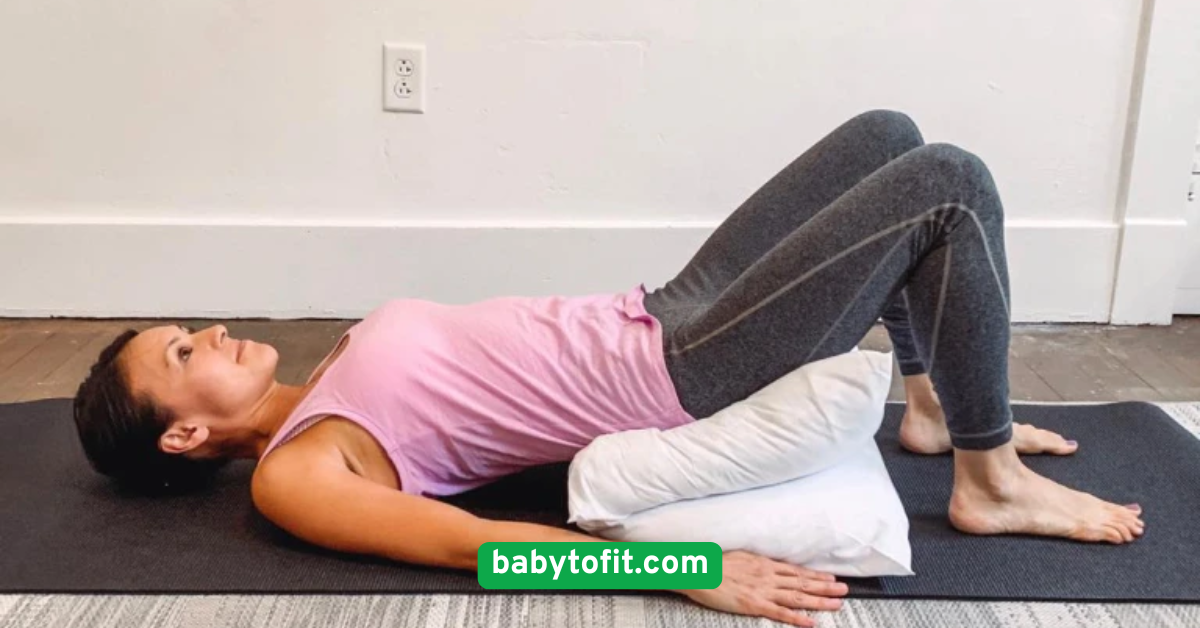
Pelvic floor muscles undergo a lot of stress during pregnancy and childbirth. Strengthening them is crucial for new moms to prevent urinary incontinence, improve pelvic stability, and support internal organs. Kegel exercises are one of the simplest yet most effective ways to tone these muscles.To perform a Kegel, first, identify your pelvic floor muscles by trying to stop urine midstream (only as a test, not regularly!). Once identified, contract these muscles for a slow count of five, then release for five. Repeat this 10-15 times, aiming for three sets daily. Consistency is key here — regular practice yields the best results.What many new moms don’t realize is how much proper breathing enhances Kegels. Pairing these contractions with deep diaphragmatic breathing relaxes surrounding muscles and improves blood flow. Remember, the goal isn’t to strain but to engage these muscles gently. Start slow and build up over weeks.
2. Diaphragmatic Breathing
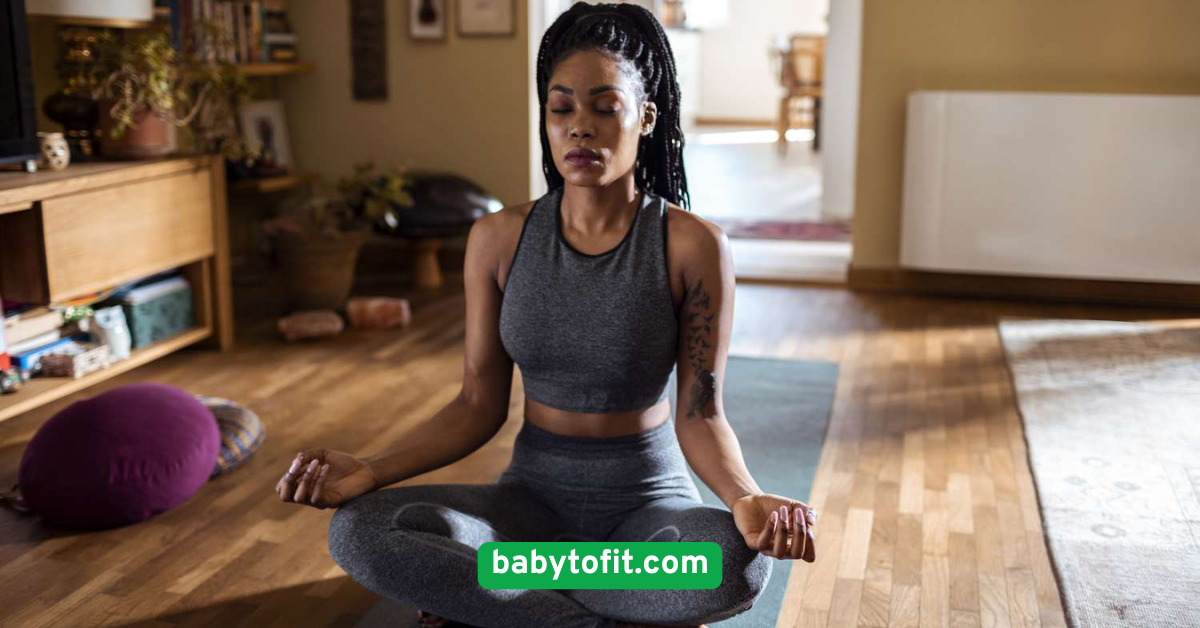
Breathing deeply may sound basic, but it’s a powerhouse tool for postpartum recovery. Diaphragmatic breathing activates the deep core muscles while calming your nervous system — something new moms desperately need amidst sleep deprivation and stress.To practice, lie on your back with knees bent or sit comfortably. Place one hand on your belly and the other on your chest. Inhale slowly through your nose, allowing your belly to rise while keeping your chest relatively still. Exhale fully, feeling your belly fall. This slow, rhythmic breathing not only strengthens your core but also reduces cortisol levels — the stress hormone.Incorporating diaphragmatic breathing several times a day improves oxygen flow, promotes relaxation, and gently re-engages your abdominal muscles. It’s also a fantastic way to prepare your body for more challenging postpartum workouts. The best part? You can do it anytime, anywhere — even while soothing your baby!
3. Bridge Pose
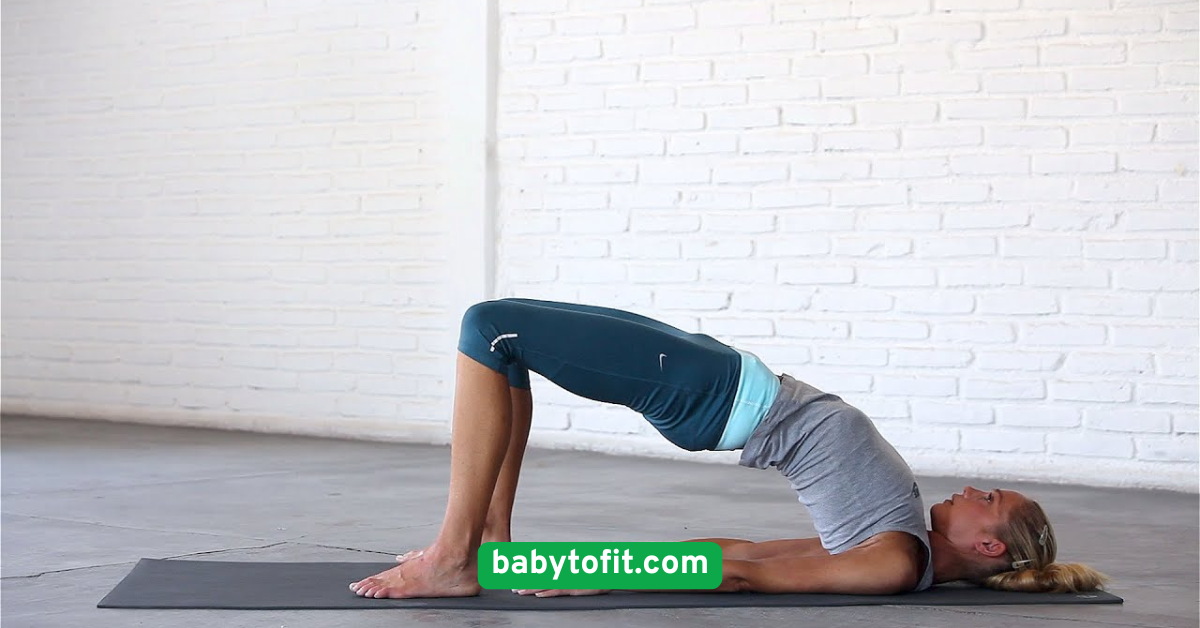
Bridge pose is a gentle yet effective exercise that targets the glutes, hamstrings, lower back, and most importantly, the pelvic floor. This pose helps alleviate lower back pain, which many postpartum moms experience due to weakened muscles and changes in posture.To begin, lie on your back with knees bent and feet hip-width apart, flat on the floor. Press into your heels and lift your hips towards the ceiling, engaging your glutes and core. Hold for a few seconds, then slowly lower back down. Modify by lifting only halfway if full bridges feel too intense initially.This move supports core recovery by strengthening the muscles that stabilize your pelvis. It also improves circulation, reduces swelling, and helps relieve tension in the lower back. Practicing bridge pose a few times a week can make a big difference in your overall postpartum comfort and strength.
4. Cat-Cow Stretch
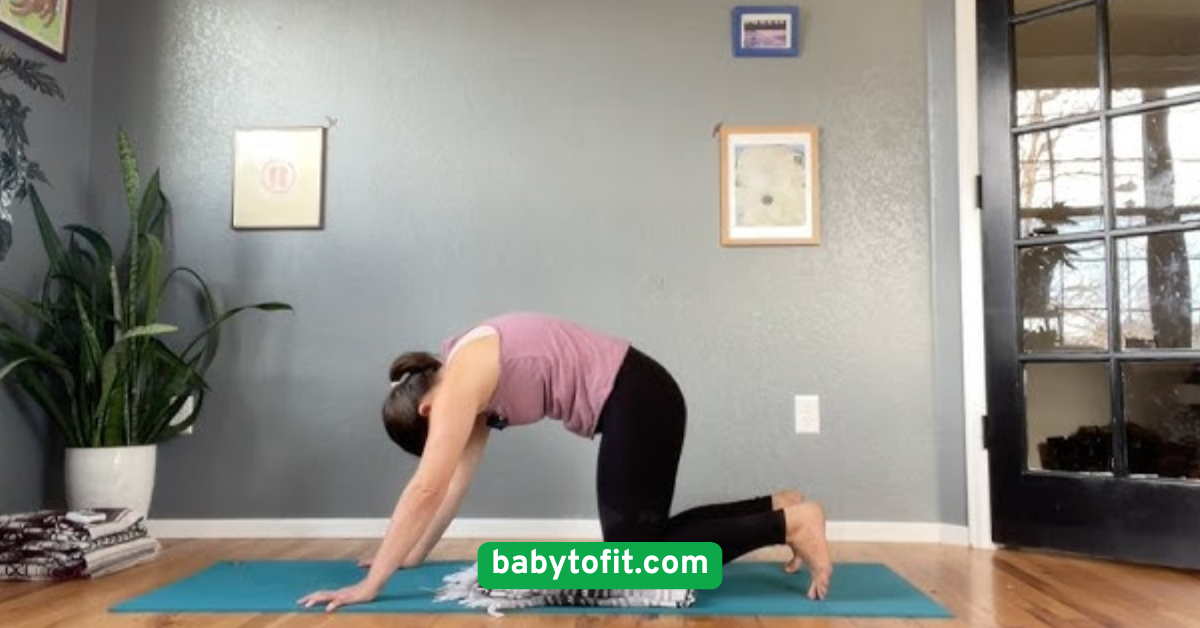
The cat-cow stretch is a gentle yoga movement that increases spine flexibility and relieves tension in the back and neck. New moms often experience stiffness and discomfort in these areas, especially after breastfeeding and carrying their babies for extended periods.Start on your hands and knees in a tabletop position. Inhale as you arch your back, lifting your head and tailbone (cow pose). Exhale as you round your back, tucking your chin and pelvis (cat pose). Flow between these two positions slowly and mindfully.This stretch not only mobilizes your spine but also engages your core muscles, helping improve posture and balance postpartum. It’s safe for early postpartum stages and can be done daily to release tension and support healing.
5. Modified Side Plank
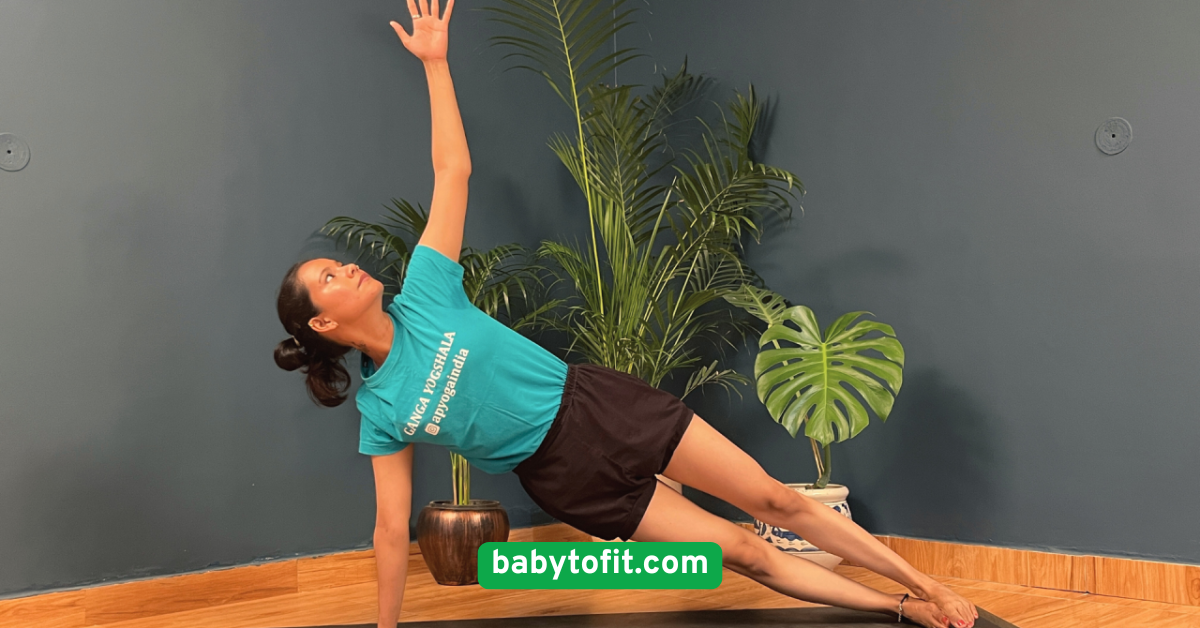
The side plank is excellent for strengthening the obliques and stabilizing the core, but traditional side planks can be challenging for postpartum bodies. Modified side planks offer a safe alternative that targets side abdominal muscles without excessive pressure.To perform, lie on your side, propping yourself up on your forearm with knees bent. Lift your hips off the floor, keeping your body aligned from shoulders to knees. Hold for 10-20 seconds, gradually increasing as you get stronger.This exercise improves posture, enhances balance, and helps rebuild core strength lost during pregnancy. With modifications, it becomes accessible even for beginners and can be incorporated into your routine 3-4 times per week.
6. Heel Slides
Heel slides are a simple, controlled movement to activate deep abdominal muscles. Perfect for the early weeks postpartum, heel slides help reconnect your mind and body through gentle motion.Lie on your back with knees bent and feet flat on the floor. Slowly slide one heel away from your body, extending your leg while keeping your core engaged. Slide the heel back to starting position and repeat with the other leg.This exercise encourages proper muscle recruitment without straining the abdomen, especially important for moms recovering from diastasis recti. Performing heel slides daily improves coordination, core engagement, and lower body mobility.
7. Walking with Proper Posture
Walking is often underestimated as a postpartum workout, but it’s one of the safest and most accessible ways to rebuild stamina and support healing. What makes walking effective postpartum is maintaining proper posture throughout.Stand tall with shoulders relaxed and core gently engaged. Avoid slouching or leaning forward. Taking brisk, mindful steps helps increase cardiovascular health, boosts mood, and gently tones muscles.Try to incorporate short walks throughout the day, especially with your baby in a stroller or carrier. Start with 5-10 minutes and gradually increase duration. Walking not only rejuvenates your body but also gives you fresh air and mental clarity—an essential self-care practice for new moms.
Conclusion
Recovering postpartum doesn’t have to mean intense workouts or rushing your body’s healing process. These 7 safe postpartum workouts offer new moms a gentle, effective path to regaining strength, boosting energy, and supporting core recovery. From pelvic floor Kegels to mindful walking, each exercise focuses on gradual progress and safety.
Remember, listen to your body, consult with your healthcare provider, and take your time. Consistency, not intensity, is the key to postpartum fitness success. Embrace these workouts as part of your journey to feeling strong and vibrant again. You deserve it!


