10 Quick Postpartum Workouts to Boost Energy (2025)
Welcoming a newborn is one of life’s most incredible experiences. Yet, it often leaves new moms feeling exhausted, overwhelmed, and searching for ways to restore their energy. The postpartum period is a unique time for healing—a time to treat your body gently, yet purposefully. Believe it or not, incorporating quick and safe exercises into your day can significantly boost your energy levels, improve mood, and support recovery after childbirth.Studies show that gentle movement stimulates circulation, releases endorphins, and helps manage postpartum symptoms like fatigue and stress. But it’s important to choose workouts that respect your body’s healing process. That’s why we’ve put together 10 quick postpartum workouts perfect for busy moms. These low-impact exercises will gently awaken your muscles, help burn calories, and leave you feeling more energized—without overwhelming your schedule. Let’s dive in and rediscover your strength, one gentle move at a time!
1. Gentle Walking
Walking is arguably the most accessible and effective postpartum workout. It requires no special equipment, can be done anywhere, and fits easily into a busy mom’s schedule. Even a short 10 to 15-minute walk can stimulate circulation, increase oxygen flow, and help burn calories naturally.Walking with a stroller adds a functional element to your workout, allowing you to bond with your baby while moving. Start slow, and listen to your body—there’s no rush to pick up speed right away. As your strength improves, you can extend your walks or try gentle hills to challenge your muscles further.Besides physical benefits, walking outdoors exposes you to sunlight, which can improve your mood and help regulate your sleep-wake cycle—both essential for postpartum recovery. So lace up those shoes, grab your little one, and enjoy a refreshing stroll that boosts energy and rejuvenates your spirit.
2. Standing Marches
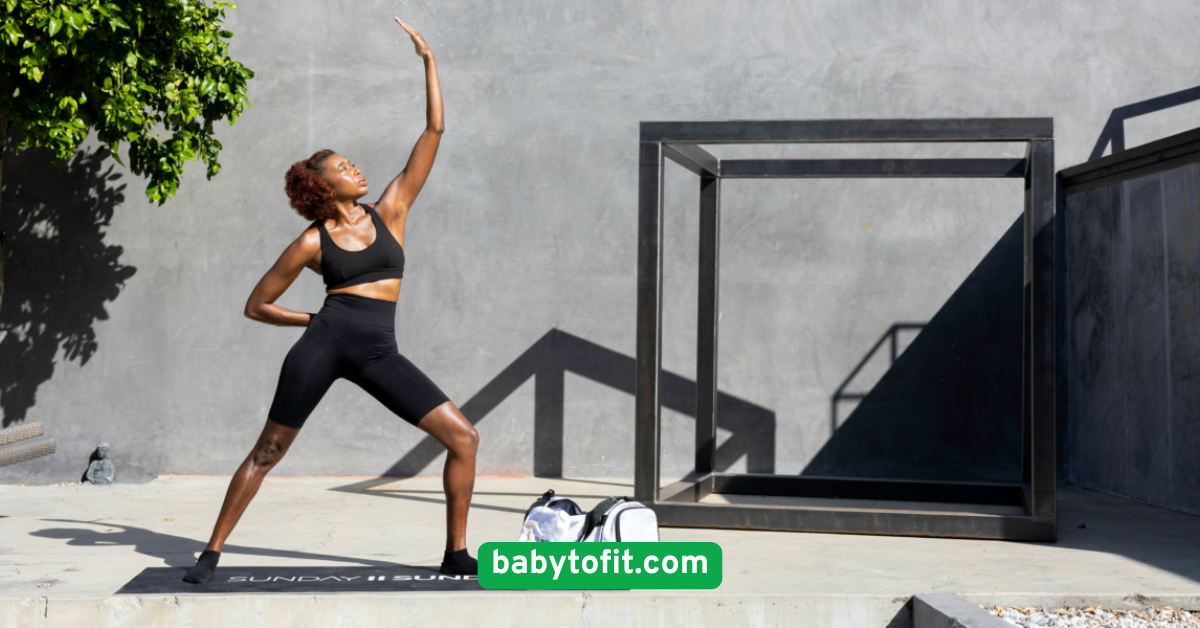
If you’re looking for a quick way to elevate your heart rate without leaving your home, standing marches are a perfect choice. This simple exercise activates your legs and core muscles while keeping your body upright, making it easy to do even during busy moments.To perform standing marches, stand tall with feet hip-width apart. Lift one knee towards your chest, then lower it and repeat with the other leg. Keep your movements controlled, and engage your core for balance and support.You can do short bursts of 30 seconds to one minute, gradually increasing duration as your endurance improves. Standing marches stimulate blood flow, gently raise your heart rate, and improve coordination—all while burning calories and increasing energy. Plus, you can multitask by doing them during baby playtime or while waiting on calls.
3. Pelvic Floor Engagements
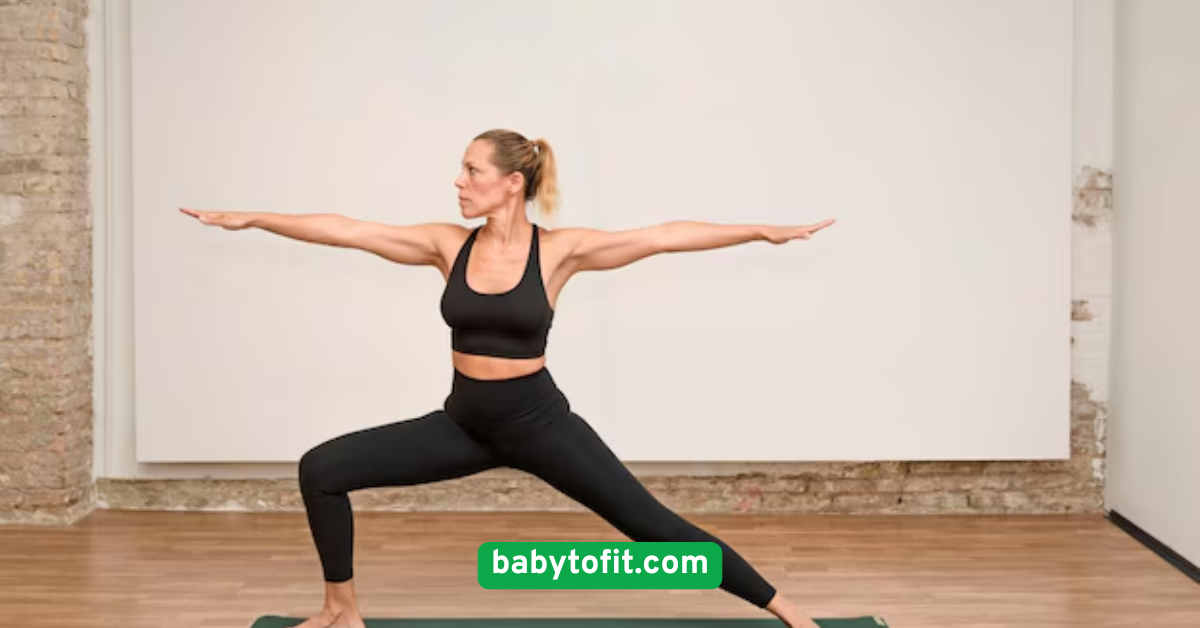
Your pelvic floor muscles play a crucial role in postpartum recovery. They support your bladder, uterus, and bowel, and strengthening them can reduce the risk of incontinence and improve core stability. Pelvic floor engagements, or Kegel exercises, are discreet, quick, and can be done anywhere—even while breastfeeding!To engage your pelvic floor, imagine stopping the flow of urine midstream. Tighten those muscles, hold for five seconds, then release. Aim for 10 to 15 repetitions per session, doing multiple sessions throughout the day.Consistent pelvic floor exercises improve muscle tone and help you regain control and confidence in your body. Plus, they support your posture and help prepare you for more demanding postpartum workouts as you regain strength.
4. Wall Push-Ups
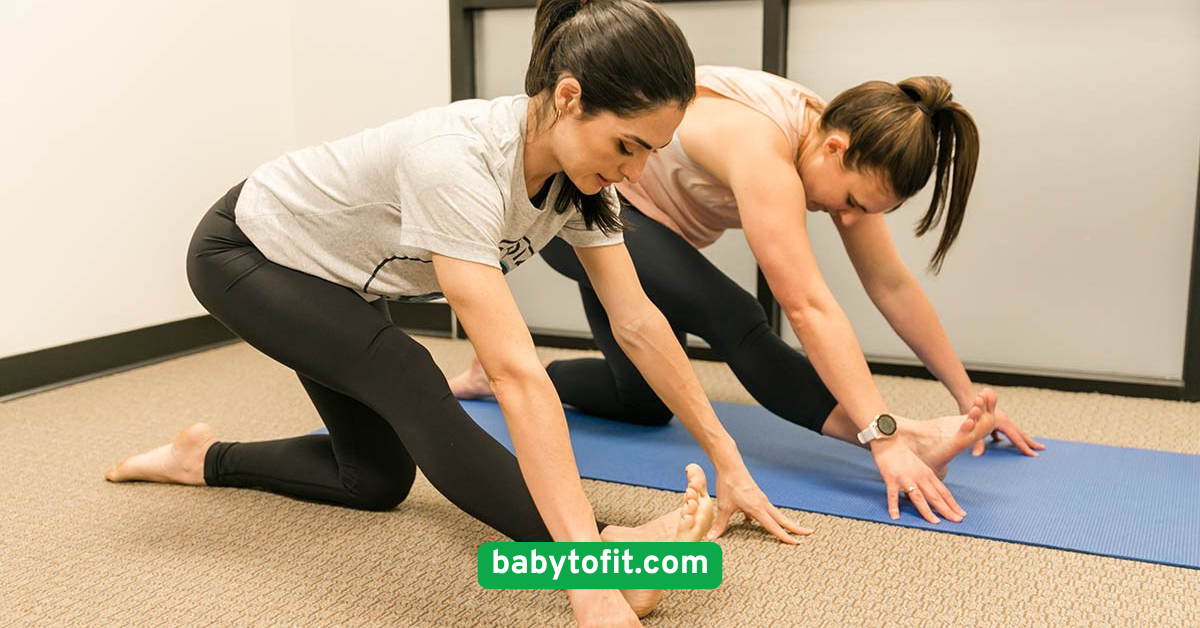
Building upper body strength after childbirth is vital for daily activities like lifting your baby, pushing strollers, and carrying groceries. Wall push-ups provide a gentle, low-impact way to strengthen your chest, shoulders, and arms without straining your core.Stand about an arm’s length from a wall, feet hip-width apart. Place your palms flat on the wall at shoulder height and slowly bend your elbows to bring your chest closer. Push back to the starting position with control.This exercise is easily modified by adjusting the distance from the wall. The closer you stand, the more challenging it becomes. Aim for 2 to 3 sets of 10 to 15 reps, focusing on smooth, steady movements. Strengthening your upper body boosts endurance and helps prevent common postpartum aches and pains.
5. Seated Arm Raises
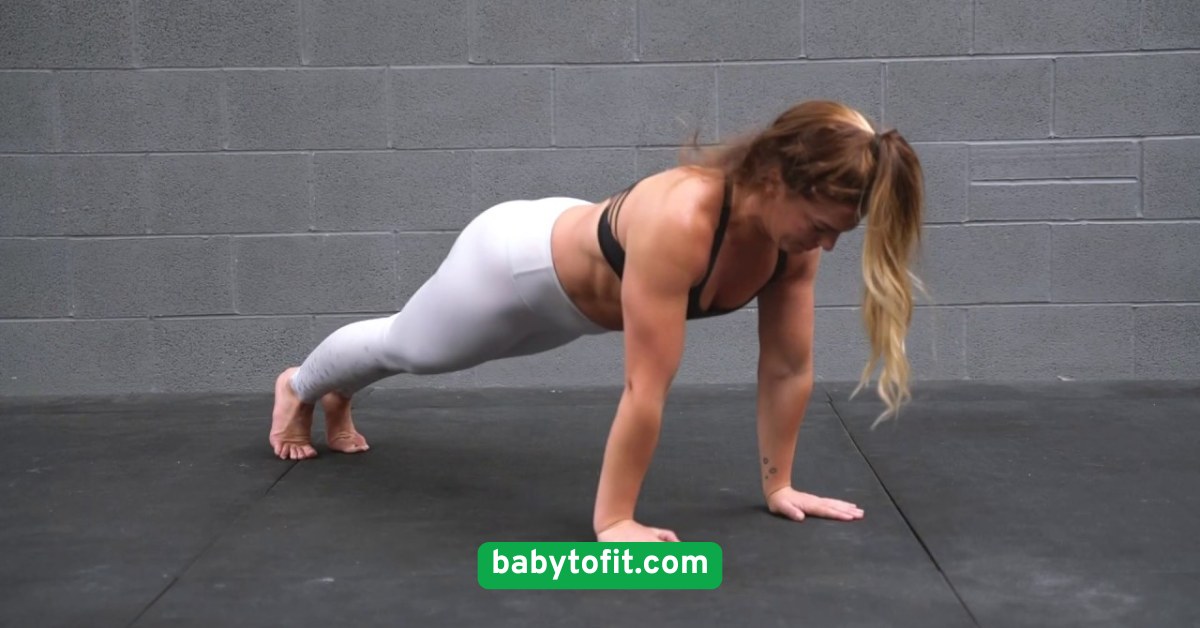
When energy is low but you want to stay active, seated arm raises are a fantastic option. You can perform this exercise sitting on a chair or couch, making it accessible during moments of rest or while feeding your baby.Sit with your back straight and shoulders relaxed. Extend your arms out to the sides at shoulder height and slowly raise them overhead. Lower your arms with control and repeat.Seated arm raises improve shoulder mobility, tone muscles, and increase circulation. They also help alleviate tension from frequent holding and carrying of your newborn. Incorporate this move into your routine to reduce fatigue and feel more alert throughout the day.
6. Modified Lunges
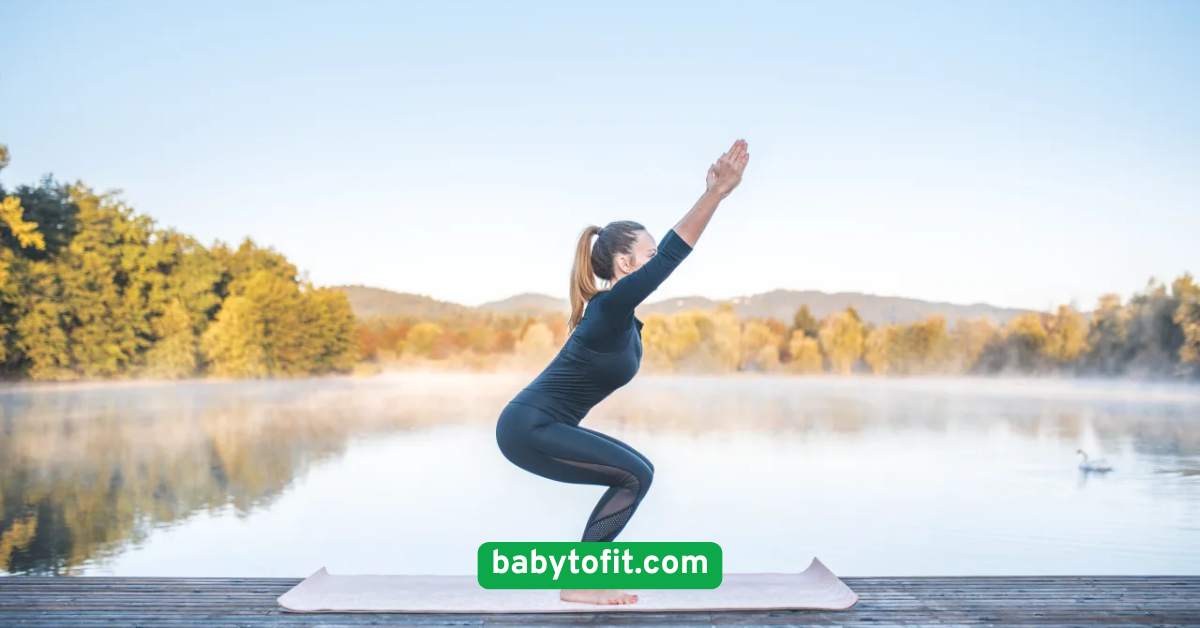
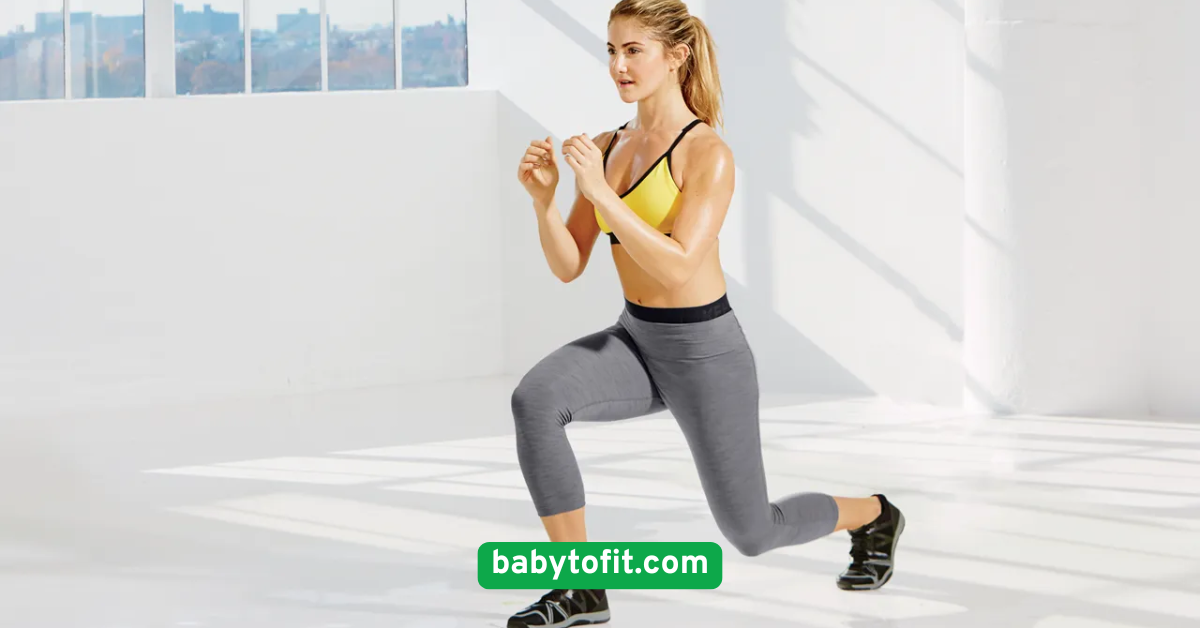
Lunges are excellent for toning your legs and glutes, but postpartum bodies need a gentle approach to avoid overstraining. Modified lunges allow you to safely strengthen lower body muscles while focusing on balance and control.Stand tall, then take a small step backward with one foot. Lower your hips slightly, bending both knees without letting the back knee touch the floor. Push through the front heel to return to standing. Repeat on the other side.Keep movements slow and controlled, engaging your core for stability. Start with 5 to 8 reps per leg, increasing as your strength builds. Modified lunges help improve coordination, build endurance, and contribute to calorie burn—all key for boosting postpartum energy.
7. Glute Bridges
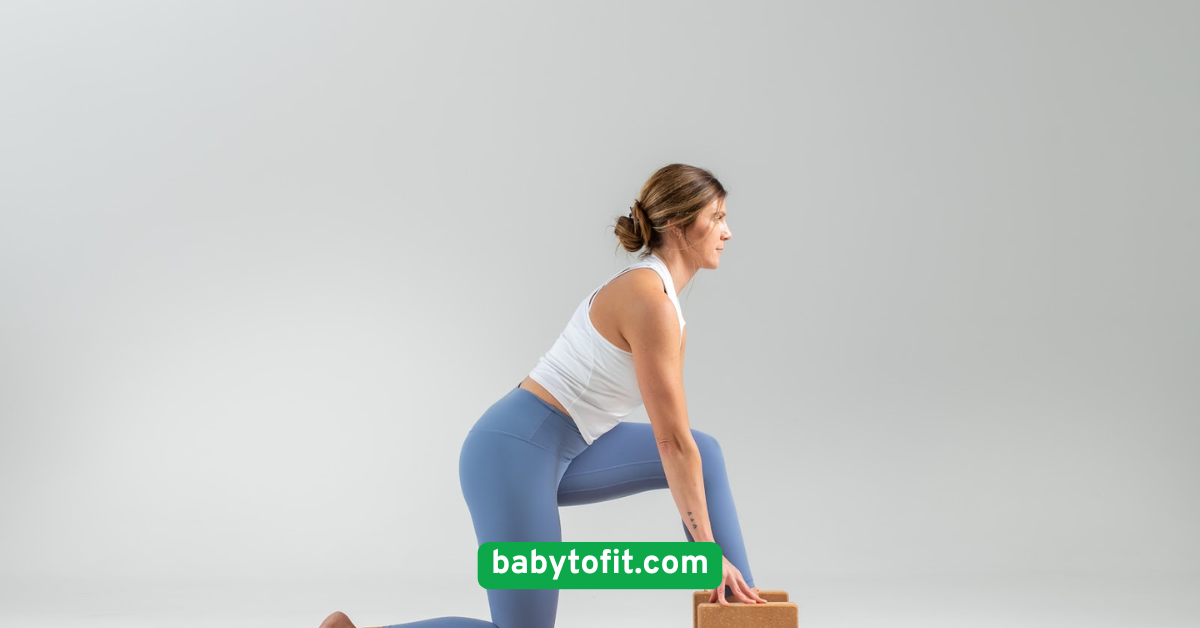
During pregnancy, glute muscles often weaken due to prolonged sitting and changes in posture. Glute bridges are an excellent exercise to reactivate these muscles, improve pelvic stability, and enhance fat-burning potential.Lie on your back with knees bent and feet flat on the floor, hip-width apart. Engage your core and squeeze your glutes to lift your hips toward the ceiling. Pause for a few seconds, then slowly lower your hips down.This exercise strengthens the lower back and hips while activating the core gently. It’s safe for postpartum bodies and helps counteract the effects of pregnancy on posture. Aim for 10 to 15 reps per set, and try adding a pause at the top for increased challenge.
8. Cat-Cow Stretch
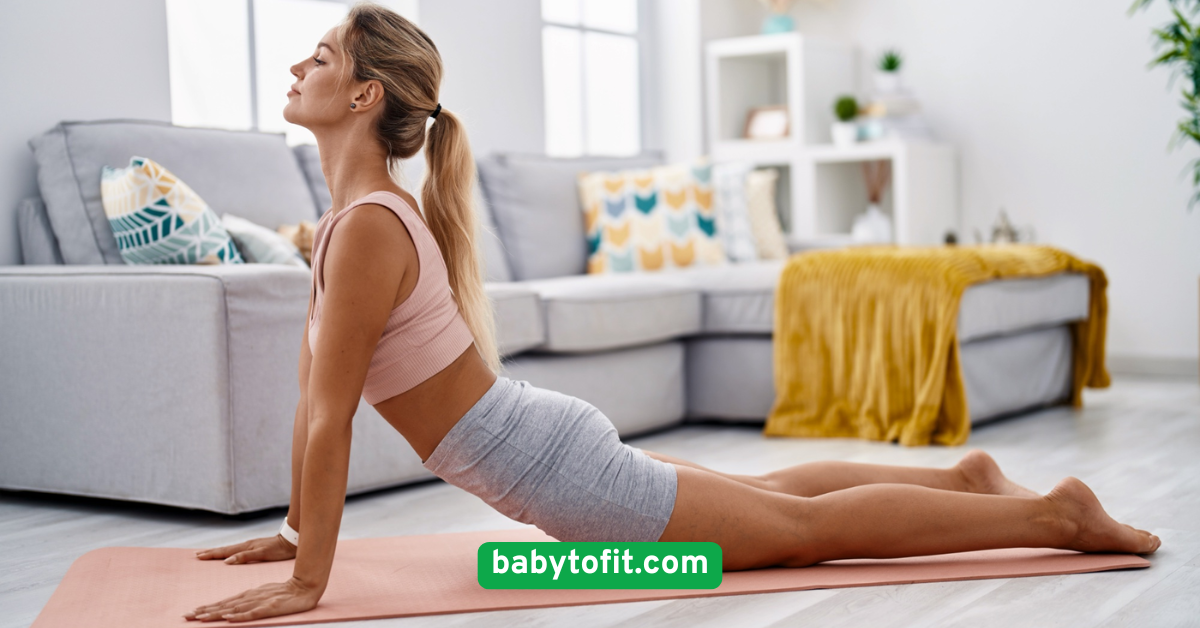
The Cat-Cow stretch is a gentle yoga-inspired movement that improves spinal flexibility, relieves tension, and engages the core—perfect for moms needing a mindful way to move.Start on all fours with hands under shoulders and knees under hips. Inhale as you arch your back, lifting your head and tailbone (Cow pose). Exhale as you round your spine, tucking your chin and pelvis (Cat pose). Move slowly with your breath.This flow helps ease postpartum back pain, encourages better posture, and supports core engagement. Practicing Cat-Cow daily can increase mobility and leave you feeling refreshed and energized.
9. Side-Lying Leg Lifts
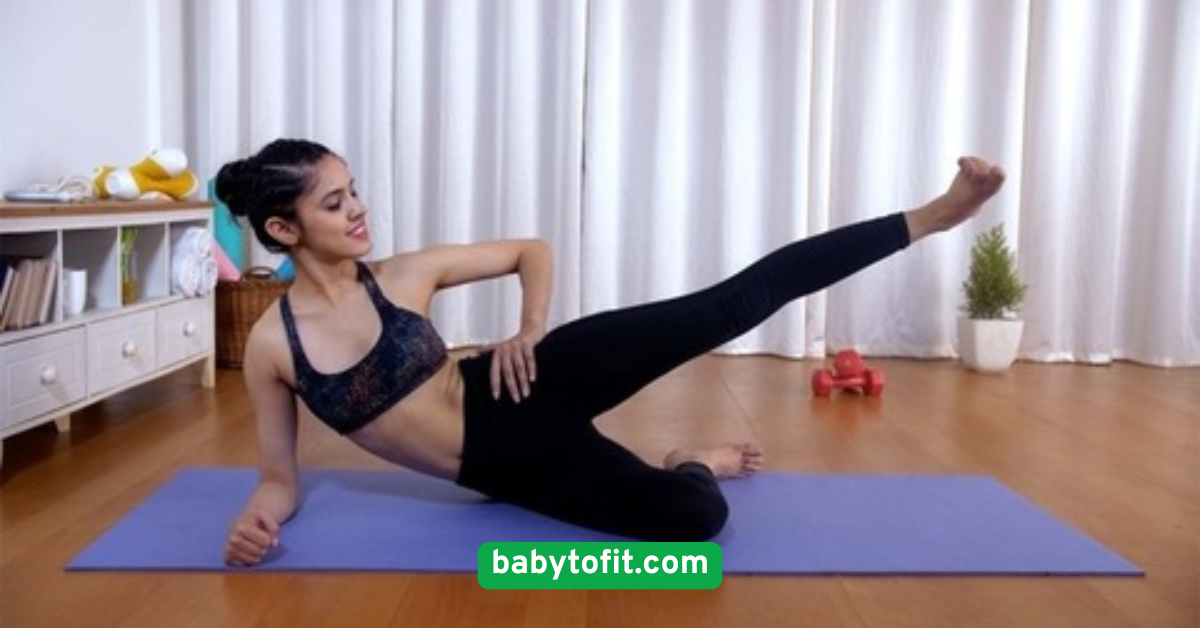
Side-lying leg lifts target the hips, outer thighs, and core muscles, making them ideal for postpartum strength without putting pressure on the abdominal wall.Lie on one side with legs stacked straight. Slowly lift the top leg to about hip height, hold for a moment, and lower with control. Switch sides after completing the reps.This exercise helps stabilize your pelvis and tones muscles that are crucial for balance and movement. Start with 10 to 12 reps per side and consider using a resistance band for added intensity as you progress.
10. Child’s Pose with Reach
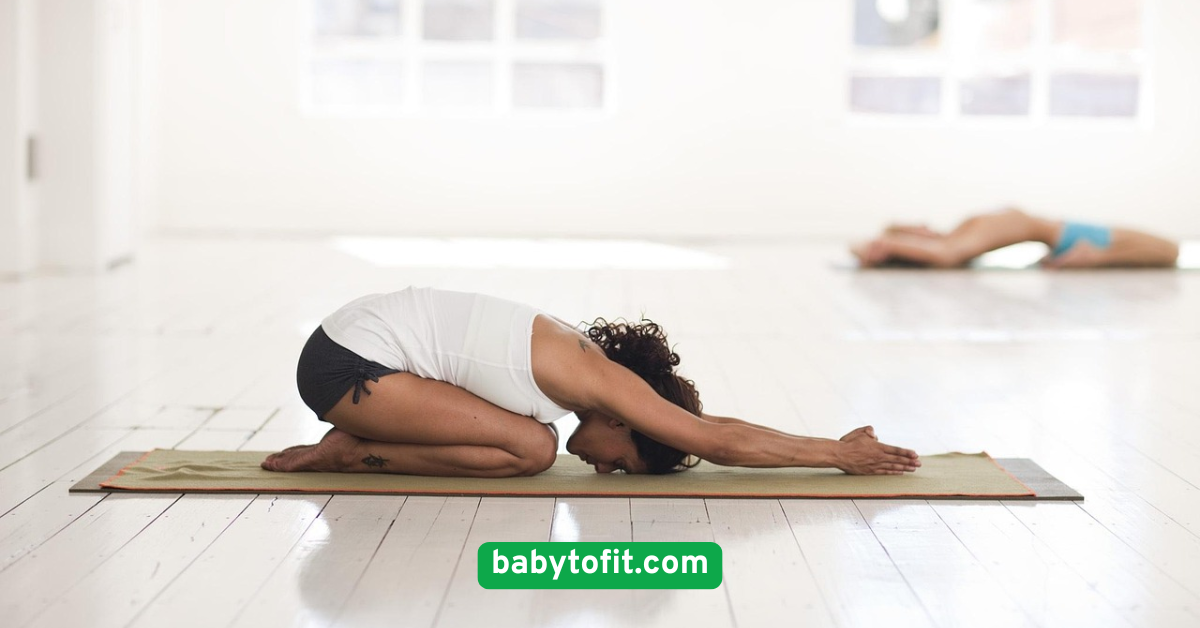
Child’s Pose is a restorative yoga position that gently stretches your back, hips, and shoulders. Adding an arm reach increases the stretch and promotes circulation and relaxation.Start in Child’s Pose by sitting back on your heels with arms extended forward. Reach your right arm forward and to the right side, then switch and reach your left arm. Hold each stretch for 20-30 seconds, breathing deeply.This exercise soothes tired muscles, reduces tension, and helps reset your energy levels. It’s a wonderful way to conclude your postpartum workout or to take a calming break during busy days.
Conclusion
Navigating the postpartum period with grace means embracing workouts that honor your body’s healing journey. These 10 quick postpartum exercises offer a balanced approach to boosting energy, strengthening key muscles, and supporting overall recovery. Remember, progress is personal—listen to your body, start slow, and celebrate every movement.
Small steps add up. By weaving these gentle exercises into your routine, you’re nurturing not just your body, but also your mind and spirit. Motherhood is powerful, and so are you. Keep moving, stay positive, and enjoy each energized moment with your little one!


