20 Soothing Postpartum Workouts for Busy Moms in 2025
Did you know that gentle exercise can reduce postpartum depression and improve sleep quality? That’s just one of the many reasons to make these 20 soothing workouts part of your routine. These exercises will help you reconnect with your body in a kind, supportive way while fitting into the busiest days with a newborn. Ready to feel stronger, calmer, and more energized? Let’s dive into these restorative postpartum workouts made for moms like you!
1. Deep Breathing Exercises
Deep breathing is one of the simplest yet most powerful tools to calm the nervous system and relieve stress. For postpartum moms, it’s especially helpful in managing anxiety and improving focus amid the whirlwind of caring for a newborn. Deep, diaphragmatic breaths encourage oxygen flow to your muscles and brain, promoting relaxation and mental clarity.To practice, sit or lie comfortably. Place one hand on your belly and inhale slowly through your nose, feeling your abdomen rise. Exhale gently through your mouth, letting your belly fall. Repeat for 5 to 10 minutes, focusing on the breath’s rhythm. You can do this anytime—during diaper changes, feeding sessions, or quiet moments. Not only does deep breathing soothe your mind, but it also gently engages your core muscles, laying a foundation for postpartum strength.
2. Gentle Yoga Stretches
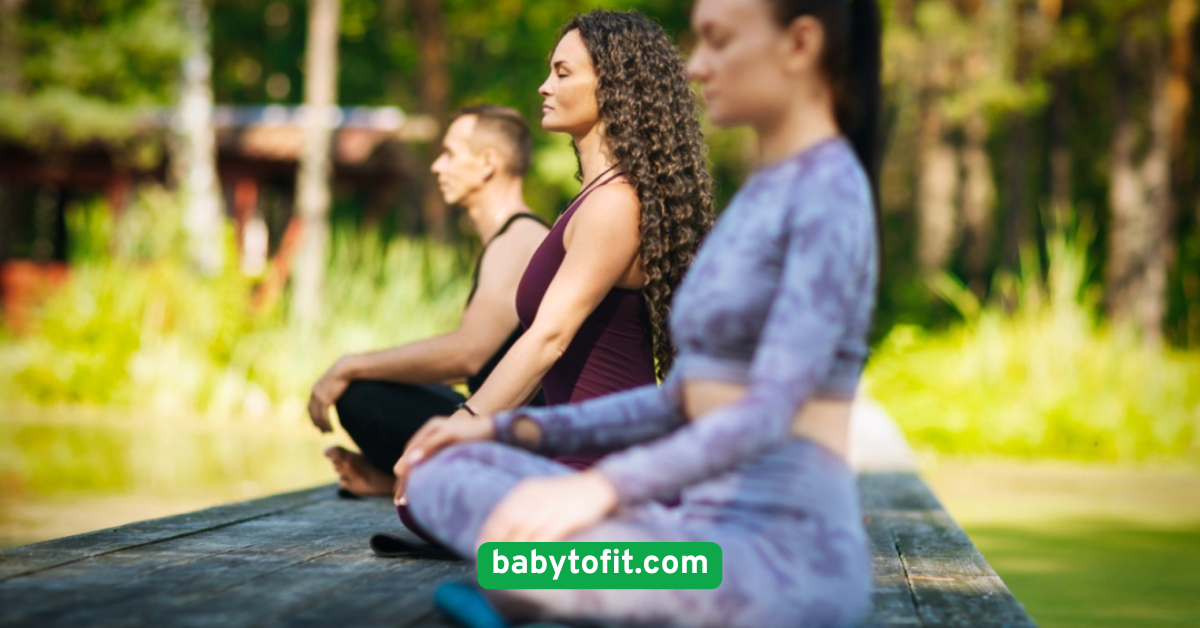
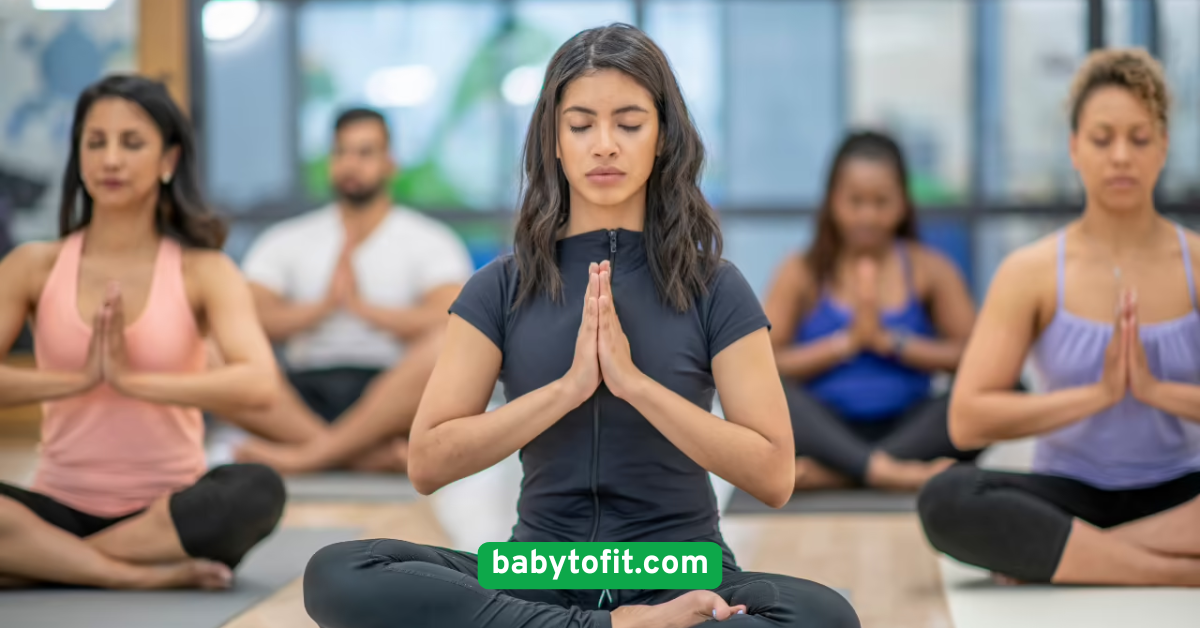
Yoga offers a holistic way to nurture both body and mind during postpartum recovery. Gentle yoga stretches help increase flexibility, reduce muscle tightness, and promote relaxation. Unlike intense workouts, these stretches honor your current fitness level and healing process.Focus on poses like the cat-cow, child’s pose, and seated forward fold. These open up your hips, stretch your back, and relieve tension without overexerting your muscles. Practicing yoga for just 10 to 20 minutes daily can improve circulation and help ease postpartum discomforts like lower back pain. Plus, the mindful breathing involved in yoga calms your nervous system—perfect for busy moms craving peace and energy.
3. Pelvic Floor Activation
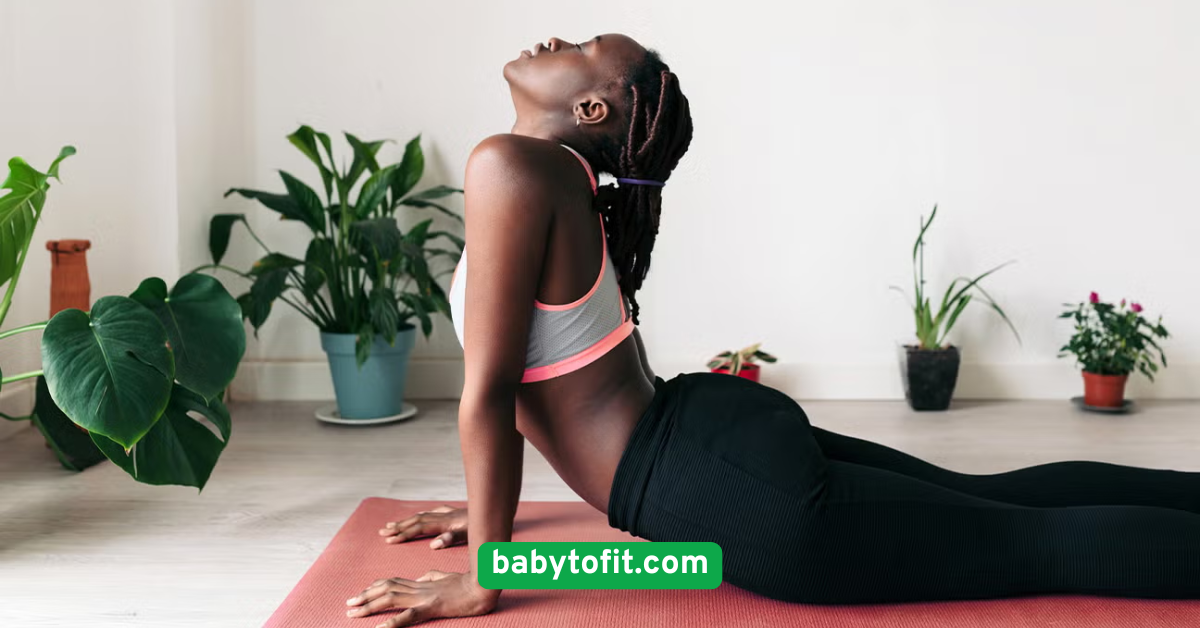
The pelvic floor muscles undergo significant strain during pregnancy and childbirth, making activation exercises critical for postpartum recovery. Strengthening these muscles supports bladder control, enhances core stability, and helps prevent pelvic organ prolapse.Start with simple pelvic floor contractions, often called Kegels. Tighten the muscles you use to stop urine flow, hold for 3 to 5 seconds, then release. Repeat 10 to 15 times, gradually increasing duration and sets as you grow stronger. Regular pelvic floor exercises improve circulation and muscle tone in the area, helping burn baby fat by engaging core stabilizers gently and safely.

4. Cat-Cow Pose
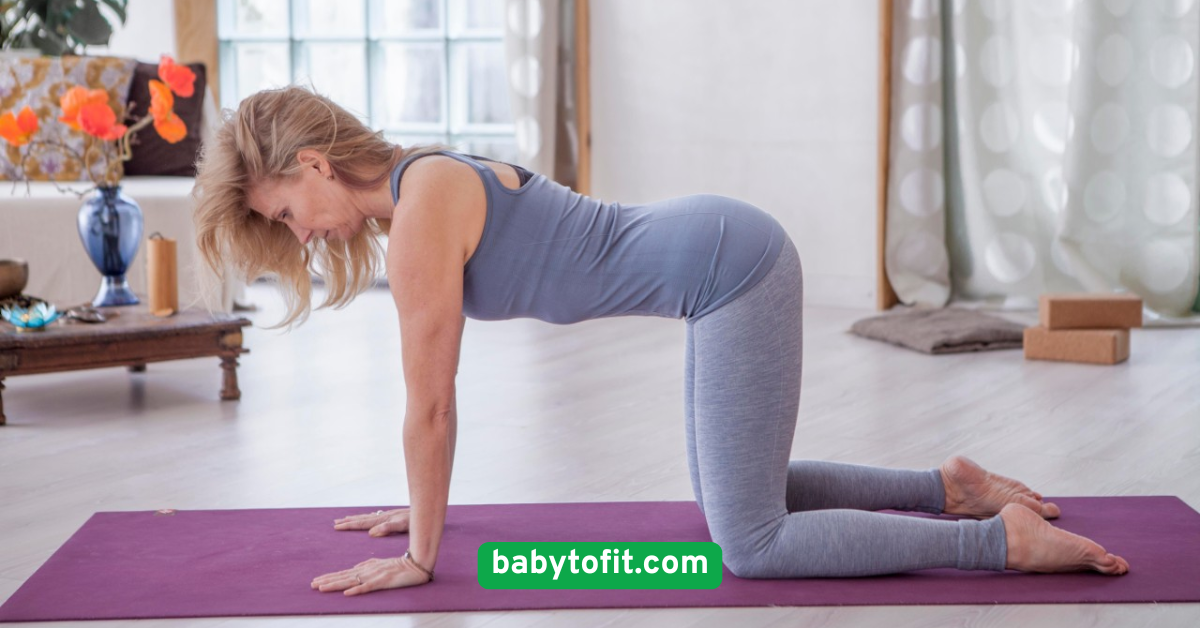
The cat-cow pose is a gentle spinal movement that promotes flexibility and relieves tension in your back—common postpartum trouble spots. Starting on your hands and knees, inhale as you arch your back (cow), lifting your head and tailbone, then exhale rounding your spine (cat), tucking your chin and tailbone.This fluid motion stretches and strengthens the spine, encouraging healthy posture after pregnancy. It also massages your abdominal organs and stimulates digestion. Doing 10 slow cat-cow cycles daily helps you reconnect with your core and breathe deeply, both essential for postpartum healing.
5. Seated Forward Fold
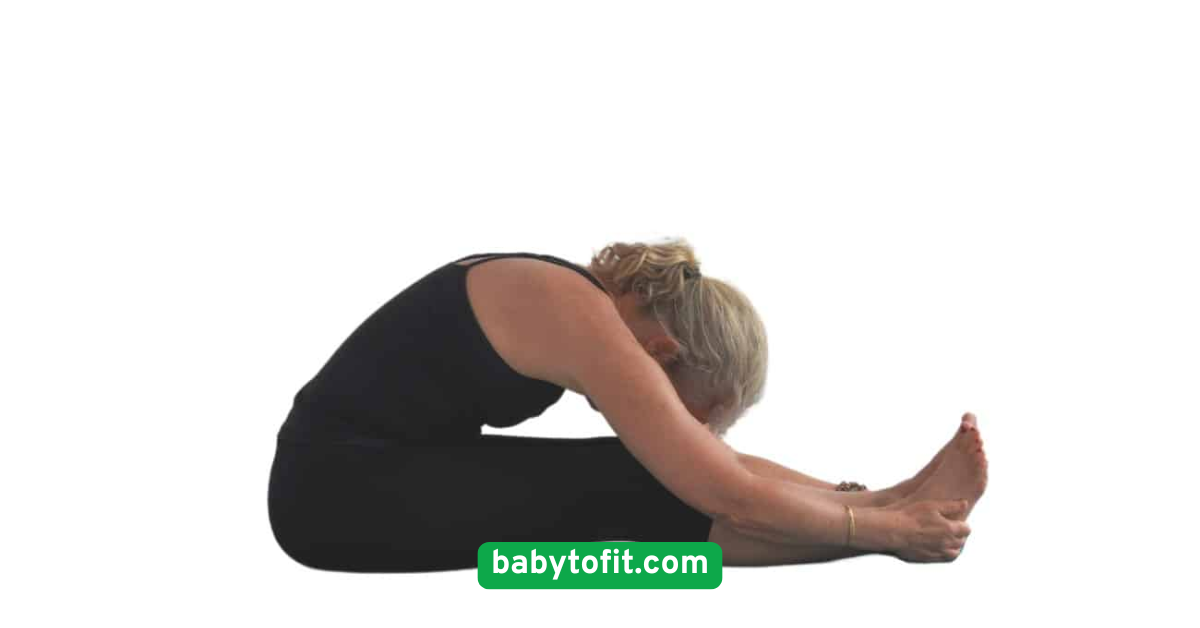
The seated forward fold gently stretches your lower back and hamstrings, areas often tight after pregnancy. Sit with legs extended and slowly reach forward toward your toes, keeping your spine long. Stop where you feel a comfortable stretch.This stretch helps release tension built up from carrying and nursing your baby. It promotes relaxation and can ease fatigue by improving blood flow to your legs and lower back. Hold the position for 20 to 30 seconds and repeat two or three times. Modifying this pose by slightly bending knees can make it more accessible as your body recovers.
6. Walking Meditation
Walking meditation combines the physical benefits of walking with the calming effects of mindfulness. Rather than rushing through your stroll, focus intently on each step, your breath, and the sensations of your body moving.This practice can boost mood, reduce anxiety, and gently elevate your heart rate—making it a perfect postpartum workout for busy moms. Even a 10-minute mindful walk around your neighborhood can enhance mental clarity and help your body recover without stress. It’s a wonderful way to connect with your baby while nurturing yourself.

7. Hip Circles
Hip circles loosen pelvic joints and relieve lower back tension—both important for postpartum recovery. Stand with feet shoulder-width apart, hands on hips, and slowly rotate your hips in a circular motion. After 10 rotations, reverse the direction.This low-impact movement improves flexibility and increases blood flow to your pelvic region. It also activates core muscles that support posture and reduce discomfort. Hip circles can be done anytime and anywhere—even during baby’s nap time—to keep your body feeling limber and strong.

8. Child’s Pose Relaxation
Child’s pose is a deeply restorative yoga posture that gently stretches the hips, back, and shoulders while promoting calmness. Kneel and sit back on your heels, extending your arms forward and lowering your forehead to the floor.This pose is ideal for releasing tension and resting your body during busy days. Use pillows for support if needed to make it more comfortable. Practicing child’s pose for several minutes can reduce fatigue and stress, helping you recharge both physically and mentally.
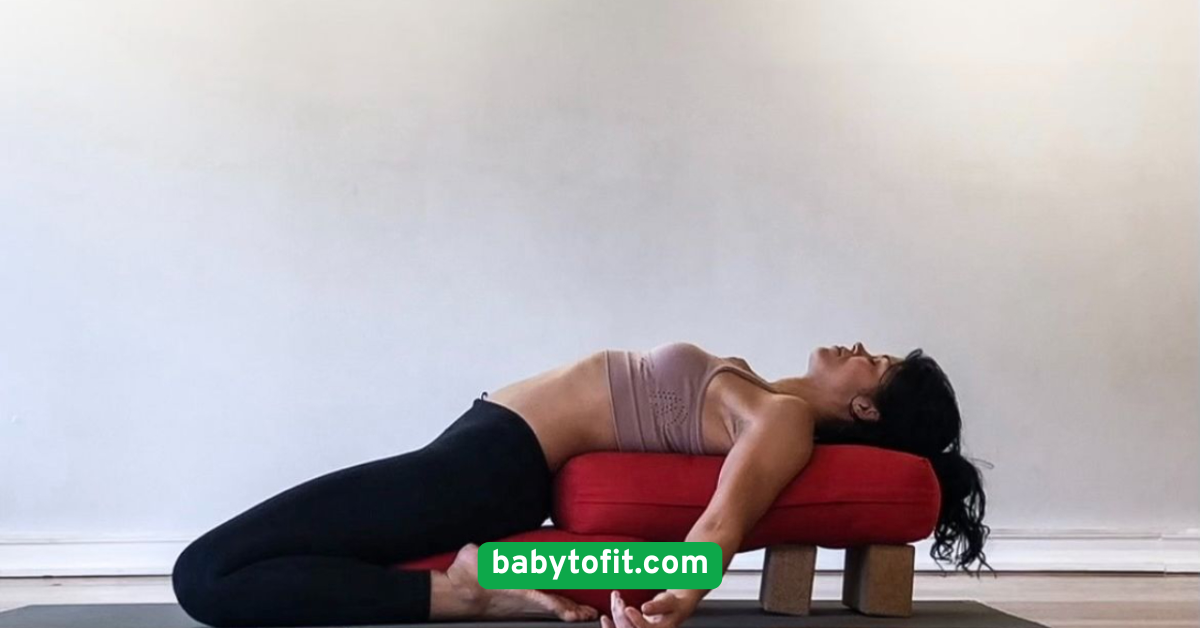
9. Wall Angels
Wall angels improve posture and shoulder mobility, areas often compromised postpartum due to breastfeeding and carrying your baby. Stand with your back against a wall, arms bent at 90 degrees, and slowly raise and lower your arms like making a snow angel.This exercise strengthens upper back muscles and opens tight shoulders, reducing aches and improving alignment. Performing 2 to 3 sets of 10 reps daily helps counteract the hunched posture common among new moms, relieving tension and enhancing energy.
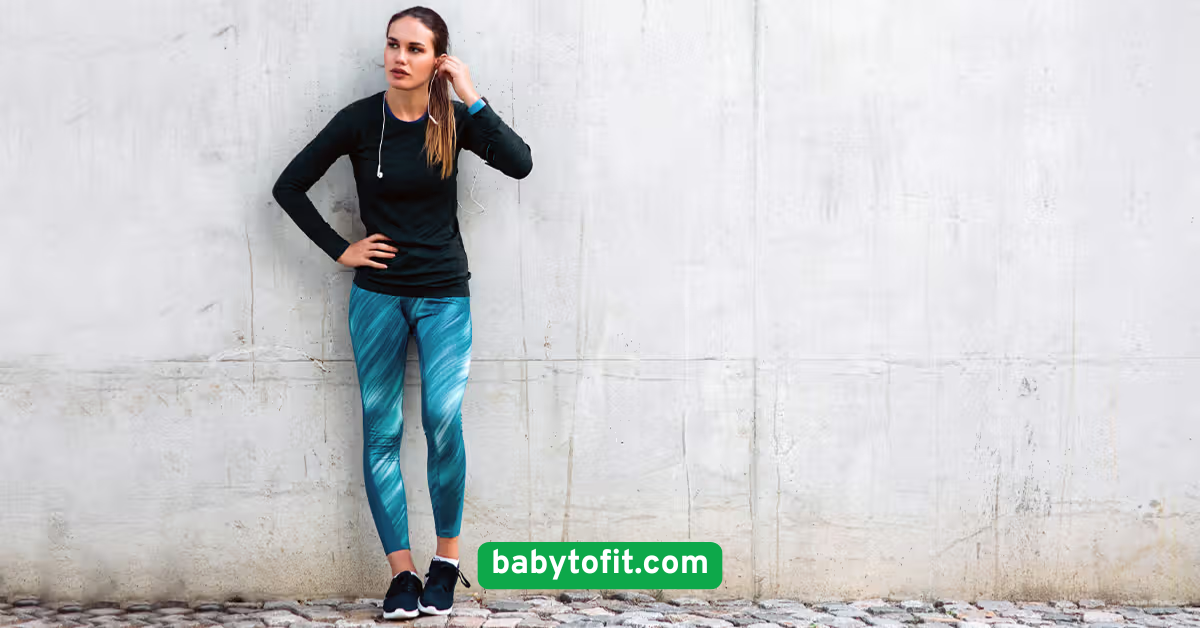
10. Side-Lying Leg Lifts
Side-lying leg lifts target the hips and outer thighs, promoting pelvic stability and toning muscles weakened during pregnancy. Lie on your side with legs stacked and lift the top leg slowly, then lower with control.This exercise is gentle yet effective, strengthening muscles essential for balance and daily movements. Aim for 10 to 15 reps per side, gradually increasing as your strength returns. Side-lying leg lifts can be done while resting or nursing, making them easy to incorporate into your routine.

11. Seated Spinal Twist
The seated spinal twist enhances spinal mobility and digestion, supporting postpartum recovery. Sit tall, cross one leg over the other, and gently twist your torso toward the bent knee, keeping your spine long.This stretch releases tension in your back and hips and can help alleviate discomfort from sitting or nursing. Hold for 20 to 30 seconds on each side, breathing deeply. The twist also stimulates circulation and supports core engagement, helping tone muscles safely.

12. Ankle Pumps
Ankle pumps improve circulation and reduce swelling, common postpartum symptoms due to fluid retention and inactivity. Sit or lie down and flex your feet by pointing toes away and then back toward your shins repeatedly.Doing ankle pumps regularly promotes blood flow and helps prevent varicose veins. They are simple, low-impact, and can be performed while holding your baby or relaxing. Aim for 1 to 2 minutes per session for best results.
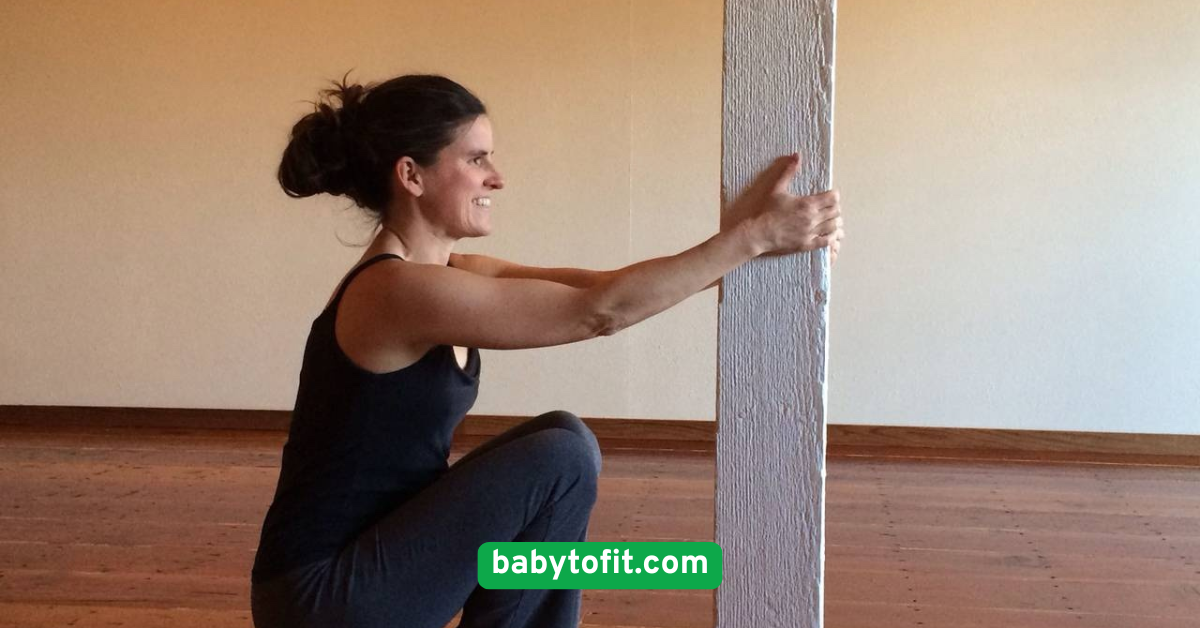
13. Modified Bridge Pose
Modified bridge pose strengthens glutes and lower back muscles while supporting pelvic alignment. Lie on your back with knees bent, feet flat, and slowly lift your hips, squeezing your glutes at the top.Hold for a few seconds, then lower down with control. This exercise relieves lower back pain and builds endurance. Doing 10 to 15 reps in 2 to 3 sets daily supports gentle fat burning and postpartum muscle toning.
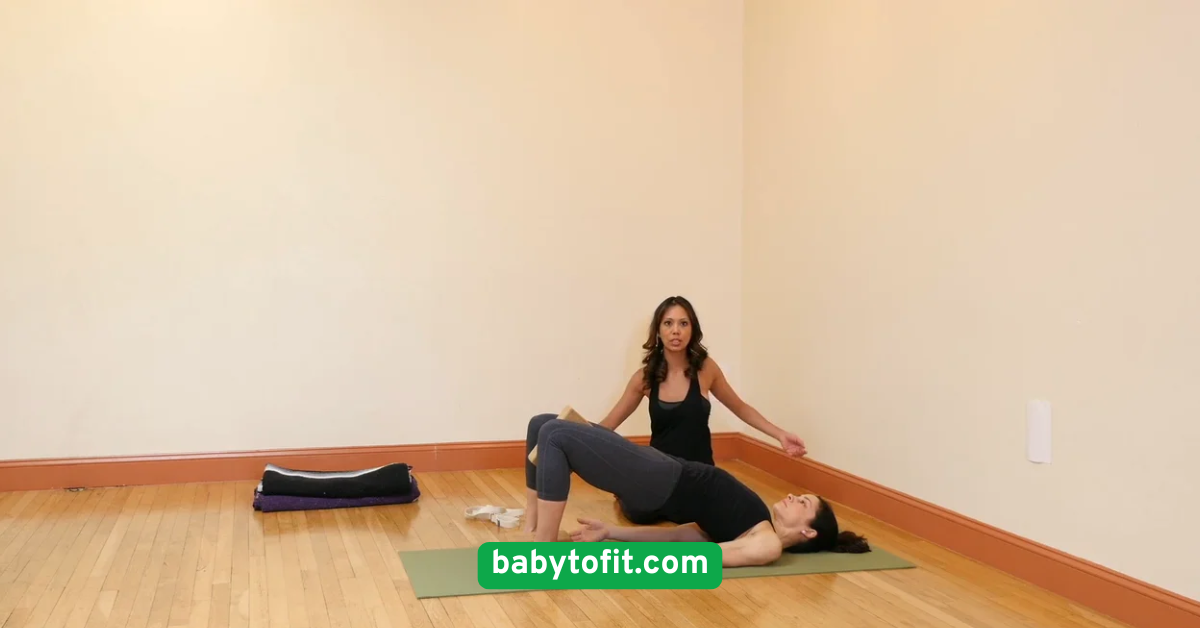
14. Neck and Shoulder Rolls
Neck and shoulder rolls release tension caused by breastfeeding and baby-carrying postures. Slowly roll your shoulders forward and backward and gently tilt your neck side to side.These movements improve blood flow, reduce stiffness, and promote relaxation. They’re perfect quick exercises for busy moms needing relief during hectic days. Incorporate 1 to 2 minutes of rolls into your routine to ease discomfort and uplift mood.

15. Standing Side Stretch
Standing side stretches lengthen the side body and improve posture, countering tightness from daily activities. Stand tall, reach one arm overhead, and gently bend sideways, feeling a stretch along your ribs.Hold for 20 seconds and switch sides. This stretch opens up the upper body, relieves tension in your ribs and shoulders, and encourages deep breathing. It’s especially helpful for moms spending long hours holding or breastfeeding their babies.

16. Toe Taps
Toe taps engage the core and hip flexors gently, helping rebuild abdominal strength. Lie on your back with knees bent, lower one foot to tap the floor, then lift back up, alternating sides.This low-impact exercise is safe and effective for early postpartum recovery. Aim for 10 to 15 reps per leg. Toe taps improve muscle coordination and help tone the lower belly without strain.
17. Arm Raises with Light Resistance
Arm raises with light resistance tone shoulders and arms, improving posture and upper body strength. Use light weights or water bottles and raise arms to the sides or overhead.Perform 2 to 3 sets of 10 to 15 reps. This exercise supports muscles stressed by baby-carrying and breastfeeding and helps boost calorie burn. It’s easy to do at home and fits well into a busy mom’s schedule.

18. Butterfly Stretch
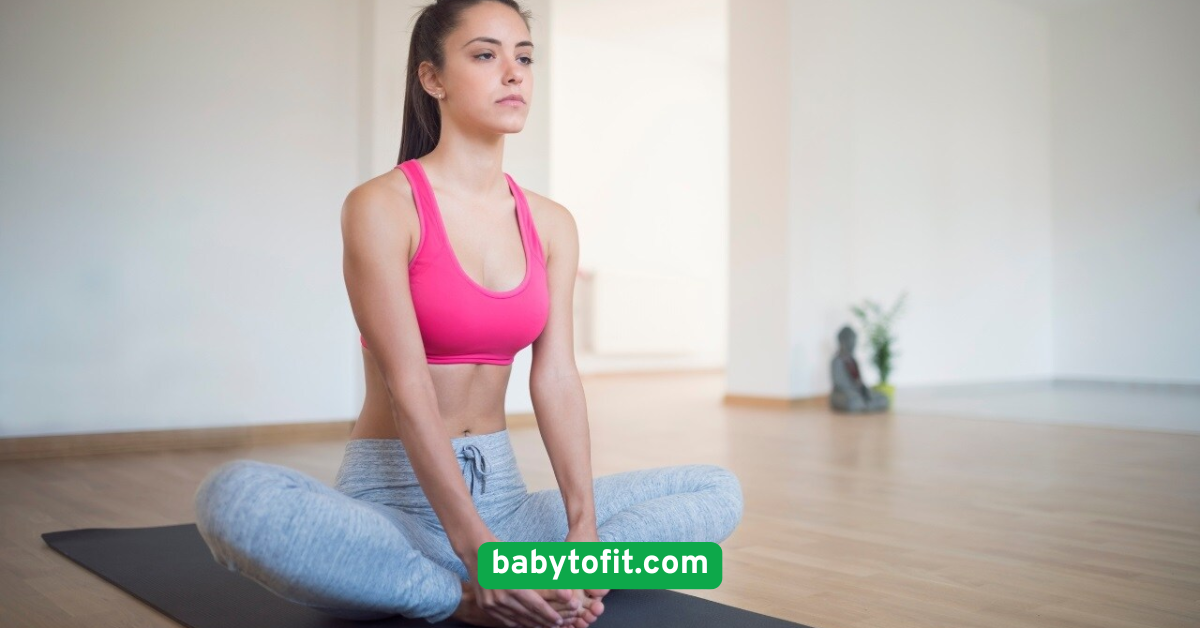
The butterfly stretch opens hips and inner thighs, promoting pelvic flexibility and relaxation. Sit with soles of your feet together and gently press knees toward the floor.Hold for 20 to 30 seconds, breathing deeply. This stretch improves circulation, reduces tension in the pelvic region, and supports overall recovery. It’s calming and helps relieve postpartum discomfort.
19. Glute Squeezes
Glute squeezes activate your buttock muscles, improving posture and pelvic floor health. Simply tighten your glutes, hold for a few seconds, then release.This discreet exercise can be done anytime—while nursing, driving, or resting. Regular glute engagement supports core stability, reduces back pain, and gently promotes fat burning.

20. Calm Walking or Slow Strolling
Slow walking or calm strolling is a perfect low-impact cardio to boost mood and energy. Walking outdoors also connects you with nature and fresh air, benefiting mental health.Aim for 10 to 30 minutes daily, adjusting pace as you feel comfortable. Walking helps burn calories gently, improves circulation, and uplifts spirit—ideal for busy moms balancing baby care with self-care.

Conclusion
Recovery after childbirth is a beautiful yet demanding journey that calls for patience and gentle care. These 20 soothing postpartum workouts are designed to fit your busy life, helping you regain strength, reduce stress, and boost energy safely. Remember, small, consistent movements are incredibly powerful when it comes to healing your body and mind. Celebrate every step forward, listen to your needs, and be kind to yourself. Your well-being matters—not just for you, but for your whole family. Embrace these gentle exercises and enjoy the rewarding process of rediscovering your strength and vitality as a mom!


