30 Soothing Postpartum Workouts for Core Recovery
1. Pelvic Tilts
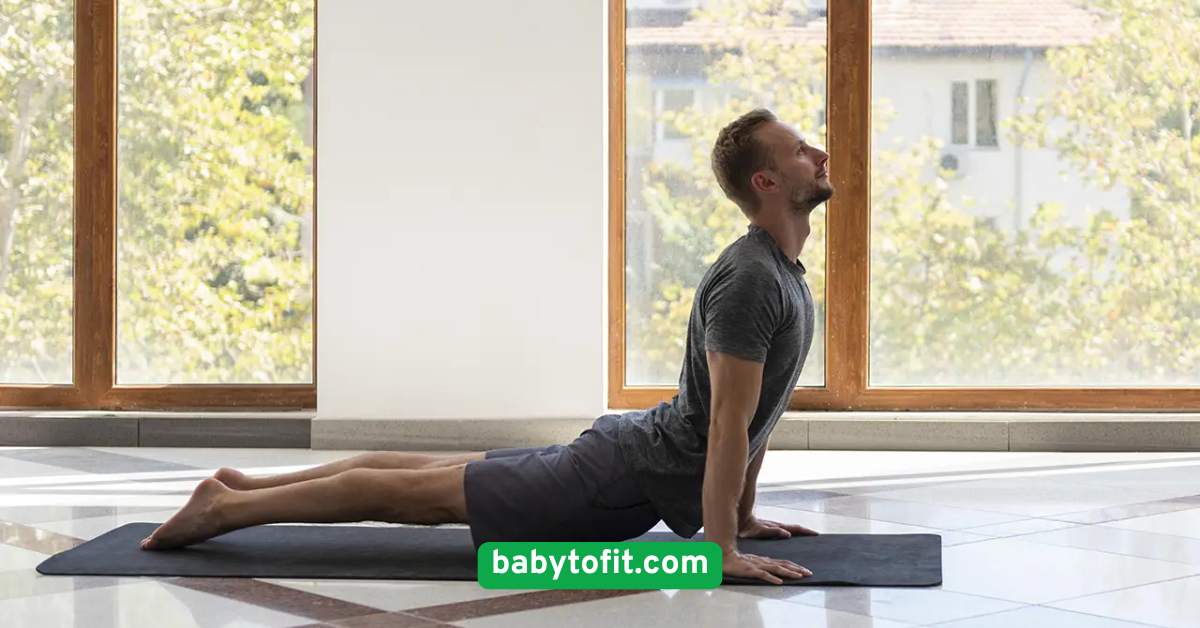
Pelvic tilts are a foundational postpartum exercise that gently activates your lower abdominal muscles and relieves lower back tension. This movement involves lying on your back with knees bent, then slowly tilting your pelvis upward to flatten your lower back against the floor. Holding this position for a few seconds strengthens the deep core muscles that support your spine.Not only do pelvic tilts promote pelvic floor engagement, but they also help alleviate common postpartum discomfort like back pain and pelvic instability. They are ideal for beginners because the controlled motion is low impact yet effective. You can perform several repetitions throughout the day, making them a convenient addition to your recovery routine.
2. Deep Belly Breathing
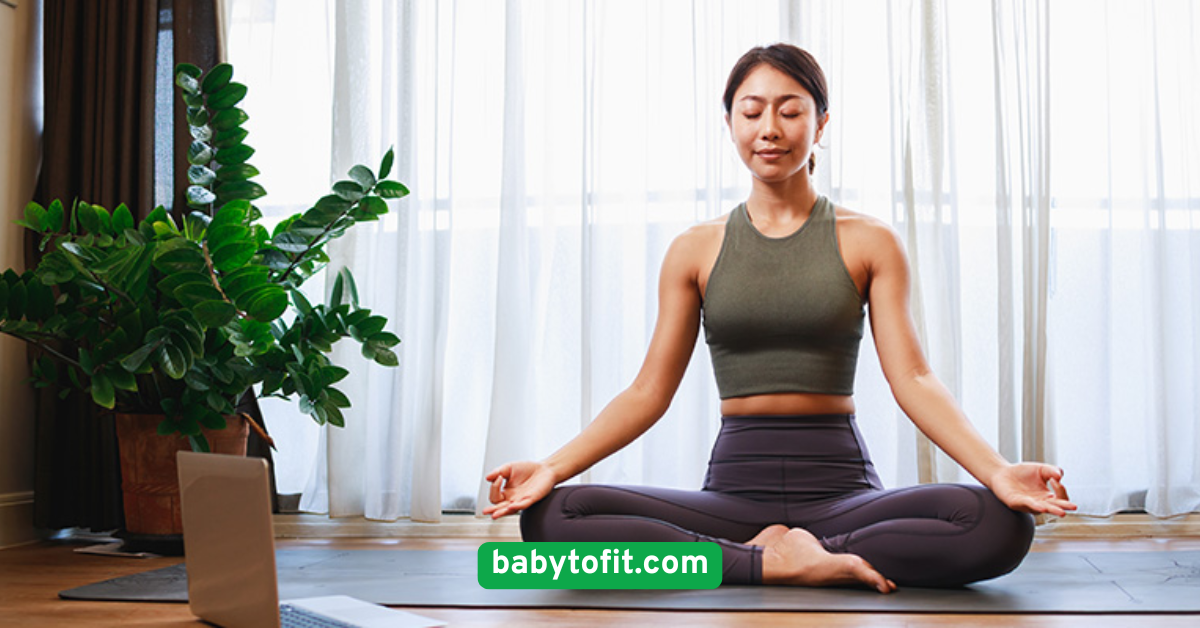
Deep belly breathing isn’t just calming—it’s a powerful tool to reengage your core after pregnancy. This technique involves inhaling deeply through your nose, expanding your belly outward, then exhaling fully while drawing your navel gently toward your spine. This diaphragmatic breathing activates the transverse abdominis, a crucial core stabilizer.Integrating deep belly breathing into your daily routine helps improve oxygen flow, reduce stress, and promote gentle core engagement. You can practice this exercise while resting, nursing, or even walking. Its simplicity and effectiveness make it a postpartum favorite for core recovery and relaxation.
3. Kegel Exercises
Kegels focus on strengthening the pelvic floor muscles that stretch and weaken during childbirth. These muscles play a vital role in bladder control, pelvic stability, and core strength. To perform Kegels, squeeze the muscles you would use to stop urination, hold for 5 seconds, then release slowly.Regular Kegel exercises support faster postpartum recovery and help prevent issues like incontinence and pelvic organ prolapse. They can be done discreetly anytime—whether you’re sitting, standing, or lying down—making them one of the most convenient and effective postpartum workouts.
4. Bridge Pose
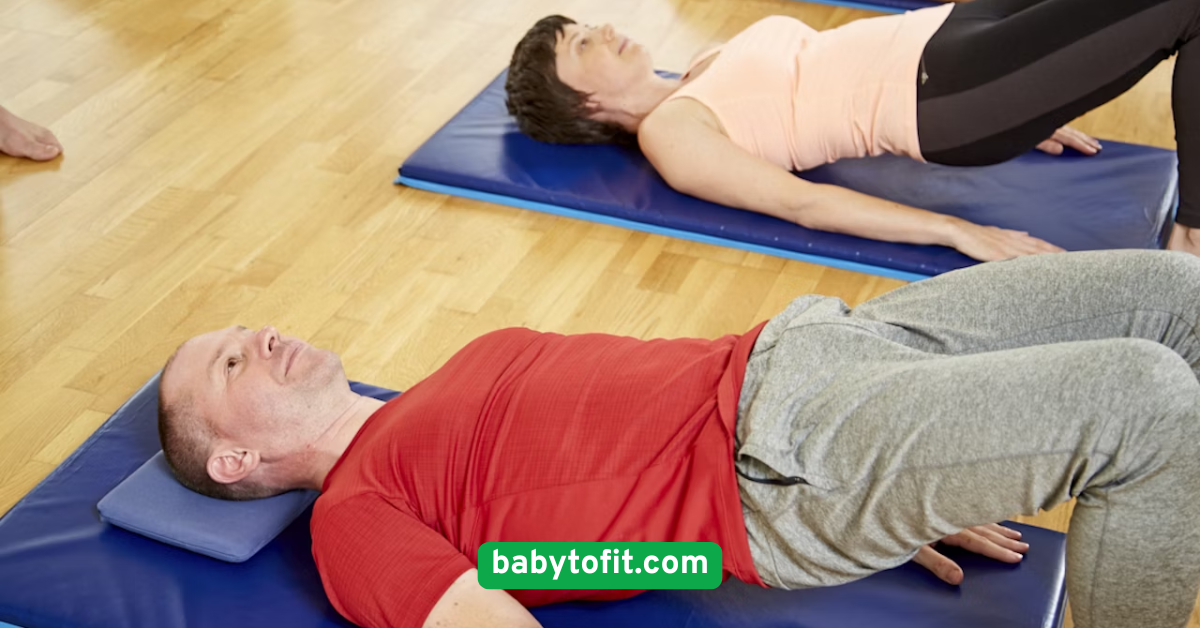
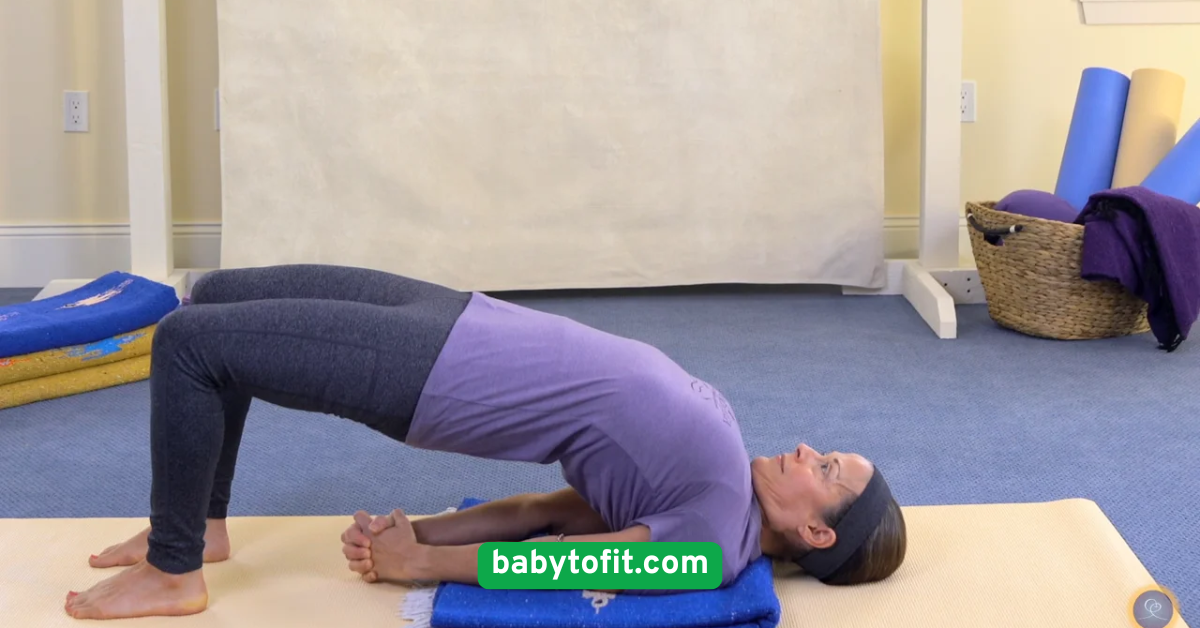
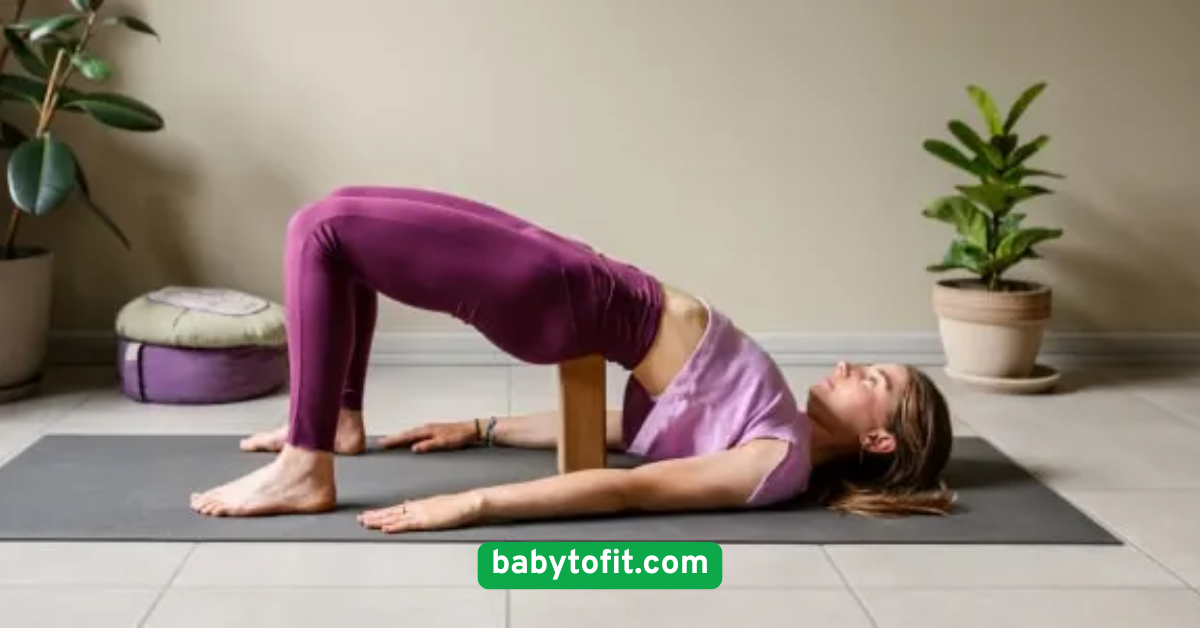
Bridge pose is a gentle, yet powerful exercise to strengthen the glutes, lower back, and core muscles. Lie on your back with knees bent and feet hip-width apart. Slowly lift your hips toward the ceiling while keeping your core engaged and shoulders grounded.This pose not only targets the posterior chain, which supports posture and balance but also promotes pelvic floor activation. Bridges can help reduce lower back pain and improve overall stability. Start with 10 repetitions, holding each lift for a few seconds, and gradually increase as you build strength.
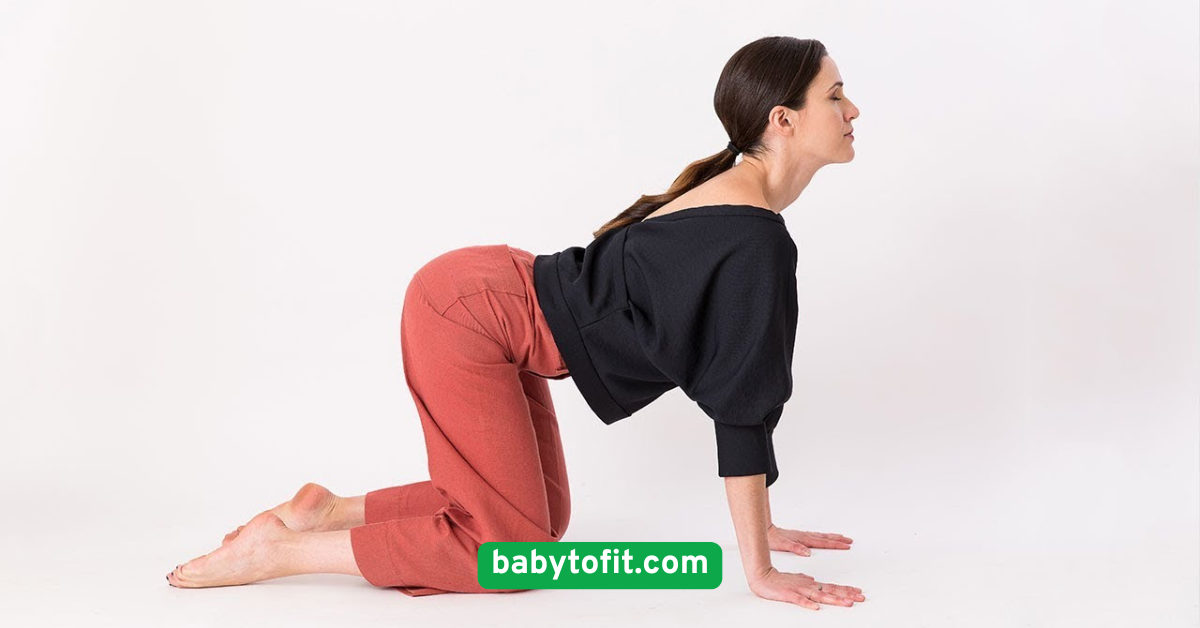
5. Cat-Cow Stretch
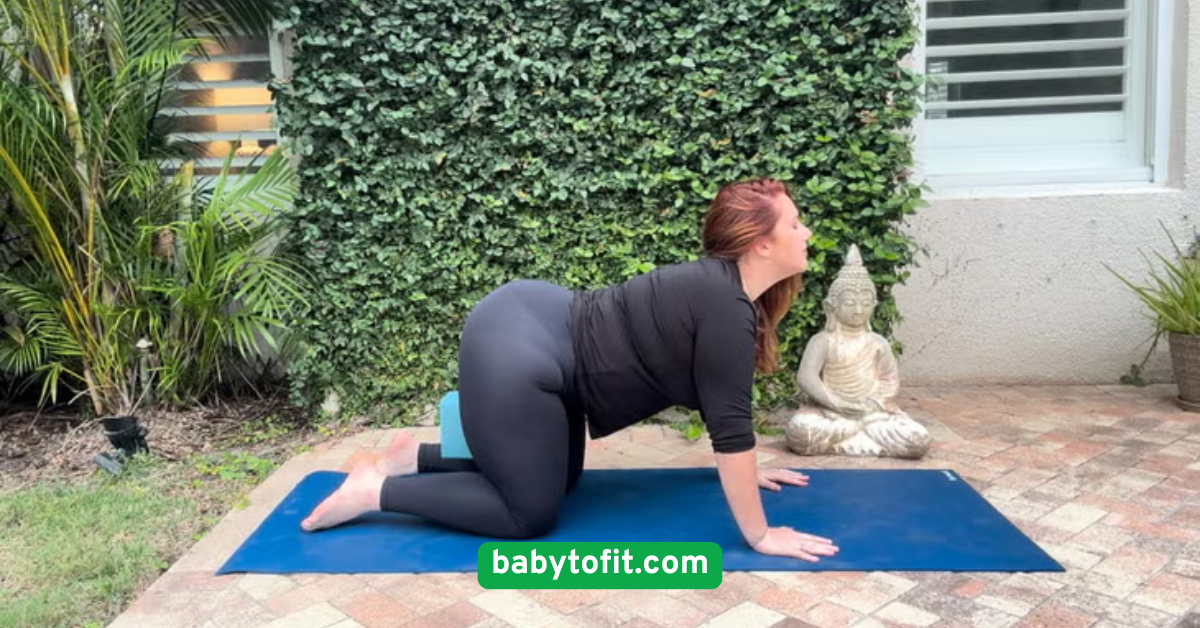
The cat-cow stretch is a classic yoga flow that enhances spinal mobility and encourages mindful breathing. Starting on all fours, inhale as you arch your back (cow pose), lifting your head and tailbone. Exhale as you round your spine (cat pose), tucking your chin and pelvis.This gentle movement eases tension in your back and core while improving flexibility and circulation. It’s especially helpful for postpartum moms who spend much time nursing or carrying their babies, as it counteracts stiffness and promotes relaxation.
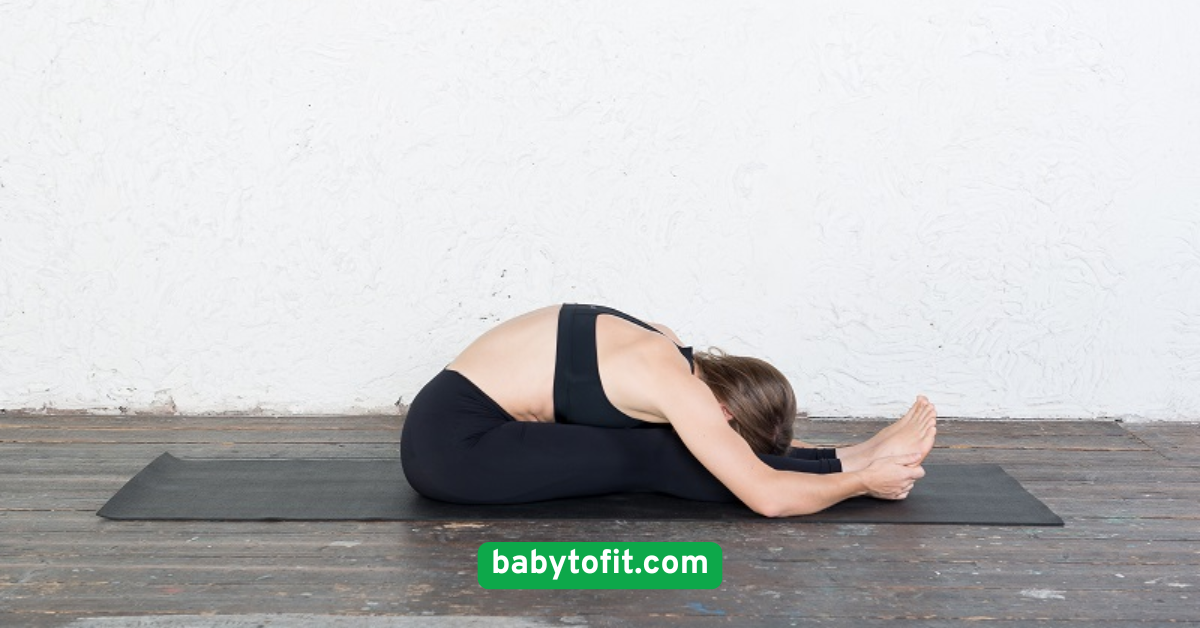
6. Seated Forward Bend
A seated forward bend stretch gently lengthens your hamstrings, lower back, and spine, aiding in postpartum recovery. Sit with legs extended and gently hinge at the hips to reach toward your toes. Avoid forcing the stretch; instead, focus on breathing and relaxing into the position.This stretch can help relieve lower back tension often caused by pregnancy and new motherhood activities. It promotes flexibility and encourages mindfulness, which is beneficial for both physical and emotional postpartum healing.
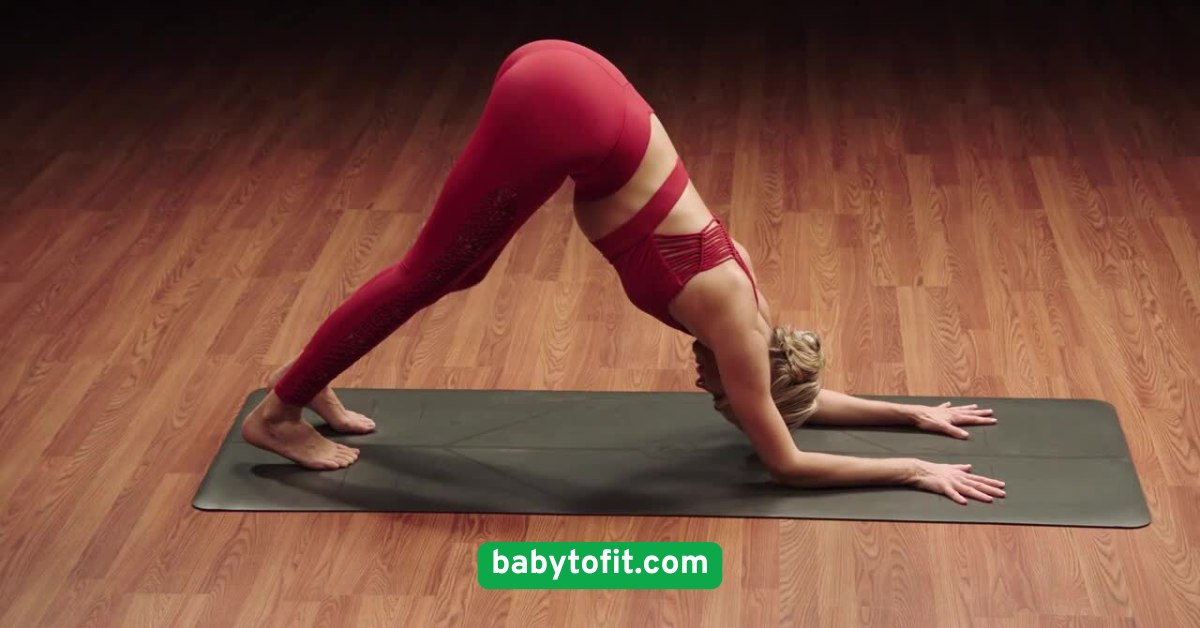
7. Modified Plank
The modified plank is an excellent way to build core strength without overwhelming your healing body. Begin on your forearms and knees, keeping your spine neutral and your core engaged. Hold the position for 10-20 seconds, focusing on steady breathing.Modified planks strengthen the transverse abdominis and shoulders while minimizing strain on the lower back. As your strength improves, you can gradually increase the hold time or progress to full planks. This controlled approach ensures safe, effective core recovery.
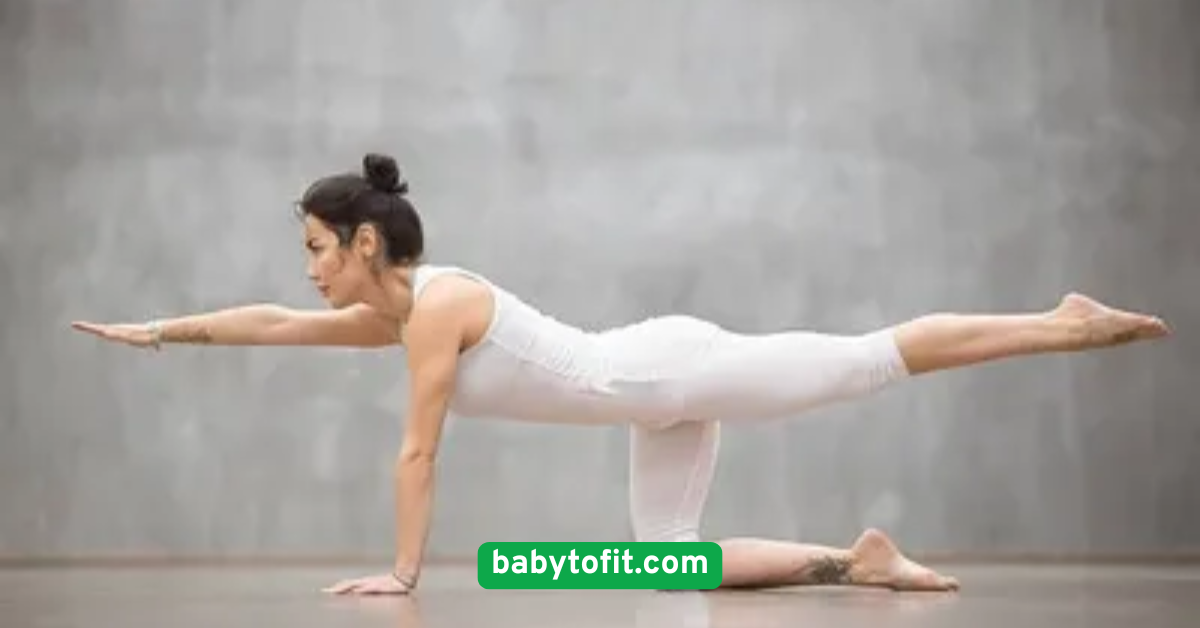
8. Bird Dog
Bird dog exercises improve core stability and balance by engaging your abdominal muscles, glutes, and back simultaneously. From an all-fours position, extend your right arm and left leg while keeping your core tight and hips level. Hold briefly, then switch sides.This movement encourages coordination and strengthens the entire core unit, which is crucial for postpartum functional fitness. Performing bird dogs regularly can reduce back pain and enhance your ability to perform daily activities with greater ease.
9. Wall Sits
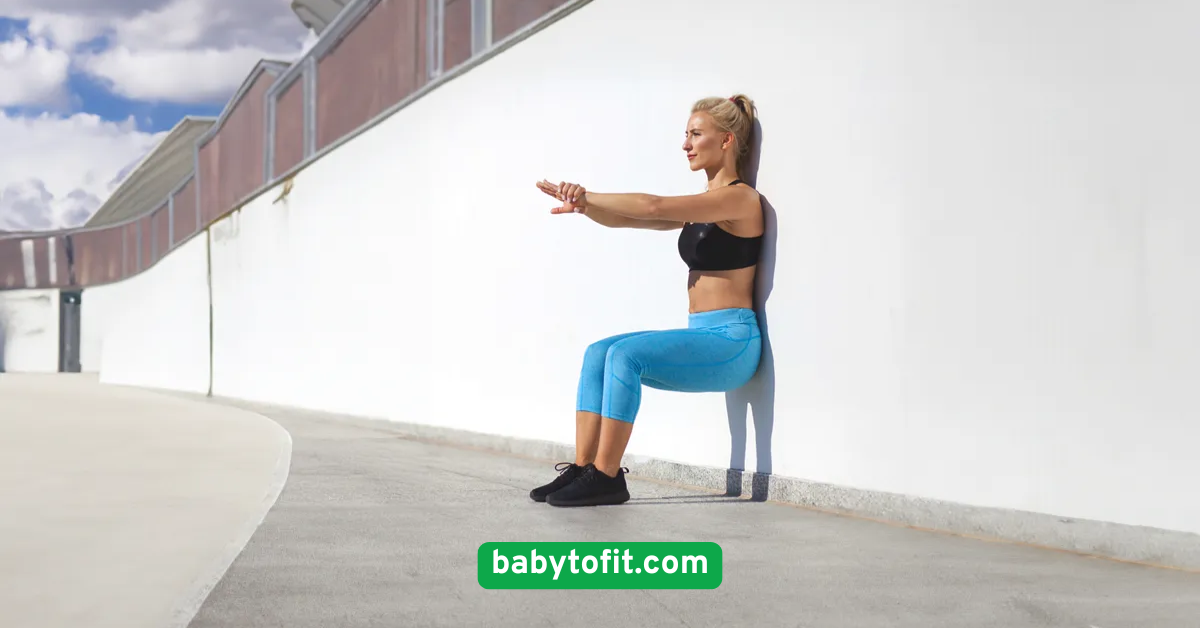
Wall sits are a simple, low-impact way to build endurance in your legs and core. Stand with your back against a wall and slide down until your knees are bent at a 90-degree angle, as if sitting in a chair. Hold the position while engaging your core.This exercise strengthens your quads, glutes, and core, which supports better posture and pelvic alignment postpartum. It’s particularly helpful for moms adjusting to new physical demands and seeking to improve lower body strength gradually.
10. Heel Slides
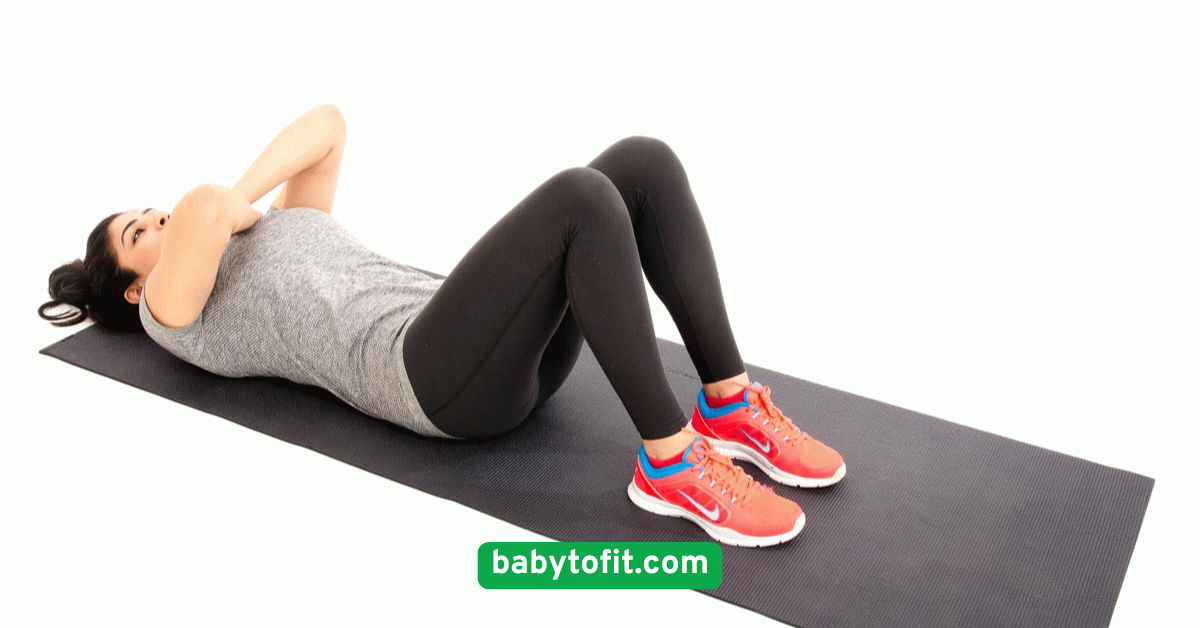
Heel slides help activate the lower abdominal muscles and improve hip mobility. Lying on your back with knees bent, slowly slide one heel away from your body until your leg is straight, then return. Alternate legs with controlled, steady movements.This gentle exercise aids in rebuilding core strength and mobility without stress. Heel slides can be incorporated into your postpartum routine early on to promote safe, progressive recovery.
11. Modified Bicycle Crunches
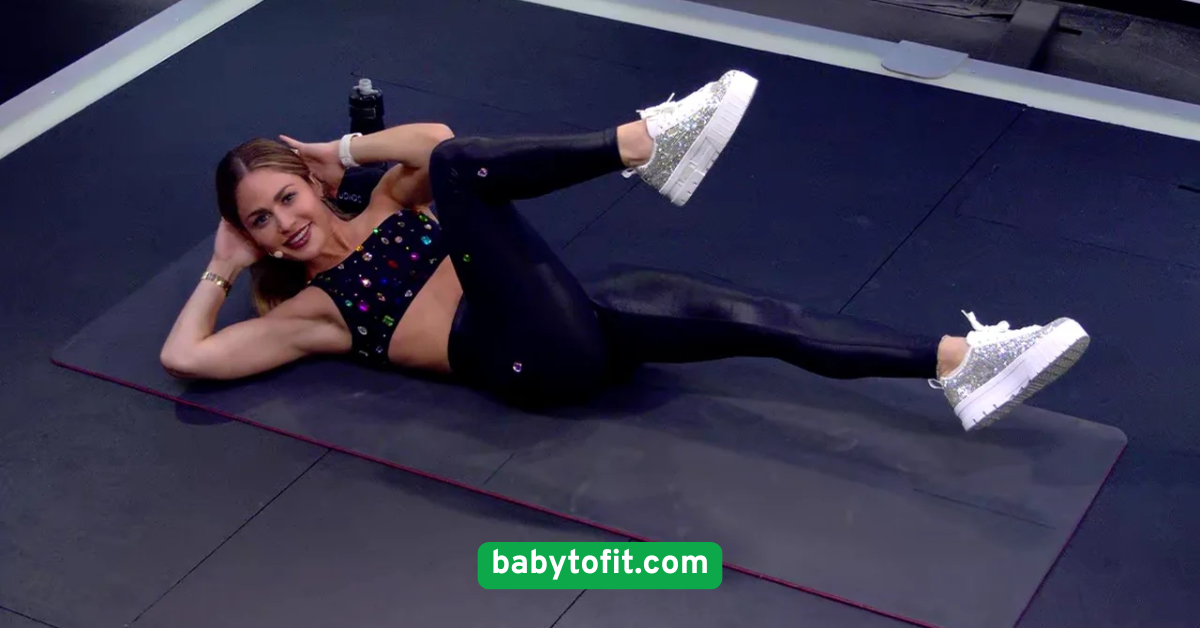
Modified bicycle crunches are a gentle way to activate the abdominal muscles without overwhelming the postpartum core. Lying on your back with knees bent and feet flat, lift one leg slightly off the ground while reaching the opposite elbow toward the raised knee. Keep movements slow and controlled, focusing on engaging the deep abdominal muscles rather than using momentum. This exercise helps restore coordination between the upper and lower body while targeting the obliques, which often weaken during pregnancy. Always listen to your body and avoid any discomfort in the abdominal area.
12. Side-Lying Leg Lifts
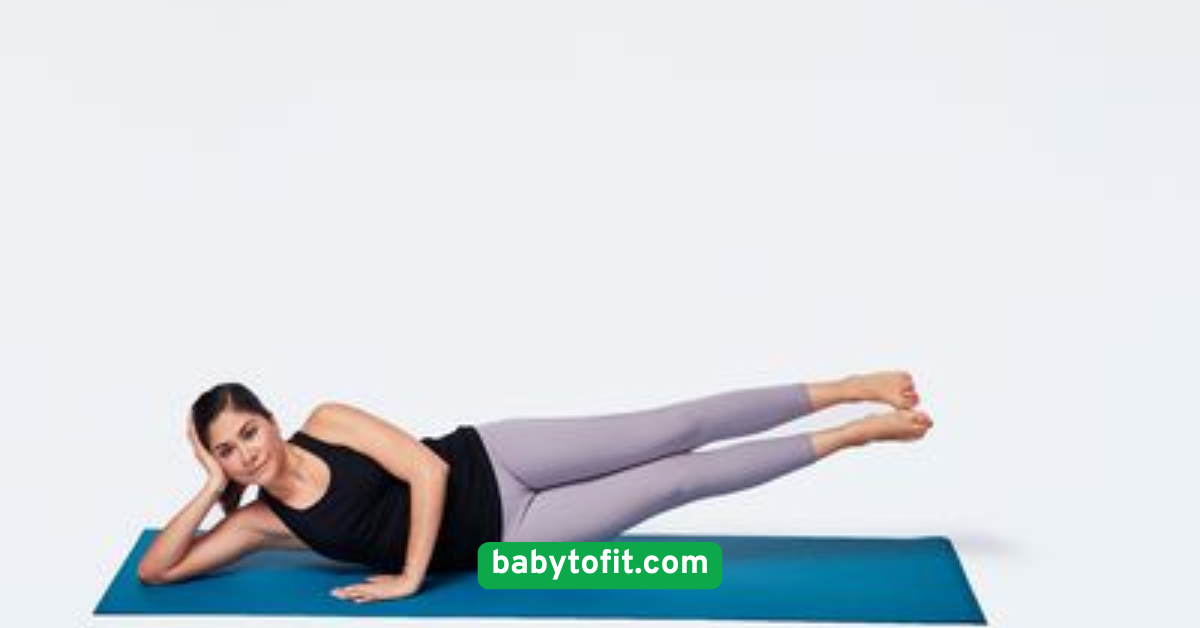
Side-lying leg lifts strengthen the hips and outer thighs while supporting pelvic alignment—a crucial component of postpartum recovery. Lie on your side with legs stacked, head resting on your arm. Slowly lift the top leg up and down with control, engaging your core to maintain stability. This movement helps tone muscles that support the pelvis and lower back, improving balance and reducing discomfort from daily baby-carrying postures. Incorporating side-lying leg lifts into your routine can enhance overall lower body strength without stressing your abdominal muscles.
13. Glute Squeezes
Glute squeezes are simple yet effective exercises to engage and strengthen the buttocks and lower back, areas vital for pelvic support. While sitting or lying down, contract your glute muscles as if squeezing a small ball between your cheeks. Hold for a few seconds, then release. This movement activates muscles that assist in stabilizing the pelvis, reducing the risk of lower back pain postpartum. Plus, glute squeezes can be done discreetly during everyday activities, making them a convenient addition to your recovery plan.
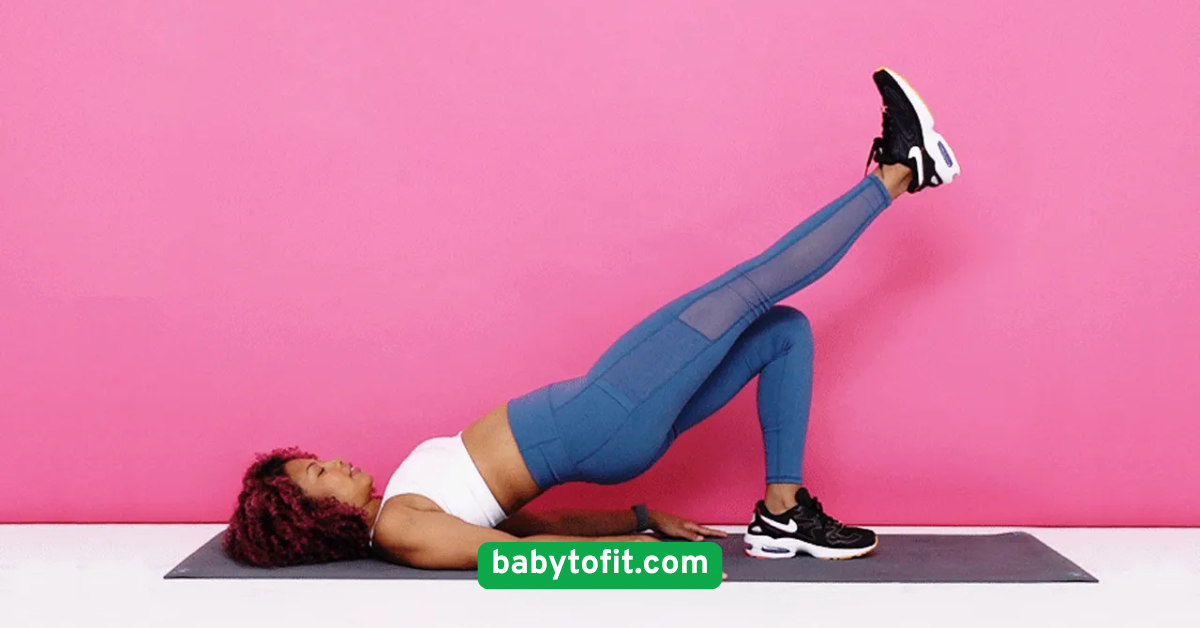
14. Wall Squats
Wall squats build strength in the legs and core while promoting proper alignment. Stand with your back against a wall, feet hip-width apart, and slowly slide down into a squat position, keeping knees over ankles. Engage your core and glutes to hold the position for 10 to 20 seconds before rising back up. This exercise strengthens the quadriceps, hamstrings, and deep core muscles that support posture and stability. Wall squats are low impact but effective, helping new moms regain functional strength for daily movements.
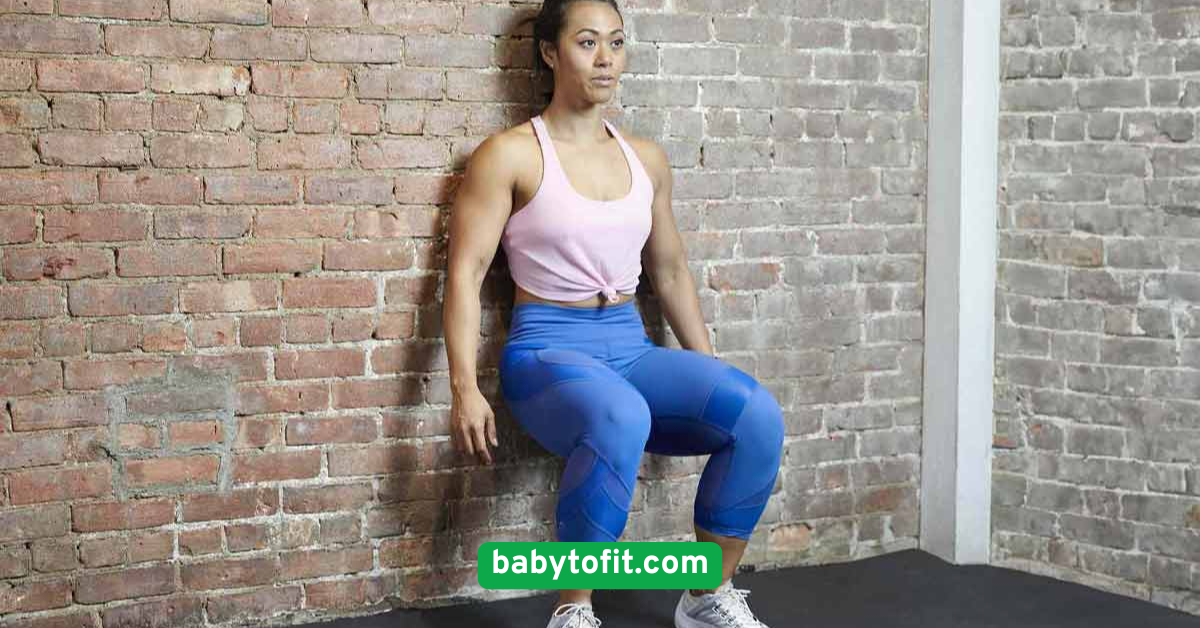
15. Standing Pelvic Tilts
Standing pelvic tilts offer a variation of the traditional pelvic tilt, engaging the core and improving pelvic mobility while in an upright position. Stand with feet hip-width apart and hands on hips. Tuck your pelvis under by contracting the lower abdominal muscles, then release back to neutral. This movement strengthens the transverse abdominis and helps alleviate lower back tension common after pregnancy. The standing position also encourages better posture throughout the day and can be practiced anywhere—whether at home or while caring for your baby.
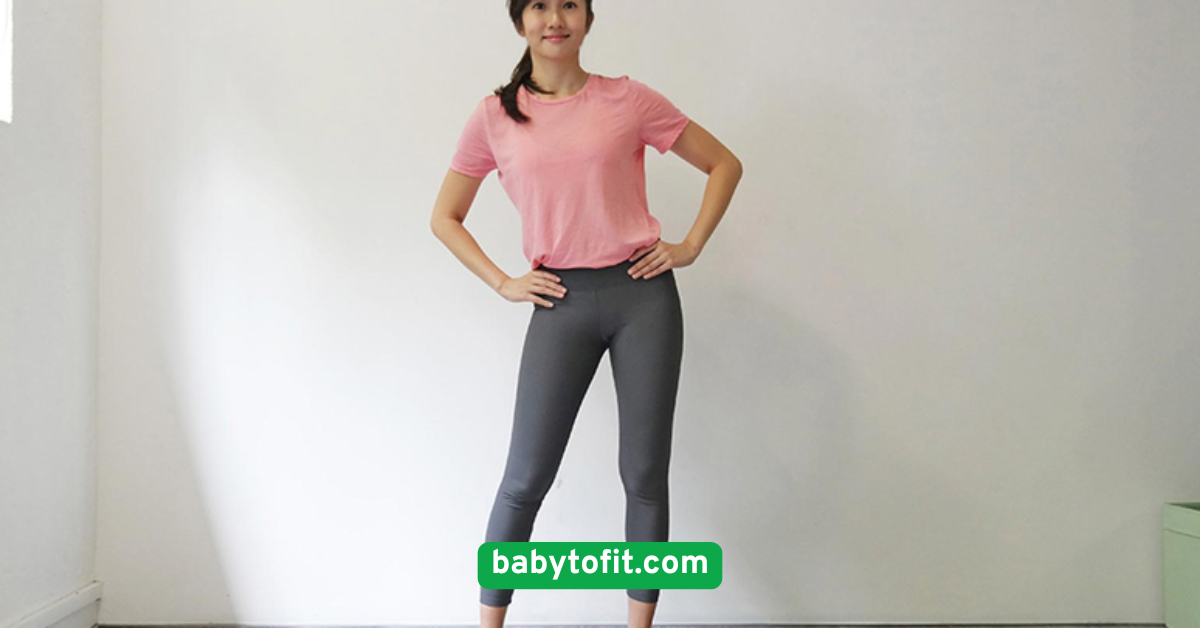
16. Supine Toe Taps
Supine toe taps gently target the lower abdominal muscles, encouraging safe core activation. Lie on your back with knees bent at a 90-degree angle, feet lifted off the floor. Slowly lower one foot to tap the floor lightly, then bring it back up and repeat with the other foot. Maintain a neutral spine and engage your core throughout. This exercise promotes abdominal strength without excessive strain, ideal for rebuilding core control in the early postpartum weeks. The slow, deliberate movement enhances muscle endurance and coordination.
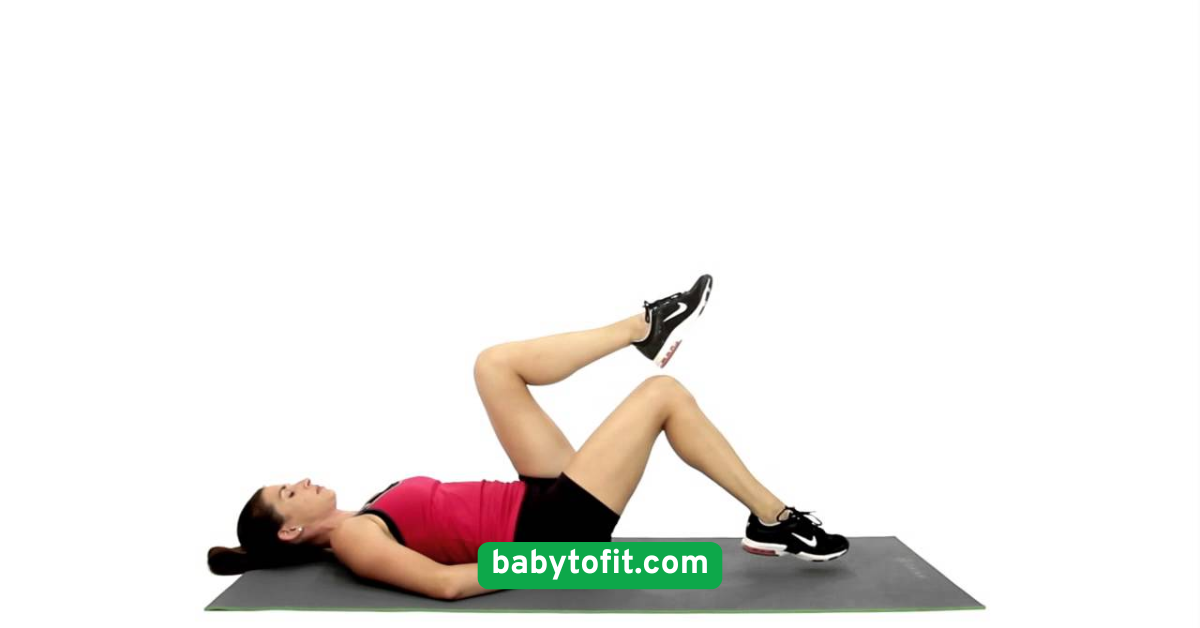
17. Seated Side Bends
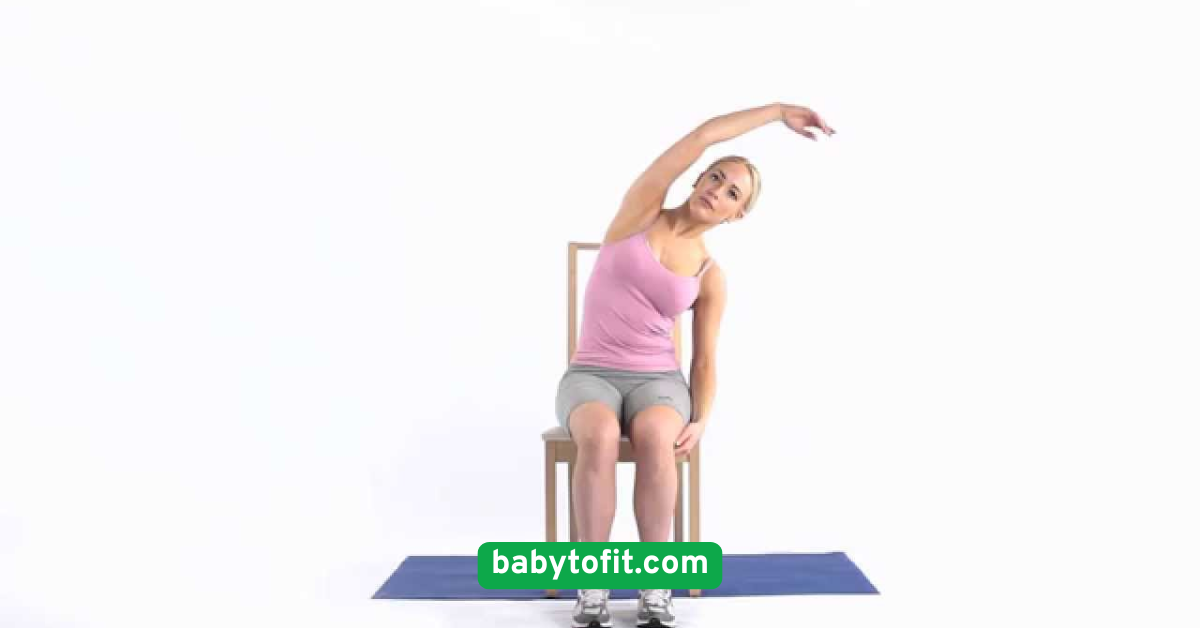
Seated side bends help stretch and strengthen the oblique muscles, enhancing lateral core stability and flexibility. Sit tall on a chair with feet flat on the ground. Slowly lean to one side, reaching your arm over your head to lengthen the side body, then return to center and repeat on the other side. This gentle movement relieves tension accumulated from breastfeeding and baby-carrying positions while activating core muscles. It’s a soothing way to promote mobility and prevent stiffness throughout the day.
18. Heel Raises
Heel raises are simple yet effective for strengthening the calves and engaging the core for balance. Stand with feet hip-width apart and slowly lift your heels off the ground, rising onto the balls of your feet. Hold briefly, then lower down with control. Engaging your abdominal muscles during this movement improves stability and posture. Heel raises support functional strength, making everyday activities like walking and climbing stairs easier as your body continues to heal postpartum.
19. Child’s Pose with Side Stretch
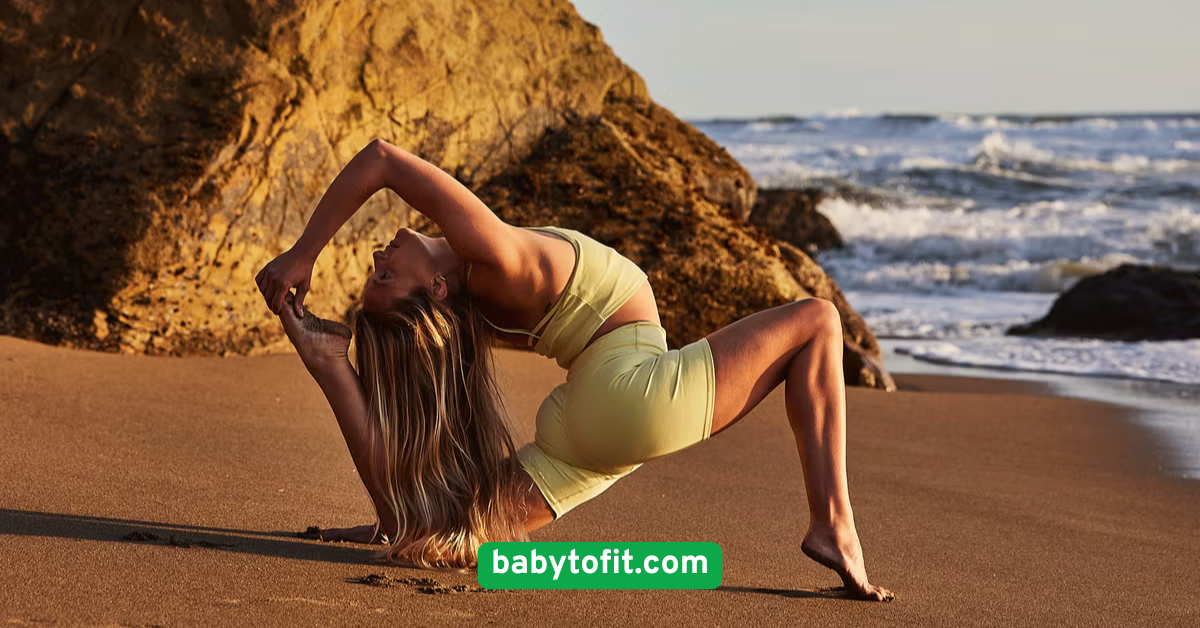
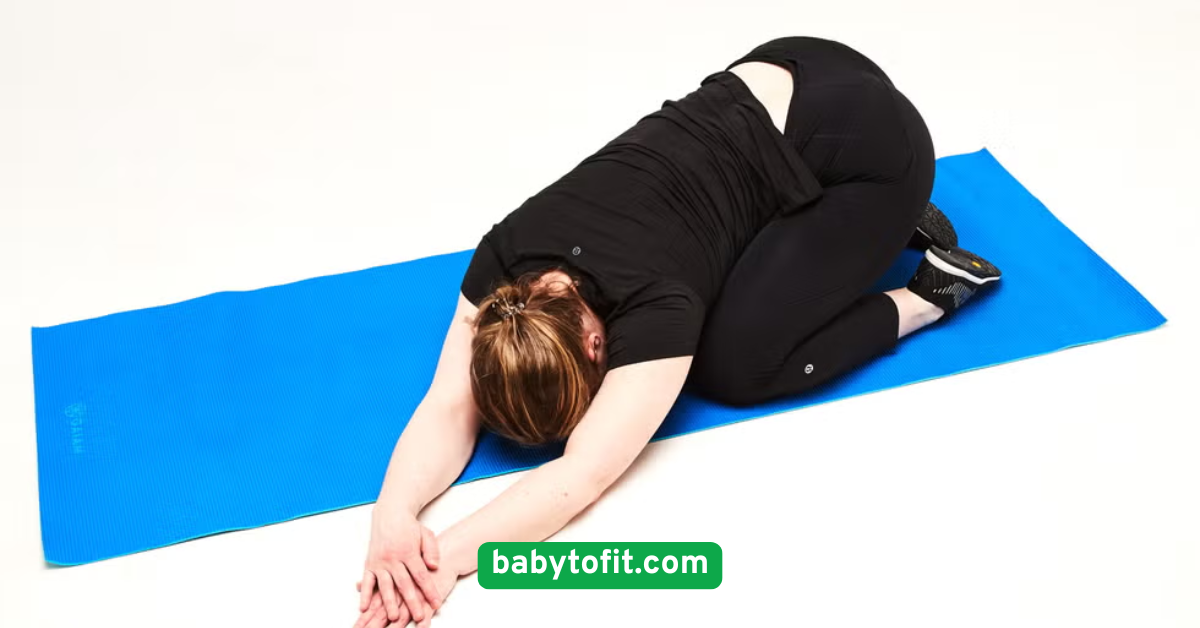
Child’s pose with a side stretch combines relaxation and gentle stretching to soothe tight muscles postpartum. Begin in a child’s pose position—knees wide, arms stretched forward. Walk your hands to one side, feeling a stretch along the opposite side of your torso. Hold for several breaths, then switch sides. This pose gently opens the hips, lengthens the spine, and encourages diaphragmatic breathing, which supports core engagement. It’s a restorative movement perfect for easing tension and connecting mind and body.
20. Heel Slides with Core Engagement
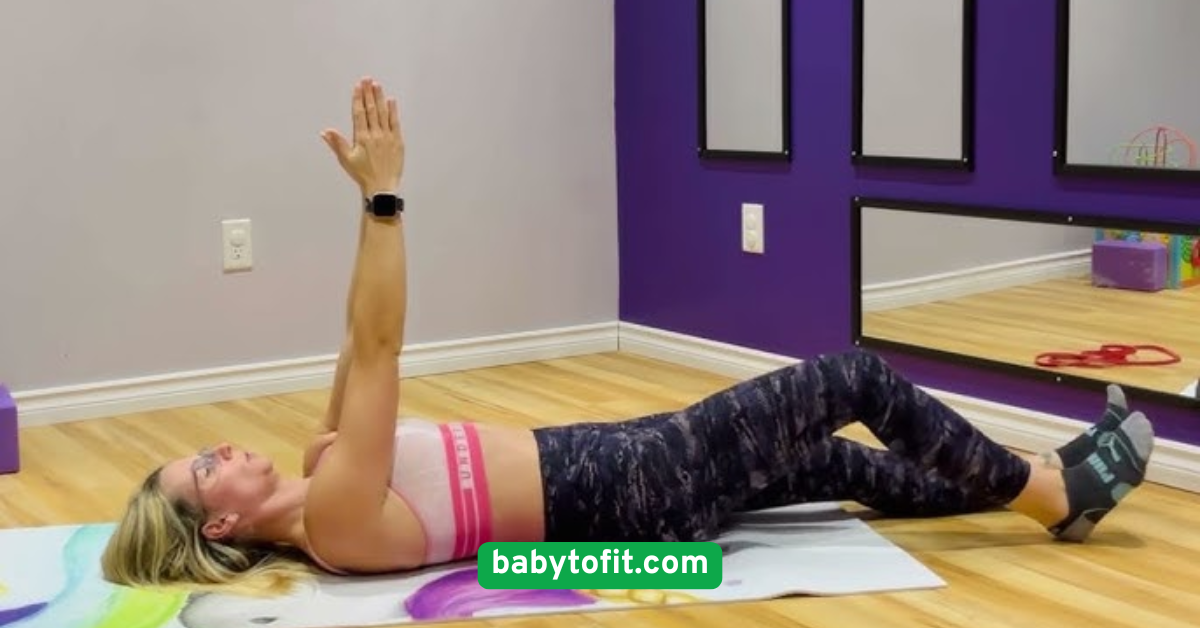
Heel slides with core engagement deepen the traditional heel slide by focusing on abdominal activation. Lie on your back with knees bent and feet flat. Engage your core and slowly slide one heel forward, extending the leg, then bring it back. Alternate sides while maintaining a neutral pelvis and steady breathing. This controlled movement builds coordination between the hips and core, improving pelvic stability and muscle endurance—key for regaining strength safely postpartum.
21. Standing Side Leg Lifts
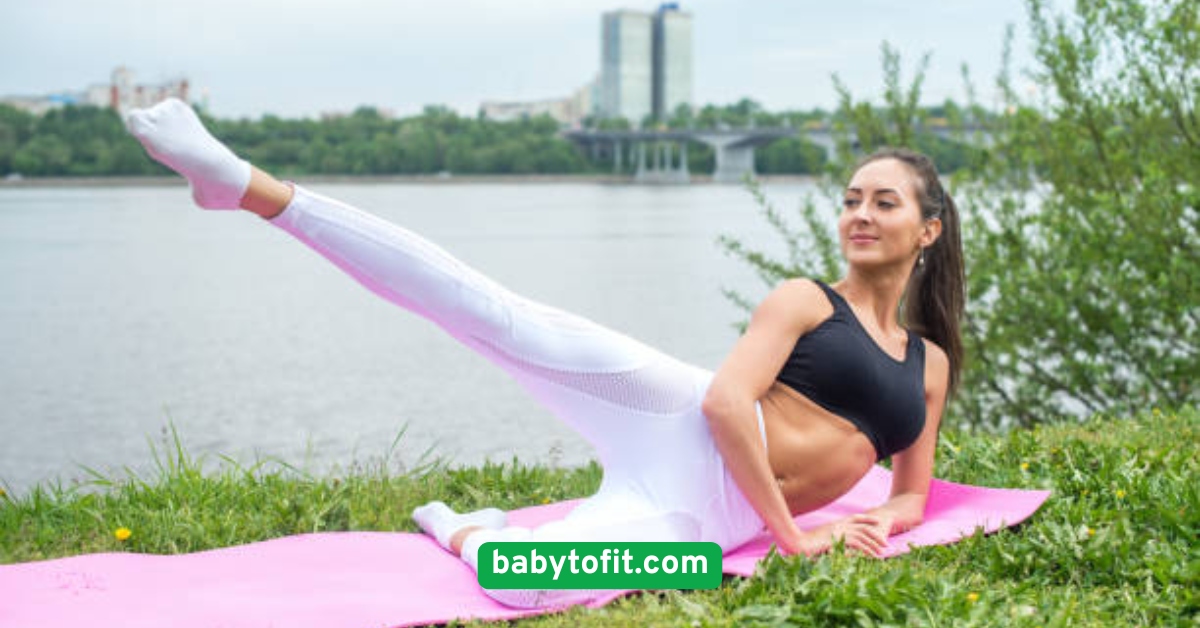
Standing side leg lifts target the hip abductors and enhance balance, which can be challenged after childbirth. Stand tall near a chair or wall for support. Slowly lift one leg out to the side without tilting your torso, then lower it back down. Engage your core throughout to maintain stability. This exercise strengthens muscles around the pelvis, improving alignment and reducing the risk of injury. It also enhances your ability to move confidently while handling daily mom duties.
22. Bridge Marches
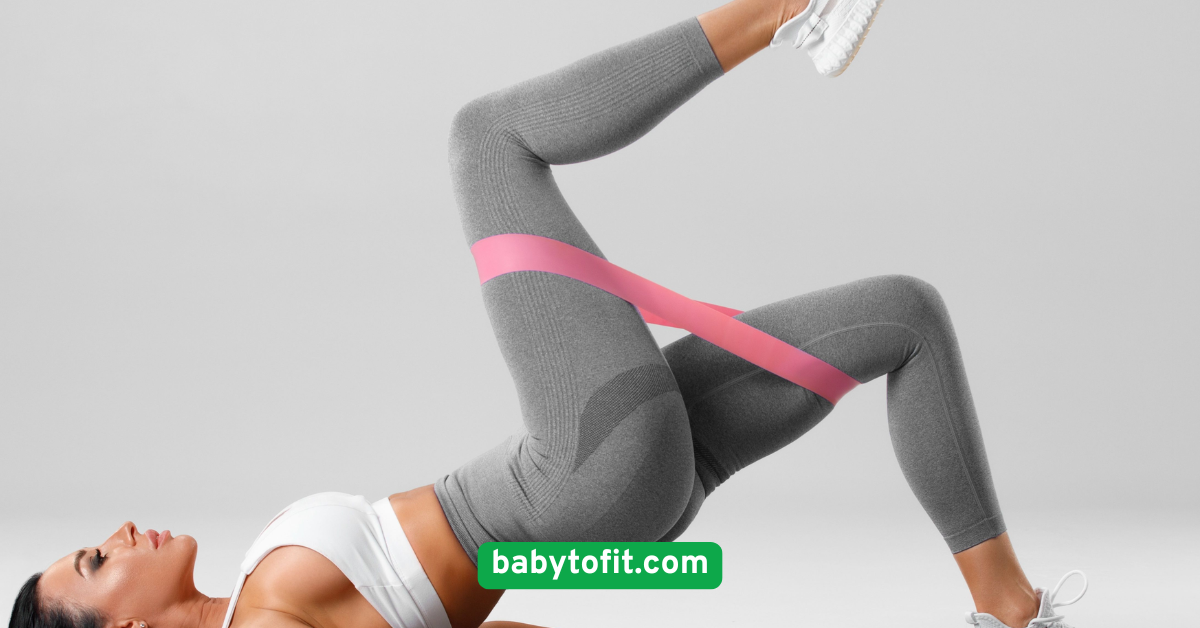
Bridge marches combine the benefits of bridge pose and marching for a dynamic core and glute workout. Start in bridge pose with hips lifted, then slowly alternate lifting one knee toward your chest while keeping hips elevated. This challenges your stability and engages your deep core muscles as you work to maintain balance. Bridge marches promote pelvic floor activation and strengthen the posterior chain, helping support your back and improve posture. It’s a functional exercise that prepares your body for everyday movements.
23. Modified Plank on Knees
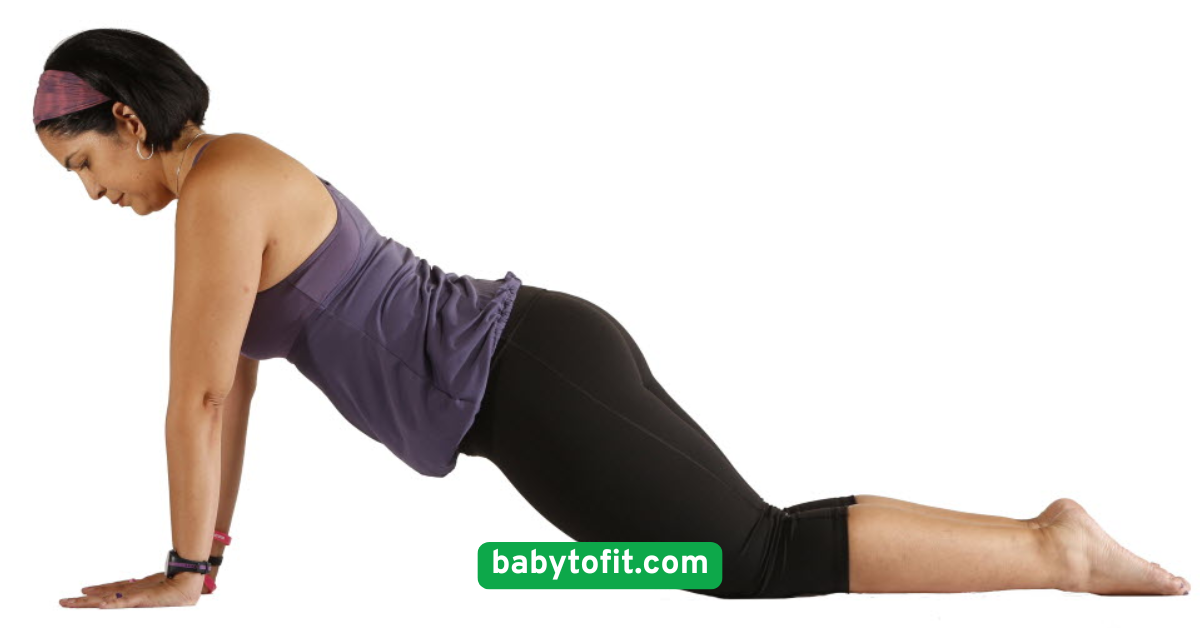
The modified plank on knees is a beginner-friendly core strengthening exercise suitable for postpartum recovery. Begin in a plank position with your forearms on the floor and knees down for support. Keep your body in a straight line from head to knees, engaging your abdominal muscles and avoiding sagging hips. Hold for 10 to 20 seconds, gradually increasing as strength improves. This exercise targets the entire core, including the transverse abdominis and obliques, helping rebuild essential strength safely.
24. Supine Marching with Ball Squeeze
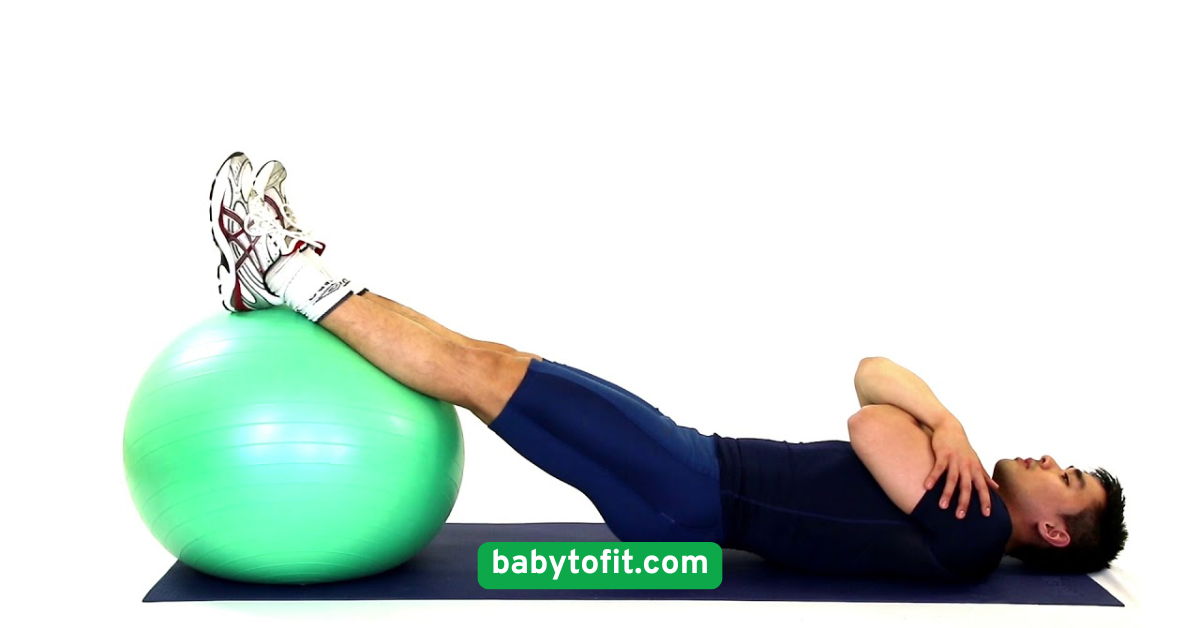
This exercise adds a gentle challenge by incorporating a small ball or pillow between the knees. Lie on your back with knees bent and place the ball between them. Engage your core and squeeze the ball while marching your legs one at a time. The combination of squeezing and marching activates inner thigh muscles along with deep abdominal muscles, promoting pelvic stability. It’s an excellent way to enhance coordination and strength while being mindful of postpartum limitations.
25. Butterfly Stretch with Core Engagement
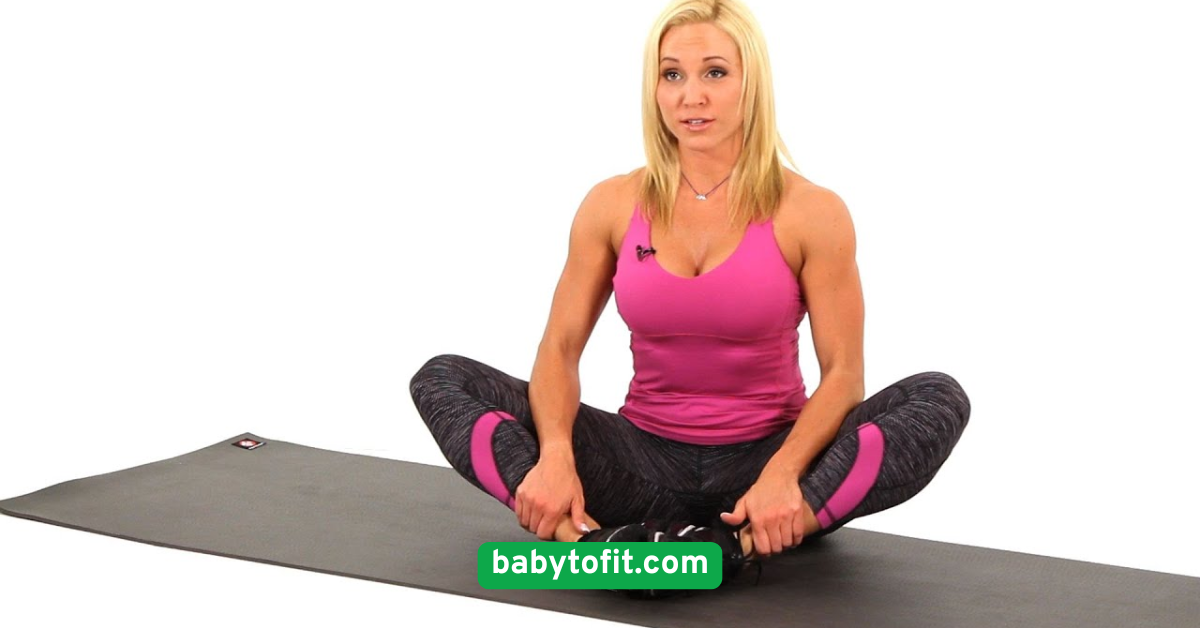
The butterfly stretch not only opens the hips but can also be paired with gentle core engagement for a full-body effect. Sit with the soles of your feet together and knees out to the sides. Maintain an upright posture and gently engage your core as you press your knees toward the floor. This stretch relieves tightness in the groin and hip flexors, which often become tight during pregnancy. Adding core engagement supports pelvic stability and encourages mindful body awareness during your recovery journey.
26. Wall Angels
Wall angels improve shoulder mobility and posture while engaging the upper back and core muscles. Stand with your back against a wall, feet a few inches away. Press your lower back, shoulders, and head into the wall. Slowly raise your arms into a “goal post” position and then extend them overhead, maintaining contact with the wall. This movement strengthens postural muscles and encourages alignment, reducing tension caused by carrying your baby or breastfeeding. Strong posture supports core function and overall body mechanics.
27. Knee Sways in Bridge Pose
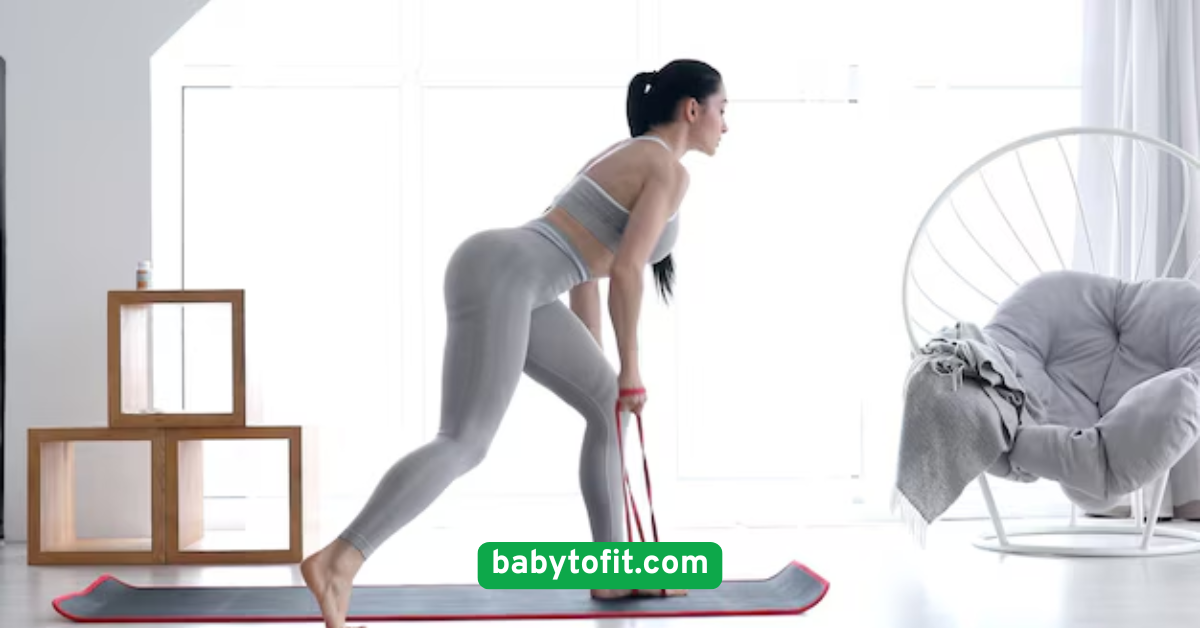
Knee sways in bridge pose introduce gentle movement to the hips while maintaining core engagement. In bridge pose, with hips lifted, slowly let your knees sway side to side within a comfortable range. This dynamic movement stretches the lower back and strengthens pelvic muscles, promoting flexibility and circulation. Knee sways help release tension and improve coordination between the hips and core, which are essential for functional postpartum recovery.
28. Wall Chest Opener
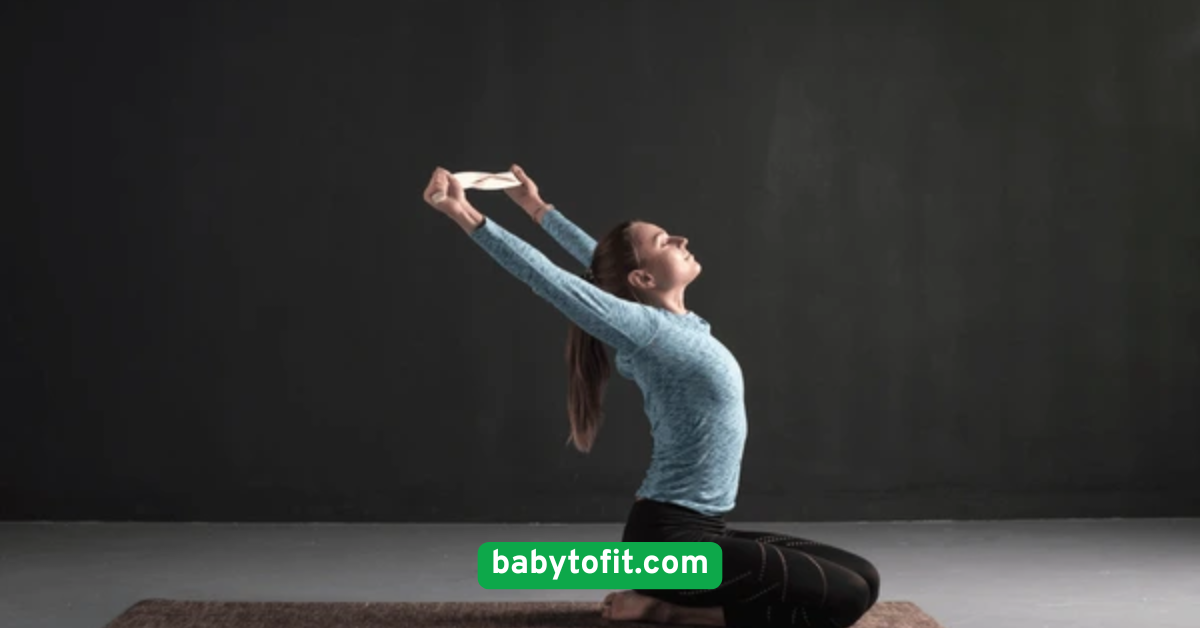
The wall chest opener is a simple stretch that counters the forward-hunched posture many new moms develop. Stand facing a wall, place your hands behind your head, and gently press your elbows back while squeezing your shoulder blades together. This stretch opens the chest and engages upper back muscles, improving posture and breathing capacity. Enhanced posture supports better core alignment and reduces strain on the neck and shoulders.
29. Gentle Spinal Twist
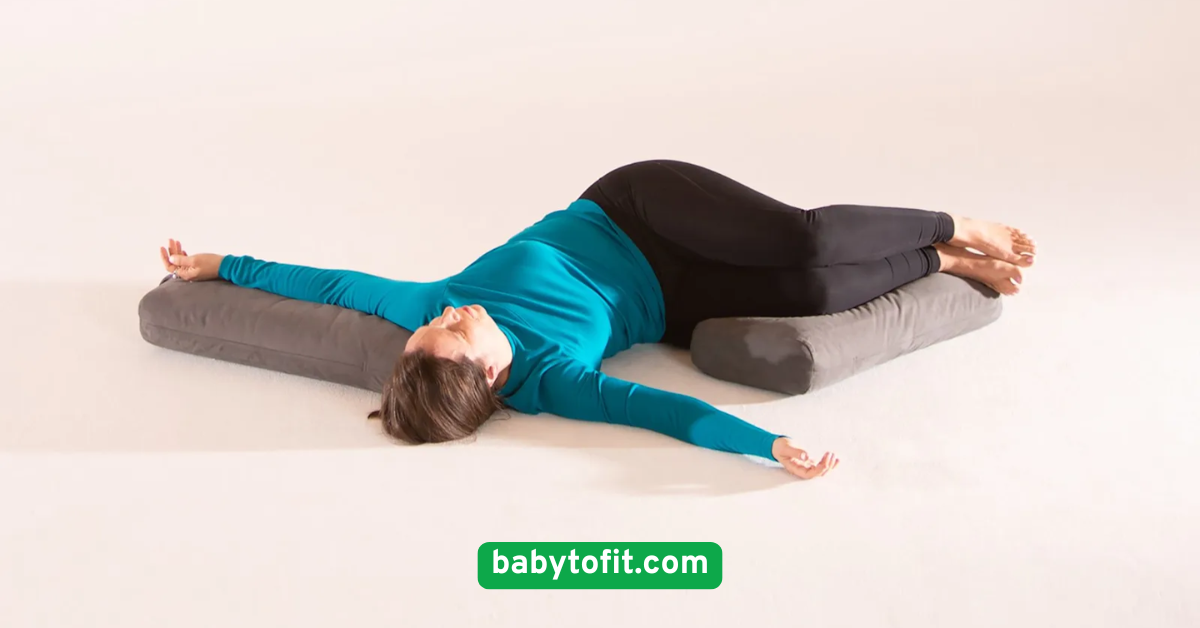
The gentle spinal twist helps improve spinal mobility and relaxes tight muscles after childbirth. Sit cross-legged or lie on your back with knees bent. Slowly twist your lower body to one side, keeping your shoulders grounded. Hold the stretch, then repeat on the other side. This twist releases tension in the spine and massages abdominal muscles, aiding digestion and core recovery. It’s a calming stretch that supports overall flexibility and body awareness.
30. Floor Cat-Cow with Pelvic Floor Engagement
This variation of the classic cat-cow stretch incorporates pelvic floor activation to deepen core benefits. On all fours, as you arch your back (cow), gently contract your pelvic floor muscles, then relax them as you round your spine (cat). This coordinated movement improves spinal flexibility while strengthening pelvic floor and core muscles simultaneously. It’s a mindful exercise that helps restore connection to your core and pelvis, crucial for postpartum healing.
Conclusion
Recovering your core strength postpartum is a journey of patience, kindness, and consistent care. These 30 soothing workouts are designed to gently rebuild your core muscles, support pelvic health, and ease you back into everyday activities. Remember, listen to your body and progress at your own pace—there’s no rush in healing. By embracing these exercises, you’re investing in your physical wellbeing and overall confidence as a new mom. Start today, celebrate small victories, and enjoy the empowering path toward renewed strength and vitality!


