12 Healing Postpartum Workouts to Regain Strength
Studies show that postpartum exercise improves mood, enhances physical recovery, and promotes long-term wellness. It’s about reconnecting with your body and embracing small steps that lead to big changes. Ready to start your healing journey? Here are 12 healing postpartum workouts to help you regain strength safely and effectively.
1. Pelvic Floor Strengthening Exercises
The pelvic floor is a group of muscles that support vital organs like your bladder, uterus, and bowel. Pregnancy and childbirth can weaken these muscles, often leading to issues such as urinary incontinence or pelvic discomfort. Strengthening your pelvic floor postpartum is crucial for regaining control and core stability.Pelvic floor exercises, commonly known as Kegels, are simple yet powerful. To perform, gently contract the muscles you would use to stop urinating and hold for five seconds before releasing. Aim to do 10-15 repetitions, three times daily. Focus on relaxing the surrounding muscles so you don’t strain your thighs or abdomen.Regular pelvic floor activation helps rebuild muscle tone and improves blood circulation to the area, which accelerates healing. Over time, these exercises not only enhance bladder control but also contribute to better posture and a stronger core — both essential for moms caring for active little ones.
2. Diaphragmatic (Deep Belly) Breathing
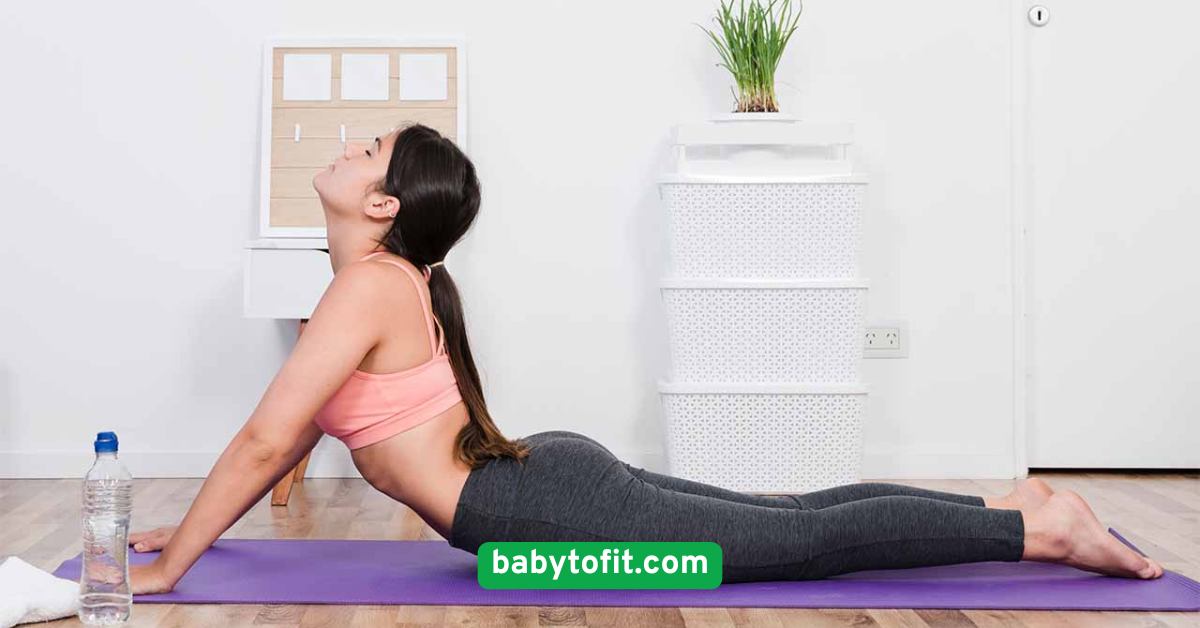
Breathing is often overlooked but is a vital part of postpartum recovery. Diaphragmatic breathing activates the deepest abdominal muscles, particularly the transverse abdominis, which acts like a natural corset around your midsection.Here’s how to do it: sit or lie comfortably, place one hand on your chest and the other on your belly. Inhale deeply through your nose, allowing your belly to expand while keeping your chest still. Exhale slowly through pursed lips, drawing your belly button gently toward your spine.This breathing technique helps reduce tension, supports core engagement, and promotes relaxation—something every new mom needs! Incorporate diaphragmatic breathing into daily routines like nursing or calming your baby to benefit both body and mind. Over time, it assists in healing abdominal separation (diastasis recti) and improves posture.
3. Gentle Cat-Cow Stretch
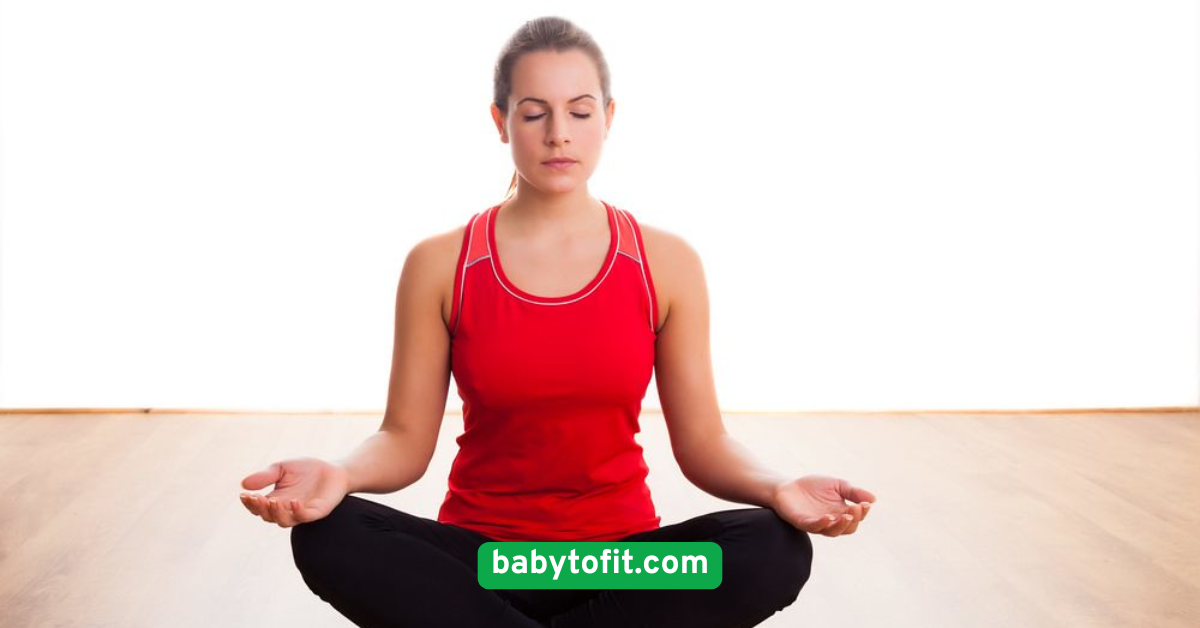
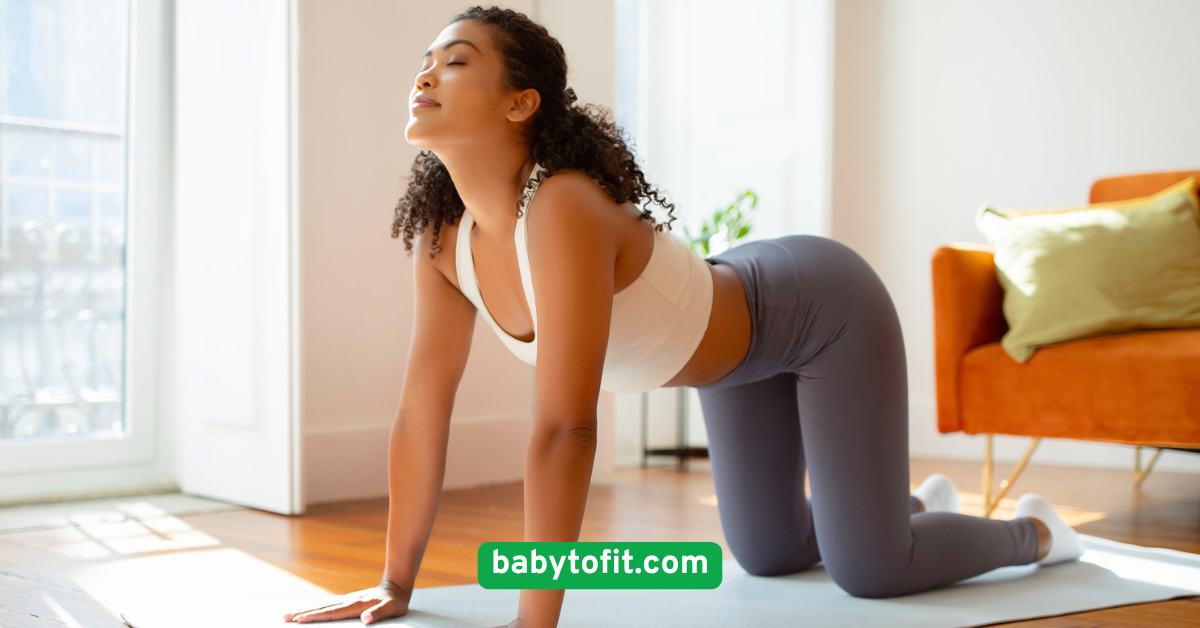
The Cat-Cow stretch, borrowed from yoga, is a gentle movement that increases spinal flexibility and eases back pain, common complaints among postpartum women.Start on your hands and knees in a tabletop position. As you inhale, arch your back, lifting your tailbone and head toward the ceiling (Cow pose). As you exhale, round your spine upward, tucking your chin and pelvis (Cat pose). Move slowly and synchronize your breath with your movements.This exercise helps to awaken the spine, promotes blood flow to the back muscles, and encourages mindfulness—allowing you to release tension after hours of carrying and nursing your baby. Practicing 8-10 rounds daily can improve posture and spinal health, vital for long-term comfort and mobility.
4. Heel Slides
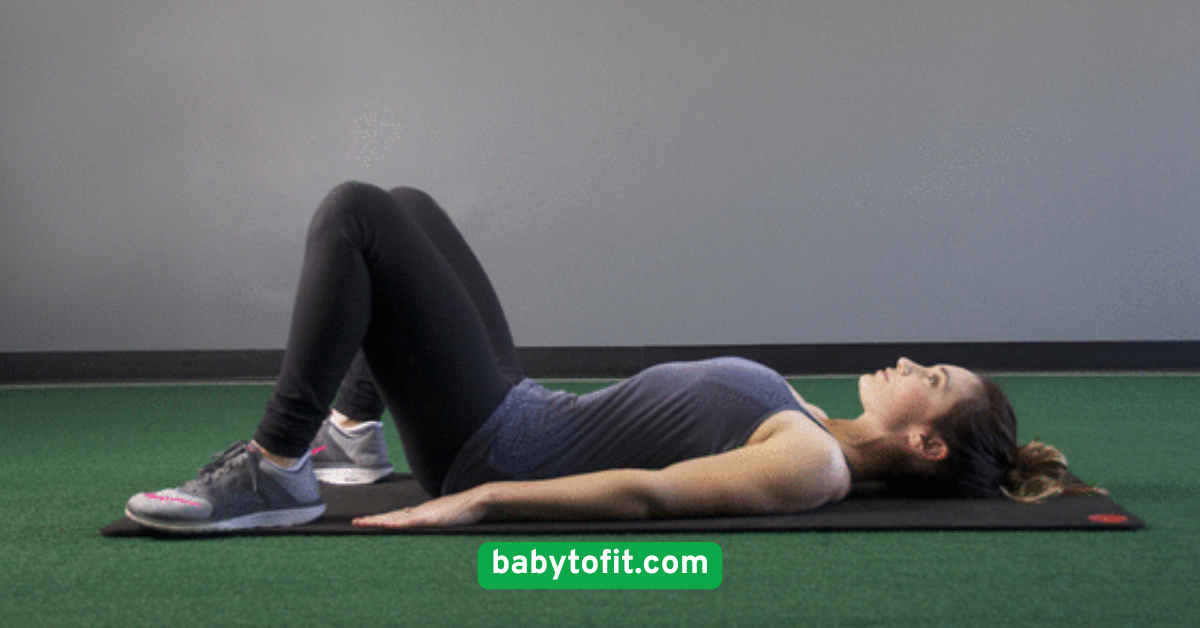
Heel slides are a gentle way to engage the lower abdominal muscles, which often weaken during pregnancy and childbirth.Lie on your back with your knees bent and feet flat on the floor. Slowly slide one heel away from your body until your leg is straight, being careful not to arch your lower back. Slide it back to the starting position, then repeat with the other leg.This slow, controlled movement helps rebuild neuromuscular control and strengthens core muscles without adding pressure to your pelvis or back. Aim for 10-12 repetitions per leg, focusing on quality over quantity.Heel slides are a perfect starting point for postpartum core exercises, especially if you are recovering from a cesarean or abdominal separation.
5. Glute Bridges
Your hips, glutes, and lower back bear much of the physical demand of motherhood. Glute bridges strengthen these muscles, supporting your pelvis and relieving back pain.To perform, lie on your back with knees bent and feet hip-width apart. Press through your heels, squeeze your glutes, and lift your hips until your body forms a straight line from shoulders to knees. Hold for a few seconds, then slowly lower down.Glute bridges engage your posterior chain, which may have weakened during pregnancy. For an extra challenge, try lifting one leg while holding the bridge position. Perform 10-15 reps with slow, controlled movements.Strengthening these muscles can improve your posture and reduce strain during everyday activities like carrying your baby or bending down.
6. Modified Wall Push-Ups
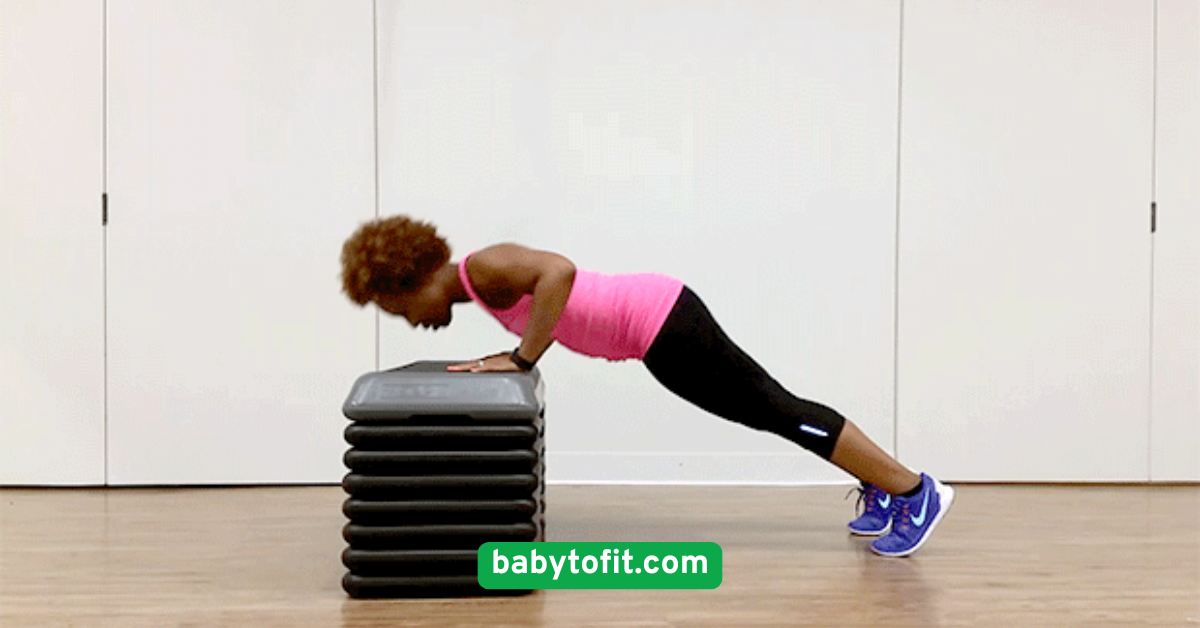
Building upper body strength is essential for new moms, as you often lift and hold your baby throughout the day. Modified wall push-ups are a safe way to tone your arms and shoulders without excessive strain.Stand facing a wall, feet hip-width apart. Place your hands flat on the wall at shoulder height and slightly wider than shoulder-width. Bend your elbows to bring your chest closer to the wall, then push back to the starting position.Keep your core engaged and spine neutral throughout. Aim for 2-3 sets of 10-15 reps.This exercise improves posture, reduces shoulder tension, and builds endurance for the physical demands of motherhood.
7. Seated Marching
Seated marching is a low-impact exercise that combines gentle cardio with core activation, perfect for moms recovering from childbirth or C-section.Sit tall on a sturdy chair with your feet flat on the floor. Engage your abdominal muscles and lift one knee toward your chest, then lower it back down. Alternate legs in a slow, controlled marching motion.This exercise increases blood flow, boosts energy, and strengthens core muscles gently. Try doing 1-2 minutes of seated marching multiple times throughout the day, especially during moments when you need a quick pick-me-up.
8. Side-Lying Leg Lifts
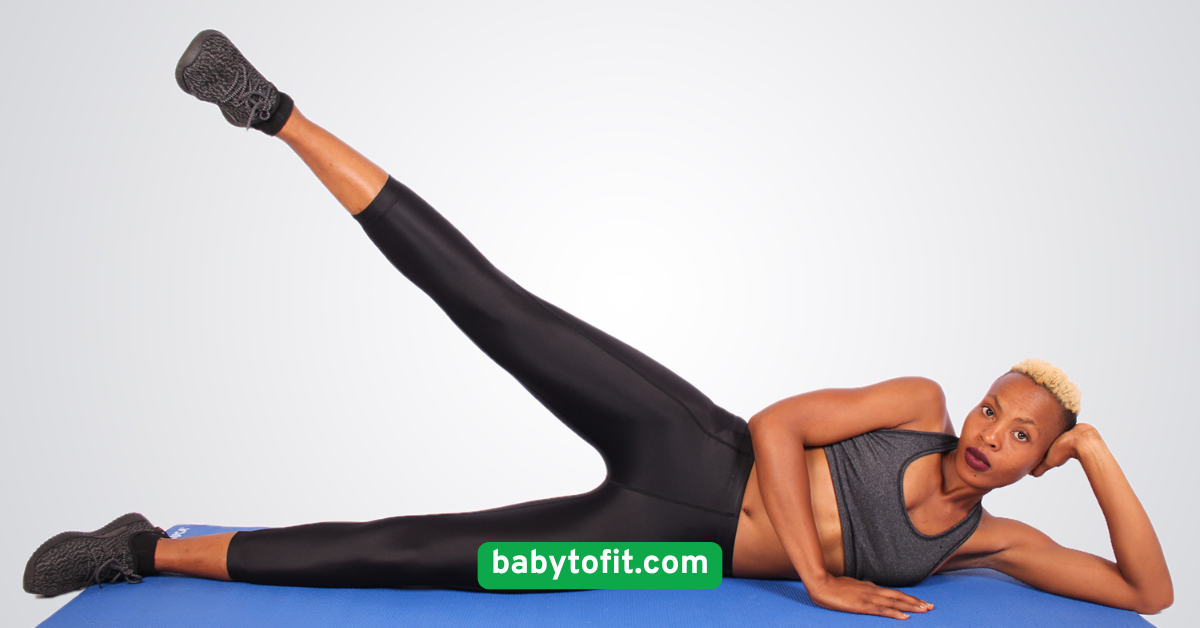
Strengthening the hips and outer thighs is vital for pelvic stability postpartum, and side-lying leg lifts are a great choice.Lie on your side with legs stacked. Slowly lift the top leg to about 45 degrees, hold for a second, then lower it back down with control. Repeat on the other side.This movement strengthens muscles that support the pelvis and improves balance. Start with 10-15 reps per side, gradually increasing as your strength improves.
9. Standing Side Bends
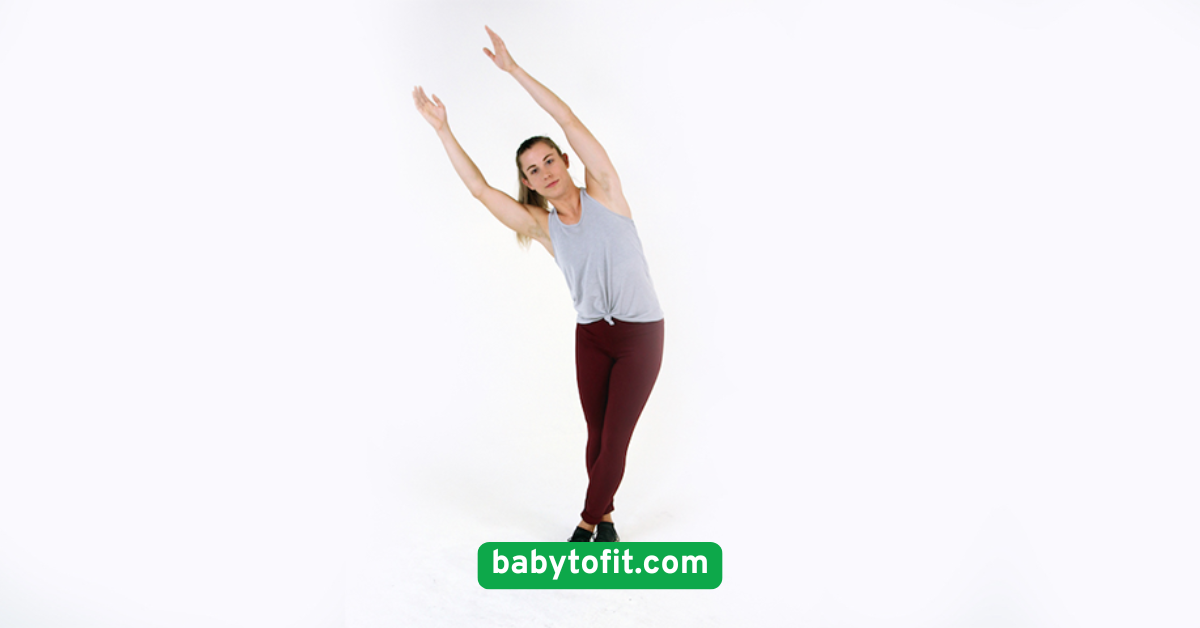
Standing side bends help stretch and tone your oblique muscles, essential for lateral core support.Stand with feet hip-width apart, arms relaxed by your sides. Slowly slide your right hand down your right thigh, bending gently to the side. Return to center and repeat on the left side.This stretch improves flexibility and strengthens the sides of your abdomen. It’s easy to perform anywhere and can be integrated into your daily routine. Perform 8-10 bends per side.
10. Bird-Dog Exercise
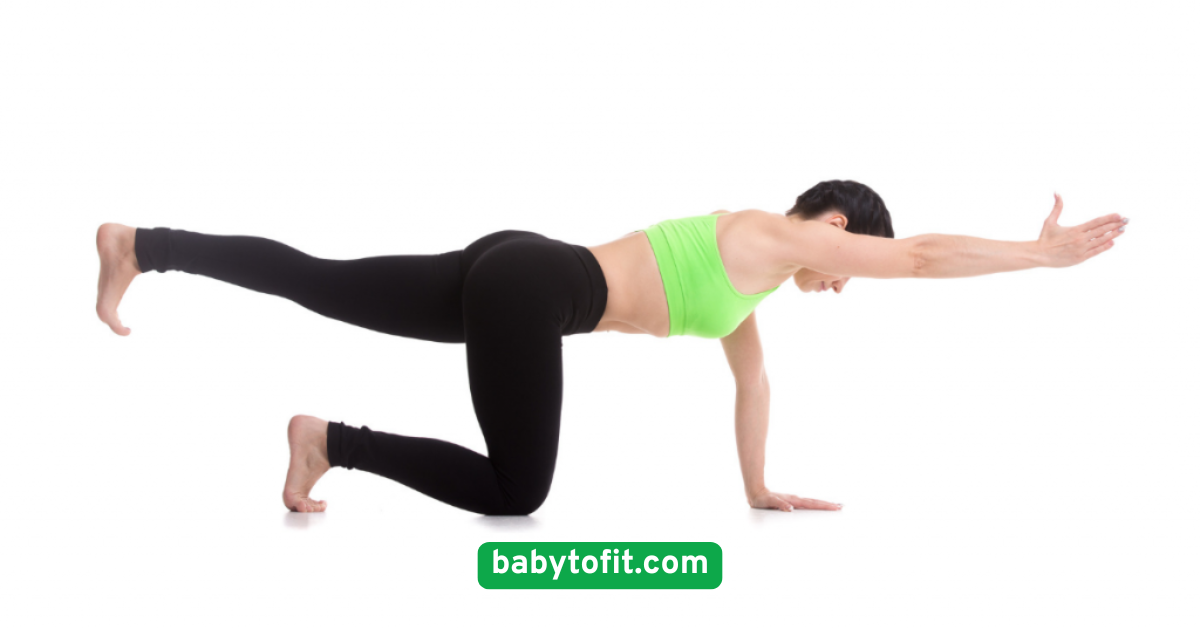
The bird-dog is excellent for improving spinal stability, coordination, and deep core engagement.Start on all fours, wrists under shoulders, knees under hips. Slowly extend your right arm forward and left leg back, keeping hips level. Hold for a few seconds, then return to start. Repeat with opposite arm and leg.This controlled movement builds balance and core strength with minimal risk of injury. Aim for 8-10 reps per side, focusing on slow, deliberate motions.
11. Toe Taps
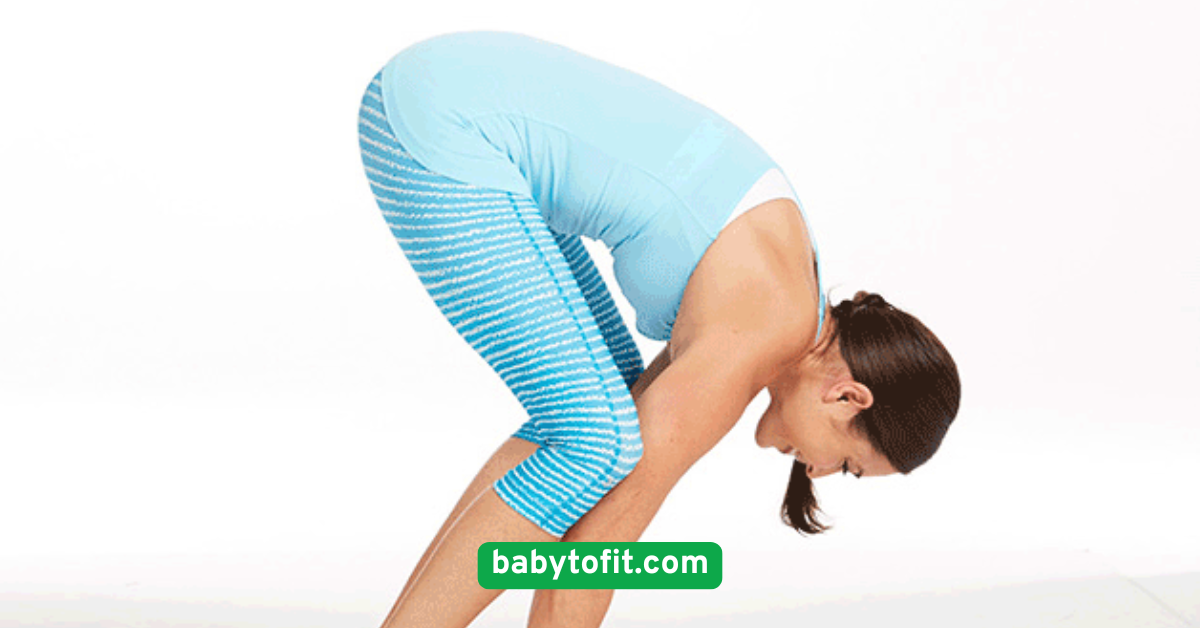
Toe taps target your lower abs without putting strain on your pelvic floor, making them a safe postpartum option.Lie on your back with knees bent at 90 degrees, feet lifted off the ground. Slowly lower one foot to tap the floor, then return it to starting position. Alternate legs.This exercise strengthens core endurance and improves coordination. Perform 10-15 reps per leg, moving with control and breathing steadily.
12. Wall Squats
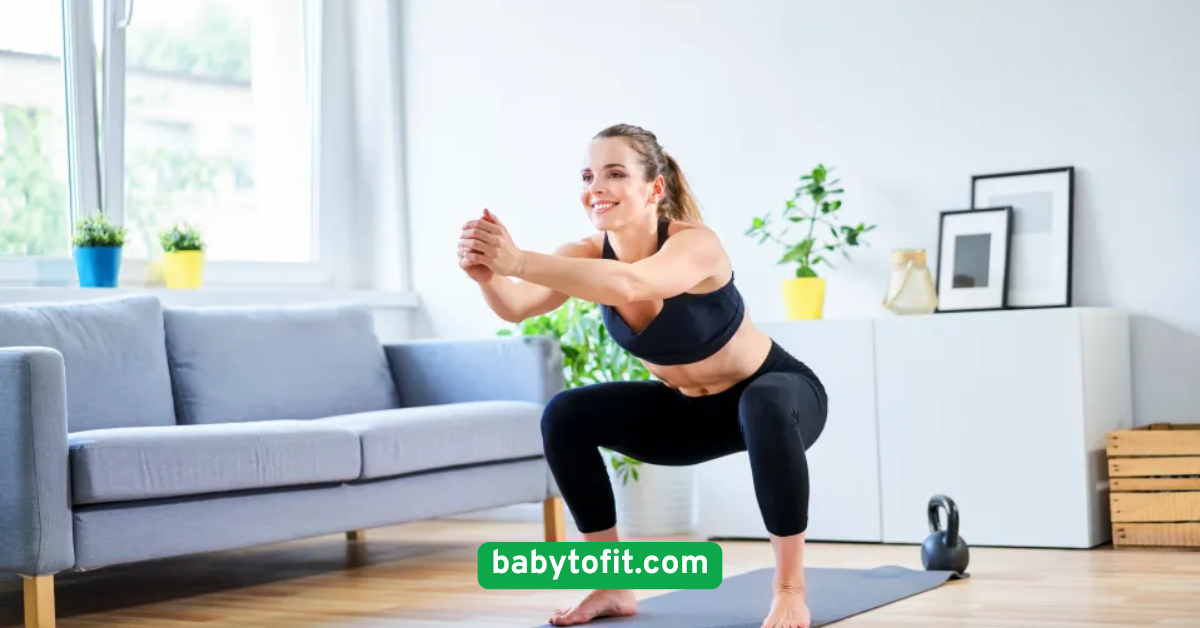
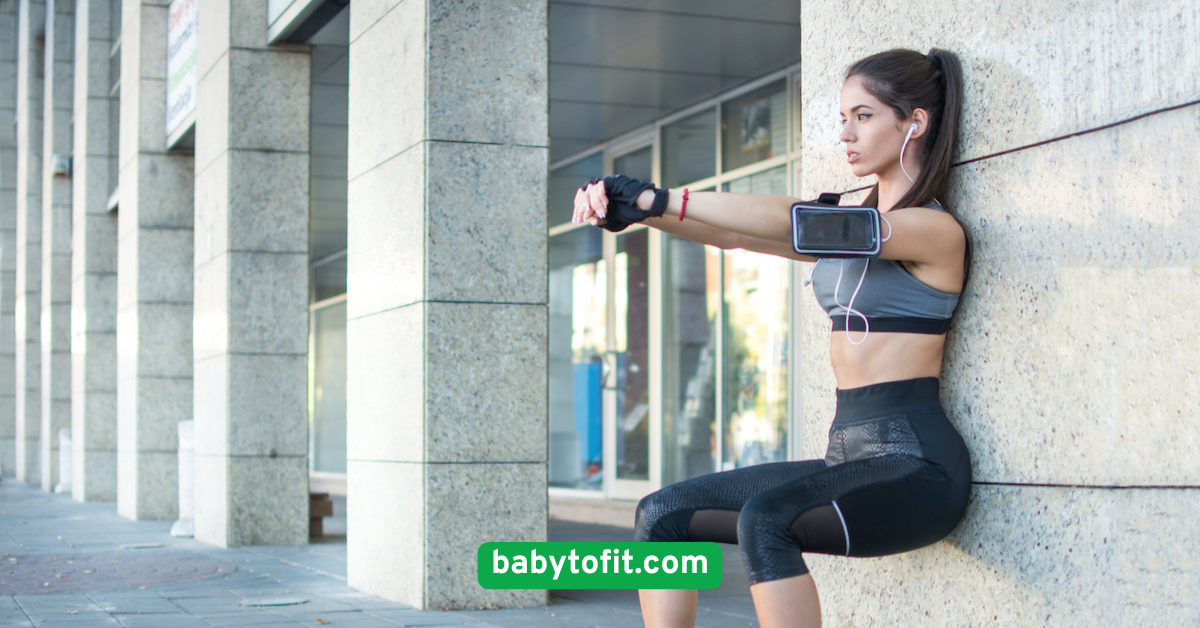
Wall squats build lower body strength and improve core stability, supporting your everyday movements.Stand with your back against a wall, feet shoulder-width apart, and a few inches away from the wall. Slowly slide down until your knees bend at about 90 degrees. Hold for a few seconds, then slowly rise back up.Focus on keeping your spine neutral and knees aligned over your ankles. Start with 10-12 repetitions and increase as you get stronger.
Conclusion
Recovering from childbirth is a unique journey for every mom, and rebuilding strength takes time, patience, and care. These 12 healing postpartum workouts provide a gentle yet effective roadmap to restore your core, improve pelvic health, and boost your overall energy. Remember, listening to your body is key—progress at your own pace and celebrate each small victory.
Incorporating these exercises into your daily routine can transform your postpartum experience, helping you feel stronger, more confident, and ready to embrace motherhood fully. Prioritize self-care and commit to consistent movement—even a few minutes a day makes a big difference.
You deserve to feel vibrant and empowered. So, start today with these healing exercises and take one step closer to your healthiest postpartum self!


