25 Effective Postpartum Workouts to Support Healing
Motherhood is beautiful—but let’s be honest, it’s also incredibly exhausting. Your body just did something amazing, and now it’s time to help it heal. The postpartum period is often overwhelming, filled with sleepless nights, endless diaper changes, and navigating your new role. But tucked in between all that chaos is a golden opportunity: the chance to reconnect with your body.Research shows that regular postpartum workouts can reduce fatigue, boost your mood, and help your body recover more efficiently. The trick? Choosing the right exercises that support healing without pushing too hard too soon.This article breaks down 25 gentle yet effective postpartum workouts that help new moms regain strength, energy, and confidence. Whether you’ve had a vaginal delivery or a C-section, there’s a move here that fits your journey. Let’s get started—your stronger, healthier self is just a stretch away.
1. Diaphragmatic Breathing
This may seem too simple to be effective, but diaphragmatic breathing is the foundation of postpartum recovery. It reconnects you to your core and pelvic floor, two areas that go through significant changes during pregnancy and childbirth.Lie on your back or sit in a chair with your spine supported. Place one hand on your belly and one on your chest. Inhale deeply through your nose, allowing your belly to rise while keeping your chest still. Exhale slowly through your mouth, tightening your abdominal muscles gently. Practice for 5–10 minutes daily.This practice calms the nervous system, improves oxygen flow, and engages your deep core without strain. It also promotes healing by gently stimulating the diaphragm and lower abdominals, which can feel disconnected post-birth.

2. Pelvic Tilts
Pelvic tilts are an excellent follow-up to diaphragmatic breathing. They target the lumbar spine and core muscles, helping realign posture and relieve lower back discomfort—a common postpartum complaint.Lie on your back with knees bent and feet flat. As you exhale, gently tilt your pelvis upward, flattening your lower back into the mat. Inhale to release. Move slowly and with intention.Adding these into your daily routine helps build foundational strength in the core, stabilize the pelvis, and reduce stiffness from nursing or carrying your baby.

3. Kegels
You’ve heard of them—and for good reason. Kegel exercises strengthen the pelvic floor muscles, which can weaken significantly during pregnancy and delivery. Strong pelvic muscles are essential for bladder control, core support, and intimacy.To do a Kegel, pretend you’re trying to stop the flow of urine. Squeeze and hold for five seconds, then release. Do 3 sets of 10 repetitions per day.Consistency is key here. And remember, if you’re unsure whether you’re doing them right, consider consulting a pelvic floor therapist.

4. Cat-Cow Stretch
This gentle yoga-inspired stretch supports spinal mobility and helps relieve postpartum back tension. It also enhances awareness of your spine and improves coordination between your breath and movement.Start on all fours with wrists under shoulders and knees under hips. Inhale to arch your back (cow), lifting your chest and tailbone. Exhale to round your back (cat), tucking your chin and pelvis.Repeat for 1–2 minutes. It’s a lovely, flowing movement that brings relaxation, alignment, and strength in equal measure.

5. Bridges
Bridges work wonders for your glutes and core while being gentle on the lower back and joints. Plus, they support pelvic stability, which can be compromised after birth.Lie on your back with knees bent, feet hip-width apart. Press through your heels to lift your hips while squeezing your glutes. Hold for a few seconds at the top, then lower.Add a resistance band above your knees as you get stronger. This versatile move helps with posture, core strength, and hip alignment—all crucial for postpartum healing.

6. Wall Sits
Wall sits provide an easy, safe way to build leg strength and endurance. They’re especially helpful during the early postpartum period when you want low-impact yet effective exercises.Stand with your back against a wall and slide down until your knees are at a 90-degree angle. Hold for 15–30 seconds, then rest.As your stamina builds, increase the time gradually. Your quads, glutes, and calves will thank you—and so will your pelvic floor.

7. Seated Twists
Seated twists gently engage the core and improve spinal mobility. They’re a great way to bring awareness back to your torso and strengthen those overstretched midsection muscles.Sit cross-legged or on a chair with a straight spine. Inhale to lengthen, exhale to twist gently to one side, placing one hand on your opposite knee. Hold and switch.This simple movement also aids digestion and relaxation—two welcome benefits during recovery.

8. Standing Side Bends
Side bends target the obliques and promote balanced core strength. They’re easy to do anytime and add a dynamic stretch to your routine.Stand with feet shoulder-width apart. Reach one arm overhead and bend sideways while keeping your core engaged. Return to center and repeat on the other side.This move feels incredibly refreshing and helps restore flexibility lost during pregnancy.

9. Walking
Never underestimate the power of a good walk. Walking boosts cardiovascular health, enhances circulation, and improves mental clarity.Start with short, 5–10 minute strolls and gradually increase as you feel ready. Bonus: It’s a great excuse to get fresh air and take your baby along in a stroller or carrier.Walking is a powerful postpartum ally—and it’s totally free!

10. Bird Dog Exercise
The bird dog exercise is a fantastic way to rebuild balance, coordination, and strength after childbirth. This move targets your entire posterior chain, including the lower back, glutes, and core muscles, which are often weakened or imbalanced postpartum. Starting on all fours, extend one arm forward and the opposite leg straight back, keeping your spine neutral and stable. Hold briefly, then return to the starting position and switch sides. This slow and controlled movement encourages proper spinal alignment and helps restore the deep core muscles responsible for stabilizing your pelvis. It’s an excellent progression from gentler core exercises because it challenges your body to work as a coordinated unit, which is essential for everyday movements like lifting your baby or carrying groceries. Regular practice can also relieve lower back stiffness, a common discomfort new mothers face.

11. Side-Lying Leg Lifts
Side-lying leg lifts specifically target the outer thighs and glute muscles, helping to improve hip stability and mobility, which can be compromised during pregnancy. To perform this exercise, lie on your side with your legs stacked and straight. Slowly lift your top leg upward while keeping your core engaged and hips stable. Lower it back down with control. This movement strengthens the gluteus medius, which plays a crucial role in stabilizing the pelvis during walking and other daily activities. Side-lying leg lifts are gentle enough to be done even in the early postpartum weeks and can be performed while your baby naps beside you. Incorporating this exercise regularly helps in rebalancing your hip muscles, reducing the risk of discomfort or injury as you begin to resume more active movements.

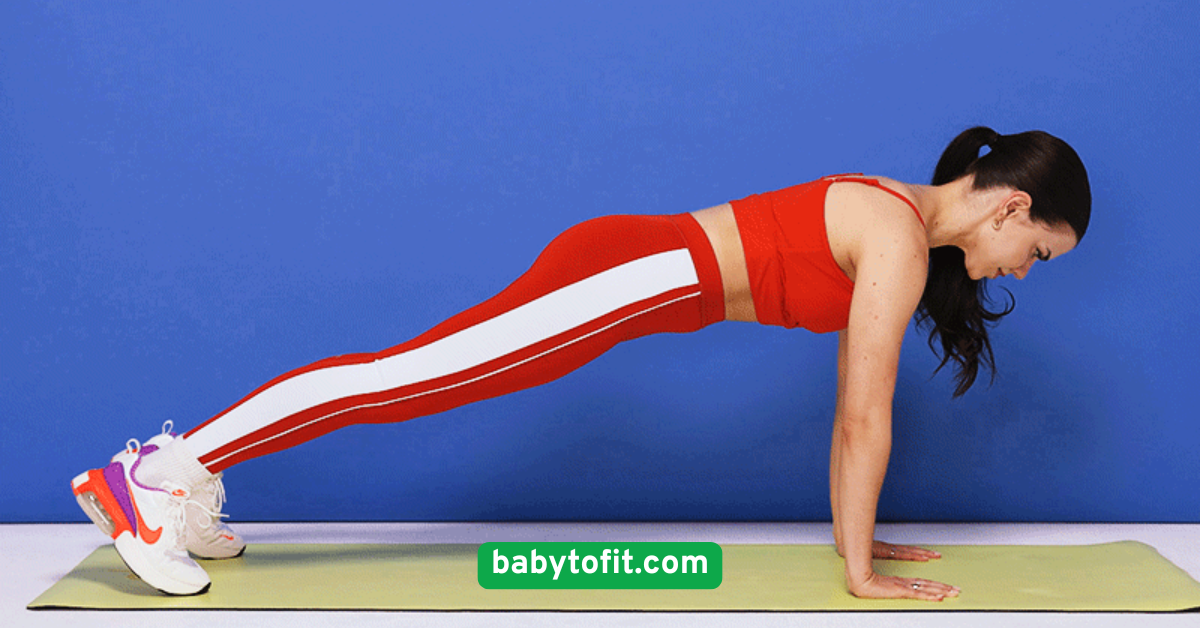
12. Modified Push-Ups
Modified push-ups are a gentle way to rebuild upper body strength, especially in the chest, shoulders, and arms, which often bear the brunt of carrying and nursing a newborn. To perform a modified push-up, start on your knees with your hands shoulder-width apart on the floor. Keep your body in a straight line from head to knees and lower your chest toward the floor slowly, then push back up. This modification reduces the load on your core and back, making it safer during the early stages of postpartum recovery. Modified push-ups improve muscular endurance and posture, helping to counteract the rounded shoulders and neck strain that many new moms experience. As your strength grows, you can gradually progress to full push-ups or increase repetitions to continue challenging yourself.
13. Clamshells
The clamshell exercise targets the gluteus medius and helps stabilize the pelvis, which can be particularly weakened after pregnancy. Lie on your side with your hips and knees bent at a 90-degree angle, feet together. Keeping your feet touching, lift the top knee as high as possible without rotating your pelvis or back. Slowly lower the knee back down. This exercise helps activate and strengthen the muscles responsible for hip stability and can reduce lower back and pelvic pain. Clamshells are low-impact and safe to perform in the early postpartum period, providing excellent support for everyday activities like walking, standing, and lifting. Adding clamshells to your routine promotes better alignment and helps prevent compensation patterns that could cause discomfort later.

14. Chair Dips
Chair dips are a simple yet effective way to tone the triceps and shoulders, which often carry extra weight from holding and soothing your baby. Using a sturdy chair, place your hands on the edge behind you, fingers facing forward. Extend your legs out in front and slowly lower your body by bending your elbows to about a 90-degree angle. Press through your hands to straighten your arms and return to the starting position. This movement strengthens the muscles responsible for pushing actions and can help improve upper body endurance and posture. Because chair dips require no special equipment and can be done at home, they fit perfectly into a busy mom’s schedule. Start with a few repetitions and build up as your strength increases.

15. Child’s Pose Stretch
Child’s pose is a deeply restorative yoga posture that offers both physical relief and mental relaxation—two things new moms desperately need. Kneel on the floor, bring your big toes together, and sit back on your heels while reaching your arms forward on the floor. Rest your forehead down and breathe deeply. This gentle stretch lengthens the lower back, hips, and thighs, areas commonly tight after pregnancy and labor. Using a pillow or bolster under your belly can increase comfort, especially if you’re in the early postpartum phase. Child’s pose encourages mindfulness and body awareness, helping to soothe tension and stress that accumulate from caring for a newborn. Incorporating this stretch daily can improve flexibility and calm the nervous system.

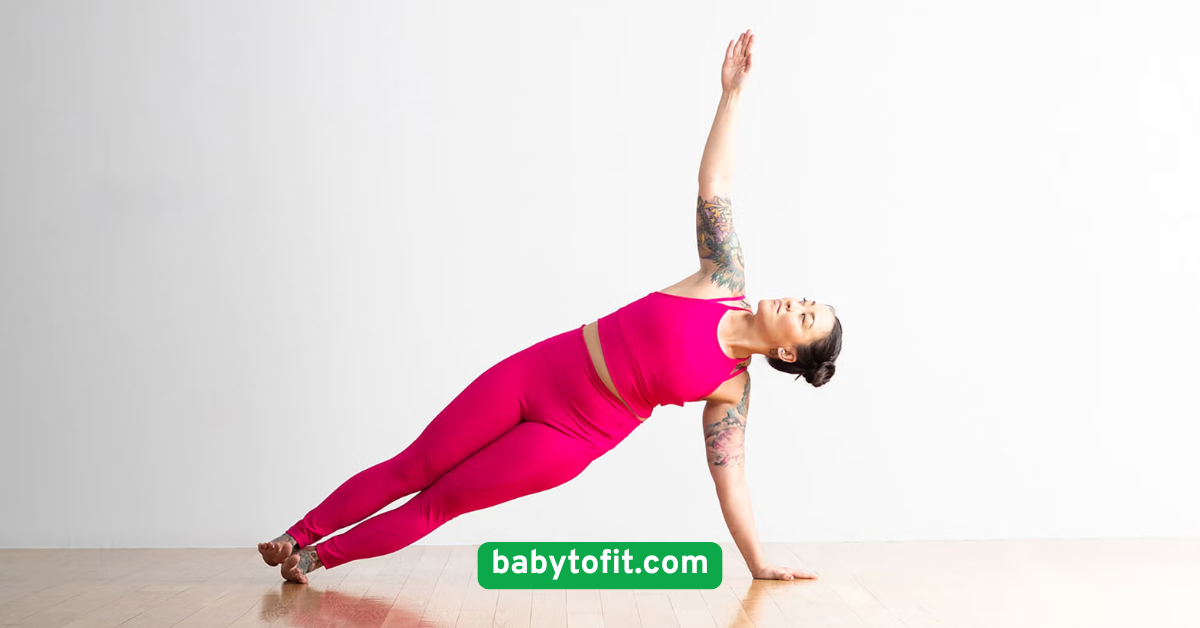
16. Side Plank Holds
Side planks effectively target the obliques, shoulders, and pelvic stabilizers, essential muscles for postpartum recovery. Begin by lying on your side, propped up on your forearm, with your knees bent if needed to reduce intensity. Engage your core and lift your hips off the floor, creating a straight line from your shoulders to your knees or feet. Hold this position for 15 to 30 seconds, gradually increasing as your strength improves. Side planks help correct muscle imbalances that often develop due to uneven postures from breastfeeding or carrying your baby on one side. They also build endurance and support for the spine and pelvis, which is vital to maintaining good posture and reducing pain as you resume daily activities.
17. Toe Taps
Toe taps are an excellent exercise for gently engaging the lower abdominal muscles while minimizing stress on the abdominal wall. Lie on your back with your knees bent and lifted to tabletop position (90 degrees at hips and knees). Slowly lower one foot to tap the floor, then lift it back to the starting position and repeat on the other side. This slow, controlled movement activates the transverse abdominis, a deep core muscle vital for postpartum healing, especially in cases of diastasis recti (abdominal separation). It’s important to focus on maintaining a neutral spine and avoid any doming or bulging in the abdomen during the movement to ensure safety and effectiveness.

18. Glute Kickbacks
Glute kickbacks strengthen the glute muscles and improve hip mobility, which can be weakened during pregnancy. Start on all fours with your hands under your shoulders and knees under your hips. Keeping your core engaged and back flat, extend one leg straight back and upward while squeezing your glute at the top. Lower the leg with control and switch sides after a set of repetitions. This movement enhances lower body strength and stability, which is important for functional activities like walking, bending, and lifting your baby. Glute kickbacks can be modified by adding ankle weights or resistance bands for added challenge as you progress.

19. Foam Rolling
Foam rolling is a form of self-myofascial release that helps alleviate muscle tension and soreness often experienced postpartum. Rolling gently over tight areas like the back, hips, and thighs promotes circulation and speeds up recovery by breaking down adhesions and improving tissue flexibility. Start with light pressure and avoid rolling directly on the abdomen, especially if you’re still healing from diastasis recti or cesarean section. Foam rolling also encourages mindfulness by increasing body awareness, making it a useful tool to incorporate into your postpartum wellness routine. Spend 5 to 10 minutes rolling key muscle groups to support overall recovery.

20. Low Impact Cardio
Low impact cardio workouts like walking, cycling, or using an elliptical machine help improve cardiovascular fitness without putting excess strain on healing joints and tissues. These activities raise your heart rate gently, promoting better blood flow and increased energy—something every new mom can benefit from. Starting with short sessions of 10–15 minutes and gradually building up duration allows your body to adjust safely to increased activity levels. Low impact cardio can also aid postpartum weight loss and enhance mood by releasing endorphins, which combat stress and postpartum blues. Always listen to your body and adjust intensity as needed.

21. Cool-Down Stretches
Cooling down after any exercise session is essential for postpartum recovery. Gentle stretches focused on the hips, hamstrings, lower back, and shoulders help reduce muscle tightness and improve flexibility. Holding stretches for 15 to 30 seconds while breathing deeply encourages muscle relaxation and decreases the risk of injury or soreness. Incorporating a cool-down routine also signals your body to transition from active movement to rest, promoting overall recovery and mental calmness. Stretching after workouts supports your body’s ability to heal and keeps you feeling mobile and comfortable as you tackle motherhood’s daily demands.

22. Walking
Walking is one of the simplest yet most effective postpartum workouts. It requires no equipment, can be done anywhere, and offers tremendous physical and mental health benefits. Starting with short, easy strolls around your home or neighborhood, walking helps improve circulation, cardiovascular health, and mood. It also encourages gentle core and leg muscle activation, setting the foundation for more vigorous exercises later. Walking with your baby in a stroller or carrier can be a bonding experience while allowing you to sneak in some movement. Aim to gradually increase your pace and duration as you feel stronger, always listening to your body’s signals.

23. Postnatal Pilates
Postnatal Pilates focuses on controlled movements that target the deep core muscles, pelvic floor, and postural muscles essential for postpartum healing. It emphasizes breath control, alignment, and slow, precise movements that rebuild strength without high impact. Pilates exercises improve body awareness and help correct common postpartum postural issues such as rounded shoulders or anterior pelvic tilt. Joining a certified postnatal Pilates class or following trusted online routines ensures you’re performing exercises safely. Pilates supports improved flexibility, coordination, and muscular balance, making it a perfect addition to your postpartum workout plan.

24. Gentle Yoga Flow
Gentle yoga flows combine stretching, breathwork, and mindfulness, offering holistic postpartum healing. This practice promotes flexibility, core engagement, and relaxation, addressing both physical recovery and emotional wellbeing. Many poses can be adapted to accommodate postpartum bodies, focusing on opening tight hips, lengthening the spine, and calming the nervous system. Regular yoga practice can reduce stress, improve sleep, and foster a positive body image during a time of great change. Whether you have 10 minutes or an hour, gentle yoga invites you to slow down, breathe deeply, and honor your body’s healing process.

25. Stretching Routine
A dedicated stretching routine is vital for maintaining mobility and easing muscle tension postpartum. Target key areas affected by pregnancy and motherhood—hips, lower back, hamstrings, chest, and shoulders. Consistent stretching improves circulation and helps prevent stiffness from long hours spent nursing or carrying your baby. You can perform stretches standing, seated, or lying down, making them easy to incorporate throughout your day. Focus on gentle, slow movements and hold stretches long enough to feel a release but never pain. Stretching nurtures your body’s flexibility and resilience as you continue your postpartum recovery journey.

Conclusion
Postpartum recovery is deeply personal—and far from linear. Whether you’re just weeks in or months down the line, these 25 postpartum workouts offer something for every stage of healing. They help you rebuild strength, improve mood, and reconnect with your body—without pushing you past your limits.
Start small. Celebrate consistency over perfection. And remember: taking care of yourself is taking care of your baby. You’ve got this, mama!


