5 Gentle Postpartum Workouts to Support Healing in 2025
1. Diaphragmatic Breathing for Core Engagement
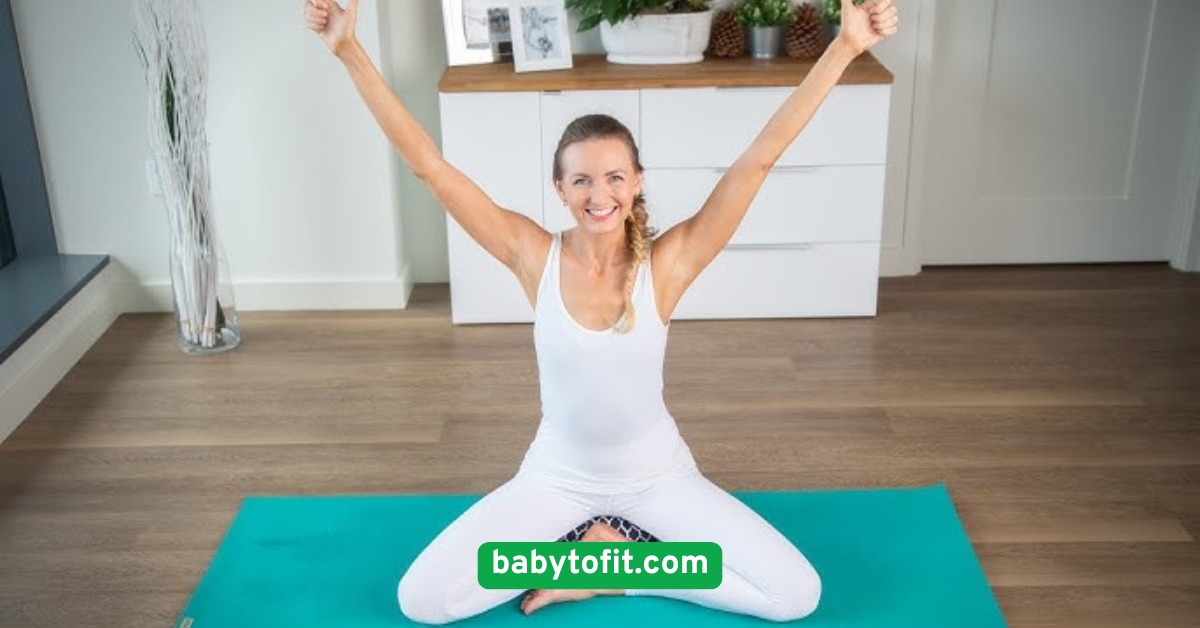
The journey to postpartum healing begins with breath. Diaphragmatic breathing, also known as belly breathing, is a foundational exercise that activates your deep core muscles—the very ones that support your spine and pelvis. After pregnancy and delivery, these muscles can feel weak or disconnected, making diaphragmatic breathing an essential first step in rebuilding your core.To practice diaphragmatic breathing, find a comfortable seated or lying position. Place one hand on your chest and the other on your belly. As you inhale deeply through your nose, focus on expanding your belly outward rather than your chest rising. Exhale slowly through pursed lips, feeling your belly gently contract. This controlled breathing reconnects your nervous system to your core muscles, encouraging activation without strain.Beyond strengthening your core, diaphragmatic breathing helps relieve stress—a welcome benefit during the busy postpartum period. This mindful practice can be done anywhere and anytime, even while nursing or rocking your baby. Start with five minutes daily, gradually increasing as you feel more comfortable. This simple yet powerful exercise sets the stage for deeper core recovery and overall wellbeing.
2. Pelvic Tilts to Rebuild Lower Abdominal Strength
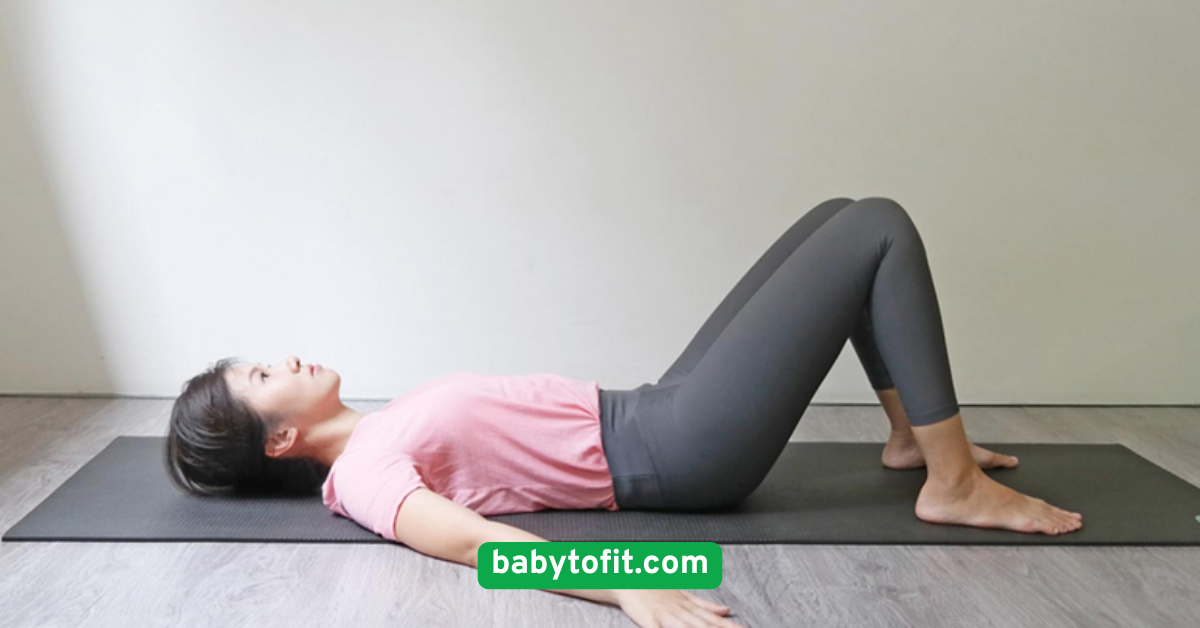
Pelvic tilts are a gentle way to strengthen your lower abdominal muscles while promoting proper spinal alignment. Pregnancy often shifts your pelvis and weakens your abdominal wall, but pelvic tilts can help you regain control and alleviate common postpartum aches.To perform a pelvic tilt, lie on your back with knees bent and feet flat on the floor. Inhale deeply, and as you exhale, tilt your pelvis upward by gently pressing your lower back into the floor. Hold this position for a few seconds, then release. Repeat the movement slowly for 10 to 15 repetitions.If you had a C-section or feel any discomfort, modify the tilt by making smaller movements and avoiding any strain. You can also try pelvic tilts while seated or standing if lying down isn’t comfortable. Doing pelvic tilts daily helps improve posture, relieves lower back tension, and strengthens the muscles critical for core stability. Plus, it’s a perfect exercise to sneak into your day—no fancy equipment needed!
3. Knee Folds to Activate Deep Core Muscles
Knee folds are a low-impact postpartum exercise that targets your transverse abdominis—the deep core muscle responsible for maintaining stability and protecting your lower back. After childbirth, reconnecting with this muscle can speed your recovery and improve your posture.Begin lying on your back with knees bent and feet flat on the floor. Slowly lift one knee toward your chest, keeping your core engaged and your back flat against the surface. Lower the leg back down with control and alternate sides for 10 to 15 repetitions per leg.It’s important to move slowly and avoid holding your breath. Knee folds can be a stepping stone to more challenging exercises as your strength improves. This workout enhances core awareness and coordination, two key elements for regaining your functional strength as a new mom. Best of all, knee folds are gentle enough to do even on days when your energy is low.
4. Seated Marching to Improve Coordination and Stability
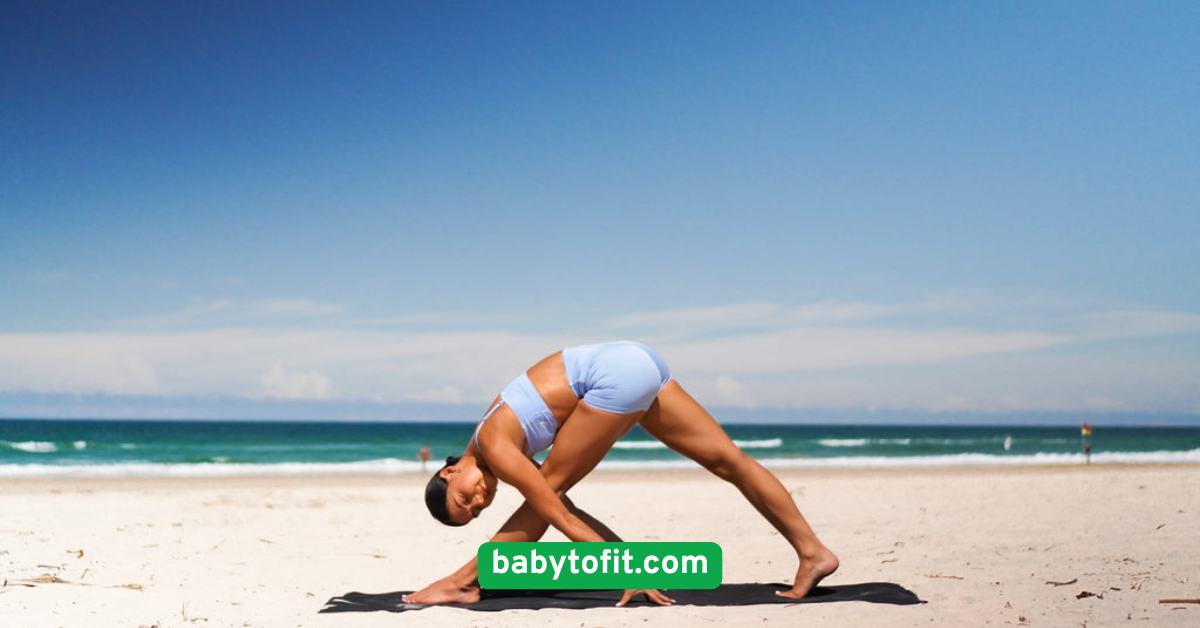
Seated marching is a fantastic way to engage your core while improving lower body coordination, especially if you’re easing back into movement or experiencing pelvic discomfort. This exercise helps strengthen your hip flexors and lower abs without putting pressure on your joints.Sit upright on a sturdy chair with feet flat on the floor and hands resting lightly on your thighs. Engage your core and lift one knee towards your chest, then lower it back down. Alternate legs in a smooth marching motion for 20 to 30 repetitions.Focusing on posture during seated marching is essential; keep your spine straight and avoid leaning back. Incorporate slow, steady breathing to maximize core activation. This movement can be done practically anywhere—during feeding times, breaks, or even while waiting for the laundry. It’s a simple yet effective way to reconnect your core and build stability throughout the day.
5. Cat-Cow Stretch to Enhance Spinal Mobility and Relaxation
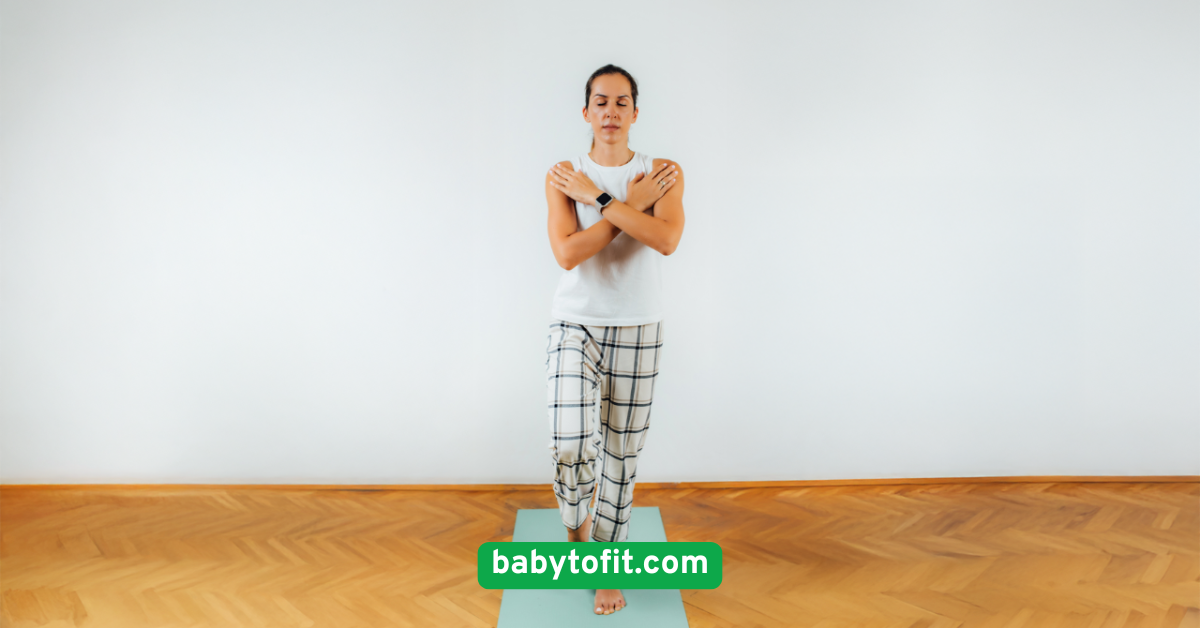
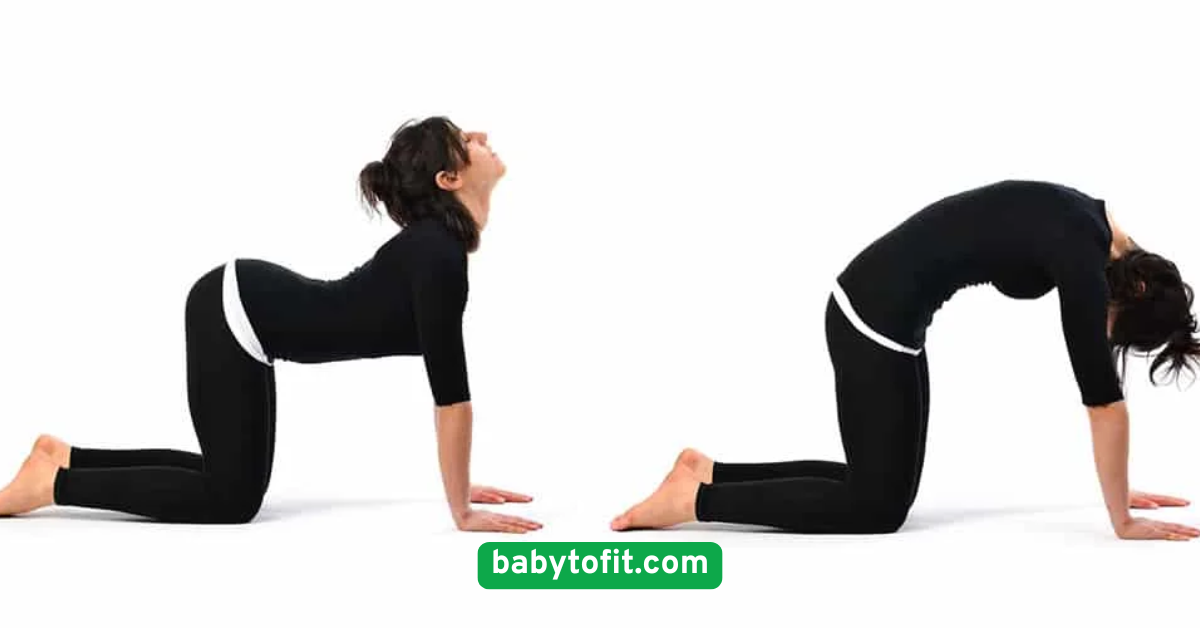
The Cat-Cow stretch is a gentle yoga-inspired movement that improves spinal flexibility and reconnects breath with core engagement. This stretch eases tension in your back and helps relieve discomfort that many new moms experience after pregnancy.Start on your hands and knees with wrists aligned under shoulders and knees under hips. Inhale deeply and arch your back, lifting your head and tailbone upward (Cow Pose). Exhale slowly, rounding your spine while tucking your chin and pelvis (Cat Pose). Flow smoothly between these positions for 8 to 10 rounds.Modify this movement by moving slowly or limiting the range of motion based on your comfort level. Pairing this stretch with mindful breathing calms your nervous system and gently tones your abdominal muscles. The Cat-Cow stretch is a wonderful way to finish your postpartum workout or incorporate into your daily self-care routine.
Conclusion
Recovering your strength and core stability after childbirth is a journey of patience, care, and gradual progress. These 5 gentle postpartum workouts offer safe, effective ways to support healing, rebuild your core, and improve your overall well-being. Remember, your body has done something incredible—it deserves kindness and respect as you move forward.
Incorporate these exercises consistently into your routine, listen to your body’s signals, and celebrate each small victory along the way. With time and dedication, you’ll regain confidence, reduce discomfort, and enjoy the vibrant energy you need to embrace motherhood fully. Here’s to your health and healing—one gentle step at a time!


