30 Low-Impact Postpartum Workouts for New Moms
Bringing a new life into the world is an incredible journey, but it also takes a toll on your body. Postpartum recovery requires patience, care, and the right kind of exercise to rebuild strength without overwhelming your healing body. Did you know that gentle, low-impact workouts not only promote faster healing but also help reduce stress and increase energy levels? If you’re a new mom, balancing your fitness routine with your busy schedule might seem impossible—but it doesn’t have to be! These 30 low-impact postpartum workouts are crafted just for you, helping you regain strength, improve core stability, and boost your overall wellbeing, all while respecting your body’s needs.
1. Pelvic Floor Exercises (Kegels)
Pelvic floor exercises, commonly known as Kegels, are essential postpartum workouts. These exercises target the muscles that support the uterus, bladder, and bowel. During pregnancy and childbirth, these muscles stretch and weaken, making Kegels crucial for regaining control and preventing issues like incontinence.
- To perform Kegels, contract your pelvic muscles as if you’re stopping urine flow, hold for a few seconds, then release.
- Repeat this for 10-15 repetitions, gradually increasing duration as you gain strength.
- Incorporate these into your daily routine—while breastfeeding or sitting down—to improve pelvic health and aid recovery.
Regular pelvic floor workouts can dramatically improve postpartum comfort and confidence. They also support better posture and help you feel more grounded as your body heals.
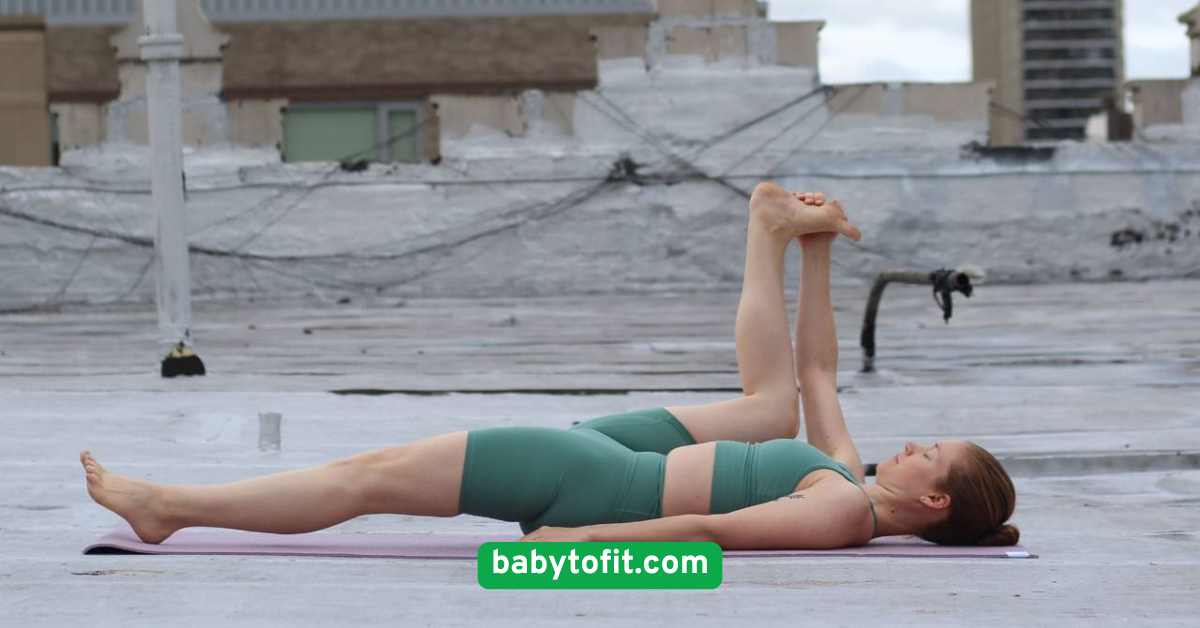
2. Walking for Beginners
Walking is one of the safest and simplest postpartum workouts. Starting with gentle, slow-paced walks around your home or neighborhood can help improve circulation, boost mood, and kickstart your fitness journey without strain.
- Begin with short 5-10 minute walks, increasing time as you feel comfortable.
- Wear supportive shoes and maintain good posture to avoid unnecessary strain.
- Use a stroller or baby carrier to keep your hands free and stay engaged with your baby.
Walking also helps combat postpartum fatigue and stress, giving you a natural energy boost. Plus, it’s budget-friendly and easy to fit into even the busiest mom schedules.
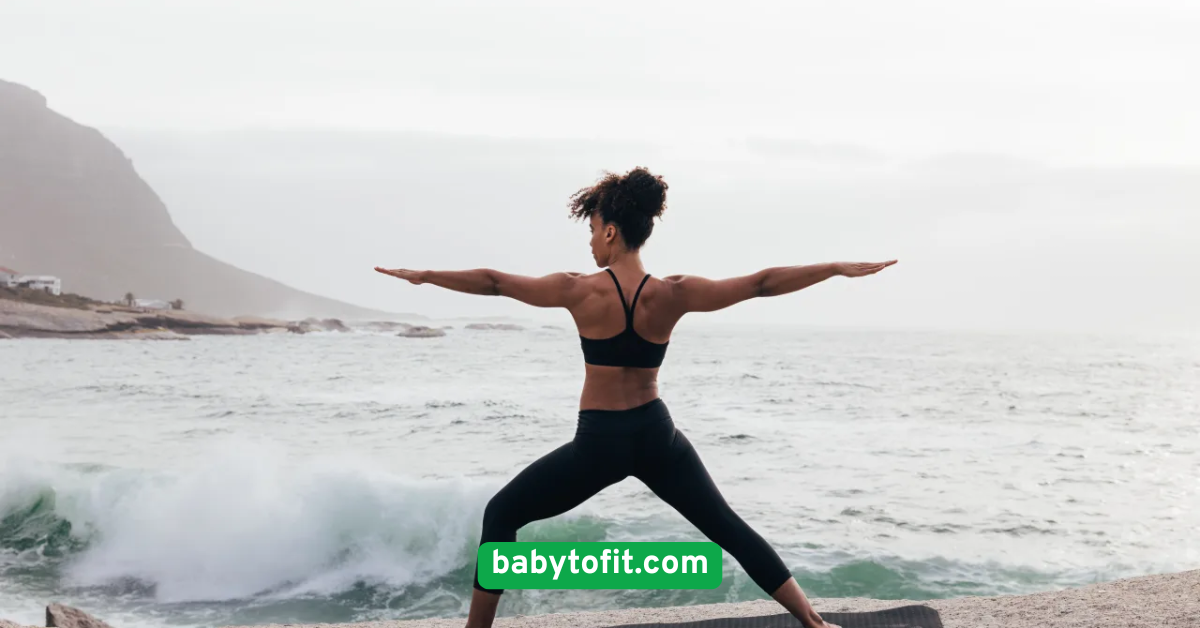
3. Gentle Yoga for Postpartum Recovery
Yoga offers a perfect blend of gentle stretching, breathing, and mindfulness. Postpartum yoga focuses on releasing tension, improving flexibility, and restoring strength, especially in the hips, back, and core.
- Choose classes or routines tailored specifically for postpartum women to ensure safety.
- Focus on poses like Child’s Pose, Cat-Cow, and gentle twists that relieve tension and promote healing.
- Incorporate deep breathing to support relaxation and mental clarity.
Yoga not only rebuilds physical strength but also nurtures your emotional wellbeing—something every new mom deserves.
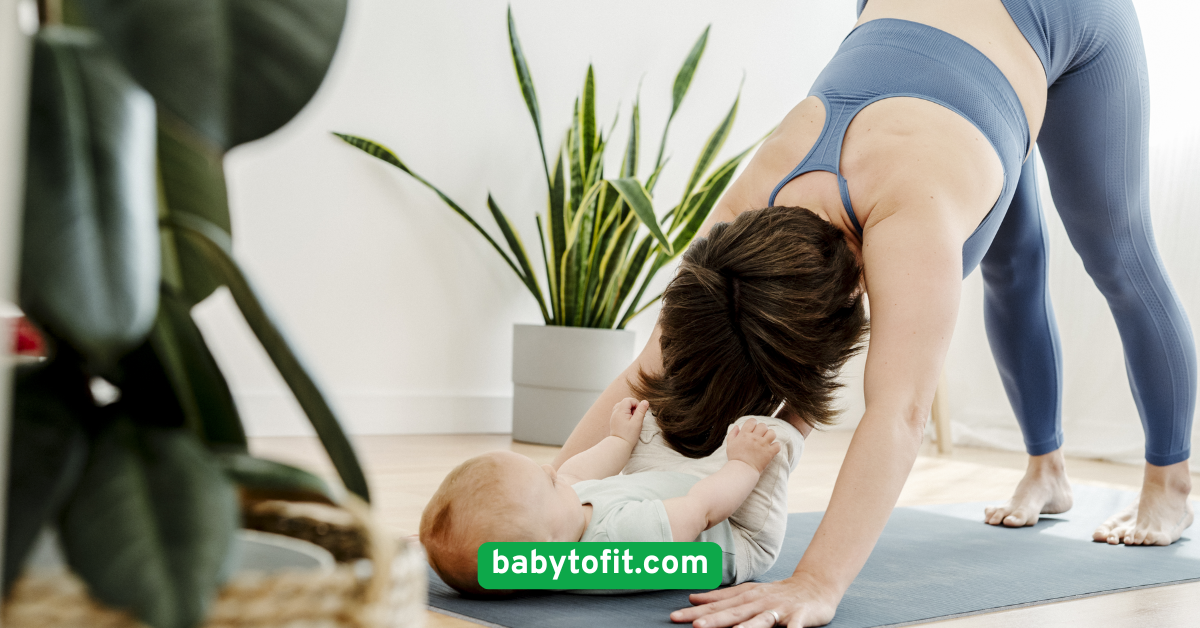
4. Modified Pilates for Core Strength
Pilates is renowned for its ability to strengthen the core muscles, which are often weakened after pregnancy. Modified Pilates workouts are tailored for postpartum moms to gently engage the abdominal muscles and improve posture.
- Begin with exercises that focus on deep core engagement rather than crunches or high-impact moves.
- Movements like pelvic tilts, leg lifts, and controlled breathing enhance abdominal strength safely.
- Consistency is key—practice 3-4 times a week for best results.
Pilates helps rebuild your core, supporting your back and improving balance, which is essential when caring for a newborn.
5. Seated Leg Lifts
Seated leg lifts are a simple yet effective low-impact exercise that strengthens your lower abdominal muscles and hip flexors without putting pressure on your pelvic floor.
- Sit on a sturdy chair with your back straight and feet flat on the floor.
- Slowly lift one leg at a time, holding it straight for a few seconds before lowering it.
- Aim for 10-15 repetitions on each leg.
This exercise is easy to do while multitasking—perfect for busy moms who want to sneak in a workout during nap times.
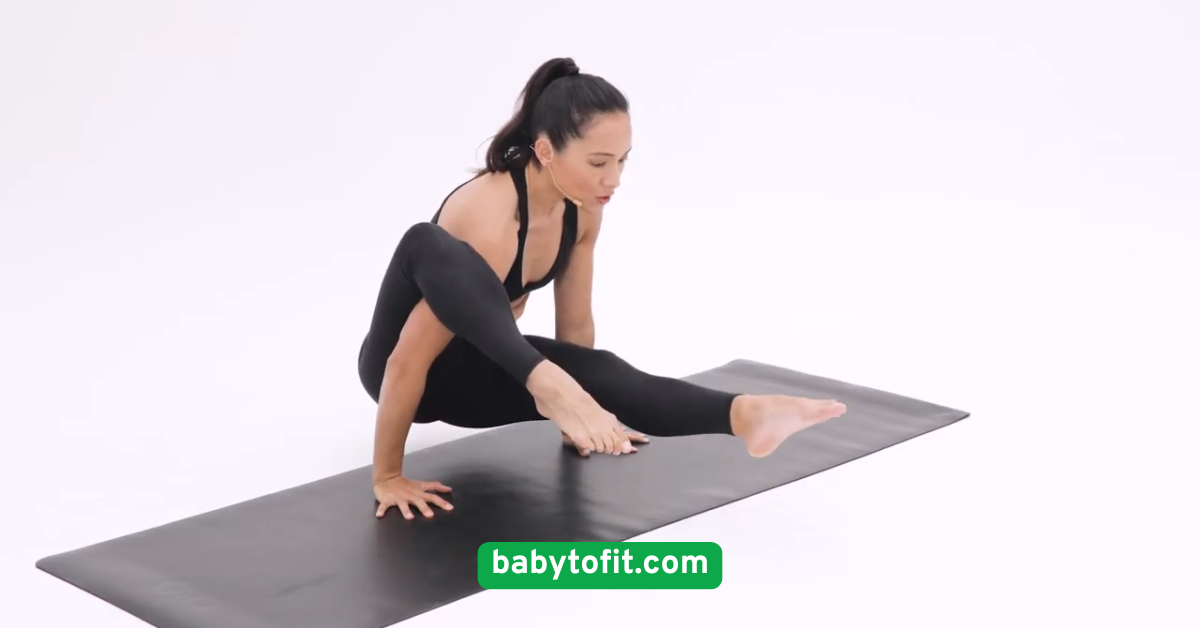
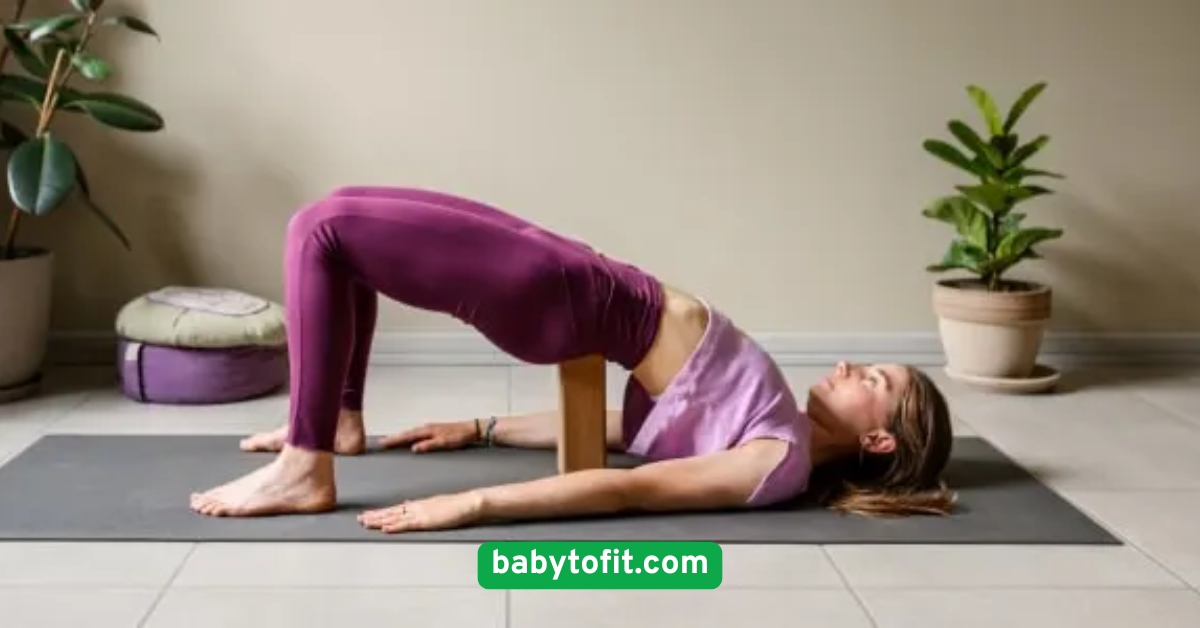
6. Bridge Pose (Glute Bridge)
The Bridge Pose targets your glutes, lower back, and core, helping to alleviate lower back pain and improve pelvic stability.
- Lie on your back with knees bent and feet flat on the floor, hip-width apart.
- Slowly lift your hips toward the ceiling, squeezing your glutes at the top.
- Hold for a few seconds, then lower gently. Repeat 10-15 times.
Regular practice strengthens your posterior chain and supports your body as you return to daily activities.
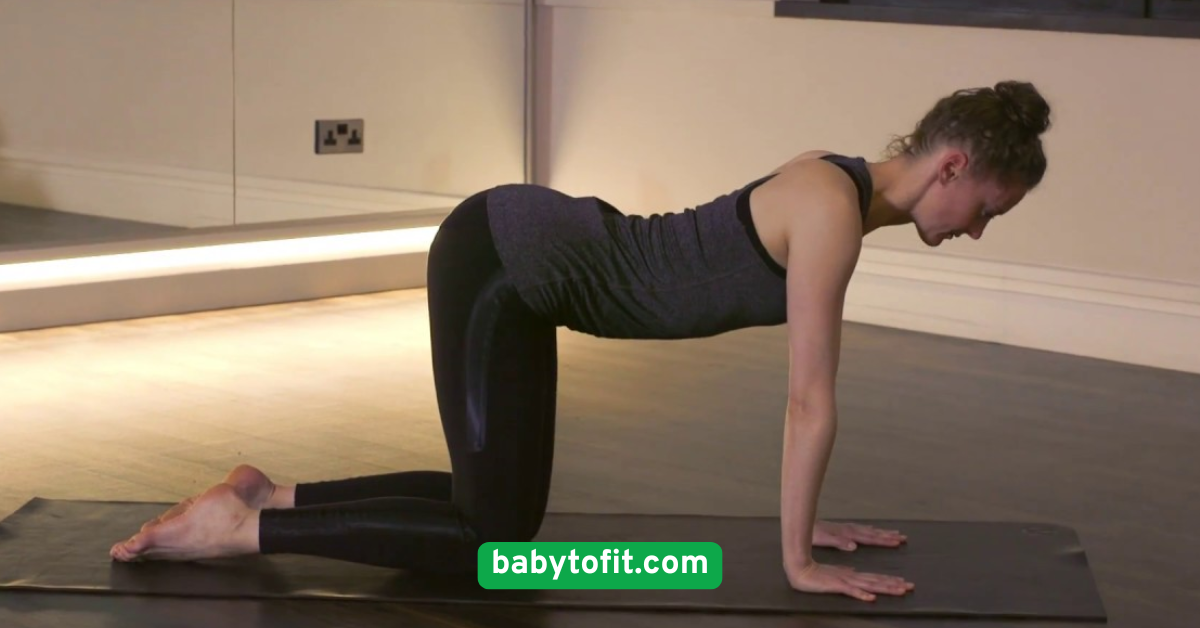
7. Cat-Cow Stretch
This gentle stretch improves spine flexibility, reduces tension in your back, and encourages better posture—critical areas after pregnancy and delivery.
- Begin on hands and knees in a tabletop position.
- Inhale while arching your back (Cow Pose), and exhale while rounding your spine (Cat Pose).
- Repeat this flow for 1-2 minutes, moving with your breath.
The Cat-Cow stretch is perfect for relieving stiffness and promoting gentle movement throughout the day.
8. Wall Push-Ups
Wall push-ups build upper body strength without the pressure of traditional push-ups, making them ideal for postpartum recovery.
- Stand facing a wall, arms shoulder-width apart, and hands on the wall.
- Slowly bend your elbows to bring your chest closer to the wall, then push back to start.
- Perform 10-15 repetitions, focusing on controlled movements.
Strengthening your arms and shoulders helps with daily tasks like carrying your baby and lifting objects safely.
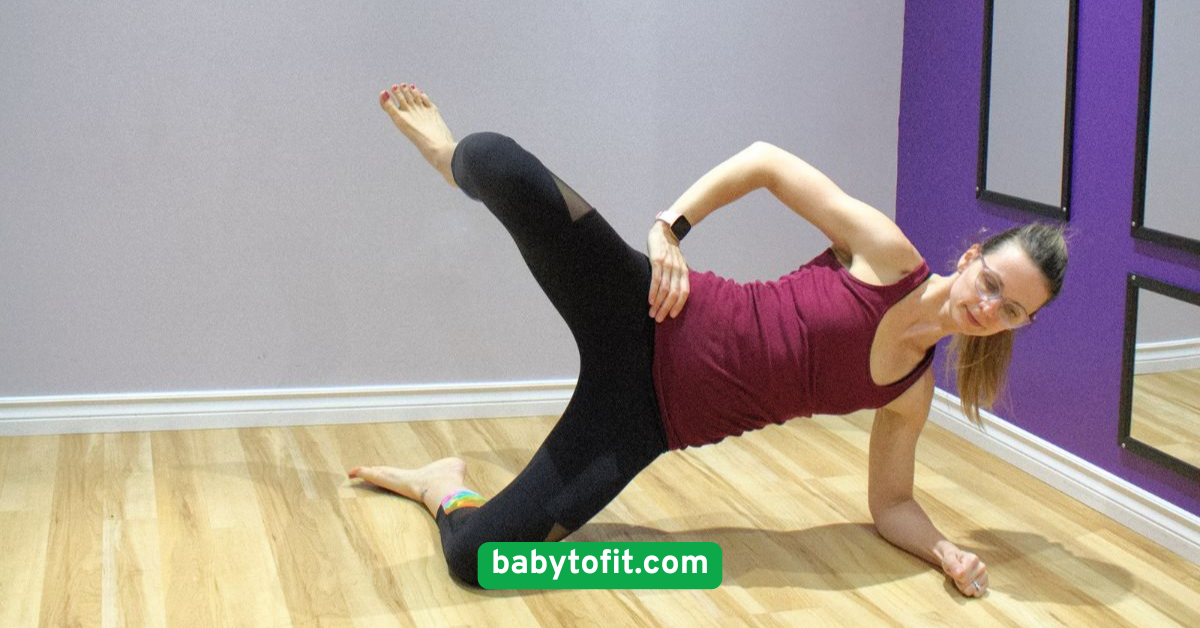
9. Side-Lying Leg Raises
Side-lying leg raises work the hips and outer thighs, helping to stabilize the pelvis and improve mobility.
- Lie on your side with legs extended and stacked.
- Lift the top leg slowly, then lower it with control.
- Complete 10-15 reps per side.
This move enhances hip strength and helps correct muscle imbalances after pregnancy.
10. Arm Circles
Arm circles are a simple warm-up exercise that improves shoulder mobility and blood flow.
- Extend your arms out to the sides at shoulder height.
- Make small circles forward for 30 seconds, then reverse.
- Gradually increase the size of circles as you warm up.
This exercise can be done anywhere and is great for combating postpartum stiffness.
11. Seated Marching
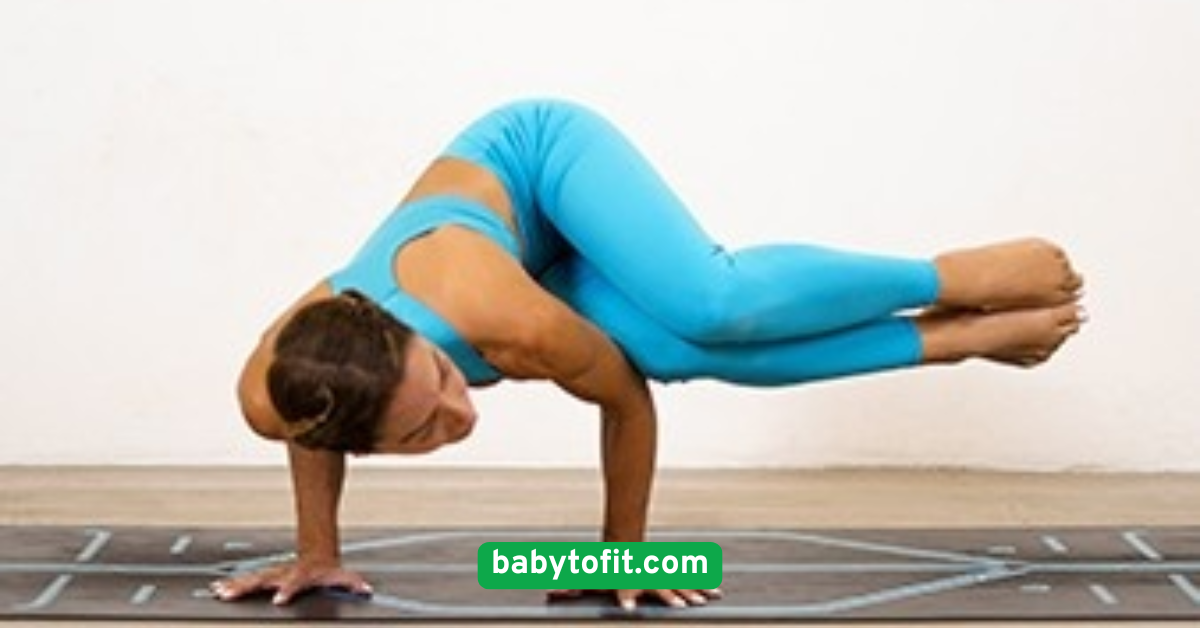
Seated marching is an excellent low-impact workout that gently activates the hip flexors and core while promoting circulation in the lower body. It’s particularly useful for moms who might still feel weak or tired standing for long periods.
- Sit upright in a chair with your feet flat on the floor.
- Slowly lift one knee towards your chest, then lower it back down. Alternate legs in a marching rhythm.
- Perform 20-30 repetitions, focusing on controlled movements and engaging your abdominal muscles.
This exercise not only strengthens your lower body but also helps improve coordination and balance, essential as you regain your strength.
12. Child’s Pose Stretch
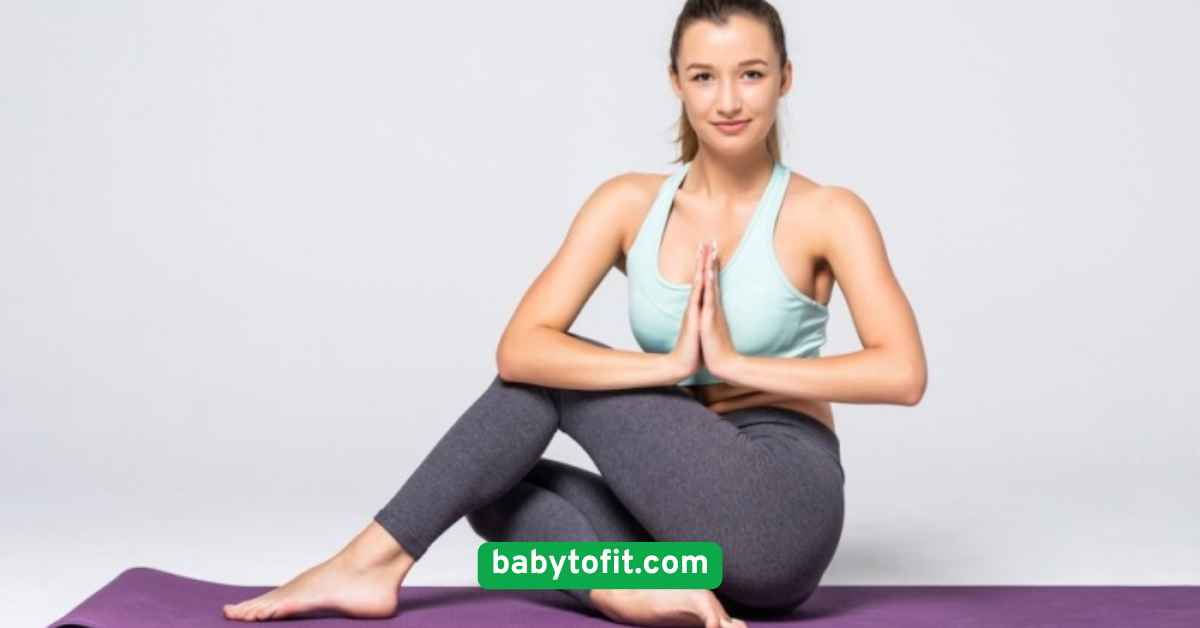
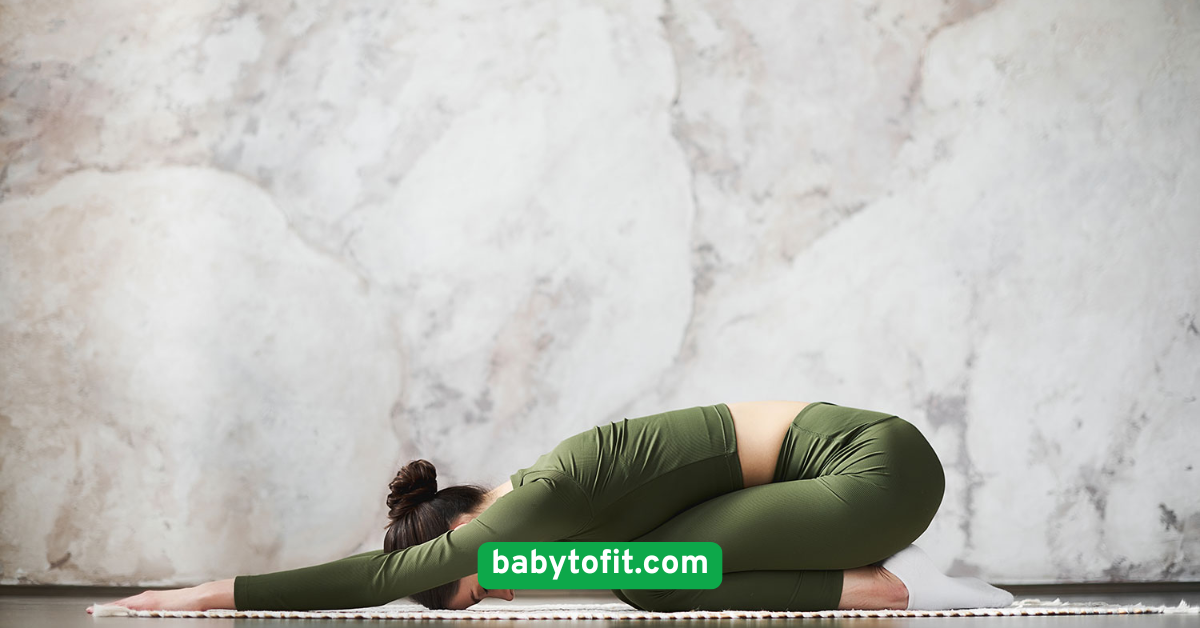
Child’s Pose is a restorative yoga posture that gently stretches the back, hips, and thighs while calming the mind—a perfect way to relax postpartum muscles after a long day.
- Kneel on the floor, sitting back onto your heels, and extend your arms forward on the floor.
- Allow your forehead to rest gently on the ground, breathing deeply.
- Hold this pose for 30 seconds to a minute, focusing on slow, deep breaths.
This stretch helps release tension, improves spinal alignment, and supports emotional relaxation, essential for new moms adjusting to their postpartum bodies.
13. Standing Side Leg Lifts
Standing side leg lifts target the outer thighs and hip abductors, muscles important for pelvic stability and walking.
- Stand tall, holding onto a chair or wall for balance.
- Slowly lift one leg out to the side without tilting your torso.
- Hold for a few seconds, then lower. Repeat for 10-15 reps per leg.
This move is simple but effective, helping restore strength and mobility without high impact or strain.
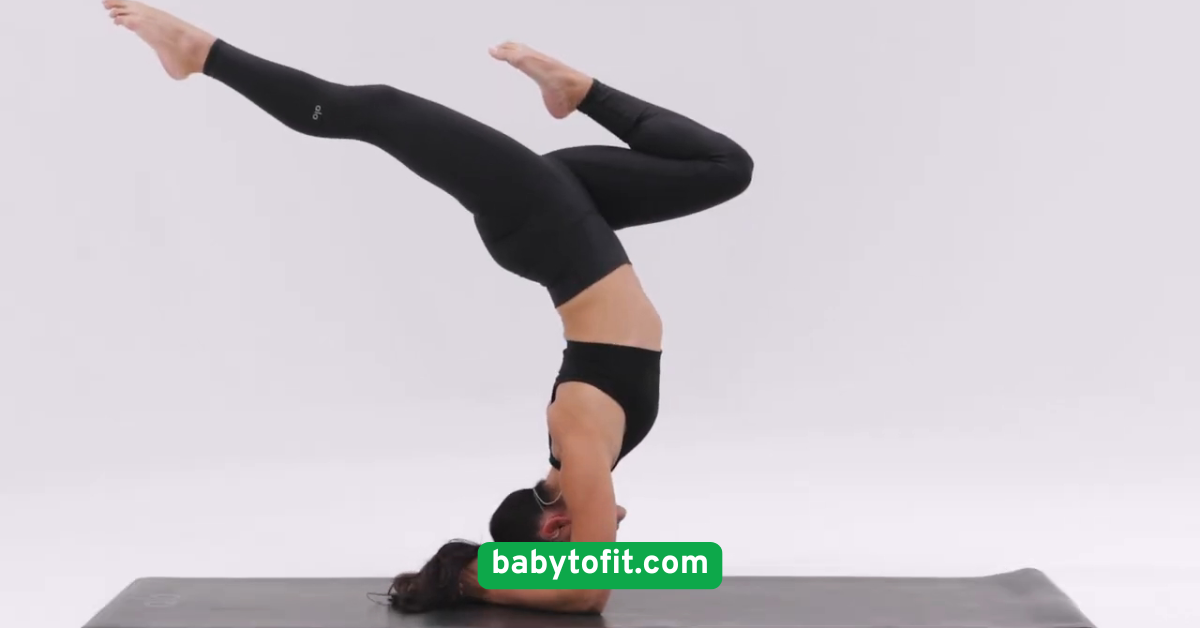
14. Shoulder Blade Squeezes
Postpartum posture often suffers due to baby-carrying and feeding positions. Shoulder blade squeezes strengthen upper back muscles to improve posture and reduce neck and shoulder tension.
- Sit or stand with your back straight.
- Squeeze your shoulder blades together as if pinching a pencil between them.
- Hold for 5 seconds, then release. Repeat 10-15 times.
This exercise counteracts the forward hunch many new moms develop, promoting a healthy, upright posture.

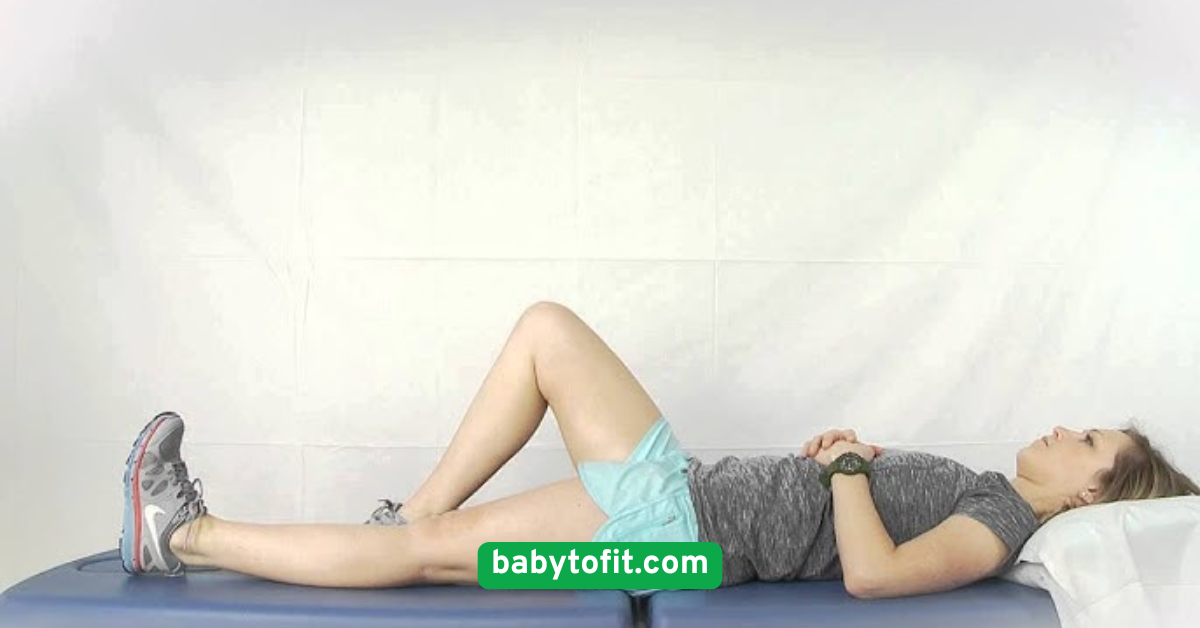
15. Heel Slides
Heel slides gently engage the lower abdominal muscles and improve hip mobility, crucial for postpartum core recovery.
- Lie on your back with knees bent and feet flat.
- Slowly slide one heel away from your body until your leg is almost straight, then slide it back.
- Perform 10-15 repetitions per leg.
Heel slides are easy on the joints and safe for postpartum bodies, making them ideal early-stage recovery exercises.
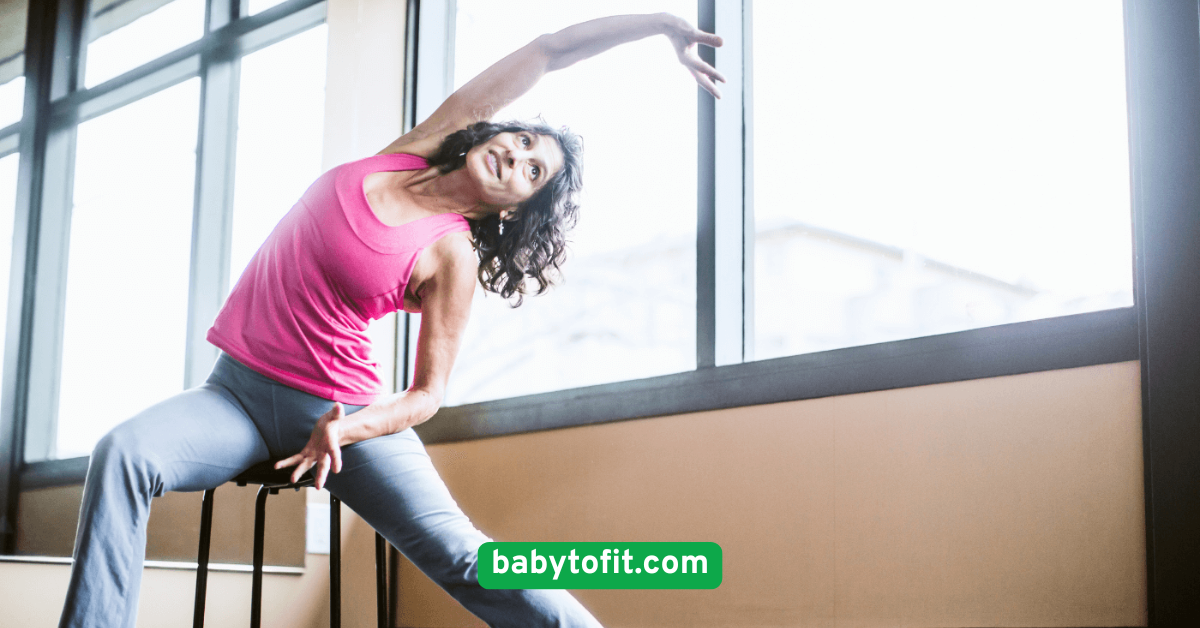
16. Neck Stretches
Tension in the neck and upper shoulders is common postpartum due to breastfeeding and infant care. Gentle neck stretches alleviate discomfort and promote relaxation.
- Slowly tilt your head toward one shoulder, holding for 15-20 seconds.
- Repeat on the other side.
- Perform 3-4 rounds.
Incorporating neck stretches into your routine can relieve stiffness and improve overall comfort.
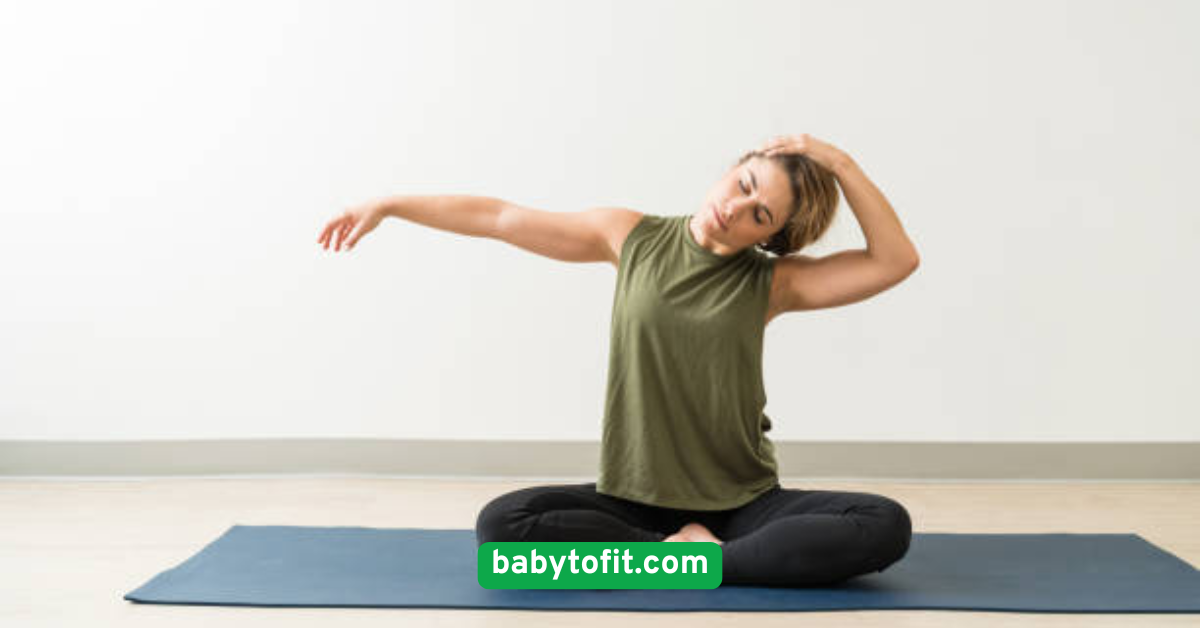
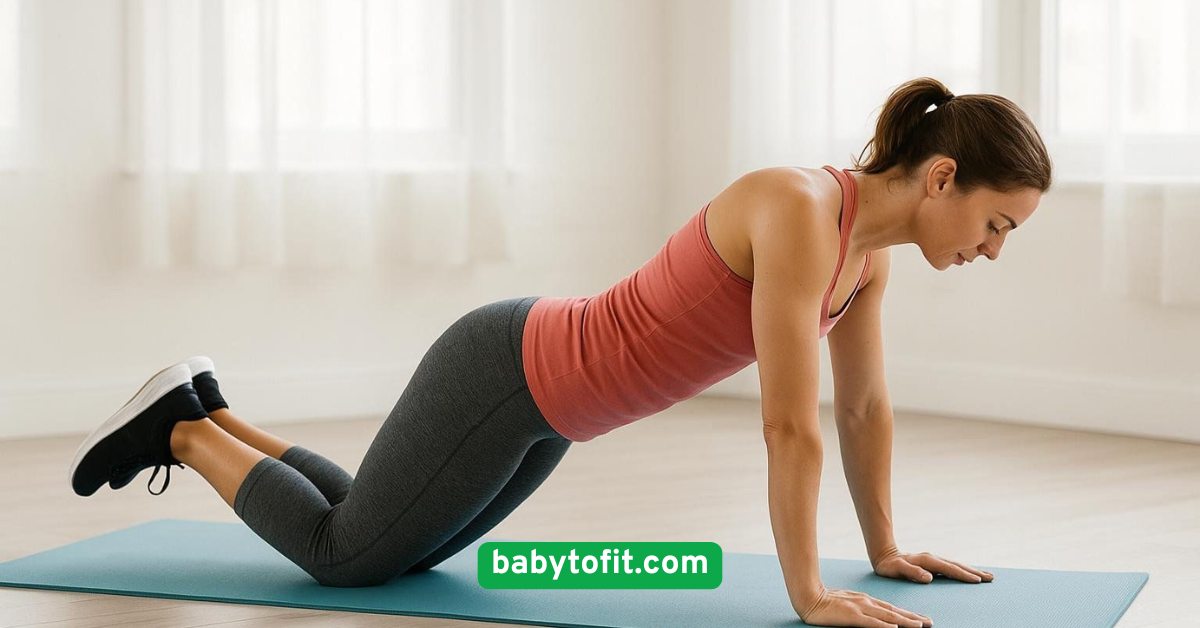
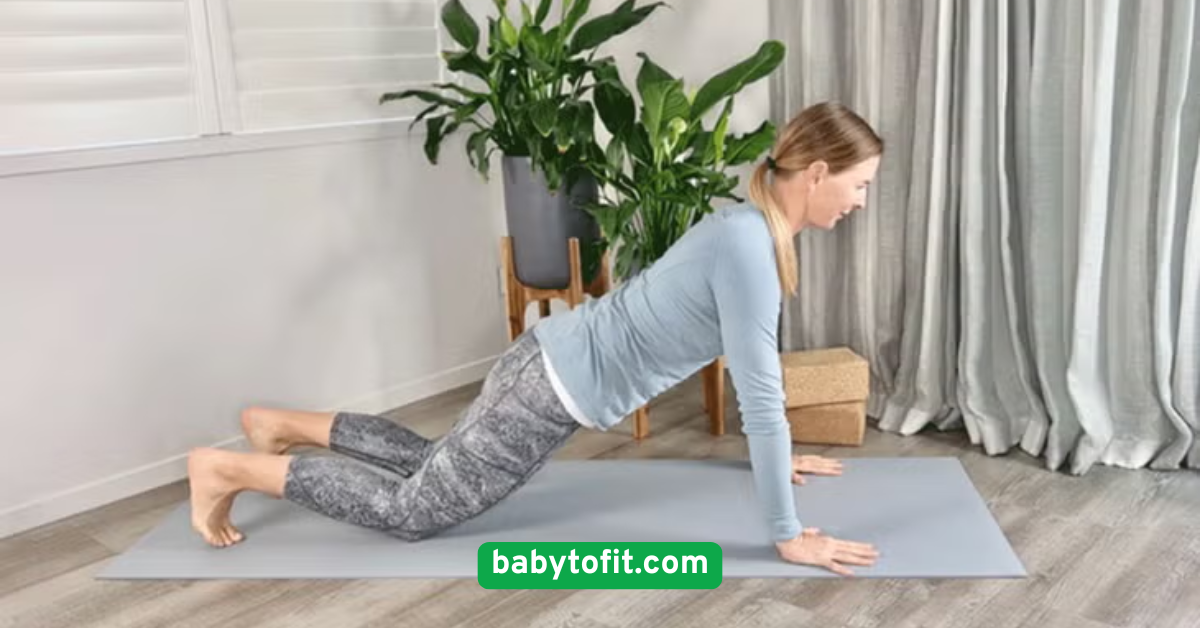
17. Modified Plank on Knees
Planks strengthen the core while minimizing strain when done on the knees—perfect for postpartum moms easing back into core workouts.
- Begin on your hands and knees, keeping your body in a straight line from head to knees.
- Engage your abdominal muscles and hold for 10-20 seconds, gradually increasing duration as you gain strength.
- Repeat 3-5 times with rest in between.
Modified planks build core endurance safely, essential for daily activities and posture.
18. Toe Taps
Toe taps help improve pelvic floor control and abdominal activation.
- Lie on your back with knees bent at 90 degrees and feet lifted off the floor.
- Slowly lower one foot to tap the floor, then bring it back up.
- Alternate legs for 10-15 repetitions each.
This movement encourages gentle core engagement without excessive strain.
19. Ankle Circles
Ankle mobility is often overlooked but critical for overall balance and mobility postpartum.
- Sit or lie down comfortably.
- Lift one foot off the ground and slowly rotate your ankle clockwise for 15 seconds, then counterclockwise.
- Switch to the other foot.
Ankle circles increase circulation, reduce stiffness, and promote joint health.
20. Hip Circles
Hip circles encourage gentle pelvic mobility, reduce stiffness, and enhance blood flow.
- Sit on a stability ball or chair with feet flat.
- Slowly make circular motions with your hips in one direction for 30 seconds, then reverse.
- Keep movements slow and controlled.
This exercise helps relieve tension in the lower back and pelvis.
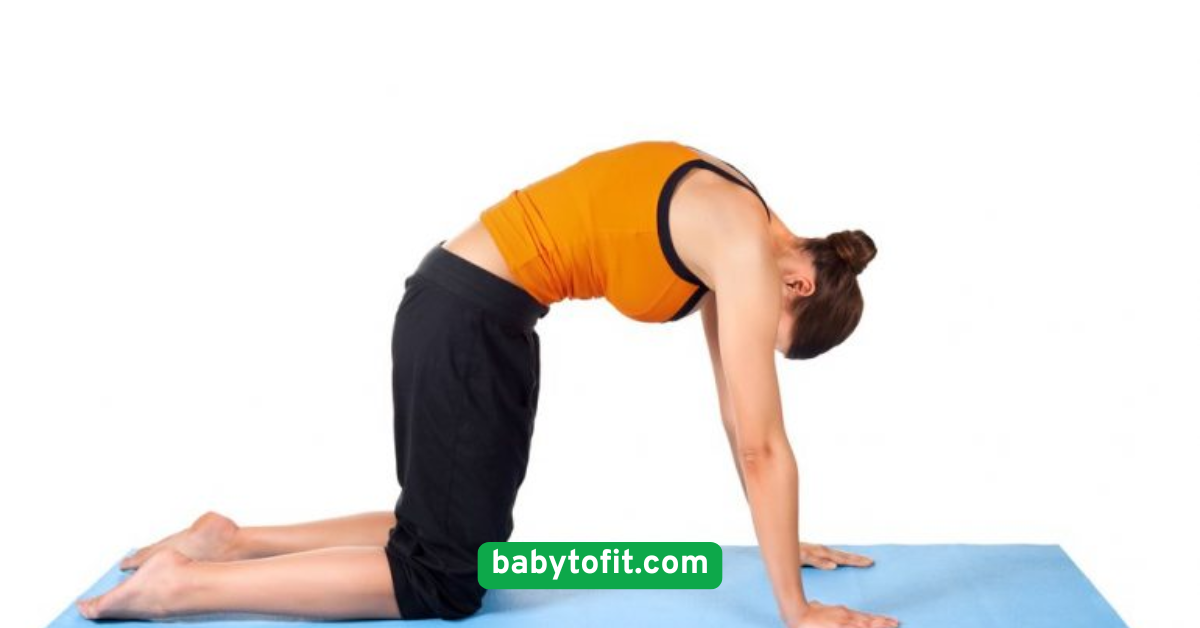
21. Cat-Cow Stretch
The Cat-Cow stretch is a gentle yoga sequence that improves spinal flexibility and relieves tension in the back, which often accumulates during pregnancy and postpartum.
- Begin on all fours with your wrists aligned under your shoulders and knees under your hips.
- Inhale, arch your back by lifting your head and tailbone towards the ceiling (Cow Pose).
- Exhale, round your spine, tucking your chin and pelvis (Cat Pose).
- Repeat this flow slowly for 8-10 rounds.
This movement not only loosens tight muscles but also promotes mindful breathing, helping to reduce stress and calm the nervous system.
22. Glute Bridges
Glute bridges activate the gluteal muscles and lower back, critical for posture and pelvic stability after childbirth.
- Lie on your back with knees bent and feet hip-width apart, flat on the floor.
- Press your heels into the ground as you lift your hips toward the ceiling, forming a straight line from shoulders to knees.
- Hold for a few seconds, then lower slowly.
- Perform 12-15 repetitions.
This low-impact exercise strengthens the posterior chain gently and supports the pelvic floor.
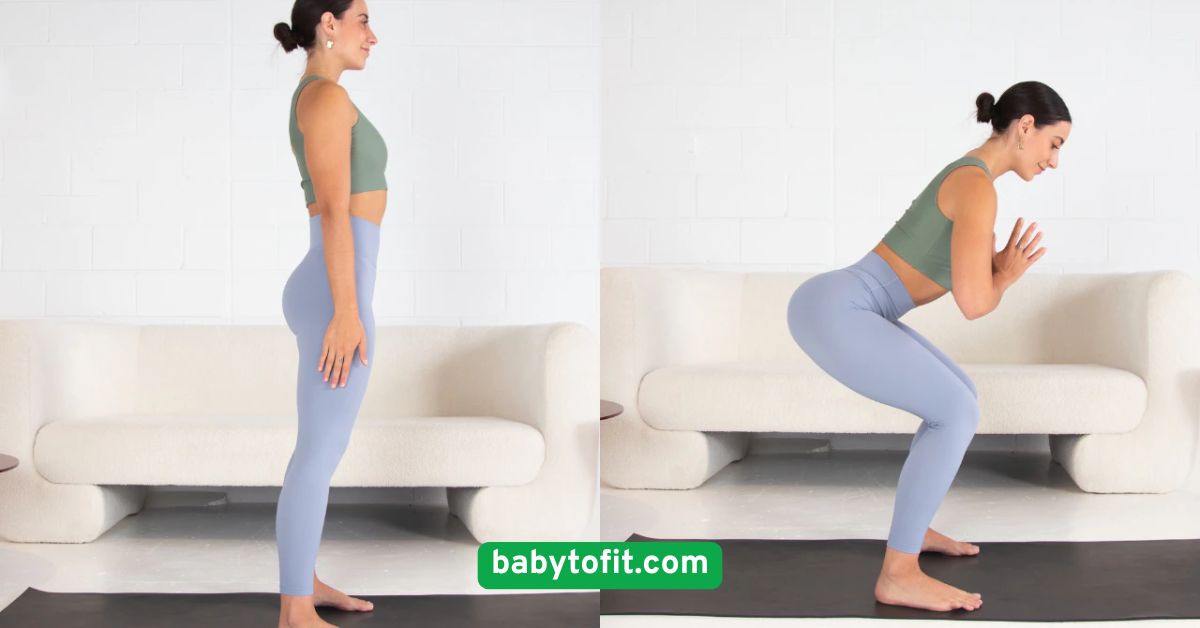
23. Wall Push-Ups
Wall push-ups are a beginner-friendly way to strengthen the upper body without excessive pressure on joints.
- Stand facing a wall, about arm’s length away.
- Place your hands flat on the wall at shoulder height and width.
- Slowly bend your elbows, bringing your chest toward the wall, then push back to the starting position.
- Aim for 10-15 reps.
This exercise improves arm, shoulder, and chest strength while maintaining control and balance.
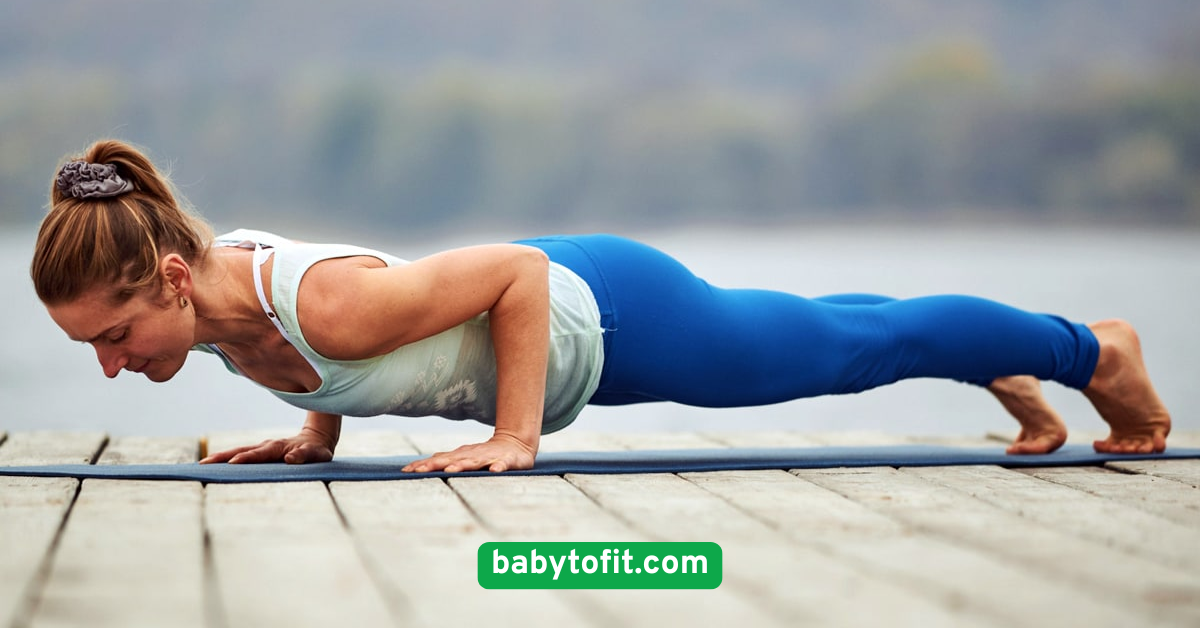
24. Bird-Dog
Bird-Dog is a core and balance exercise that gently engages the abdominal and back muscles simultaneously.
- Start on all fours with wrists under shoulders and knees under hips.
- Extend your right arm forward and left leg back, keeping hips and shoulders square.
- Hold for 5 seconds, then return to starting position.
- Repeat on the opposite side for 10-12 repetitions each.
It’s excellent for promoting coordination and spinal stability, important after pregnancy.
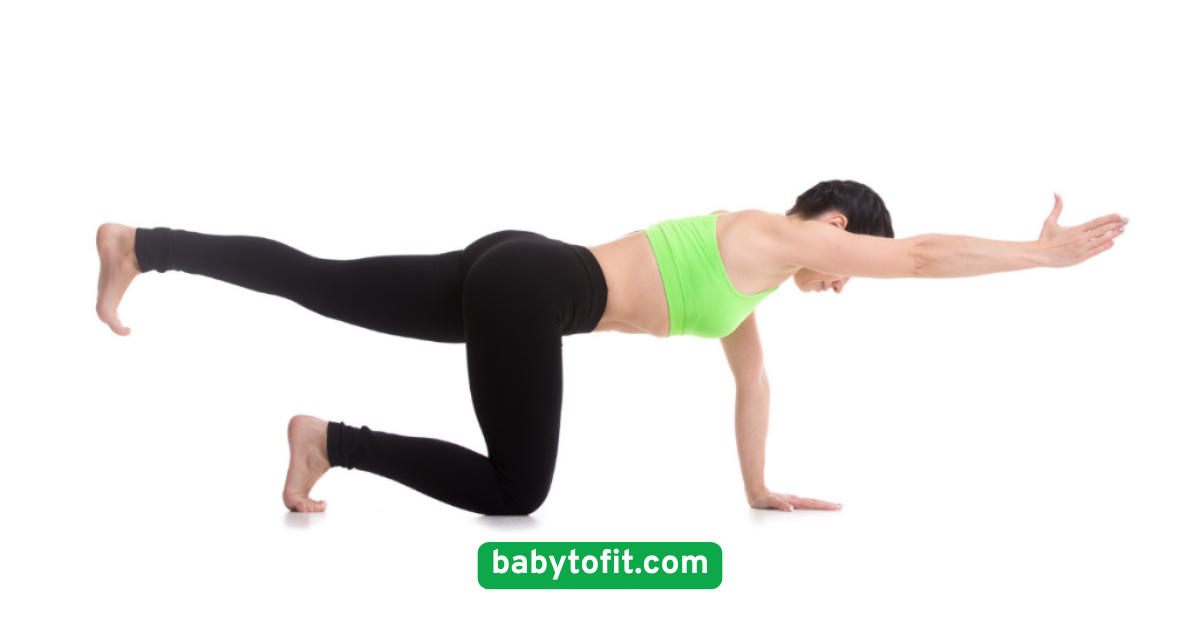
25. Walking
Never underestimate the power of a simple walk! Walking is one of the safest and most accessible postpartum exercises.
- Start with short, easy-paced walks around your home or neighborhood.
- Gradually increase duration and pace as your endurance builds.
- Aim for 20-30 minutes per session, several times a week.
Walking boosts cardiovascular health, enhances mood through endorphin release, and gently reactivates muscles without strain.
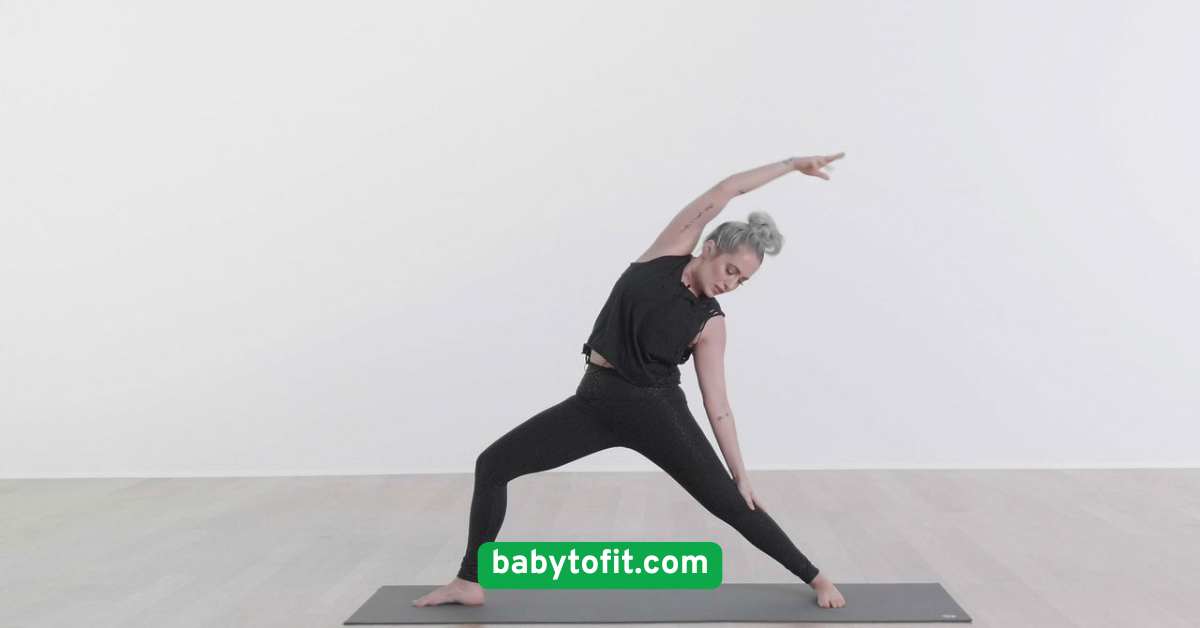
- Standing Cat-Cow Stretch
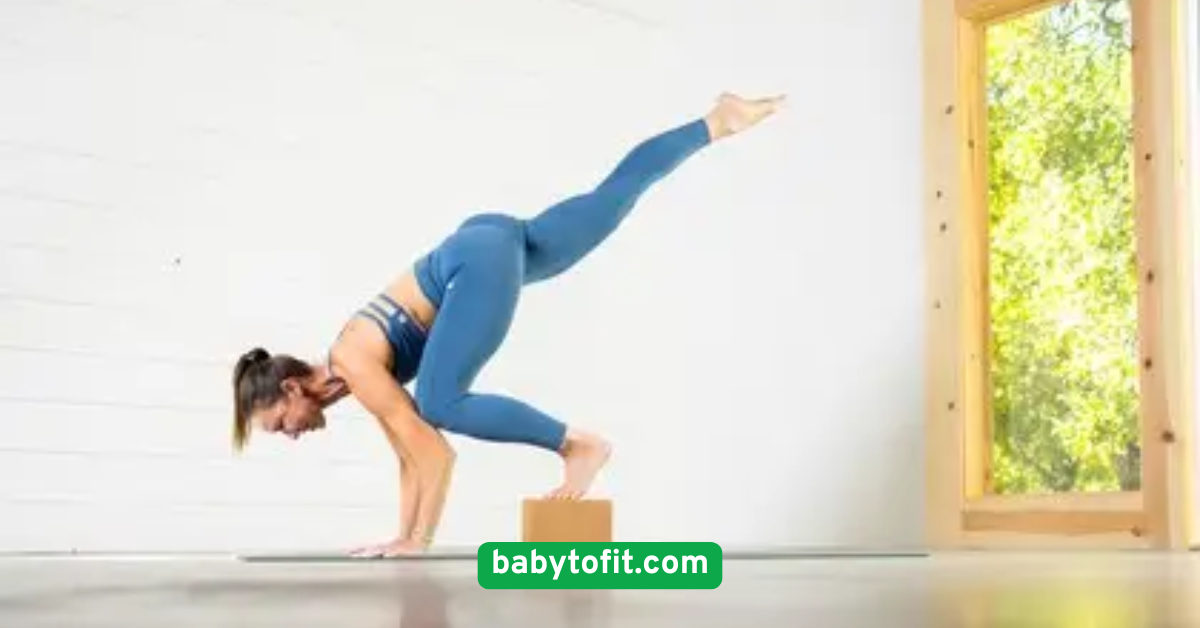
The standing cat-cow stretch is a gentle and effective way to improve spinal flexibility and release tension in your back, which can often be tight after pregnancy and childbirth. Unlike the traditional cat-cow done on hands and knees, this standing variation is easier on the wrists and allows you to focus on elongating the spine with controlled breathing. To perform, stand with feet hip-width apart, place your hands on your thighs, and as you inhale, gently arch your back while lifting your chest and looking upward. As you exhale, round your spine, tuck your chin to your chest, and pull your belly button toward your spine. This slow, rhythmic movement helps ease stiffness and supports proper posture, which is vital for new moms carrying their babies or breastfeeding. Doing this stretch daily encourages relaxation, reduces back pain, and helps reconnect your mind and body after delivery.
27. Wall-Assisted Squats
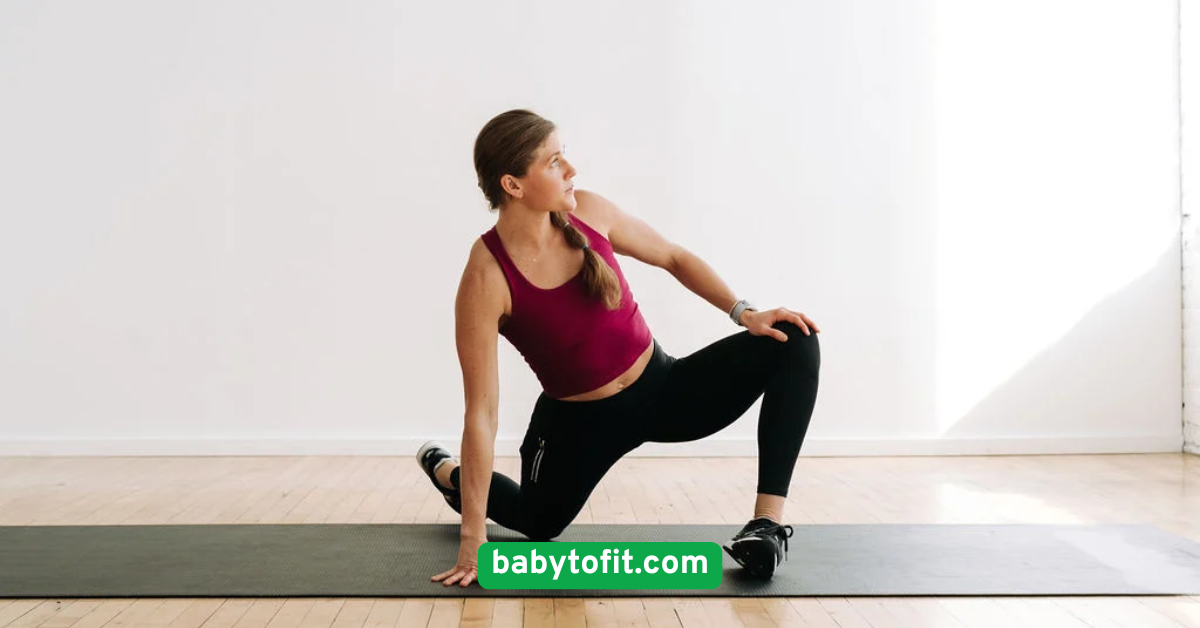
Wall-assisted squats are a fantastic low-impact exercise for strengthening your lower body safely during the postpartum period. This variation helps you maintain proper form by providing support and reducing strain on the knees and lower back. To start, stand facing a wall with your feet shoulder-width apart and a few inches away from it. Slowly lower your hips down as if sitting into a chair, keeping your back straight and pressing your hands gently into the wall for balance. Hold the squat for a few seconds before pushing through your heels to return to standing. This move engages your glutes, quads, and core muscles without harsh impact, helping you rebuild strength and stability. You can gradually increase repetitions as your body heals and feels stronger. It’s perfect for busy moms because it requires minimal space and no equipment.
28. Side-Lying Leg Lifts
Side-lying leg lifts are excellent for targeting the hip abductors and outer thigh muscles, which often weaken after pregnancy. Strengthening these muscles helps improve pelvic stability and can reduce discomfort during daily activities. Lie on your side with your legs stacked and straight. Rest your head on your lower arm and place your top hand in front of you for support. Slowly lift your top leg toward the ceiling while keeping your hips steady and your core engaged. Hold briefly, then lower it back down with control. This movement should feel gentle but effective. Incorporating side-lying leg lifts into your postpartum routine promotes balanced muscle development and supports proper hip alignment. Since this workout is low-impact and performed lying down, it’s ideal for new moms managing fatigue or diastasis recti.
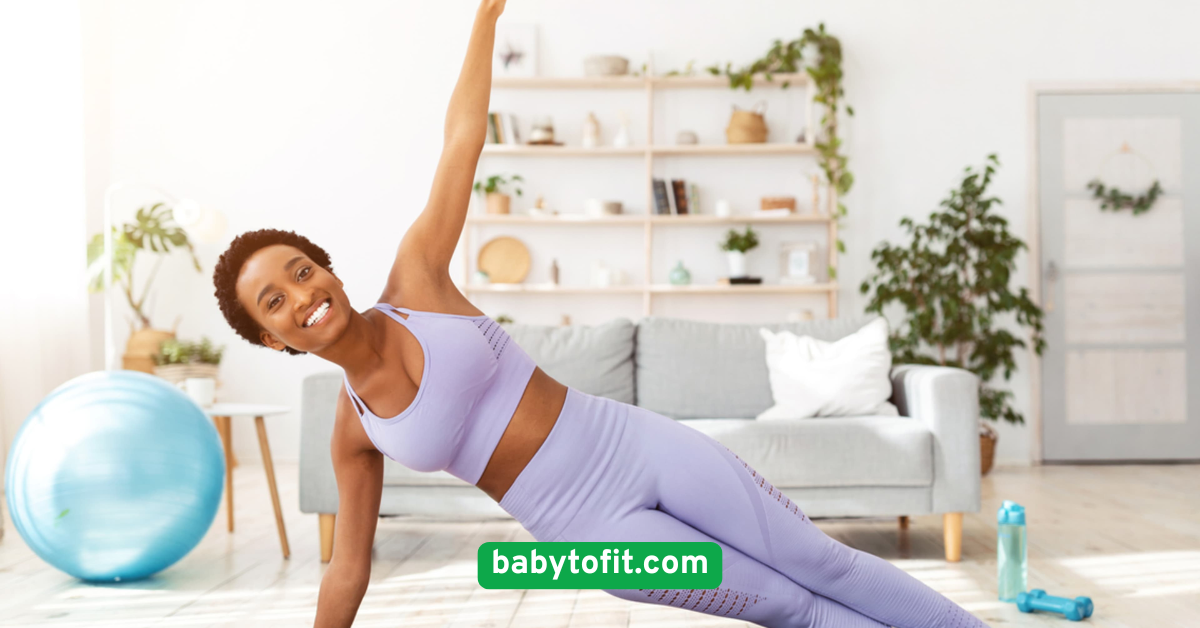
29. Modified Side Plank
The modified side plank is a safe core-strengthening exercise that engages the obliques without putting excessive pressure on the abdominal wall. This is especially helpful for postpartum women who want to avoid straining their healing core muscles. Begin by lying on your side with your forearm on the floor and your knees bent. Lift your hips off the floor, creating a straight line from your shoulders to your knees. Hold this position while breathing steadily, then gently lower back down. This modified version reduces intensity but still builds essential core strength and improves balance. Performing side planks regularly helps rebuild the deep core muscles, supports spinal alignment, and boosts overall functional strength, which is crucial for handling the physical demands of motherhood.
30. Seated Pelvic Tilts
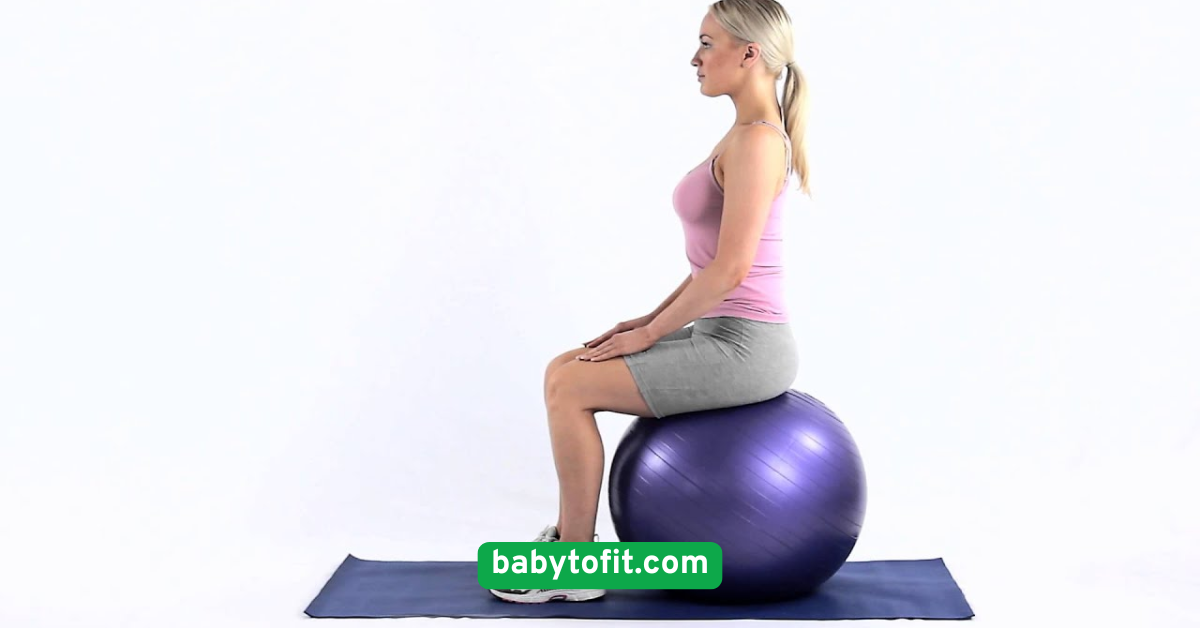
Seated pelvic tilts are a simple yet effective exercise for reconnecting with your pelvic floor and lower abdominal muscles. Sitting comfortably on a chair or exercise ball, place your feet flat on the ground and keep your back straight. Slowly tilt your pelvis forward, arching your lower back slightly, then tilt it backward, rounding your lower back and engaging your core. This movement helps release tension in the lower back and gently activates muscles that support bladder control and posture. It’s particularly beneficial for new moms recovering from childbirth, as it encourages awareness of pelvic alignment and strengthens muscles that are often weakened postpartum. Incorporate pelvic tilts into your daily routine for improved core stability and relief from lower back discomfort.
conclusion
Recovering from childbirth is a unique journey for every mom, and incorporating low-impact postpartum workouts can make a significant difference in your healing process. These 30 gentle exercises are designed to rebuild strength, support your core, improve mobility, and boost your energy—all while respecting your body’s pace. Remember, patience is key! Listen to your body, start slowly, and gradually increase your activity level. Always consult your healthcare provider before beginning any new workout routine, especially postpartum.
Your journey back to strength and vitality is not a sprint—it’s a steady, empowering walk. Embrace these safe, effective workouts and celebrate every small victory along the way. You’ve got this, mama!


