20 Low-Impact Postpartum Workouts to Support Healing
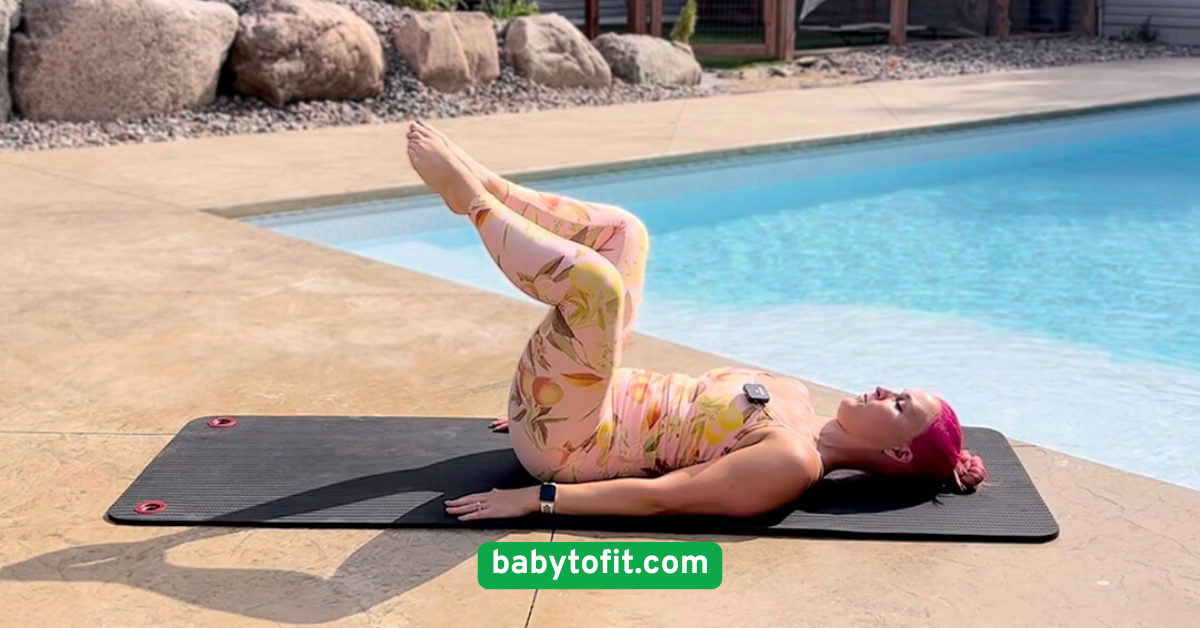
1. Pelvic Floor Activation Exercises
The pelvic floor muscles act like a supportive hammock for your bladder, uterus, and bowel — all of which undergo significant strain during pregnancy and delivery. Strengthening these muscles postpartum is critical to prevent issues such as urinary incontinence and pelvic organ prolapse. Pelvic floor activation exercises involve gentle contractions and releases of these muscles, similar to the action you perform to stop urination midstream.
To begin, find a comfortable seated or lying position, then slowly contract the pelvic floor muscles, hold for a count of five, and release. It’s important to breathe naturally during the exercise and avoid tightening your abdomen, thighs, or buttocks. Start with a few contractions and gradually build up to several sets a day. These exercises can be discreetly performed anywhere — while nursing, watching TV, or even working.Regularly practicing pelvic floor activation supports core stability, improves circulation, and speeds up recovery. Remember, patience is key—don’t rush. The results come with consistent, mindful practice over weeks and months.
2. Diaphragmatic Breathing
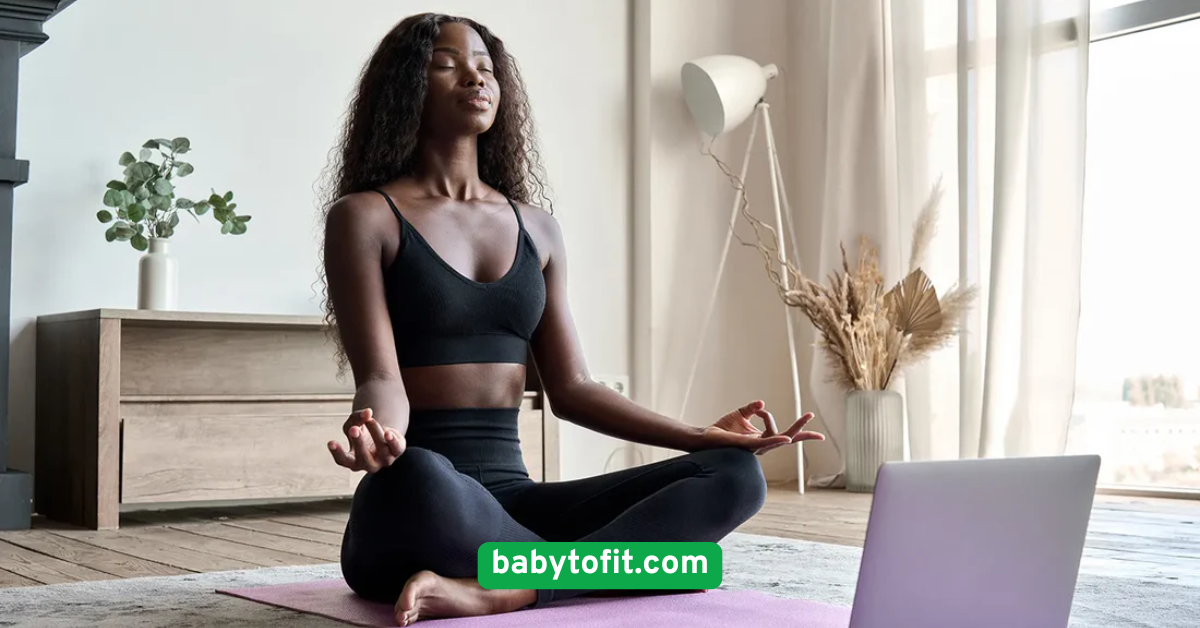
Breathing is something we often take for granted, but diaphragmatic breathing (or deep belly breathing) can be a powerful tool for postpartum healing. This technique helps reduce stress, improves oxygen flow, and gently engages the deep core and pelvic floor muscles, which are crucial after childbirth.
Begin by sitting or lying comfortably with one hand on your chest and the other on your abdomen. Inhale slowly through your nose, allowing your belly to rise as the diaphragm expands. Exhale fully through your mouth, letting the belly fall. Focus on long, smooth breaths that fill your lungs and relax your body.Besides physical benefits, diaphragmatic breathing promotes relaxation and mental clarity — essential for new moms navigating the emotional rollercoaster of postpartum life. Practicing for just 5–10 minutes daily can improve your energy levels and enhance your body’s healing response.
3. Gentle Walking
Walking is one of the easiest and safest postpartum workouts, perfect for reintroducing movement to your body without undue strain. It enhances circulation, aids digestion, reduces swelling, and triggers the release of feel-good endorphins — helping combat postpartum blues.Start with brief walks indoors or around your neighborhood, moving at a comfortable pace. Pay attention to your body’s signals — if you experience any pain or fatigue, slow down or rest. Gradually increase your walking time to 15–30 minutes daily as your endurance improves.Besides physical benefits, walking offers mental relief. Stepping outside for fresh air and sunlight can help reset your mind and provide a peaceful moment amid the busy demands of motherhood. Plus, it’s an activity you can easily include with your baby in a stroller!
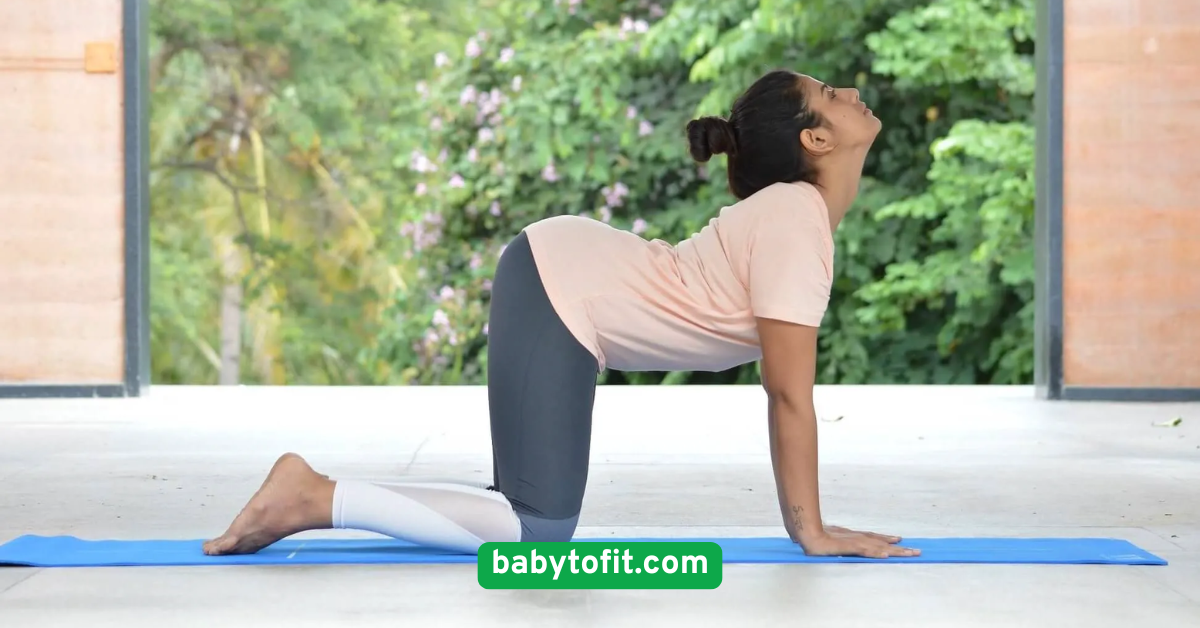
4. Cat-Cow Stretch
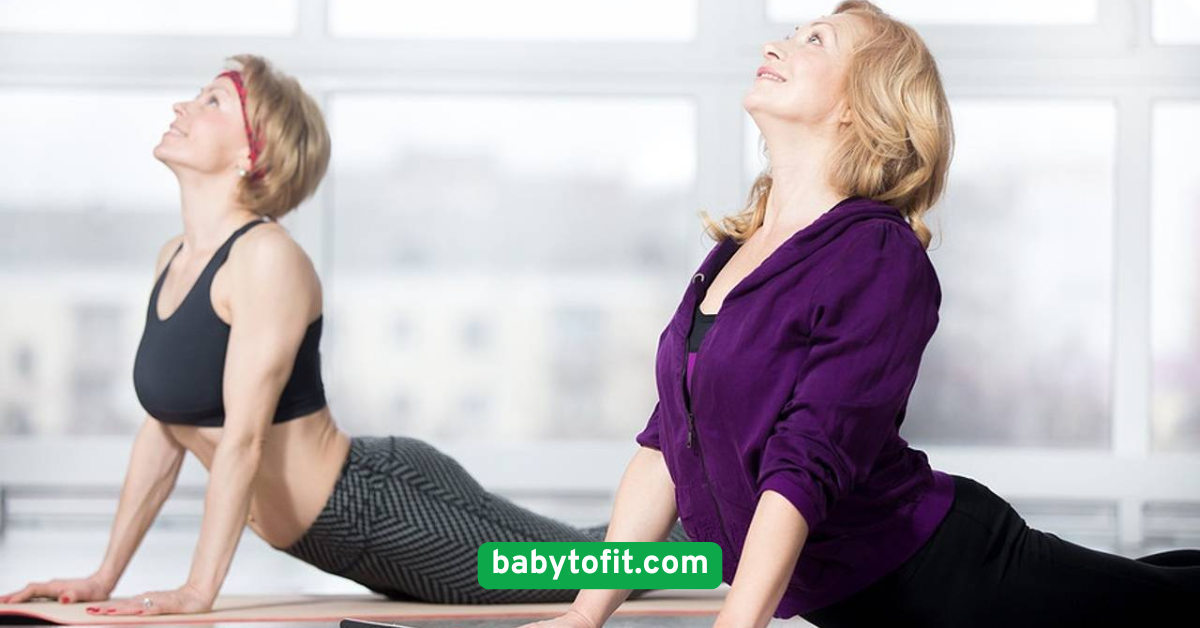
Childbirth can leave your spine and posture feeling stiff or misaligned due to the physical demands of pregnancy and caring for your newborn. The Cat-Cow stretch is a gentle yoga-inspired movement that increases spinal flexibility, releases tension in the back and neck, and improves posture.Start on your hands and knees, aligning your wrists under your shoulders and knees under your hips. Inhale deeply, arching your back while lifting your head and tailbone (Cow pose). Exhale slowly, rounding your spine toward the ceiling and tucking your chin (Cat pose). Repeat this flow for 8 to 10 breaths.This stretch is ideal for postpartum recovery because it is gentle, promotes mobility, and encourages mindful breathing. It can also alleviate discomfort caused by prolonged nursing positions and carrying your baby.
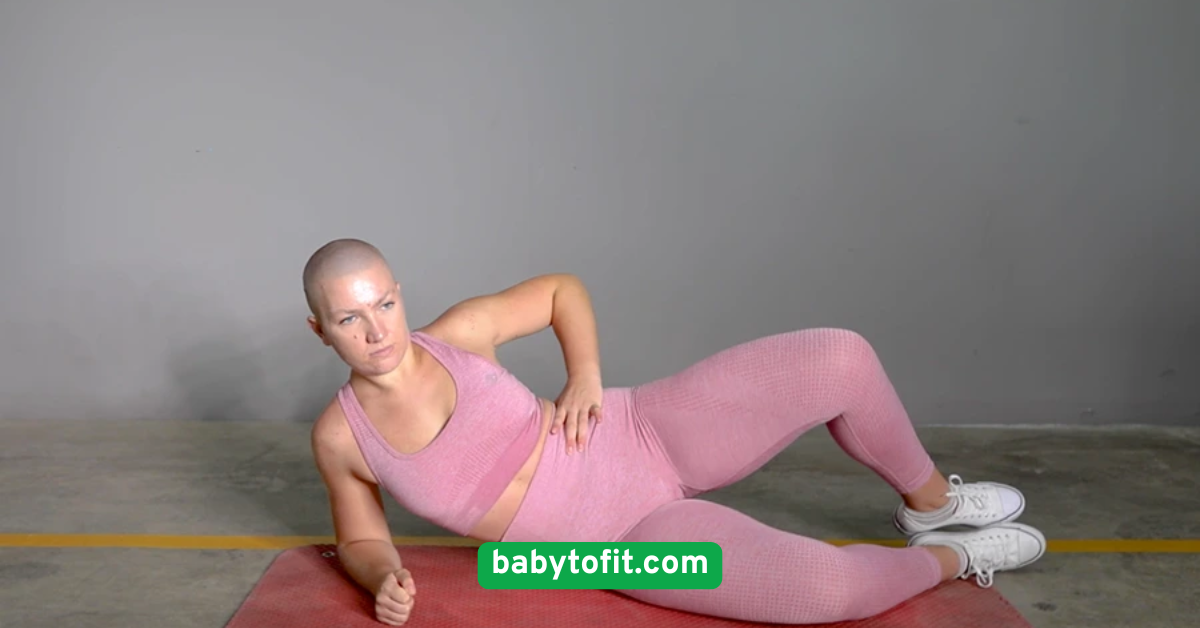
5. Modified Side Planks
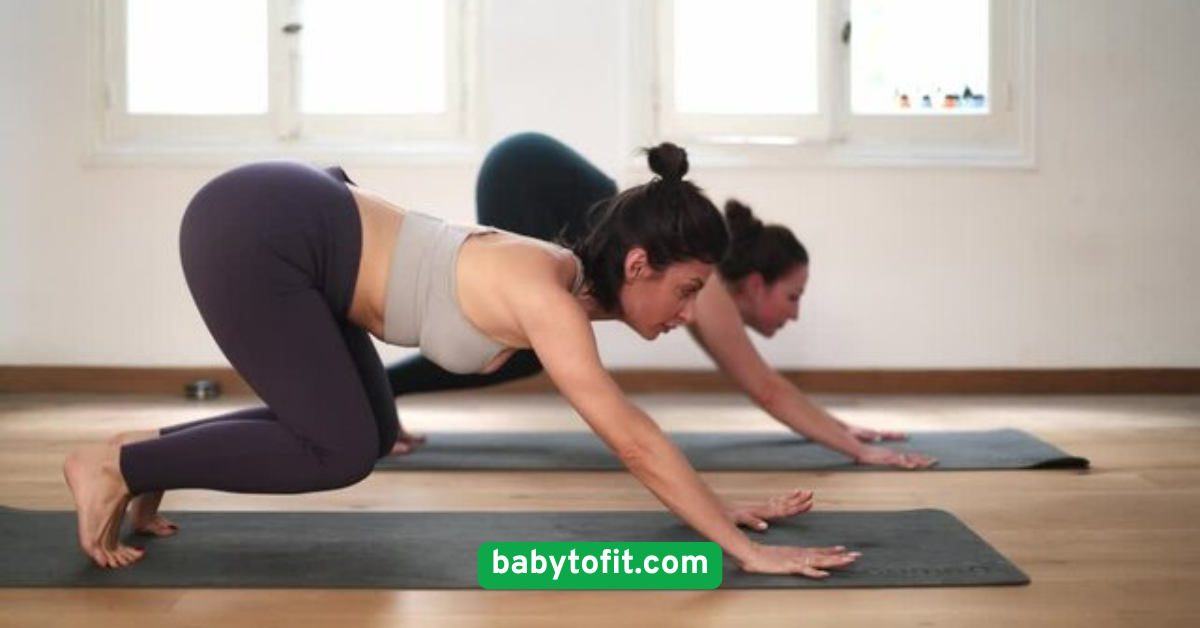
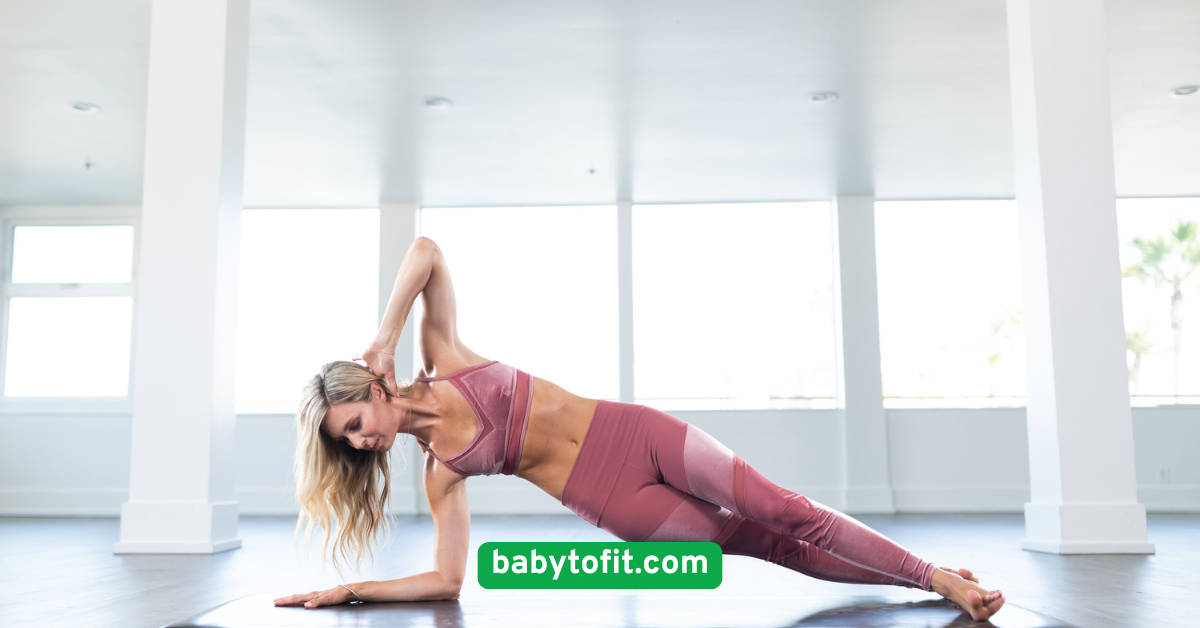
Strengthening your core postpartum is important for regaining overall stability and improving posture, but traditional planks can be too intense early on. Modified side planks target your obliques and deep core muscles safely by supporting your body weight on your forearm and knees instead of your toes.Lie on your side, resting on your forearm with your elbow beneath your shoulder, and bend your knees for support. Lift your hips off the ground, forming a straight line from your shoulders to your knees. Hold for 10-15 seconds, then slowly lower down. Repeat 3-5 times per side, increasing hold duration as you gain strength.This exercise encourages core engagement without excessive pressure, which helps rebuild muscle tone and supports your back — all while being gentle enough for postpartum healing.
6. Bridge Pose
The Bridge pose is a wonderful low-impact exercise that strengthens your glutes, lower back, and core — key areas weakened after pregnancy and delivery. This pose also improves pelvic stability and relieves lower back tension.Lie on your back with your knees bent, feet flat on the floor hip-width apart. Slowly lift your hips towards the ceiling, squeezing your glutes as you lift. Hold the position for a few seconds, then lower your hips down slowly. Repeat 10-15 times.This movement is especially helpful for correcting posture imbalances caused by pregnancy and carrying your baby. It’s simple to perform and can be done daily to boost strength and healing.
7. Seated Leg Lifts
Seated leg lifts engage your lower abs and hip flexors, important for pelvic stability and balance. This exercise is safe and convenient, especially when sitting down nursing or resting.Sit on a sturdy chair with your back straight and feet flat on the floor. Slowly extend one leg forward until it’s parallel to the ground, hold for a moment, then lower it without touching the floor. Repeat 10-12 times per leg.This gentle movement strengthens core muscles and improves circulation without overloading your body. It’s an easy way to fit in exercise during your busy mom schedule.
8. Wall Push-Ups
Wall push-ups build upper body strength necessary for carrying your baby and managing daily tasks, without the risk of strain common with traditional push-ups.Stand about an arm’s length from a wall. Place your hands shoulder-width apart on the wall and slowly bend your elbows, lowering your chest toward the wall. Push back to the starting position with control. Aim for 10-15 repetitions.This low-impact exercise tones your arms, shoulders, and chest muscles gently while improving your posture and endurance for everyday mom activities.
9. Heel Slides
Heel slides promote hip mobility and core activation, supporting smooth, pain-free movement as your body recovers.Lie on your back with knees bent and feet flat. Slowly slide one heel forward, straightening your leg while keeping your back flat on the floor. Slide it back to the starting position. Perform 10 repetitions per leg.This subtle exercise is excellent for loosening tight hip flexors and activating abdominal muscles without excess pressure, making it ideal for postpartum recovery.
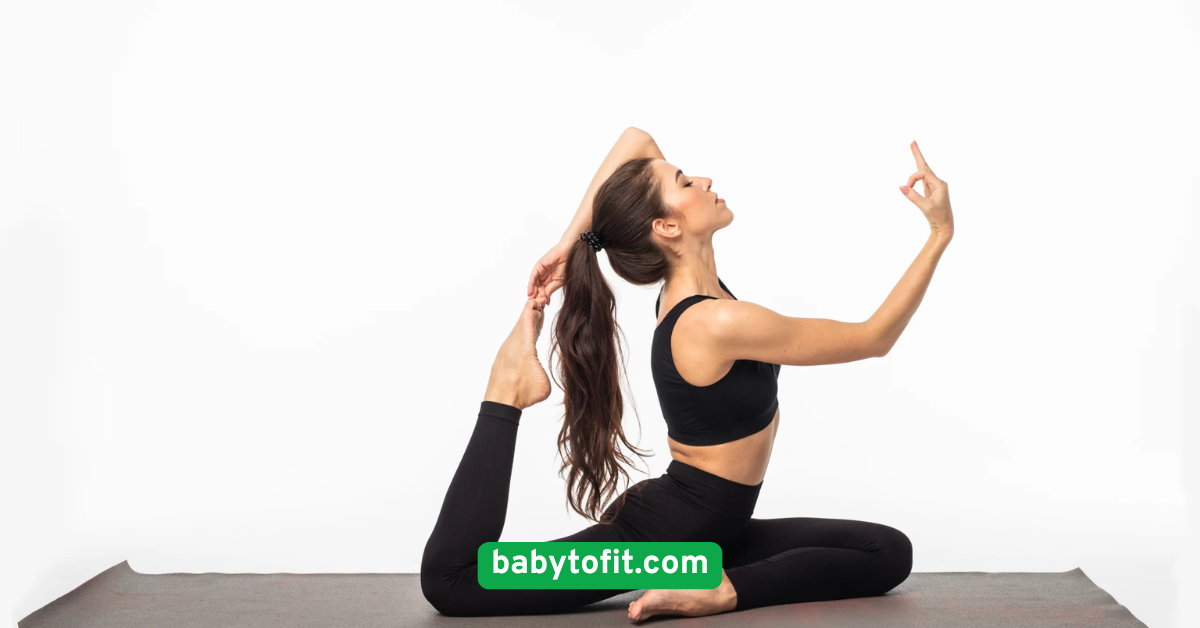
10. Kegel Exercises
Kegel exercises are crucial for postpartum pelvic floor recovery, enhancing bladder control and preventing prolapse. These tiny contractions strengthen muscles that support the uterus and bladder.To perform Kegels, contract the muscles you use to stop urine flow, hold for 5 seconds, then relax for 5 seconds. Aim for 10-15 repetitions, multiple times daily.These exercises can be done anytime, even discreetly while nursing or sitting. Consistent practice strengthens pelvic health, reduces discomfort, and supports overall core stability.
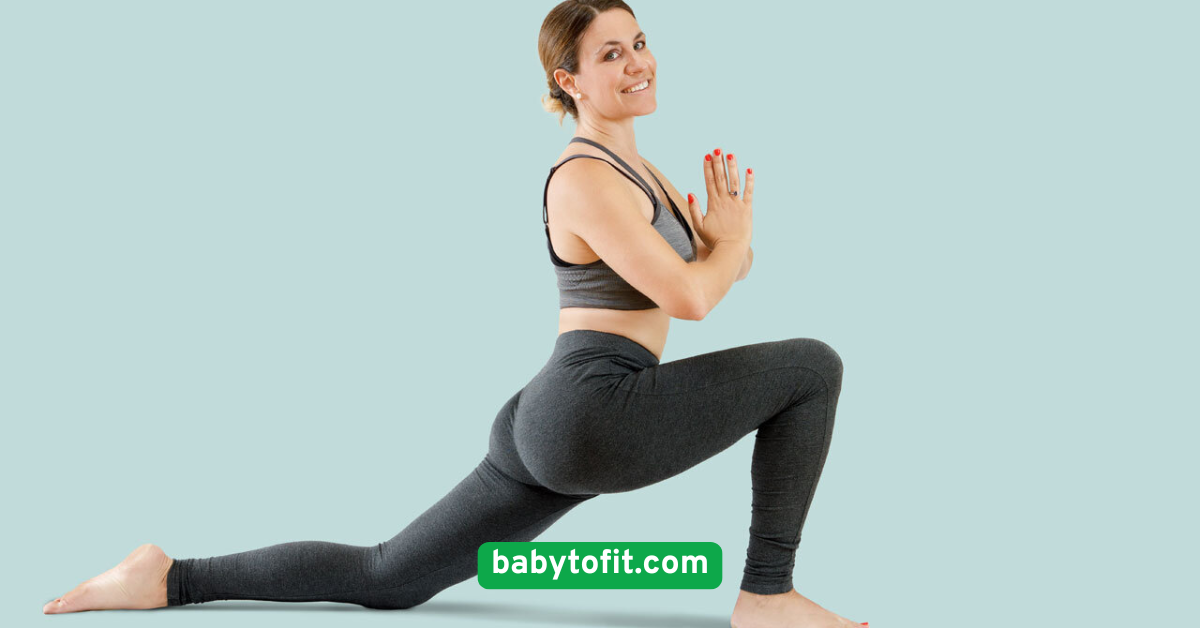
11. Standing Side Bends
Standing side bends stretch and strengthen your oblique muscles, improving flexibility and easing tension in your lower back and sides.Stand with feet hip-width apart, arms relaxed at your sides. Slowly bend to the right, sliding your right hand down your thigh, and feel the stretch along your left side. Return to center and repeat on the left side. Perform 10 repetitions per side.This stretch helps release postpartum back discomfort, enhances spinal mobility, and improves posture, all while being gentle enough for early recovery.
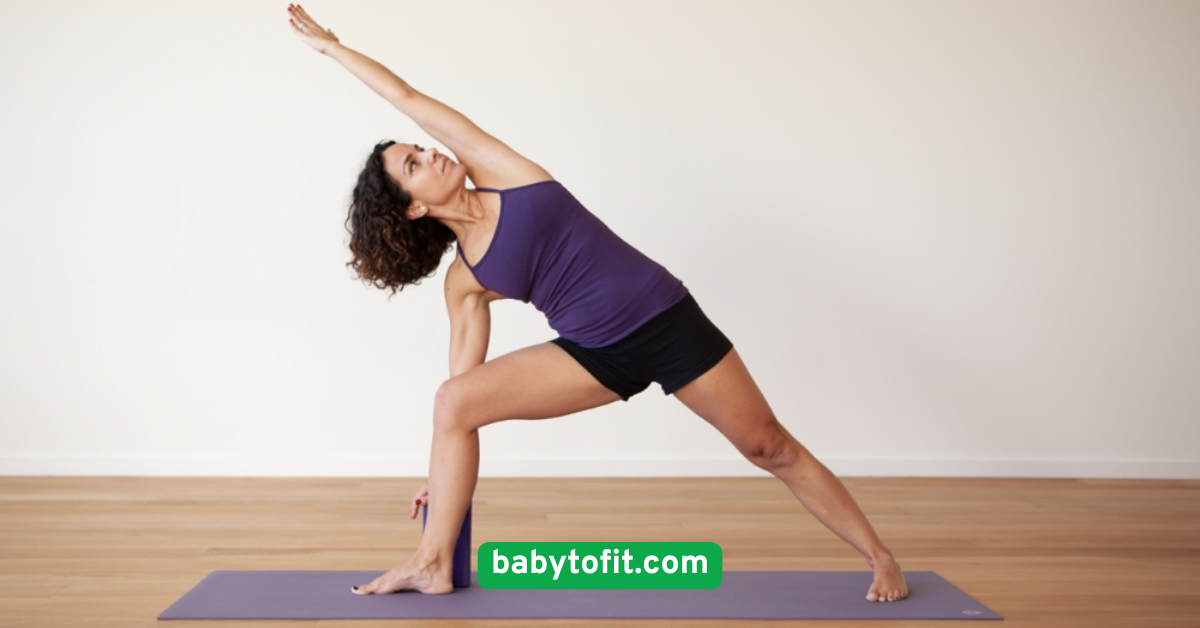
12. Cat Stretch with Arm Reach
Adding an arm reach to the Cat-Cow stretch activates your upper body and core muscles more deeply, promoting better coordination and flexibility.Start on hands and knees. As you arch your back into Cow pose, reach one arm forward. Return to neutral and switch arms, repeating for 8-10 reps on each side.This movement supports spinal mobility and upper body strength, helping reduce tension from carrying and nursing your baby.
13. Clamshell Exercise
The clamshell targets your hip abductors, key muscles that stabilize the pelvis and improve lower body strength.Lie on your side with knees bent and feet together. Keeping your feet touching, lift your top knee while keeping your pelvis steady. Lower your knee back down. Repeat 12-15 times on each side.This exercise is safe and effective for improving hip alignment and preventing injury while promoting pelvic stability during postpartum recovery.
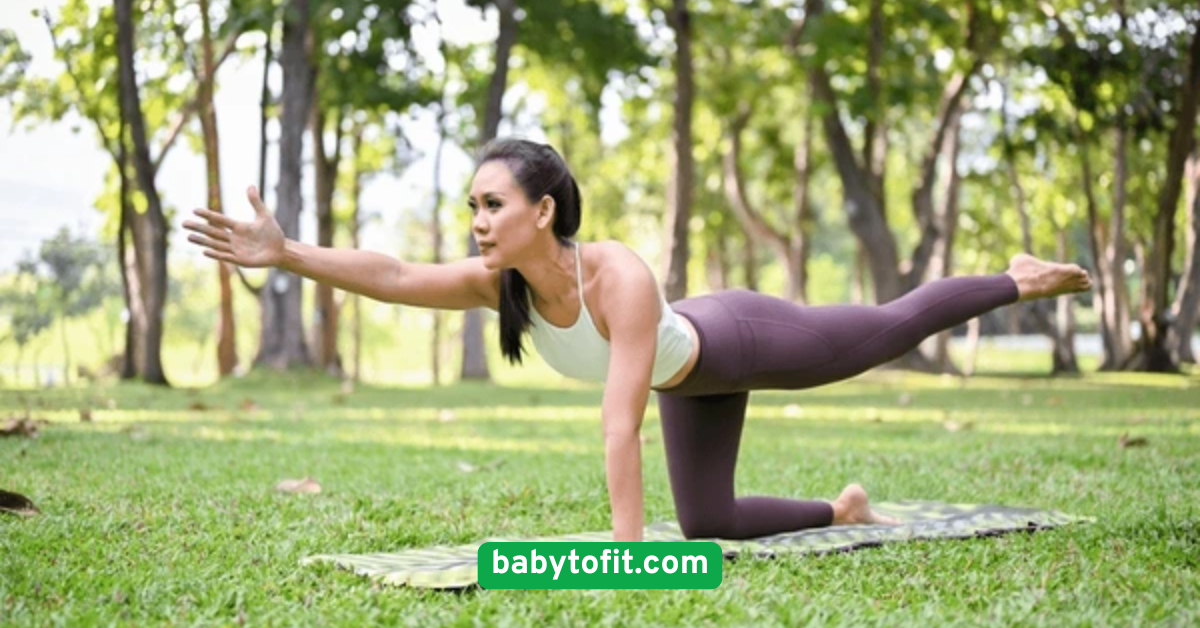
14. Bird-Dog Pose
The Bird-Dog enhances core strength and balance while being gentle on the spine.On your hands and knees, extend your right arm forward and left leg back. Hold briefly, then return to starting position. Repeat on the opposite side for 10 reps each.This exercise improves coordination, stabilizes the lumbar spine, and supports functional strength needed for daily activities.
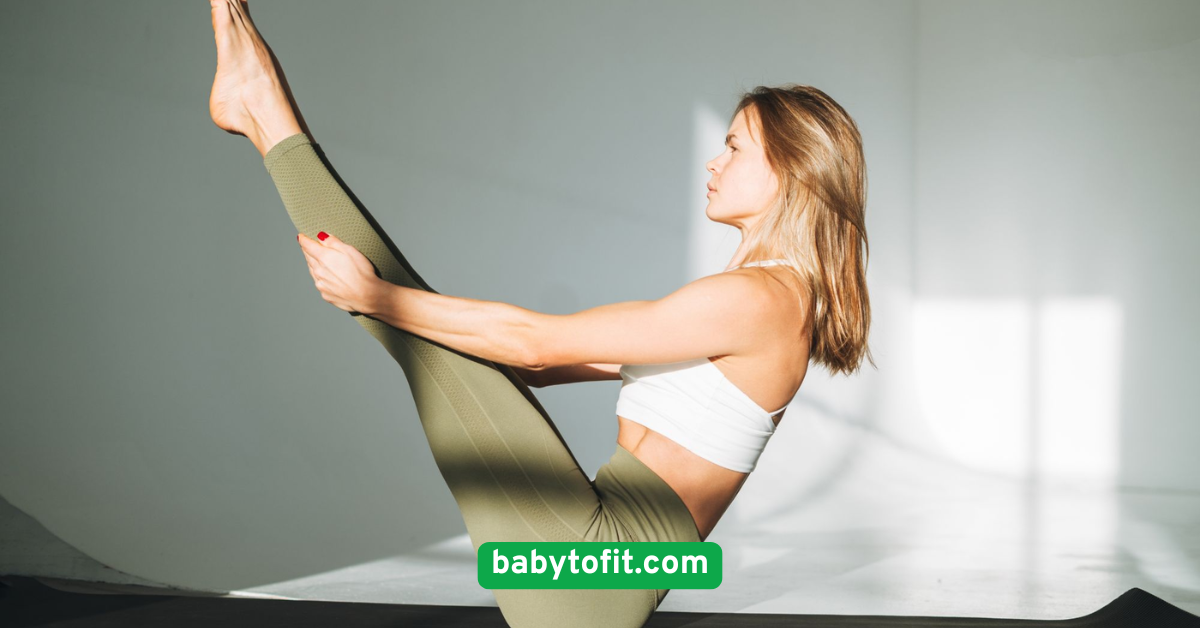
15. Supine Toe Taps
Supine toe taps activate deep core muscles, crucial for rebuilding postpartum abdominal strength without strain.Lie on your back with knees bent and feet raised. Slowly lower one foot to tap the floor, then lift back. Alternate sides for 10-12 repetitions.This low-impact move engages the transverse abdominis, helping flatten the belly and improve core control safely.
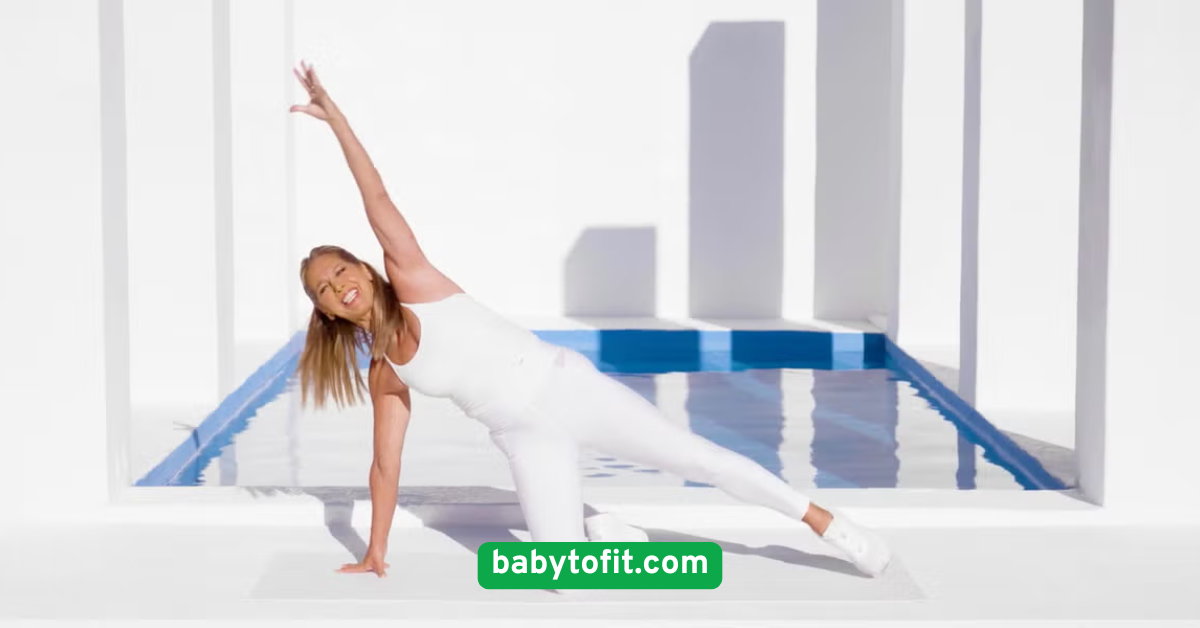
16. Side-Lying Leg Lifts
Side-lying leg lifts strengthen your outer thighs and hips, promoting pelvic stability.Lie on your side with legs extended. Lift your top leg slowly, hold for a second, then lower. Repeat 15 times per side.This exercise is gentle yet effective for toning and supporting muscles needed for walking and daily movement.
17. Chest Opener Stretch
Nursing and carrying your baby often cause tightness in the chest and shoulders. This stretch helps alleviate that tension and improve posture.Stand or sit upright and clasp your hands behind your back. Gently pull your shoulders down and back while opening your chest. Hold for 20-30 seconds.Regular chest openers reduce upper back discomfort and prevent hunching, helping you feel taller and more relaxed.
18. Ankle Circles
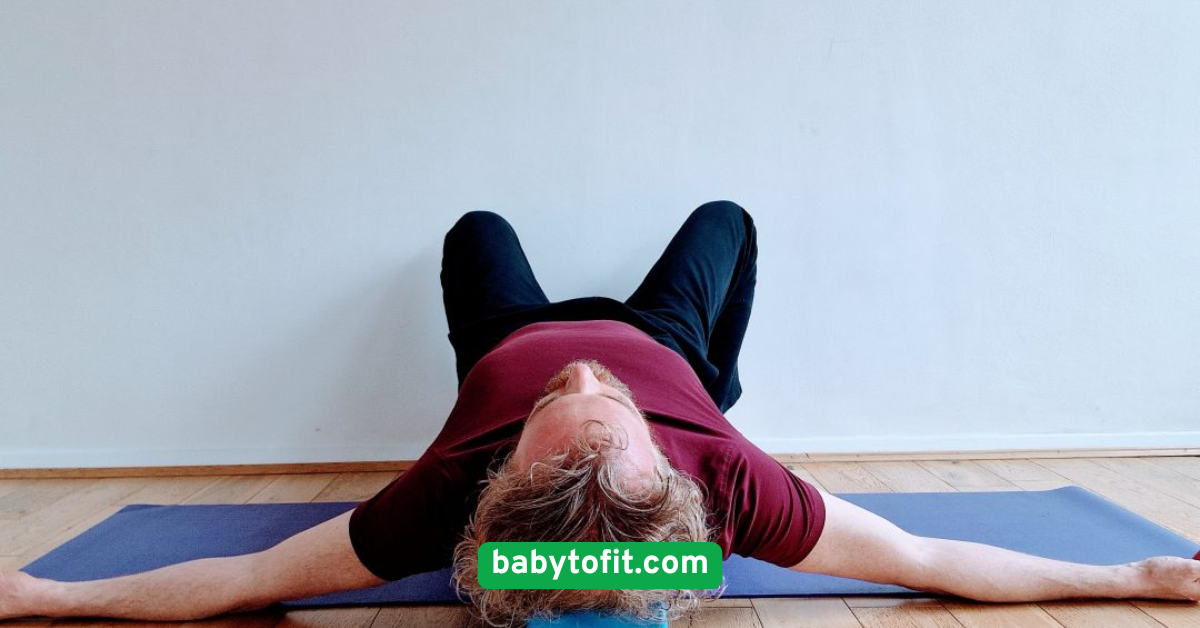
Ankle circles increase blood flow and reduce postpartum swelling, especially after long periods of sitting.Sit comfortably and rotate your ankles clockwise and counterclockwise, 10 circles each way.This simple exercise supports circulation and prevents stiffness in your lower legs, a common postpartum complaint.

19. Child’s Pose
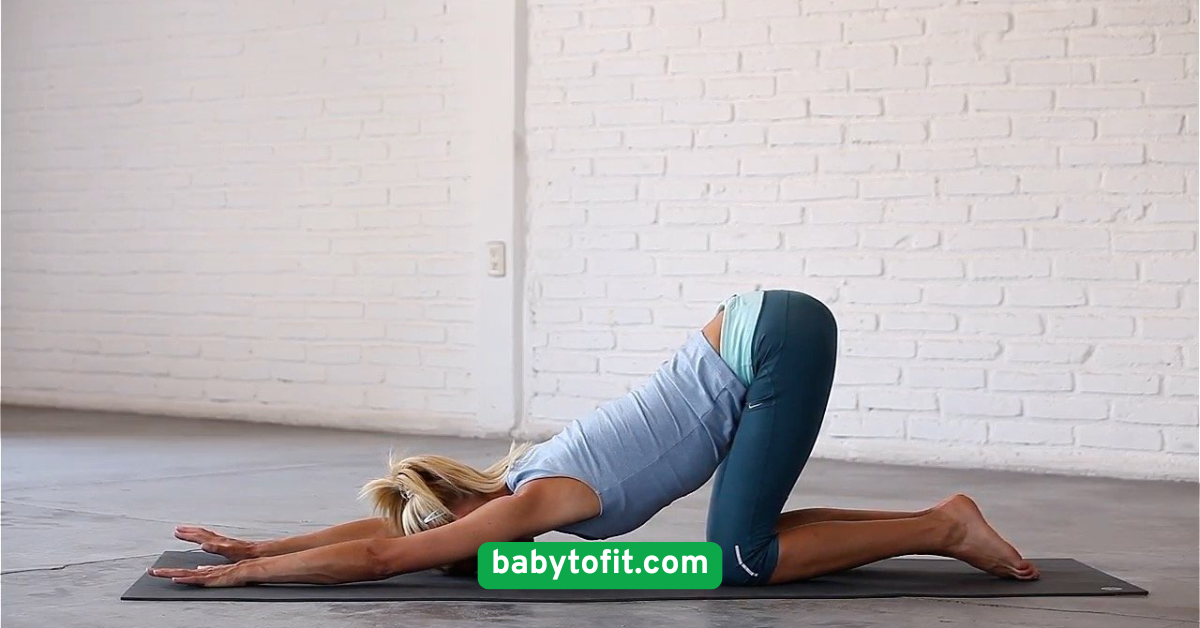
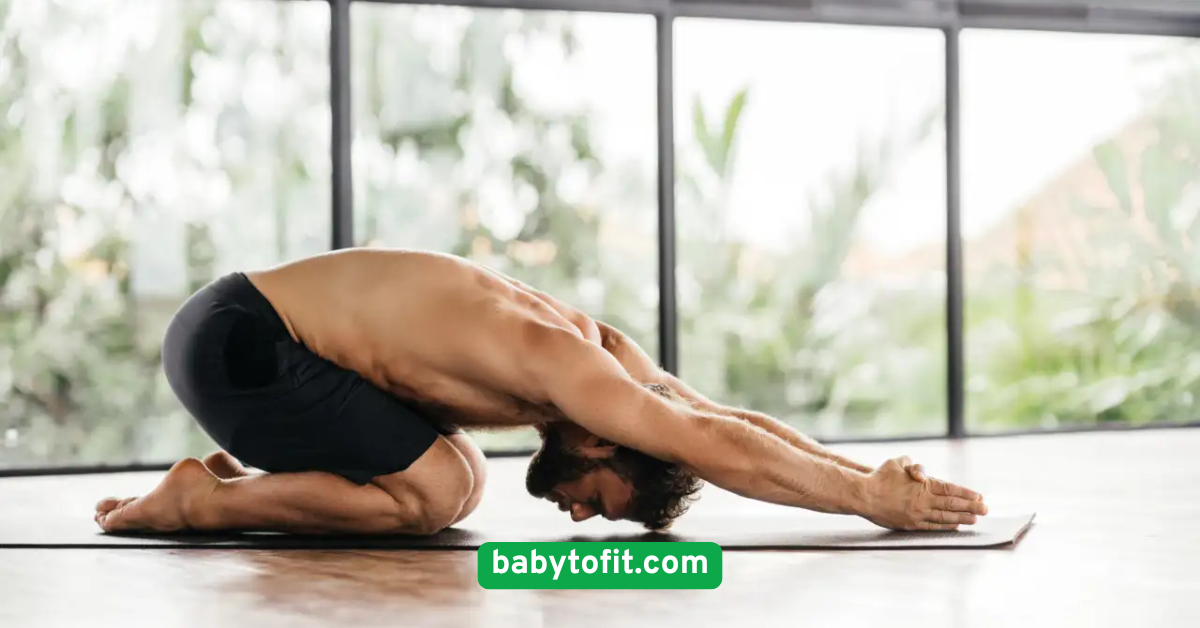
Child’s Pose is a restorative yoga posture that stretches your lower back, hips, and thighs while promoting relaxation.Kneel on the floor, sit back on your heels, and stretch your arms forward. Breathe deeply and hold for 30 seconds or longer.This gentle stretch calms the nervous system, reduces tension, and provides a peaceful moment during busy days.
20. Seated Spinal Twist
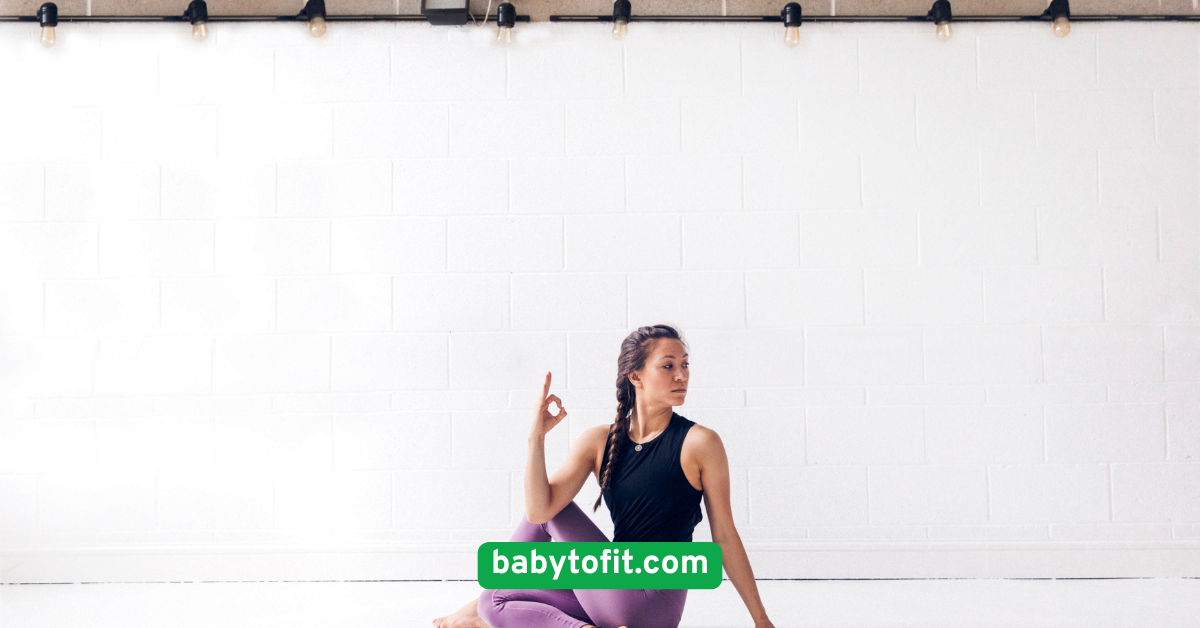
Seated spinal twists improve spinal mobility and aid digestion, both beneficial after childbirth.Sit cross-legged or on a chair. Twist your torso gently to one side, using your hand to deepen the stretch. Hold for 20 seconds, then switch sides.This movement promotes flexibility and relaxation, supporting your body’s natural healing.
Conclusion
Postpartum recovery is a marathon, not a sprint. These 20 low-impact workouts provide a gentle, effective path to regain your strength, improve your energy, and support your body’s healing process. Remember, every mom’s journey is unique—listen to your body and progress at a pace that feels right for you. Consistency and patience are your best allies.
Incorporate these exercises into your routine to gradually rebuild muscle tone, boost circulation, and reduce discomfort. Most importantly, celebrate every milestone along the way—you are doing an incredible job!
Take it one step at a time, stay positive, and enjoy the beautiful process of becoming stronger, healthier, and more energized with your precious little one by your side.


