10 Effective Postpartum Workouts to Regain Strength
1. Pelvic Floor Strengthening Exercises
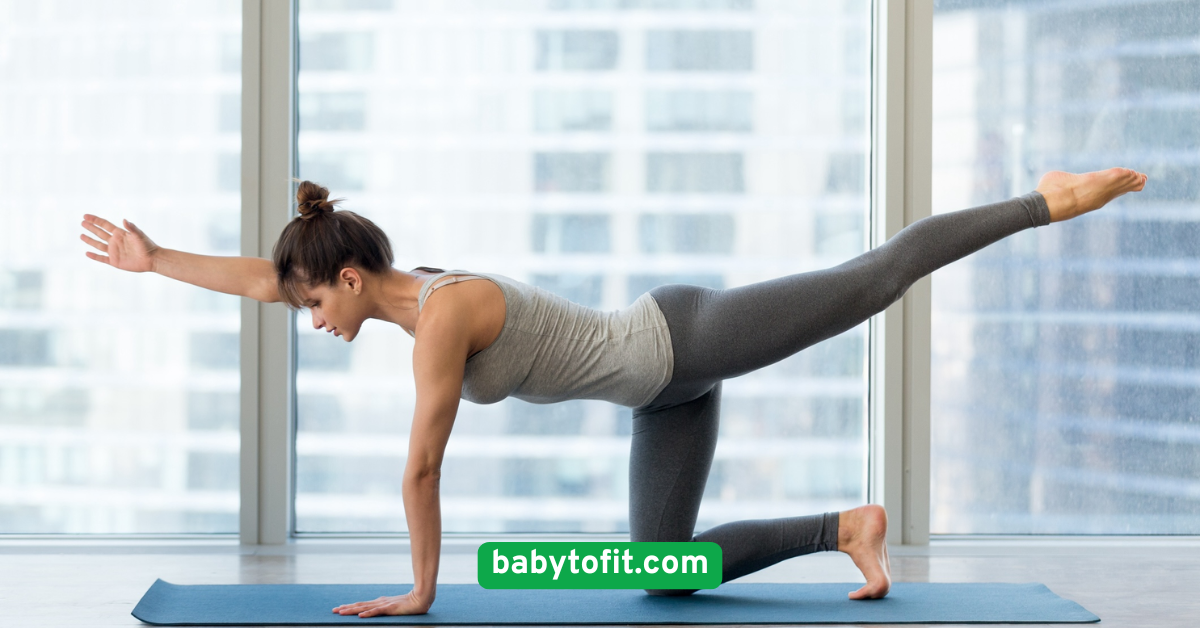
The pelvic floor muscles take a heavy toll during pregnancy and childbirth, often becoming stretched and weakened. Strengthening these muscles postpartum is vital to prevent urinary incontinence, support pelvic organs, and enhance overall core stability. Pelvic floor exercises, commonly known as Kegels, are simple yet incredibly effective.To begin, gently contract the muscles you’d use to stop the flow of urine and hold for a count of 5 seconds, then relax.
Aim for 10 repetitions, three times a day. It’s important to perform these exercises with proper technique — avoid tightening your abdominal, buttock, or thigh muscles simultaneously. As your strength improves, gradually increase the hold time and repetitions.Regular pelvic floor workouts can significantly improve muscle tone and provide better control over bladder function. Plus, a strong pelvic floor supports your spine and helps reduce lower back pain, making everyday tasks and baby-carrying easier and more comfortable.
2. Diaphragmatic Breathing and Core Activation
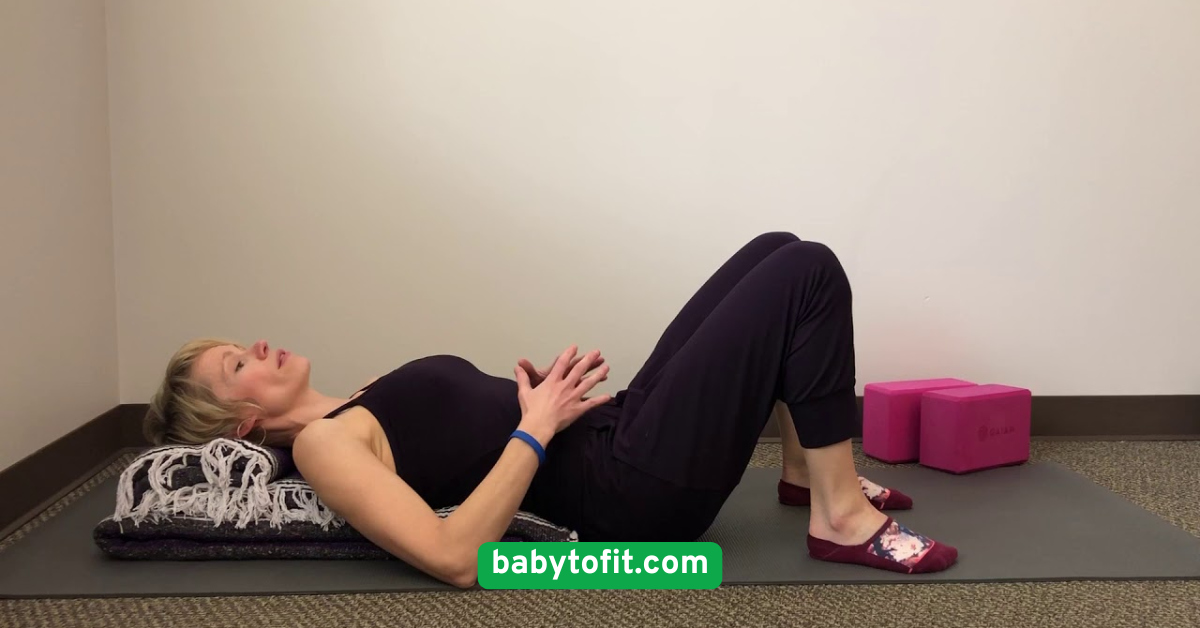
Breathing is something we often take for granted, but postpartum recovery can benefit immensely from focused diaphragmatic breathing. This type of deep breathing engages the diaphragm and gently activates the core muscles, helping restore the connection between your breath and core stability.Start by lying on your back or sitting comfortably. Place one hand on your belly and take a deep breath through your nose, allowing your abdomen to rise as the diaphragm contracts. Exhale slowly through your mouth, feeling your belly fall.
Incorporate gentle engagement of your transverse abdominis (the deep core muscle) by gently drawing your belly button toward your spine as you breathe out.Practicing this breathing technique several times a day can help reduce tension, improve oxygen flow, and support core muscle repair. It also promotes relaxation and reduces stress — both important for postpartum healing.
3. Modified Plank Holds
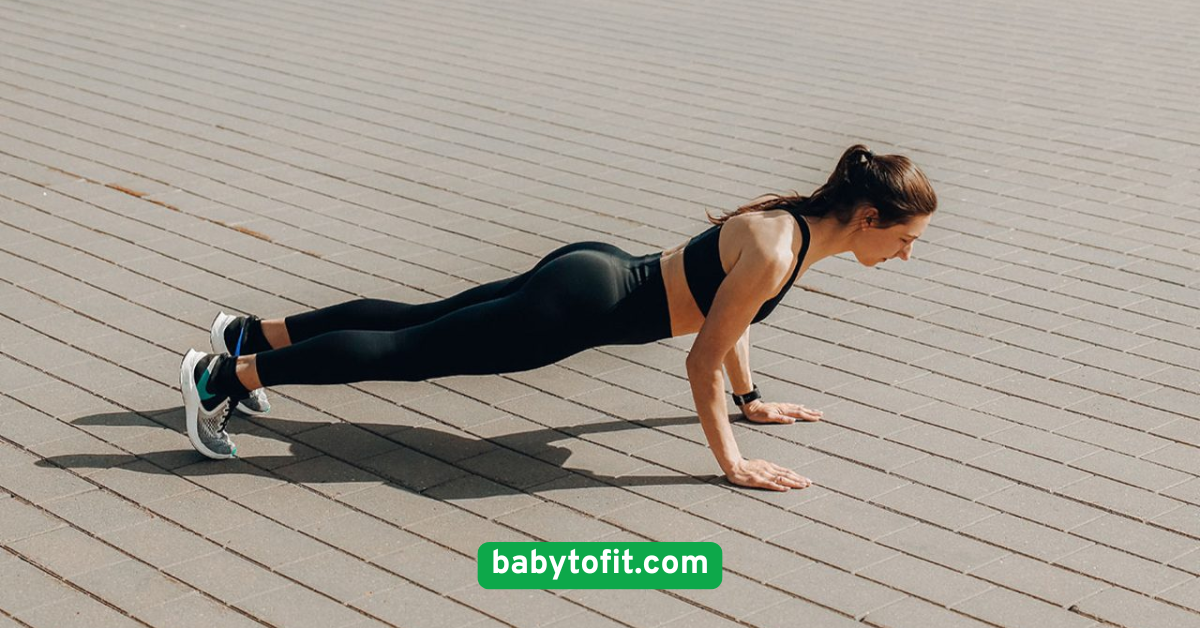
Planks are a powerhouse exercise for core strength, but postpartum moms must approach them carefully to avoid aggravating diastasis recti (abdominal separation). Modified planks, performed on the knees or against a wall, provide a safe way to engage the core without excessive strain.Start on all fours, lowering your forearms to the floor and keeping your knees down. Tighten your abdominal muscles and hold a straight line from head to knees for 10-20 seconds. Rest and repeat 3-4 times. If you feel any bulging or discomfort in the belly, reduce hold time or modify by performing planks against a sturdy wall.These gentle plank variations strengthen your abdominal muscles, improve posture, and prepare your core for more advanced movements as you regain strength. Be patient and listen to your body, progressing gradually.
4. Glute Bridges for Hip and Lower Back Strength
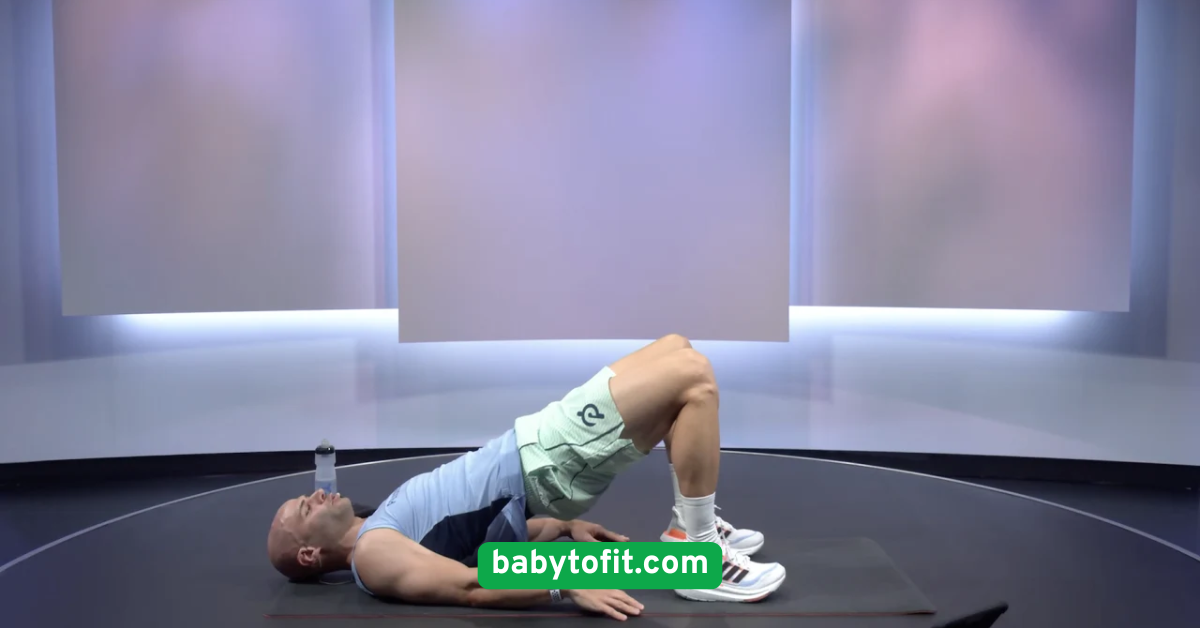
Your glutes play a crucial role in pelvic stability and lower back support. Postpartum glute weakness can contribute to poor posture, lower back pain, and balance issues. Glute bridges are an accessible exercise that targets these muscles effectively.Lie on your back with knees bent, feet hip-width apart. Engage your core and lift your hips off the floor by squeezing your glutes. Hold at the top for a few seconds before slowly lowering down. Aim for 10-15 repetitions, focusing on controlled movement and muscle engagement.For added challenge, try single-leg glute bridges or place a resistance band above your knees. Regular practice can alleviate back discomfort, improve hip alignment, and enhance your ability to move with ease during busy mom duties.
5. Wall Push-Ups for Upper Body Strength
New moms often experience upper body weakness, which can make lifting and carrying the baby tiring. Wall push-ups are a gentle yet effective way to build strength in the arms, chest, and shoulders without putting undue pressure on the core.Stand about an arm’s length from a wall with your hands placed shoulder-width apart on the wall. Lower your body towards the wall by bending your elbows, then push back to the starting position. Keep your body in a straight line throughout.This exercise can be modified by changing your distance from the wall—stepping closer increases difficulty. Aim for 3 sets of 10-12 reps. Strengthening these muscles supports everyday tasks, reduces fatigue, and promotes better posture.
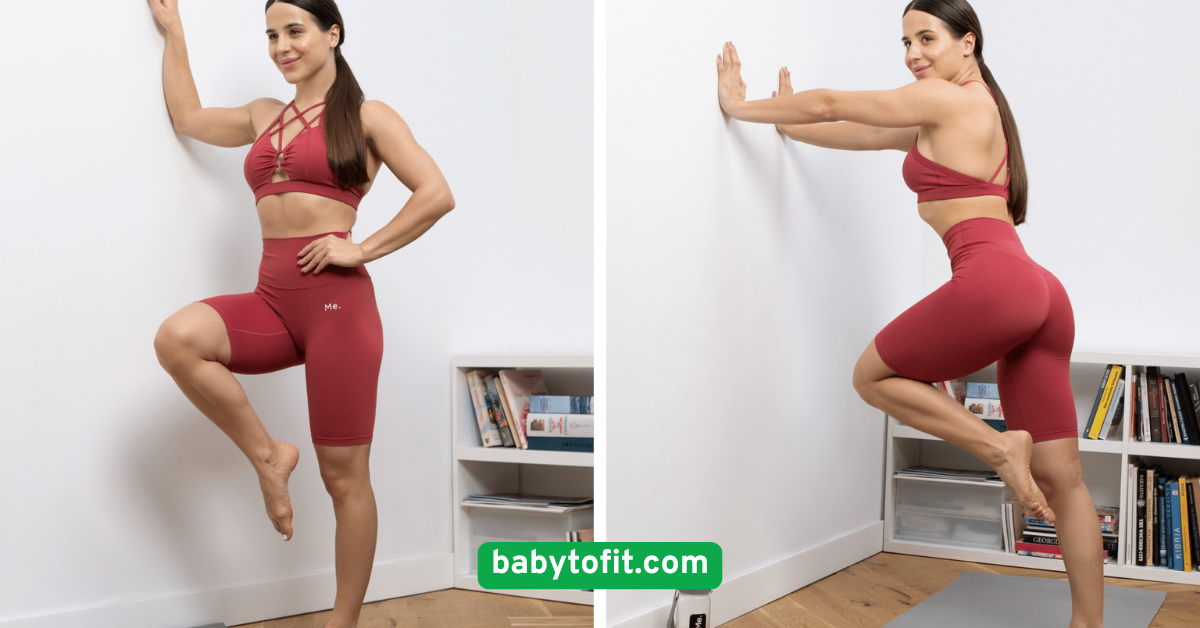
6. Seated Rows with Resistance Bands
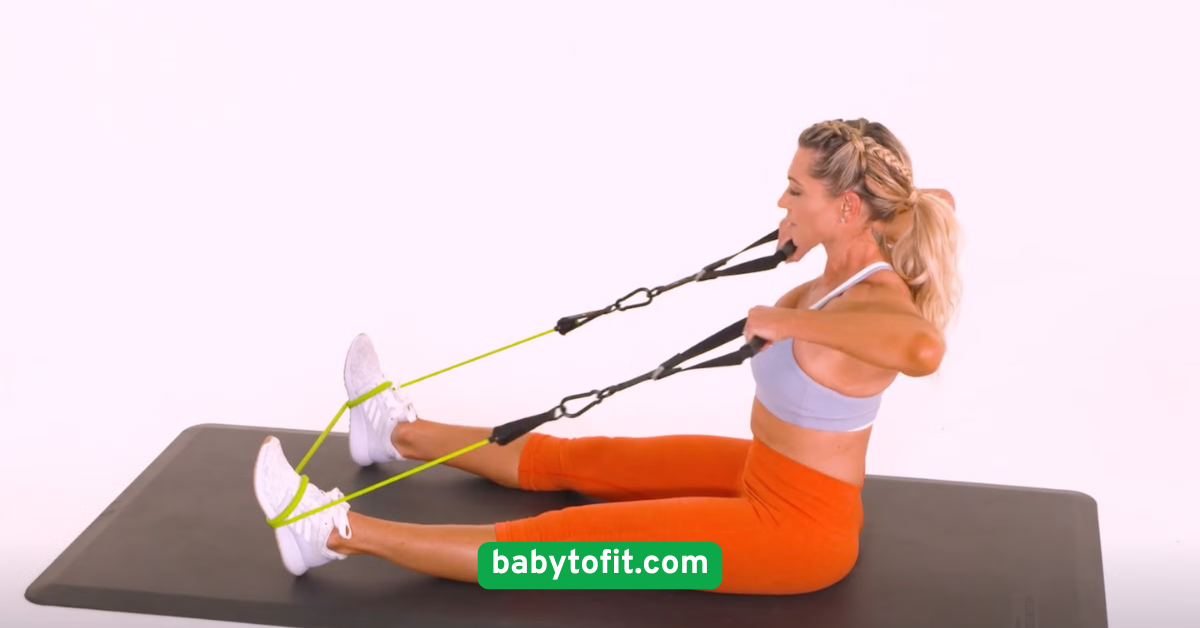
The postpartum period can bring about rounded shoulders and poor posture due to hours spent nursing and holding your baby. Seated rows with resistance bands help counteract this by strengthening the back muscles and improving posture.Sit on the floor with legs extended, wrap a resistance band around your feet, and hold the ends firmly. Pull the band towards your torso, squeezing your shoulder blades together, then slowly release. Maintain a tall spine and avoid shrugging your shoulders.Start with 2-3 sets of 12-15 repetitions, gradually increasing resistance as strength builds. This exercise not only tones the upper back but also reduces tension and supports spinal health, helping you stand tall and confident.
7. Standing Heel Raises for Calf Strength
Calf muscles are often overlooked but play a significant role in balance, mobility, and circulation. Standing heel raises are simple to do anywhere and can help strengthen calves postpartum, reduce swelling, and improve overall leg function.Stand with feet hip-width apart, slowly rise onto your toes, hold briefly, and lower back down. For added support, hold onto a sturdy surface like a countertop or chair.Incorporate 2-3 sets of 15-20 repetitions into your daily routine. This exercise promotes blood flow, reduces leg fatigue, and enhances stability, which is especially beneficial as you carry your little one around.

8. Side-Lying Leg Lifts for Hip Stability
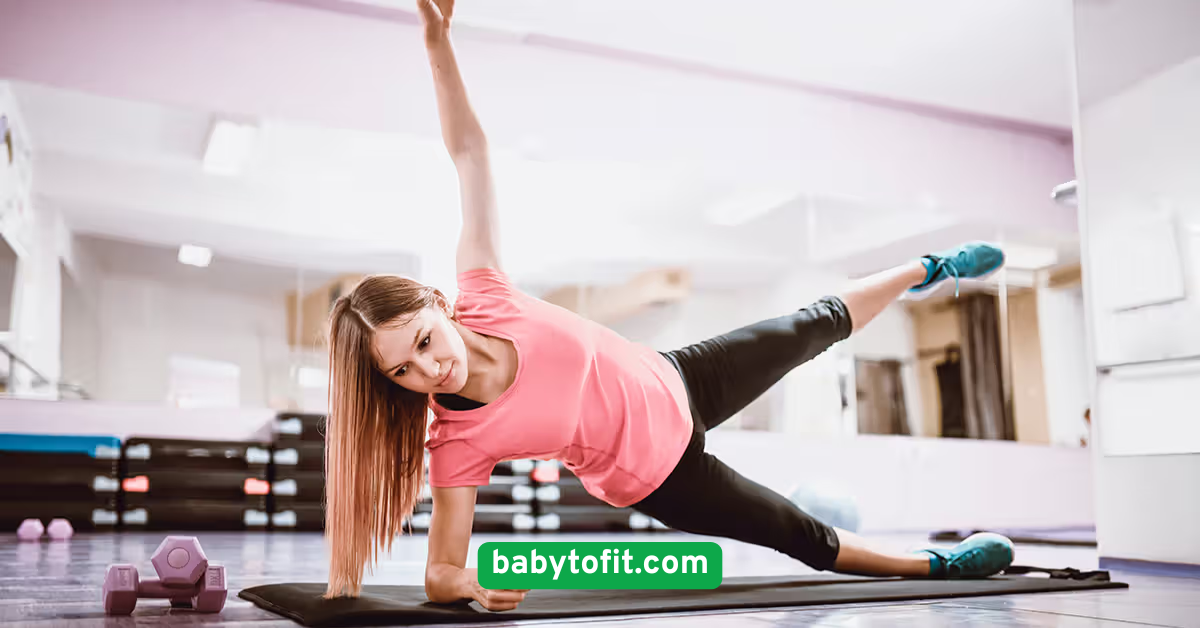
Hip stability is essential for good posture and preventing discomfort while walking or standing. Side-lying leg lifts target the hip abductors, which support pelvic alignment and balance.Lie on your side with legs extended, resting your head on your arm. Keeping your top leg straight, slowly lift it toward the ceiling, then lower it back down with control. Perform 10-15 repetitions on each side.This exercise helps strengthen hip muscles that often weaken during pregnancy and postpartum, enhancing your ability to move confidently and reducing strain on your lower back and knees.
9. Gentle Yoga Stretches for Flexibility
Yoga offers a wonderful combination of stretching, strengthening, and relaxation—perfect for postpartum recovery. Gentle yoga poses, such as cat-cow stretches, child’s pose, and seated forward bends, improve flexibility while calming the nervous system.Incorporate 10-15 minutes of yoga focusing on breath awareness and mindful movement. This practice helps release muscle tension, supports mental wellbeing, and gently restores body awareness after childbirth.Yoga also encourages patience and self-care, reminding new moms to honor their bodies’ unique postpartum pace.

10. Walking for Cardiovascular Health and Energy
Walking is one of the easiest and most effective ways to increase energy, boost cardiovascular health, and support postpartum recovery. It’s low-impact, requires no equipment, and can be done with your baby in tow!Start with short 10-15 minute walks and gradually increase your pace and duration as you feel comfortable. Walking helps improve circulation, uplifts mood through endorphin release, and gently strengthens muscles.Consider using a stroller or baby carrier to incorporate your little one into your fitness routine, turning exercise into quality bonding time.

Conclusion
Regaining strength after childbirth is a journey that requires patience, care, and smart choices. These 10 effective postpartum workouts provide a balanced approach to rebuilding your core, improving posture, and boosting energy—without rushing or risking injury. Remember, every mom’s recovery is unique, so listen to your body and progress at your own pace. Consistency is key, and even a few minutes of these gentle exercises daily can make a world of difference in your healing journey. So, lace up your shoes, grab a resistance band, or roll out your yoga mat—your postpartum strength and confidence await!


