25 Effective Postpartum Workouts to Support Healing
Each exercise below is designed to be low-impact, baby-friendly, and doable in short timeframes. From rebuilding core stability to strengthening the pelvic floor, these moves are perfect for busy moms looking to heal and regain strength. So grab a water bottle, roll out a yoga mat, and let’s gently ease back into movement that supports your incredible postpartum body.
1. Pelvic Tilts
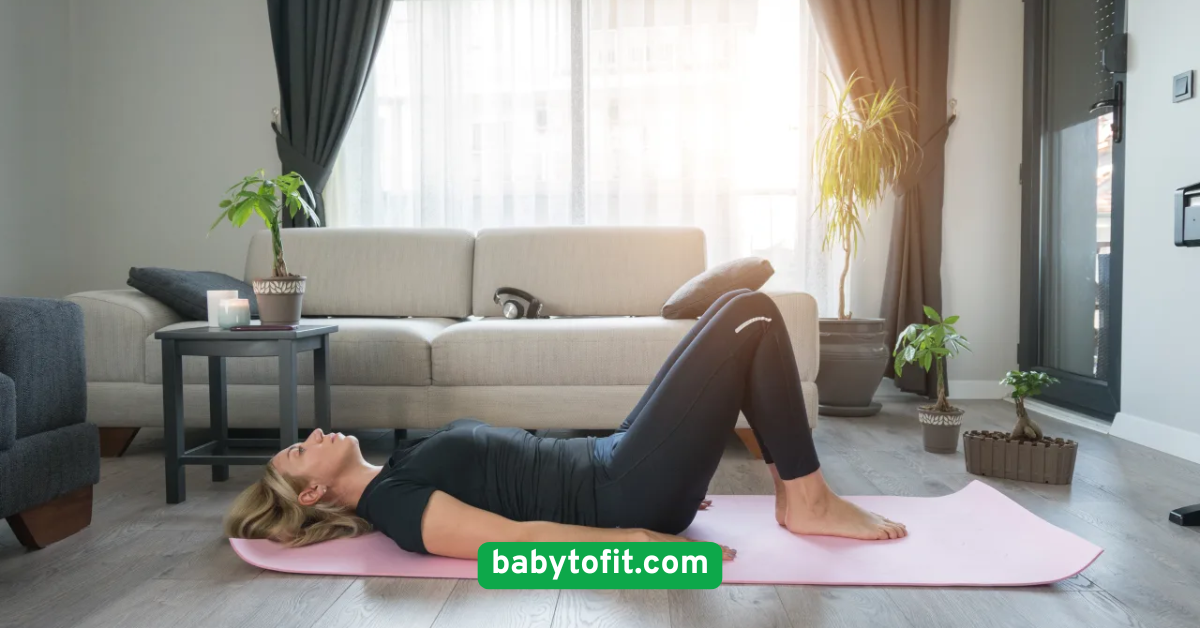
Pelvic tilts are a gentle and effective way to begin reconnecting with your core muscles. They target the deep abdominal muscles and the pelvic floor, both of which are heavily impacted during pregnancy and childbirth. To perform this move, lie on your back with your knees bent and feet flat on the floor. Inhale deeply, then exhale as you tilt your pelvis upward, pressing your lower back into the floor. Hold for a few seconds, then release.This subtle movement may not look like much, but it is essential for retraining your core muscles. Pelvic tilts also help relieve lower back pain, which is common in the postpartum period. As you progress, you can incorporate pelvic tilts into other workouts like bridges and cat-cow stretches. Aim to do 10–15 reps per session, slowly increasing as you get stronger.
2. Kegels
Kegel exercises help strengthen the pelvic floor muscles that support the uterus, bladder, and bowels. These muscles often become weakened after childbirth, leading to issues like urinary incontinence. Performing kegels consistently can help restore control and support overall pelvic health.To do a kegel, contract the muscles you would use to stop urination. Hold for 3–5 seconds, then release for an equal amount of time. It’s important not to squeeze your thighs, abs, or buttocks—just focus on the pelvic floor. Start with three sets of 10 repetitions daily. You can even do them while breastfeeding or watching TV, making it one of the most convenient postpartum workouts.
3. Diaphragmatic Breathing
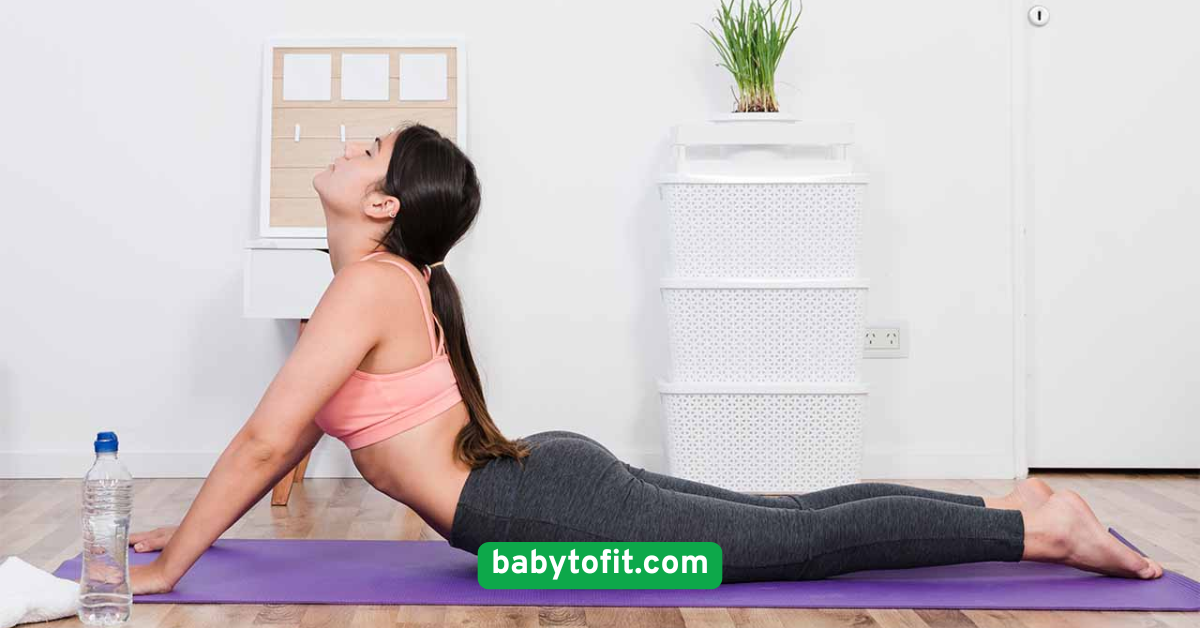
This deep breathing technique is perfect for early postpartum recovery. Diaphragmatic breathing helps re-engage the core, reduce stress, and improve oxygen flow—all crucial for healing. Sit or lie down in a comfortable position, place one hand on your chest and the other on your belly, and inhale slowly through your nose. Focus on expanding your belly, not your chest. Exhale through your mouth, feeling your belly contract.Incorporating diaphragmatic breathing into your daily routine can improve posture, reduce tension, and prepare your body for more challenging exercises down the road. It’s also an excellent calming technique during those hectic moments as a new mom.
4. Heel Slides
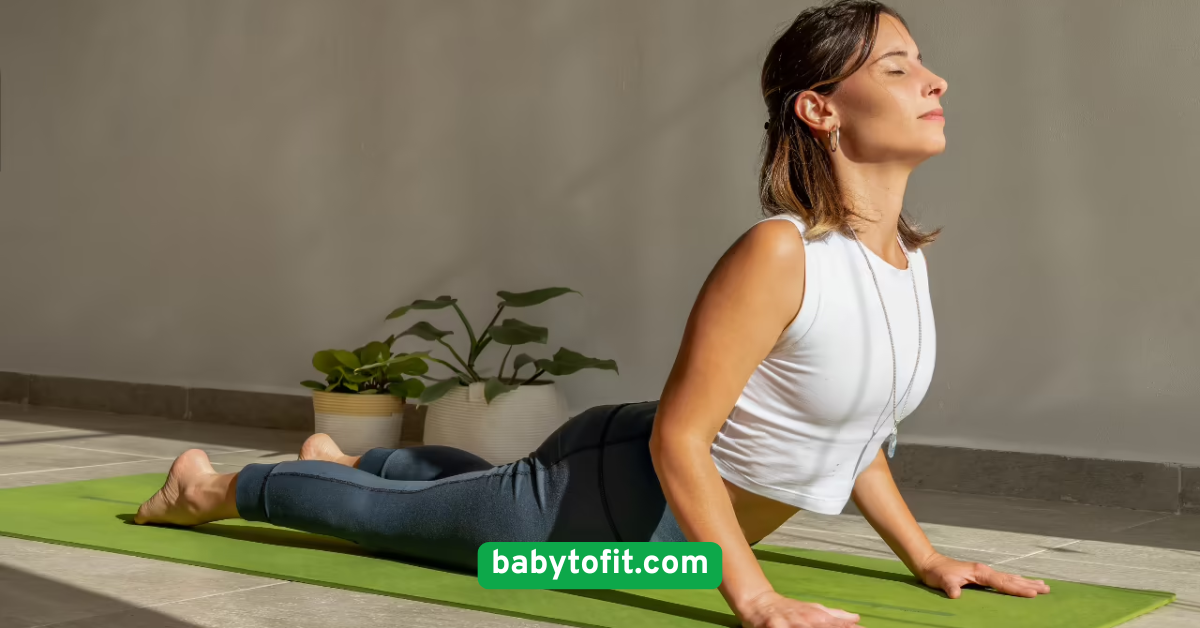
Heel slides gently activate the core, hip flexors, and lower abdominal muscles. Lie on your back with your knees bent and feet flat. Engage your core and slowly slide one heel along the floor until your leg is almost straight, then slide it back. Alternate sides, aiming for 10–12 reps on each leg.This movement is ideal for rebuilding coordination and strength in the lower body without straining healing tissues. Heel slides are also great for improving pelvic stability, which is often compromised during pregnancy.
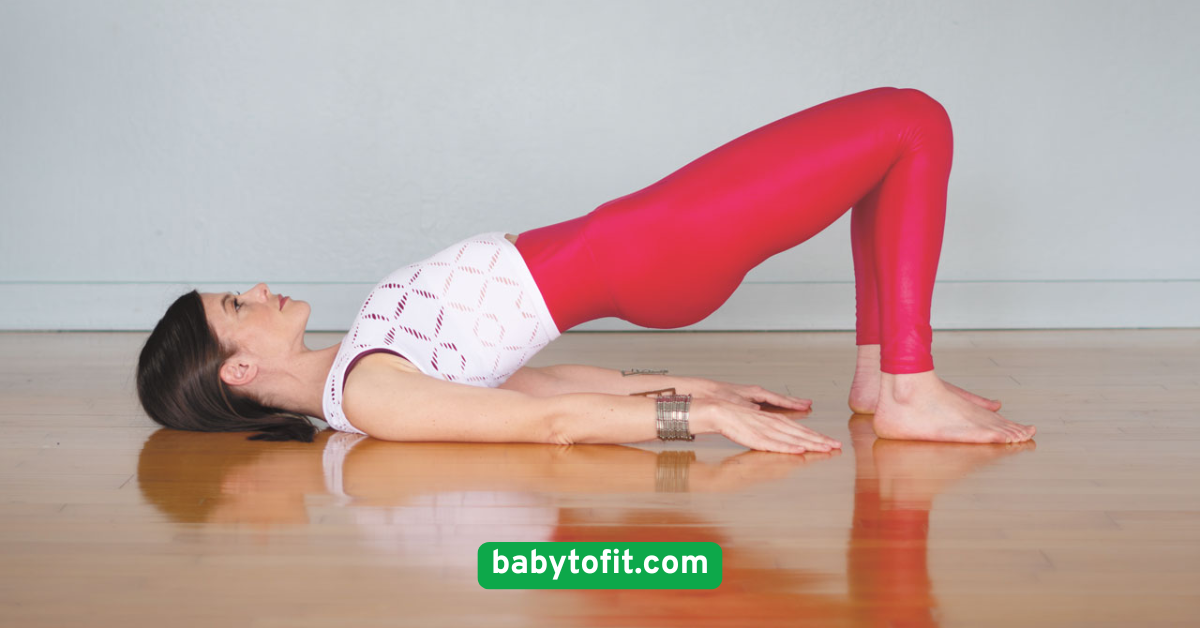
5. Glute Bridges
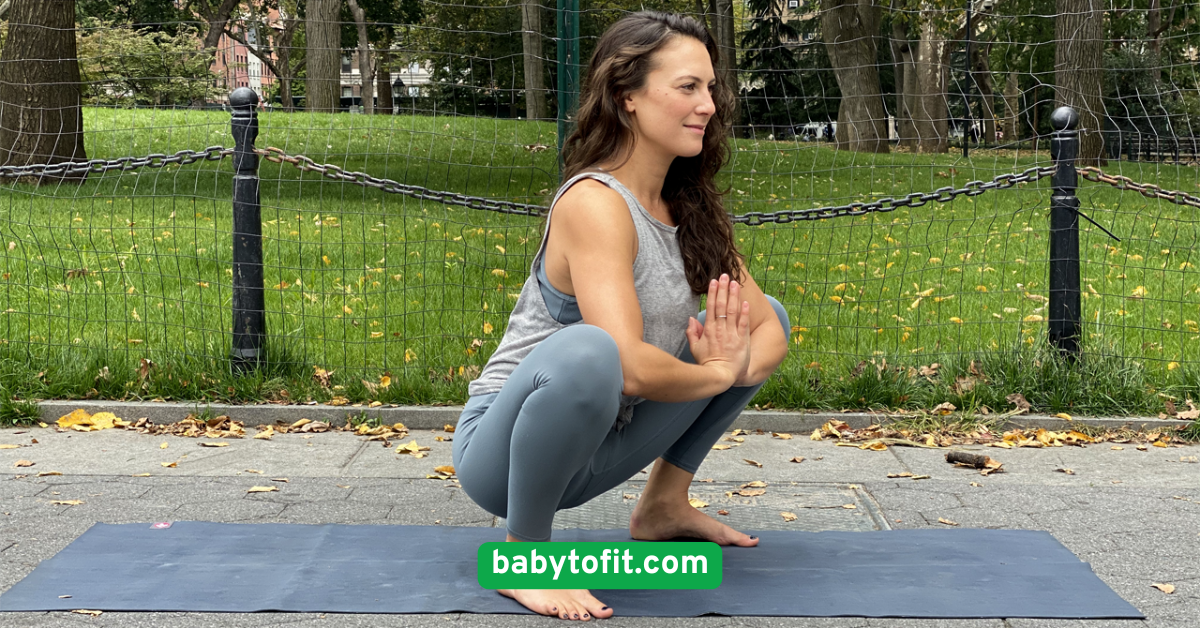
Glute bridges help strengthen the glutes, lower back, and pelvic floor while also engaging the core. Lie on your back with knees bent and feet hip-width apart. Press into your heels as you lift your hips toward the ceiling. Hold for a few seconds before lowering back down.Not only does this move support pelvic stability, but it also helps with postural alignment—something new moms often struggle with due to nursing and carrying their baby. Add a pillow or yoga block between your knees to further activate the inner thighs and pelvic floor.
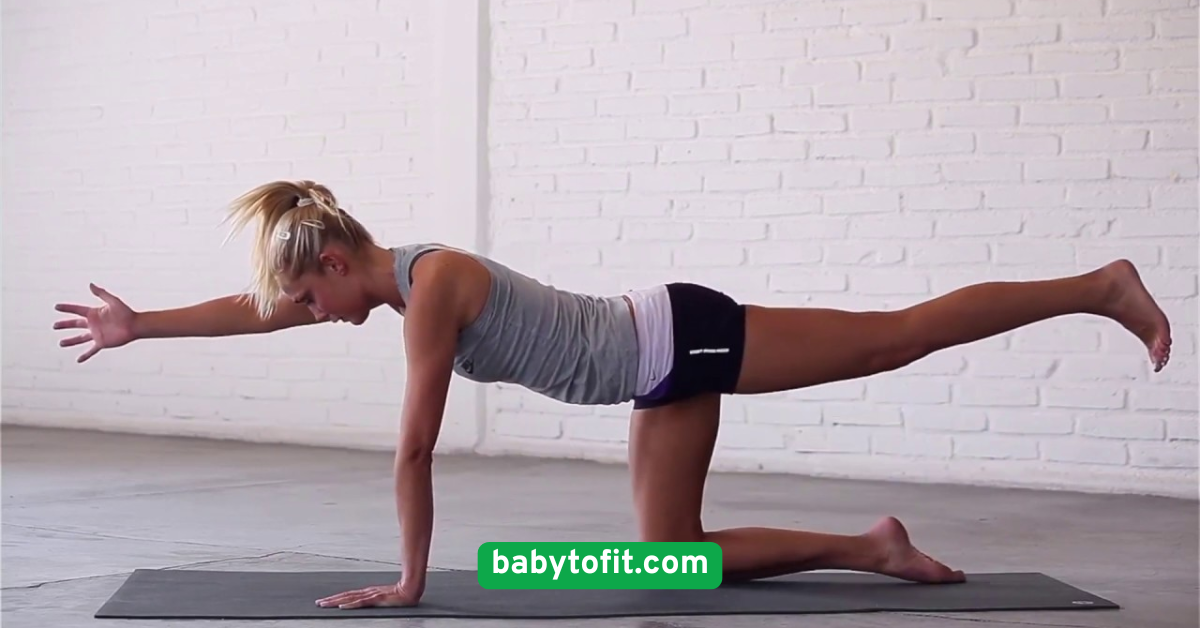
6. Bird Dog
This full-body movement builds stability and balance while engaging the core and back muscles. Start on all fours in a tabletop position. Extend one arm forward and the opposite leg backward, keeping your hips level. Hold for a few seconds, then return to the starting position and switch sides.Bird dog is especially helpful for improving core coordination and preventing back pain. As you regain strength, try increasing the hold time or adding light ankle weights for added resistance.
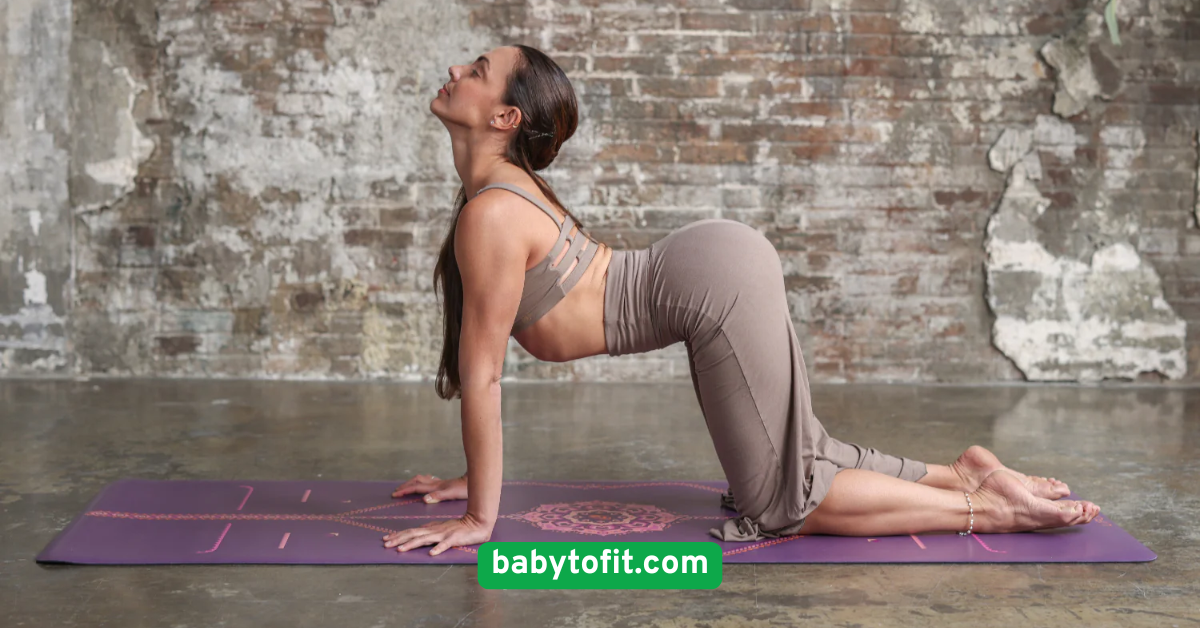
7. Cat-Cow Stretch
This yoga-inspired movement is excellent for spinal mobility and core awareness. Begin on all fours. Inhale as you drop your belly, lift your tailbone, and gaze upward (cow pose). Exhale as you round your spine, tuck your pelvis, and drop your head (cat pose).Flowing between cat and cow can ease tension in the spine, support gentle abdominal engagement, and enhance overall body awareness. This move is gentle enough for early postpartum days and can be incorporated into a daily routine to improve flexibility and circulation.
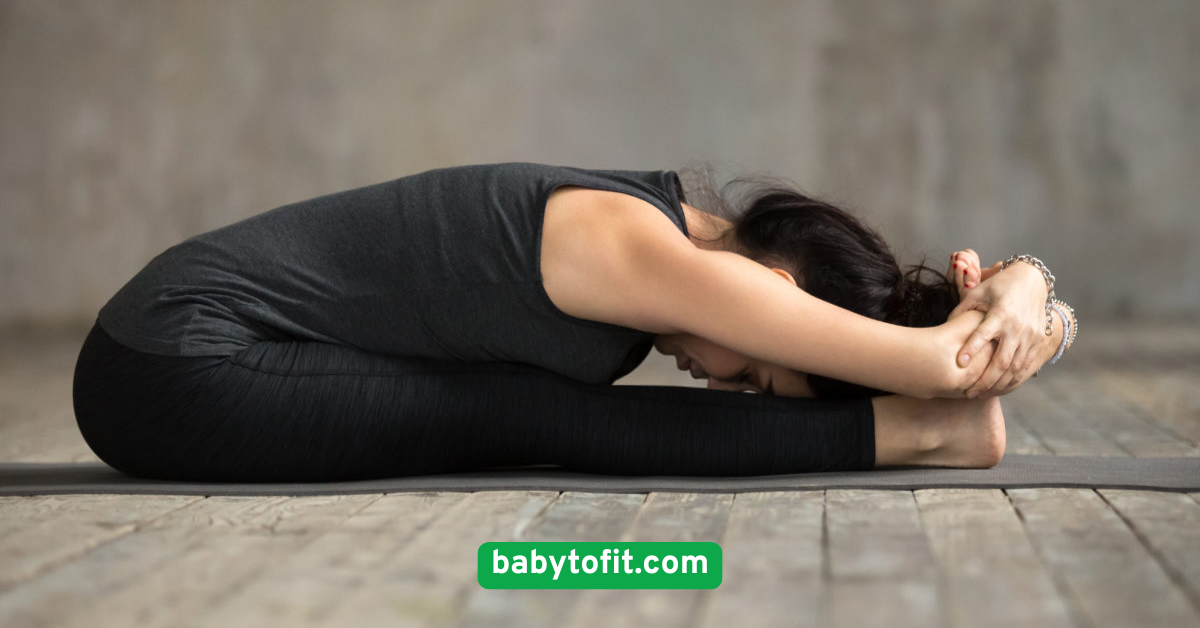
8. Seated Forward Fold
Seated forward folds stretch the hamstrings and lower back—two areas that often feel tight during postpartum recovery. Sit with your legs extended and feet flexed. Inhale, lengthen your spine, then exhale and hinge forward from your hips, reaching toward your toes.Even if you can’t reach far, this stretch is beneficial for releasing lower back tension and calming the nervous system. It’s an excellent cooldown move after a short workout.
9. Standing Wall Push-Ups
This modified version of a classic push-up strengthens the arms, shoulders, chest, and core with minimal strain. Stand an arm’s length from a wall, place your hands on it at shoulder height, and slowly lower yourself toward the wall by bending your elbows. Push back to the starting position.Wall push-ups are a safe way to rebuild upper body strength, which is especially useful for lifting and carrying your baby. Aim for 2–3 sets of 10 repetitions.
10. Step Touches
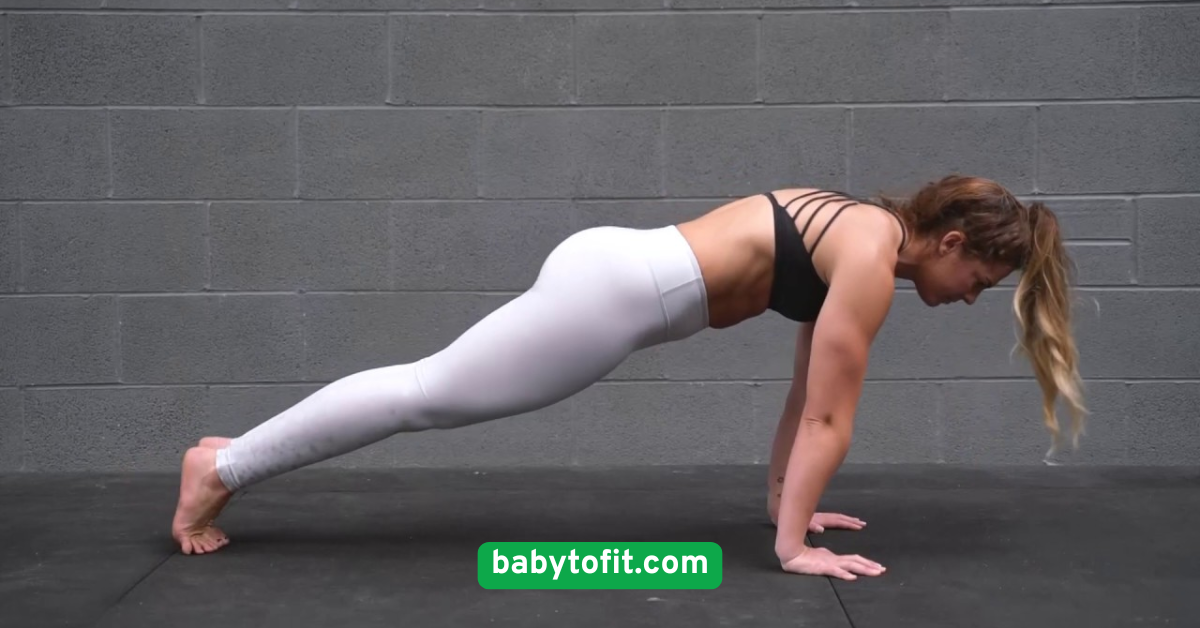
This simple cardio movement gets your heart rate up while being easy on the joints. Step to one side and bring the other foot to meet it, adding a slight bend in the knees and a rhythmic arm swing.Step touches are perfect for a light cardio boost and can be done with your baby in a wrap or bouncer nearby. Combine with light weights or resistance bands to level up the intensity.
11. Seated Leg Lifts
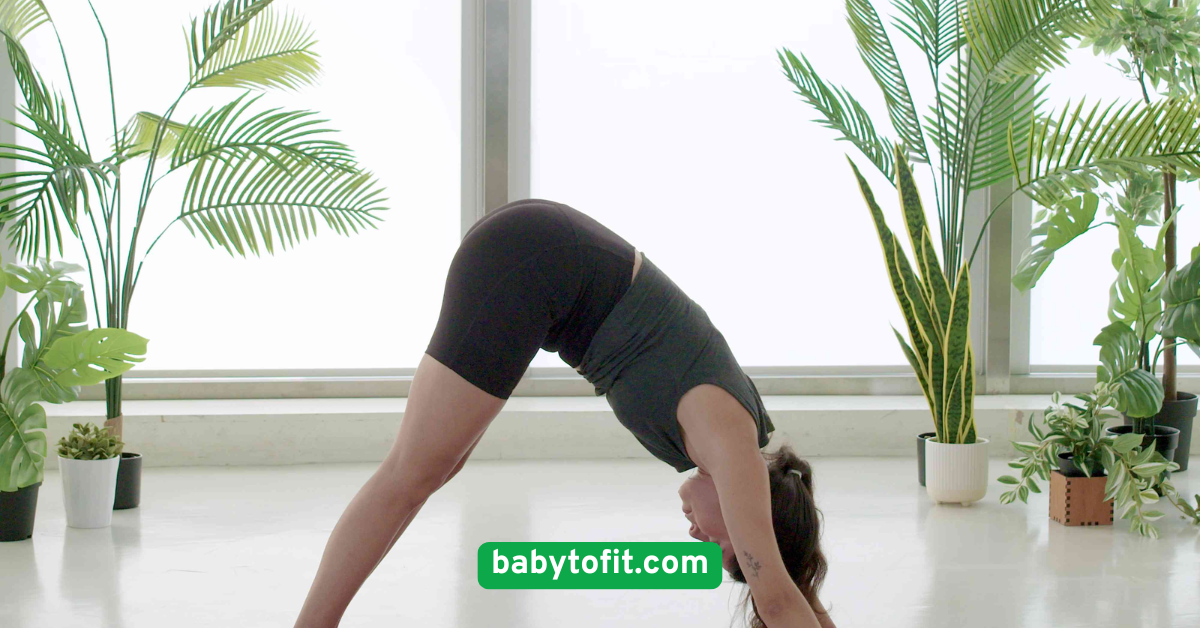
Seated leg lifts help improve core strength and leg stability. Sit tall on a sturdy chair with your feet flat on the floor. Slowly extend one leg straight out in front of you, hold for a moment, and lower it back down. Alternate legs for 10–12 repetitions each.This movement gently re-engages the lower abdominal muscles and is ideal for early postpartum days when you’re still easing into physical activity.
12. Standing Calf Raises
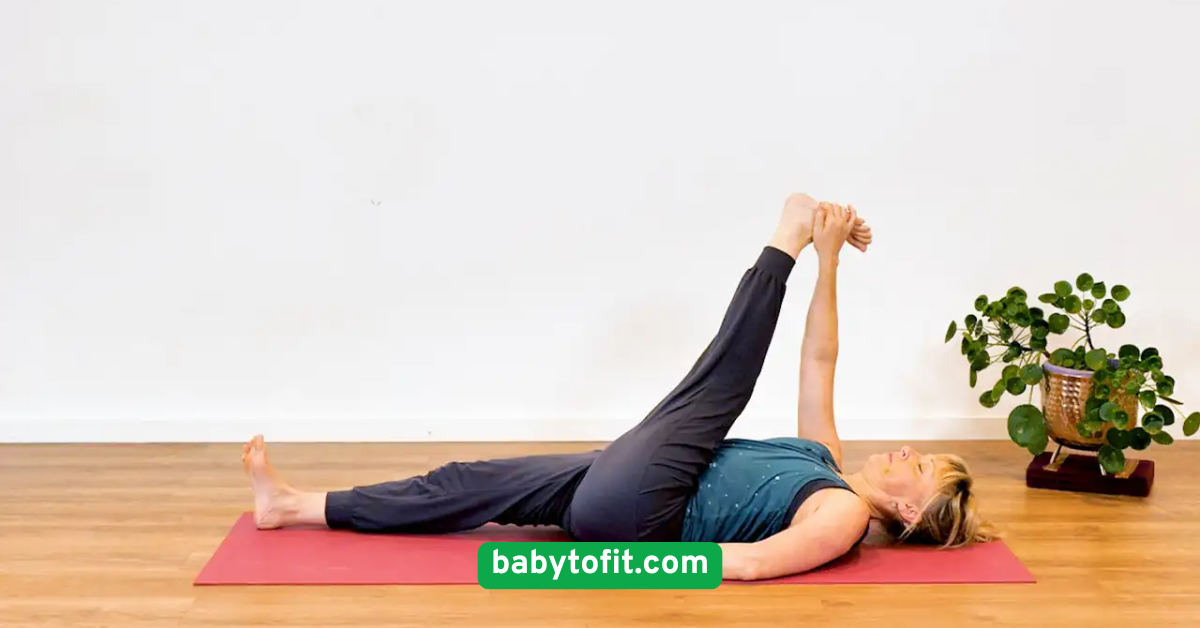
Standing calf raises are great for improving circulation and lower leg strength. Stand behind a chair or hold onto a wall for support. Slowly raise your heels off the ground, coming onto your toes, then lower back down with control.These are especially helpful for combating postpartum swelling in the lower legs and can be done while holding your baby or during daily routines like brushing your teeth.
13. Leg Extensions on Chair
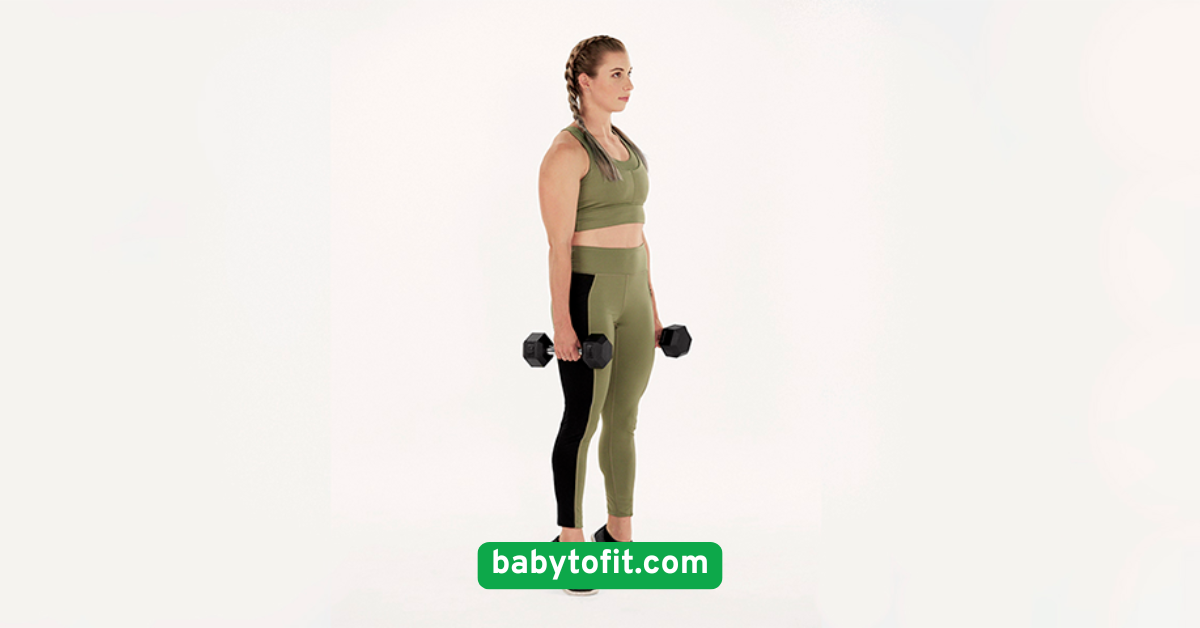
Leg extensions on a chair engage your quadriceps and help restore strength in the legs. Sit tall with both feet flat on the floor. Extend one leg until it’s straight and parallel to the floor, hold for a few seconds, then lower and switch legs.This simple move supports knee joint mobility and can be modified with ankle weights as you gain strength.
14. Arm Raises with Light Weights
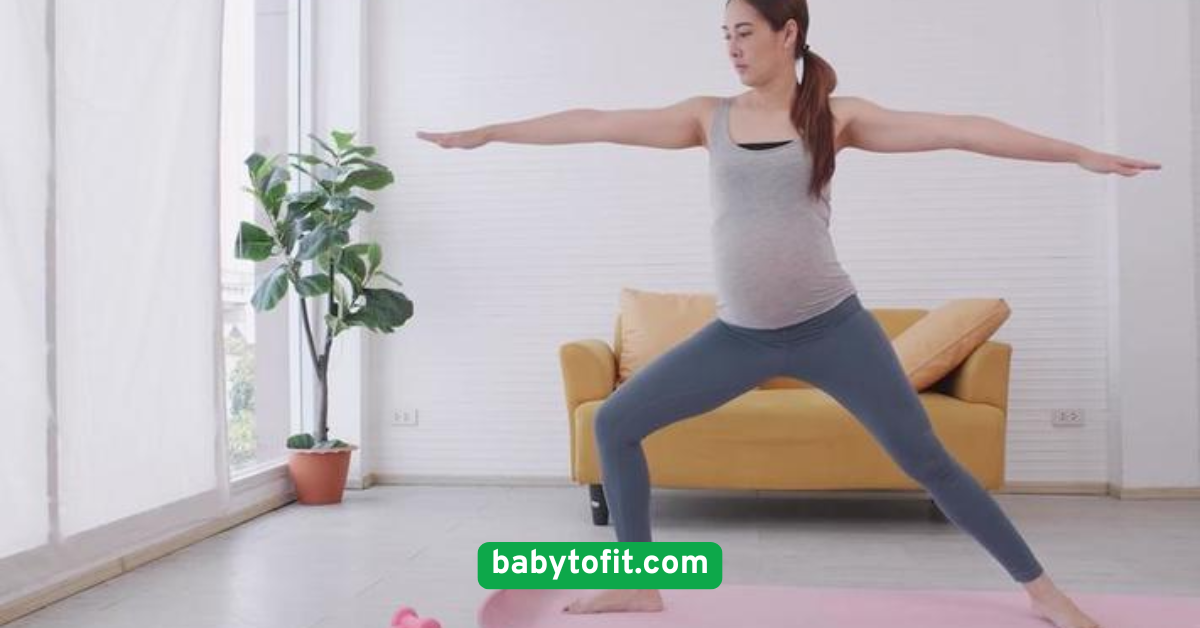
Arm raises help build shoulder and upper back strength, which is crucial for carrying and nursing your baby. Use 1–3 lb dumbbells or water bottles. Raise your arms to shoulder height, either to the front or sides, then lower slowly.Consistency with this movement improves posture and prevents shoulder fatigue. Aim for 2–3 sets of 10–12 reps.
15. Supine Marches
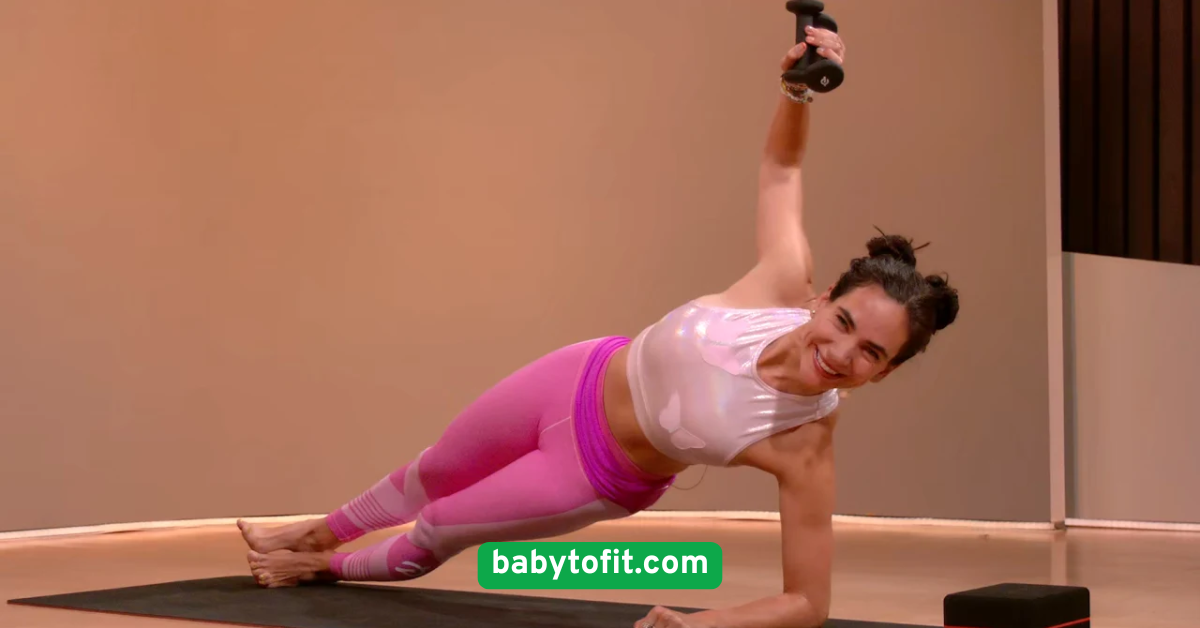
Supine marches strengthen the lower abs and promote core control. Lie on your back with knees bent and feet flat. Engage your core and lift one knee toward your chest, then lower it and repeat on the other side.This move teaches abdominal control without overloading healing muscles, making it ideal for postpartum recovery.
16. Knee Push-Ups
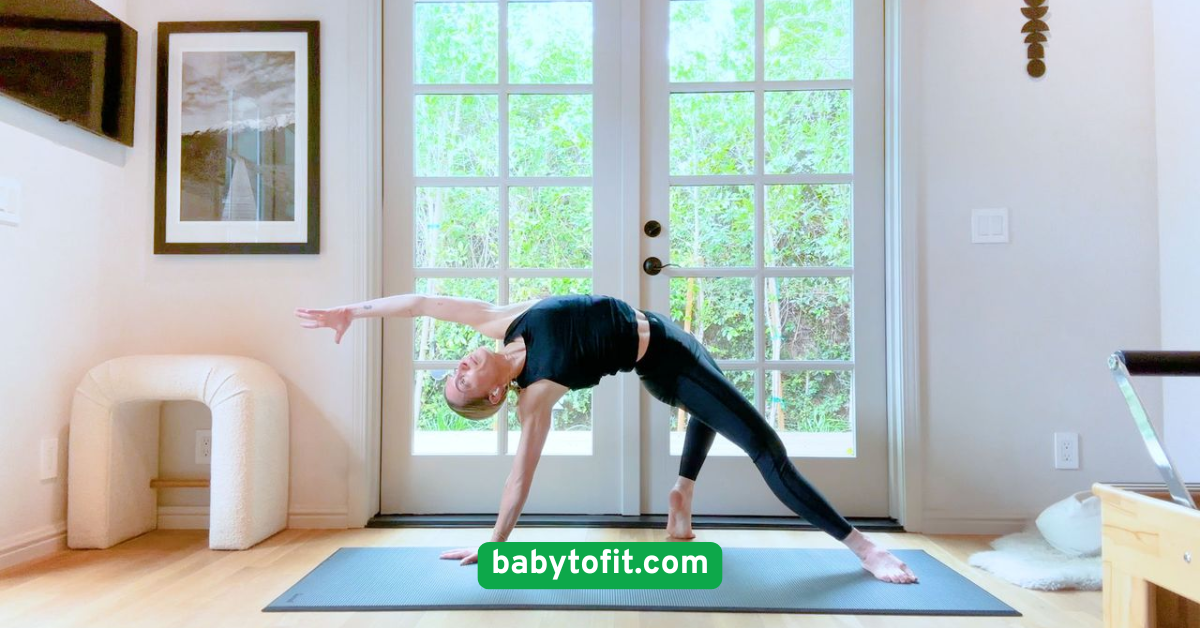
Knee push-ups are a modified way to rebuild upper body strength. Start in a plank position on your knees, lower your chest toward the floor, and push back up.They target the chest, triceps, and shoulders while offering core engagement. Begin with 5–10 reps and increase as you grow stronger.
17. Hip Circles
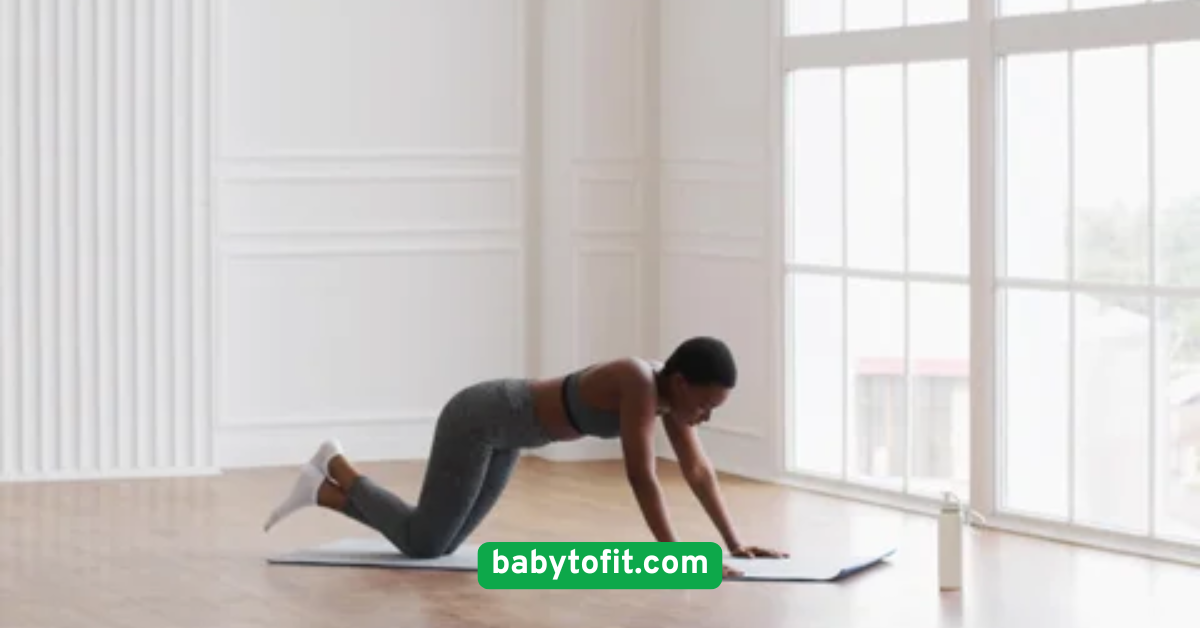
Hip circles are excellent for loosening tight hips and improving mobility. Stand with feet hip-width apart and hands on your hips. Gently circle your hips clockwise and counterclockwise for 30 seconds in each direction.This move encourages pelvic movement and can help relieve stiffness common after childbirth.
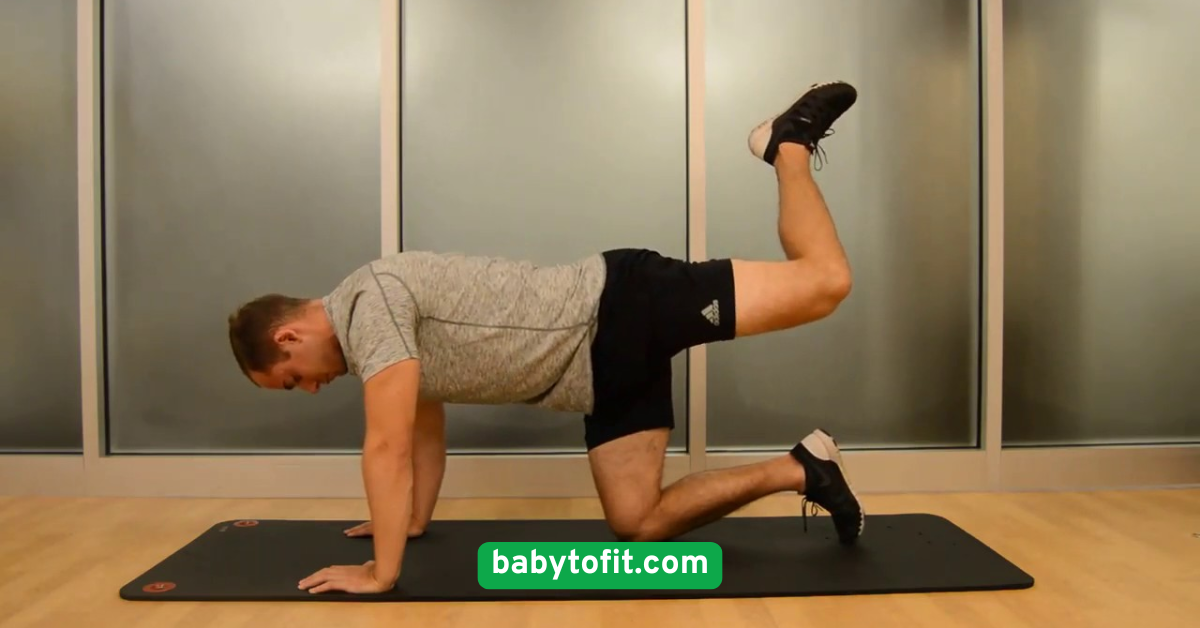
18. Babywearing Dance Walk
Put on your favorite playlist, wear your baby in a carrier, and start dancing around the house. Babywearing dance walks are fun, mood-boosting, and provide light cardio without feeling like a workout.Always use a supportive carrier and keep movements gentle. This activity also strengthens the bond with your baby.
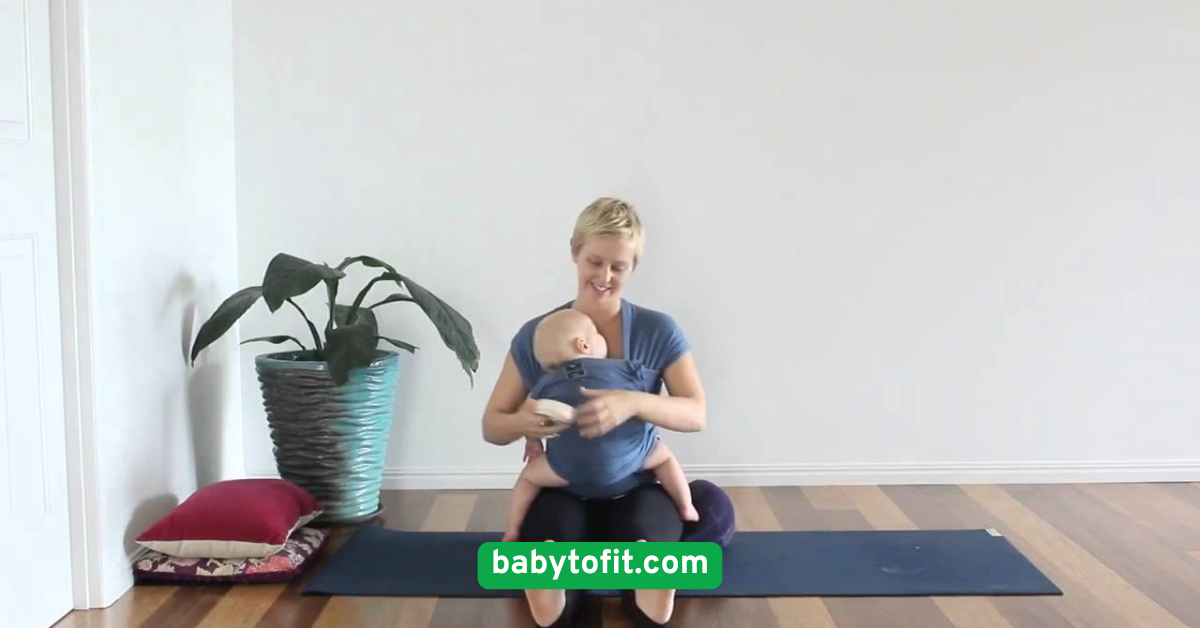
19. Floor Angels
Floor angels promote upper back strength and improve posture. Lie on your back with knees bent. Bring your arms out to shoulder height, then slowly raise them overhead and back down, keeping contact with the floor.This movement counters the rounded shoulders posture from feeding and carrying your baby.
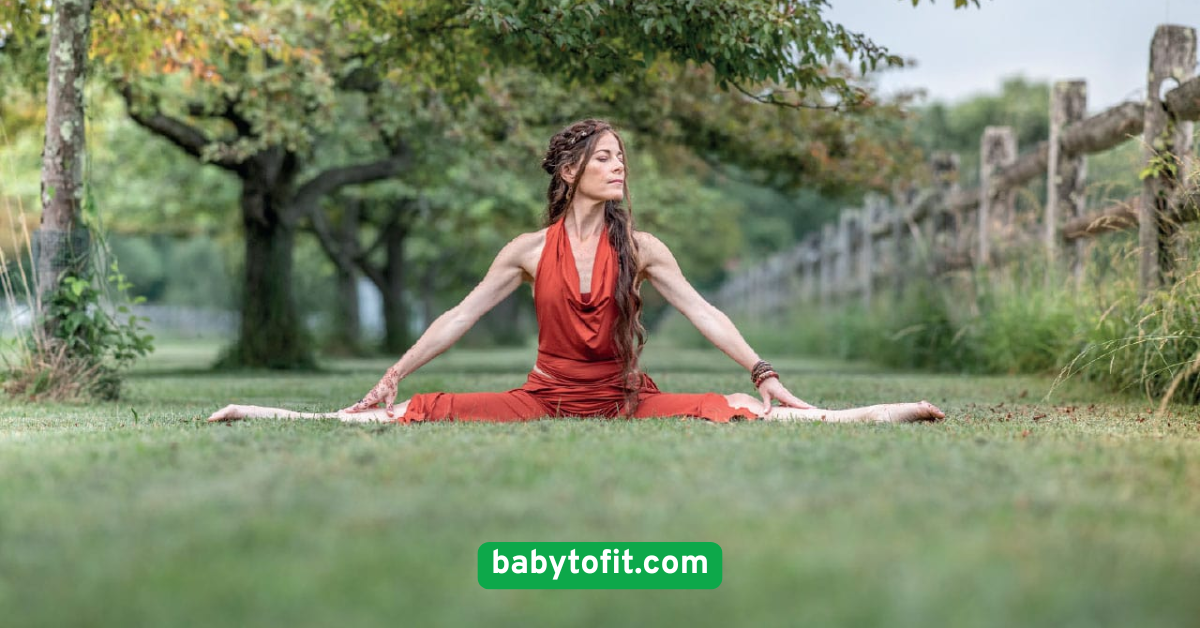
20. Resistance Band Rows
Attach a resistance band to a sturdy surface and perform rows by pulling the handles toward your torso, elbows bent. This exercise strengthens the back and biceps.Resistance band rows support better posture and upper body strength, which is essential for daily baby care.
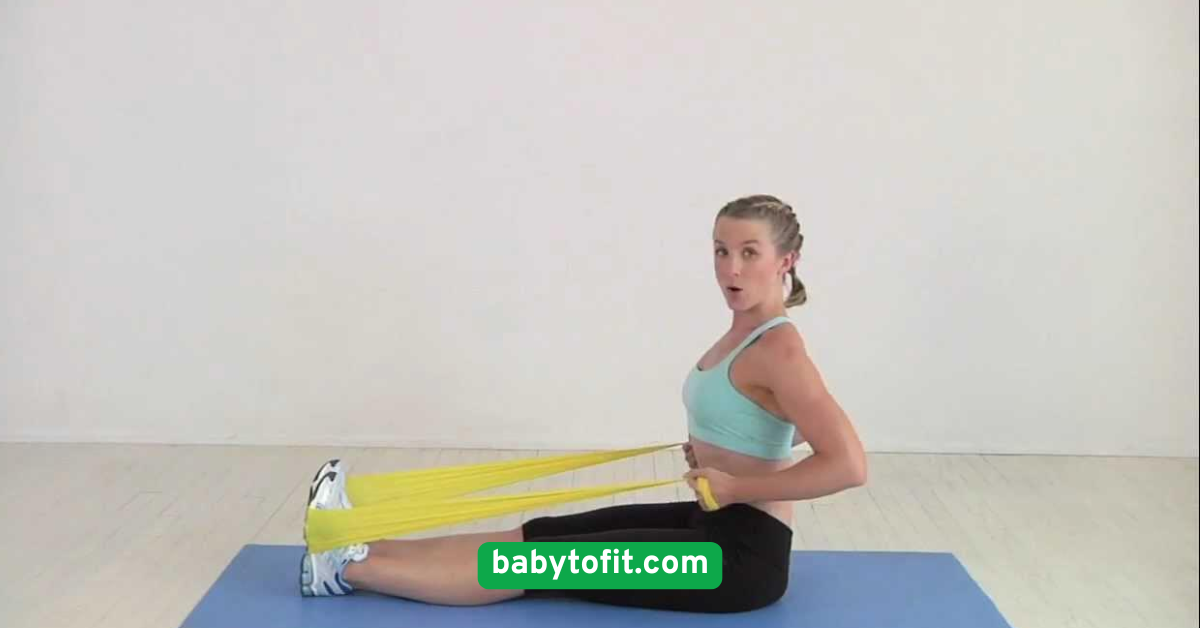
21. Toe Taps
Toe taps enhance lower abdominal activation. Lie on your back with knees in tabletop position. Tap one foot to the floor, return, and alternate.They are ideal for reconnecting the core gently and can help close abdominal separation (diastasis recti).
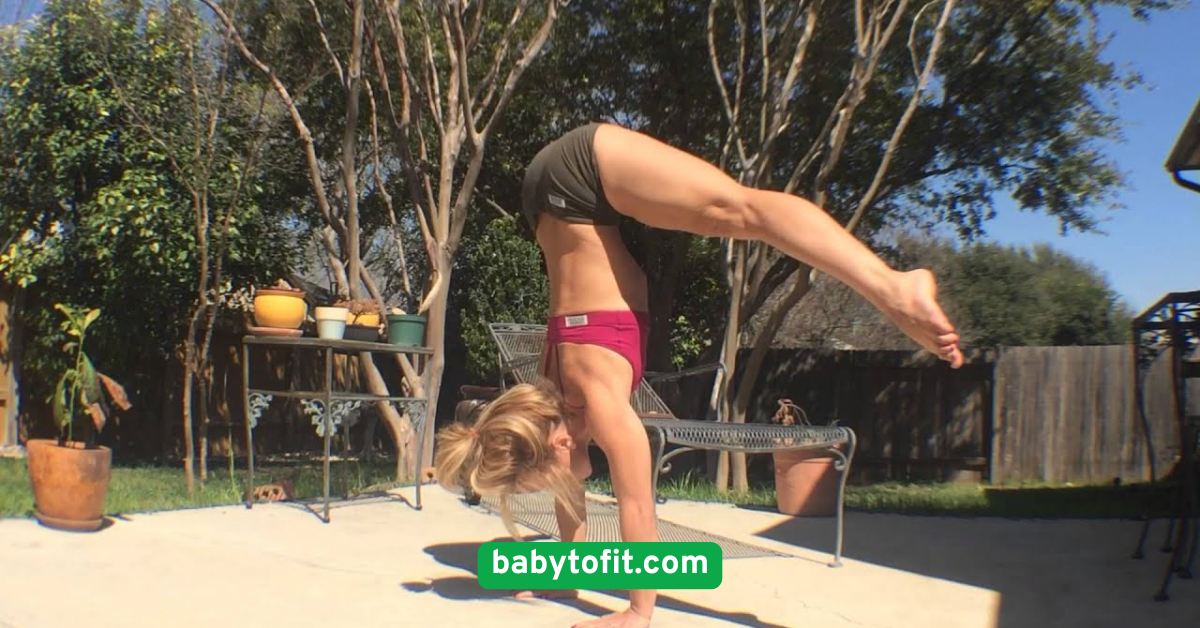
22. Clamshells
Clamshells target the hip abductors and glutes. Lie on your side with knees bent. Keeping feet together, lift the top knee, hold, then lower.They’re great for stabilizing the pelvis and reducing hip pain.
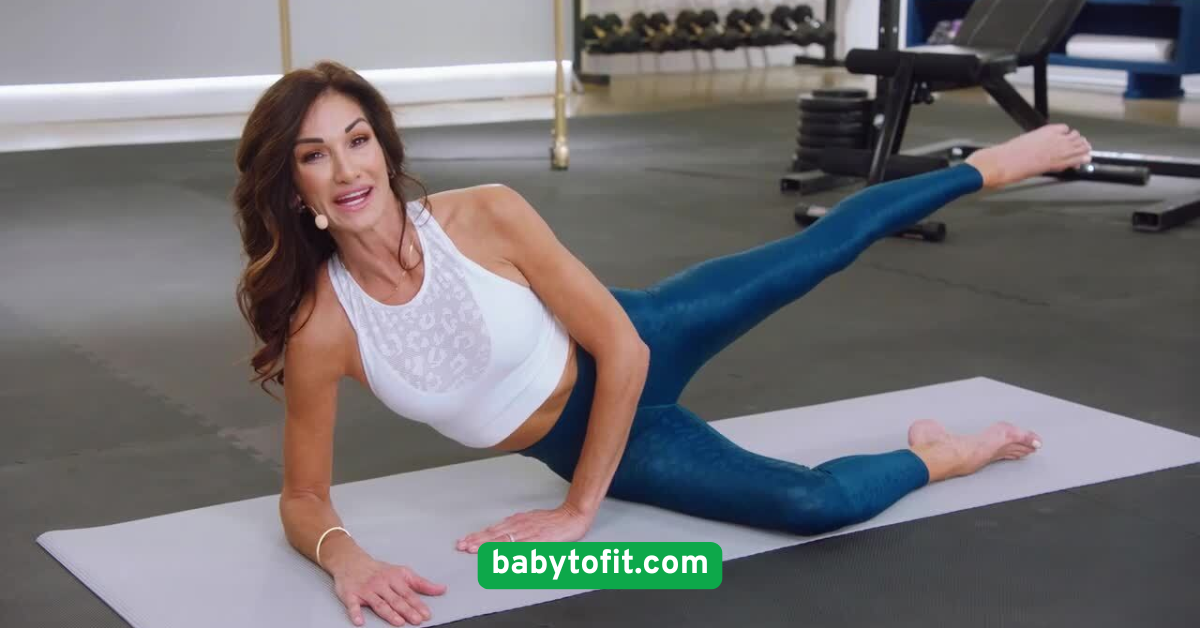
23. Modified Sun Salutation
A shortened version of the traditional yoga sequence, this flow includes gentle poses like mountain, forward fold, and downward dog. It boosts circulation, flexibility, and mental clarity.Modified sun salutations can be adjusted to your energy level and help reintroduce full-body movement.
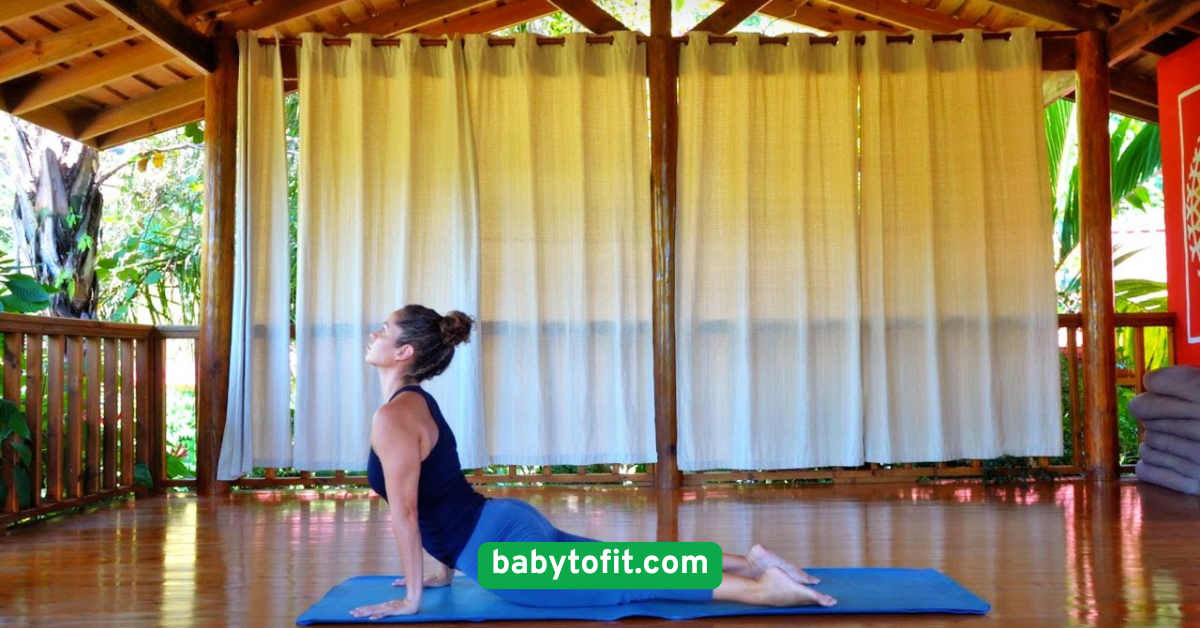
24. Cool Down Breathwork
Finish your workout with 5–10 minutes of intentional breathwork. Sit or lie in a comfortable position. Inhale deeply for 4 seconds, hold, and exhale for 6 seconds.Breathwork reduces stress, calms the nervous system, and helps your body transition from activity to rest.
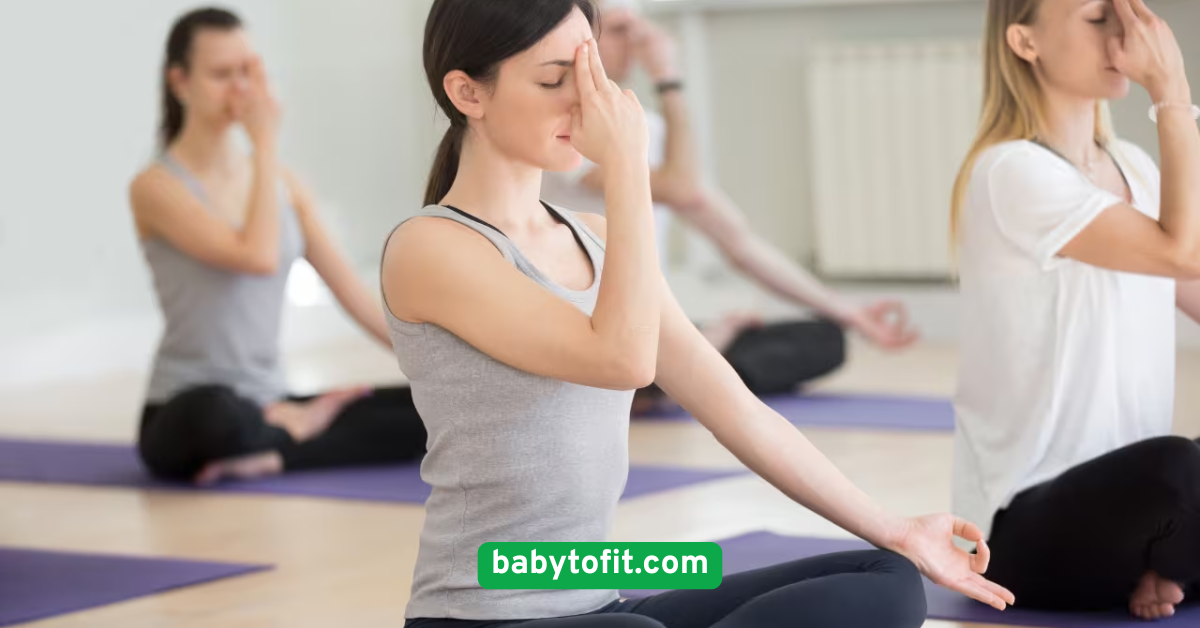
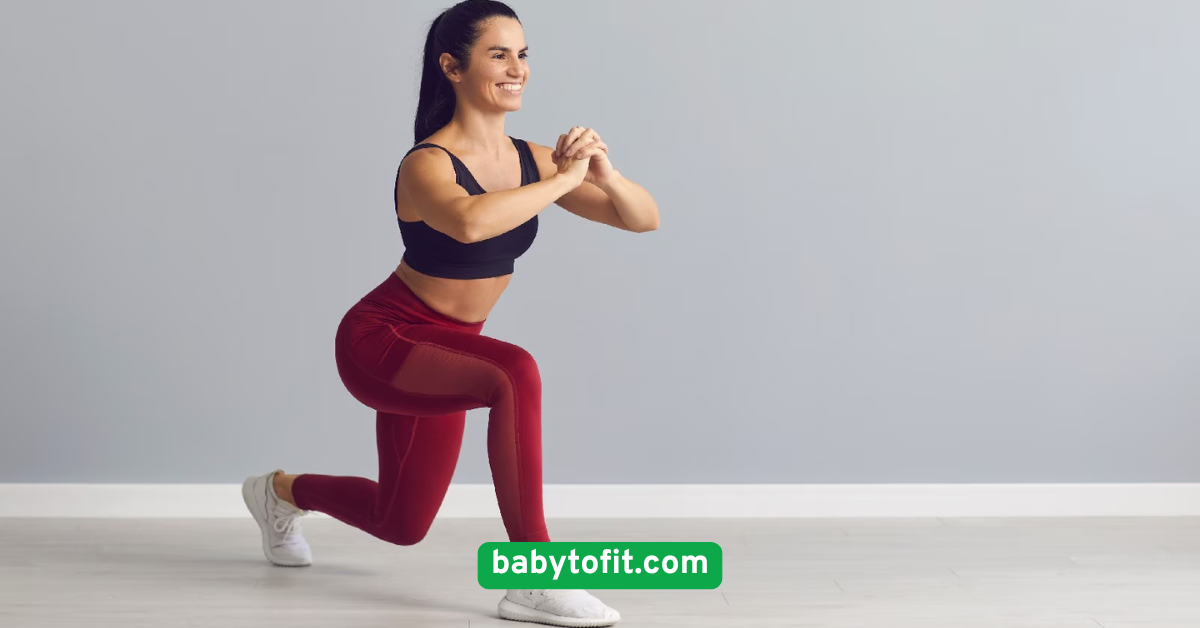
25. Assisted Walking Lunges
Hold onto a wall or chair for balance as you perform lunges. Step one foot forward, bend both knees to lower, and return to standing.This movement strengthens legs and glutes while allowing support for balance. It’s a great way to gradually return to more dynamic lower-body exercises.
Conclusion
Postpartum recovery is about progress, not perfection. These 25 healing workouts are meant to help you reconnect with your body, boost energy, and build strength—one gentle step at a time. Whether you have five minutes or twenty, incorporating even one of these movements can make a positive impact. Listen to your body, go at your own pace, and remember: you’re doing an amazing job. Healing takes time, and you deserve to feel strong, supported, and empowered every step of the way.


