15 Quick Postpartum Workouts to Boost Energy
In this article, we’ll explore 15 carefully selected postpartum workouts designed specifically for busy moms eager to reclaim their energy and vitality. These exercises are safe, efficient, and easy to fit into even the tightest schedules — many can be done at home with minimal or no equipment. Let’s dive into these simple, nurturing movements that honor your healing body and help you feel vibrant again!
1. Pelvic Tilts
Pelvic tilts are a foundational postpartum exercise that targets the deep core muscles and pelvic floor, both heavily affected by pregnancy and childbirth. This gentle movement helps alleviate lower back pain while activating muscles that support your spine and pelvis.To perform pelvic tilts, lie on your back with knees bent and feet flat on the floor. Take a deep breath, then slowly tilt your pelvis upward, pressing your lower back gently into the ground. Hold for a few seconds, then release. Repeat 10 to 15 times, focusing on slow, controlled movement.This exercise is ideal for new moms beginning their postpartum journey because it’s low-impact yet effective. Pelvic tilts can be done anytime throughout the day, even during breastfeeding breaks, to gradually strengthen your core and enhance pelvic stability.
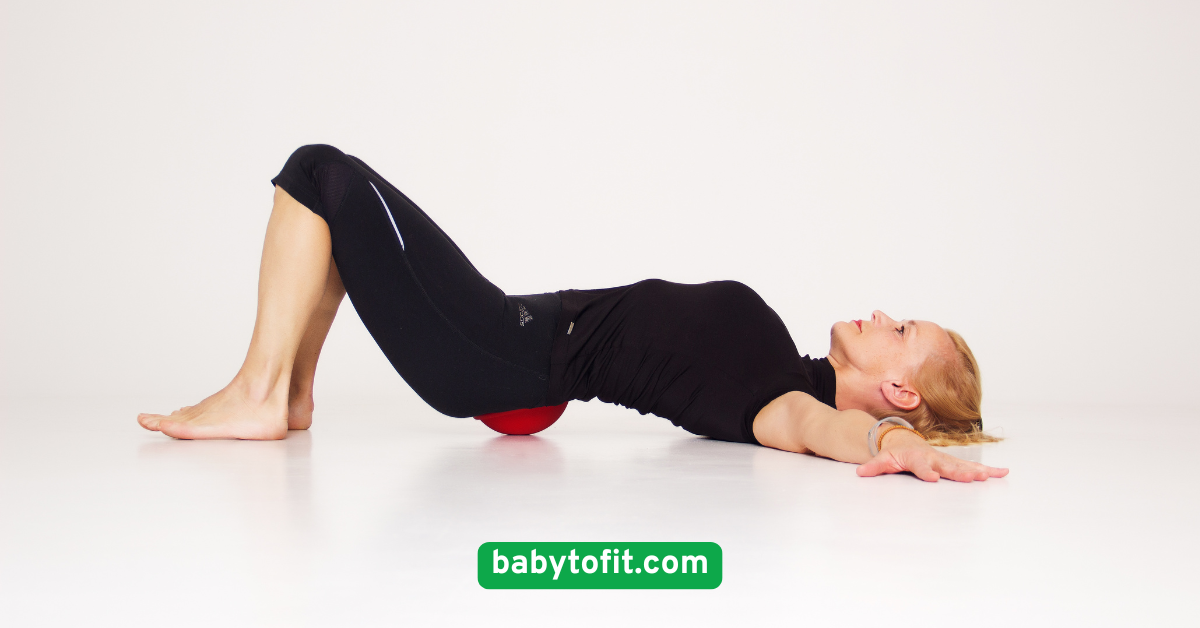
2. Kegel Exercises
Strengthening your pelvic floor muscles with kegels is crucial postpartum, especially for preventing urinary incontinence and supporting pelvic health. These muscles endure significant strain during childbirth and need gentle rehabilitation.To do a kegel, squeeze the muscles you would use to stop urinating, hold for 3 to 5 seconds, then release slowly. Aim for three sets of 10 reps daily. You can perform kegels discreetly anywhere—while sitting, walking, or even feeding your baby.Incorporating kegels into your routine boosts circulation and helps rebuild muscle tone in your pelvic region. Regular practice not only improves physical health but also enhances confidence and comfort as your body heals.
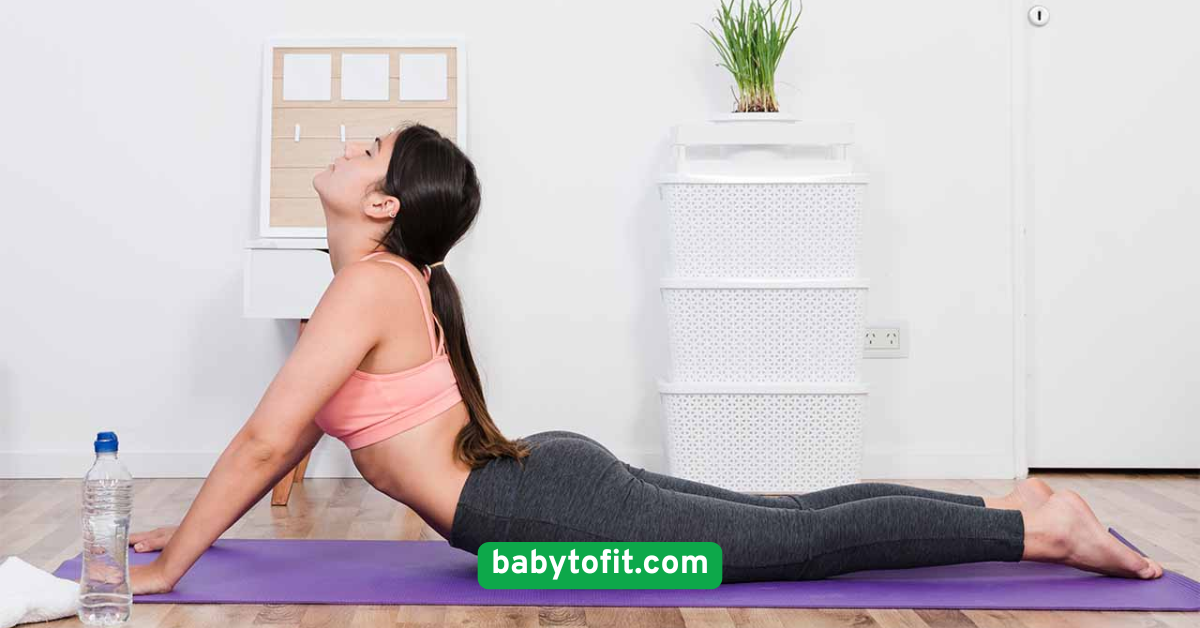
3. Heel Slides
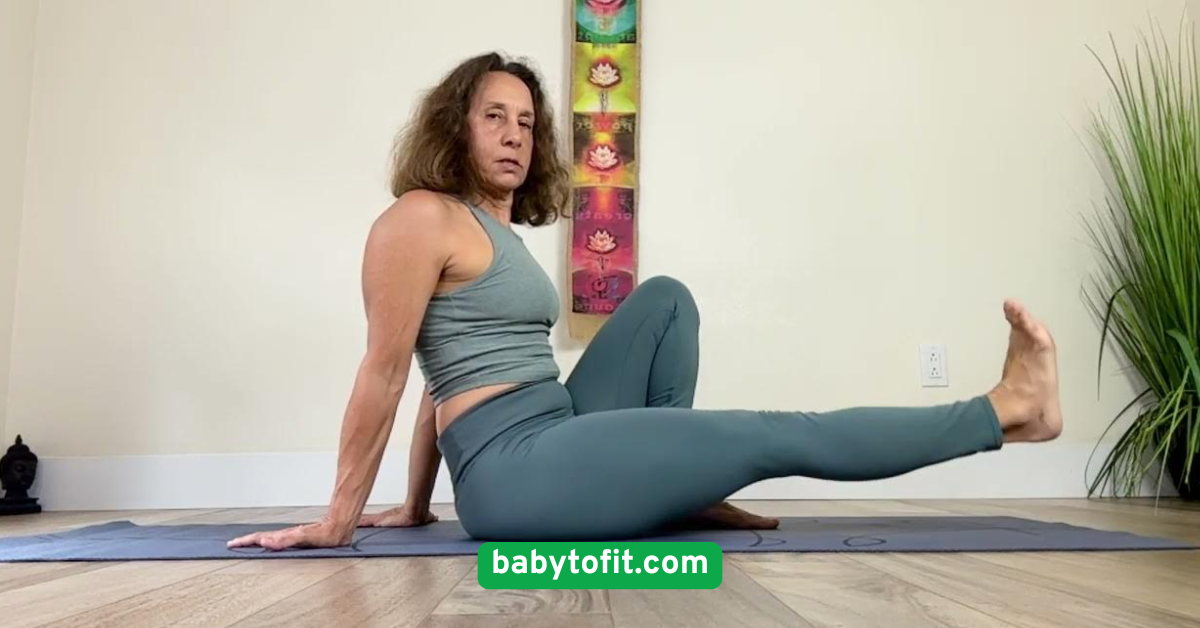
Heel slides are excellent for reactivating the core, hip flexors, and lower abdominal muscles with minimal strain. This slow, deliberate movement promotes pelvic stability and improves coordination between the core and lower body.To perform heel slides, lie on your back with knees bent. Engage your core and slowly slide one heel away from your body until your leg is nearly straight, then slide it back. Alternate legs and complete 10 to 12 repetitions on each side.Heel slides are a gentle introduction to movement that rebuilds muscle memory and helps reduce stiffness after delivery. This exercise can easily be done at home and encourages smooth, controlled motion in postpartum recovery.
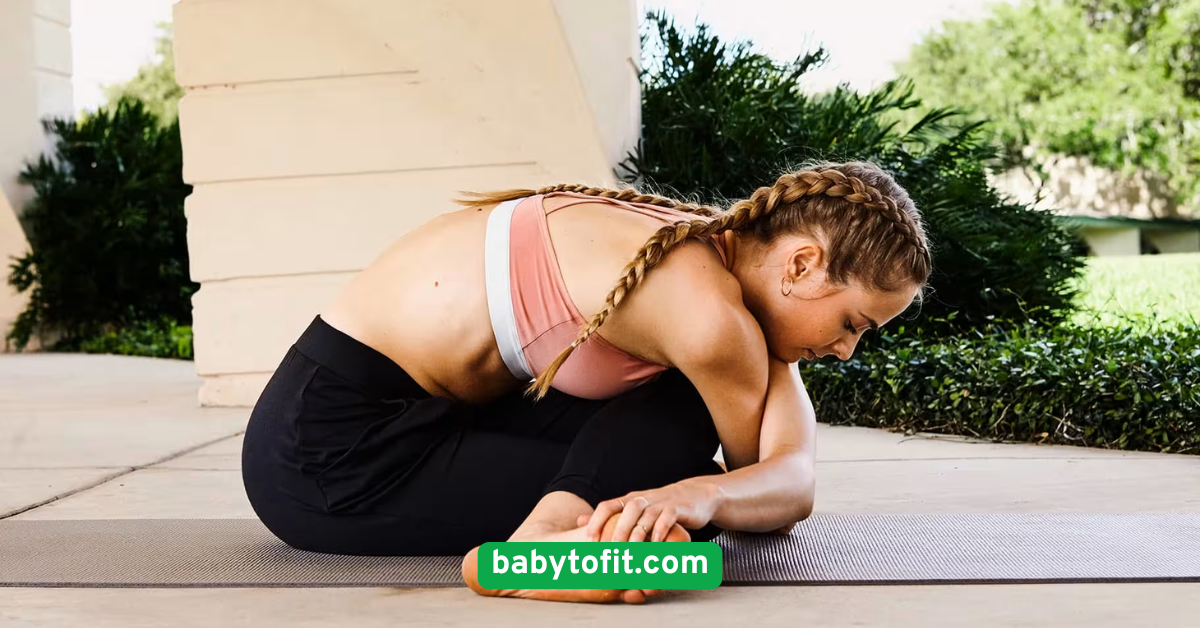
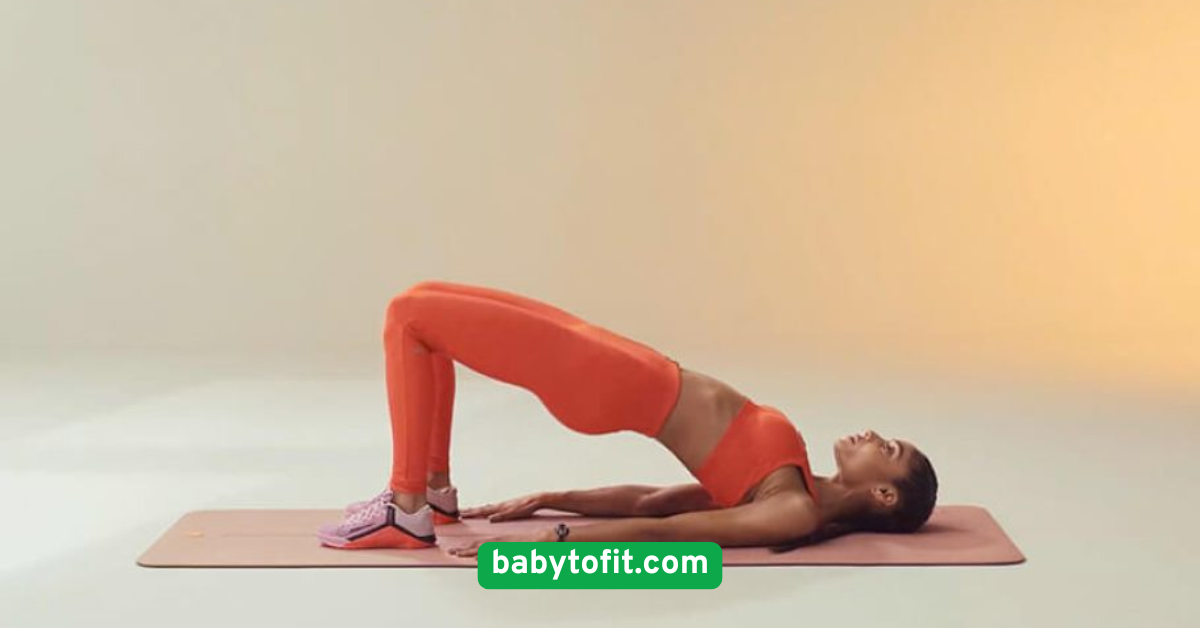
4. Glute Bridges
Glute bridges focus on strengthening the gluteal muscles, lower back, and pelvic floor, improving posture and reducing back pain common in postpartum moms. This movement also encourages core engagement and pelvic alignment.Lie on your back with knees bent and feet hip-width apart. Press your heels into the floor and lift your hips toward the ceiling, squeezing your glutes at the top. Hold briefly and then lower slowly. Start with 10 reps and increase as strength improves.Regularly practicing glute bridges can counteract the effects of prolonged sitting or nursing postures. It helps develop a strong base of support for everyday movements, making lifting and carrying your baby easier.
5. Cat-Cow Stretch
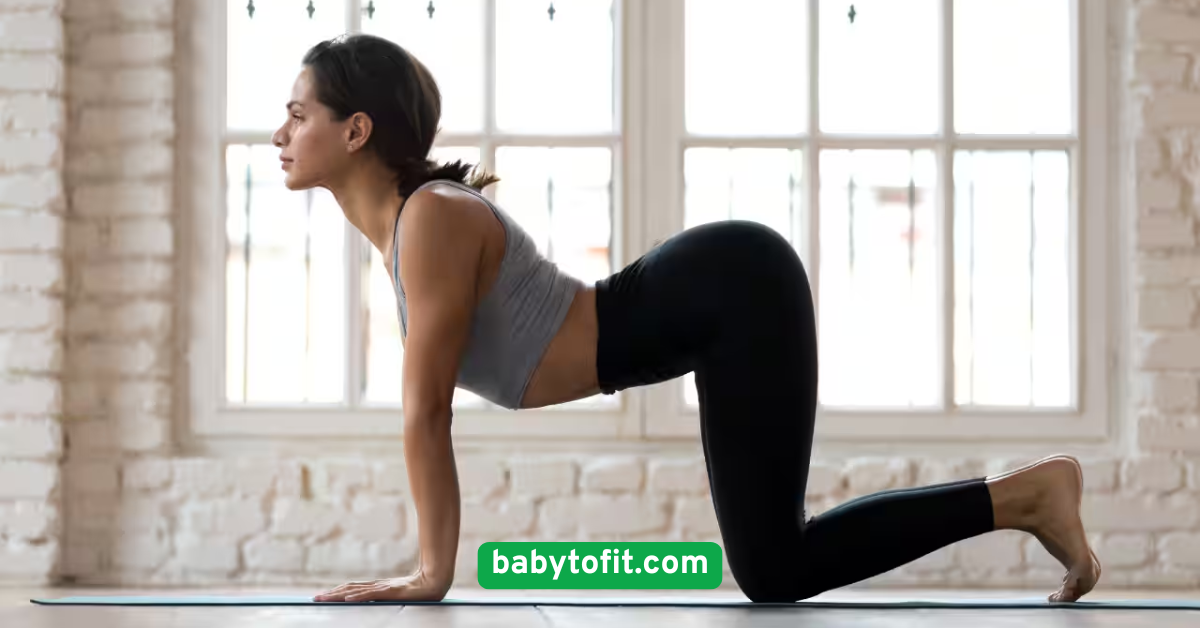
The cat-cow stretch is a gentle yoga sequence promoting spinal flexibility, releasing tension, and improving core awareness. Flowing between these two positions enhances circulation and gently mobilizes your back and abdominal muscles.Start on all fours with hands under shoulders and knees under hips. Inhale, drop your belly, lift your head and tailbone (cow pose). Exhale, round your spine, tuck your pelvis, and lower your head (cat pose). Repeat for 10 rounds.This movement is soothing and accessible for postpartum moms, providing a break from daily demands while encouraging mindful breathing and subtle core engagement.
6. Bird Dog
Bird dog is a functional full-body exercise that improves balance, coordination, and core strength, all vital for new moms managing daily baby care. It strengthens the lower back and abdominal muscles while enhancing stability.Begin on hands and knees, extend one arm forward and the opposite leg back, keeping hips level. Hold for a few seconds, then return and switch sides. Aim for 10 reps per side.This exercise helps correct postural imbalances from breastfeeding and carrying your baby. It is low-impact and can be adapted by holding longer or adding repetitions.
7. Standing Wall Push-Ups
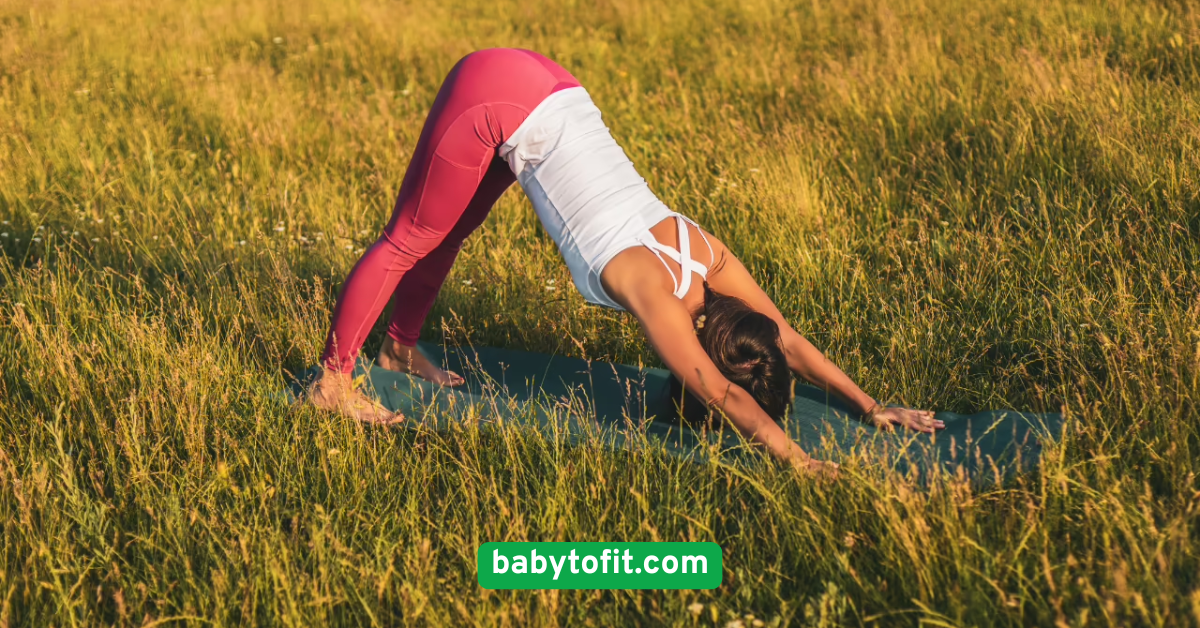
Standing wall push-ups build upper body strength without placing excessive pressure on healing tissues. This exercise targets the chest, shoulders, and arms, which endure repetitive lifting and carrying postpartum.Stand facing a wall at arm’s length, place your hands shoulder-width apart on the wall. Slowly bend your elbows to bring your chest closer to the wall, then push back to the start. Perform 2 to 3 sets of 10 reps.Wall push-ups are perfect for postpartum moms easing into upper body workouts, improving muscle tone while minimizing strain.
8. Seated Leg Lifts
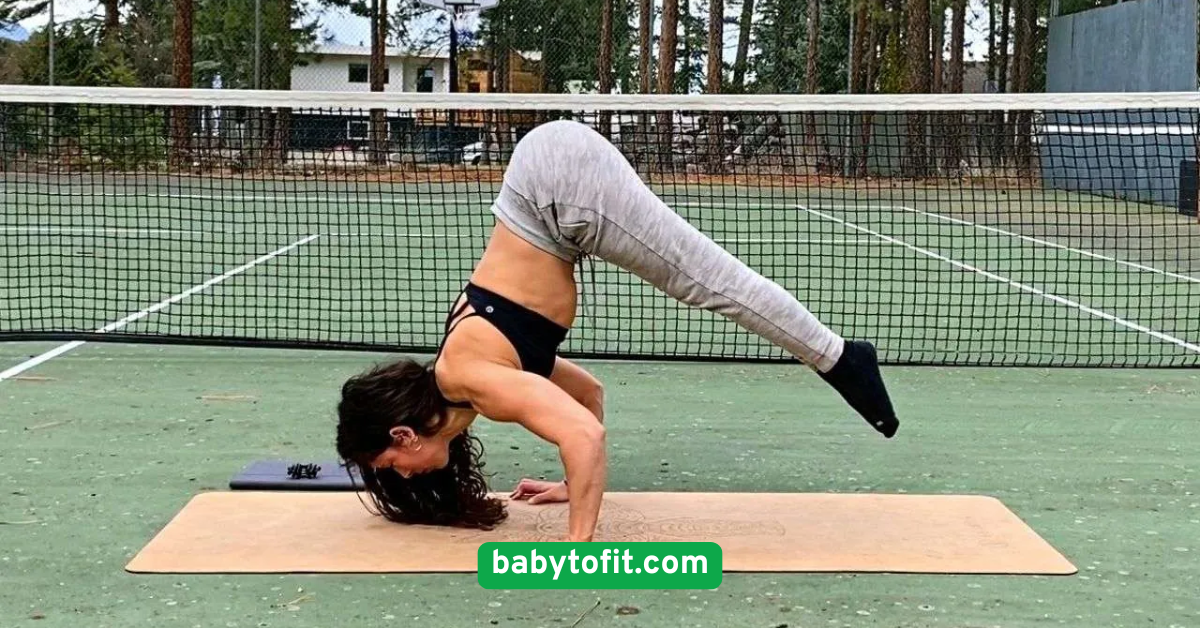
Seated leg lifts activate the lower abdominal muscles and hip flexors while supporting core engagement. This seated exercise is gentle yet effective for regaining lower body strength after childbirth.Sit upright on a chair with feet flat. Slowly lift one leg straight out, hold briefly, and lower it back down. Alternate legs and complete 10 to 12 reps per side.This movement fits well into busy schedules and can be done during quiet moments, like feeding or relaxing.
9. Step Touches
Step touches provide a light cardio boost to increase circulation and energy. This easy side-to-side movement gently raises the heart rate without overwhelming fatigued postpartum bodies.Stand with feet hip-width apart. Step one foot to the side and bring the other foot to meet it, adding an arm swing for momentum. Continue for 30 to 60 seconds.Step touches can be a fun way to move with your baby nearby or while doing household chores, helping to fight postpartum sluggishness naturally.
10. Diaphragmatic Breathing
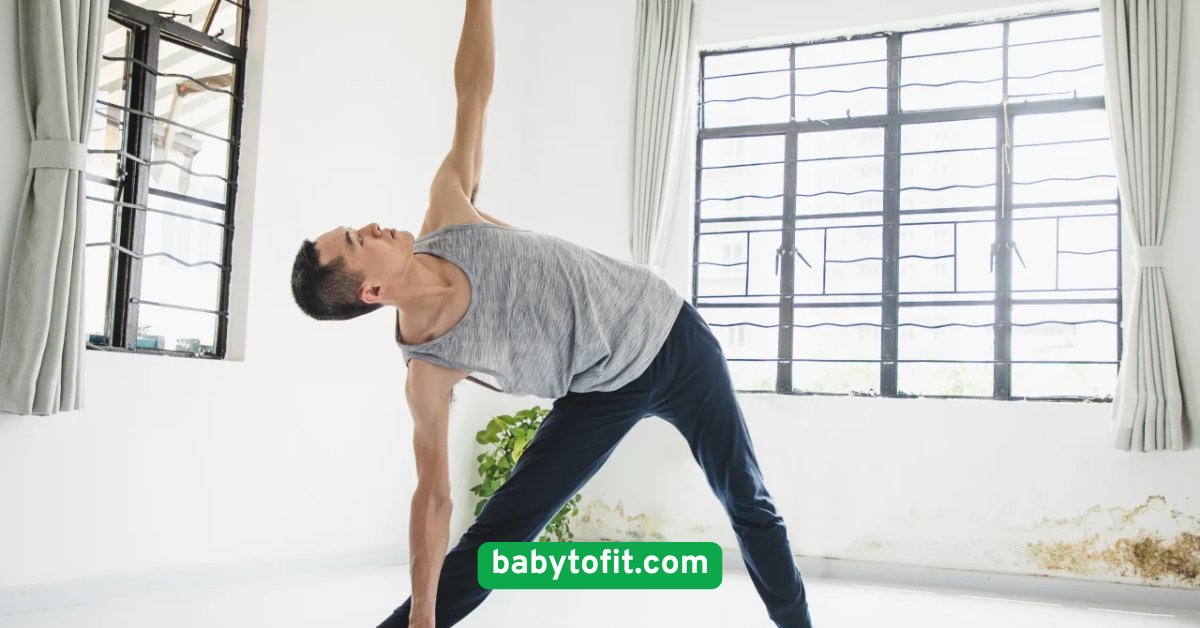
Diaphragmatic breathing supports core rehabilitation by activating deep abdominal muscles and calming the nervous system. This breathing technique improves oxygen flow and reduces postpartum stress.Sit or lie comfortably. Place one hand on your chest and one on your belly. Inhale slowly through your nose, expanding your belly. Exhale through your mouth, feeling your belly contract.Practicing diaphragmatic breathing daily enhances posture, supports gentle core activation, and creates mental clarity amid new motherhood’s chaos.
11. Arm Raises with Light Weights
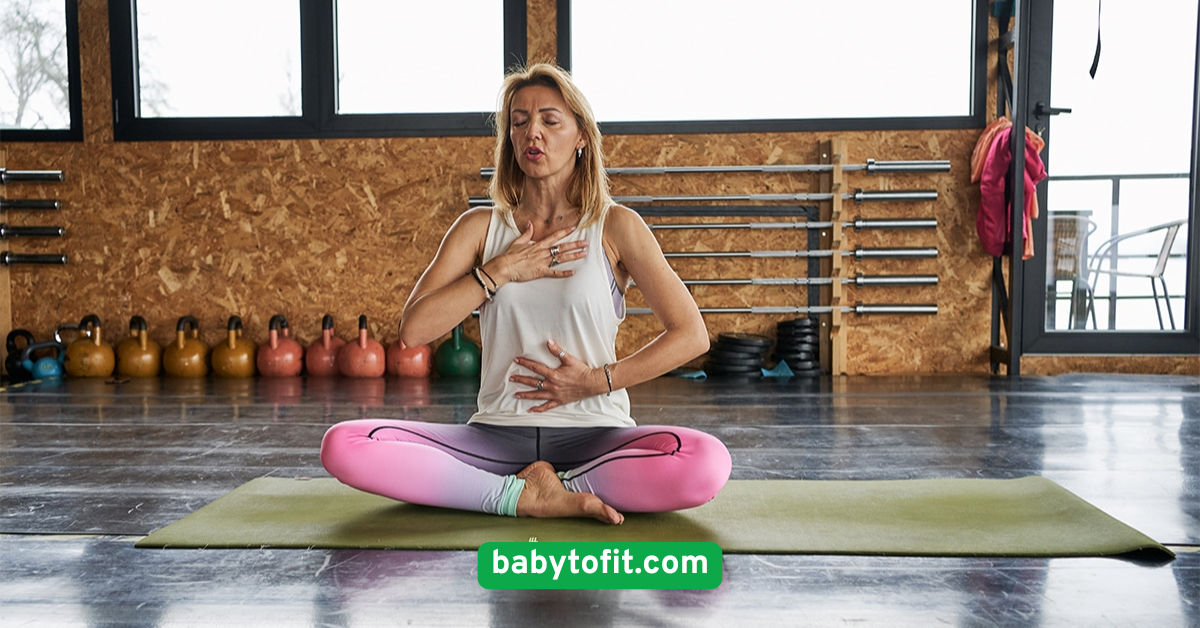
Arm raises with light weights or resistance bands help rebuild upper body strength necessary for everyday lifting. This exercise tones the shoulders and arms while being safe and manageable.Hold light weights or water bottles at your sides. Slowly raise your arms to shoulder height, hold briefly, then lower them down. Complete 2 sets of 10 to 15 reps.This workout can easily be done at home and helps combat the muscle weakness caused by postpartum inactivity.
12. Supine Marches
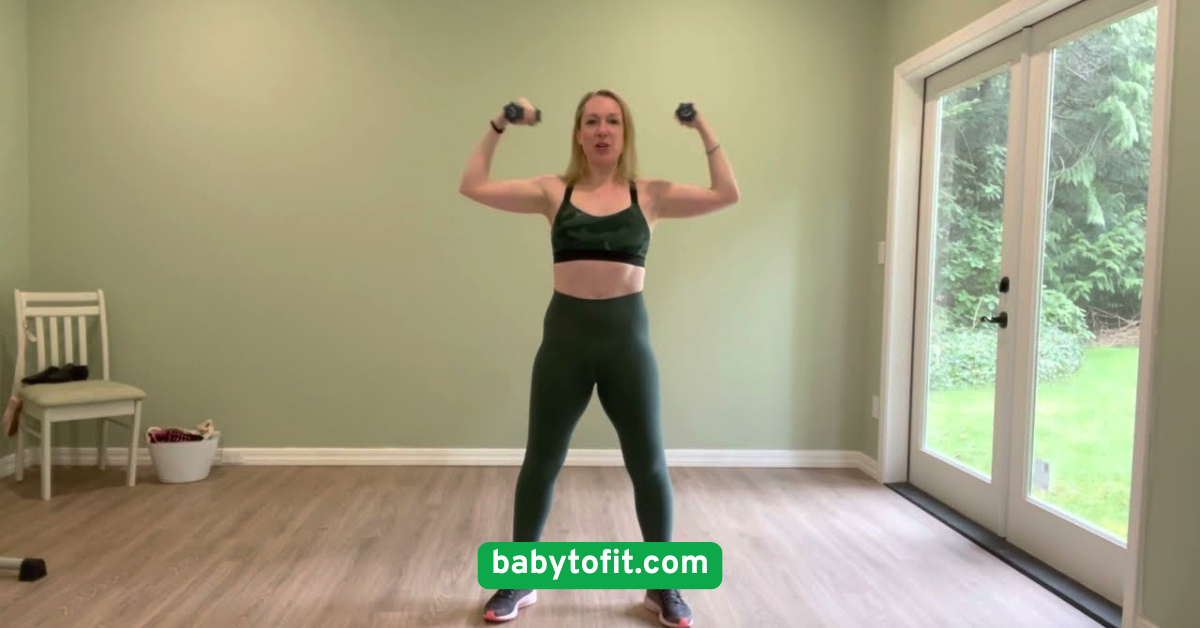
Supine marches activate the lower abdominals and promote coordination between the core and hip muscles. This exercise is gentle yet challenges core stability.Lie on your back with knees bent. Engage your core and slowly lift one foot off the floor to a 90-degree angle, then lower it back. Alternate legs and aim for 10 reps per side.Supine marches rebuild muscle endurance and support pelvic alignment for everyday movement.
13. Hip Circles
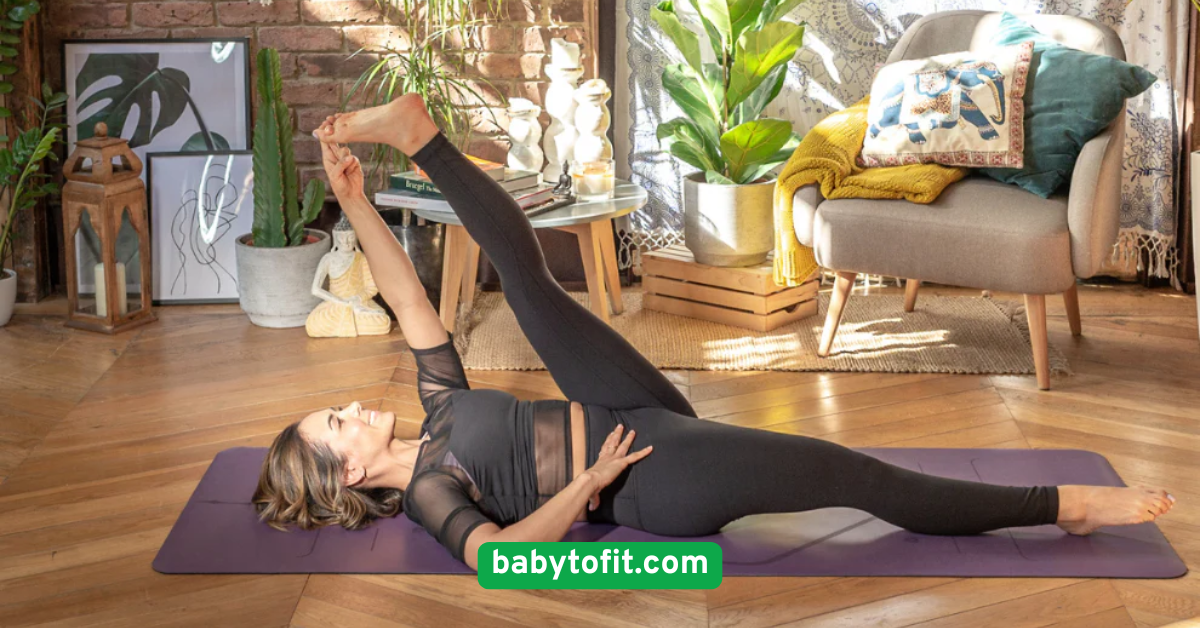
Hip circles increase hip mobility, flexibility, and pelvic floor strength. This circular motion relieves stiffness and promotes better blood flow.Stand with feet hip-width apart, hands on hips. Slowly rotate your hips in a circular motion, 10 times clockwise, then counterclockwise.Incorporate hip circles to reduce lower back tension and enhance fluid movement during postpartum recovery.
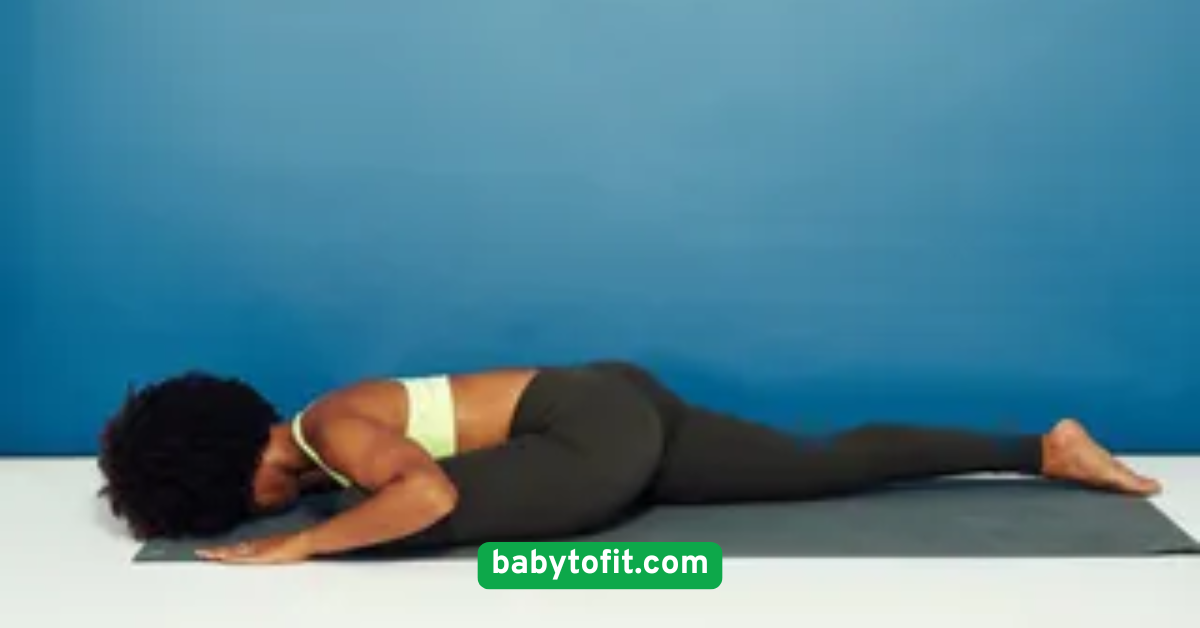
14. Babywearing Dance Walk
Combining light movement with babywearing boosts cardiovascular fitness and mood. Dancing while carrying your baby is both practical and enjoyable.Secure your baby in a carrier and gently sway or step side to side to music for 5 to 10 minutes.This workout encourages bonding, burns calories, and uplifts spirits without requiring extra time away from your baby.
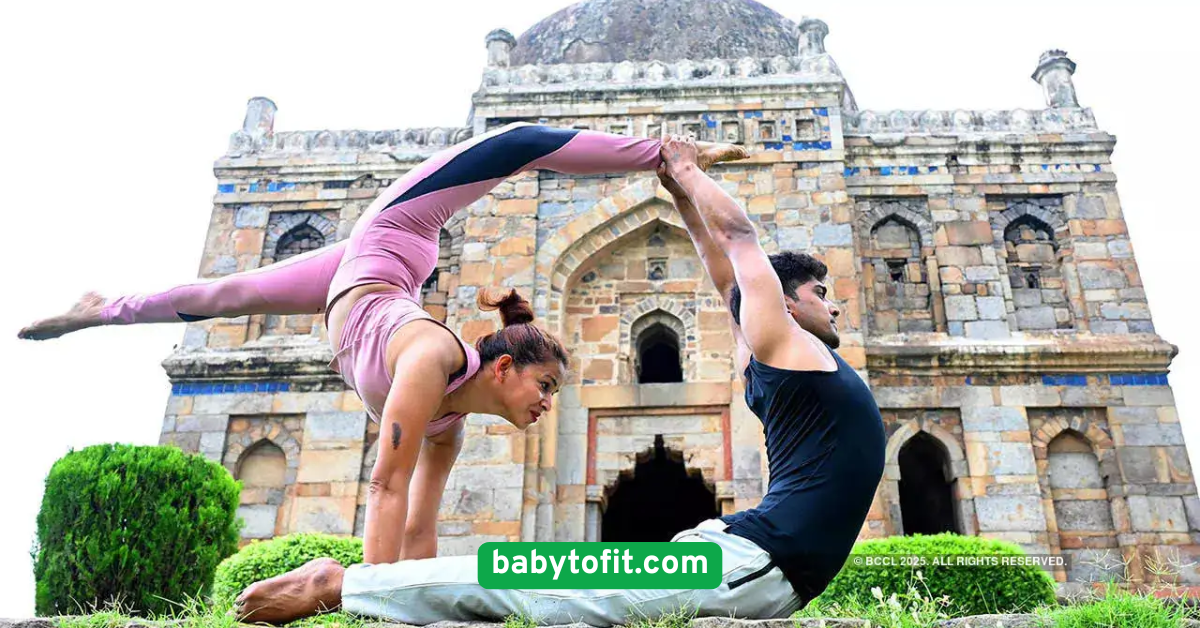
15. Resistance Band Rows
Resistance band rows strengthen the upper back muscles, counteracting the hunched posture common in new moms. This helps improve posture and reduce shoulder tension.Secure a resistance band at chest height. Hold the ends and pull the bands toward your torso, squeezing your shoulder blades together. Slowly release and repeat 10 to 15 times.This exercise can be done at home with minimal equipment and promotes muscular balance for daily activities.
Conclusion
Regaining energy after childbirth doesn’t require long, strenuous workouts. These 15 quick postpartum exercises are designed to nurture your healing body while fitting seamlessly into your busy life. With gentle core activation, improved circulation, and focused strength-building, these movements will help you feel more vibrant and resilient. Remember, every small step counts—listen to your body, progress at your own pace, and celebrate your strength. Your postpartum journey is unique and deserves patience, kindness, and care. Start moving today, and watch your energy soar!


