25 Healing Postpartum Workouts to Boost Energy
According to studies, low-impact, mindful exercises tailored to postpartum bodies not only enhance physical recovery but also boost mood and reduce anxiety. These 25 healing postpartum workouts are designed with your comfort and safety in mind. From pelvic tilts to babywearing dance walks, each movement supports your body’s healing while gently increasing stamina and energy levels. Whether you have five minutes or half an hour, these workouts can fit into your busy new mom life and nurture your mind and body.Let’s dive in and explore these energizing yet gentle exercises that honor your postpartum healing process.
1. Pelvic Tilts
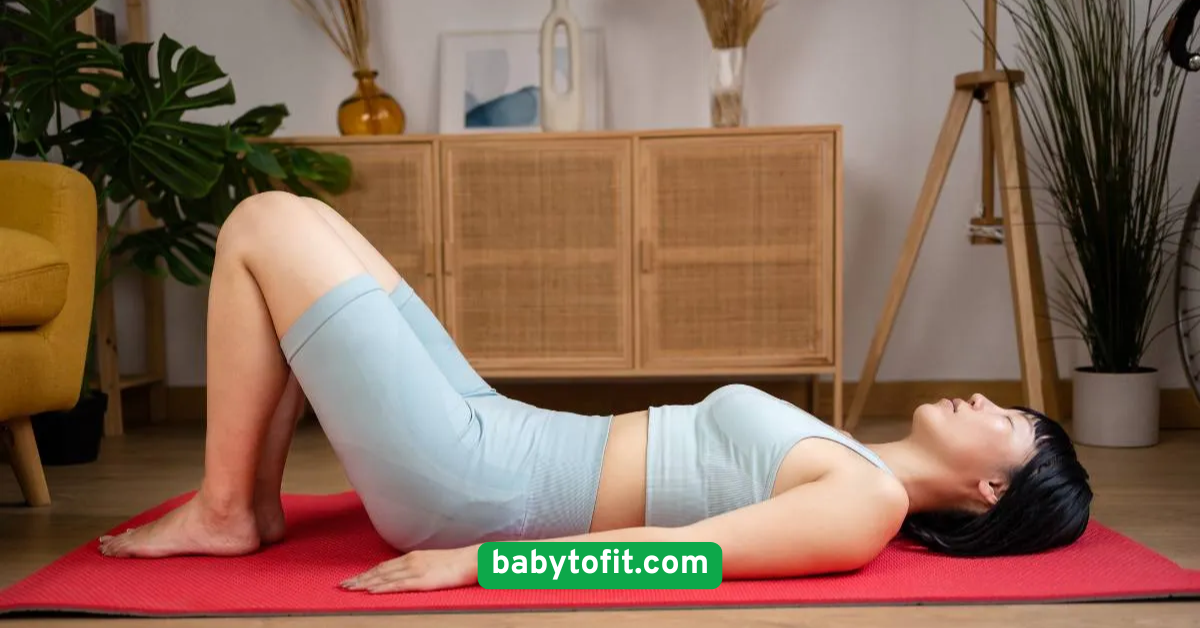
Pelvic tilts are a cornerstone of postpartum recovery, offering a simple yet powerful way to engage your deep core muscles. This exercise helps realign the pelvis and strengthen the muscles that support your lower back and abdomen — areas that often feel weak or sore after childbirth. To perform pelvic tilts, lie on your back with knees bent and feet flat, inhale deeply, then exhale as you tuck your pelvis under, pressing your lower back into the floor. Hold for a few seconds and release.
Practicing pelvic tilts regularly can relieve back pain and promote better posture, which is vital when you’re nursing or carrying your baby. Because they are gentle, pelvic tilts are suitable even in the early postpartum phase, helping you reconnect with your core without strain. Aim for 10–15 repetitions daily and gradually increase as your strength returns.
2. Kegel Exercises
Strengthening the pelvic floor after childbirth is essential, and Kegel exercises are the gold standard for this purpose. These exercises target the muscles that support your bladder, uterus, and bowels, which can become stretched or weakened during pregnancy and delivery. To perform Kegels, tighten the muscles you use to stop urination, hold for 3–5 seconds, then relax. Repeat in sets throughout the day.
Kegels are discreet and versatile—you can do them anytime, whether breastfeeding, working, or watching TV. Consistent practice improves bladder control and can speed up postpartum recovery. Plus, strong pelvic floor muscles enhance your overall core stability, making other workouts more effective and comfortable.
3. Diaphragmatic Breathing
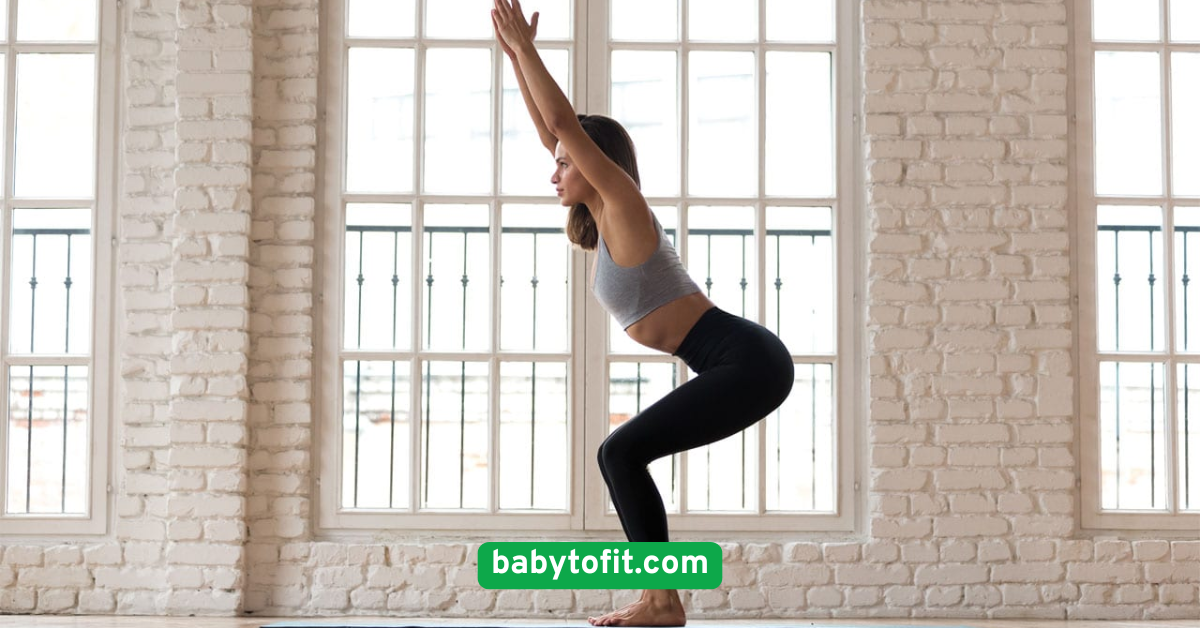
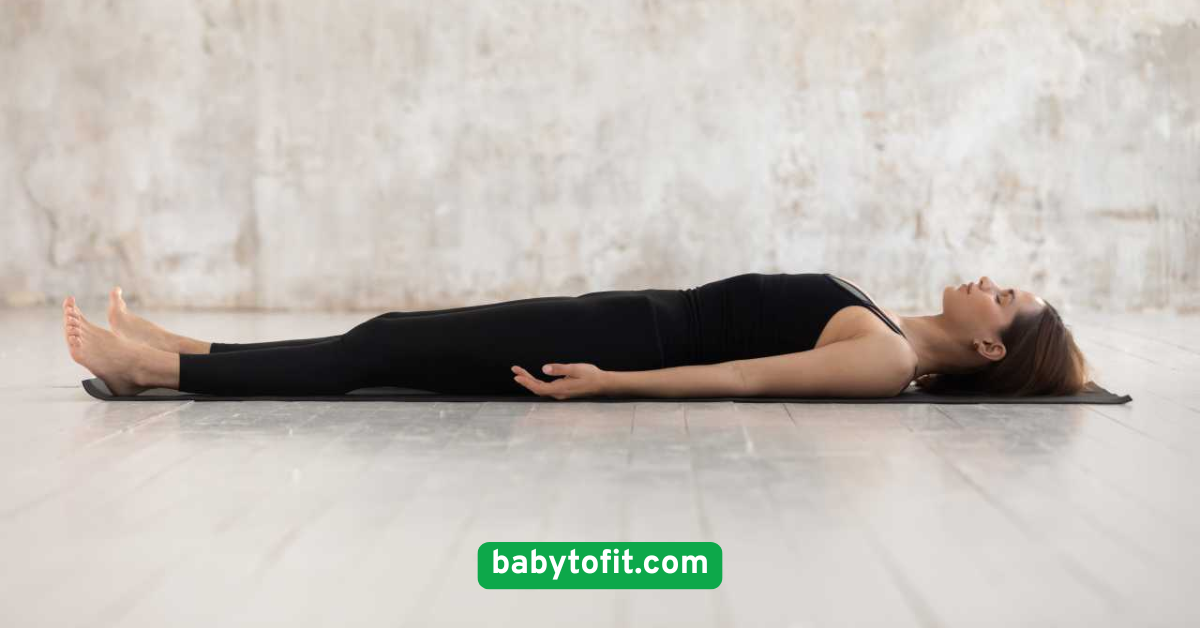
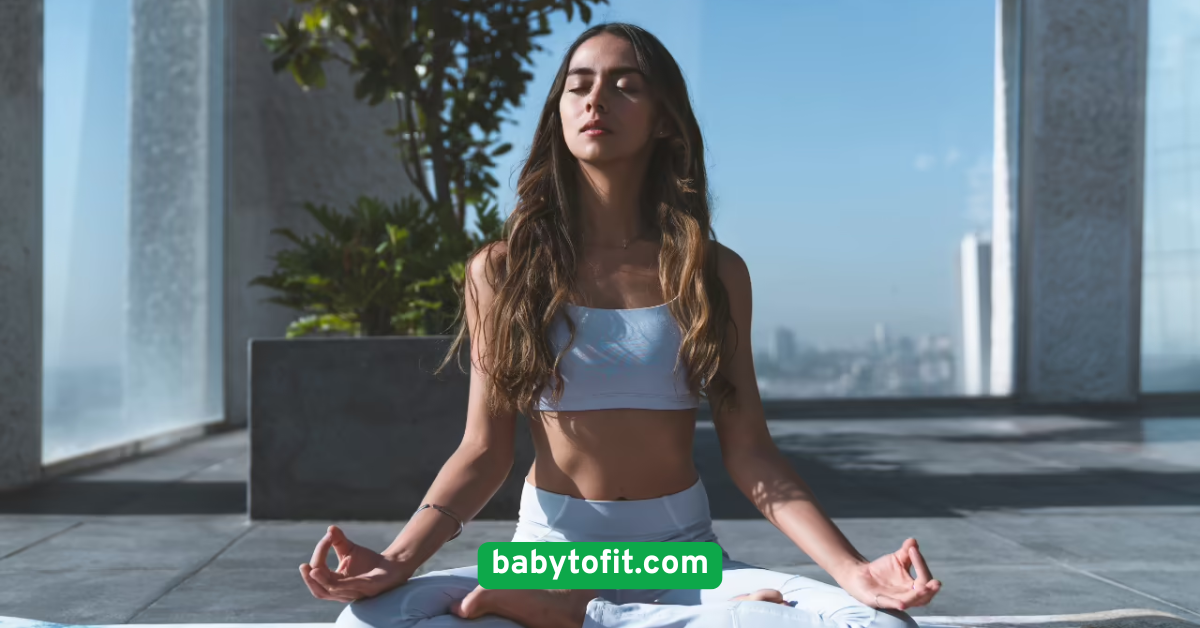
Deep breathing might seem too simple to count as exercise, but diaphragmatic breathing is incredibly beneficial postpartum. This technique helps you engage your core muscles gently while reducing stress and improving oxygen flow. Sit or lie down comfortably, place one hand on your belly and the other on your chest, and breathe deeply through your nose, expanding your belly but keeping your chest still. Exhale slowly through your mouth, feeling your belly contract.
Incorporating diaphragmatic breathing into your daily routine can calm your nervous system and prepare your body for more active movement. Many moms find this breathing technique useful during moments of overwhelm, offering an instant energy reset.
4. Heel Slides
Heel slides are an excellent way to gently activate the lower abdominal muscles and hip flexors. Lie on your back with knees bent and feet flat. Engage your core and slowly slide one heel along the floor until your leg is almost straight, then slide it back. Repeat on the other side. This movement helps improve pelvic stability and coordination without placing excessive strain on your body.
Heel slides are safe even during the early stages of postpartum healing and contribute to restoring hip mobility and strength. Aim for 10–12 repetitions per leg, focusing on controlled, smooth movements.
5. Glute Bridges
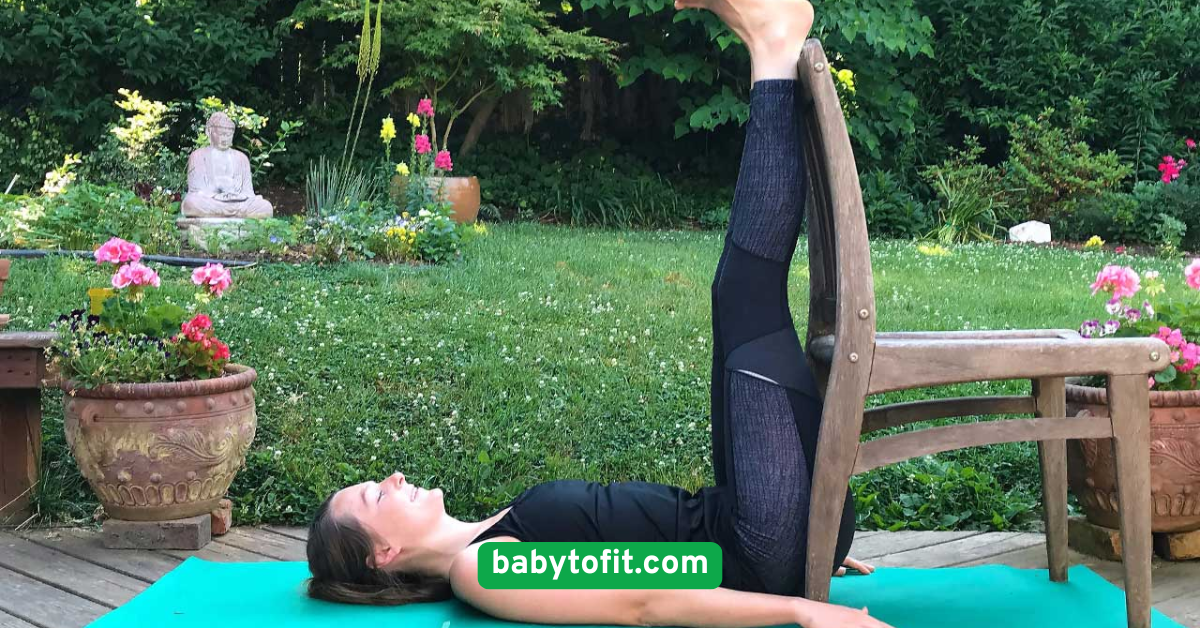
Glute bridges strengthen the glutes, lower back, and pelvic floor while promoting core engagement. Lie on your back with knees bent and feet hip-width apart. Press into your heels and lift your hips towards the ceiling, forming a straight line from shoulders to knees. Hold for a few seconds, then slowly lower down.This exercise is especially helpful for new moms who often experience tight hips and weak glutes from pregnancy and delivery. Strong glutes improve posture and reduce back discomfort, common complaints in postpartum life. Adding a pillow between your knees can also activate inner thigh muscles and enhance pelvic floor engagement.
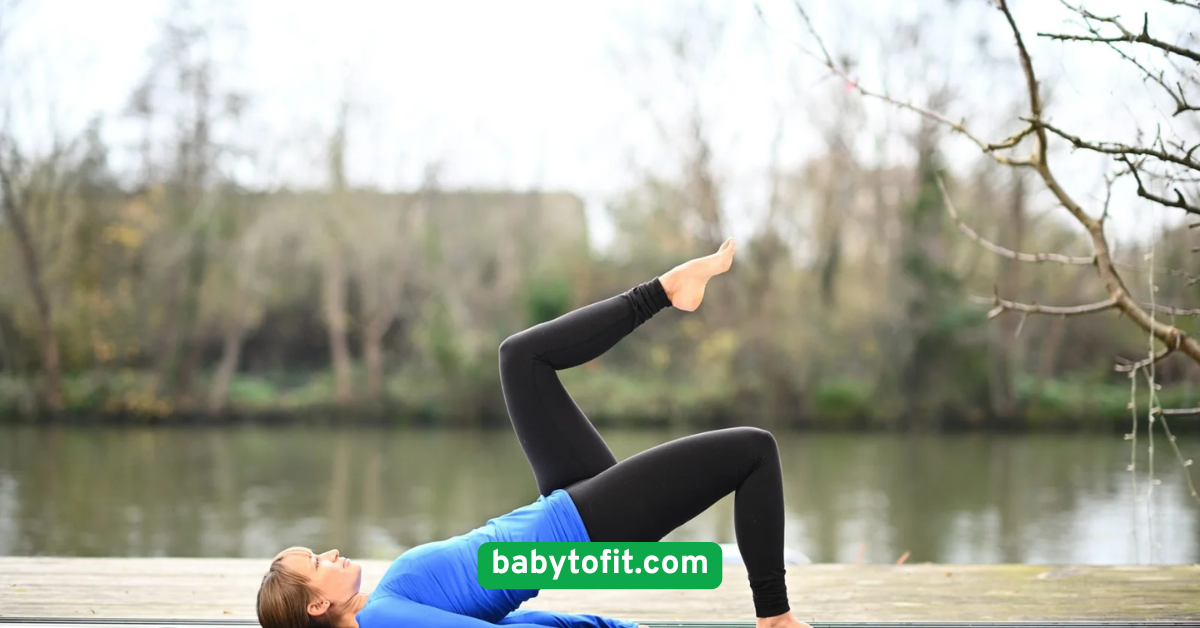
6. Bird Dog
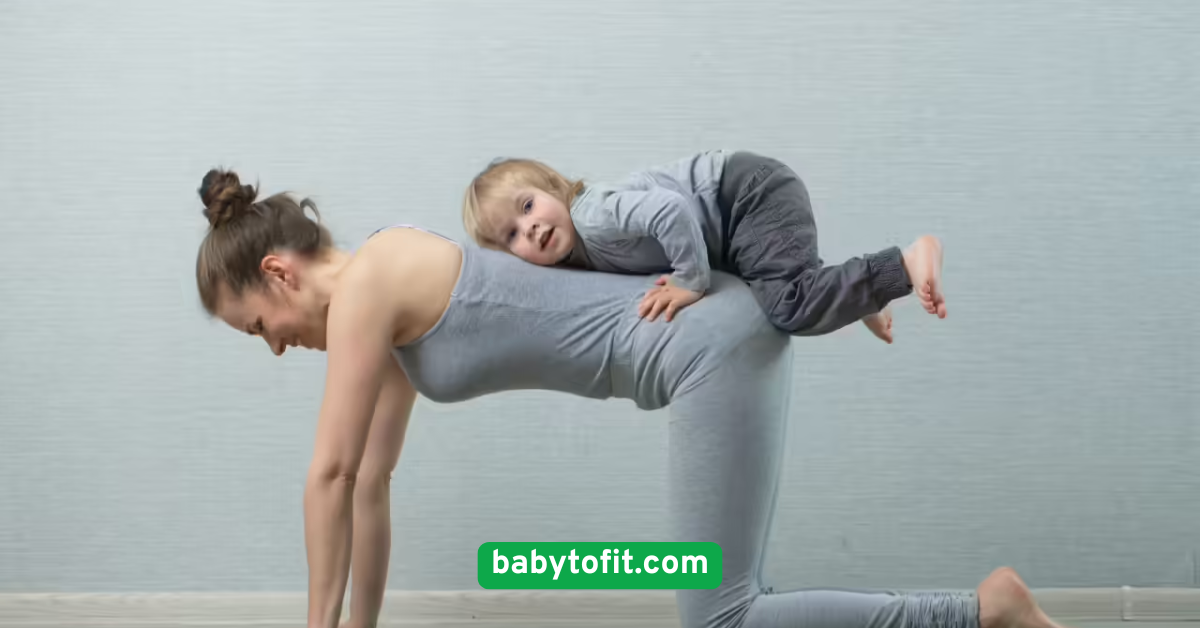
Bird dog is a full-body stability exercise that improves balance, strengthens the back, and engages the core. Start on your hands and knees in a tabletop position. Extend your right arm forward and left leg back, keeping your hips square. Hold for a few seconds, then return to start and switch sides.This move trains your body to stabilize the spine during movement—critical when you’re constantly lifting and carrying your baby. Bird dog also helps alleviate back pain by reinforcing the muscles that support your spine. For added challenge, hold the position longer or add light ankle weights.
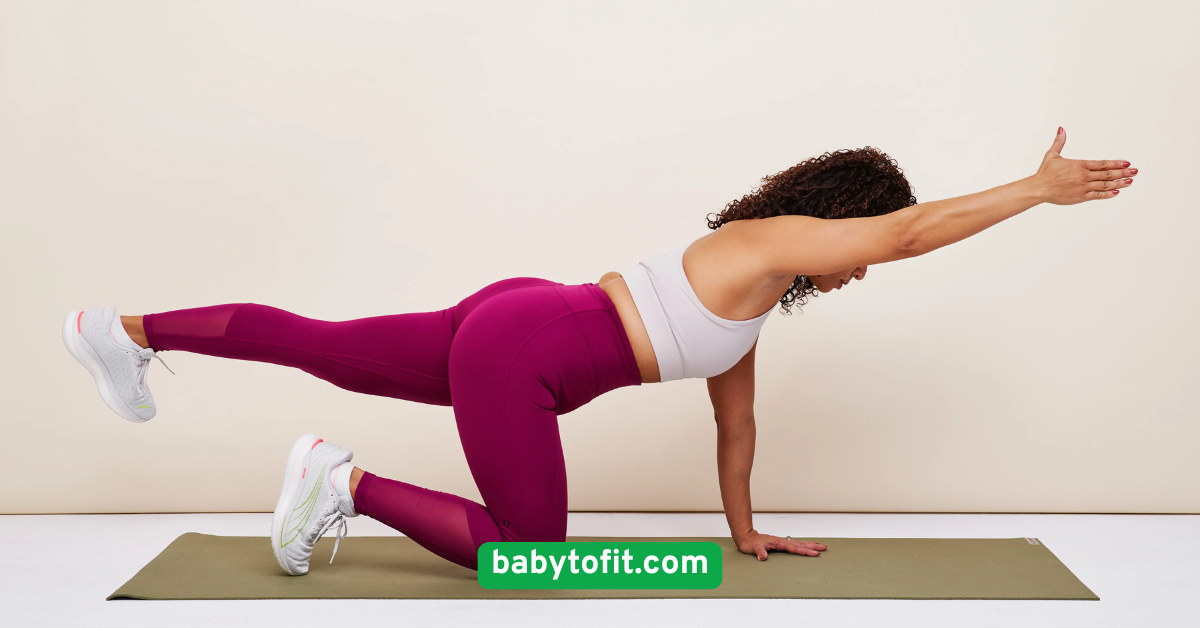
7. Cat-Cow Stretch
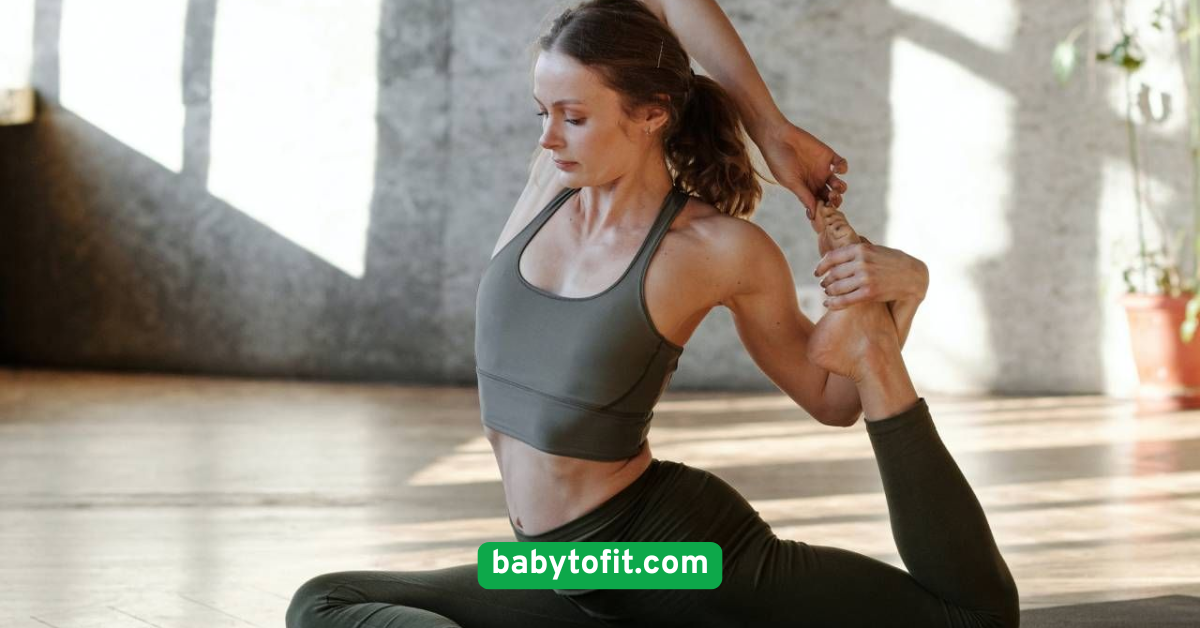
Inspired by yoga, the cat-cow stretch promotes spinal mobility and gentle core activation. On all fours, inhale as you drop your belly and lift your gaze (cow pose). Exhale as you round your spine and tuck your chin (cat pose). Flow slowly between these positions, coordinating breath and movement.This stretch relieves tension in the back and abdomen, which can accumulate from pregnancy and new motherhood. It’s soothing and restorative, making it perfect for easing into a workout or winding down after activity.
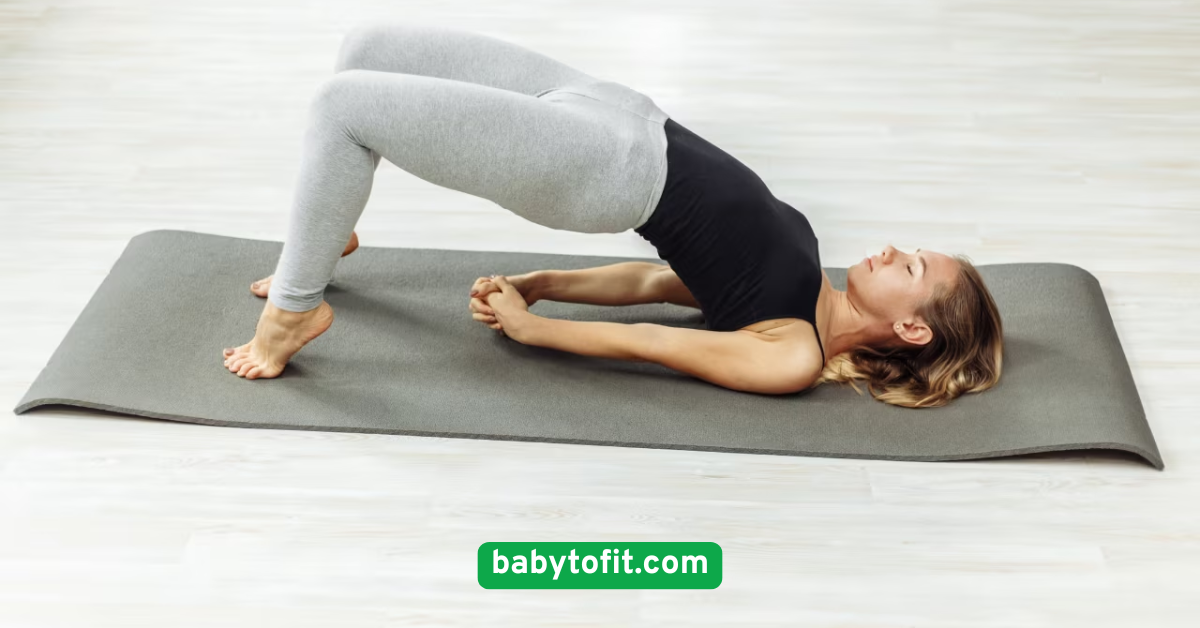
8. Seated Forward Fold
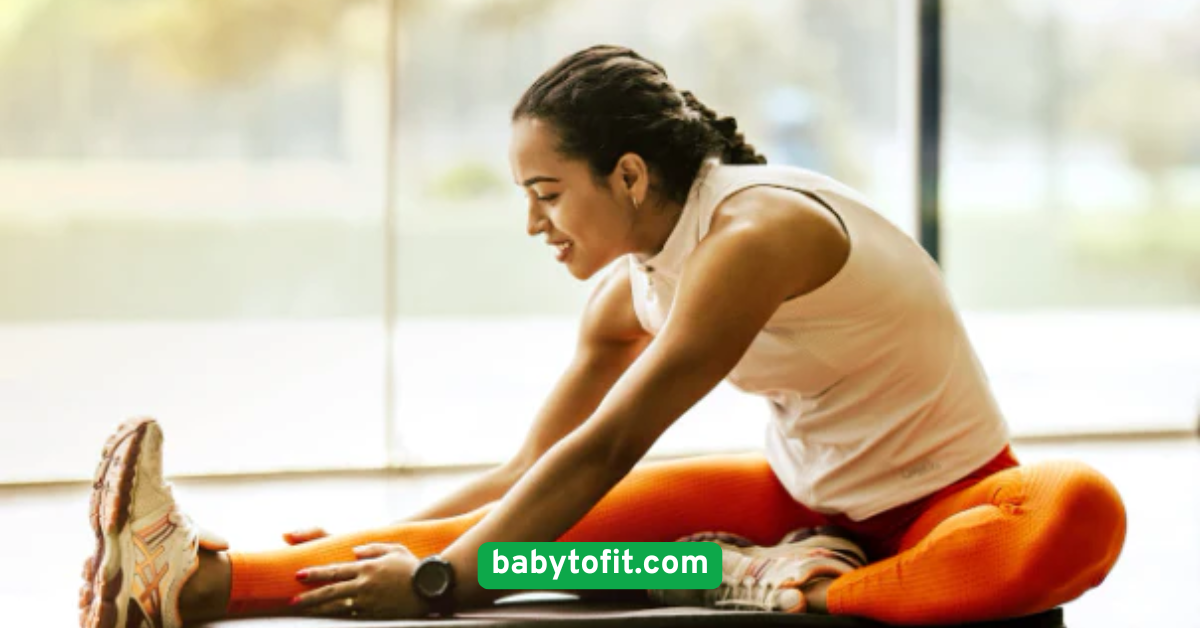
This simple stretch targets the hamstrings and lower back, helping relieve postpartum muscle tightness. Sit on the floor with legs extended and feet flexed. Inhale to lengthen your spine, then exhale as you hinge forward from the hips, reaching toward your toes.Even if you can’t reach far, this stretch gently releases lower back tension and calms the nervous system. It serves as an excellent cooldown after postpartum workouts, promoting relaxation and flexibility.
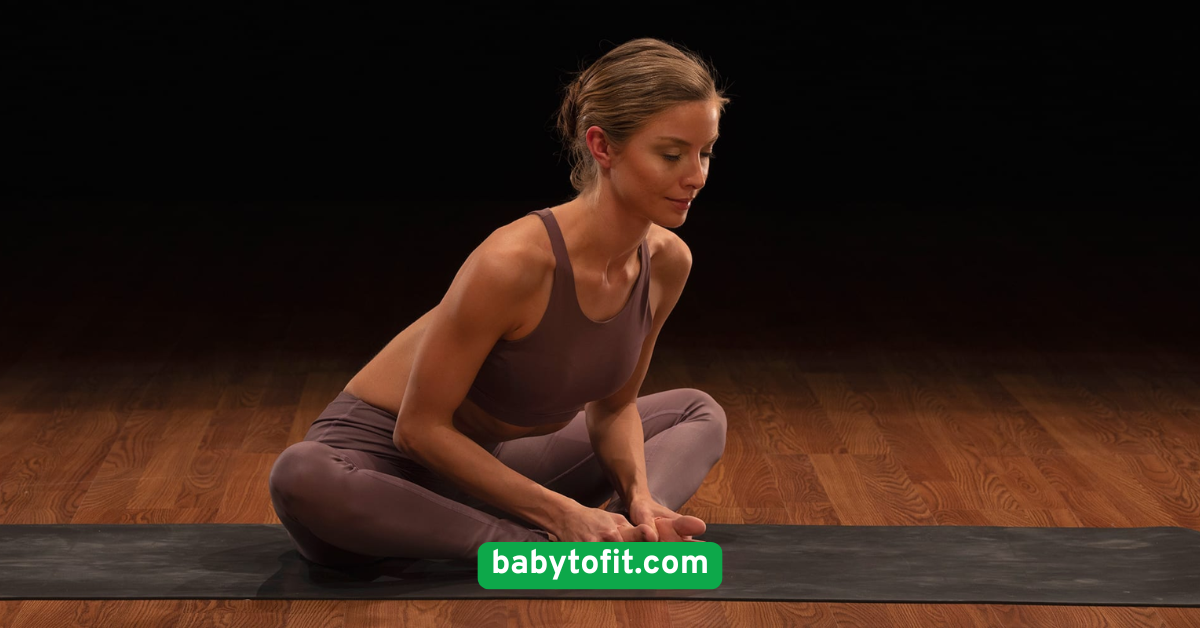
9. Standing Wall Push-Ups
Standing wall push-ups build upper body strength with minimal strain. Stand an arm’s length from a wall, place your hands at shoulder height, and bend your elbows to lower yourself towards the wall. Push back to the start.Upper body strength is crucial postpartum for lifting your baby and managing daily tasks. This exercise is safe, effective, and easily modified by changing the distance from the wall. Aim for 2–3 sets of 10 repetitions.
10. Step Touches
Step touches are a low-impact cardio move that gently raises heart rate and boosts energy. Step to the side and bring your other foot to meet it, adding an arm swing for rhythm. This can be done anywhere, even while holding your baby.Incorporating step touches into your routine increases circulation and helps combat postpartum fatigue. They can be paired with resistance bands or light weights for added intensity.
11. Seated Leg Lifts
Seated leg lifts strengthen your lower abs and hip flexors without pressure on the back. Sit upright on a sturdy chair, engage your core, and slowly lift one leg straight out. Hold briefly, then lower and repeat on the other side.This workout is excellent for postpartum moms easing into movement, improving leg strength and core control while seated—perfect for busy days when standing workouts are tough.
12. Standing Calf Raises
Calf raises enhance lower leg strength and circulation, reducing swelling common postpartum. Stand tall, rise onto the balls of your feet, hold for a moment, then lower back down.Performing calf raises regularly promotes better circulation, boosts energy, and supports overall leg stability. They can be done while waiting in line or during breaks throughout the day.
13. Leg Extensions on Chair
Leg extensions target your quadriceps and improve knee stability. Sit in a chair with good posture, slowly extend one leg out until it’s straight, hold for a second, then lower it down. Alternate legs.This is a gentle but effective exercise for postpartum leg strength, supporting mobility and reducing the risk of injury as you resume daily activities.
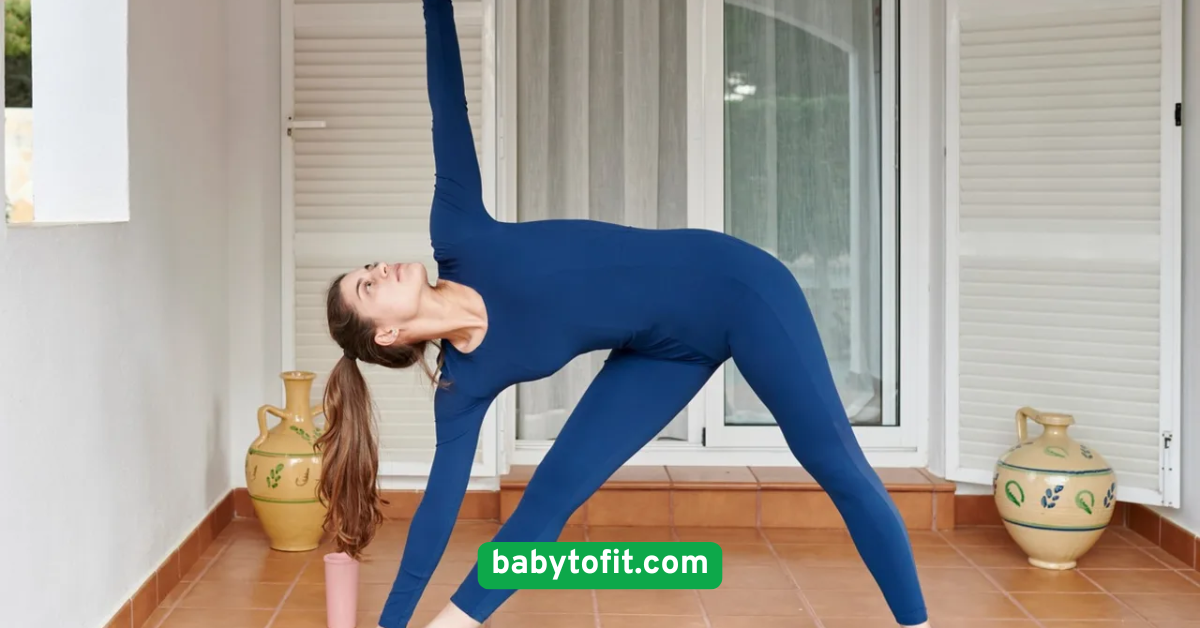
14. Arm Raises with Light Weights
Using light weights or water bottles, arm raises strengthen shoulders and upper back muscles. Stand or sit with weights in hands, slowly raise your arms to shoulder height, then lower.Strengthening upper body muscles aids in carrying your baby and reduces posture-related aches. Start with low weights and focus on slow, controlled movements.
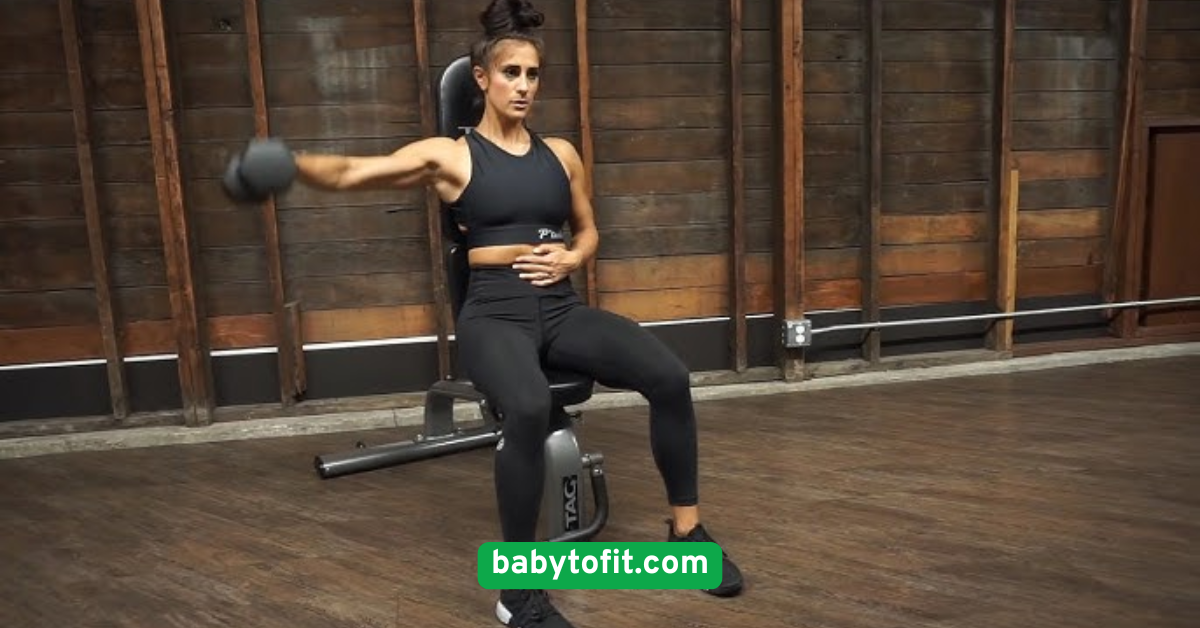
15. Supine Marches
Lie on your back with knees bent. Engage your core and slowly lift one foot off the floor, then the other, alternating in a marching rhythm. This activates your lower abs without excessive pressure.Supine marches are ideal for reconnecting with core muscles post-birth and improving pelvic stability gradually.
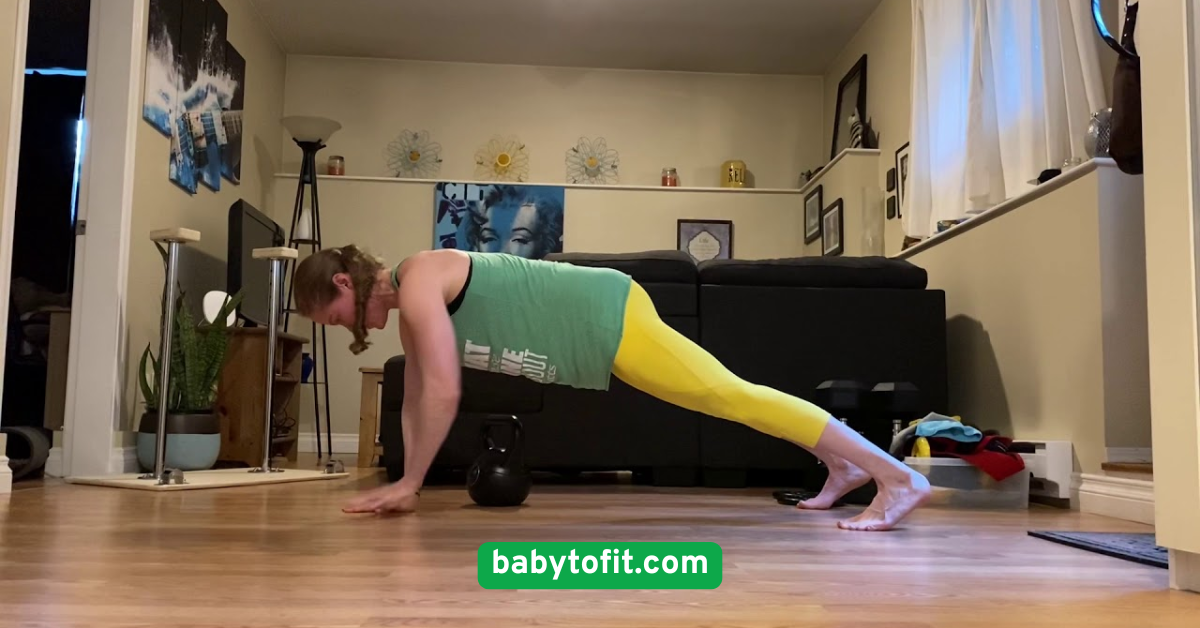
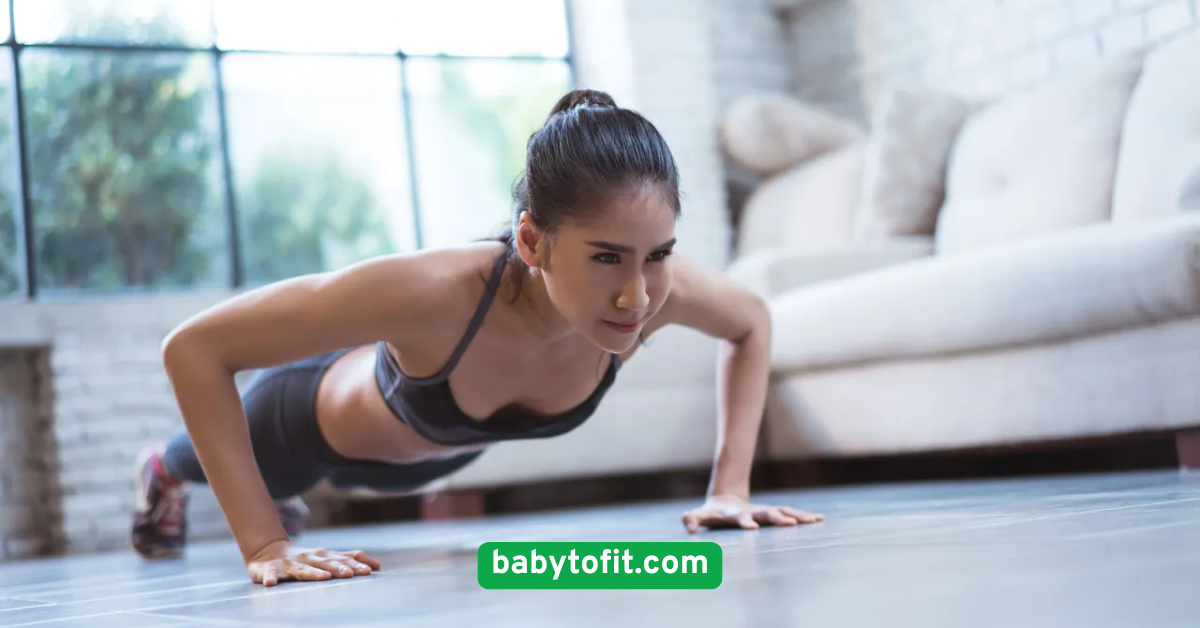
16. Knee Push-Ups
Knee push-ups build upper body strength safely by reducing weight load. From a plank position on knees and hands, lower your chest to the floor, then push back up.This modification is perfect for postpartum moms rebuilding strength and can be progressed as you get stronger.
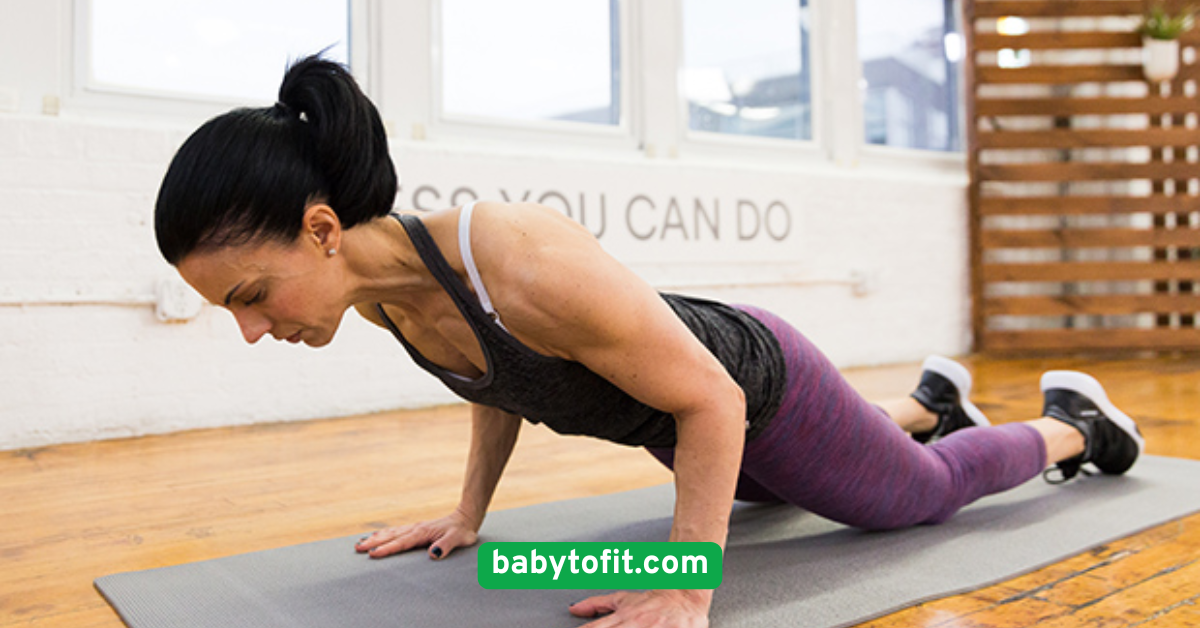
17. Hip Circles
Hip circles improve pelvic mobility and flexibility. Stand with feet hip-width apart and gently circle your hips in one direction, then the other.This movement relieves tightness, supports lower back health, and is great for energy boost and circulation.
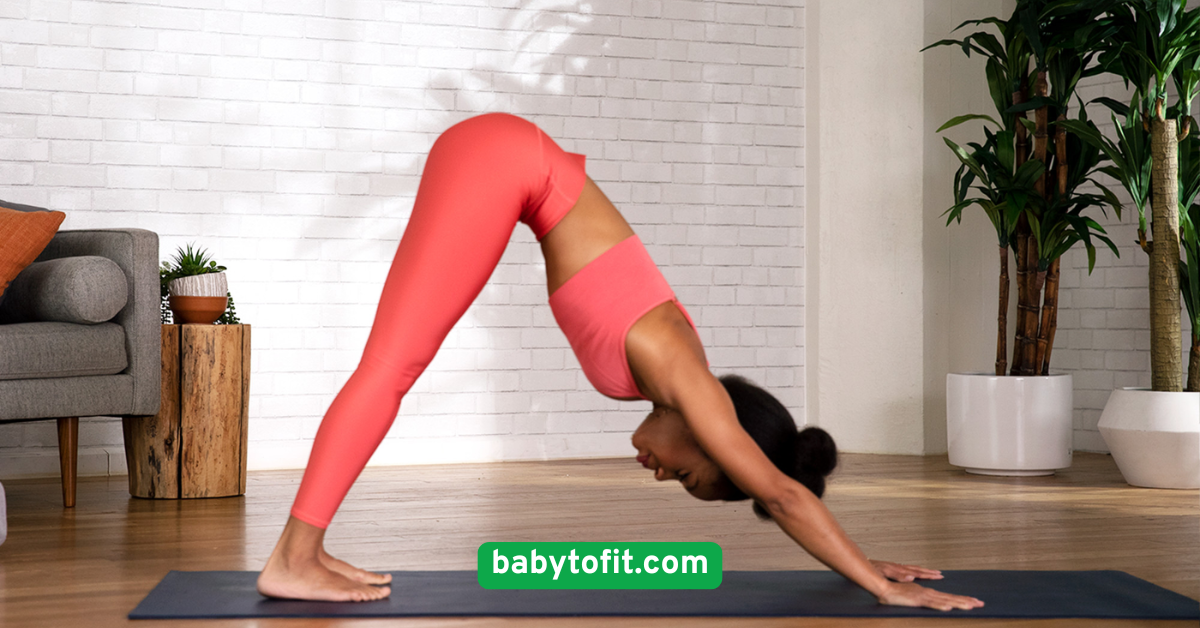
18. Babywearing Dance Walk
Put on a comfortable baby carrier and take a gentle walk or dance around your home. The rhythmic movement and fresh air elevate mood and increase energy naturally.This workout strengthens legs and core while bonding with your baby, making exercise fun and practical.
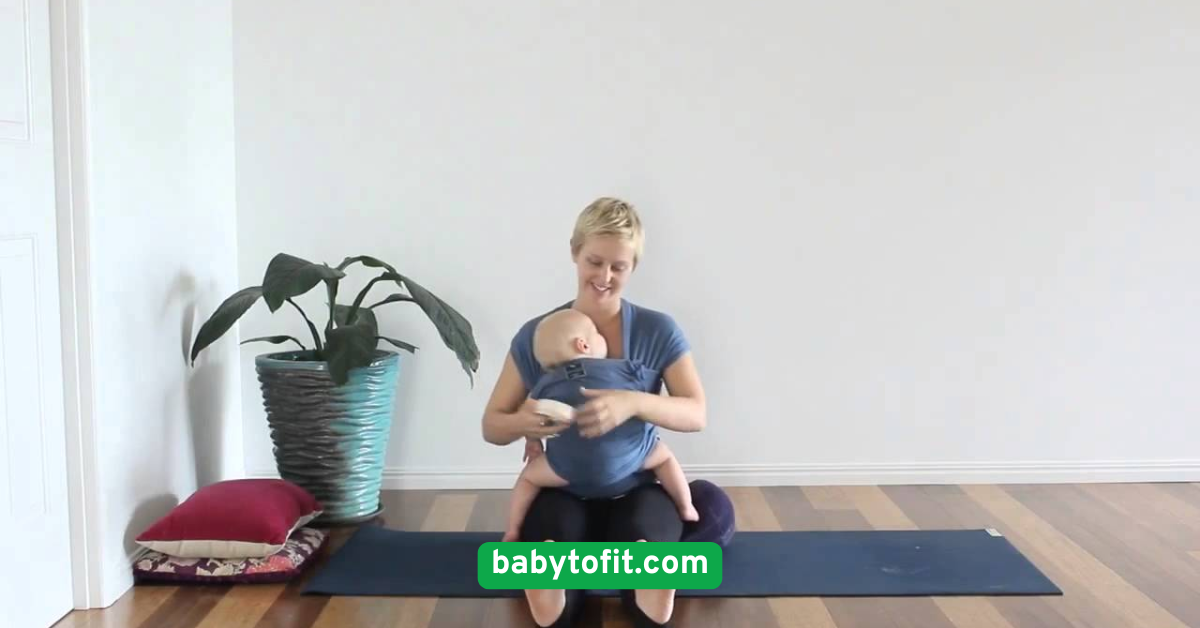
19. Floor Angels
Lie on your back with arms at your sides, palms facing up. Slowly raise arms overhead in a wide arc, then bring them back down, mimicking a snow angel motion.Floor angels enhance shoulder mobility and upper back strength, improving posture and easing tension from motherhood duties.
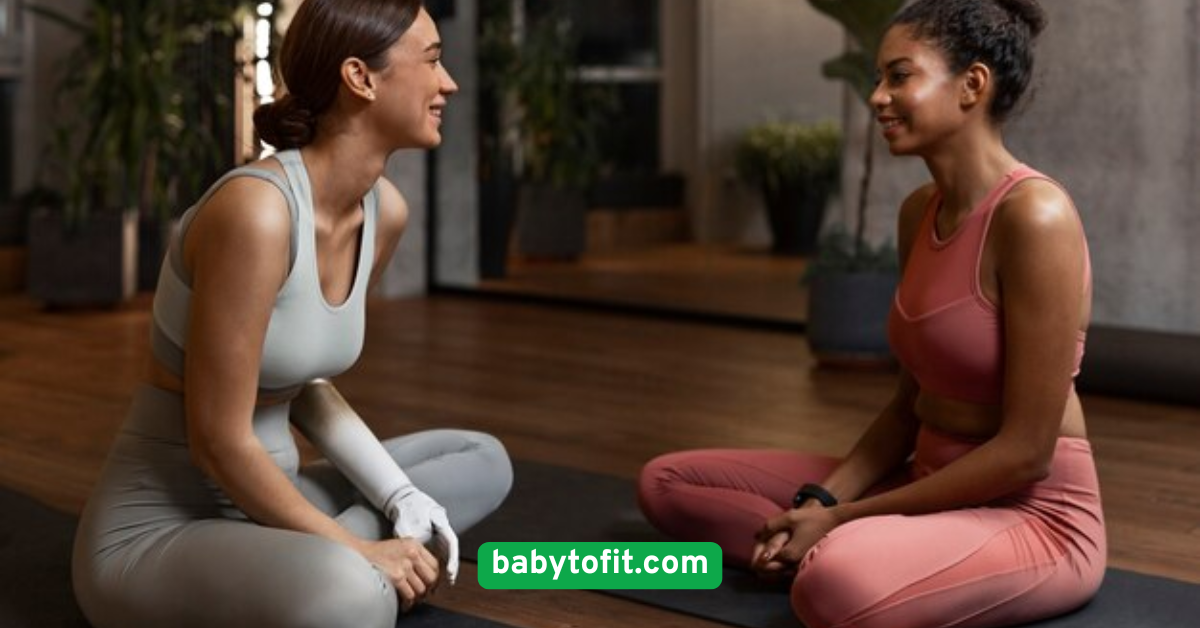
20. Resistance Band Rows
Using a resistance band anchored at chest height, pull the band towards you, squeezing shoulder blades together. Slowly release and repeat.Rows strengthen the upper back and improve posture, which is essential for reducing back pain and improving energy.
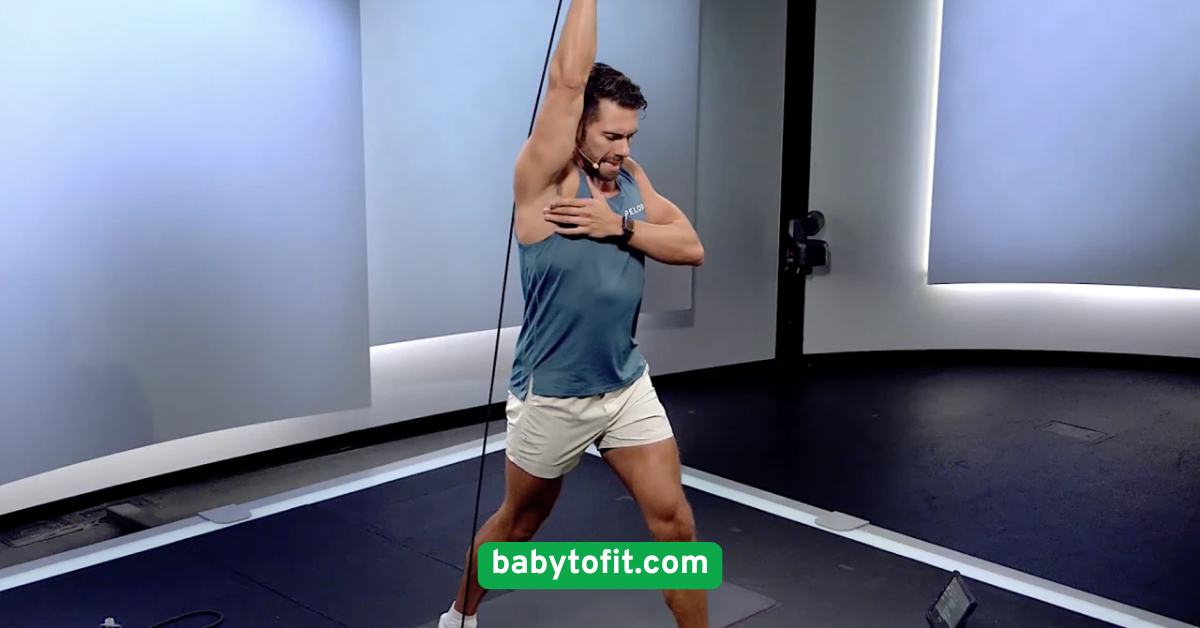
21. Toe Taps
Lie on your back with knees bent and feet off the floor. Slowly tap one toe to the ground, then lift back up, alternating sides.Toe taps target lower abs and improve coordination, contributing to core recovery and energy.

22. Clamshells
Lie on your side with knees bent. Keeping feet together, lift the top knee as high as possible, then lower.Clamshells strengthen the hips and glutes, promoting pelvic stability and balance.

23. Modified Sun Salutation
Adapt the traditional yoga flow by moving slowly through forward folds, half lifts, and gentle lunges, focusing on breath and movement.This sequence improves flexibility, circulation, and mental clarity, making it a holistic energy booster.

24. Cool Down Breathwork
Finish your workout with deep, slow breathing to calm the nervous system and promote relaxation.This helps lower cortisol, reduce fatigue, and foster a sense of peace after activity.
25. Assisted Walking Lunges
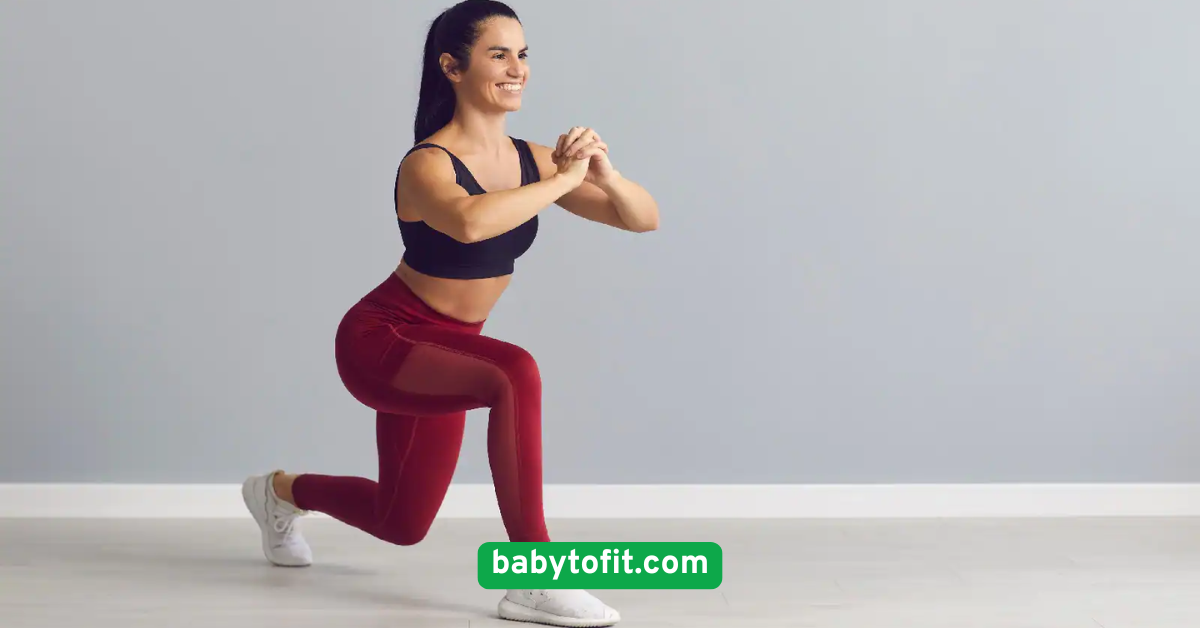
Using a sturdy chair or wall for support, step forward into a lunge, keeping your balance. Alternate legs.Lunges build leg strength and coordination safely, supporting mobility and endurance postpartum.
Conclusion
Recovering postpartum is a beautiful yet challenging journey, and integrating these 25 healing workouts can be a game-changer in restoring your strength and boosting your energy. Remember, the goal is gentle progress—listen to your body, honor your limits, and celebrate every small victory. Consistency, even in small doses, fosters healing, improves mood, and reconnects you with your powerful, resilient body. You deserve to feel energized, confident, and supported as you embrace motherhood. Start slow, stay patient, and enjoy every step of your postpartum fitness journey!


