20 Healing Postpartum Workouts to Regain Strength
Did you know? Research shows that postpartum exercise, when done thoughtfully, can reduce recovery time, ease discomfort, and even lower stress. Whether you’re fresh out of the hospital or a few weeks in, these 20 healing workouts are designed to fit your new mom lifestyle. They focus on nurturing your body, improving posture, and regaining strength gradually—without pushing too hard. Let’s dive into these empowering workouts that honor your journey and help you feel strong again.
1. Pelvic Tilts
Pelvic tilts are one of the foundational exercises for postpartum recovery. This simple movement helps reconnect you with your core muscles, especially the deep abdominal muscles that support your pelvis and lower back. To perform a pelvic tilt, lie on your back with knees bent and feet flat on the floor. As you exhale, gently tuck your pelvis under, pressing your lower back into the floor. Hold briefly, then release.
Pelvic tilts not only strengthen your core but also relieve lower back pain, a common postpartum complaint. They encourage proper pelvic alignment, which is key when you’re breastfeeding or carrying your baby. Because of their gentle nature, pelvic tilts are safe to begin even in the first few weeks postpartum. Try doing 10 to 15 reps daily, gradually increasing as your comfort grows.

2. Kegel Exercises
Kegels are a must-do after childbirth. These exercises target the pelvic floor muscles, which support the bladder, uterus, and bowels. Pregnancy and delivery can weaken these muscles, leading to issues like incontinence or pelvic organ prolapse if not addressed. To perform Kegels, squeeze the muscles you use to stop urinating, hold for 3 to 5 seconds, then release slowly.
The beauty of Kegel exercises is their versatility—you can do them anywhere, anytime. Whether you’re nursing, cooking, or watching TV, strengthening these muscles promotes quicker recovery and better core stability. Regular practice improves bladder control and even enhances sexual health postpartum. Aim to do multiple sets daily for the best results.

3. Diaphragmatic Breathing
Postpartum recovery isn’t just about muscles—it’s about nurturing your whole body. Diaphragmatic breathing is a gentle yet powerful exercise that supports core activation and stress relief. Sit or lie down comfortably, placing one hand on your belly and the other on your chest. Inhale deeply through your nose, allowing your belly to expand while keeping your chest still. Exhale slowly through your mouth, feeling your belly contract.
This mindful breathing technique helps engage your deep core muscles without strain and calms the nervous system. For many new moms, diaphragmatic breathing also provides a moment of peace amidst the chaos, boosting mental clarity and energy. Try incorporating it into your daily routine, especially before or after other workouts.

4. Heel Slides
Heel slides are a gentle way to activate the lower abdominal muscles and hip flexors. Lying on your back with knees bent, slowly slide one heel out straight, keeping your foot in contact with the floor, then slide it back. Repeat on the other leg. This movement supports pelvic stability and coordination while being gentle on your body.Safe during the early postpartum phase, heel slides help restore hip mobility and ease stiffness. The controlled, slow motion encourages proper muscle recruitment and avoids unnecessary strain. Aim for 10 to 12 repetitions on each leg, focusing on smooth, deliberate movements to maximize benefits.
5. Glute Bridges
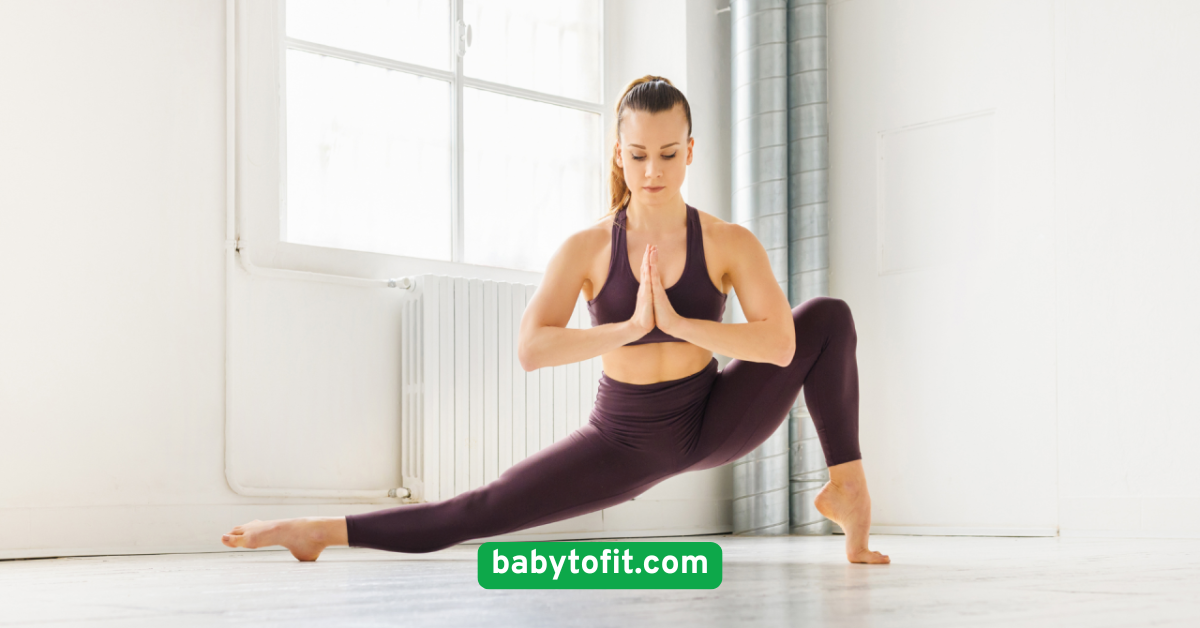
Glute bridges strengthen your glute muscles, lower back, and pelvic floor—all vital areas postpartum. To do this exercise, lie on your back with knees bent and feet hip-width apart. Press your heels into the floor and lift your hips toward the ceiling, creating a straight line from your shoulders to your knees. Hold briefly, then lower back down slowly.This exercise counters the tight hips and weak glutes that often result from pregnancy and childbirth. Strong glutes improve posture and alleviate lower back pain, common postpartum issues. For an extra challenge, place a pillow or small ball between your knees and squeeze as you lift, activating inner thigh muscles and enhancing pelvic floor engagement.

6. Bird Dog
The bird dog exercise is excellent for improving core stability, balance, and back strength. Begin on your hands and knees in a tabletop position. Extend your right arm forward and left leg backward, keeping your hips level. Hold the pose for a few seconds, then return to start and switch sides.This move trains your body to stabilize your spine during movement—an essential skill when constantly lifting and carrying your baby. Bird dogs also reduce lower back pain by strengthening the muscles that support your spine. As you gain strength, hold the position longer or add ankle weights for progression.

7. Cat-Cow Stretch
Inspired by yoga, the cat-cow stretch promotes spinal mobility and gentle core activation. Start on all fours; inhale as you drop your belly and lift your head and tailbone (cow pose). Exhale while rounding your spine, tucking your chin and tailbone (cat pose). Flow between these movements, syncing breath and motion.This stretch releases tension in the back and abdomen, which can build up from pregnancy and motherhood. It’s soothing, restorative, and a great way to warm up or wind down your postpartum workouts. Performing cat-cow daily enhances flexibility and comfort.

8. Seated Forward Fold
This stretch targets the hamstrings and lower back, areas often tight postpartum. Sit on the floor with legs extended and feet flexed. Inhale to lengthen your spine, then exhale as you hinge forward from your hips, reaching toward your toes.Even if you can’t reach far, this movement gently eases lower back tightness and calms your nervous system. It’s an excellent cooldown after more active postpartum exercises, helping you feel relaxed and refreshed.
9. Standing Wall Push-Ups
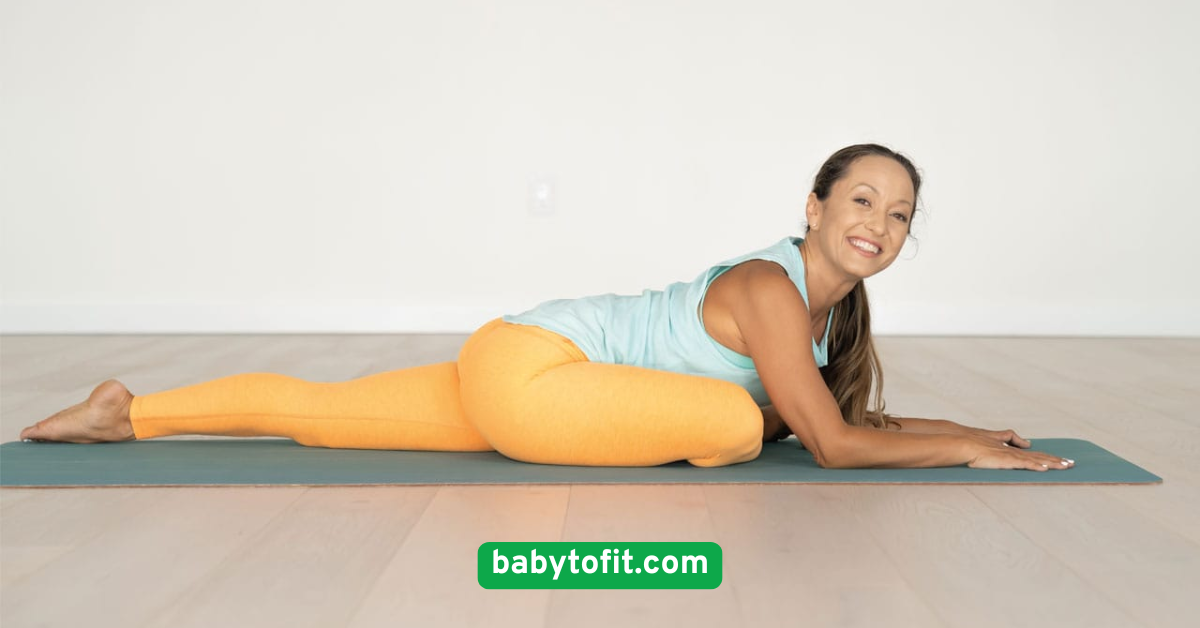
Wall push-ups are a gentle way to build upper body strength without putting too much pressure on your shoulders or wrists. Stand an arm’s length away from a wall with hands placed shoulder-width apart. Slowly bend your elbows to lean your chest toward the wall, then push back to the starting position.Upper body strength is crucial postpartum for tasks like lifting your baby and carrying groceries. Wall push-ups allow you to work these muscles safely and effectively. Adjust difficulty by changing your distance from the wall, and aim for 2–3 sets of 10 reps.
10. Step Touches
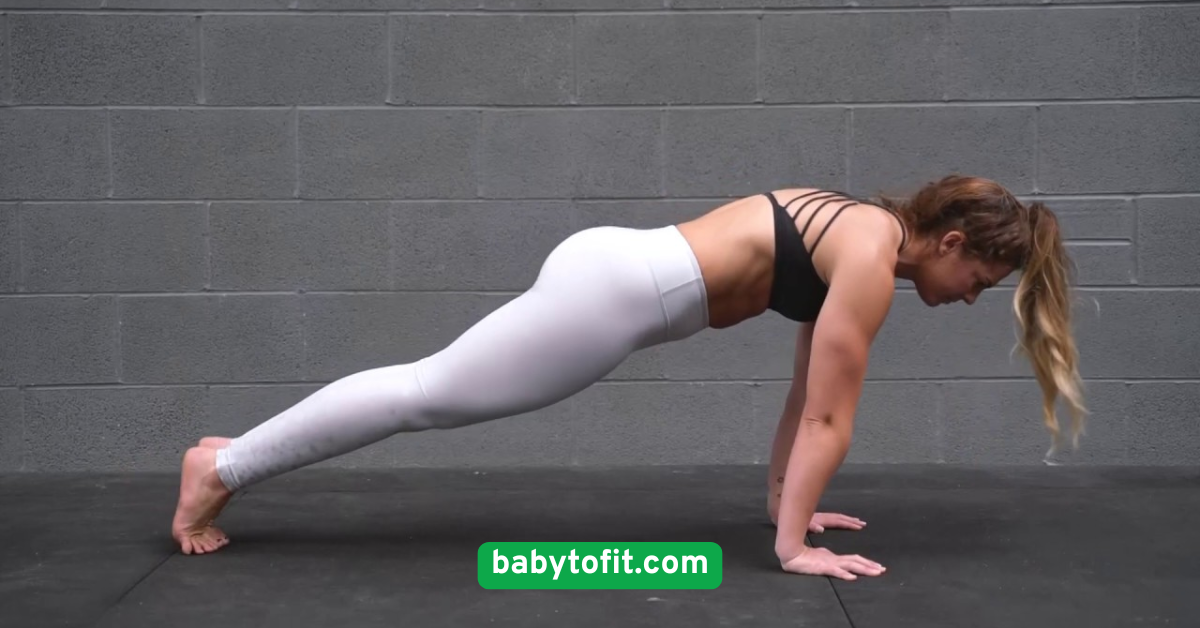
Step touches are a low-impact cardio exercise that gently raises your heart rate, improves circulation, and boosts energy. Step your right foot out to the side, then bring your left foot to meet it, adding arm swings for rhythm. Repeat on the other side.This move is perfect for postpartum moms who want to incorporate light cardio without high impact. Step touches can be done anywhere and even while holding your baby. For a challenge, add light ankle weights or resistance bands.

11. Seated Leg Lifts
Seated leg lifts strengthen your lower abs and hip flexors while minimizing back strain. Sit upright in a sturdy chair, engage your core, and slowly lift one leg straight out. Hold for a moment, then lower and repeat with the other leg.This exercise is ideal for days when standing workouts are challenging. It helps improve leg strength and core control, supporting better posture and mobility during postpartum recovery.

12. Standing Calf Raises
Calf raises promote lower leg strength and improve circulation—important for reducing swelling and discomfort postpartum. Stand tall, rise onto the balls of your feet, hold briefly, and then slowly lower your heels back to the floor.Performing calf raises throughout the day encourages better blood flow and helps combat fatigue. They’re simple enough to do while waiting in line or during short breaks and can be done with or without holding onto a support.

13. Leg Extensions on Chair
Leg extensions target your quadriceps and improve knee stability. Sit with good posture and slowly straighten one leg until it is fully extended. Hold briefly, then lower it back down. Alternate legs.This low-impact exercise helps regain strength in your legs and supports mobility. It’s perfect for moms easing back into exercise and aiming to rebuild endurance safely.
14. Arm Raises with Light Weights
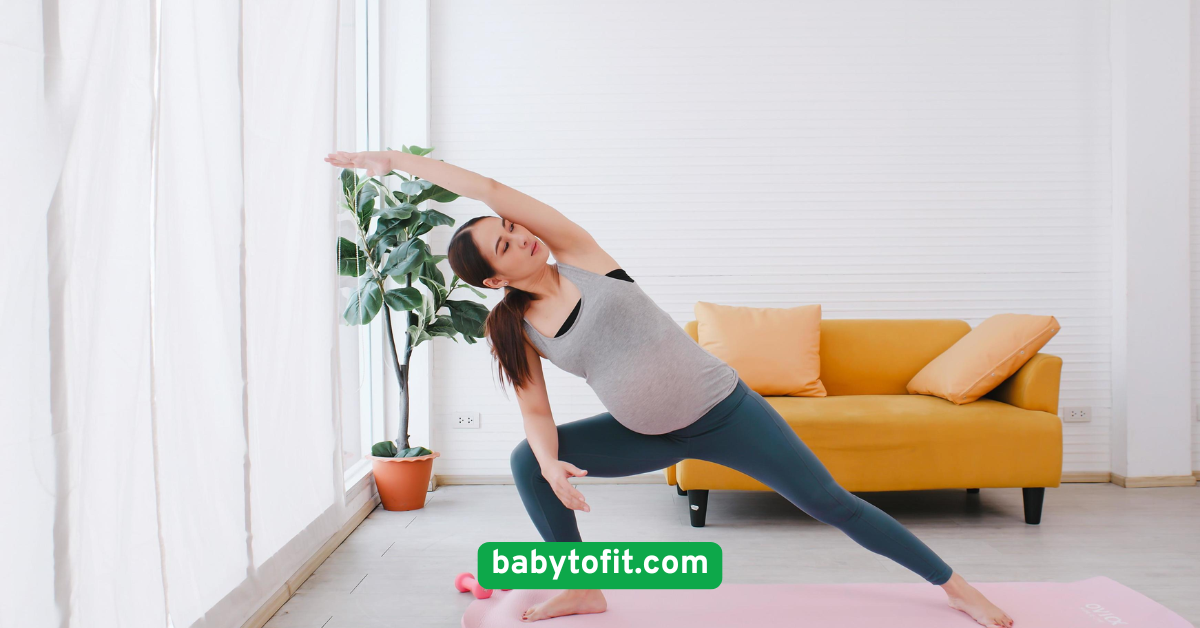
Using light dumbbells or household items like water bottles, arm raises strengthen your shoulders and upper back muscles. Either seated or standing, raise your arms to shoulder height slowly, then lower them with control.Strengthening your upper body improves posture and helps with the physical demands of caring for your baby. Start with light weights and focus on slow, deliberate movements for the best results.

15. Supine Marches
Supine marches activate your lower abdominal muscles gently. Lie on your back with knees bent and feet flat. Engage your core, lift one foot off the ground in a marching motion, then alternate legs.This exercise helps re-engage your core without placing strain on your healing body. It promotes pelvic stability and is excellent for the early postpartum weeks.

16. Knee Push-Ups
Knee push-ups are a modified version of traditional push-ups that reduce body weight on the arms. Start in a plank position on your knees and hands. Lower your chest slowly to the floor and push back up.This exercise builds upper body strength safely, making it suitable for postpartum moms rebuilding their fitness. Gradually increase reps as your strength improves.

17. Hip Circles
Hip circles improve flexibility and pelvic mobility. Stand with feet hip-width apart and gently circle your hips in a controlled motion, first clockwise, then counterclockwise.This movement eases tension in the hips and lower back, promoting blood flow and energy. It’s a wonderful addition to warm-ups or cooldowns during postpartum exercise routines.

18. Babywearing Dance Walk
Put your baby in a comfortable carrier and enjoy a gentle dance walk around your home or outdoors. This rhythmic movement elevates your mood, boosts circulation, and strengthens your legs and core.Babywearing workouts are a fantastic way to bond while gently exercising. The movement is natural, fun, and helps increase energy levels throughout your day.

19. Floor Angels
Lie on your back with your arms at your sides, palms facing up. Slowly raise your arms overhead in a wide arc, then bring them back down, mimicking a snow angel.Floor angels improve shoulder mobility and strengthen the upper back muscles. This is key for maintaining good posture and reducing tension after hours of holding or nursing your baby.
20. Resistance Band Rows
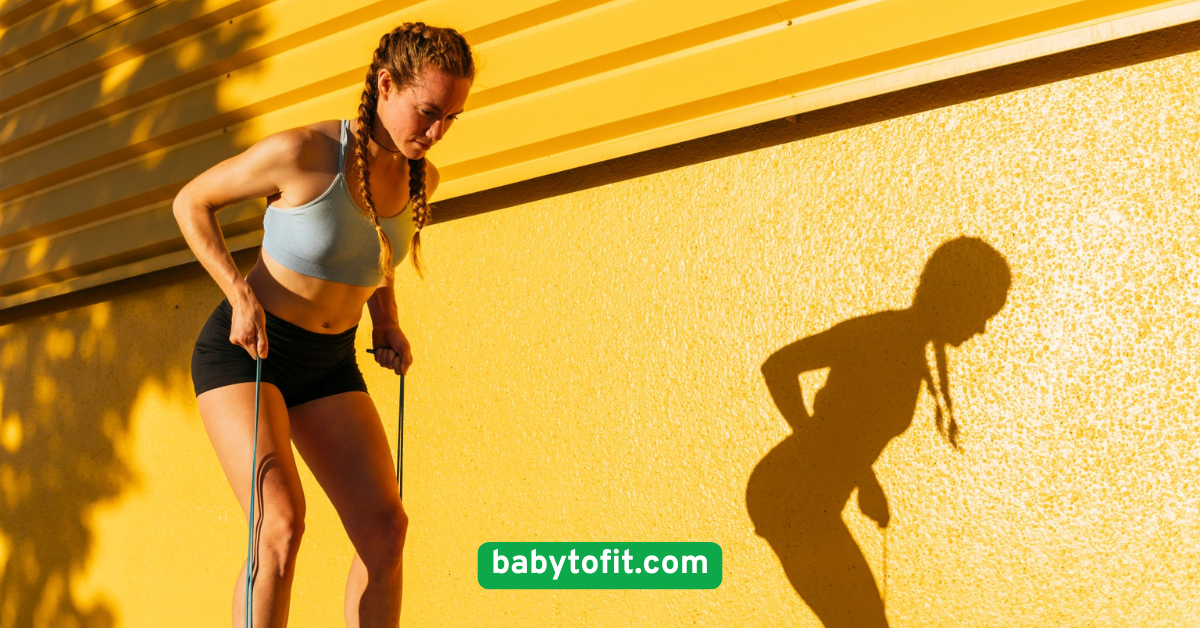
Using a resistance band anchored at chest height, pull the band towards you while squeezing your shoulder blades together. Slowly release and repeat.This exercise strengthens your upper back and shoulders, helping correct posture and reduce back pain. Resistance band rows are easy to do at home and adaptable to all fitness levels.
Conclusion
Regaining strength after childbirth is a gradual process that deserves patience, care, and consistency. These 20 healing postpartum workouts provide a gentle yet effective roadmap to rebuild your core, enhance your posture, and boost your energy naturally. Remember, every small step counts, and listening to your body is the most important part of your recovery journey. Celebrate your progress, honor your limits, and enjoy reconnecting with your powerful, resilient self. You’ve got this, mama!


