30 Safe Postpartum Workouts for New Moms
These carefully selected 30 safe postpartum workouts are designed specifically for new moms, focusing on restoring strength, improving circulation, and boosting energy without overwhelming the body. Whether you’re navigating c-section recovery, healing from a vaginal birth, or simply easing back into fitness, these exercises prioritize safety and effectiveness. Best of all, they fit easily into a busy mom’s life, requiring minimal equipment and time.Let’s explore these gentle yet powerful moves that help you reclaim your body and confidence—one step at a time!
1. Pelvic Tilts
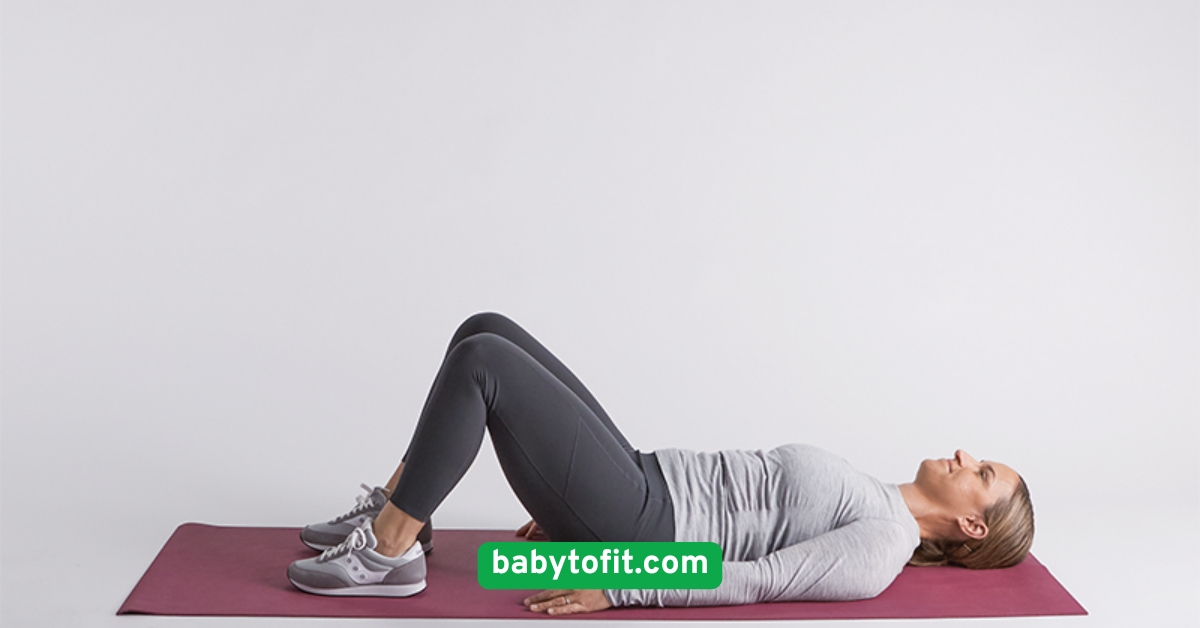
Pelvic tilts are foundational for postpartum recovery, especially in rebuilding core strength and alleviating lower back pain. This simple exercise encourages gentle engagement of the deep abdominal muscles, which are often weakened during pregnancy and childbirth.To perform a pelvic tilt, lie on your back with knees bent and feet flat on the floor. Slowly flatten your lower back against the floor by tilting your pelvis upward. Hold this position for a few seconds, then release. This motion helps realign your pelvis and strengthens the muscles that support your lower spine.Practicing pelvic tilts daily can reduce discomfort while nursing or carrying your baby. It’s a perfect early postpartum workout that fosters body awareness and core control. Remember, start slow and increase repetitions as you feel stronger.
2. Kegel Exercises
Strengthening the pelvic floor is crucial after childbirth, and Kegel exercises are the gold standard. These tiny but mighty muscles support the bladder, uterus, and bowels, which can become stretched and weakened during delivery.To do Kegels, imagine stopping your urine flow and tighten those muscles. Hold for 3 to 5 seconds, then relax. Repeat this cycle multiple times throughout your day—while breastfeeding, watching TV, or even working.Kegels improve bladder control, enhance sexual health, and create a firmer core foundation for more dynamic workouts. The best part? You can do them discreetly anytime, anywhere. Consistency is key to seeing results!
3. Diaphragmatic Breathing
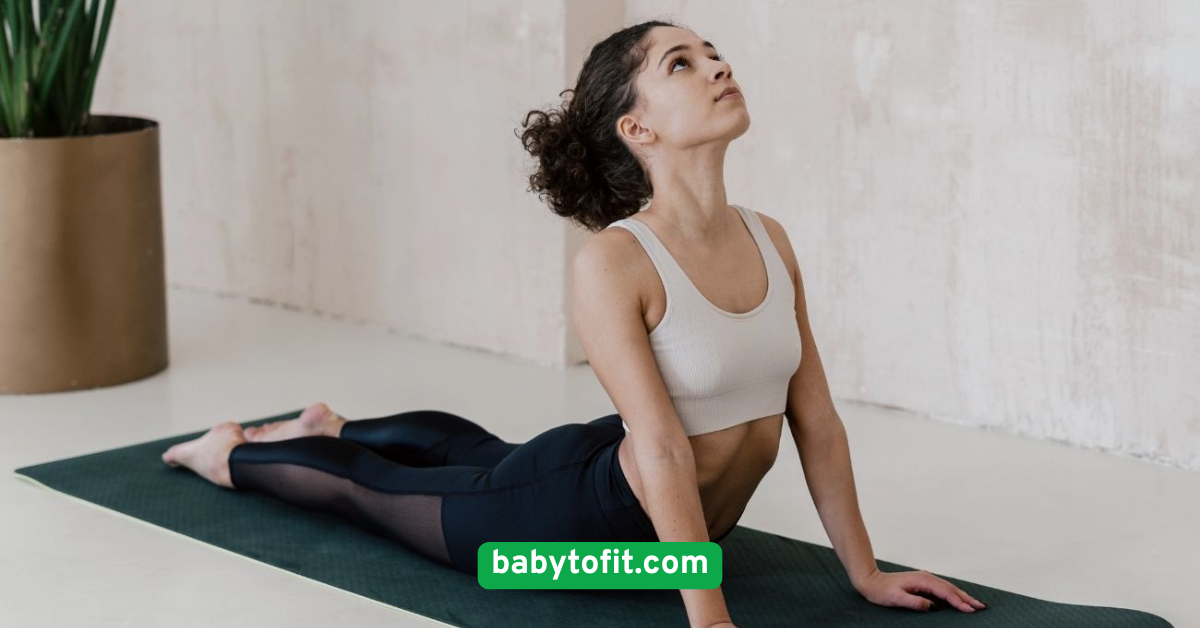
Deep, mindful breathing isn’t just relaxing—it’s a powerful postpartum workout tool. Diaphragmatic breathing helps activate your core muscles gently while calming the nervous system.Sit or lie comfortably with one hand on your belly and the other on your chest. Inhale deeply through your nose, feeling your belly expand, while keeping your chest still. Slowly exhale through your mouth, drawing your belly inward.Incorporating this breathing technique daily reduces stress and fatigue, improves oxygen flow, and prepares your body for more active movement. It’s an easy energy booster when life gets overwhelming.
4. Heel Slides
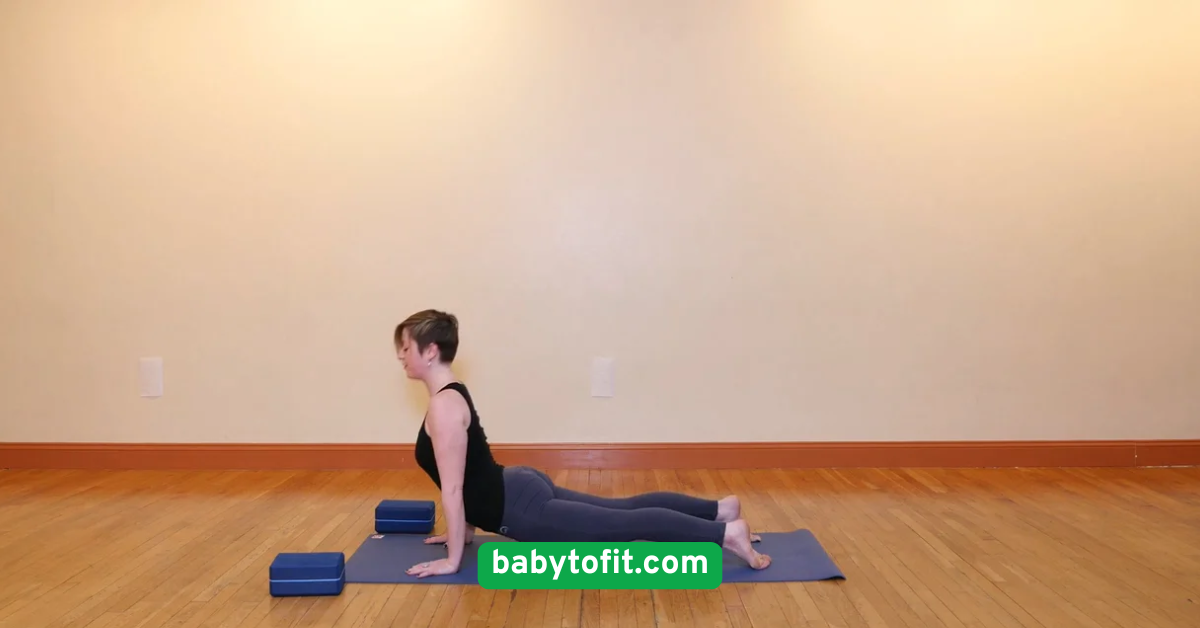
Heel slides activate your lower abdominal muscles and hip flexors with gentle, controlled movement. Lie on your back with knees bent and feet flat on the floor. Slowly slide one heel away from your body, straightening the leg as much as comfortable, then bring it back.This exercise enhances pelvic stability and coordination without placing strain on your back or pelvis. Aim for 10 to 12 slow, smooth repetitions per leg, focusing on engaging your core throughout.Heel slides are ideal for early postpartum recovery, encouraging mobility and gradual strengthening.
5. Glute Bridges
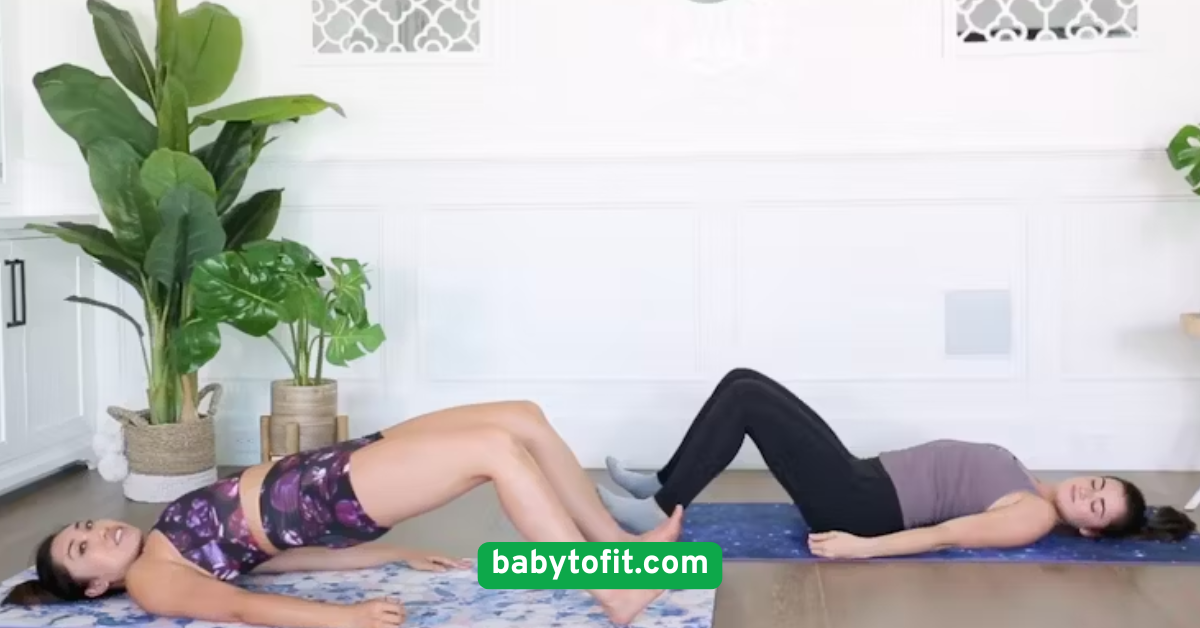
Glute bridges target the gluteal muscles, lower back, and pelvic floor, essential for postpartum posture and stability. To perform, lie on your back with knees bent and feet hip-width apart. Press through your heels and lift your hips towards the ceiling until your body forms a straight line from shoulders to knees.Hold briefly, then slowly lower your hips down. This exercise counteracts hip tightness and strengthens the muscles often weakened during pregnancy.You can enhance glute activation by squeezing a pillow between your knees, which also engages your inner thighs and pelvic floor. Doing glute bridges regularly supports your back and improves overall strength, making daily activities easier.
6. Bird Dog
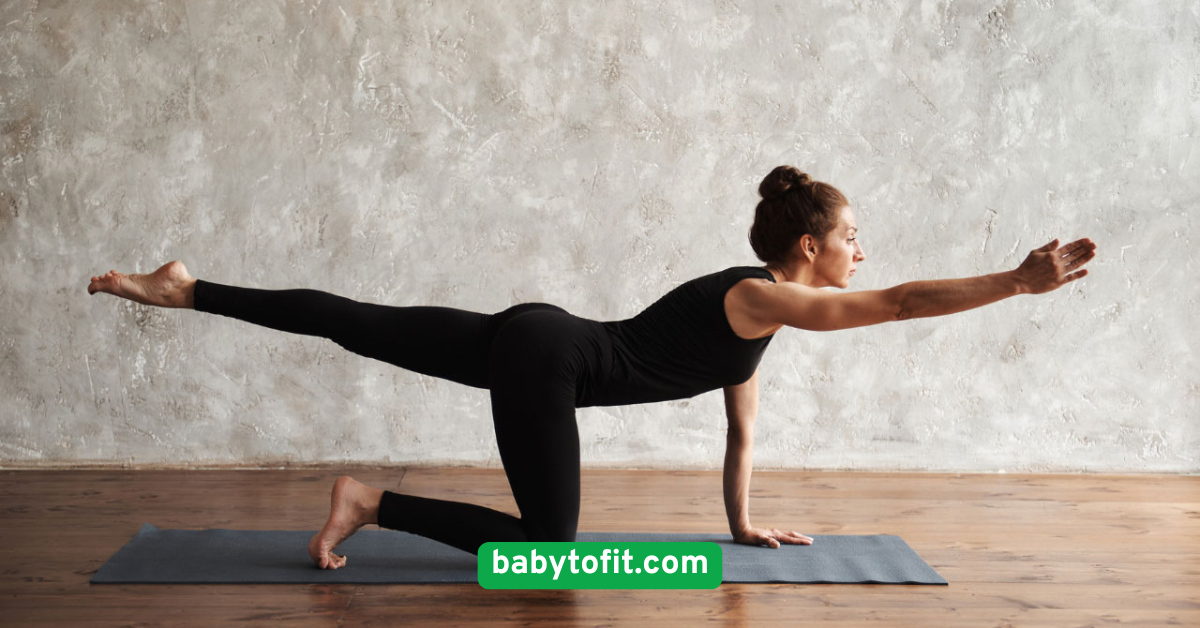
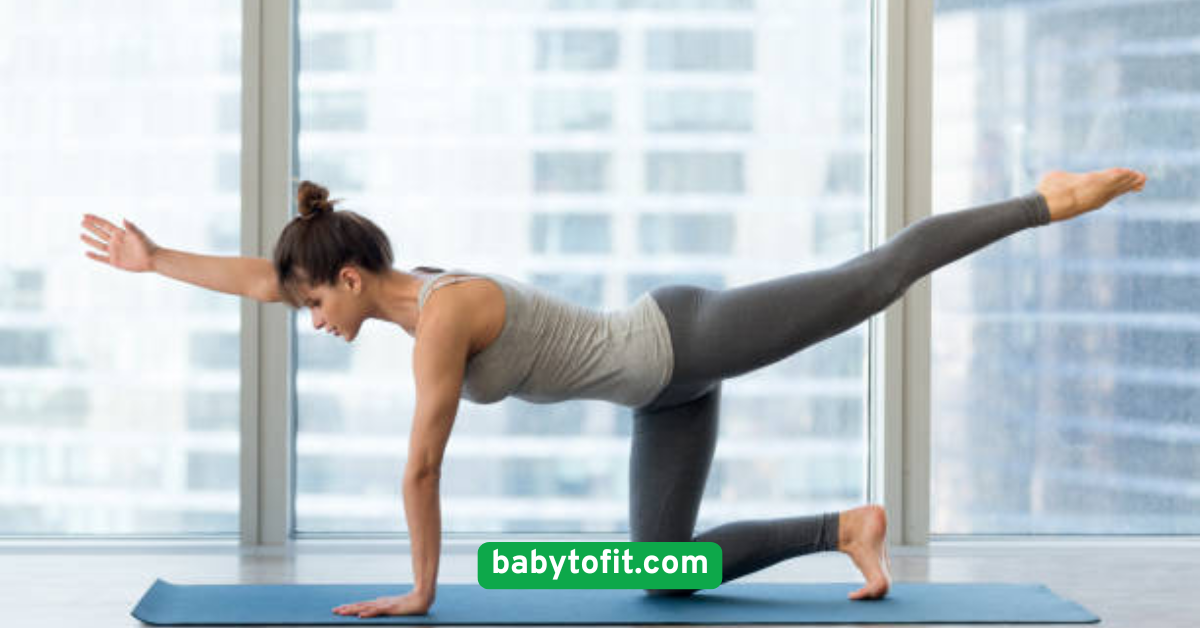
The bird dog exercise improves core stability, balance, and back strength—critical for new moms who spend a lot of time lifting and carrying their little ones. Start on hands and knees in a tabletop position. Slowly extend your right arm forward and left leg backward, keeping hips level. Hold for a few seconds, then return to starting position and switch sides.This move trains your body to stabilize the spine and reduces back pain by strengthening supportive muscles. For a challenge, hold the extended position longer or add light ankle weights.
7. Cat-Cow Stretch
Borrowed from yoga, the cat-cow stretch enhances spinal mobility and gently engages the core. On all fours, inhale as you drop your belly towards the floor and lift your head (cow). Exhale as you round your spine and tuck your chin (cat). Flow between these poses slowly, syncing breath with movement.This stretch relieves tension accumulated from pregnancy and childcare and helps you reconnect with your body. It’s an excellent warm-up or cool-down exercise that feels calming and restorative.

8. Seated Forward Fold
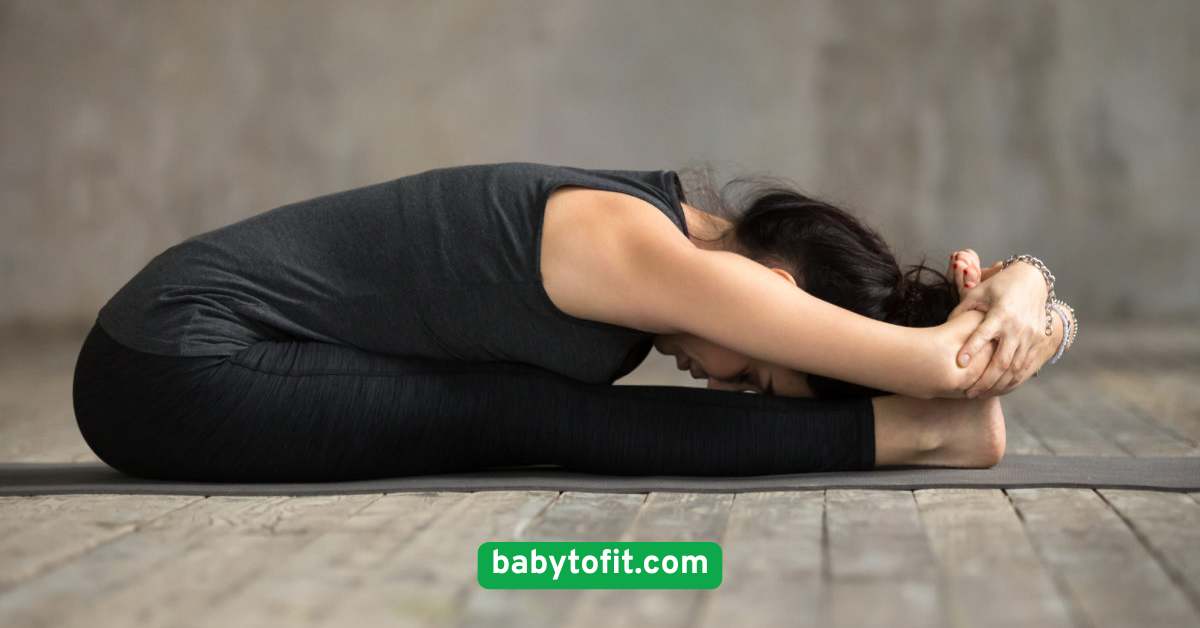
The seated forward fold targets the hamstrings and lower back, easing postpartum muscle tightness. Sit with legs extended, feet flexed. Inhale to lengthen your spine, then exhale as you hinge at the hips and reach toward your toes.Don’t worry about how far you can reach—this stretch gently relaxes the lower back and promotes flexibility. It’s especially soothing after carrying or feeding your baby, helping calm your nervous system.
9. Standing Wall Push-Ups
Wall push-ups strengthen the upper body safely, preparing you for lifting and holding your baby. Stand facing a wall, place hands at shoulder height, and slowly bend elbows to lower your body towards the wall. Push back to the starting position.This low-impact workout can be adjusted by changing the distance from the wall. It builds strength in the arms, shoulders, and chest without straining your joints.Aim for two to three sets of 10 reps, gradually increasing as you feel stronger.
10. Step Touches
Step touches are simple side-to-side steps that gently raise your heart rate and improve circulation. Step your right foot to the side and bring the left foot to meet it, adding a gentle arm swing for rhythm. Repeat to the left.This low-impact cardio movement can be done anywhere—even while holding your baby! Step touches help combat fatigue and boost energy naturally. For more intensity, try incorporating light weights or resistance bands.
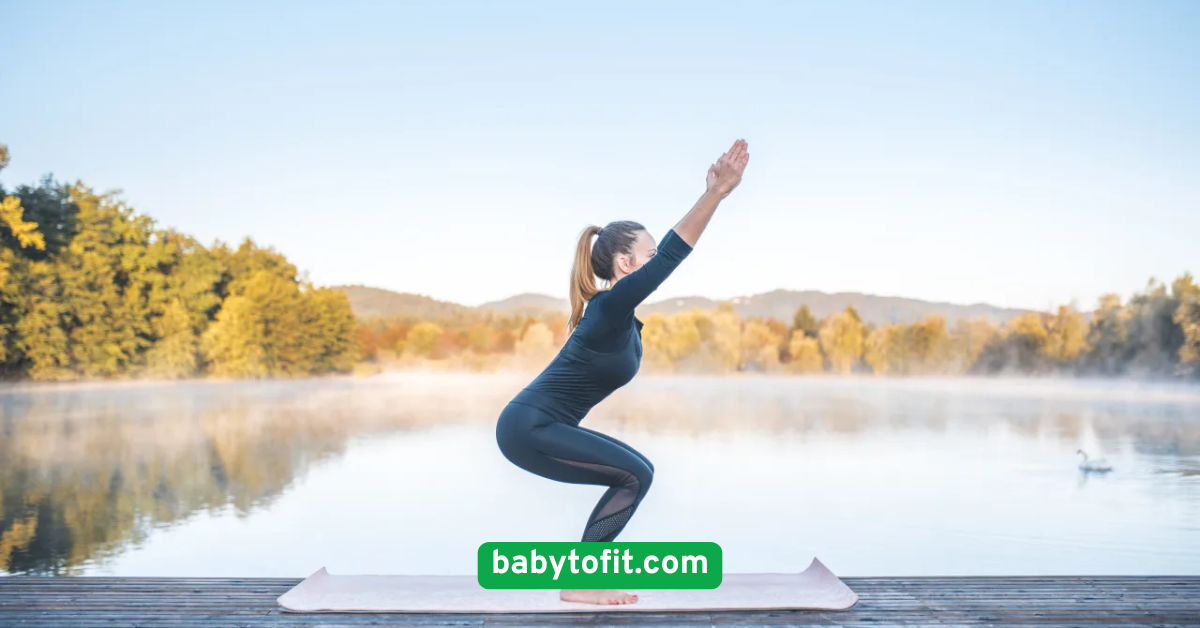
11. Seated Leg Lifts
Seated leg lifts strengthen lower abdominal muscles and hip flexors without putting pressure on your back. Sit on a sturdy chair with good posture, engage your core, and slowly lift one leg straight out. Hold for a few seconds, then lower and switch legs.This exercise is excellent for new moms who need to ease into movement. It improves leg strength and core control while allowing you to rest when needed.
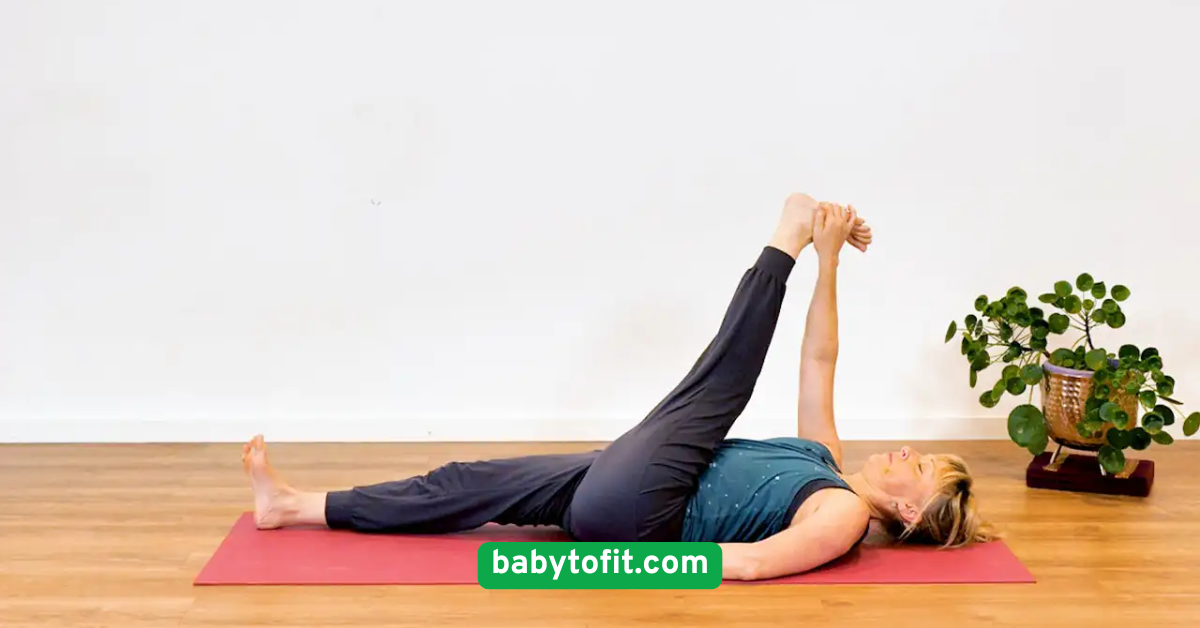
12. Standing Calf Raises
Calf raises promote lower leg strength and circulation—important for reducing swelling and improving endurance. Stand tall with feet hip-width apart. Rise onto the balls of your feet, hold for a moment, then slowly lower down.Performing calf raises regularly can help you feel more energized and stable on your feet. They’re easy to fit into your day and require no equipment.
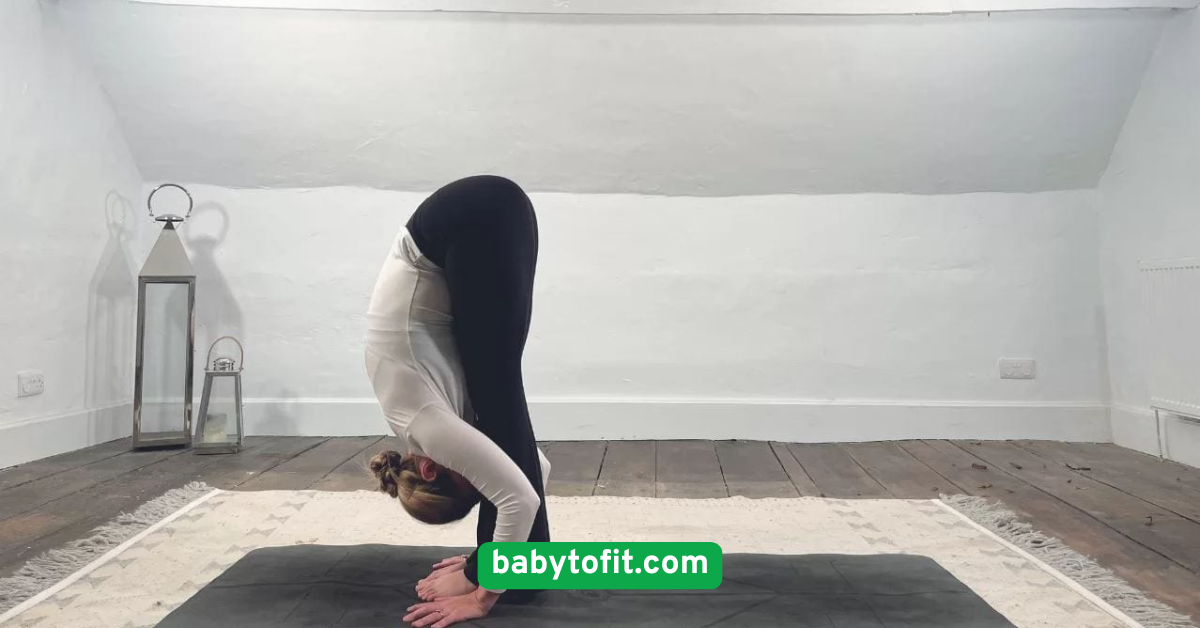
13. Leg Extensions on Chair
Leg extensions strengthen your quadriceps and improve knee stability. Sit upright on a chair, slowly extend one leg until it is straight, hold briefly, then lower. Alternate legs for balanced strength.This gentle movement supports mobility and protects your knees, making it a safe postpartum workout that helps you get moving confidently.
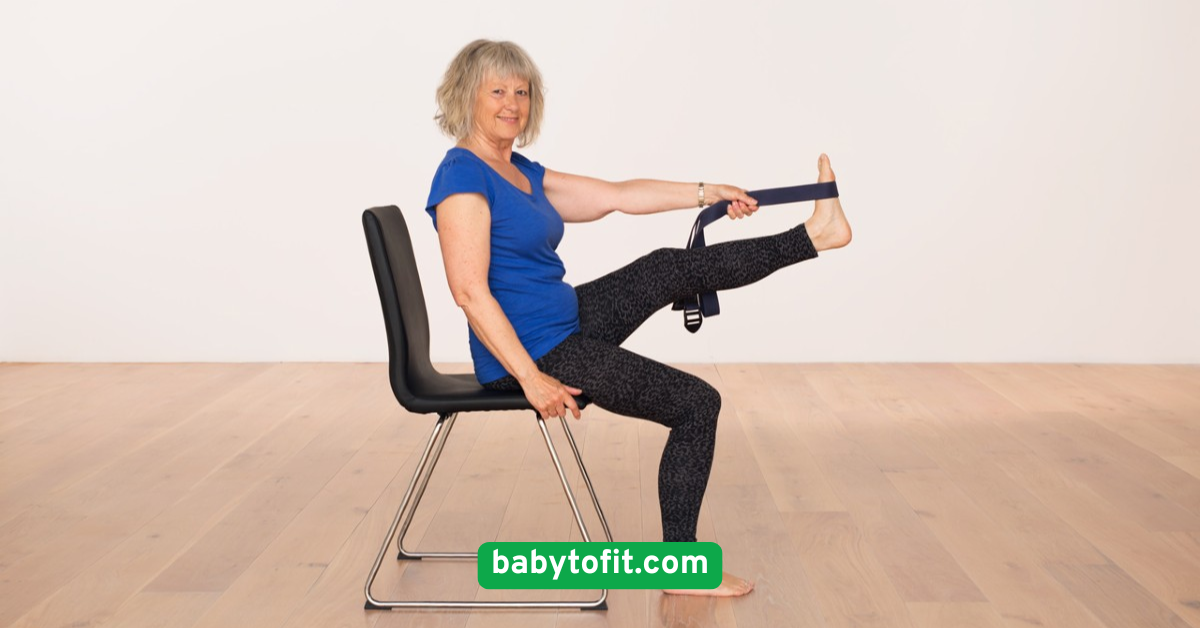
14. Arm Raises with Light Weights
Using light weights, water bottles, or resistance bands, arm raises build shoulder and upper back muscles. Sit or stand with weights in your hands, slowly lift your arms out to shoulder height, then lower.Stronger shoulders improve posture and ease the physical demands of carrying your baby. Focus on controlled, slow movements and start with low weight to avoid strain.
15. Supine Marches
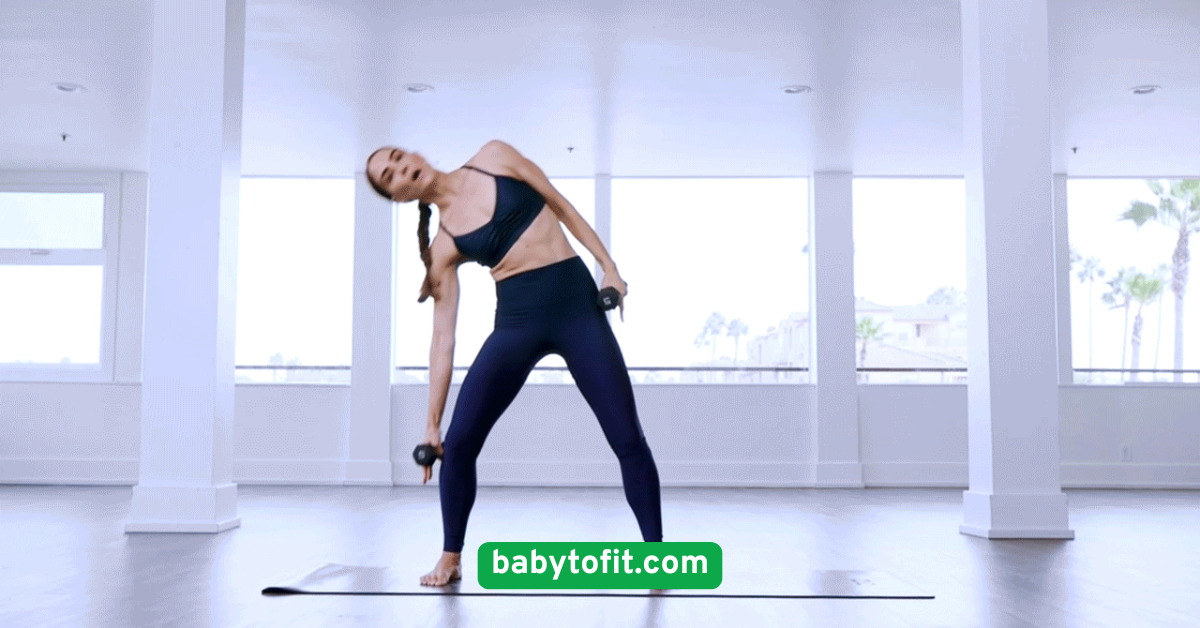
Supine marches help reconnect your core muscles gently. Lie on your back with knees bent, feet flat. Engage your abdominal muscles and lift one foot a few inches off the floor, then alternate legs in a marching rhythm.This exercise activates the lower abs without excess pressure, supporting pelvic stability and helping you regain control over your core.
16. Knee Push-Ups
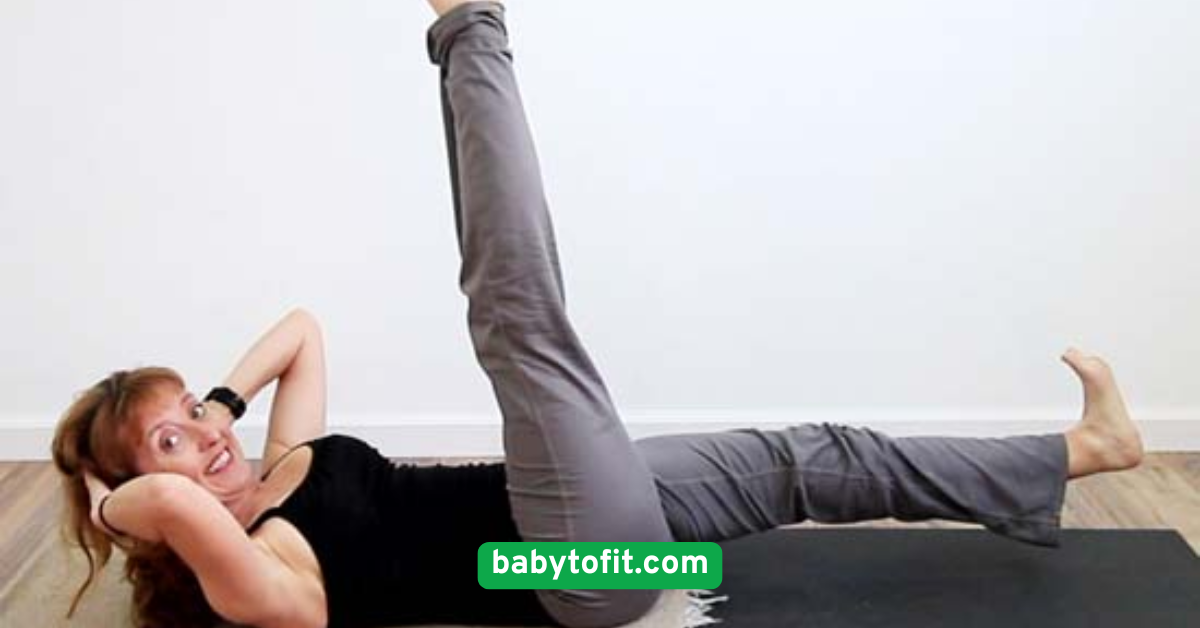
Knee push-ups are a great way to rebuild upper body strength while reducing the load on your muscles. Begin in a modified plank on your knees and hands, lower your chest towards the floor, then push back up.This exercise is perfect for postpartum moms working up to full push-ups. It strengthens the chest, arms, and shoulders gradually and safely.
17. Hip Circles
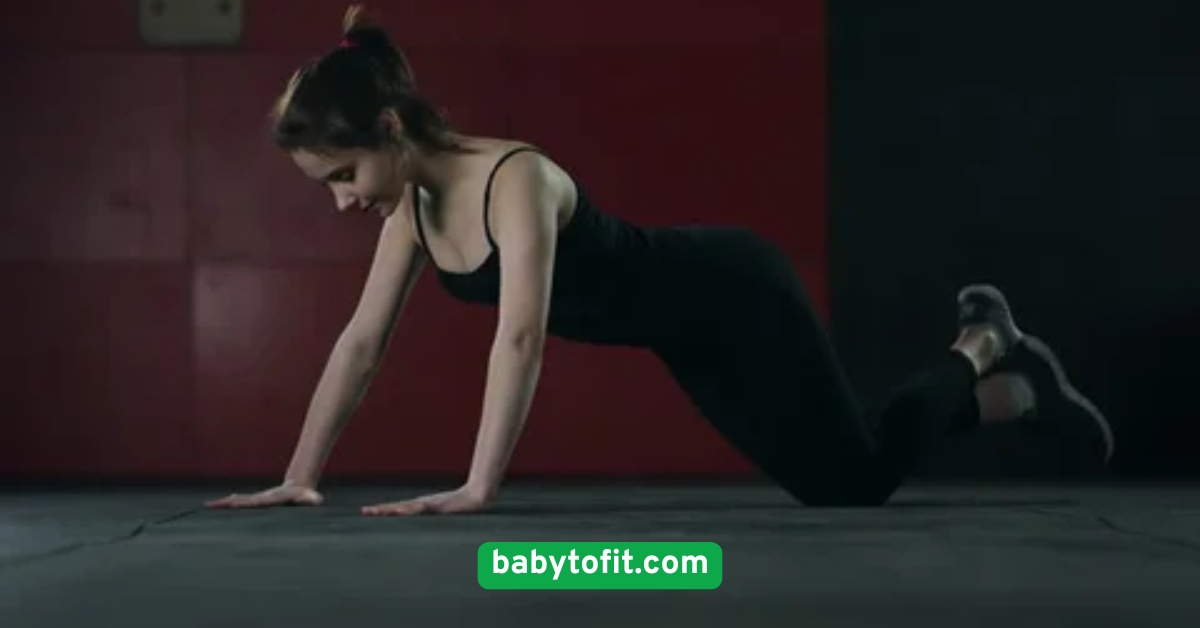
Hip circles improve pelvic mobility and help relieve tension. Stand with feet hip-width apart and slowly rotate your hips in a circle, first clockwise then counterclockwise.This gentle movement increases flexibility, improves circulation, and boosts energy—perfect for loosening up before or after workouts.
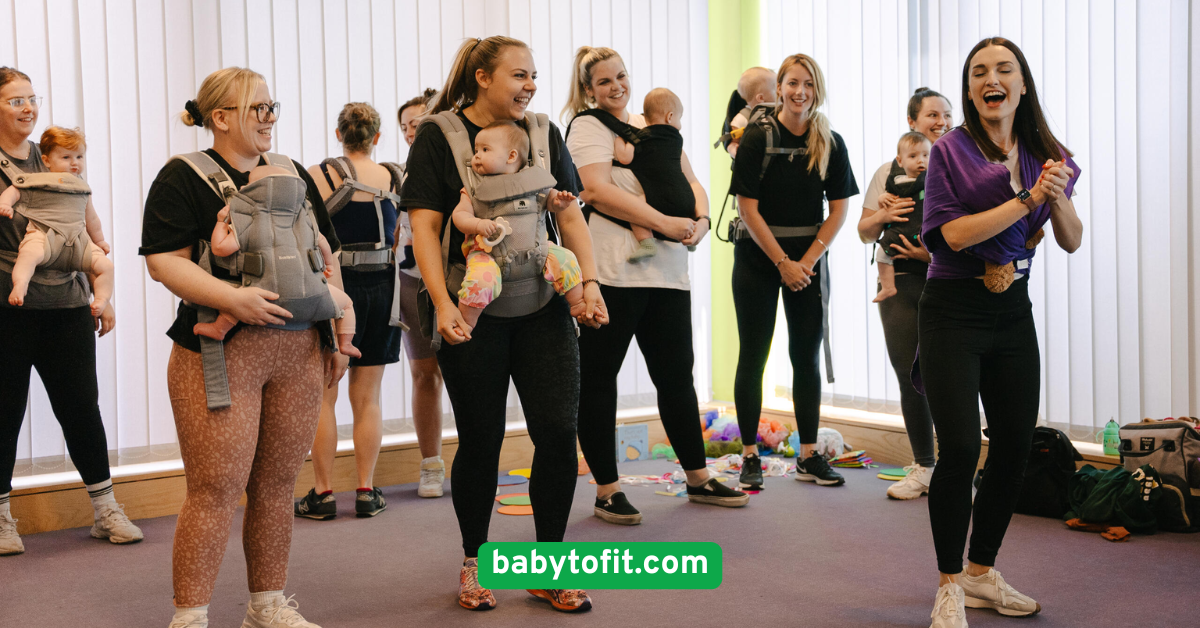
18. Babywearing Dance Walk
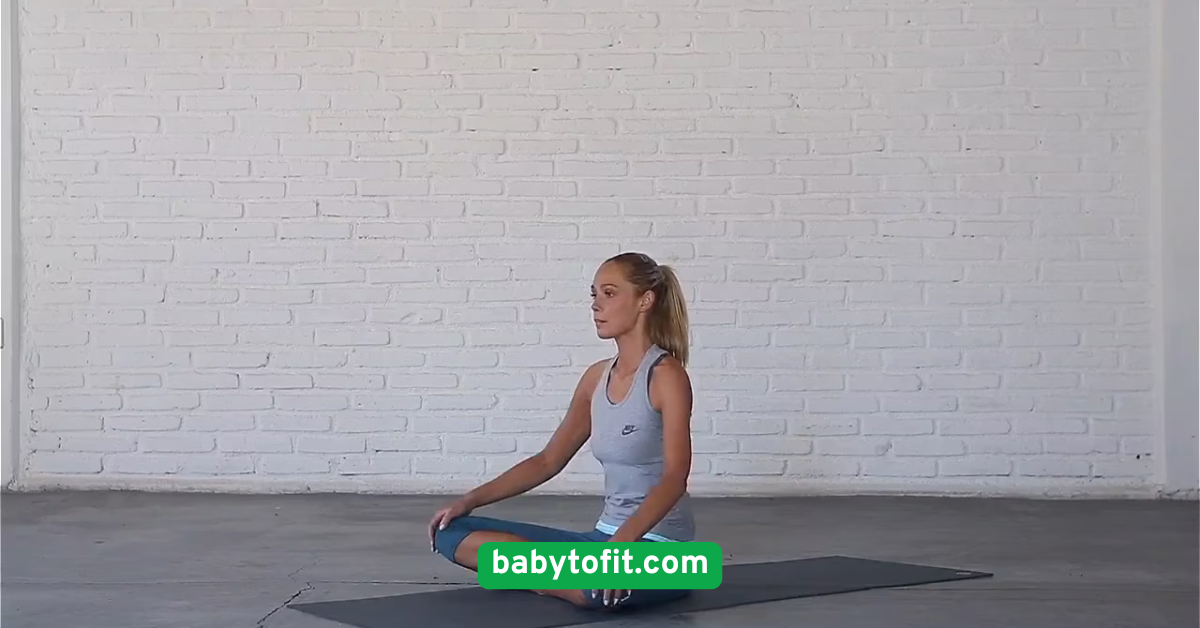
Babywearing dance walks are a fun, practical way to exercise with your baby close. Secure your baby in a comfortable carrier and dance or walk around your home.This rhythmic movement boosts your mood, strengthens your legs and core, and makes bonding part of your workout. It’s a joyful way to stay active!
19. Floor Angels
Floor angels improve shoulder mobility and posture. Lie on your back with arms at your sides, palms facing up. Slowly lift your arms overhead in a wide arc, then bring them back down, mimicking making a snow angel.This movement strengthens the upper back and shoulders, reducing tension from breastfeeding and carrying your baby.
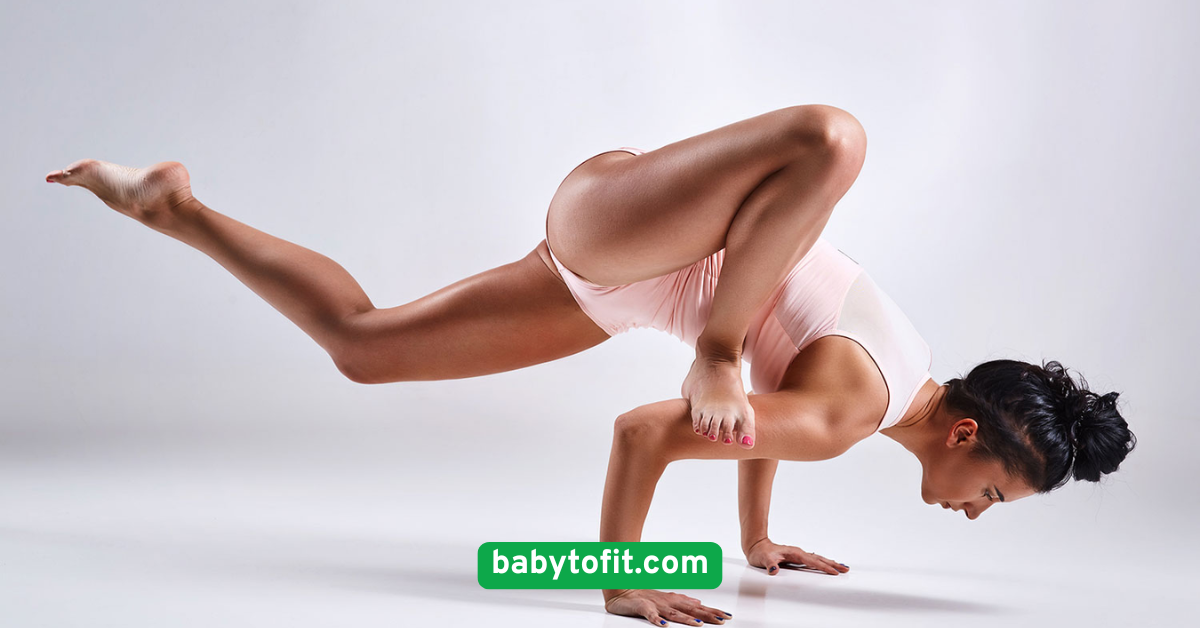
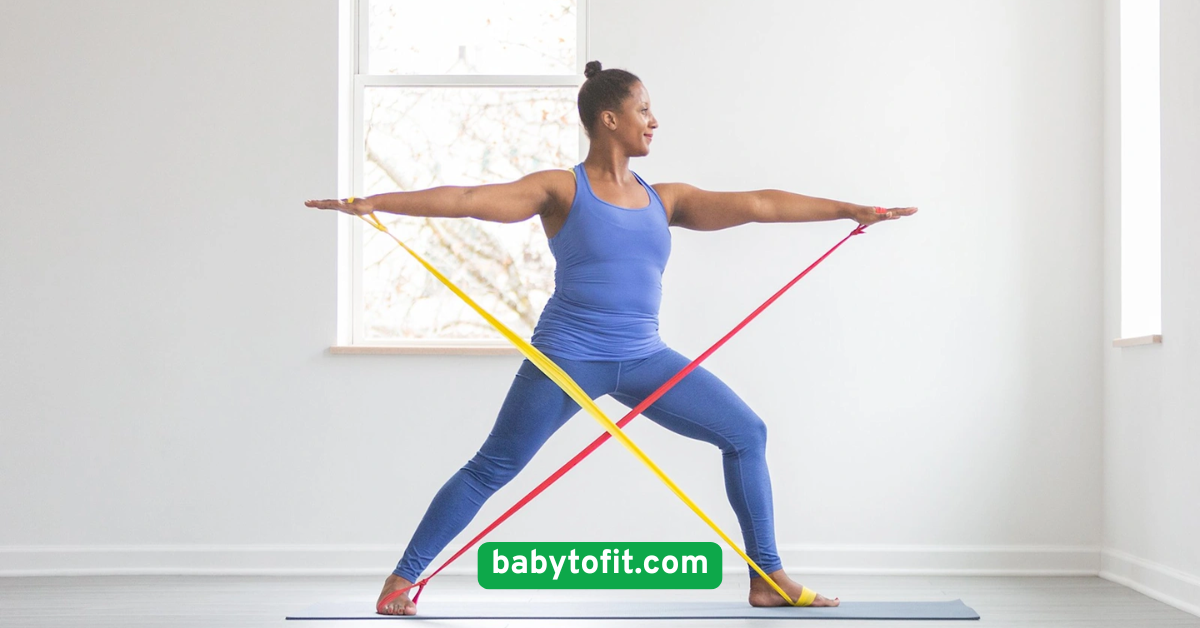
20. Resistance Band Rows
Resistance band rows target the upper back muscles, promoting better posture and reducing back pain. Anchor a resistance band at chest height, hold the ends, and pull towards yourchest while squeezing your shoulder blades together.Slowly release and repeat. This exercise counteracts the forward hunch that new moms often develop and supports spinal health.
21. Toe Taps
Toe taps work the lower abs and improve coordination. Lie on your back with knees bent and feet lifted a few inches off the floor. Slowly tap one toe to the ground, then lift it back up and alternate.This gentle movement helps rebuild core strength gradually while minimizing strain.
22. Clamshells
Clamshells strengthen the hips and glutes, improving pelvic stability. Lie on your side with knees bent, feet together. Lift the top knee while keeping your feet touching, then lower it back down.This exercise supports balance and reduces hip and lower back discomfort postpartum.
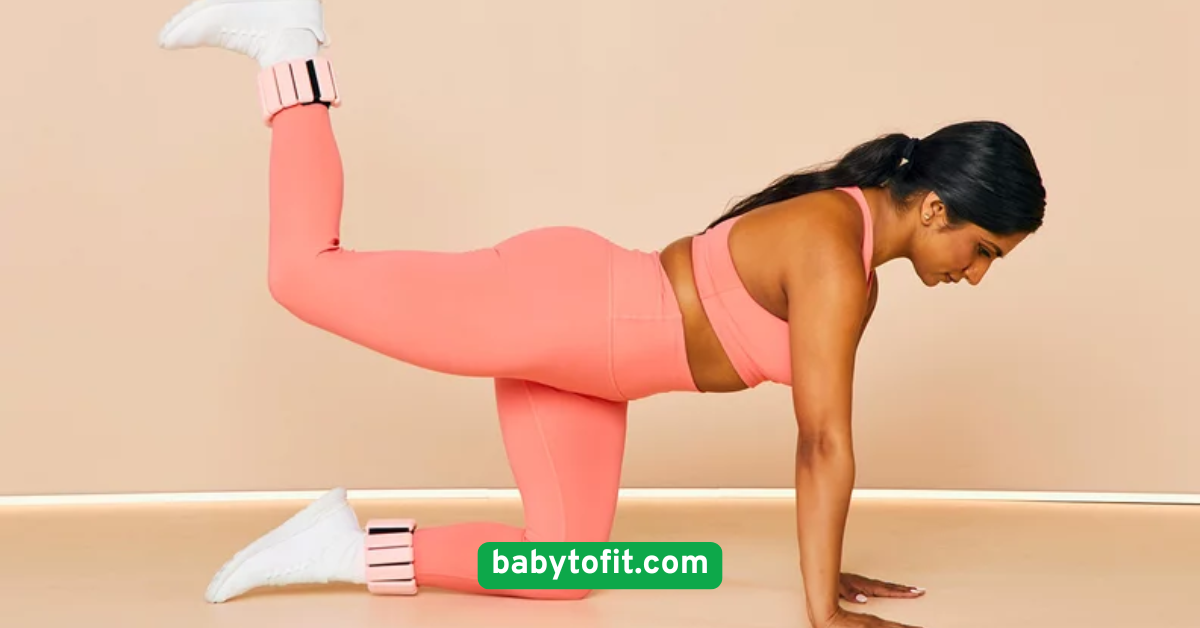
23. Modified Sun Salutation
The modified sun salutation is a slow, gentle yoga sequence that improves flexibility, circulation, and mental clarity. It involves forward folds, half lifts, and gentle lunges, all coordinated with breath.This flow relaxes muscles and revitalizes energy—an excellent way to start or end your day.
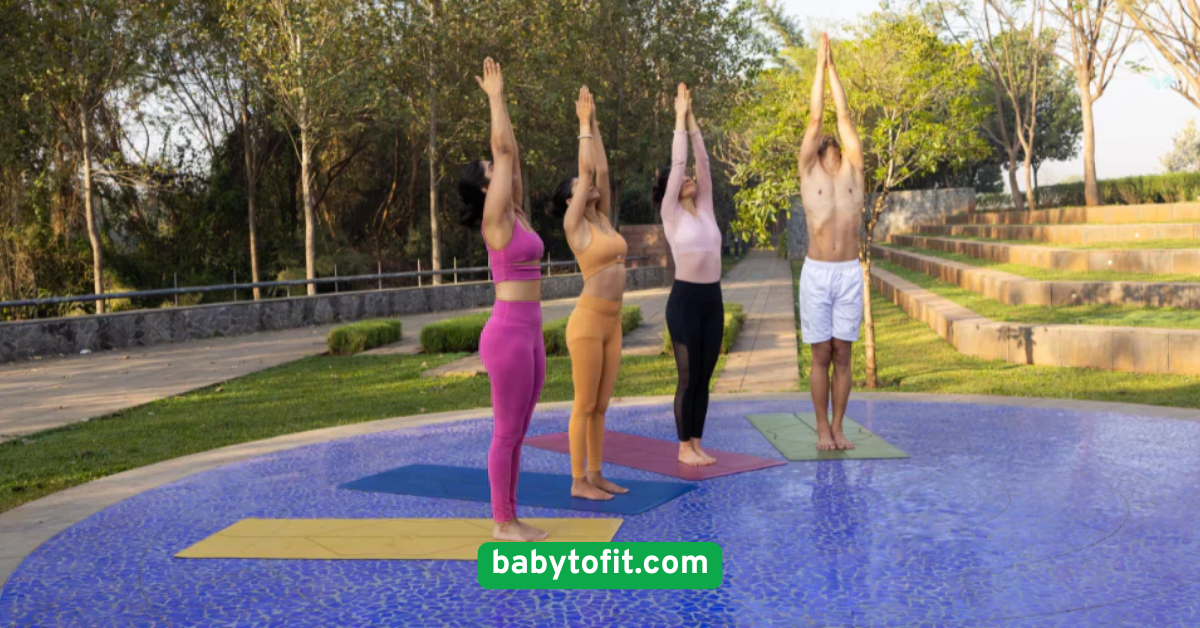
24. Cool Down Breathwork
Finish your workouts with deep breathwork to calm your nervous system and promote relaxation. Take slow, deep inhales through your nose and gentle exhales through your mouth.This practice lowers cortisol levels, reduces fatigue, and helps you feel grounded after physical activity.
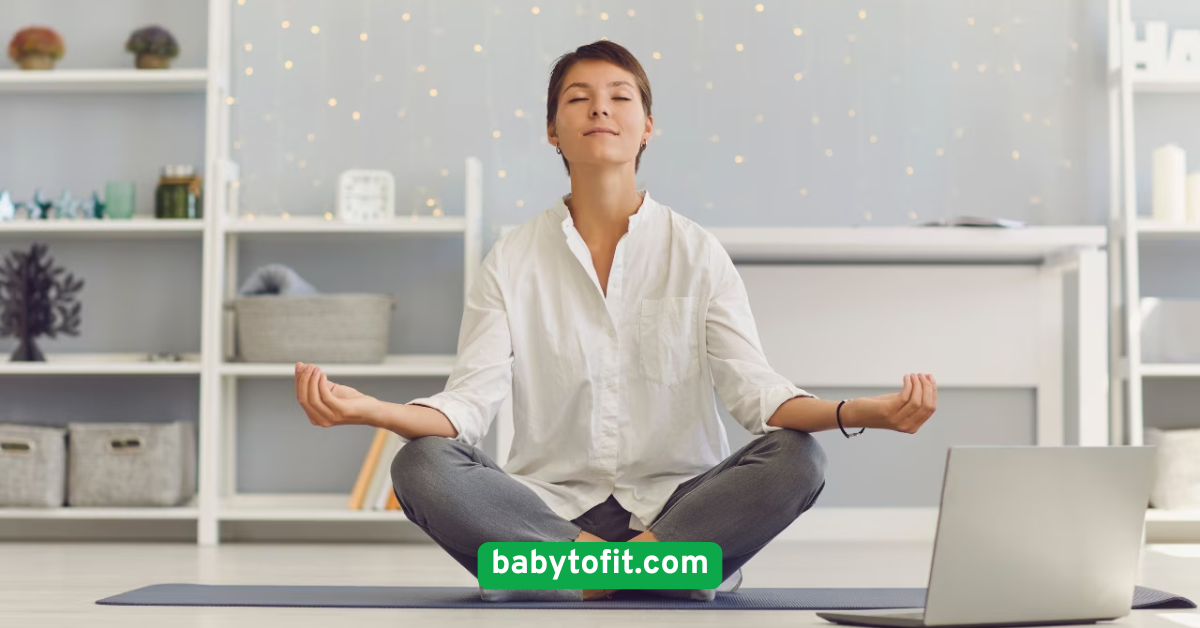
25. Assisted Walking Lunges
Assisted walking lunges build leg strength and coordination while providing balance support. Use a sturdy chair or wall for stability as you step forward into a lunge and then alternate legs.This exercise helps regain endurance and muscle tone safely during postpartum recovery.
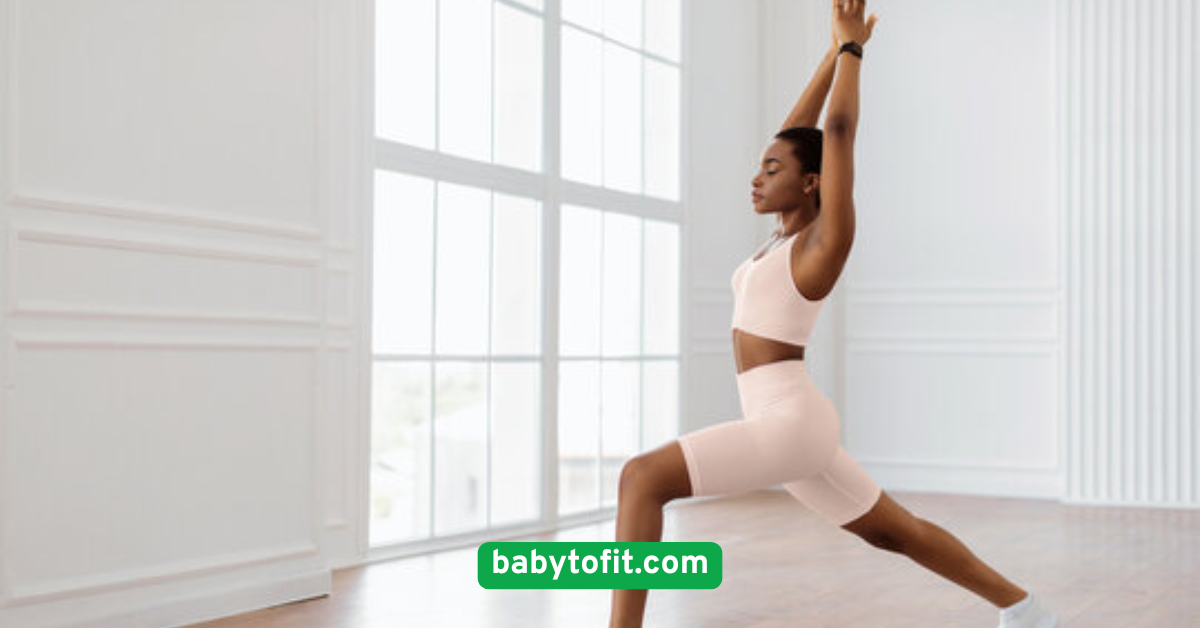
26. Wall Sits
Wall sits strengthen the thigh muscles and build endurance without stressing joints. Lean against a wall and slide down until your knees form a 90-degree angle. Hold as long as comfortable, then slide back up.This is a low-impact way to build lower body strength for everyday activities.
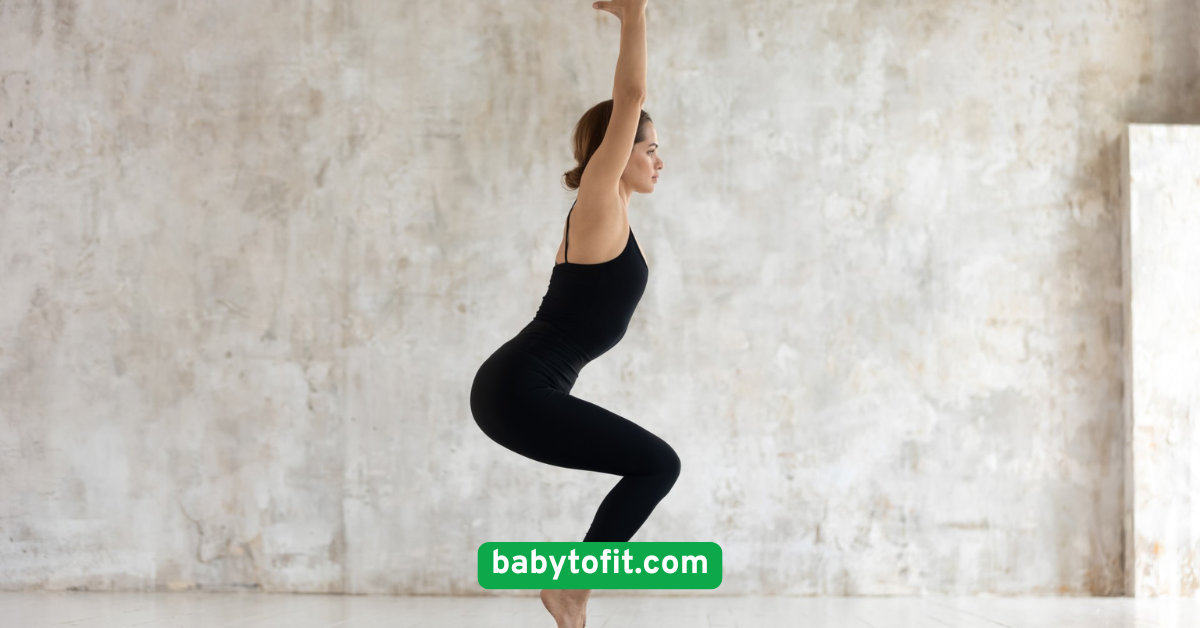
27. Side-Lying Leg Lifts
Side-lying leg lifts target the outer thighs and hips. Lie on your side, keeping legs straight. Slowly lift the top leg, hold for a moment, then lower.This move promotes hip strength and stability, supporting posture and balance.
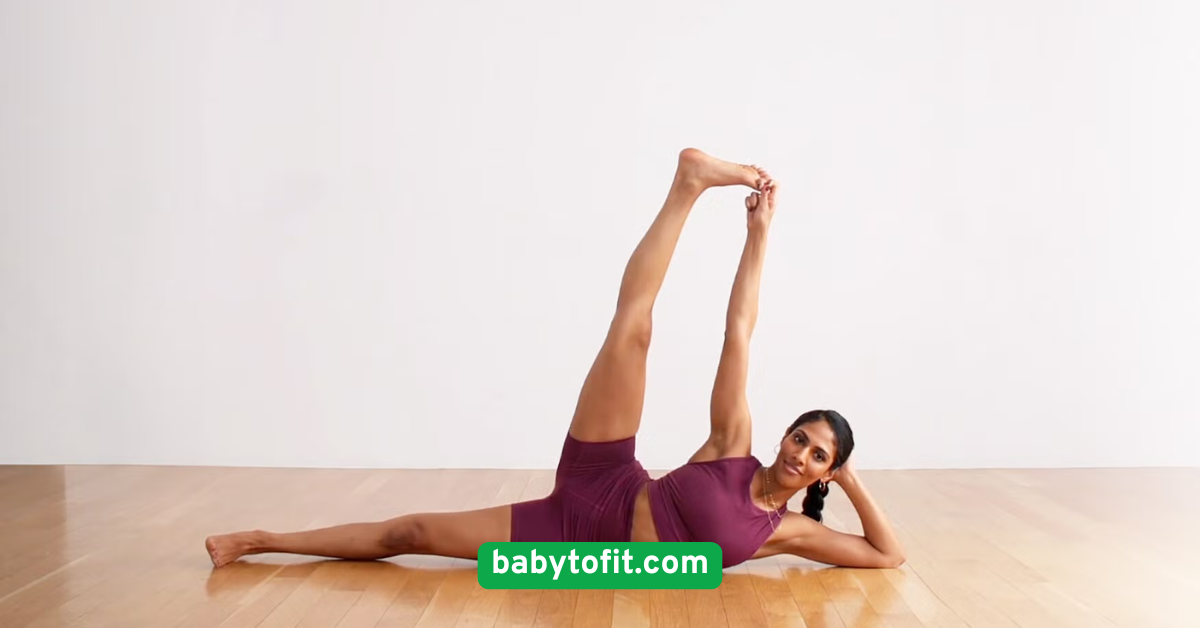
28. Shoulder Rolls
Shoulder rolls relieve tension and improve upper body mobility. Sit or stand tall and slowly roll your shoulders forward, then backward in a circular motion.This simple movement reduces stiffness and prepares your body for activity.
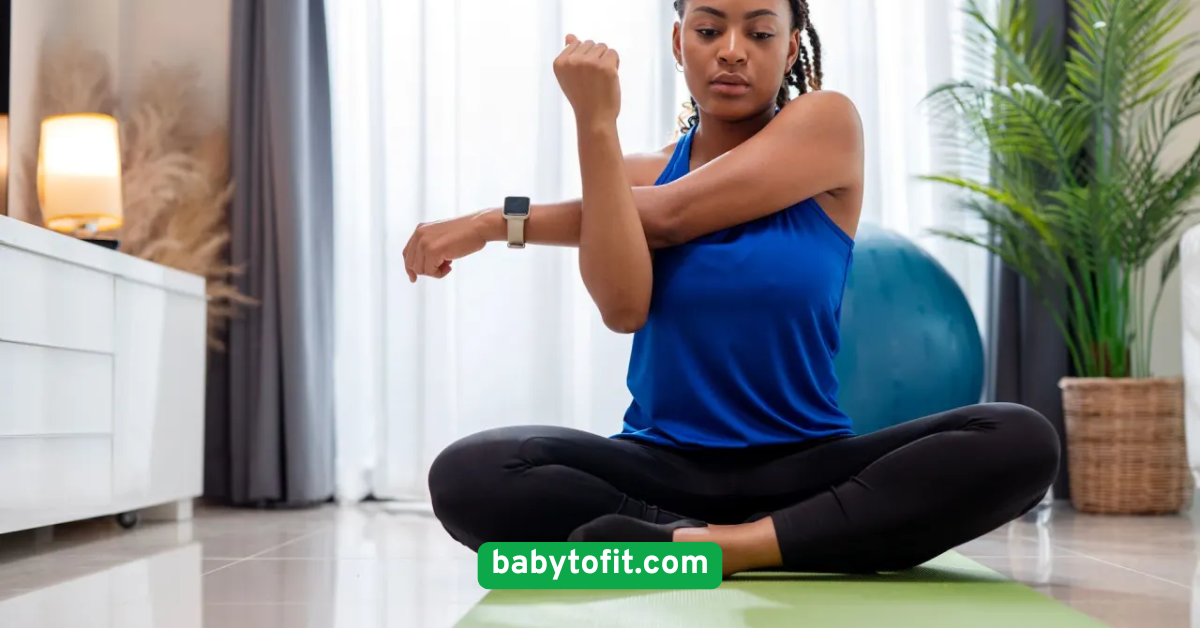
29. Modified Plank
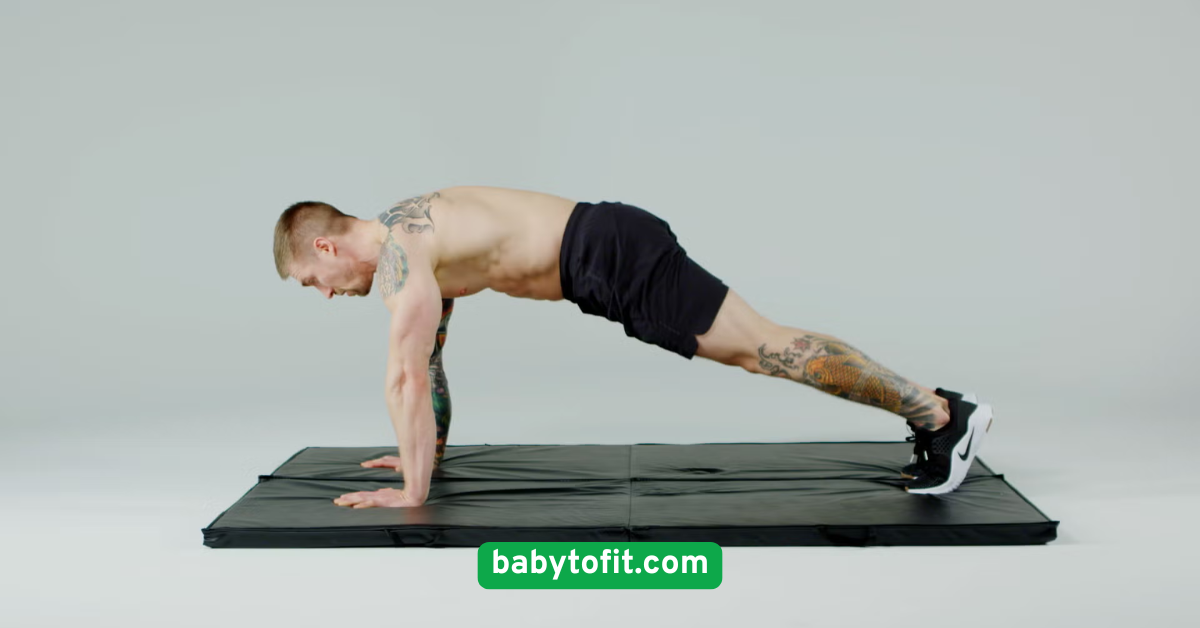
The modified plank builds core strength safely. Start on your hands and knees, keeping your back straight and core engaged. Hold this position for as long as comfortable.Planks support abdominal and back muscles, helping you regain full core strength gradually.
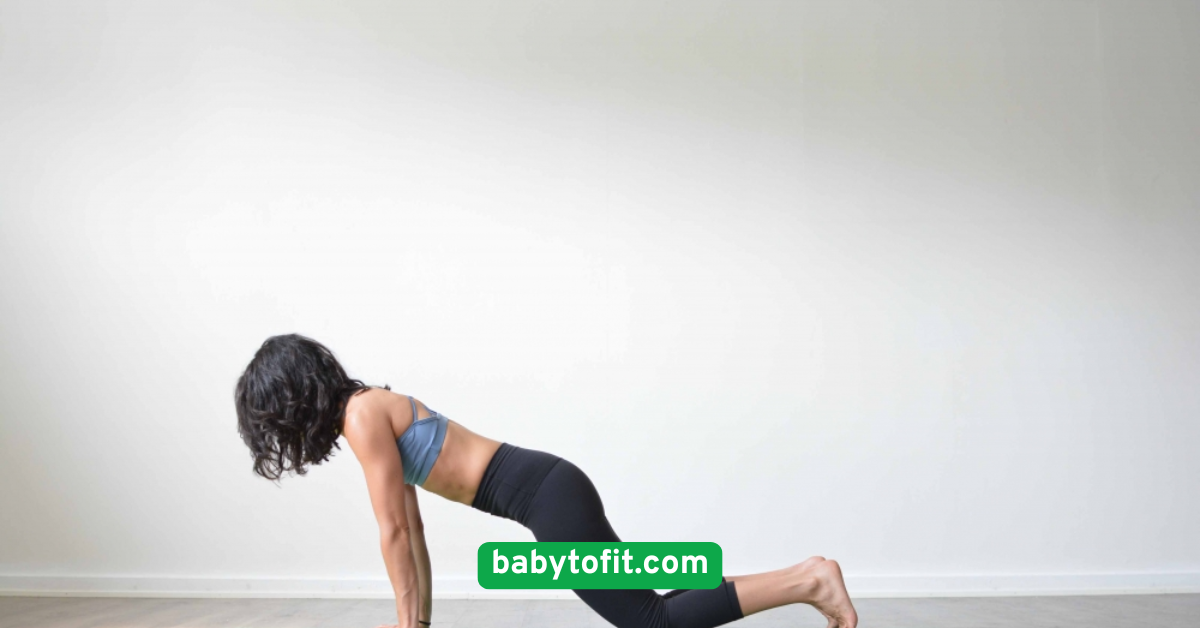
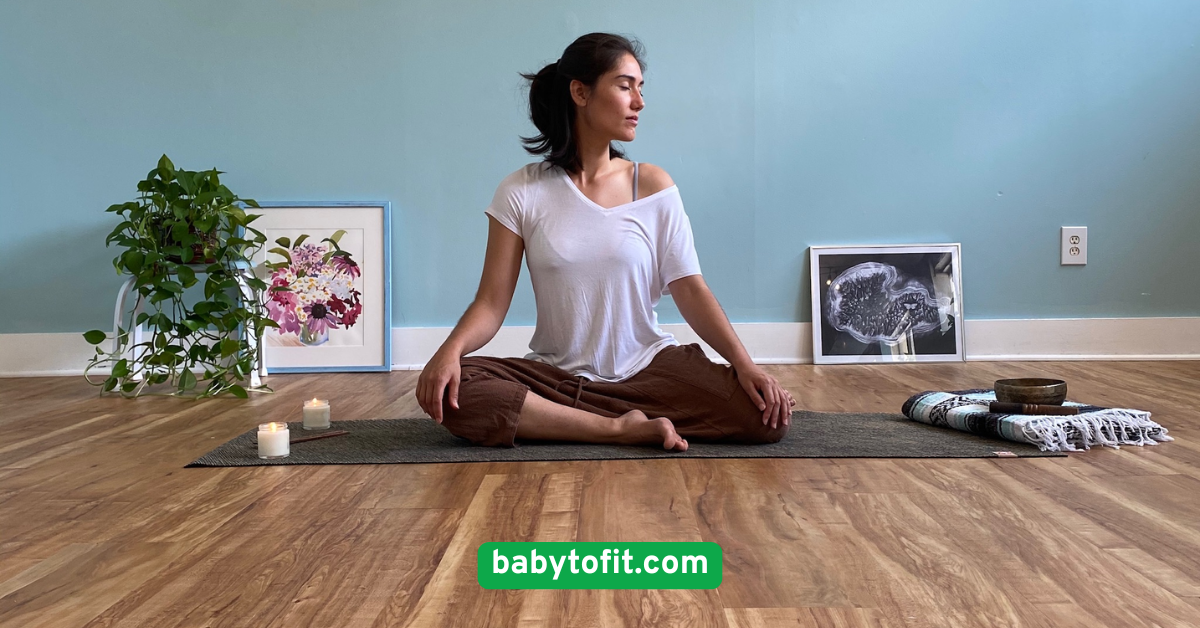
30. Gentle Yoga Stretching
Gentle yoga stretches improve flexibility and mental calmness. Incorporate poses like child’s pose, gentle twists, and seated stretches to nurture both body and mind.Yoga encourages mindfulness and promotes healing during your postpartum journey.
Conclusion
Your postpartum journey is about patience, self-love, and gradual healing. These 30 safe postpartum workouts are designed to honor your body’s needs while helping you regain strength and boost energy. Remember, every small step counts. Celebrate your progress, listen to your body, and prioritize rest alongside movement.
Postpartum fitness isn’t about pushing limits—it’s about nurturing yourself and building resilience for the beautiful days ahead with your baby. Start slow, stay consistent, and enjoy reconnecting with your powerful, recovering body. You’ve got this, mom!


