20 Effective Postpartum Workouts to Support Healing
Postpartum healing isn’t about “bouncing back.” It’s about reconnecting with your body, honoring what it’s been through, and taking small, nourishing steps forward. Whether you’re a few weeks postpartum or a few months in, the right workouts can make a world of difference. They help restore strength, rebuild your core, boost energy, and support healing from the inside out.And guess what? You don’t need a gym membership, a perfect schedule, or fancy equipment. All you need is 10–20 minutes, a safe space, and a bit of self-love. These 20 effective postpartum workouts are gentle, functional, and completely doable—even on the busiest days.Let’s dive into each one, so you can begin healing in a way that’s kind to your body and empowering to your spirit.
1. Diaphragmatic Breathing
Let’s begin with the foundation: breath. Diaphragmatic breathing is more than a stress reliever—it’s the very first step in postpartum core recovery. This type of deep breathing activates the transverse abdominis, the deep core muscle often stretched and weakened during pregnancy.To do it, lie flat on your back or sit upright. Place one hand on your chest and one on your belly. Breathe in through your nose, letting your belly expand like a balloon. Exhale slowly, feeling your core gently contract.This exercise may seem too simple to matter—but trust the process. Just 5–10 minutes daily can calm your nervous system, support better posture, and start rebuilding your inner core. It’s your gateway to recovery.

2. Pelvic Floor Contractions (Kegels)
The pelvic floor takes a serious hit during pregnancy and childbirth. Whether you had a vaginal delivery or C-section, strengthening this crucial muscle group can prevent incontinence and enhance your overall stability.Performing a Kegel is easy: Contract the muscles you’d use to stop urine flow, hold for 3–5 seconds, then release. Aim for 2–3 sets of 10 reps per day.The best part? You can do Kegels anywhere—lying in bed, feeding your baby, or even brushing your teeth. It’s discreet, effective, and key to long-term healing.
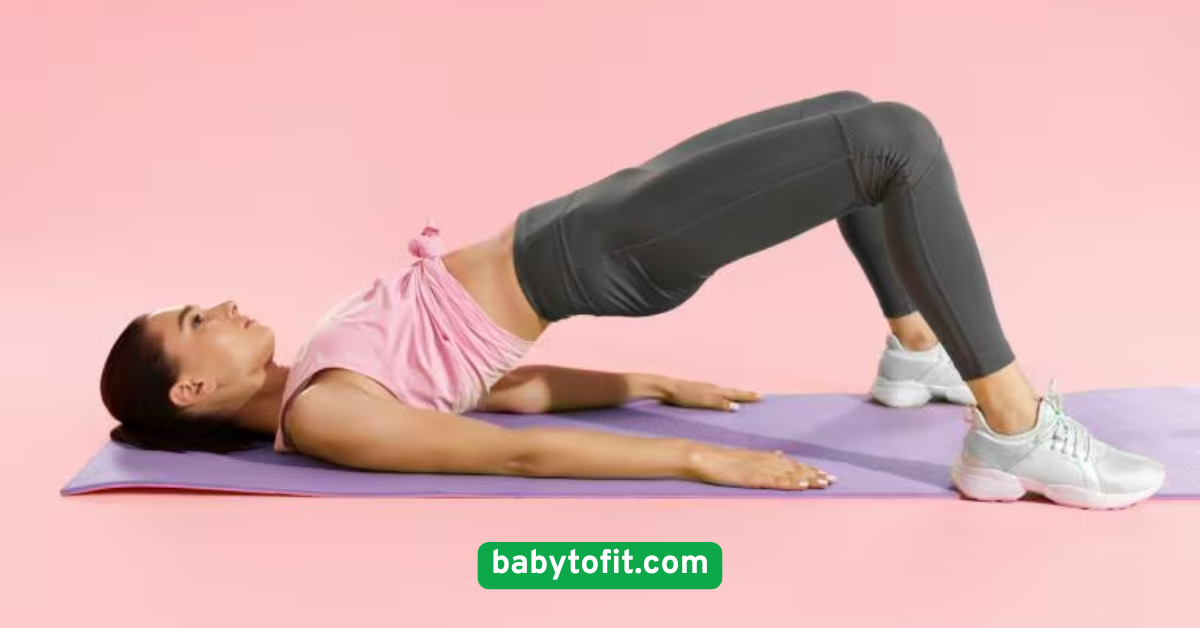
3. Glute Bridges
Sitting for hours with your newborn? You’re not alone. But prolonged sitting can weaken your glutes, leading to back pain and poor posture.Glute bridges are an excellent way to counteract that. Lie on your back, knees bent. Engage your core and squeeze your glutes as you lift your hips toward the ceiling. Lower slowly and repeat for 10–12 reps.Besides toning your backside, this move strengthens the posterior chain, supports spinal alignment, and helps with overall lower-body stability.

4. Seated Cat-Cow Stretch
This yoga-inspired movement is a blessing for your spine. Sitting all day nursing or holding a baby? Your back will love you for this.Sit in a chair, feet flat, spine tall. Inhale and arch your back, lifting your chest (Cow). Exhale and round your spine, tucking your chin (Cat). Move slowly and repeat for 1–2 minutes.This gentle stretch boosts circulation, relieves tension, and improves posture—all without having to get down on the floor.
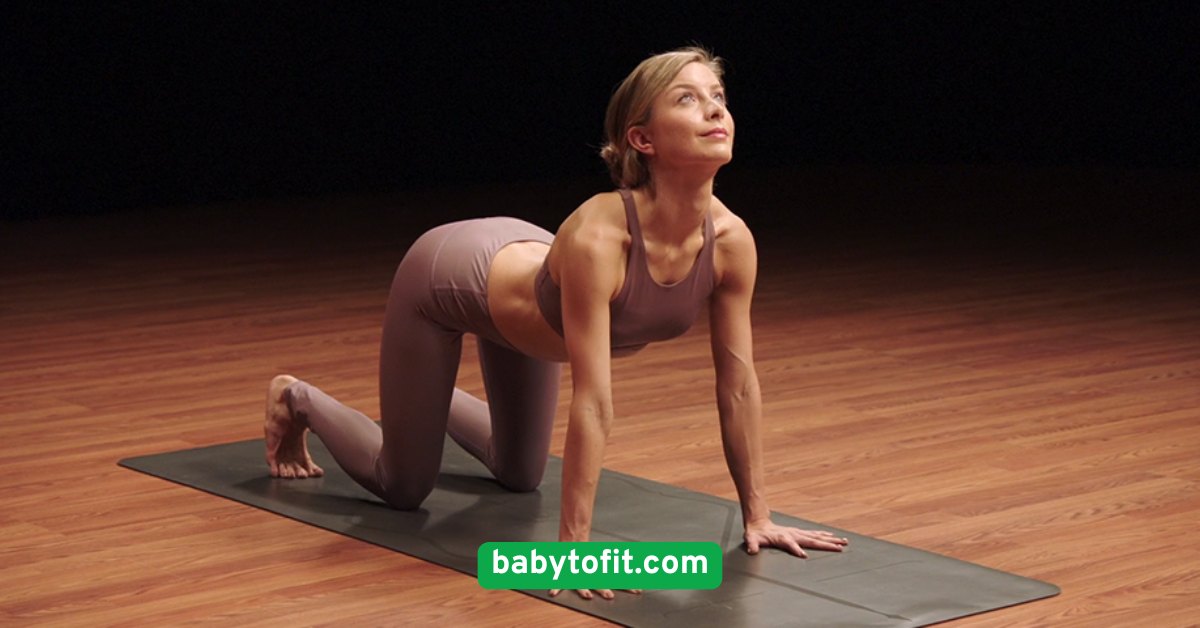
5. Heel Slides
Want to wake up your lower abs without straining your belly? Heel slides are a safe, effective choice—especially for moms healing from diastasis recti.Lie on your back with knees bent. Slowly slide one heel away, extending the leg, while keeping your core engaged. Return and alternate legs.Focus on precision. Small, slow movements are your friend here. Over time, you’ll strengthen your core and reestablish control without crunches.
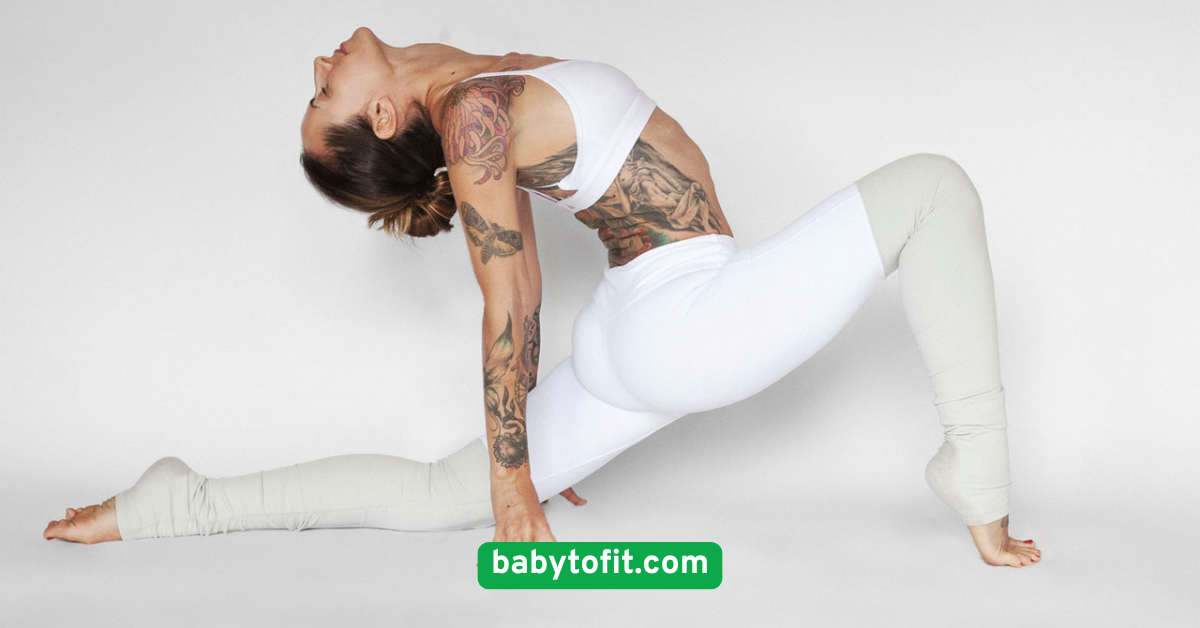
6. Modified Bird Dog
Balance, coordination, and core strength—all in one safe, supportive movement. Modified Bird Dog is ideal for postpartum moms, especially when diastasis recti is a concern.Start on all fours. Extend your right arm and left leg while keeping your hips stable. Hold for a few seconds, then switch sides.This move improves spinal alignment, strengthens back muscles, and promotes pelvic stability. It’s gentle but powerful.
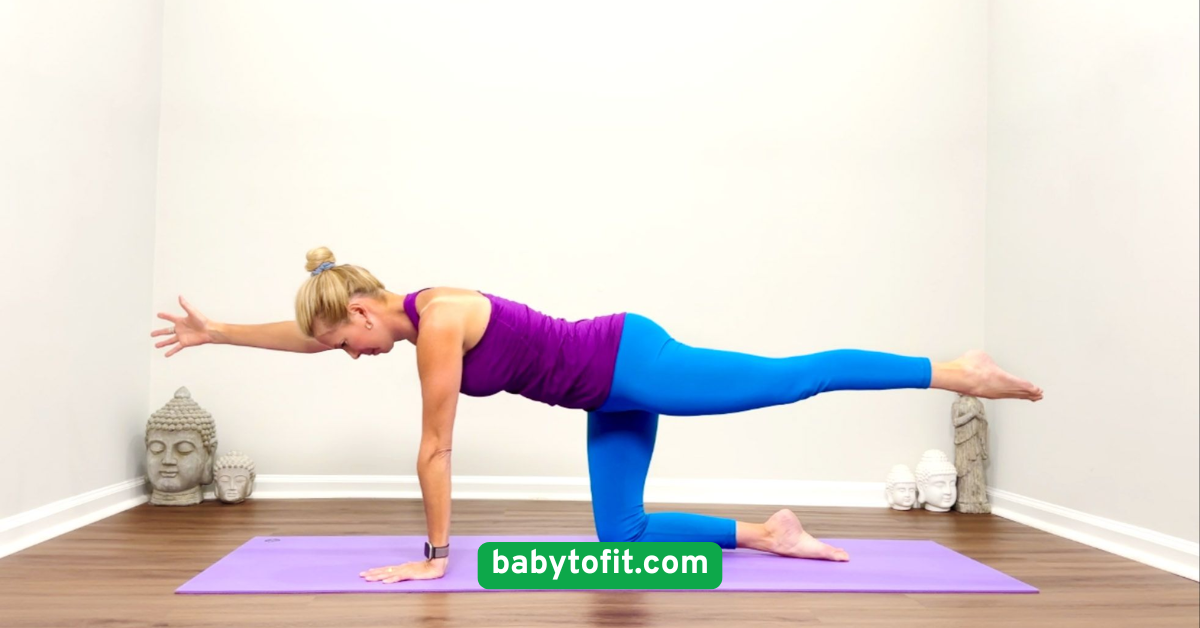
7. Wall Push-Ups
Floor push-ups might be too much too soon. Wall push-ups are a great entry point into rebuilding upper-body strength, especially if you’re feeling weak in the chest and shoulders.Stand facing a wall. Place your hands shoulder-width apart and lean in, bending elbows, then press back to the start.This builds strength gradually without overloading your healing core or wrists. Start with 10 reps and increase over time.

8. Standing Side Leg Lifts
Support your hips, outer thighs, and glutes with this simple but effective movement. Standing leg lifts improve pelvic alignment and leg strength.Stand tall, hold onto a chair, and slowly lift one leg out to the side. Keep your core engaged and movements controlled.This move is low-impact but builds the muscles that support your pelvis and prevent back pain—a postpartum win.

9. Resistance Band Rows
Ever feel like you’re curling forward from nursing, holding, or babywearing? That’s where rows come in. Resistance band rows strengthen your upper back and improve posture.Anchor a resistance band and pull it toward your torso, squeezing your shoulder blades together. Slowly return to start.A strong back is crucial during postpartum recovery. This exercise helps reverse slouching and supports long-term spine health.
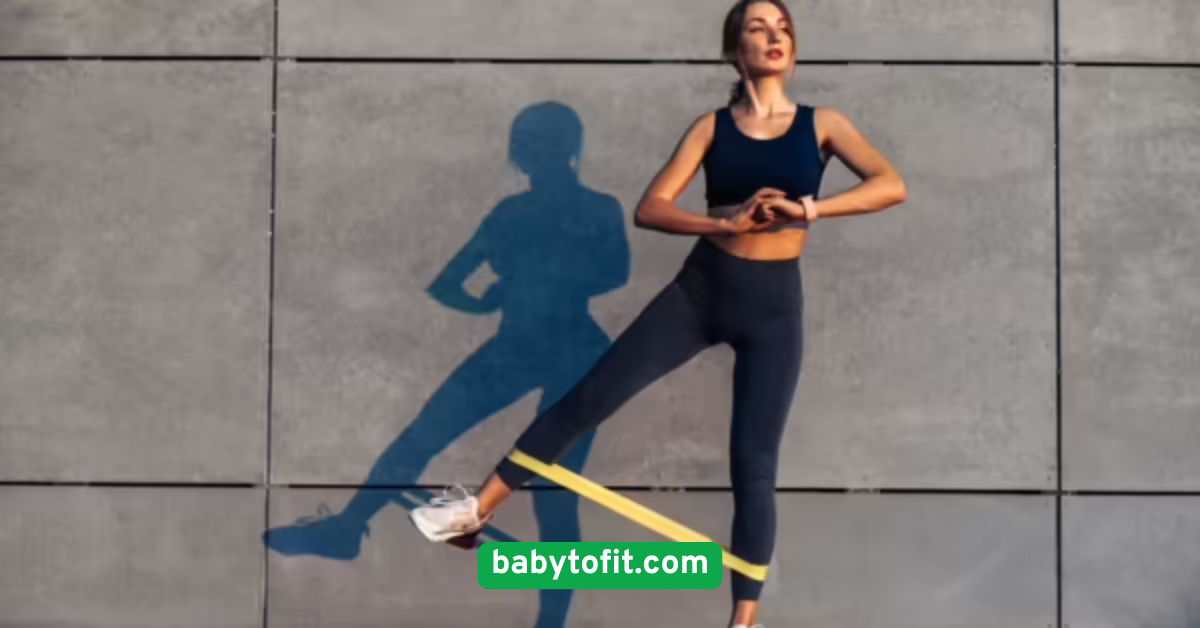
10. Marching in Place
Short on time? Marching in place is your energy-boosting secret weapon. It’s cardio, core, and mobility all in one.Stand tall, lift one knee, then the other, swinging your arms. Add a little music and make it fun!Marching improves circulation, increases heart rate, and gently boosts metabolism—no sweat required.
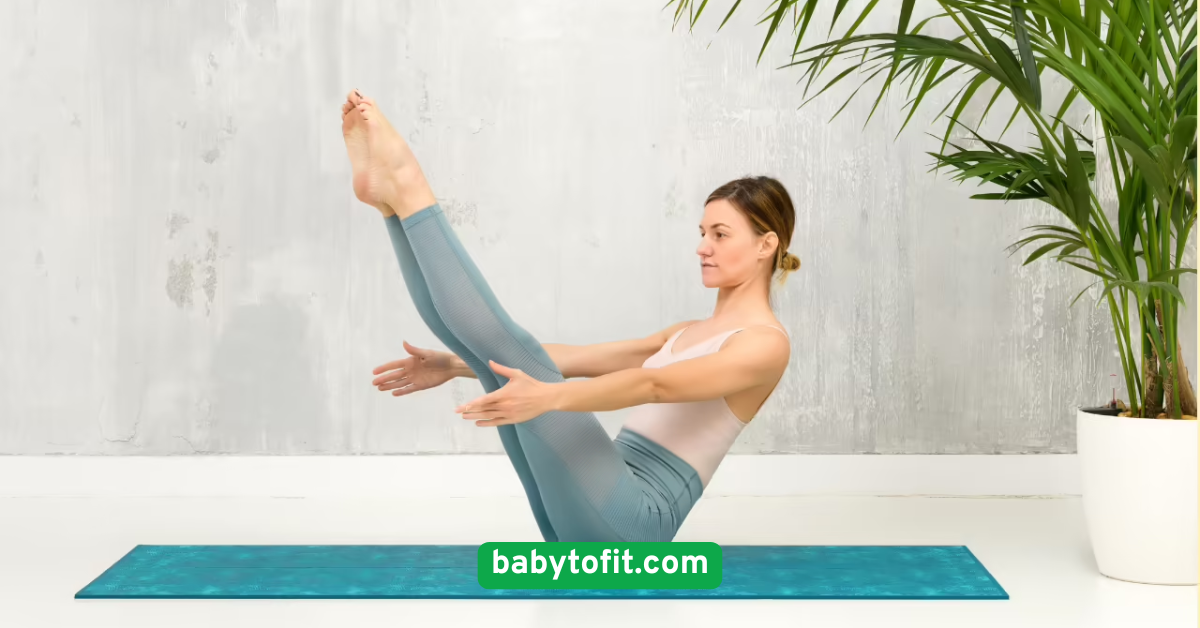
11. Child’s Pose + Arm Reach
Need a reset? Child’s Pose is a calming stretch that opens the hips, relaxes the spine, and promotes breath awareness.Kneel on the floor, sit back on your heels, and stretch your arms forward. Add an arm reach to the side for extra relief in the shoulders.This pose promotes mindfulness, flexibility, and emotional calm. It’s a must-have in your postpartum routine.
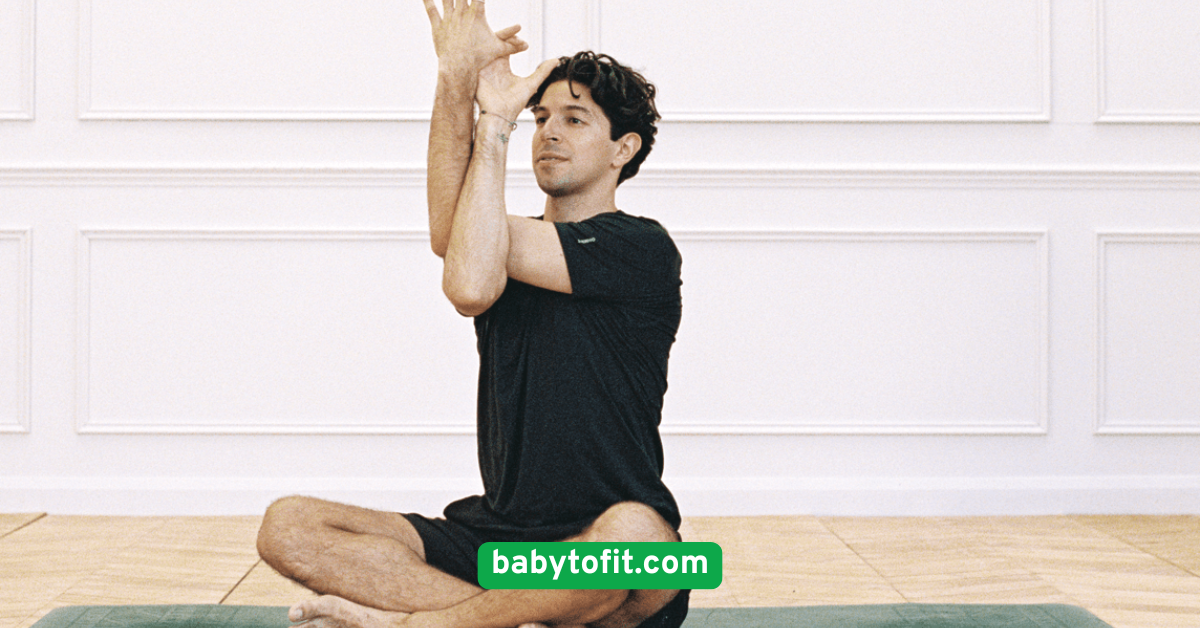
12. Bodyweight Squats
Functional, foundational, and easy to modify—squats should be in every postpartum plan. You’re already squatting daily with baby in tow!Stand with feet shoulder-width apart. Lower as if sitting in a chair, then press through heels to rise.Bodyweight squats engage your legs, hips, glutes, and even your core. They improve everyday strength and energy.
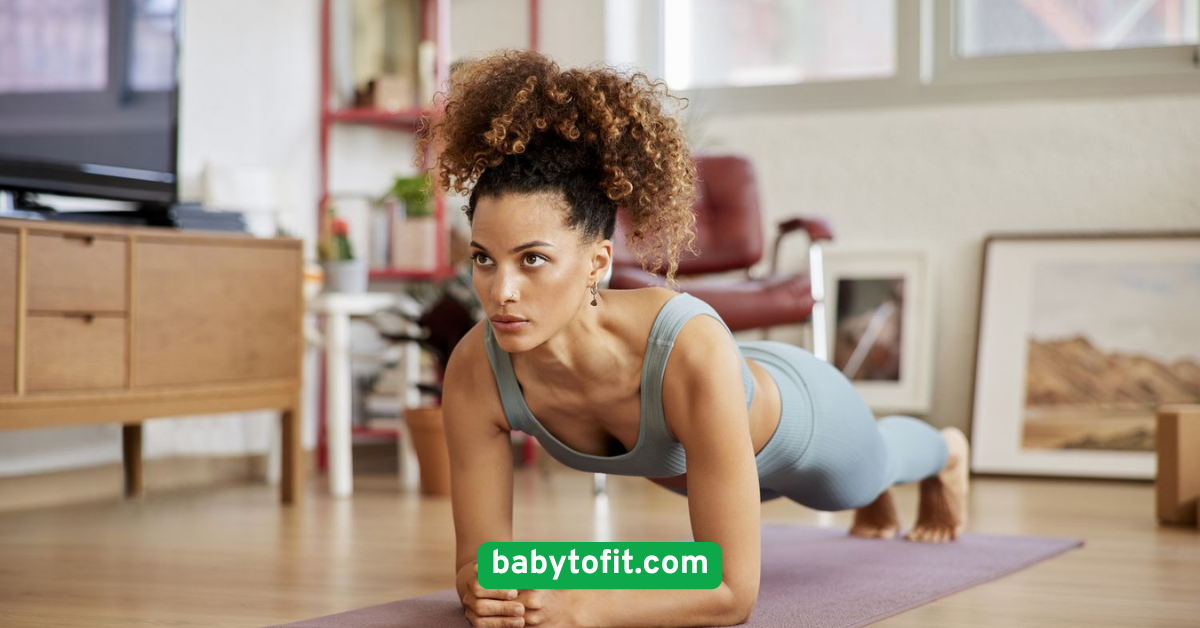
13. Supine Toe Taps
This gentle movement reactivates your deep core muscles while keeping your spine supported.Lie on your back with knees bent in tabletop. Tap one foot to the floor while keeping your belly engaged. Alternate sides.Toe taps are safe for postpartum and diastasis recti recovery. Focus on control, not speed.
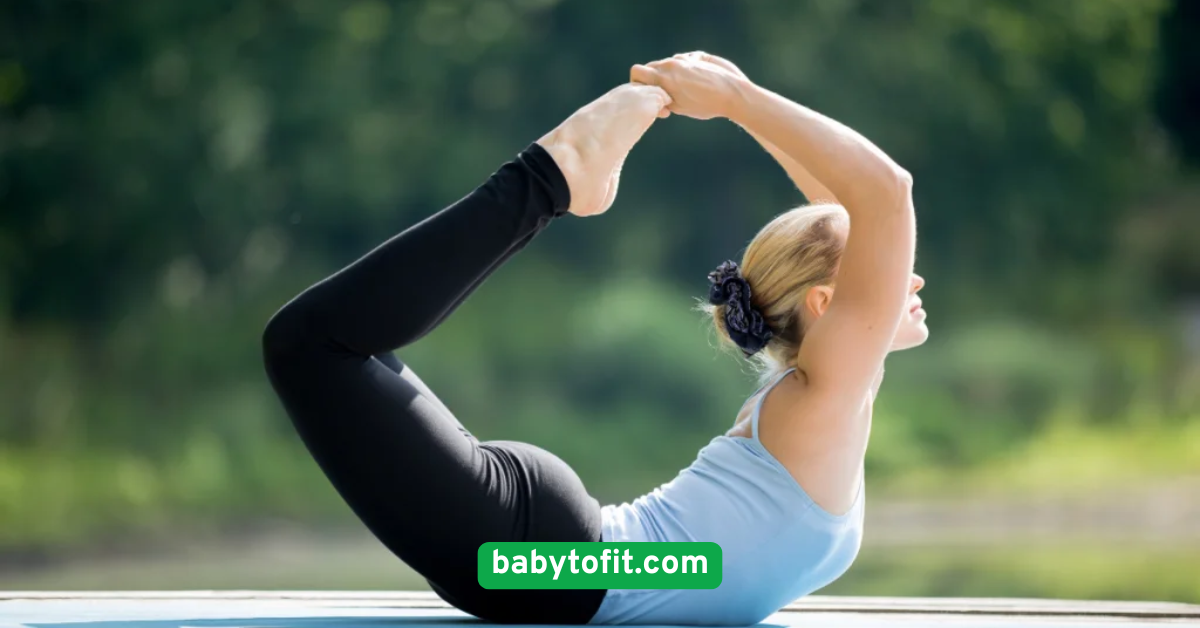
14. Gentle Forward Fold
Stretch tight hamstrings, calves, and lower back with this grounding pose. Stand tall, exhale, and slowly fold forward, reaching toward the floor.Let your arms hang. Soften your knees if needed. Breathe deeply.This improves flexibility, eases tension, and grounds your nervous system—a perfect post-workout stretch.
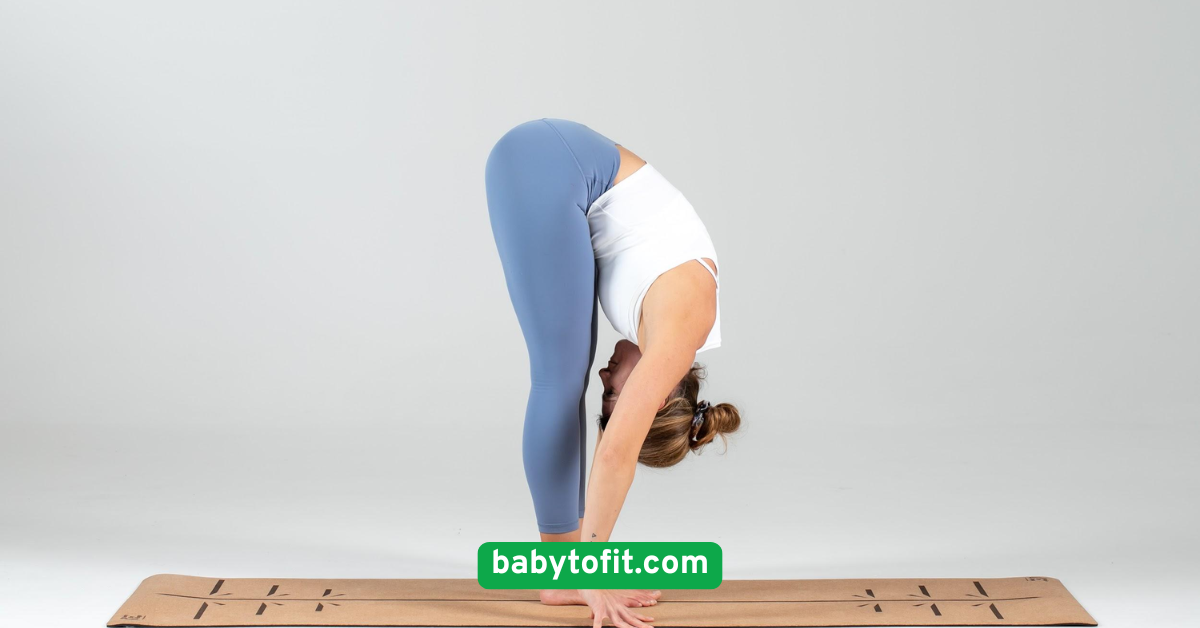
15. Side-Lying Clamshells
Rebuild hip strength and glute control with this classic move. It’s a favorite in physical therapy for a reason.Lie on your side, knees bent. Open your top knee like a clamshell, then close. Keep feet together.Clamshells help prevent hip and back pain while strengthening the pelvic floor area. Add a resistance band for more challenge later.
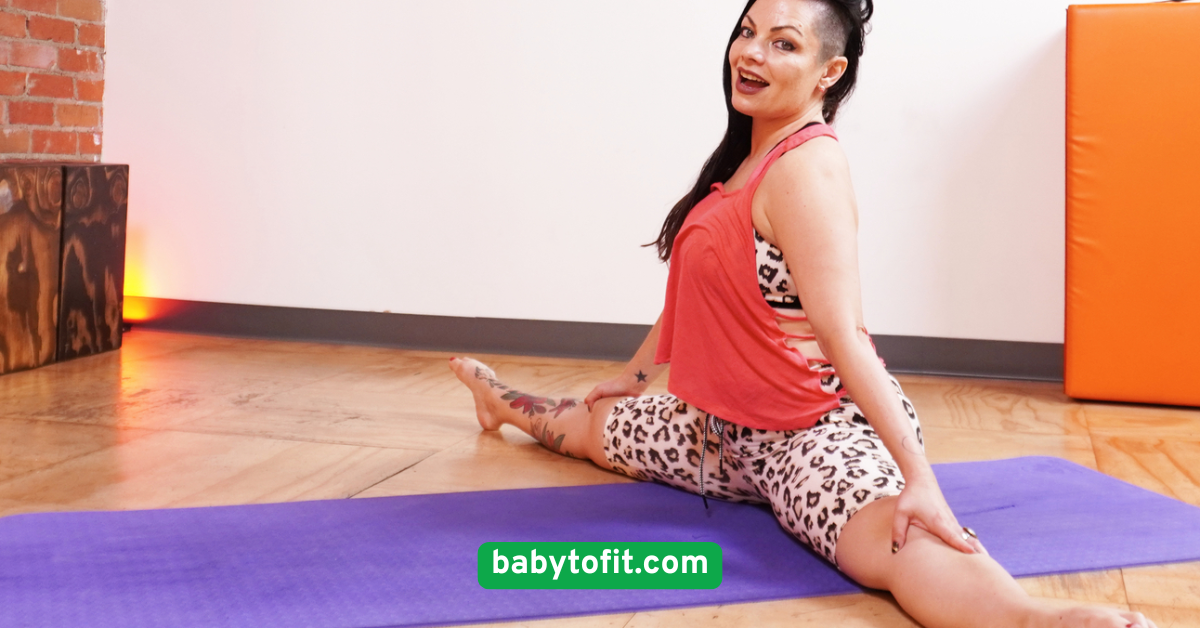
16. Elevated Hip March
This is an advanced variation of the glute bridge, adding core engagement and leg coordination.Start in a bridge hold, then slowly lift one knee at a time like a march. Keep hips stable and controlled.It’s tough but rewarding—excellent for core-pelvic floor coordination once your base strength returns.
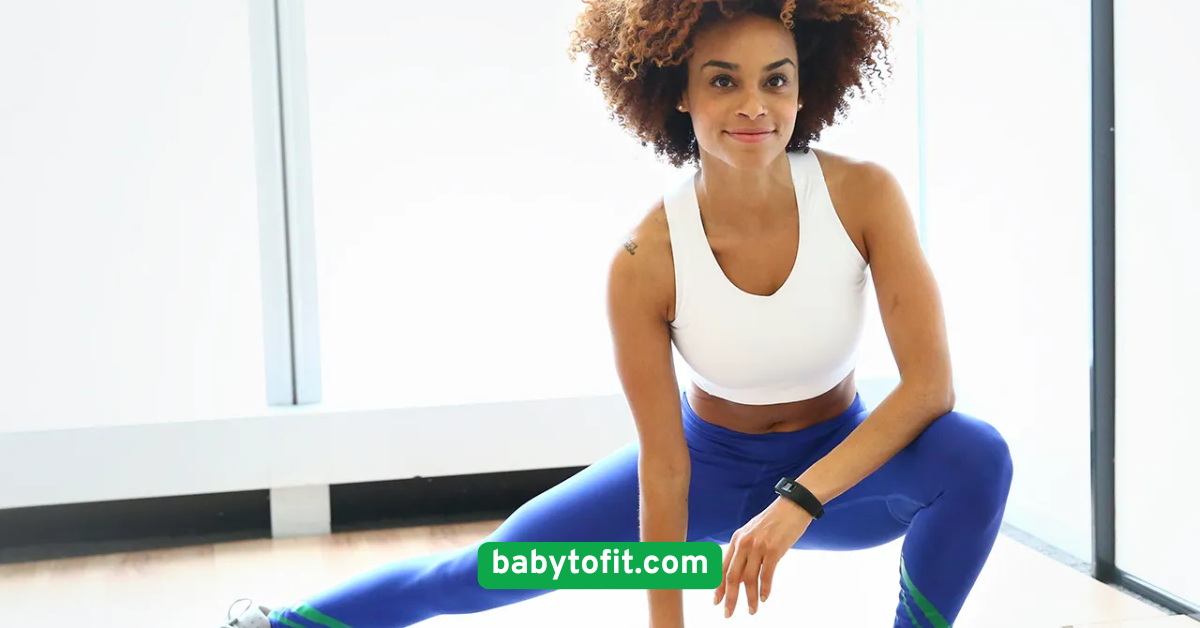
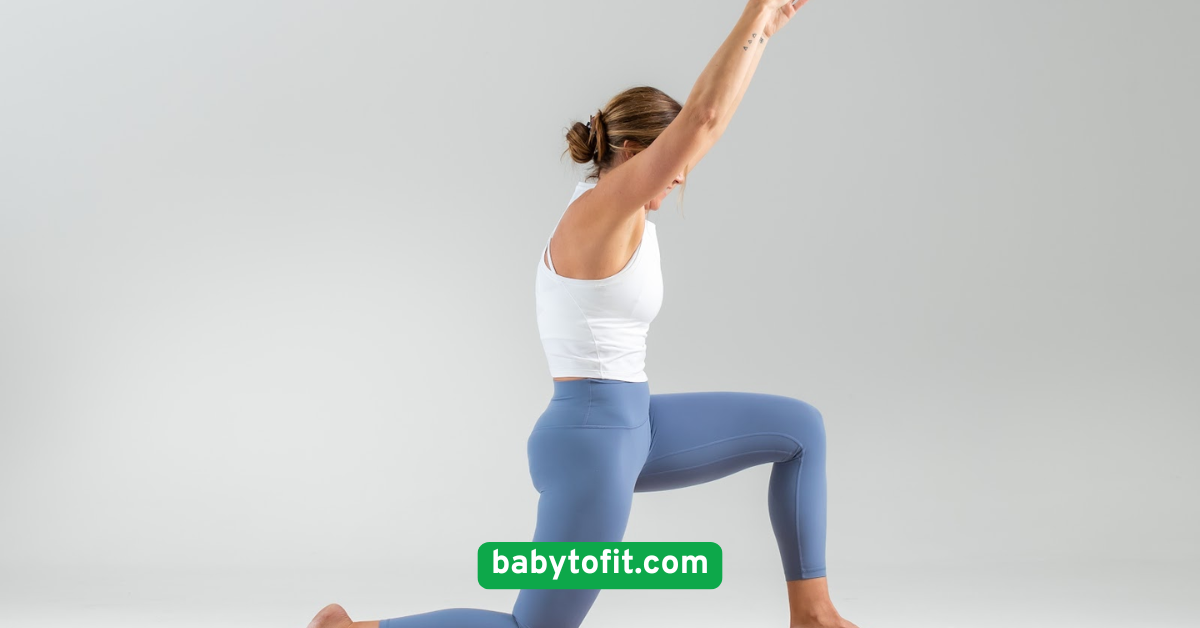
17. Low Lunge Stretch
Tight hips? You’re not alone. Pregnancy shortens the hip flexors, and this stretch helps lengthen and release them.From kneeling, step one foot forward into a low lunge. Sink into the stretch, keeping your back tall. Breathe deeply.Low lunge improves mobility, reduces pelvic pain, and enhances your walking and squatting mechanics.
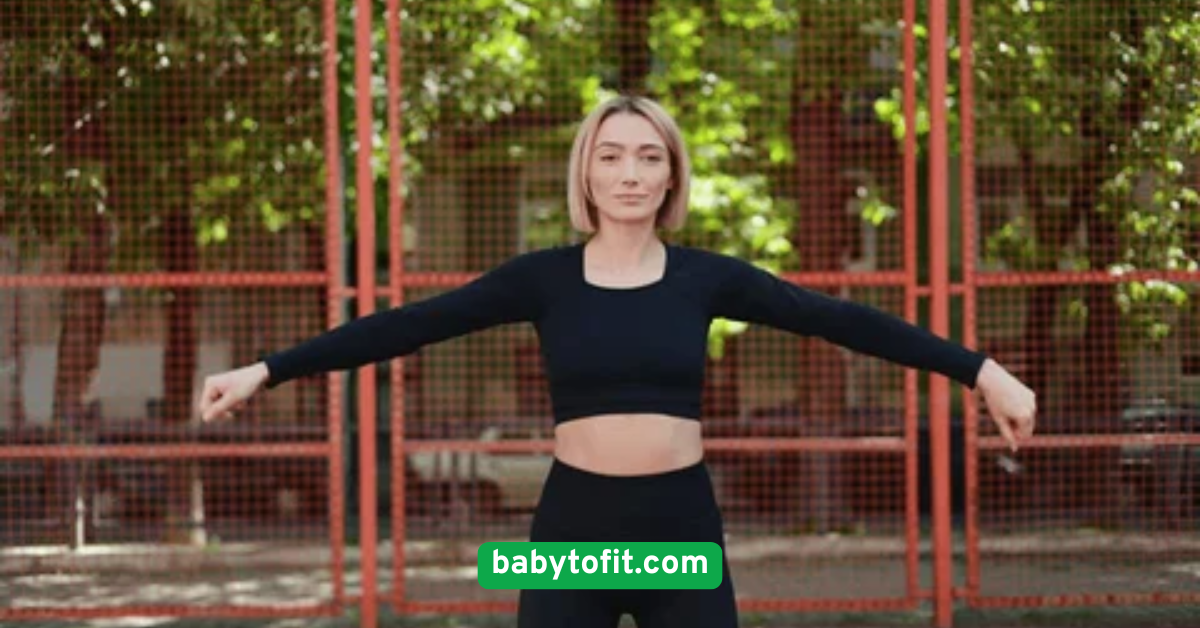
18. Arm Circles
Simple but effective, arm circles boost circulation, shoulder mobility, and upper-body endurance.Stand tall and extend arms out to the sides. Make small circles forward and backward.This is a gentle warm-up, a break-time move, or a finisher that feels good and gets your blood flowing.
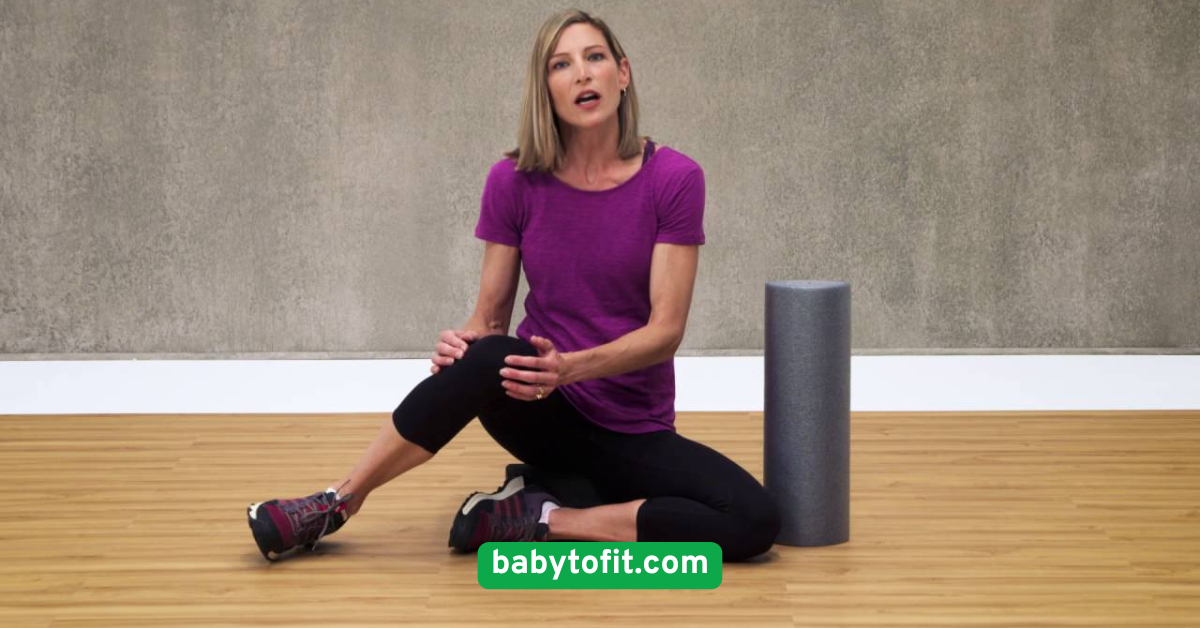
19. Foam Rolling for Recovery
Let’s not forget recovery. Foam rolling is a self-massage technique that promotes healing, eases tight muscles, and improves circulation.Focus on calves, quads, back, and glutes. Roll slowly and breathe deeply.It’s the ultimate treat for sore muscles and can help prevent stiffness and fatigue.
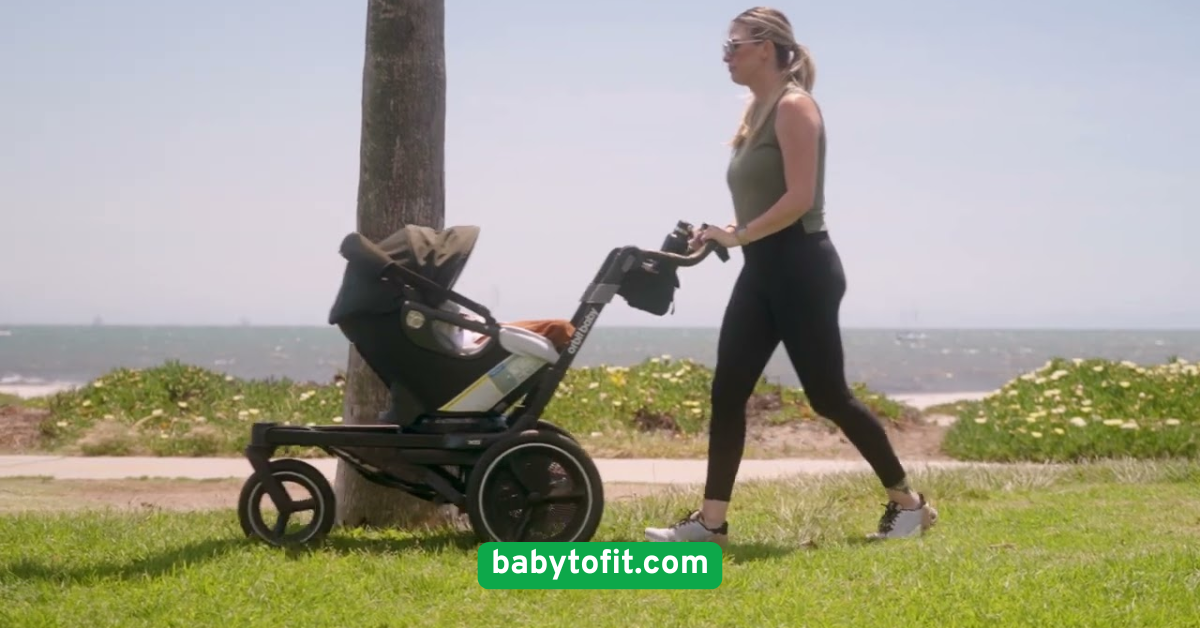
20. Stroller Walks
The most underrated postpartum workout? A walk with your baby. It’s gentle cardio that lifts your mood, burns calories, and gives you bonding time.Aim for 10–20 minutes a day. Choose quiet streets or parks for calm and safety.It’s easy, energizing, and grounding—plus, you can start as soon as you feel ready and cleared by your doctor.
Conclusion
Your postpartum recovery isn’t a race—it’s a journey. And these 20 gentle workouts are your invitation to heal with intention, strength, and grace. Each movement helps restore what pregnancy shifted, boosts your energy, and gives you space to reconnect with your amazing, resilient body.
Start small. Stay consistent. Celebrate progress over perfection. Whether it’s one stretch, a few squats, or a stroller walk, you’re showing up—and that’s what truly matters.
You carried life. Now, let these movements carry you back to yourself.


