5 Healing Postpartum Workouts to Regain Strength in 2025
Did you know that engaging in the right exercises after childbirth can speed up recovery, improve mood, and even support better sleep? According to experts, gradual physical activity tailored for postpartum moms can make a remarkable difference. But it’s crucial to choose workouts that honor your body’s healing timeline. In this article, we will explore five carefully selected healing postpartum workouts, from pelvic floor strengthening to light cardio, each designed to help you regain strength while respecting your unique recovery journey in 2025 and beyond.
1. Pelvic Floor Strengthening Exercises
One of the most essential areas to focus on after childbirth is the pelvic floor — a group of muscles that support your bladder, uterus, and bowel. Pregnancy and delivery put tremendous strain on these muscles, which can lead to common postpartum issues such as incontinence or pelvic discomfort. Strengthening your pelvic floor early on is key to restoring control and preventing long-term problems.
A popular and effective way to engage these muscles is through Kegel exercises. These involve tightening and releasing the pelvic floor muscles as if you’re trying to stop the flow of urine. Start gently, holding the contraction for a few seconds before releasing. Aim to repeat this 10 to 15 times per session, gradually increasing as you gain strength. The beauty of Kegels is that they can be done anywhere — while sitting, lying down, or even standing.
Incorporating pelvic floor workouts into your daily routine doesn’t have to be time-consuming. You can sneak in sets while breastfeeding, watching TV, or even during your work breaks. Remember, consistency is more important than intensity. Over time, these exercises help rebuild core stability, improve bladder control, and create a solid foundation for other postpartum workouts.
2. Gentle Core Rebuilding Workouts
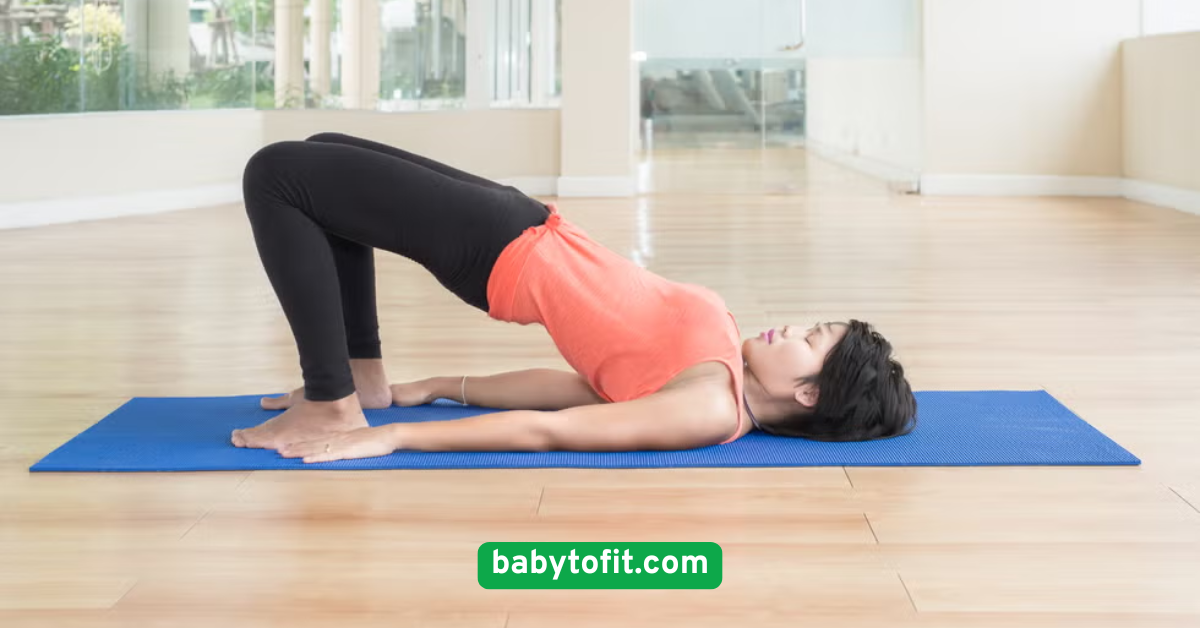
Pregnancy stretches and weakens the abdominal muscles, especially the transverse abdominis — the deep muscle that acts like a natural corset around your midsection. After childbirth, many women experience diastasis recti, a separation of these abdominal muscles that can cause a bulge or discomfort. It’s essential to rebuild core strength safely to support your back and improve posture.
Start with gentle exercises that focus on activating the deep core muscles without putting strain on the abdomen. For example, pelvic tilts and abdominal bracing are great beginner moves. Lie on your back with knees bent, take a deep breath, and as you exhale, gently draw your belly button towards your spine. Hold for a few seconds, then release. These slow, controlled movements retrain your muscles and encourage proper alignment.
Avoid traditional crunches or sit-ups early on, as they can worsen diastasis recti. Instead, focus on controlled breathing and mindful muscle engagement. Working with a postpartum physical therapist can help you customize exercises to your specific needs. As your strength improves, you can gradually progress to more challenging core workouts that restore your midsection’s tone and function.

3. Postpartum Yoga for Flexibility and Relaxation
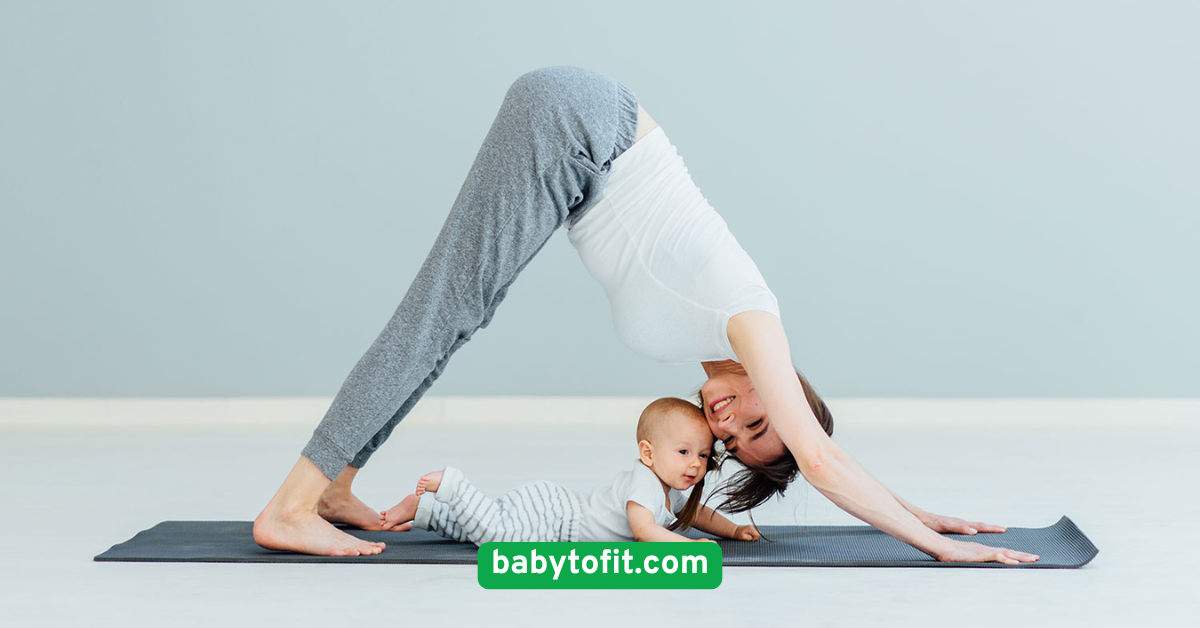
Yoga offers an excellent blend of gentle stretching, strength building, and relaxation — making it ideal for postpartum healing. Beyond physical benefits, yoga helps calm the mind, reduce stress, and improve sleep quality, which are vital for new moms adjusting to life with a newborn.
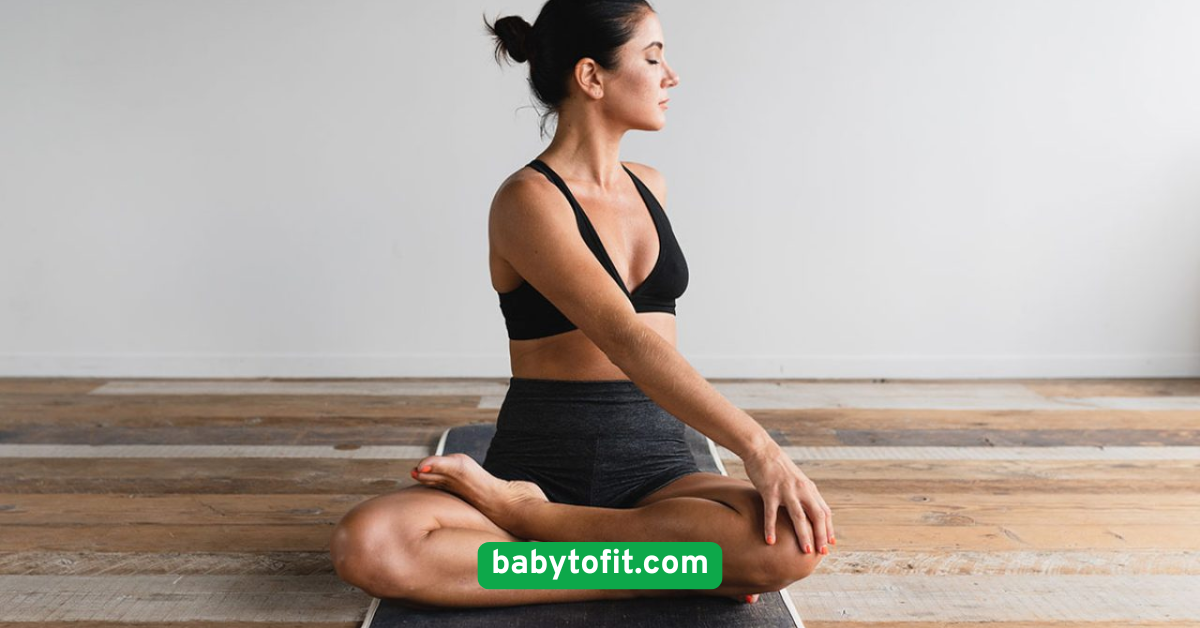
Start with restorative yoga poses that open tight hips, stretch the lower back, and release tension in the shoulders. Poses like Child’s Pose, Cat-Cow stretches, and gentle twists are soothing and help improve circulation. Focus on deep, mindful breathing throughout your practice; it not only supports physical healing but also fosters emotional balance.
Many postpartum yoga classes and online resources offer modifications tailored to different stages of recovery. Whether you’re six weeks postpartum or several months in, yoga can be adapted to your comfort level. Practicing regularly can enhance flexibility, reduce muscle stiffness, and create a sense of calm amidst the beautiful chaos of motherhood.
4. Low-Impact Cardio to Boost Energy
Low-impact cardio exercises are a fantastic way to gently raise your heart rate, improve circulation, and boost your energy without putting stress on healing joints or muscles. After the initial postpartum period, activities like walking, swimming, and stationary cycling provide cardiovascular benefits while being kind to your body.
Walking is perhaps the easiest and most accessible form of low-impact cardio. A daily stroll with your baby in a stroller can improve your mood, increase stamina, and connect you with fresh air and nature. Aim for 15 to 30 minutes at a comfortable pace, gradually increasing the duration as you feel stronger.
Swimming offers a full-body workout that reduces pressure on joints thanks to water buoyancy. Many moms find it refreshing and invigorating, especially during warmer months. If you have access to a pool, gentle laps or water aerobics can be wonderful postpartum exercise options.Monitoring your intensity is important — listen to your body and avoid pushing yourself too hard too soon. Low-impact cardio not only supports physical recovery but also combats postpartum fatigue and lifts your spirits, helping you feel more energized for motherhood’s demands.

5. Strength Training to Restore Overall Muscle Tone
Light strength training plays a crucial role in postpartum recovery by helping you rebuild muscle tone and support overall body function. After months of pregnancy and the physical demands of childbirth, muscles in your arms, legs, and back may feel weaker or fatigued.Start with beginner-friendly exercises using your body weight or light resistance bands. Squats, wall push-ups, and seated rows with bands are excellent starting points that engage multiple muscle groups without overwhelming your body. Focus on proper form and controlled movements to avoid injury.
Strength training also supports better posture, reduces back pain, and enhances your ability to carry and care for your baby. As you grow stronger, gradually increase resistance and repetitions. Remember, safety first — always consult your healthcare provider before beginning any new exercise program.Consistency with strength training builds confidence and resilience, making everyday activities easier and more enjoyable. Plus, feeling physically strong can have a wonderful impact on your mental well-being during this transformative period.
Conclusion
Regaining your strength after childbirth is a journey filled with ups and downs, but it’s one worth taking with patience and care. These five healing postpartum workouts—pelvic floor exercises, gentle core rebuilding, postpartum yoga, low-impact cardio, and light strength training—offer a balanced and nurturing approach to reclaiming your body’s strength safely.
Remember, every mom’s recovery timeline is unique, so listen to your body and honor its needs. Don’t rush; progress, no matter how small, is still progress. With consistent effort and self-compassion, you’ll not only regain physical strength but also nurture your overall well-being.
Ready to start your healing journey? Take the first step today with these gentle postpartum workouts and embrace the empowering path toward renewed strength and vitality in 2025!


