12 Low-Impact Postpartum Workouts to Boost Energy
If you’re looking for safe, effective, and simple exercises that fit into your busy mom life, you’ve come to the right place! Here, we’ll walk you through 12 low-impact postpartum workouts that will energize you, improve your strength, and support your healing process. Let’s dive in and get moving — gently and joyfully!
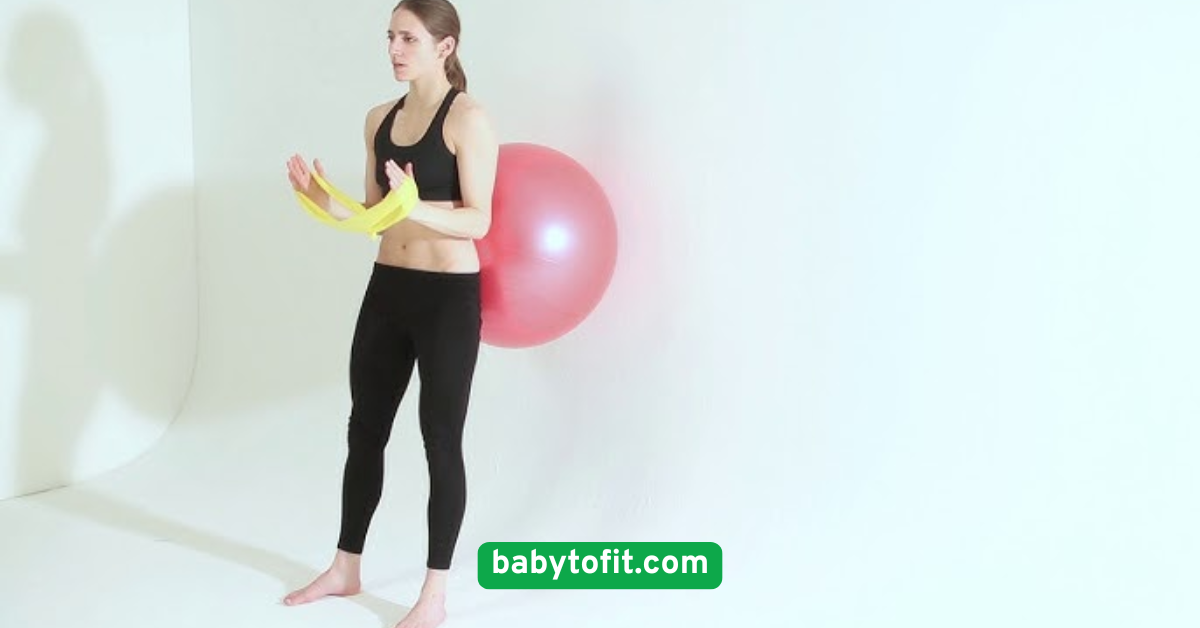
1. Wall-Assisted Squats
Wall-assisted squats are an excellent way to build lower body strength while maintaining balance and minimizing pressure on your joints. This exercise is perfect for postpartum moms who want to activate their legs, hips, and pelvic muscles without straining.Using the wall as support helps keep your posture aligned and prevents any unnecessary forward lean, which can be common when you’re regaining strength. Start by standing with your back flat against the wall, feet shoulder-width apart, and slowly lowering into a squat position. Hold briefly, then return to standing.This movement not only strengthens your quadriceps and glutes but also helps stabilize your pelvic floor, which is essential for postpartum recovery. Performing wall squats a few times a day can improve circulation and encourage muscle engagement, which will gradually boost your energy levels.
2. Seated Pelvic Tilts
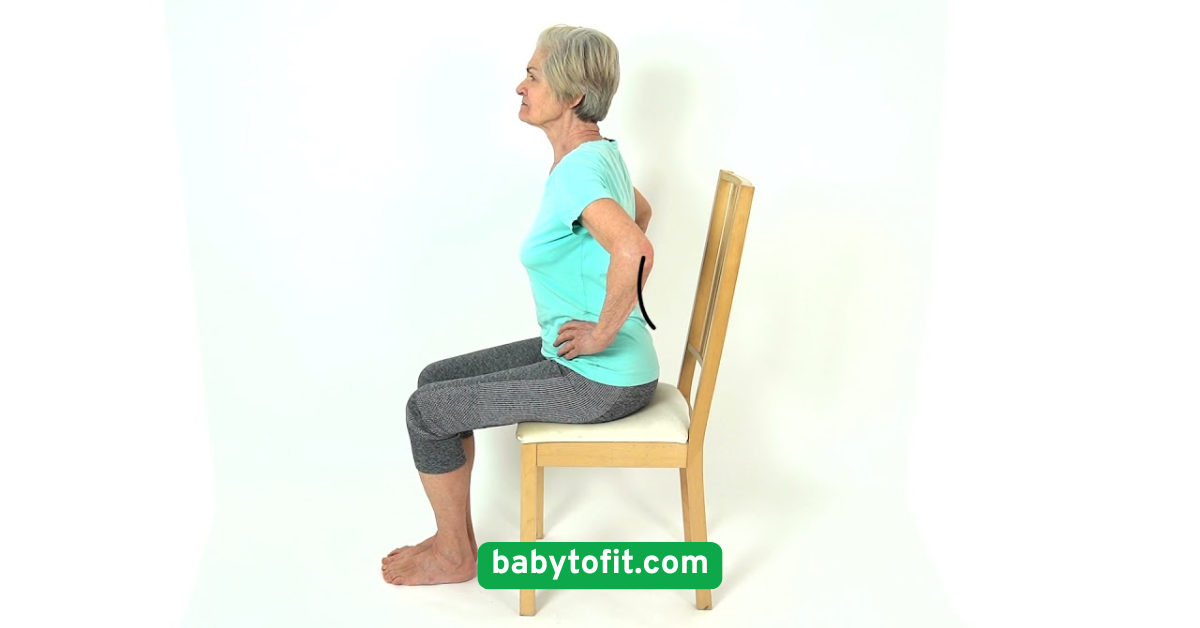
Pelvic tilts are a gentle and effective exercise to engage your core and pelvic floor muscles, areas that undergo significant strain during pregnancy and childbirth. Seated pelvic tilts can be done on a chair or exercise ball, making them accessible and comfortable for new moms.Sit tall with your feet flat on the floor, then slowly tilt your pelvis forward and backward, focusing on contracting your lower abdominal muscles. Breathing deeply and maintaining a controlled movement is crucial here to avoid overexertion.This exercise helps alleviate lower back pain by strengthening the muscles that support your spine. It also promotes pelvic stability, which is key to regaining your core strength and energy. Incorporating pelvic tilts into your daily routine helps you build a strong foundation for more intense workouts down the line.
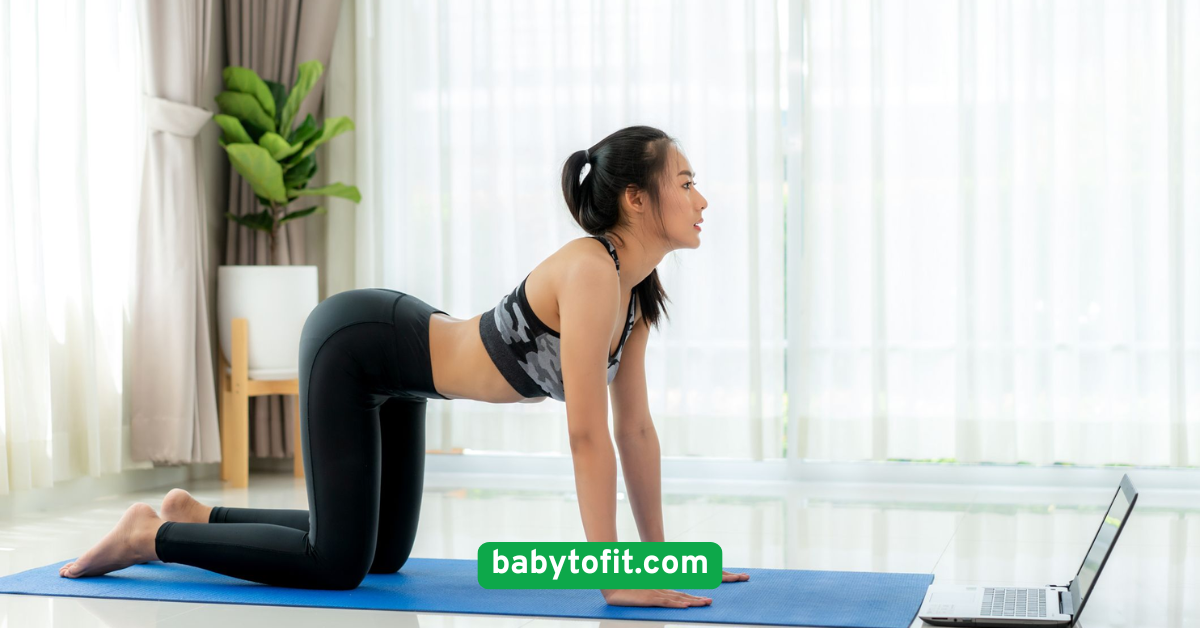
3. Modified Cat-Cow Stretch
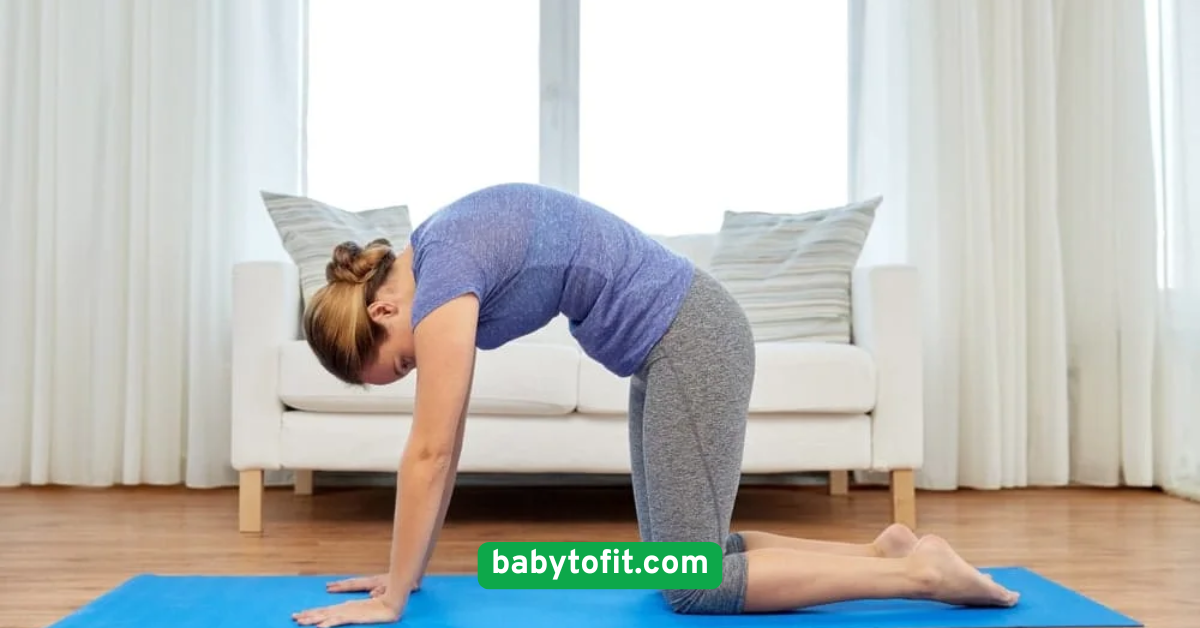
The modified cat-cow stretch is a gentle yoga-inspired movement designed to increase spine flexibility and engage the core muscles. This stretch involves arching and rounding your back while coordinating your breath, making it perfect for reducing tension and enhancing mobility postpartum.Starting on your hands and knees, inhale as you arch your back (cow position) and exhale as you round it (cat position). Moving slowly and mindfully through this flow not only stretches your back but also activates your abdominal muscles in a low-impact way.This exercise is fantastic for improving posture, which can be compromised after pregnancy due to weakened muscles and altered body mechanics. The gentle movement also releases tension in your neck and shoulders, areas often tight from carrying and nursing your baby. This makes the cat-cow stretch a refreshing addition to your recovery routine.
4. Side-Lying Leg Lifts
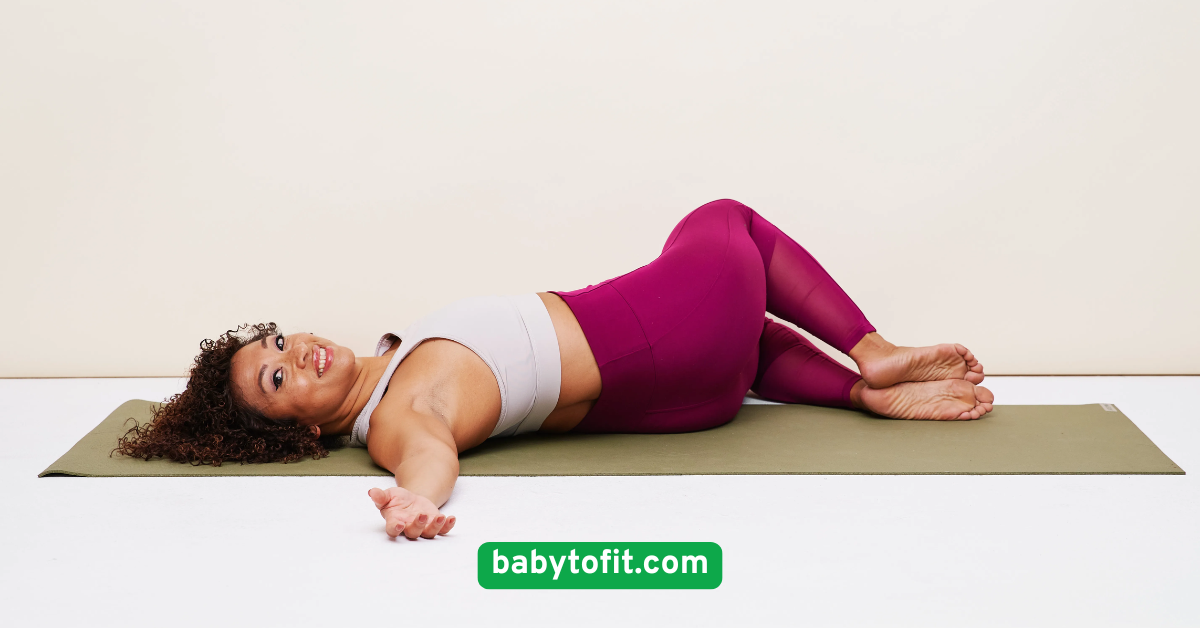
Side-lying leg lifts target the hips, thighs, and glute muscles, areas that can become weak during pregnancy. This low-impact exercise helps improve pelvic alignment and muscle balance, supporting your overall mobility and energy.Lie on your side with legs extended, head supported by your arm, and lift your top leg slowly while keeping it straight. Lower it back down with control and repeat for several repetitions before switching sides.This workout is easy to perform at home and can be done while watching TV or relaxing with your baby nearby. Strengthening your hip muscles reduces strain on your lower back and improves balance, contributing to increased energy and better movement throughout the day.
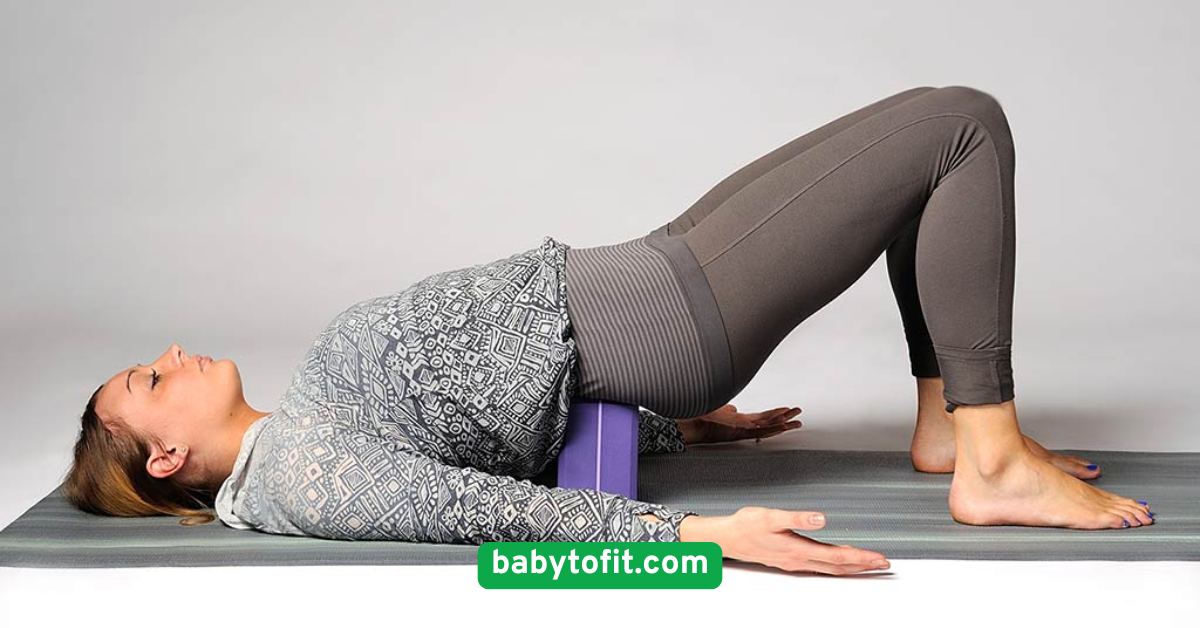
5. Supported Bridge Pose
The supported bridge pose is a fantastic way to strengthen your glutes, lower back, and core muscles while providing gentle support to your pelvic floor. This pose can be performed lying on your back with your feet flat on the floor and hips lifted.By pressing your feet into the ground and lifting your hips toward the ceiling, you engage muscles critical for postpartum recovery. Using a yoga block or pillow beneath your hips can offer extra support, making it a gentle and sustainable exercise.Regular practice of the bridge pose improves core stability and helps reduce lower back discomfort, a common complaint among new moms. It also stimulates blood flow to the pelvic region, encouraging healing and energy restoration.
6. Gentle Marching in Place
Sometimes, the simplest movements can make a significant difference in boosting your energy. Gentle marching in place is a light aerobic exercise that increases cardiovascular health without putting pressure on your joints.Start by standing tall and lifting your knees alternately, mimicking a march. Swing your arms naturally, breathing steadily. This low-impact workout encourages blood circulation and warms up your muscles.Even a short 5-10 minute session can invigorate your body and mind, helping you shake off fatigue. Gentle marching is easy to do anywhere and perfect for busy moms needing a quick energy lift between daily tasks.
7. Standing Calf Raises
Standing calf raises help strengthen the lower legs and improve balance, which can be affected during pregnancy due to changes in posture and weight distribution.Stand with feet hip-width apart near a wall or chair for balance support. Slowly lift your heels off the ground and rise onto your toes, then lower back down with control.This simple exercise can be incorporated into your daily routine, for instance while brushing your teeth or waiting for your baby. Strong calves support walking and standing activities, making it easier to keep up with your little one and maintain your energy.
8. Seated Arm Circles
Upper body mobility and blood flow can sometimes take a backseat during postpartum recovery. Seated arm circles are an excellent way to gently activate your shoulders and improve circulation.Sit comfortably with your back straight and arms extended to your sides. Make small, controlled circles forward for 20-30 seconds, then reverse the direction.This movement releases stiffness from the shoulders and upper back, areas prone to tension from holding and feeding your baby. By improving upper body mobility, you’ll feel more relaxed and energized throughout the day.
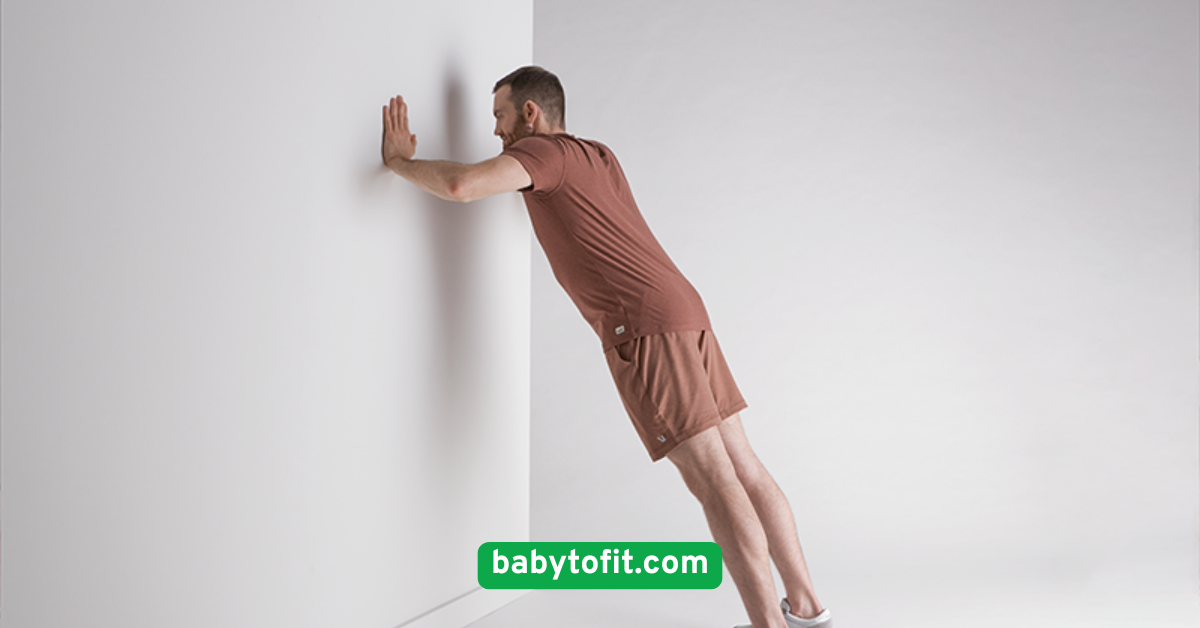
9. Wall Push-Ups
Wall push-ups are a beginner-friendly way to build upper body and core strength without straining your body. This exercise uses your body weight but limits intensity by leveraging a vertical surface.Stand facing a wall, place your hands shoulder-width apart, and slowly bend your elbows to bring your chest closer to the wall. Push back to the starting position.Wall push-ups engage your chest, arms, and core muscles, helping restore strength lost during pregnancy. They’re an excellent step toward more challenging exercises as your recovery progresses.
10. Reclining Knee-to-Chest Stretch
The reclining knee-to-chest stretch offers gentle relief for lower back tension and promotes flexibility in the hips and spine.Lie on your back and slowly bring one knee toward your chest, holding it with your hands. Hold for 20-30 seconds, then switch sides.This stretch encourages relaxation and helps alleviate muscle tightness caused by pregnancy and caregiving. It’s also a gentle way to engage your core muscles, supporting your overall recovery.
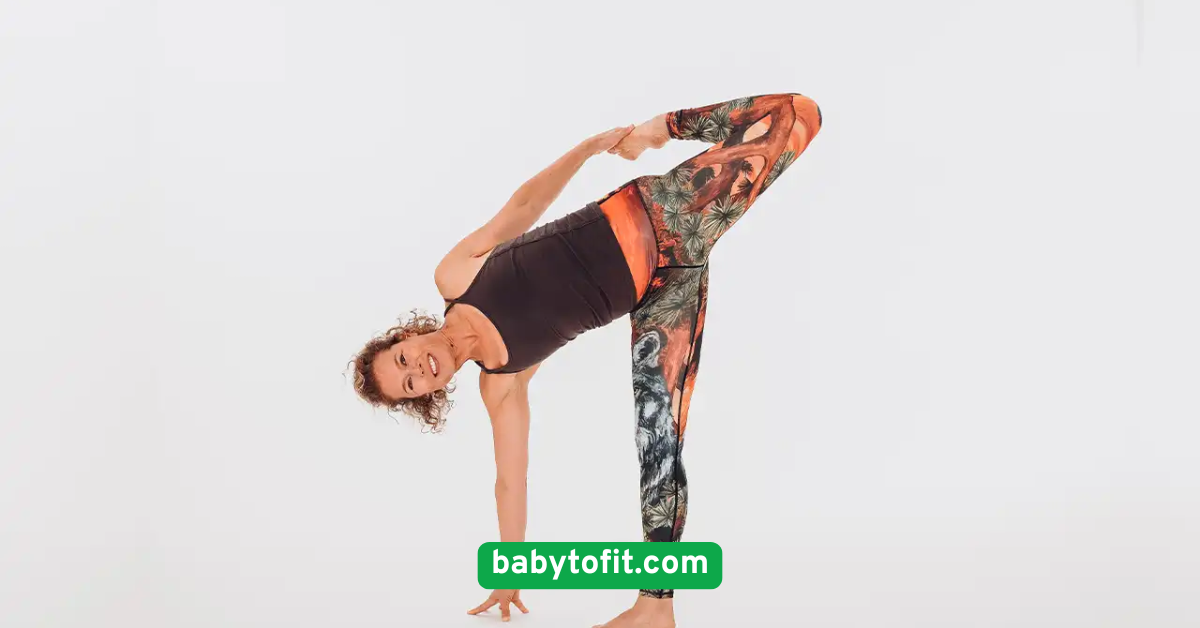
11. Cat-Cow Flow with Breathwork
Expanding on the modified cat-cow, incorporating breathwork can deepen relaxation and enhance your body’s healing response.Move through the cat-cow positions slowly, syncing each movement with a deep inhale or exhale. This mindful flow enhances body awareness and reduces postpartum stress.The combination of movement and breath fosters a calm mind and flexible spine, both vital for regaining energy and physical balance.
12. Gentle Walking (5–10 Minutes)
Walking is the most natural and accessible exercise, perfect for postpartum moms wanting to boost energy while staying low-impact.Starting with just 5 to 10 minutes around your home or neighborhood, walking increases cardiovascular fitness, stimulates circulation, and improves mood.Fresh air and light movement can work wonders for your physical and mental well-being, helping you feel more energized and connected to your body.

Conclusion
Recovering from childbirth requires patience and care, and low-impact postpartum workouts are your gentle allies in this journey. These 12 exercises are designed to support your healing, gradually rebuild your core and strength, and most importantly, boost your energy levels in a way that honors your body’s needs.
Remember, every new mom’s recovery is unique. Listen to your body, move at your own pace, and celebrate each small step forward. Consistent, mindful practice of these workouts can make your postpartum journey more manageable and joyful. Embrace these gentle movements, and let your energy and strength flourish alongside your beautiful new life.


