15 Effective Postpartum Workouts to Regain Strength
In this guide, we’ll walk through 15 effective postpartum workouts that support healing and rebuild strength without overwhelming your body. Whether you’re a few weeks or a few months postpartum, these gentle yet empowering exercises are perfect for easing back into a fitness routine. Let’s get started!
-
Diaphragmatic Breathing
Diaphragmatic breathing, also called deep belly breathing, is one of the simplest and most restorative postpartum exercises. It helps retrain your core, regulate your nervous system, and reduce stress—all essential for new moms.Begin by lying on your back with your knees bent and feet flat. Place one hand on your chest and the other on your belly. Inhale slowly through your nose, allowing your belly to rise. Exhale fully through your mouth, letting your belly fall. Repeat this cycle for 5 to 10 minutes daily.This breathwork isn’t just relaxing—it reactivates the transverse abdominis, a deep core muscle that was stretched during pregnancy. This is foundational for safely regaining abdominal strength and improving posture.

-
Pelvic Floor Contractions (Kegels)
Postpartum pelvic floor exercises are vital for restoring bladder control, reducing pelvic heaviness, and promoting core stability. Kegels are easy to do anywhere and build strength without strain.To start, sit or lie down comfortably. Contract the muscles you’d use to stop the flow of urine. Hold for 3–5 seconds, then relax for the same amount of time. Repeat 10–15 times per session, aiming for 3 sessions per day.Stay consistent, and you’ll likely notice improvements in control and core engagement. Combine Kegels with diaphragmatic breathing for even better results.

-
Heel Slides
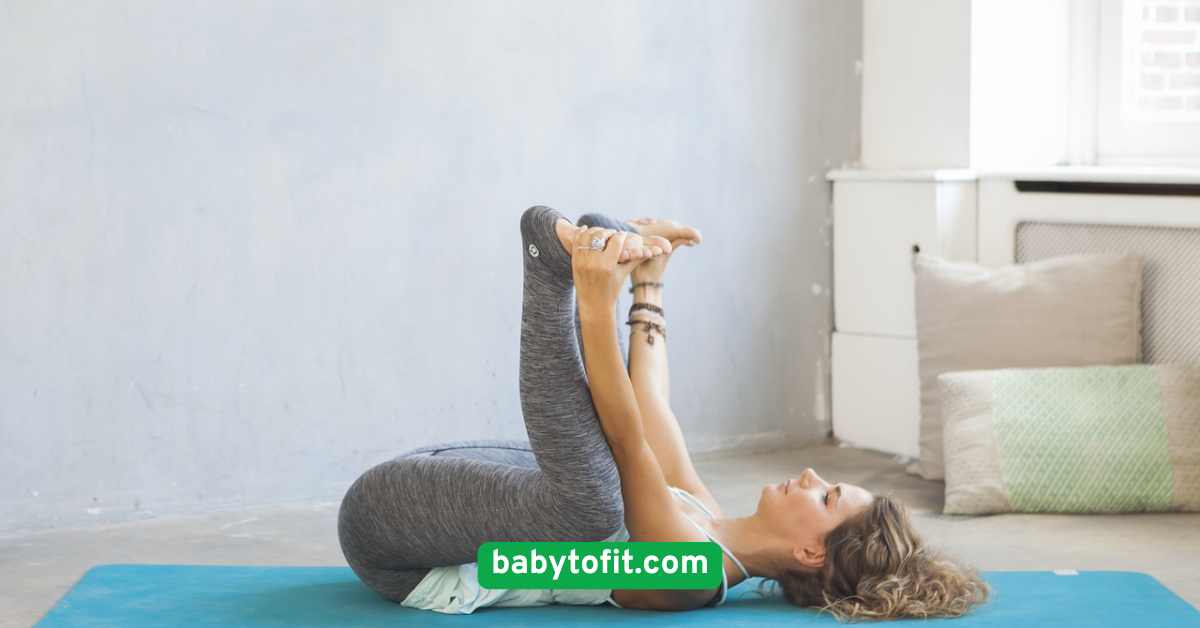
Heel slides are a gentle reintroduction to lower body movement. They improve core stability, strengthen the legs, and encourage spinal alignment.Lie on your back with your knees bent. Slowly slide one heel along the floor until your leg is straight, then return to the starting position. Alternate legs for 10 reps each.Focus on engaging your core as you move. This exercise is especially helpful if you experienced diastasis recti and need to avoid more intense ab work early on.
-
Glute Bridges
Glute bridges strengthen the posterior chain (glutes, hamstrings, and lower back) while reinforcing the core. This is a key move to combat the effects of prolonged sitting and lifting.Lie on your back, knees bent, and feet flat on the floor. Press into your heels to lift your hips toward the ceiling. Squeeze your glutes at the top, then slowly lower. Perform 10–15 reps.Add a pillow or small ball between your knees to encourage inner thigh engagement for more core support.

-
Cat-Cow Stretch
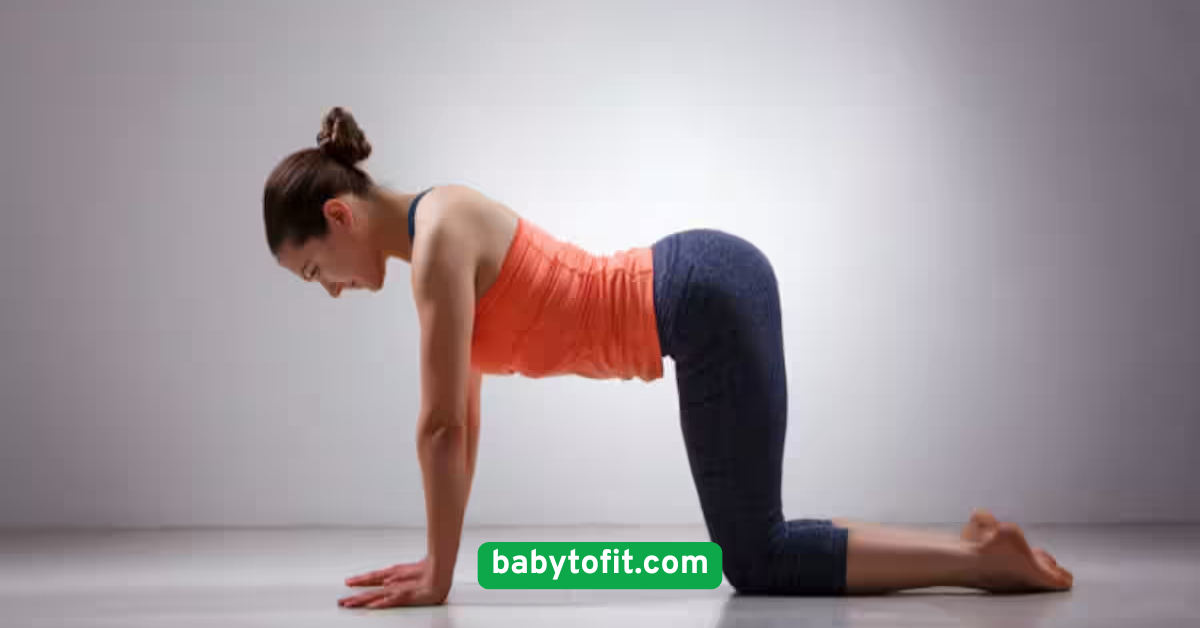
This gentle yoga flow mobilizes the spine, improves posture, and provides a calming rhythm to your breath and movement. It also relieves tension in the shoulders and lower back.Begin on all fours. Inhale as you arch your back, lifting your head and tailbone (Cow). Exhale as you round your spine, tucking your chin and pelvis (Cat). Continue flowing for 10 slow, controlled breaths.It’s a lovely way to begin or end your day, especially when your back needs a reset after feeding or carrying your baby.
-
Side-Lying Leg Lifts
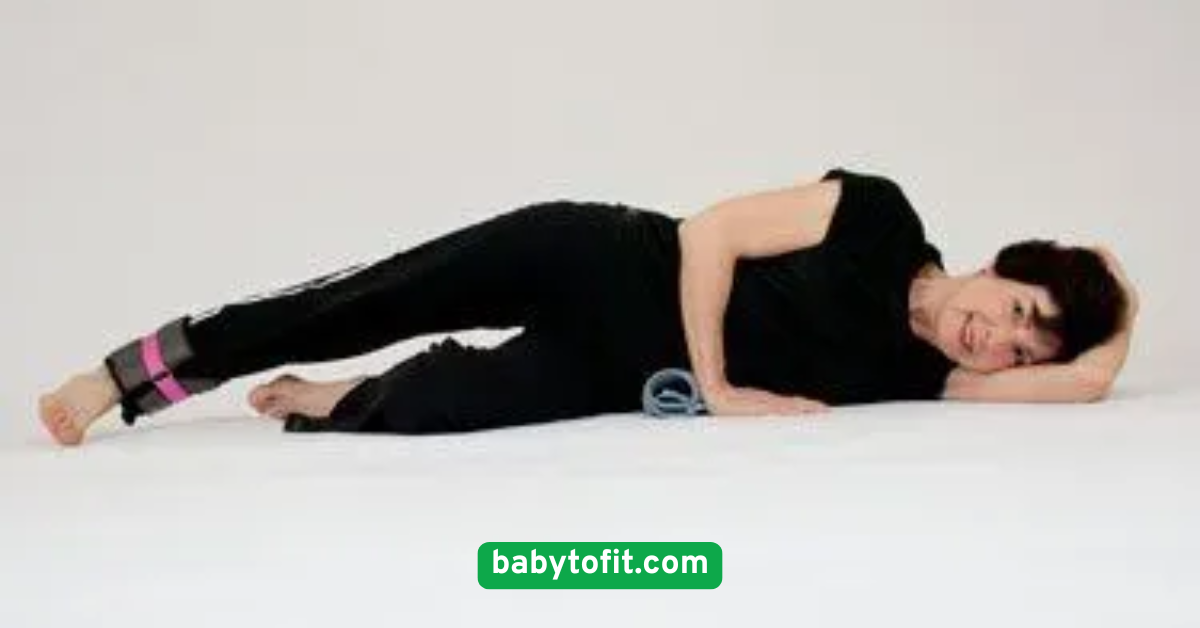
Side-lying leg lifts strengthen your outer hips and glutes, which are essential for pelvic stability and balance.Lie on your side with your legs stacked. Slowly lift your top leg to hip height, then lower. Perform 10–12 reps per leg, keeping your core engaged and movement controlled.These are deceptively simple yet incredibly effective for postpartum support.
-
Modified Side Plank
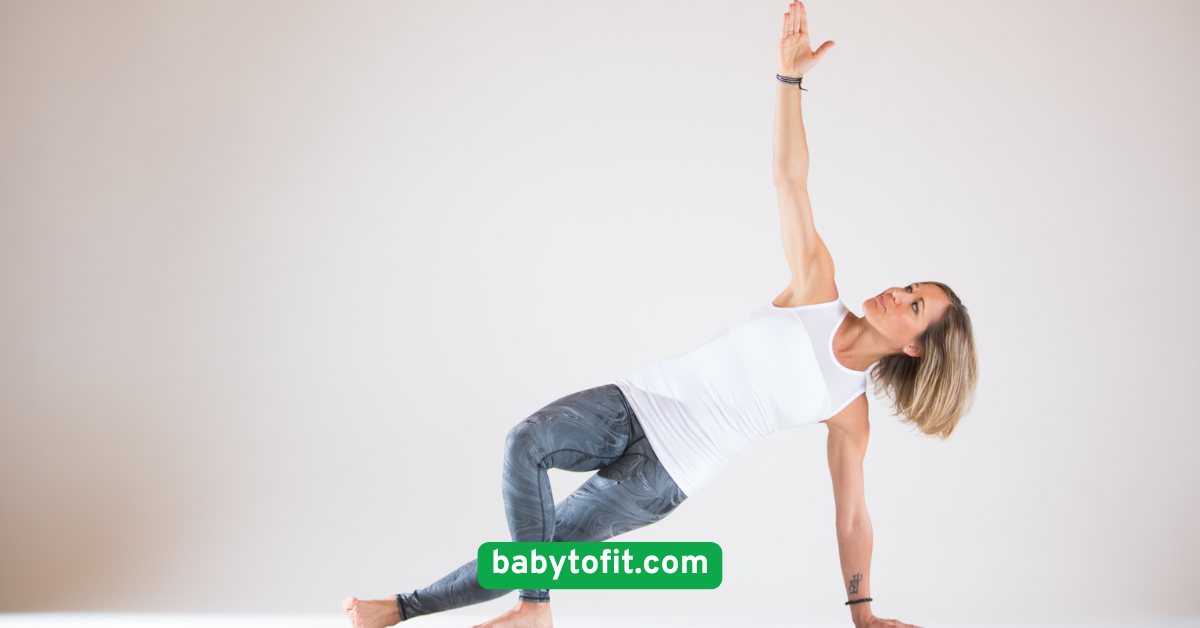
The side plank variation is excellent for building core strength without straining healing abs.Lie on your side, supporting yourself on your elbow. Bend your bottom leg and keep your top leg straight. Lift your hips, forming a straight line from shoulders to knees. Hold for 10–15 seconds and switch sides.This version allows you to activate the obliques and glutes gently while maintaining alignment.
-
Seated Marches
Seated marches offer a light cardio element while engaging your core and hip flexors. They’re perfect for a midday energy boost.Sit on a sturdy chair, back straight. Lift one knee at a time like a marching motion. Perform 20 reps, alternating legs.To increase intensity, add small hand weights or extend your arms overhead.

-
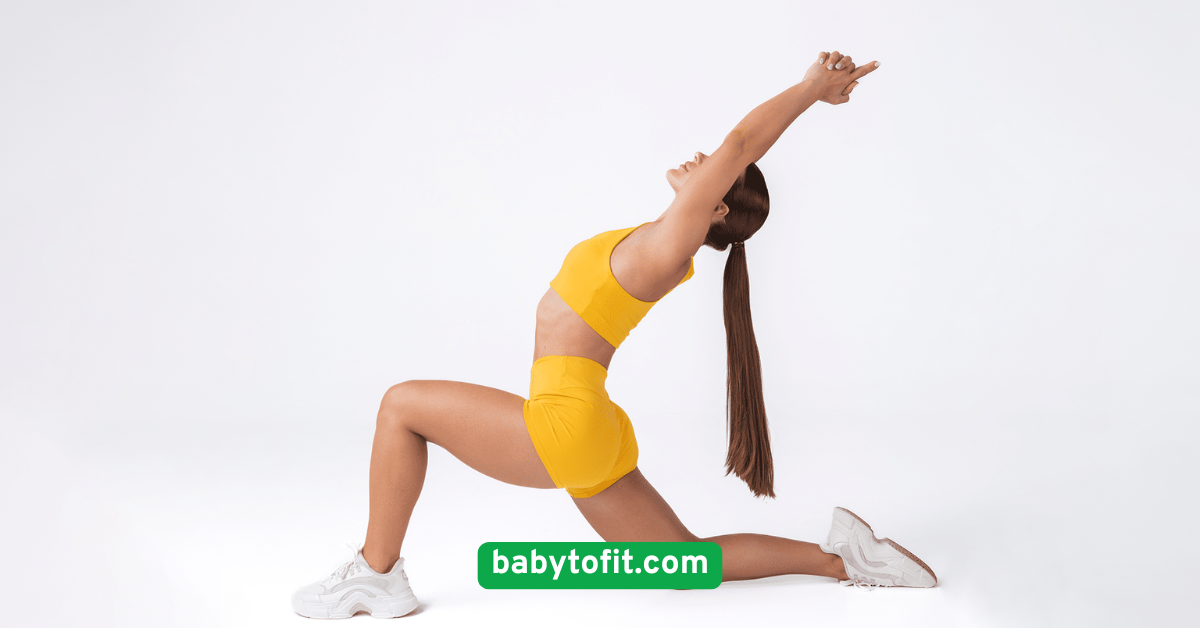
Wall Sits
Wall sits are a fantastic low-impact way to build leg strength, stability, and endurance.Stand with your back against a wall and slide down into a seated position with knees over ankles. Hold for 15–30 seconds, gradually increasing time as you grow stronger.Focus on breathing deeply and engaging your pelvic floor throughout the hold.
-
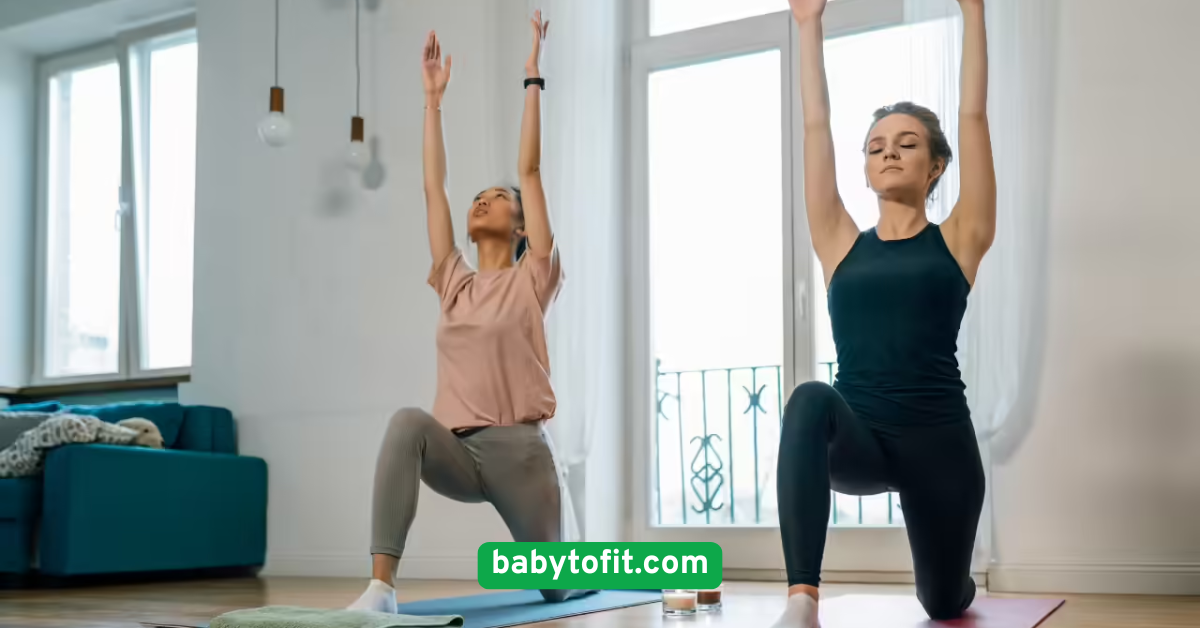
Standing Calf Raises
Calf raises improve circulation, balance, and ankle stability—especially helpful if you’ve been less active postpartum.Stand tall, feet hip-width apart. Slowly rise onto your toes, pause, then lower. Repeat 15–20 times.Use a wall or chair for support if needed, and focus on controlled movement.
-
Bird-Dog
This classic core exercise supports balance, stability, and coordination. It’s excellent for reconnecting your brain and body.On all fours, extend one arm and the opposite leg simultaneously. Hold for a moment, then return and switch sides. Perform 10 reps per side.Keep your spine neutral and your core engaged for best results.

-
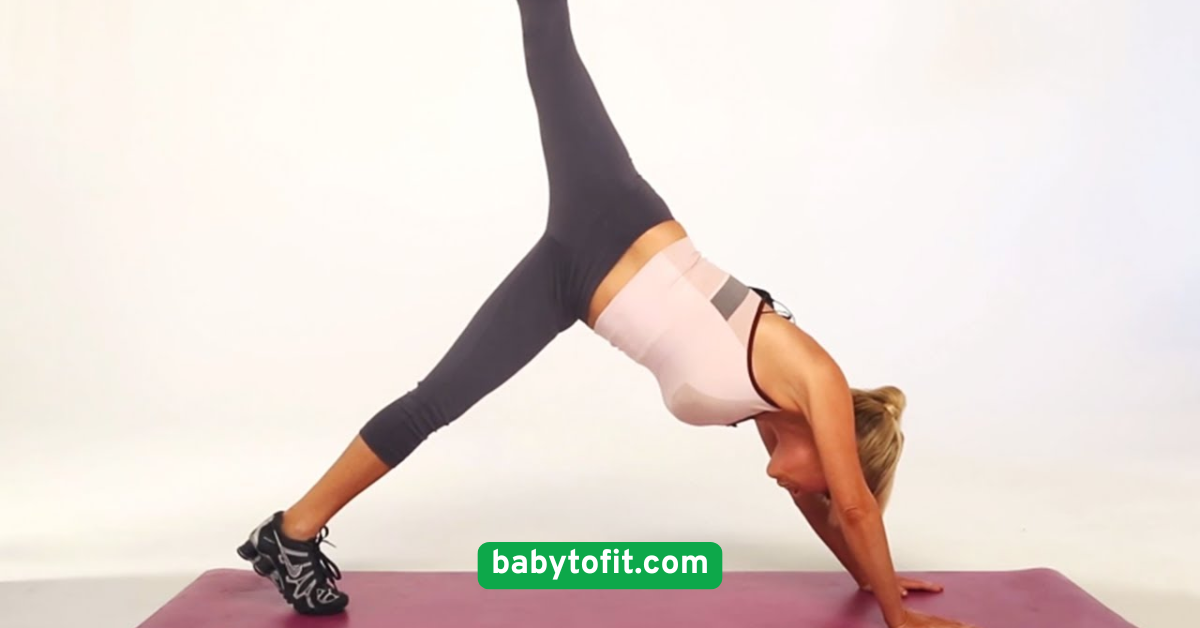
Mini Squats
Mini squats are a great way to reintroduce functional movement safely. They strengthen the legs, glutes, and core.Stand with feet hip-width apart. Lower your body just a few inches as if sitting back into a chair, then return to standing. Do 10–15 reps.Use a chair for support if needed. This movement mimics daily tasks like picking up baby items or sitting down, making it super practical.
-
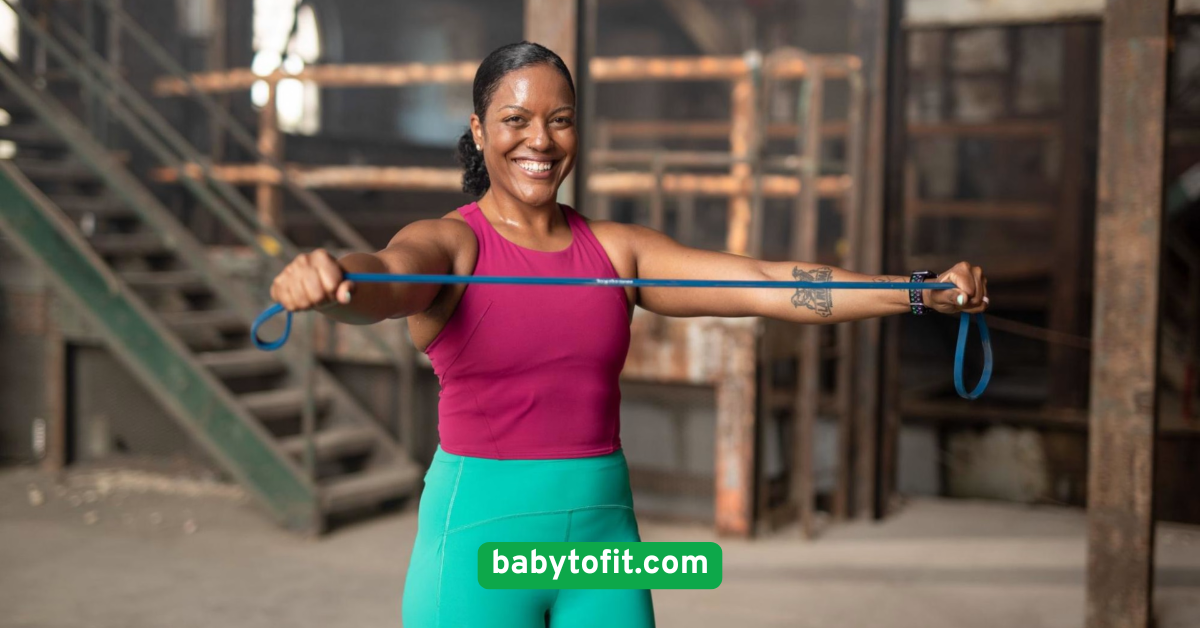
Resistance Band Rows
Posture can take a hit postpartum. Resistance band rows strengthen the upper back, shoulders, and arms, helping counteract slouching.Secure a resistance band at chest height. Hold handles, step back, and pull elbows toward your ribs. Squeeze your shoulder blades, then release. Perform 10–12 reps.This move promotes better breastfeeding and baby-holding posture.
-
Chair Yoga Flow
Chair yoga offers a calm, accessible way to stretch and energize the whole body. It promotes circulation and mindfulness.Try a flow of seated twists, gentle side bends, and forward folds. Breathe deeply with each movement.This is ideal for days when you feel tired but still want to move gently.

-
Gentle Walking
Finally, never underestimate the power of a walk. Walking boosts energy, improves circulation, supports weight management, and clears the mind.Start with 5–10 minutes around your home or block. Gradually increase duration and pace as your stamina returns.Walking with your baby in a stroller also provides bonding time and a dose of fresh air.

Conclusion
The journey back to strength after childbirth doesn’t require intense routines or expensive gym memberships. With consistency, self-compassion, and the right postpartum exercises, you can rebuild your core, support your pelvic floor, and boost your energy naturally. These 15 low-impact workouts are designed with new moms in mind—safe, effective, and easy to do at home, even with a baby in tow.
Listen to your body, celebrate small wins, and remember: every breath and movement counts. You are strong, resilient, and capable of reclaiming your strength, one gentle workout at a time.


